
From the Principal
Celebrating our founders
Mr Rob French, Principal
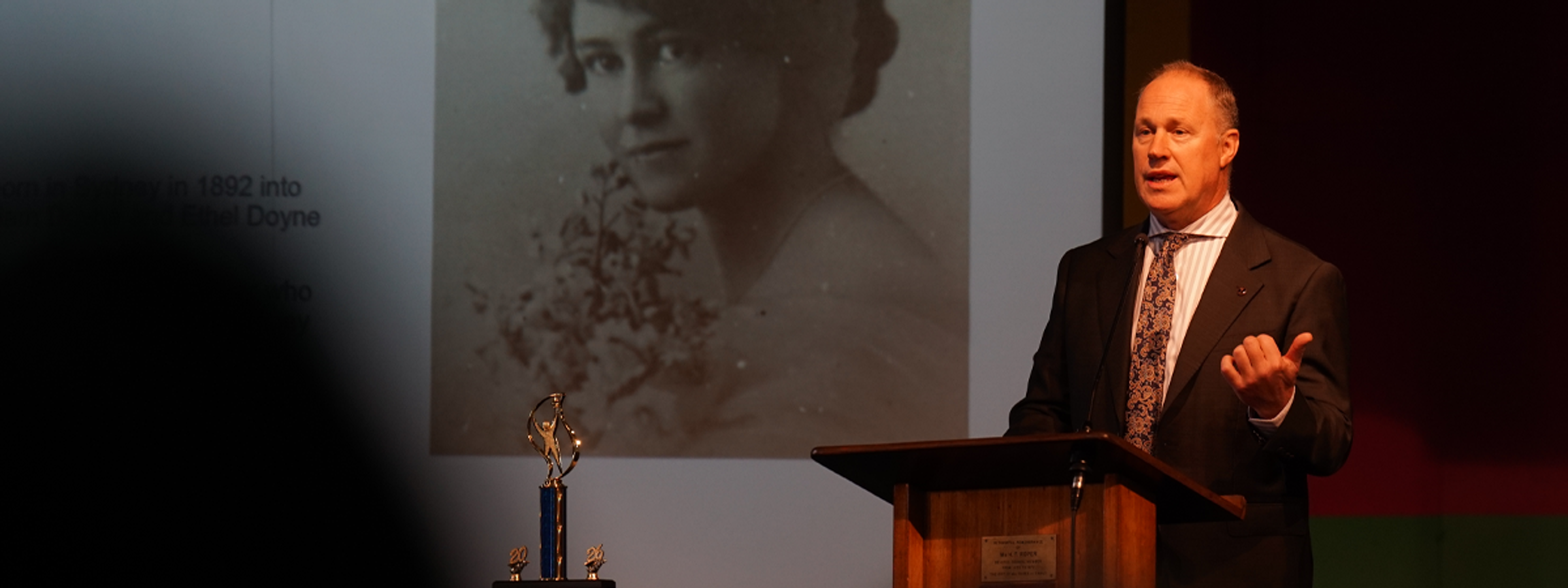
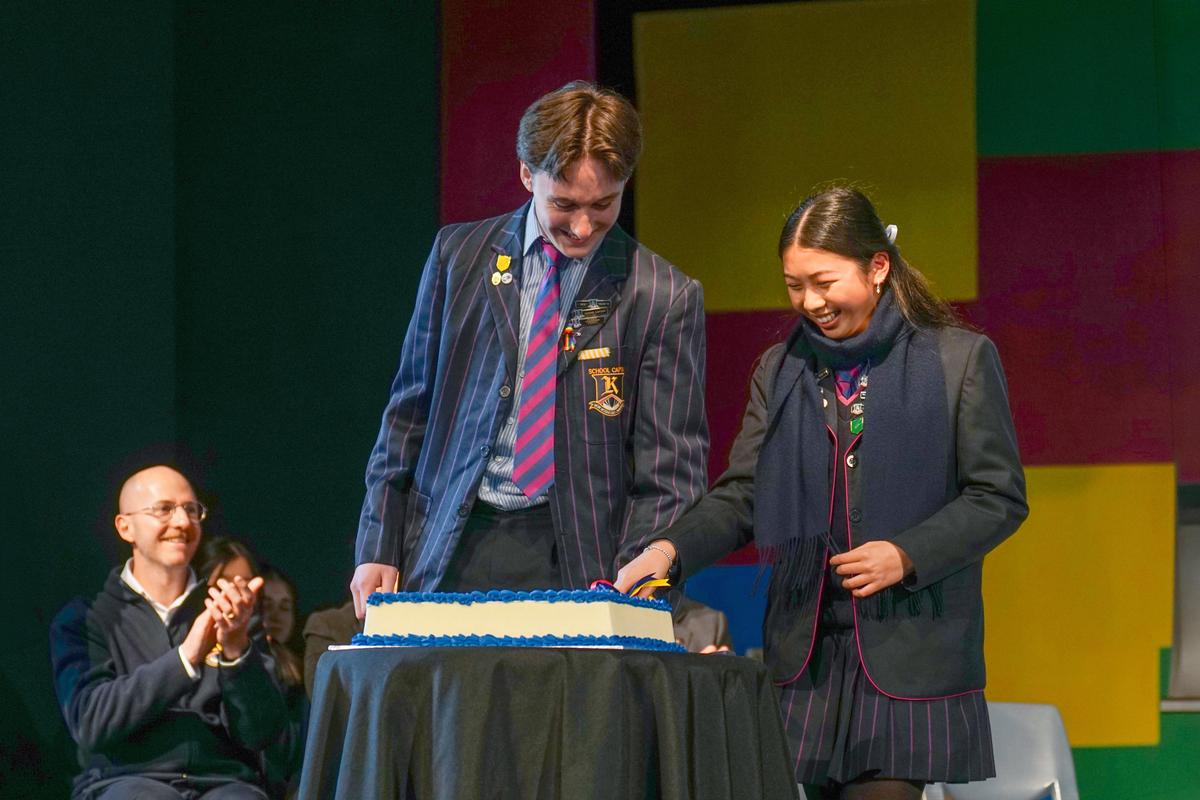
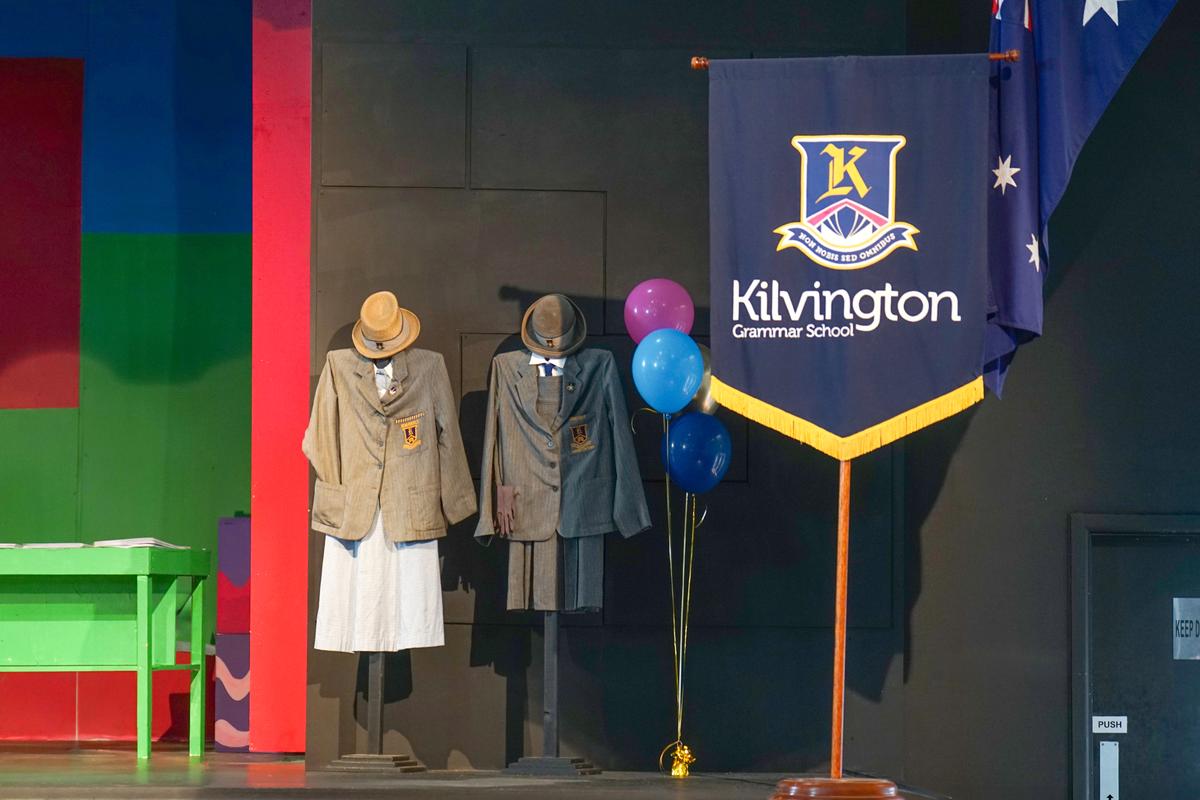
Last Friday, Senior School students enjoyed a special Founders’ Day assembly, complete with historic school uniforms and a birthday cake to celebrate Kilvington’s 103rd birthday. Our Junior School students will hold their own Founders’ Day assembly next week.

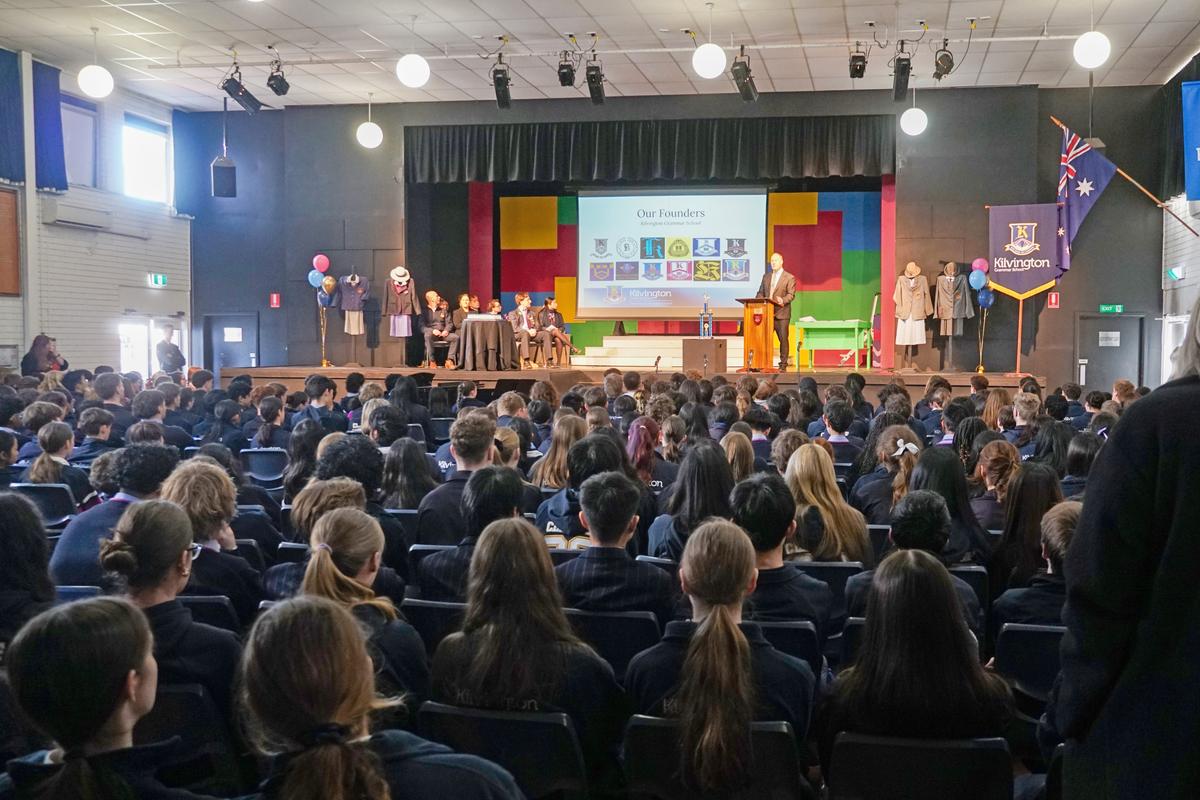
These occasions provide an opportunity for our current students and staff to pause and give thanks to those who have gone before us. The unique culture that defines Kilvington has been shaped over many generations, with each member of our community leaving their own mark and contributing to the School’s story.
In particular, Founders’ Day is a chance to acknowledge those whose vision and determination brought the School into existence more than a century ago. It is an extraordinary story of courage and perseverance, especially when viewed in the context of the time. The First World War had only just ended, and Melbourne, like much of the world, was in the grip of the devastating influenza pandemic.
As many know, the story began when Phyllis and Wilfred Fethers sought a teacher to educate their children, along with those of Phyllis’ sister, Nancye, who lived next door. Wilfred had recently returned from the horrors of war, having served with distinction at Gallipoli and on the Western Front. Remarkably, he and his four brothers all served during the war and all returned home safely.
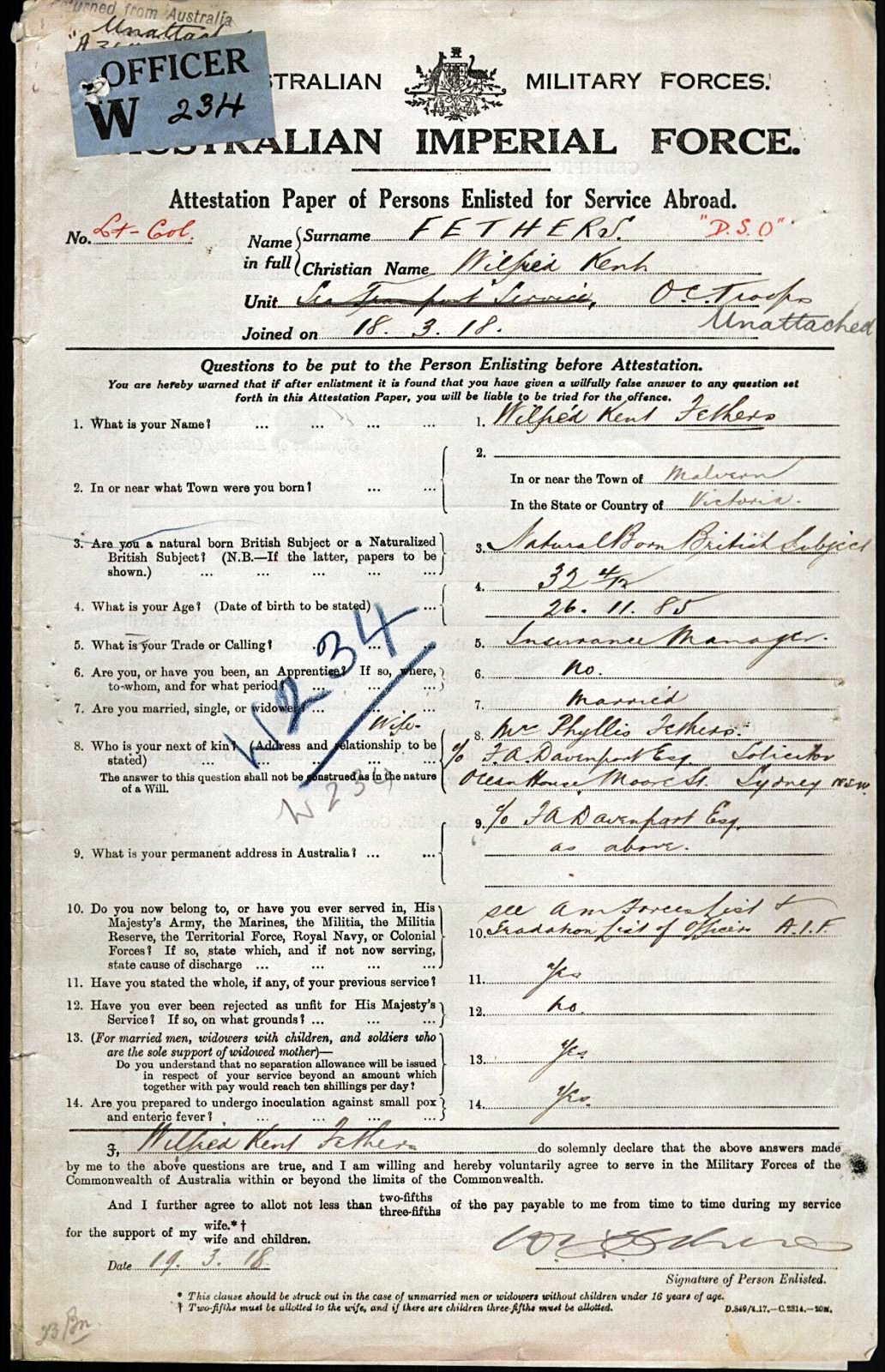
Constance Barrett, then only in her early twenties, answered the Fethers’ advertisement and began teaching the children in their home on Lillimur Road. Before long, she had established an outstanding reputation as an educator, and demand for her classes continued to grow. It was then that she conceived the idea of establishing her own school in Ormond. Although she herself was not formally qualified, her mother, Caroline Barrett, was. Together, the formidable mother-and-daughter team set about making that vision a reality.
The pair faced several seemingly insurmountable challenges, not least of which was finding a place to operate the new school. After an application to use the local Church of England hall was initially rejected, the story took an important turn. Mr Ernest Burman, a member of the church committee whose four grandchildren attended Constance’s classes, advocated strongly on their behalf. His persistence eventually secured access to the church hall, and Ormond Girls’ School was born.
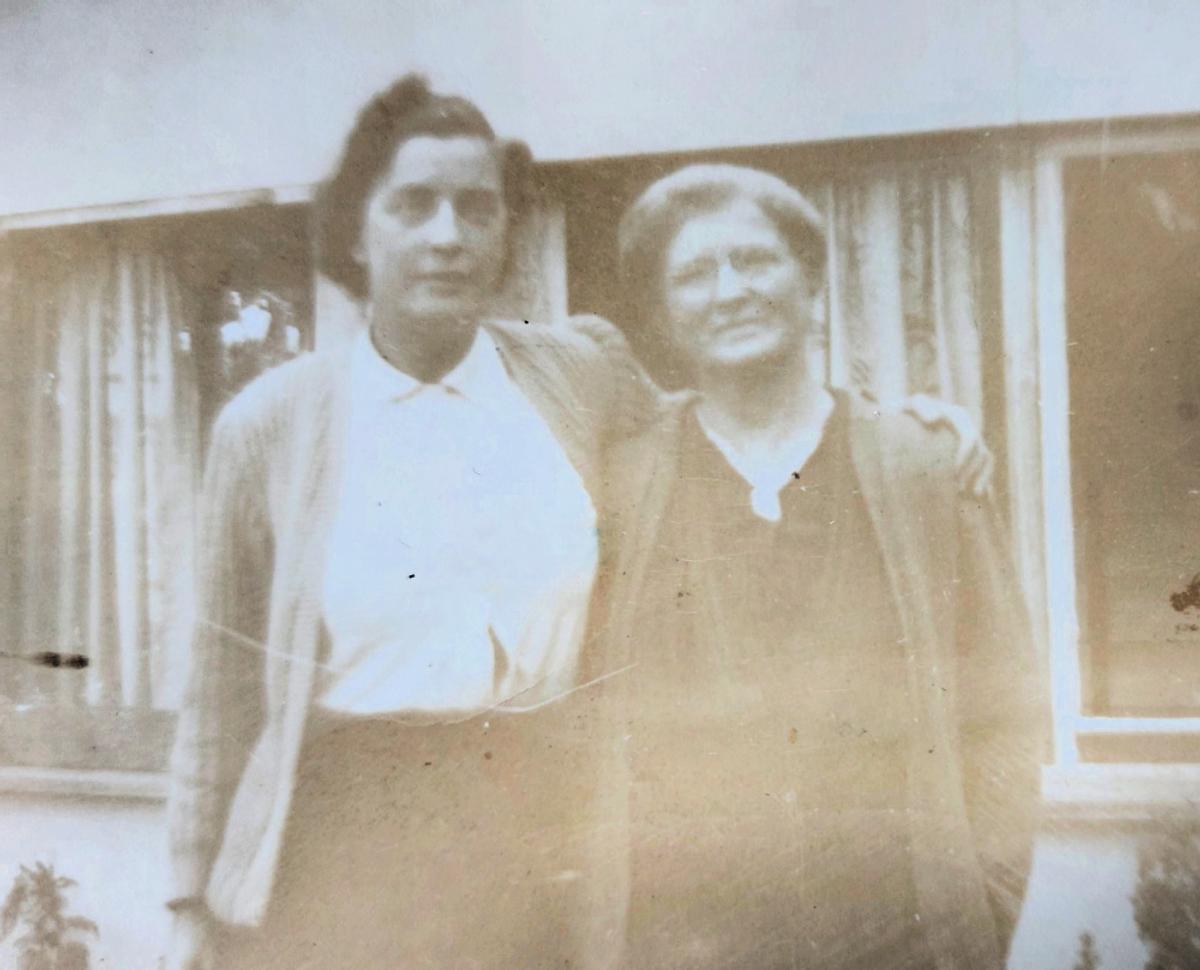
Caroline and Constance Barrett
Caroline and Constance Barrett
Despite the challenges of the 1920s, enrolments grew steadily and the church hall soon became too small. Perhaps the most remarkable chapter of the story came when Caroline and Constance Barrett secured a substantial bank loan to build a new school in Walsh Street. According to School history, the bank insisted the building be designed so it could be converted into a house or flats if the school failed. Fortunately, it never did. This is why the original school building, which still stands at Oakwood School on the corner of Walsh Street and Lillimur Road, resembles a house.
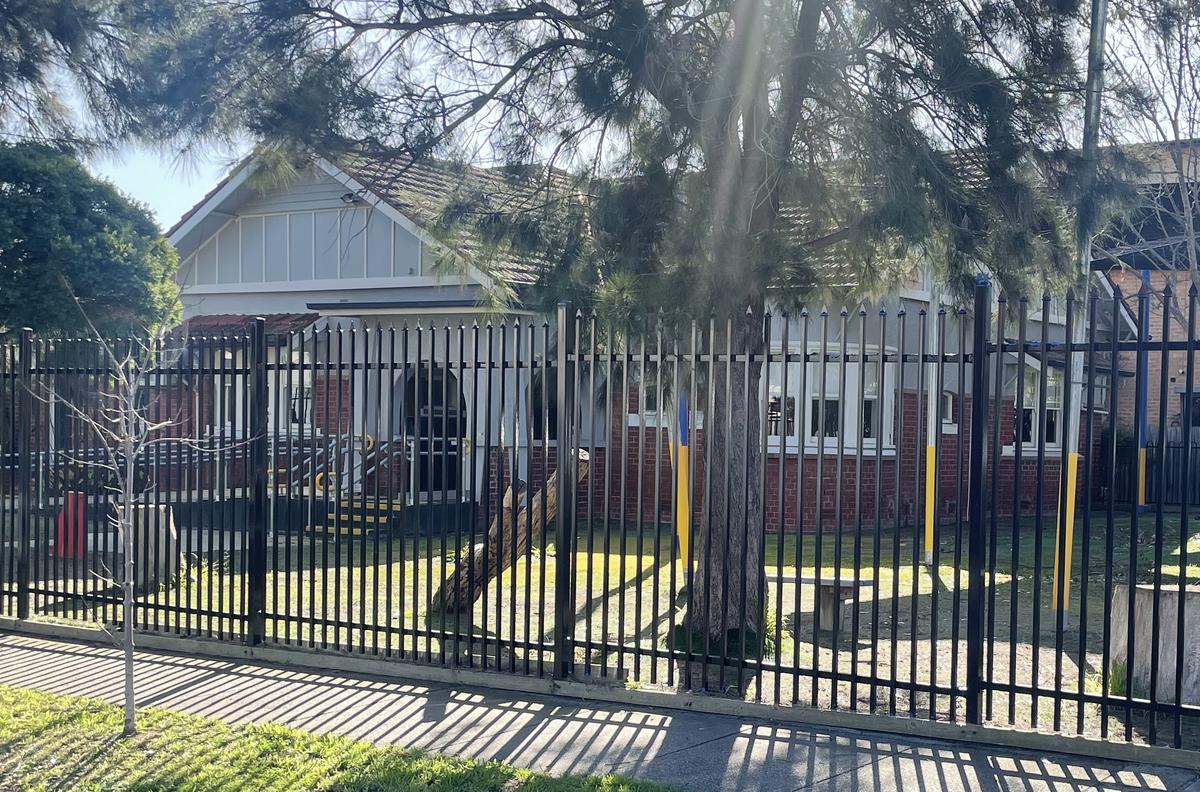
Kilvington's original site in Walsh Street, Ormond
Kilvington's original site in Walsh Street, Ormond
The School survived the Great Depression, and in 1934 leadership passed to Ms Muriel Fysh. By then, the name had changed to Kilvington Girls’ Grammar School, named after the English village with which the Barrett family had close connections.
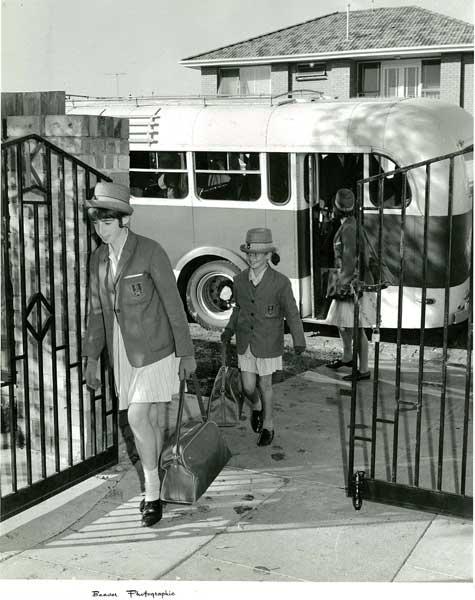
In the late 1940s, Kilvington became part of the Baptist Union of Victoria, relocated to its current Leila Road campus, and welcomed Roberta McKie as Headmistress. She would become one of the most influential leaders in the School’s history, guiding Kilvington for more than two decades.
Each Founders’ Day, we give thanks to those whose courage, determination and belief laid the foundations for the School we know today, especially the remarkable mother-and-daughter partnership that transformed a simple idea into a thriving community. We also honour the generations of staff, students, parents and Council members who have continued to build upon that foundation.
Our founders gave us far more than a school; they gave us a legacy. It is now our privilege, and our responsibility, to ensure that those who come after us inherit a Kilvington that is even stronger than the one we enjoy today.