
Autism at Magill School
Autism Resources for Families
Supporting an autistic child is a journey that looks different for every family. Whether your child has recently received an autism diagnosis, you are exploring developmental differences, or you are looking for new ways to support your child at home and school, you don't have to navigate it alone. There are a number of trusted Australian organisations offering information, practical resources and support for families.
Where Can I Get Help?
Free resources for parents, carers and educators
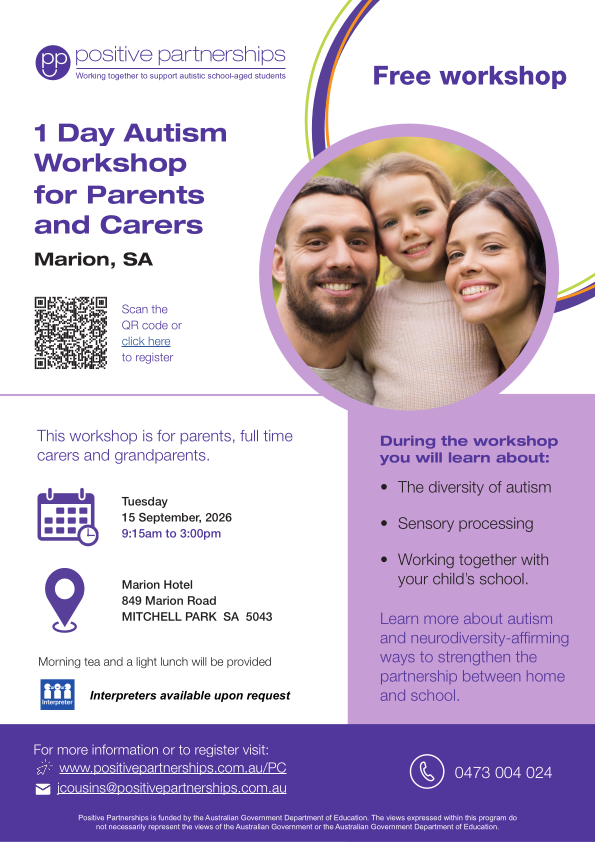
Positive Partnerships is an Australian Government-funded program providing practical information, workshops and online learning for families and educators supporting autistic children and young people.
Helpful for: communication, sensory needs, transitions, learning and home-school partnerships.
Evidence-informed autism information
Autism CRC is Australia's national autism research organisation. Families can find reliable information about autism, assessment, education and support. The National Guidance for best practice in inclusive education for autistic students is a valuable resource for families and schools working together to support inclusion, belonging and participation.
Understanding available supports
The NDIS provides information about disability supports for children and families. The Early Childhood Approach can help families connect with appropriate supports for children under 9 with developmental concerns or disability. Importantly, families do not necessarily need an NDIS plan to access early childhood support and information.
Support for South Australian families
Autism SA provides information, advice and services for autistic people and their families across South Australia. Families can seek support with understanding autism, finding services, navigating the NDIS and accessing appropriate supports.
Working Together with Your Child's School
Parents and carers know their child best. Sharing information about your child's strengths, interests, communication, sensory preferences and successful strategies can help teachers better understand how to support them. Together, families and schools can consider adjustments that help children feel safe, feel included, communicate, participate, learn and belong.
A strong partnership between home, school and the child can make a meaningful difference.
QUICK RESOURCE GUIDE
Resource | What it offers |
|---|---|
| Positive Partnerships | Free parent resources, workshops and practical tools |
| Autism CRC | Evidence-informed autism information and inclusive education guidance |
| NDIS – Children | NDIS and Early Childhood Approach information |
| Autism SA | South Australian information, family support and services |
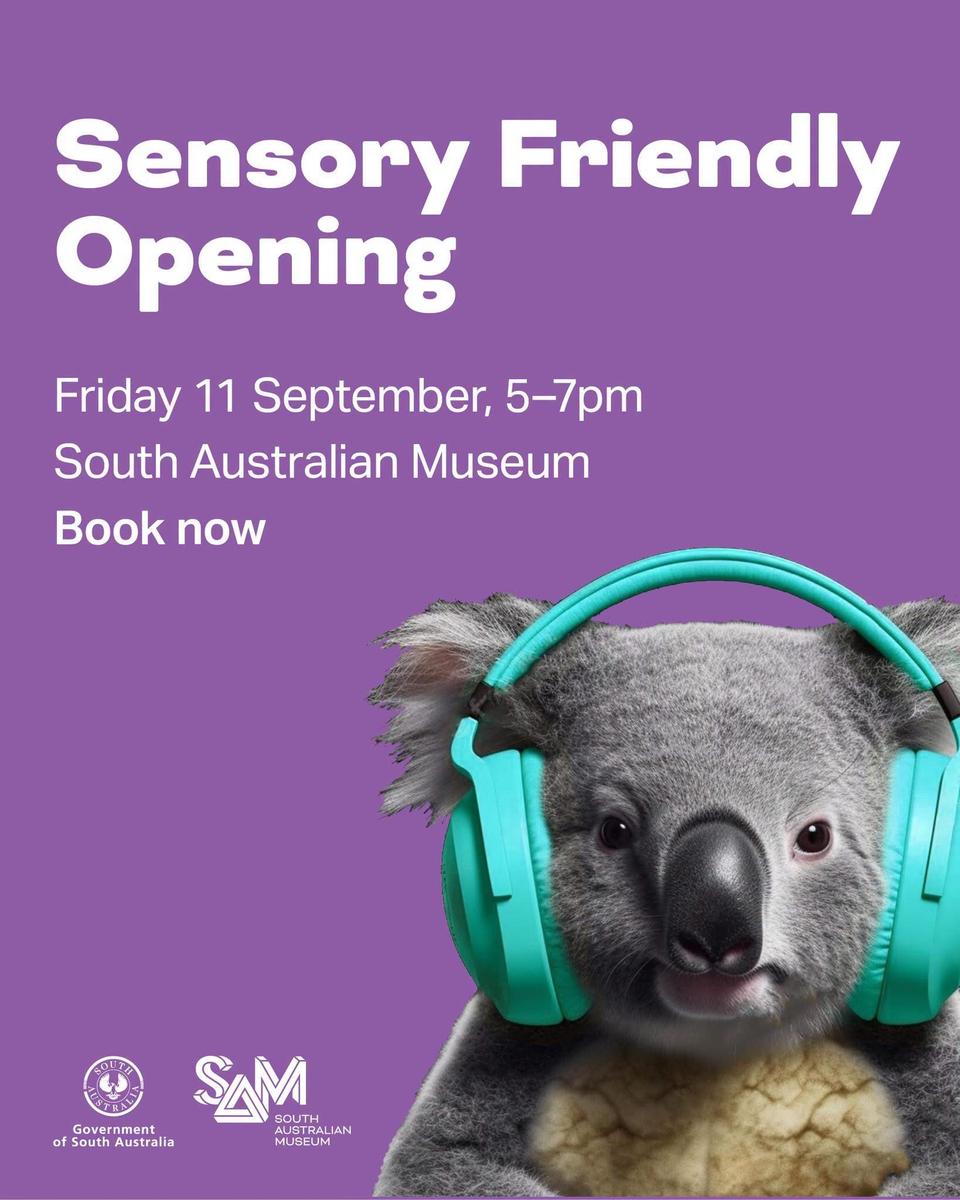
Also the museum has a sensory-friendly evening happening on the 11th of September which looks interesting-
https://whatson.samuseum.sa.gov.au/events/sensory-friendly-opening-at-the-museum
You don't have to have all the answers.
Every autistic child is different, and what works for one child may not work for another. Taking time to listen to your child, understand their individual needs and build on their strengths is an important part of supporting their wellbeing and learning.
Together, we can create environments where every child feels valued, understood, included and able to thrive.
With Kindness,
Lisa Williams
KidsHelpline: 1800 551 800
Beyond Blue: 1300 224 636

Lifeline: 13 11 14