Foundation
Miss W, supported by Mrs N






Foundation
Miss W, supported by Mrs N
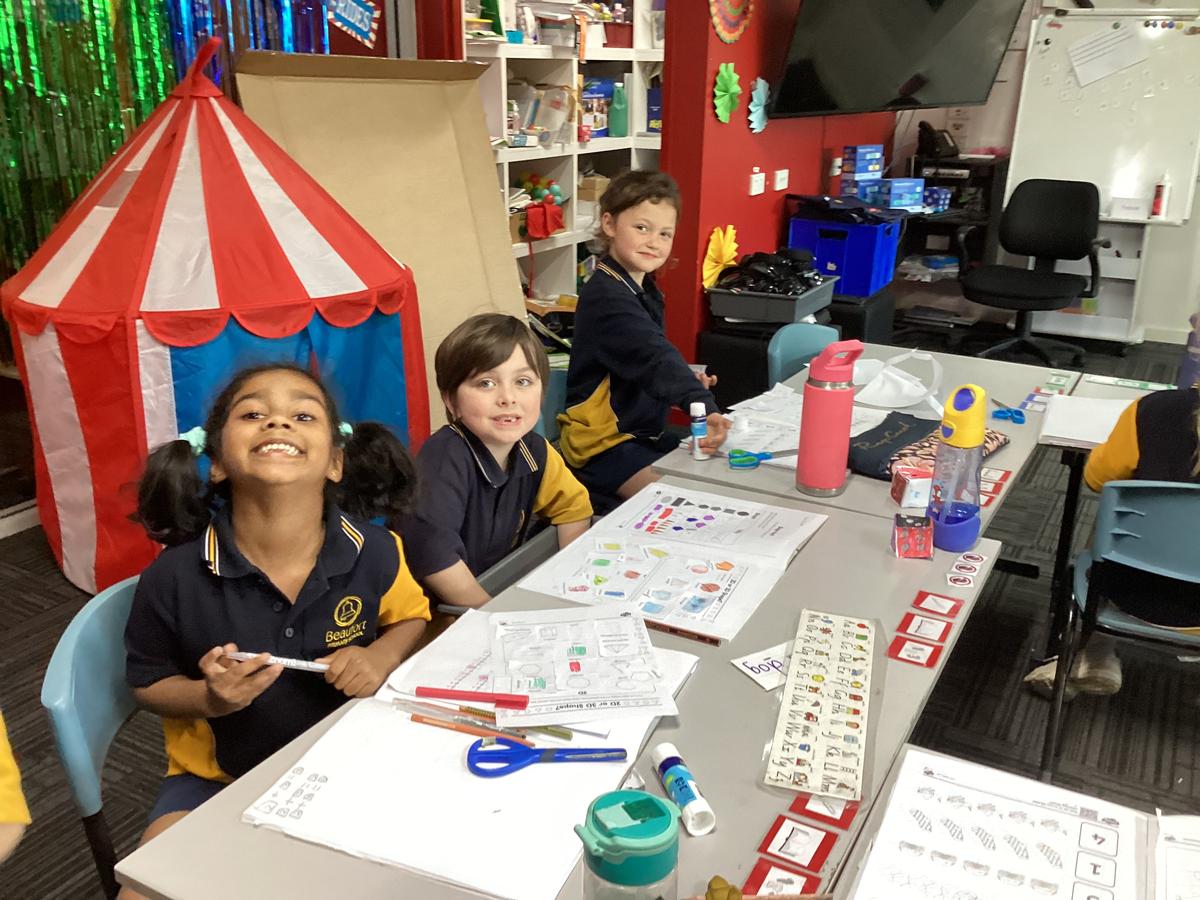
The Foundation students have been busy becoming Shape Detectives, exploring the wonderful world of 2D and 3D shapes! We have discovered that maths is everywhere around us, and that our classroom is practically bursting with shapes. Who knew we were learning maths every time we looked at a window, played with a ball or opened a cereal box?
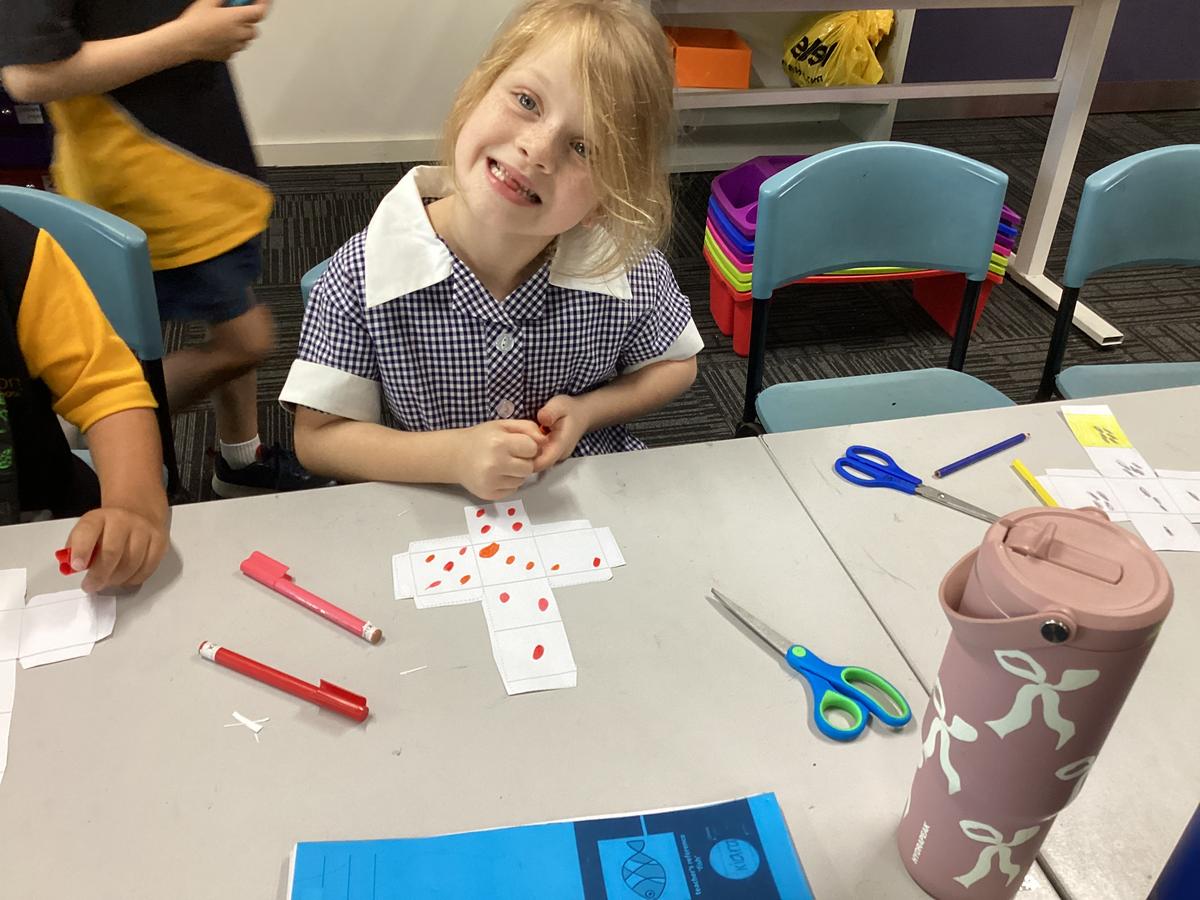
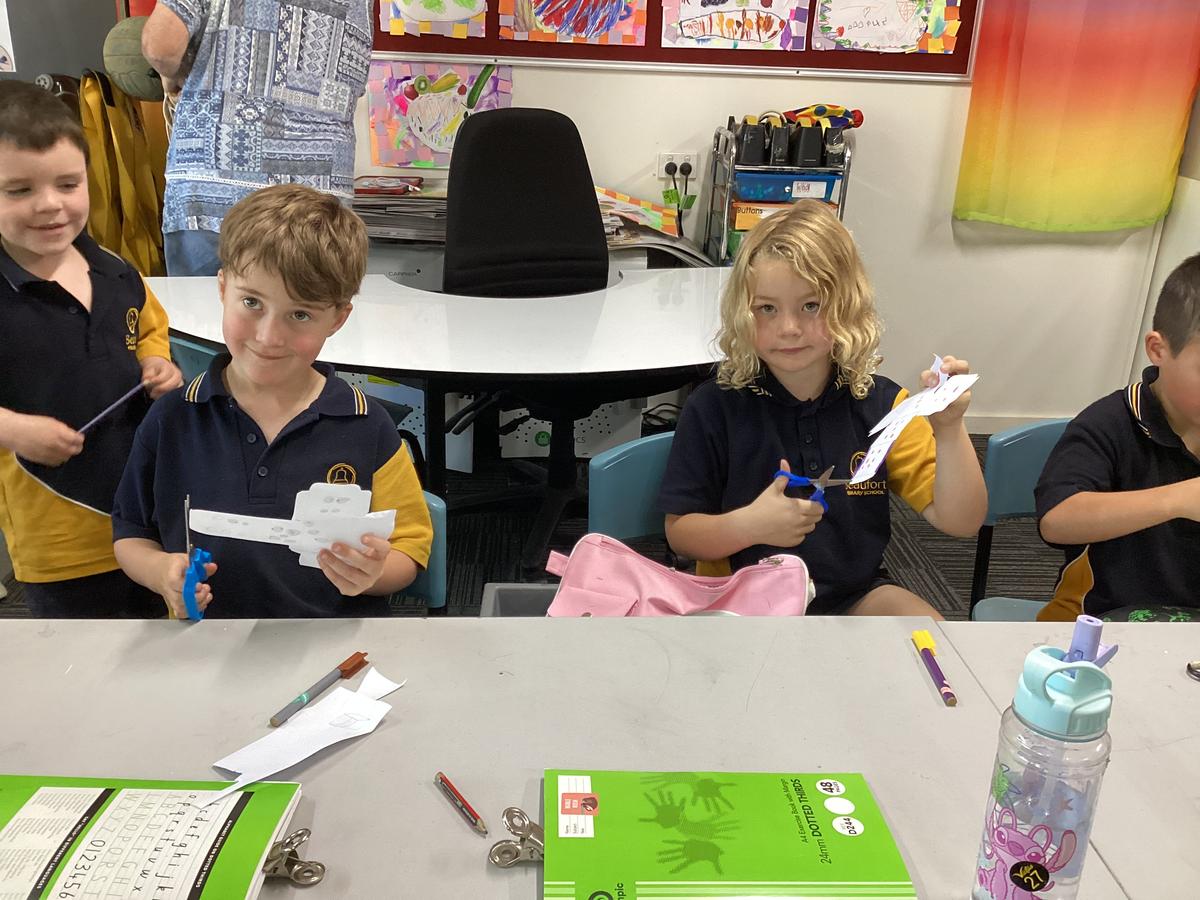
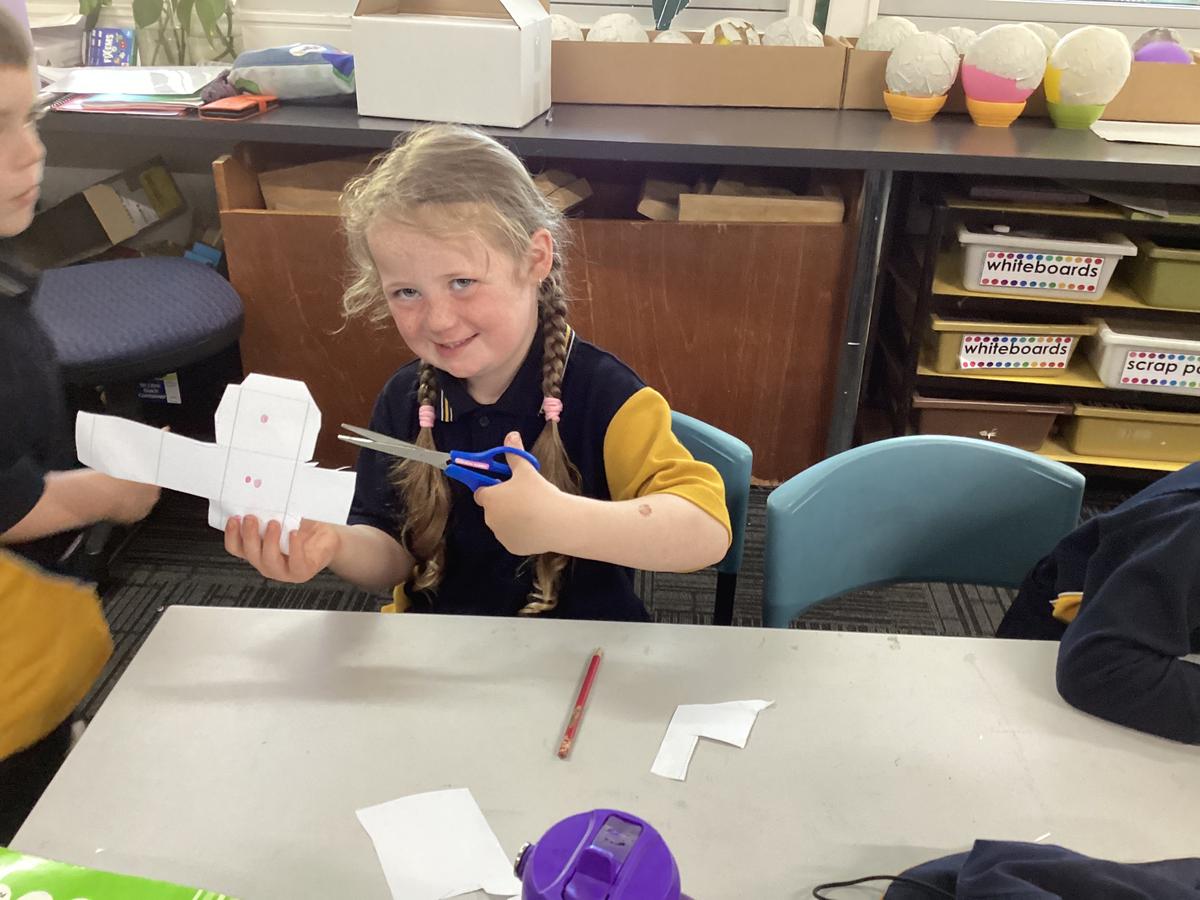
We have been learning that 2D shapes are flat, like circles, squares and triangles, while 3D shapes have three dimensions, length, width and height. The students have been busy sorting, comparing and identifying shapes, and their mathematical vocabulary is growing faster than you can say octagonal prism!
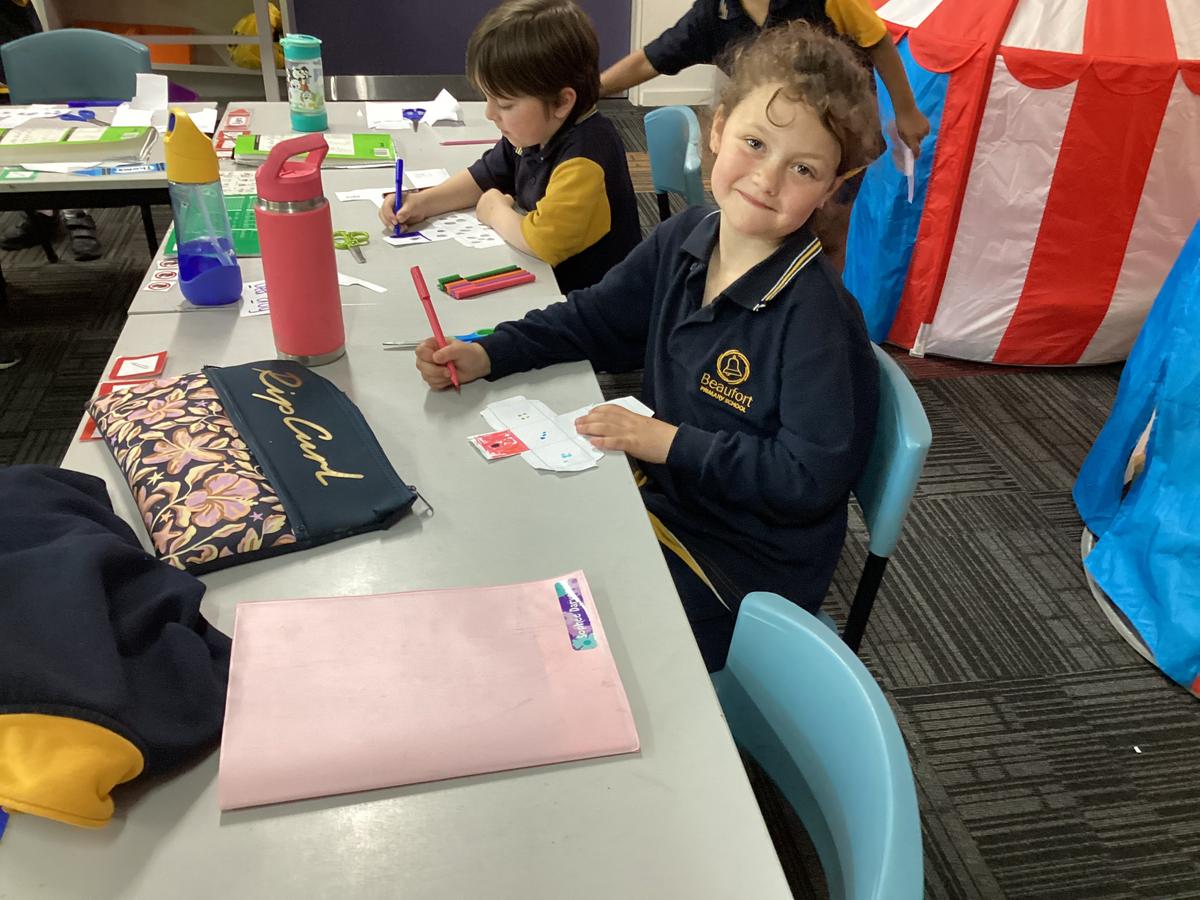
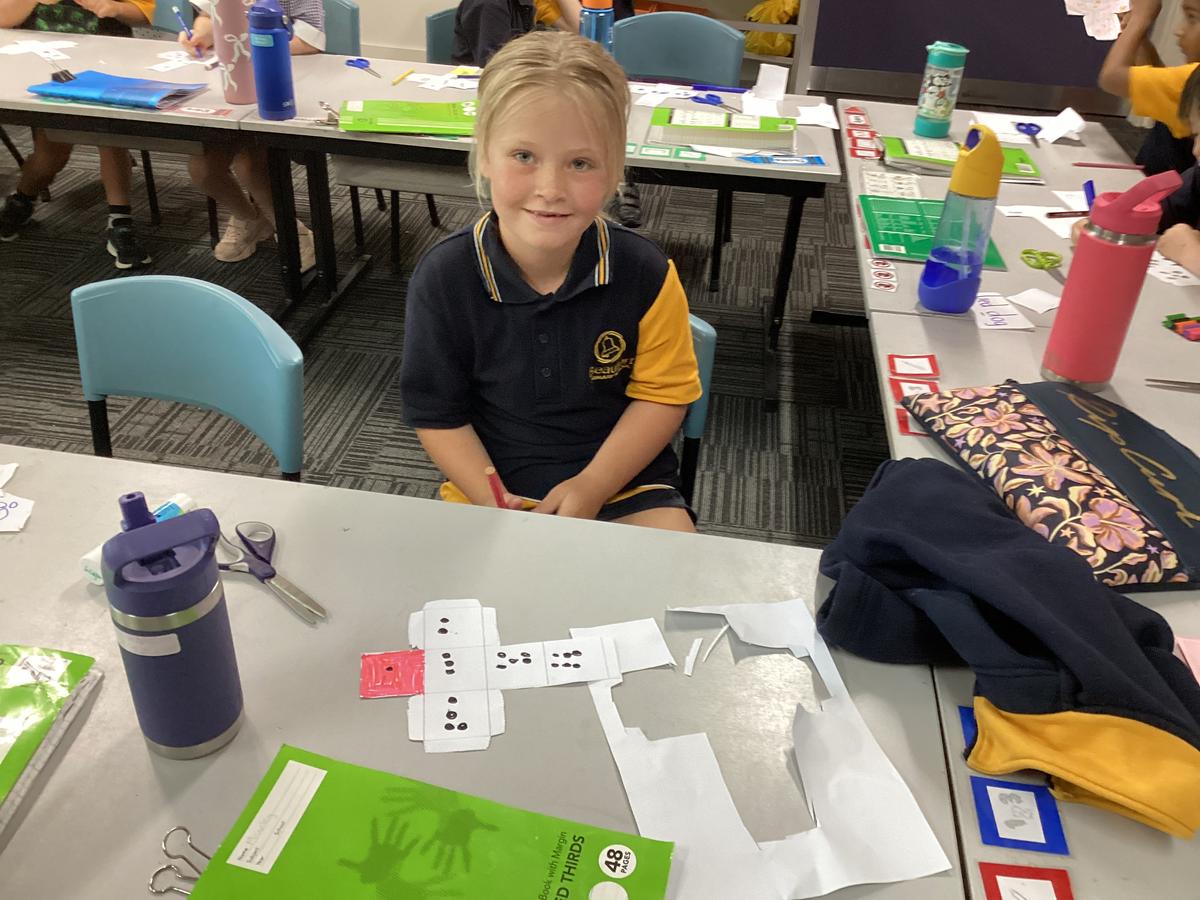
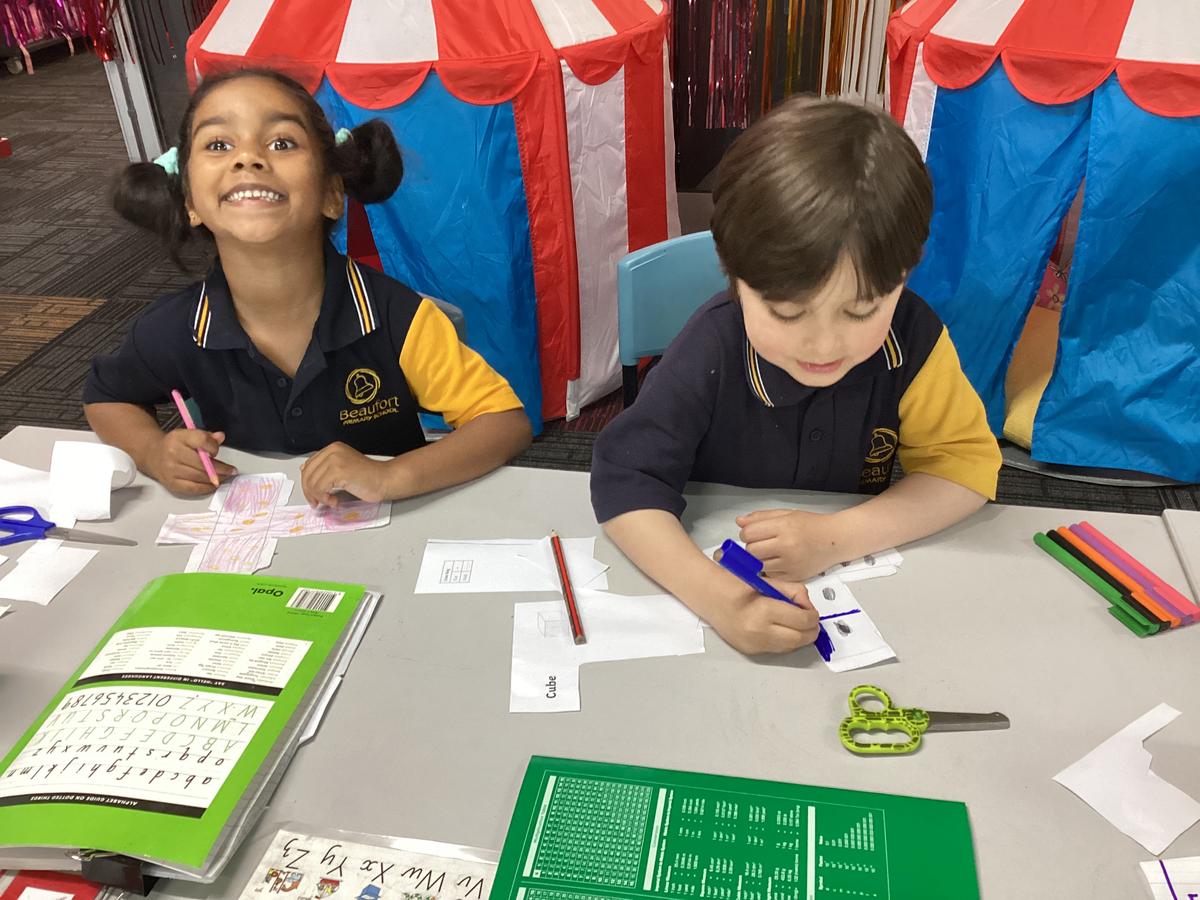
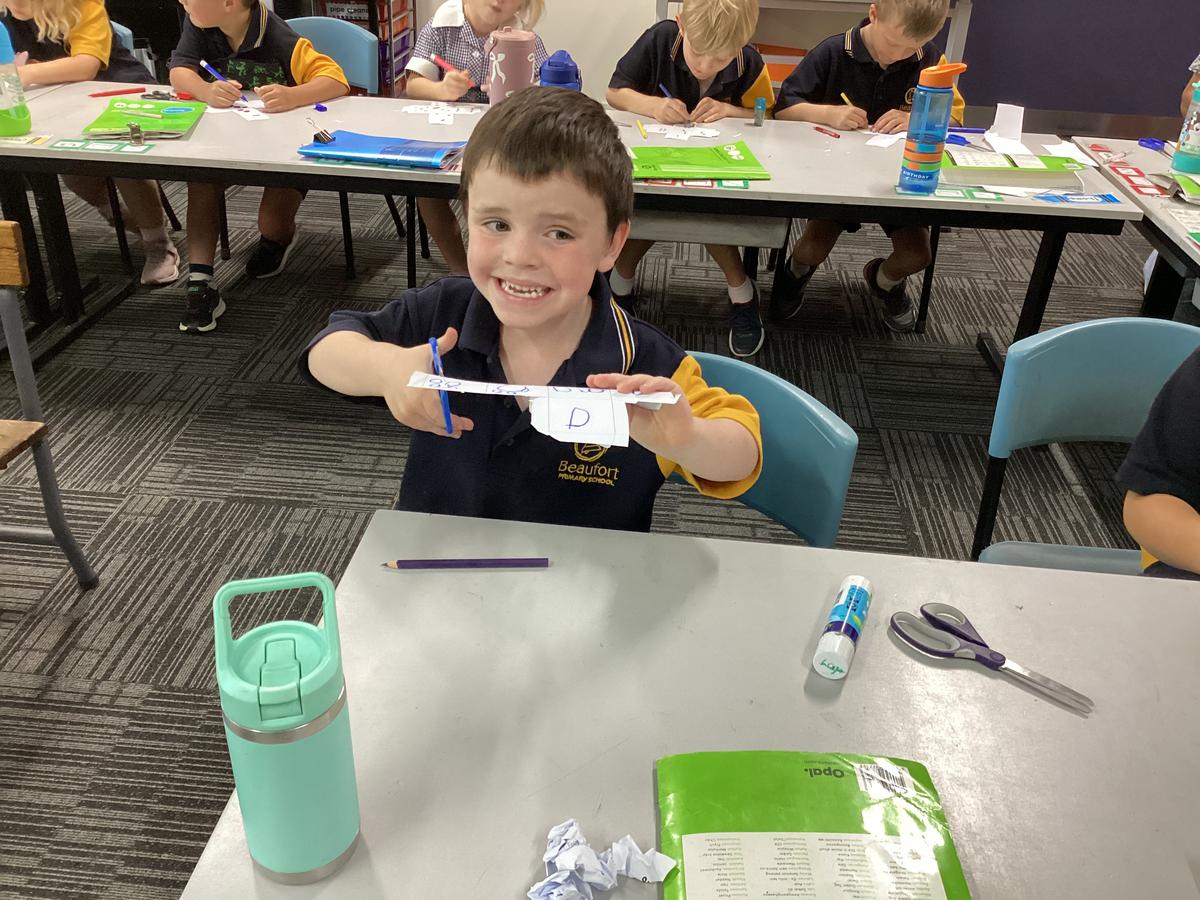
Things became particularly exciting when we started making our own 3D shapes using nets. No, not the kind you use to catch butterflies! A geometry net is a flat 2D pattern that can be folded along its edges to create a 3D solid.
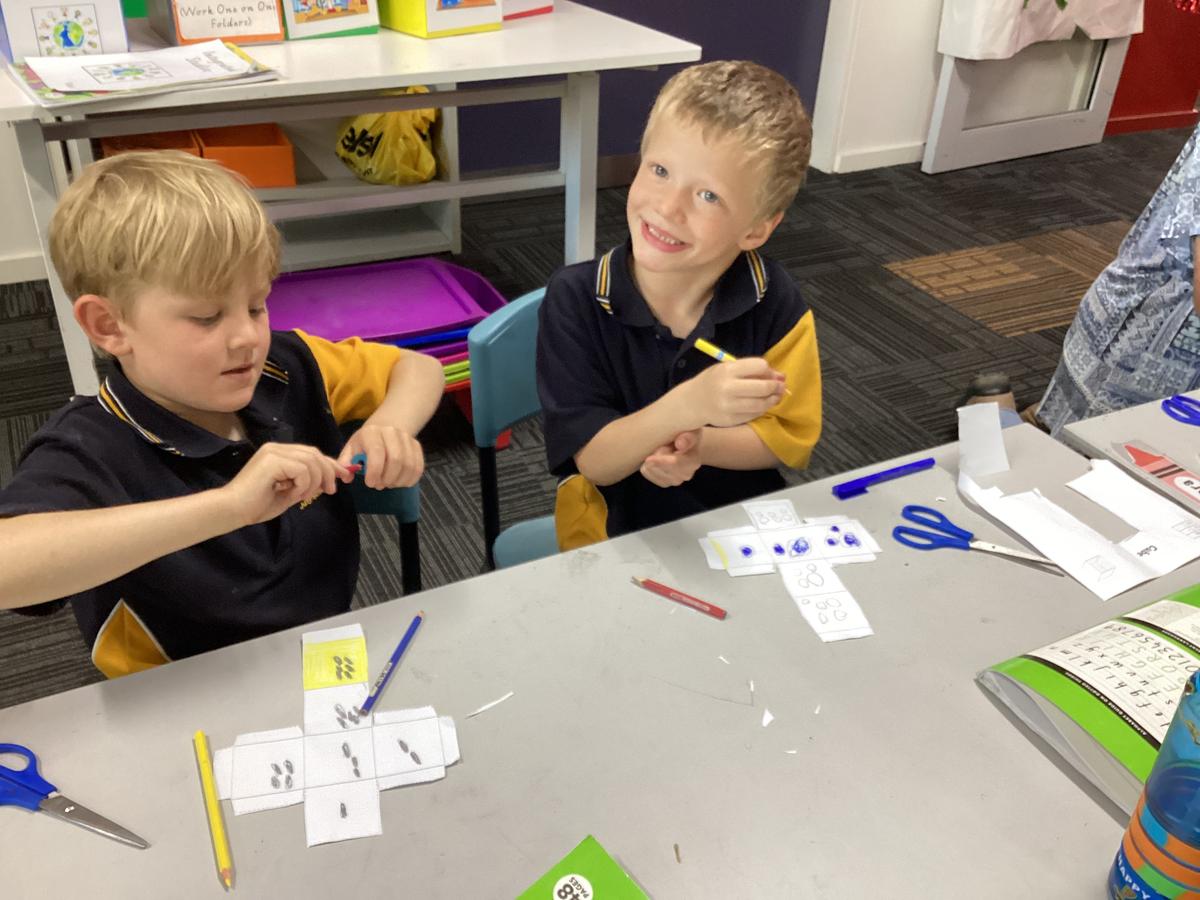
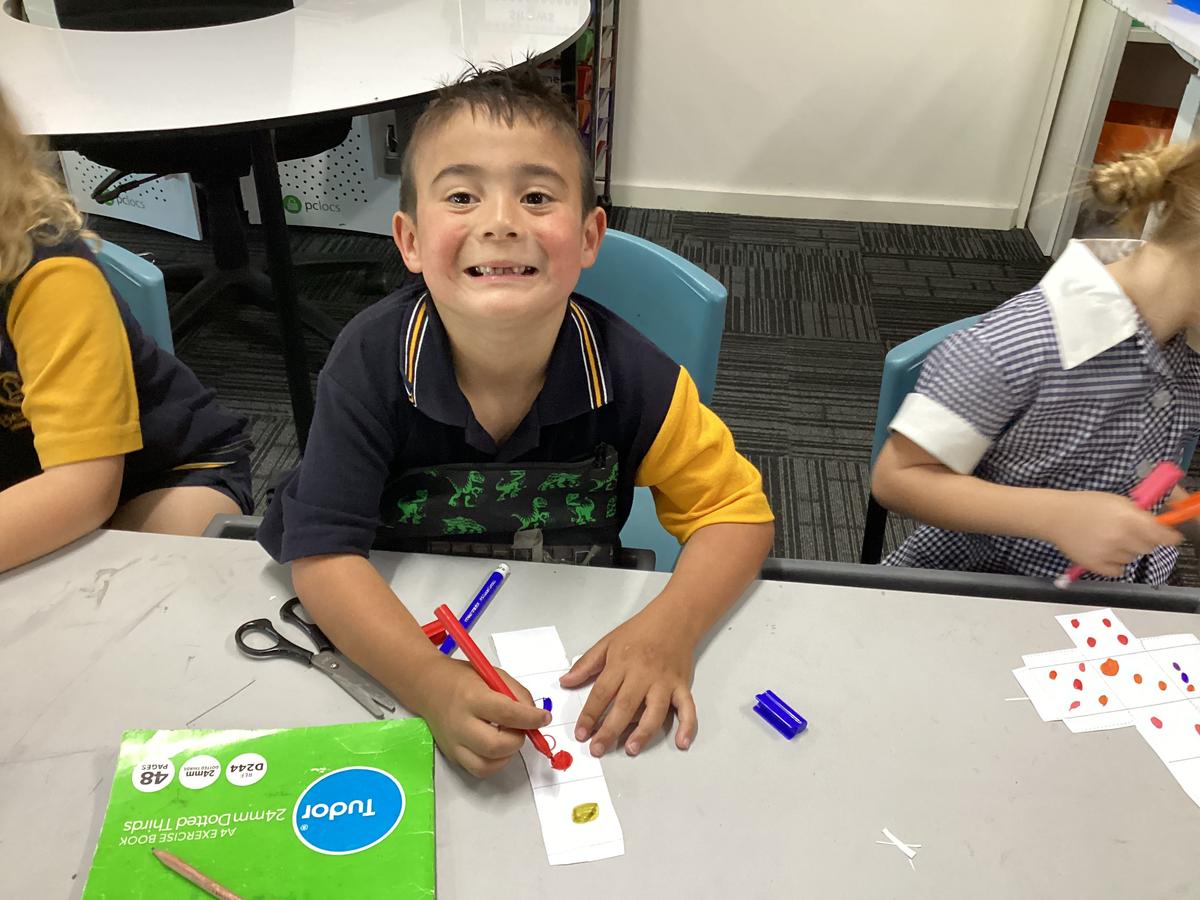
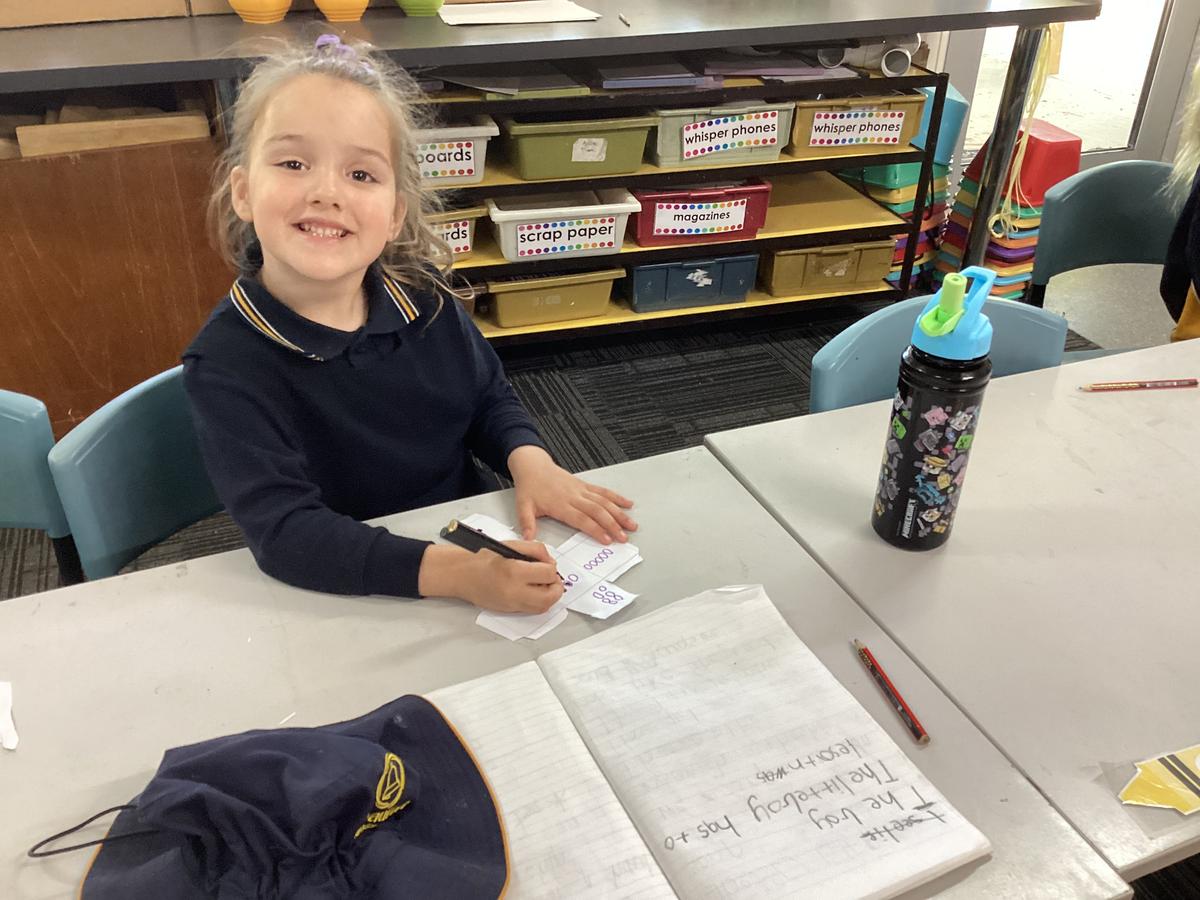
The students followed a series of single-step instructions to fold and construct their shapes. This turned out to be a fantastic opportunity to observe their listening skills, their ability to follow instructions in sequence and their determination when a flap didn’t quite want to cooperate!
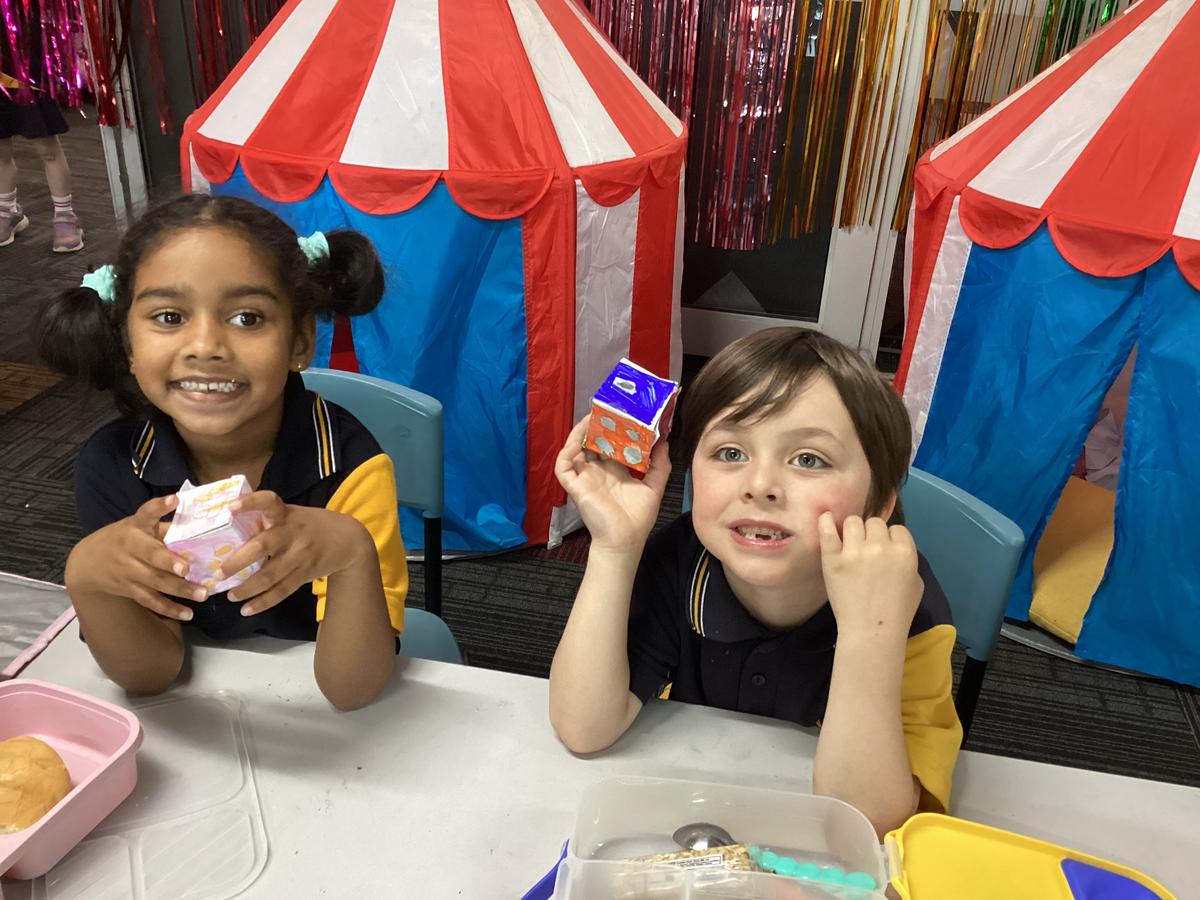
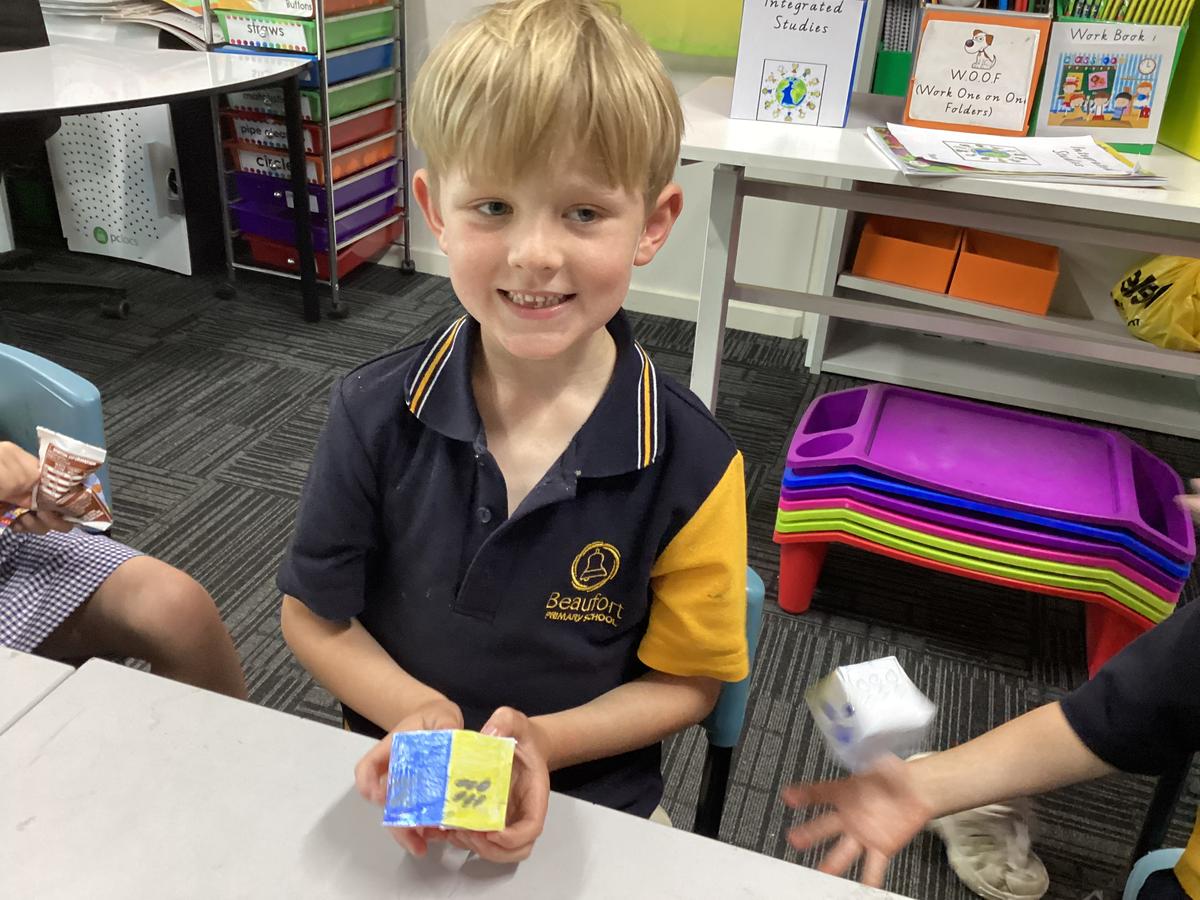
Of course, no shape investigation would be complete without hunting for 3D shapes in our everyday surroundings. We have been spotting cylinders, cubes, spheres and other solids hiding in plain sight. Suddenly, boxes are not just boxes, balls are not just balls, and the classroom has become one giant maths investigation!
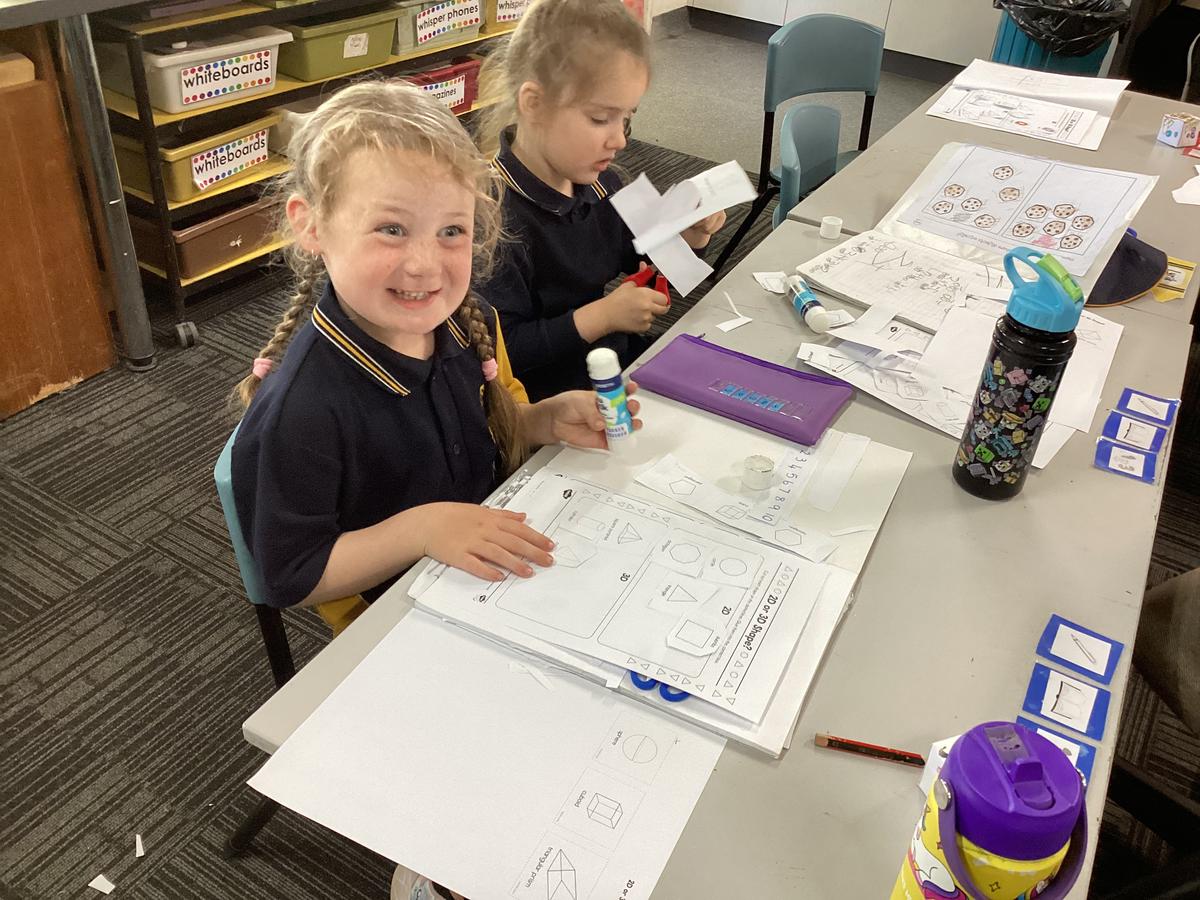
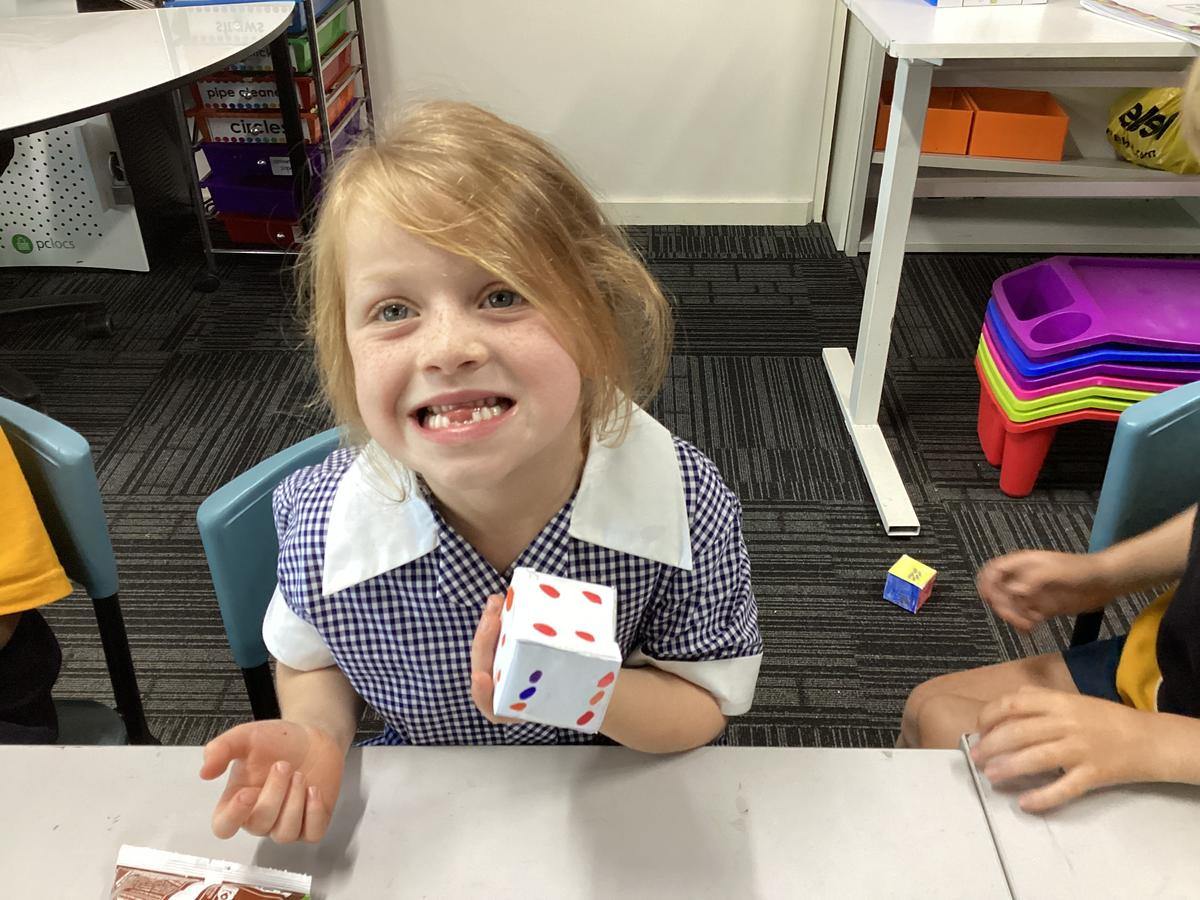
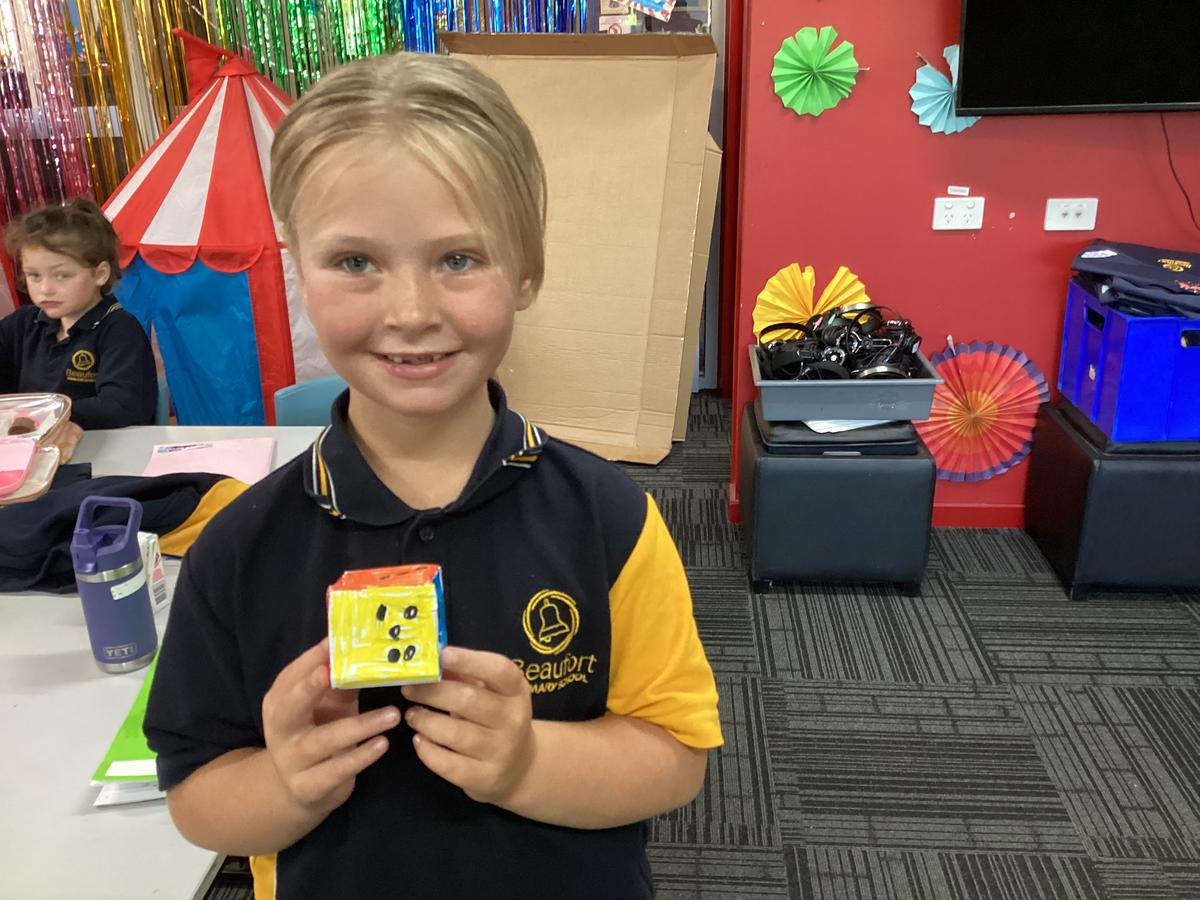
Learning about shapes helps students develop spatial reasoning, mathematical language and the ability to recognise, describe and compare objects in the world around them. Most importantly, we have had lots of fun discovering that maths isn’t just something we do on paper, it’s all around us!
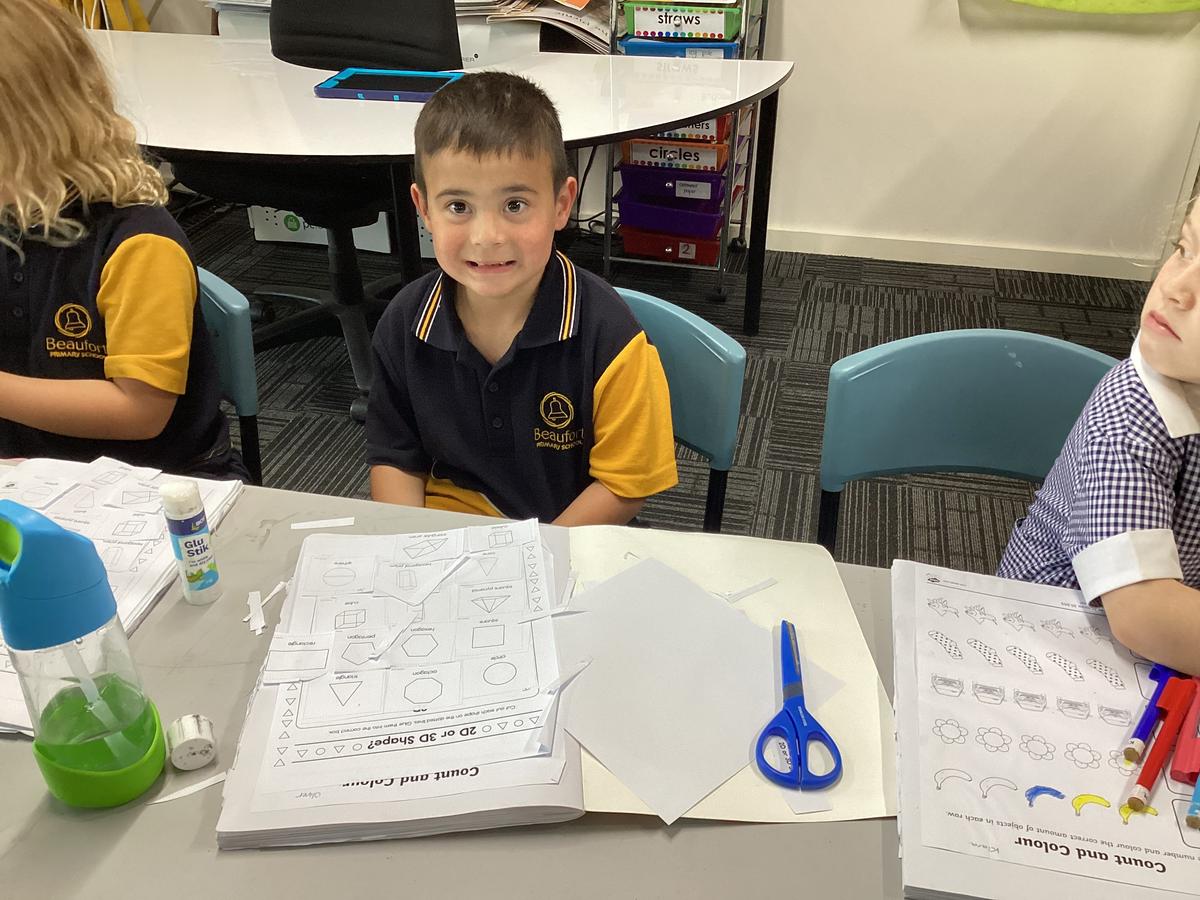
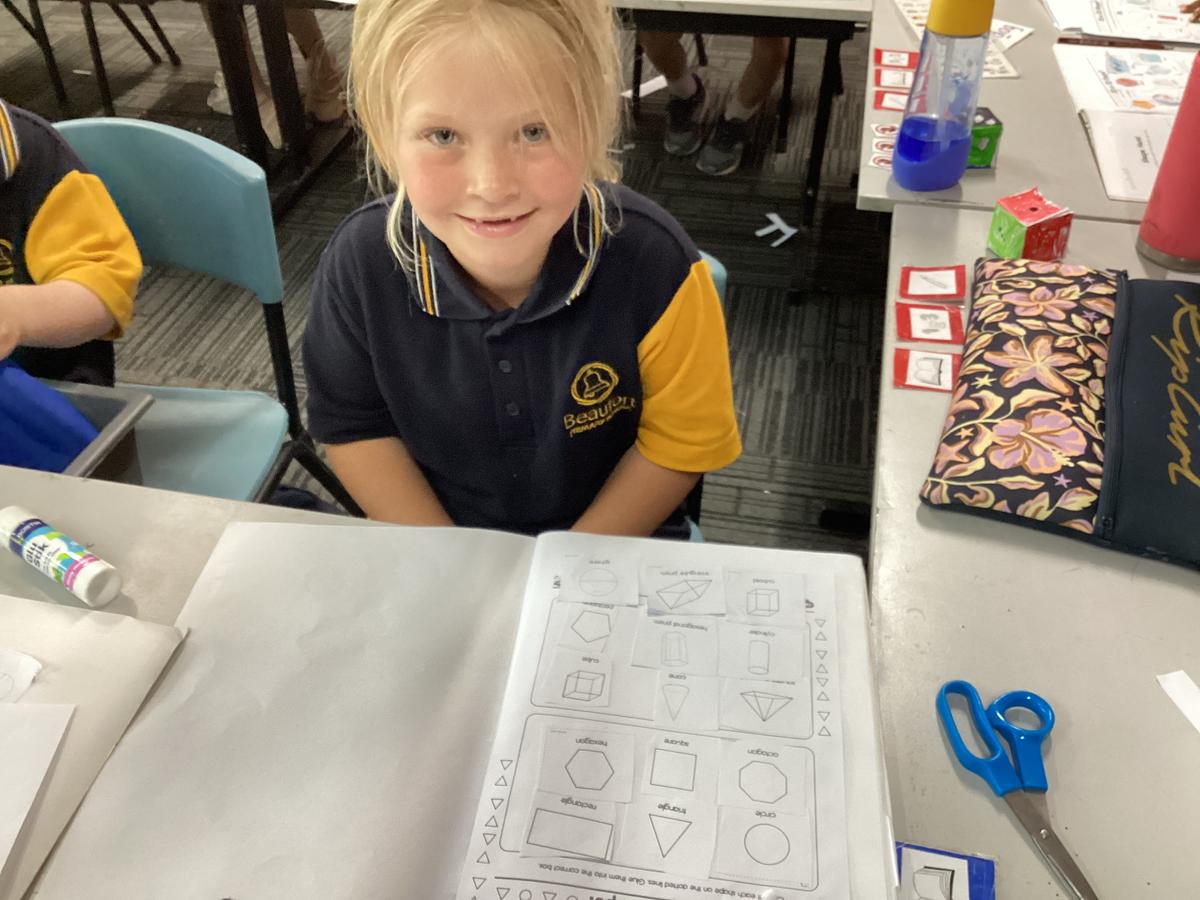
Shape challenge for home: Can your child find a cube, a sphere and a cylinder around the house? Bonus points if they can explain why each object belongs to that shape family.