Textiles
TECHNOLOGY FACULTY
Textiles
TECHNOLOGY FACULTY
| 🎓 Course Type | Elective |
|---|---|
| 🧩 Units | Rotation A (2027) Rotation B (2028) |
| 🗓 Timing | Semester 1 (2027): Textiles Unit 1A (Year 9/10) Semester 2 (2027): Textiles Unit 2A (Year 9/10) Semester 1 (2028): Textiles Unit 1B (Year 9/10) Semester 2 (2028): Textiles Unit2B (Year 9/10) |
| ⏱ Hours per week | 3 |
| 📚 Prior Experience | Not required. |
| ✏️ Selection | Possible to commence study with any of the above units. |
| 🧭 Future Pathways | Design and Production/Textiles; UTAS Connections Program - Object Design/Textiles |
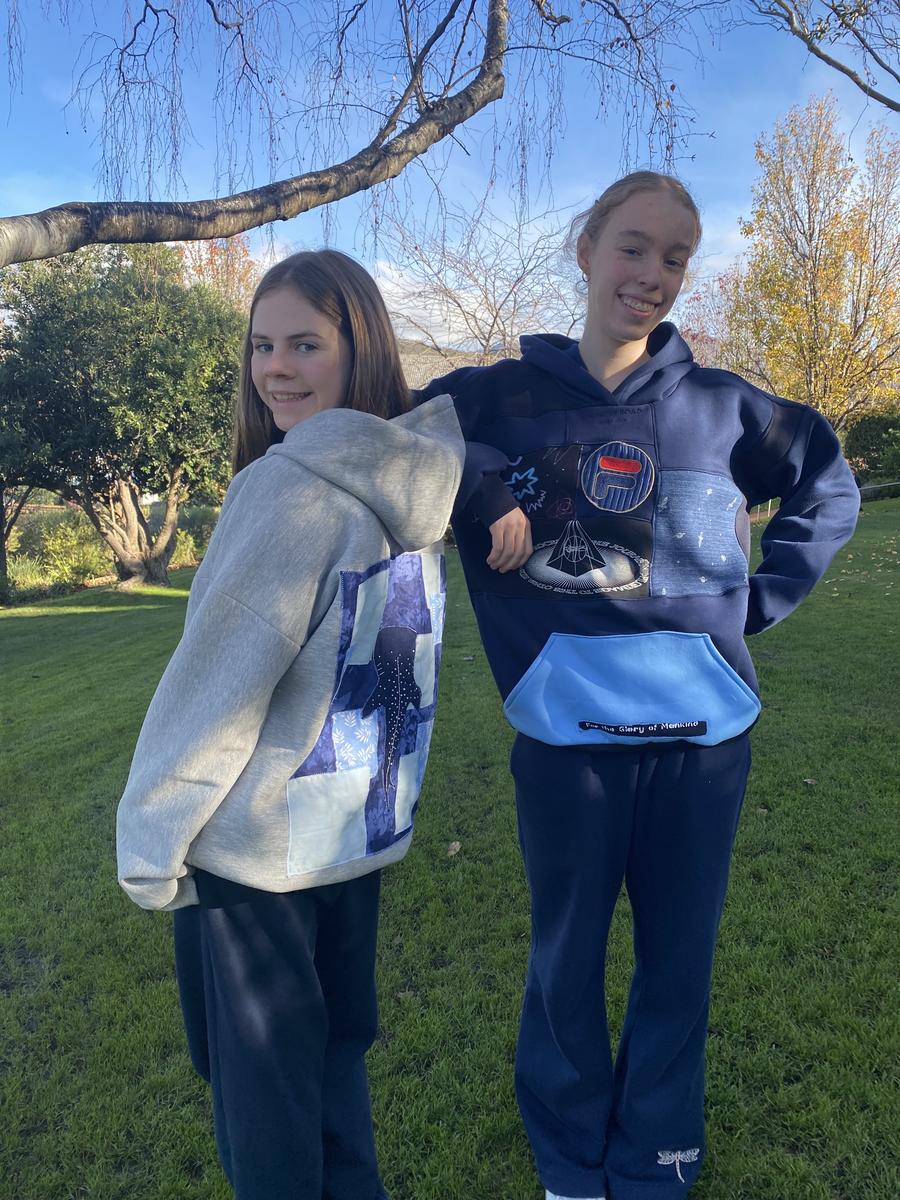
Students who choose to study Textiles can complete one or two units per year. Units may be taken individually over a semester or sequentially. Students who begin in Year 9 can continue through to Year 10, completing up to four units in total. The curriculum operates on a two-year rotation, meaning students can enter at any point without disadvantage.
In all units, students will undertake a range of practical projects to develop existing construction and design skills, and many opportunities to explore creatively. Skills and knowledge are extended beyond the Year 8 level. Efficient construction techniques are taught throughout, and students work from a design brief that encourages them to plan their own learning and skill development.
Projects across the two-year program reflect contemporary making culture, with a focus on garments, streetwear, accessories, and wearable art, while embedding sustainability principles, slow fashion practices, and an understanding of the global textile industry.
Textiles in Year 9/10 is an excellent precursor to studying Design and Production - Textiles or UTAS Connections Program - Object Design - Textiles in Year 11/12.
The course pairs units across two years. Students in Rotation A study Textiles 1A and 2A; students in Rotation B study Textiles 3B and 4B. Each semester contains projects progressing in complexity.
Semester 1: Textiles Unit 1A
Textiles 1 lays the foundation for building core hand and machine sewing skills through guided, purposeful projects. Students work from a design brief and develop efficient construction habits, fabric selection skills, and basic embellishment.
Students learn about fibres, yarns, and fabric properties, and develop an understanding of how textiles are produced and consumed. Decorative techniques, including appliqué, stencilling, and basic fabric dyeing, are introduced. The unit includes both a soft accessory and a first garment, giving students an early sense of what the course can offer.
Projects may include:
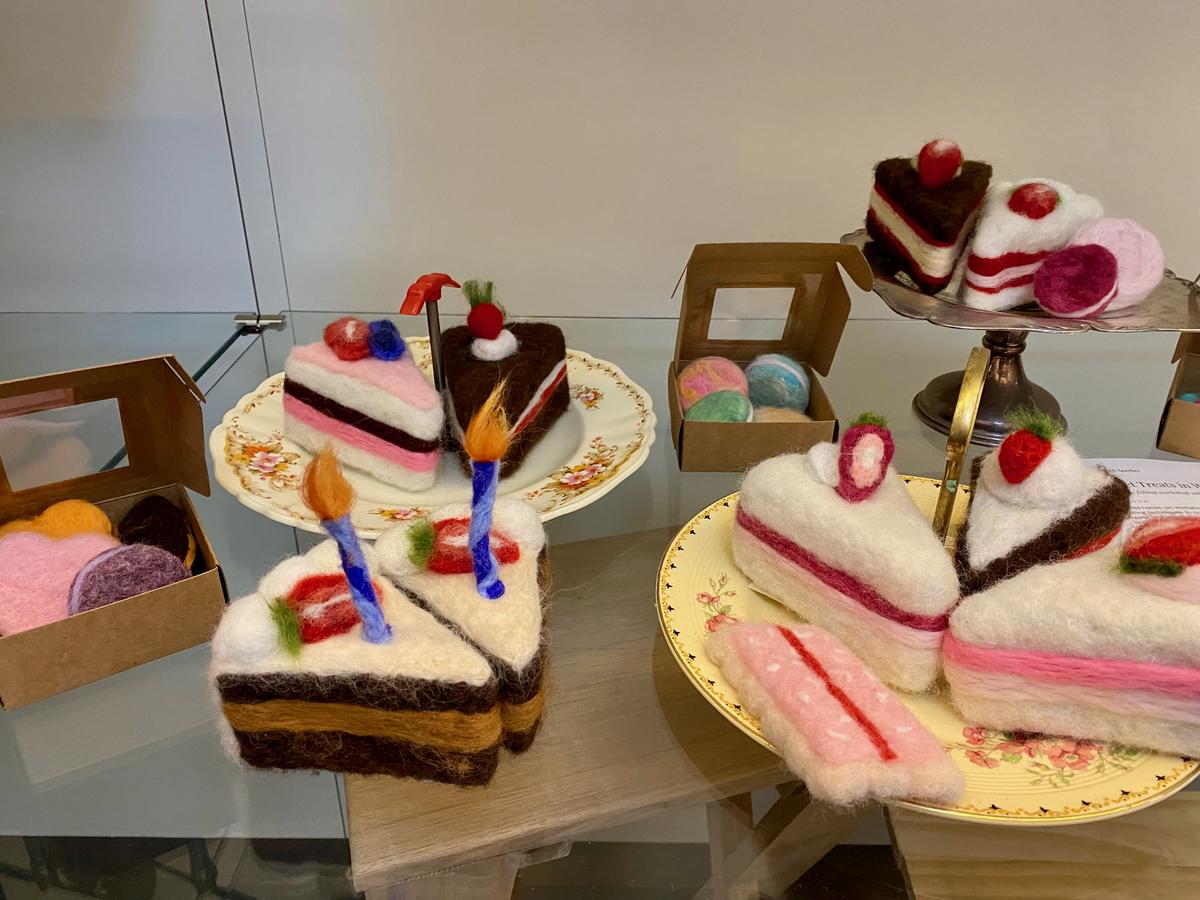
Art from Trash: An introductory project where students construct a textile artwork or wearable accessory using discarded and reclaimed materials. Focus on hand-stitching, gathering, wrapping, and surface manipulation. Students respond to a design brief and explore creativity without the pressure of a 'perfect' construction.
Cuffed Beanie: Sewing with stretch fabrics using a jersey needle, zigzag or overlocker stitch, and constructing a simple pattern with a fold-over cuff. A quick and satisfying, wearable outcome that builds confidence with non-fraying finishes.
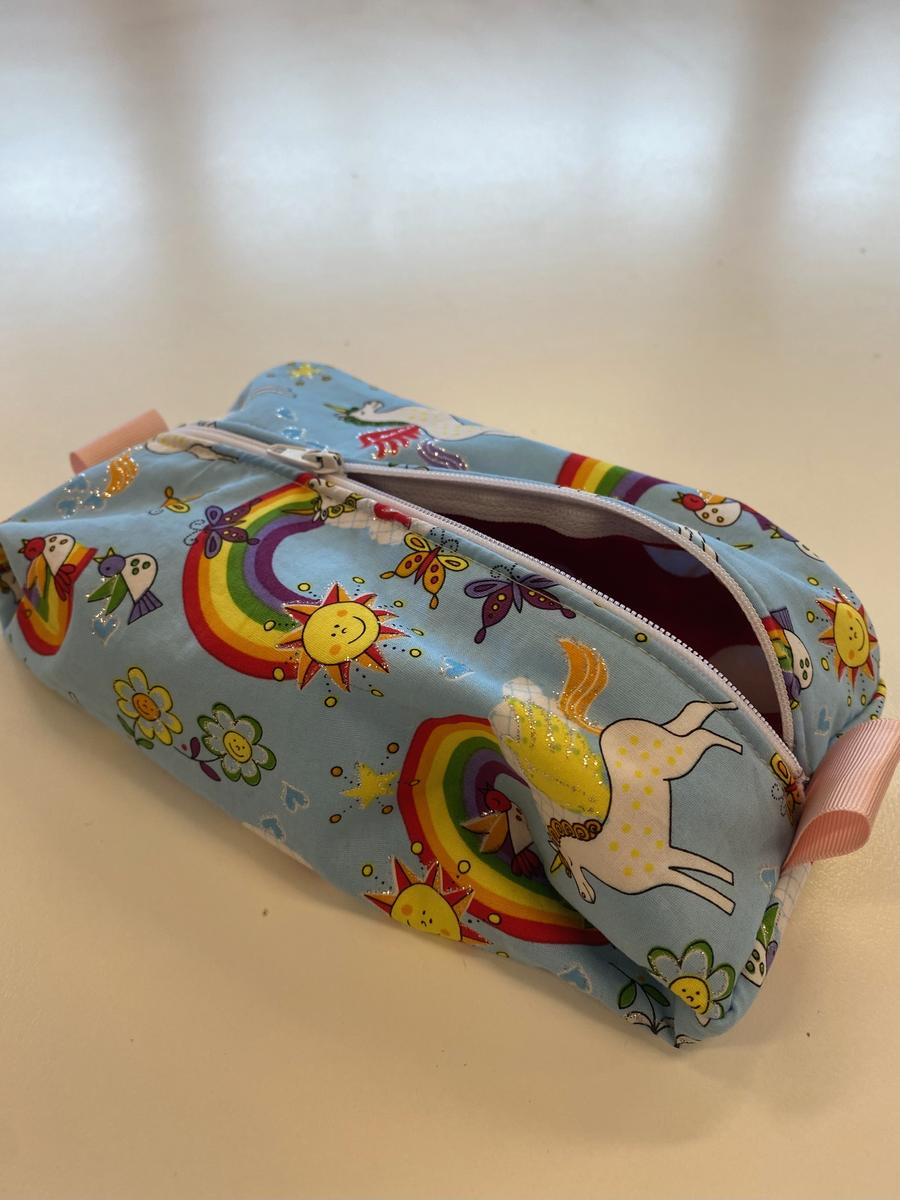
Zippered Pouch or Pencil Case: Installing a zip, neat topstitching, lining a small bag, and using accurate seam allowances. Students select their own fabric combination in alignment with the purpose of the construction, and may add a simple appliqué or embroidered detail.
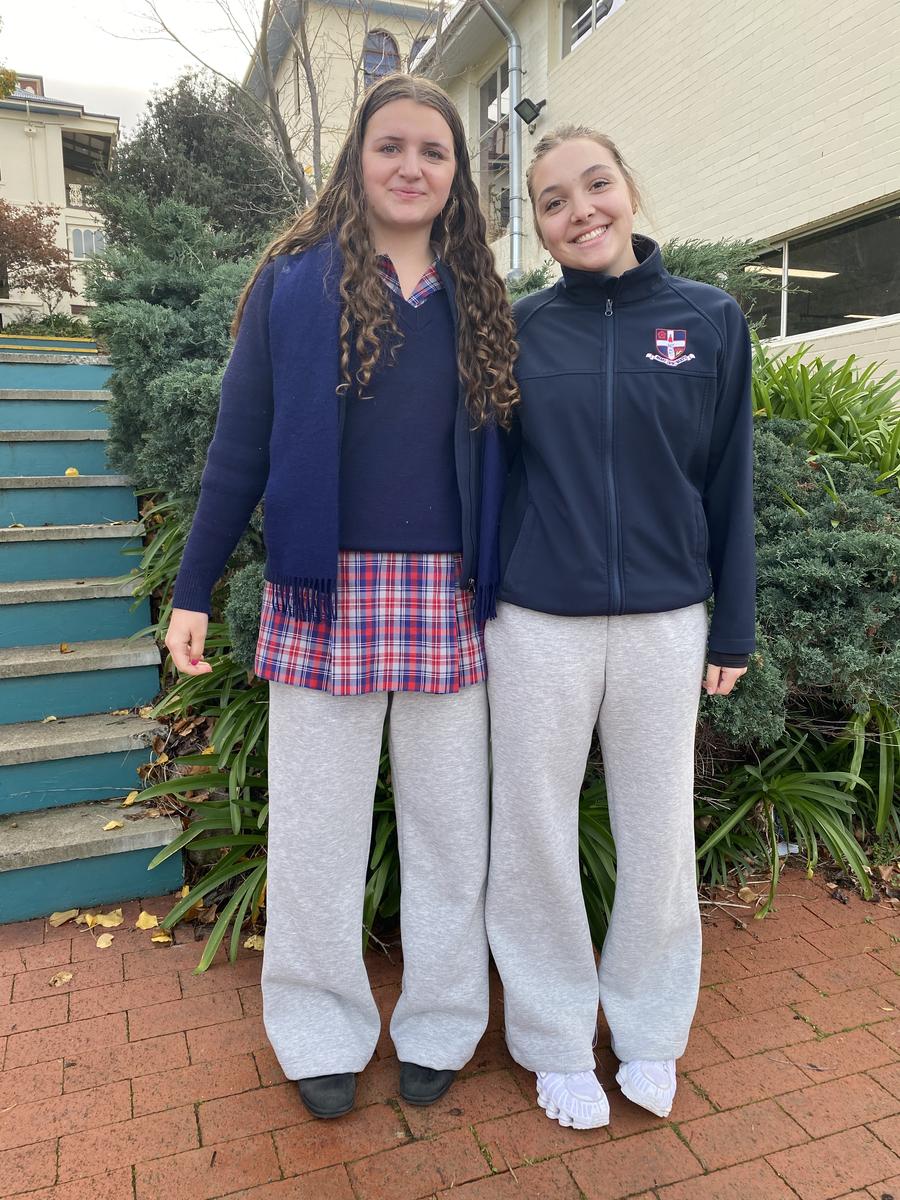
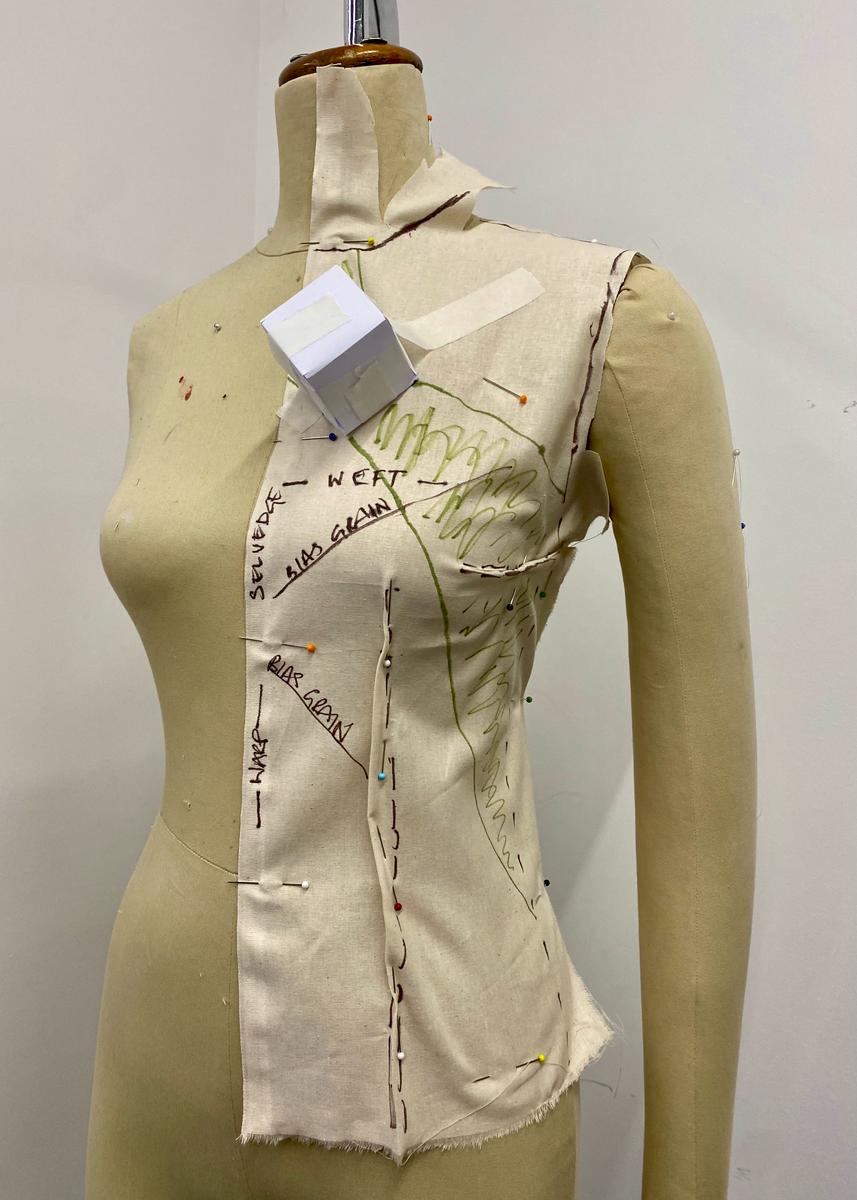
Casual Pants or Wide-Leg Tracksuit Pants: Reading and cutting a commercial pattern, understanding grain lines, notches, and ease. Constructing a wearable pant with an elastic or drawstring waistband, inseam, pockets, and crotch curve, with pressing and professional finishing. Students may choose to add contemporary detail, such as a contrast waistband, side stripe, machine embroidery, or cuffed hem.
Semester 2: Textiles Unit 2A
Textiles 2 shifts the emphasis toward creative design development and greater student autonomy. Projects are more complex, and students work with increasing independence from a design brief.
The unit introduces slow fashion principles and contemporary embellishment, including machine embroidery. Students will explore textile repurposing and develop an understanding of slow fashion, applying slow stitching practices to create new work from reclaimed or pre-loved materials. The semester balances a structured bag project, a garment, and two projects with a strong sustainability focus.
Projects may include:
Slow Stitching: An introduction to mindful making, contemporary hand embroidery on repurposed or recycled fabric, including running stitch, backstitch, satin stitch, and French knots. The finished art piece or garment is mounted as a display piece. Students document their stitching choices with a short designer's note.
Rolled-Top Canvas Backpack: Construction of a structured backpack with reinforced straps, a roll-top or drawstring closure, and an interior pocket. Working with canvas or heavy woven fabric, topstitching, and making functional design decisions around capacity and hardware.
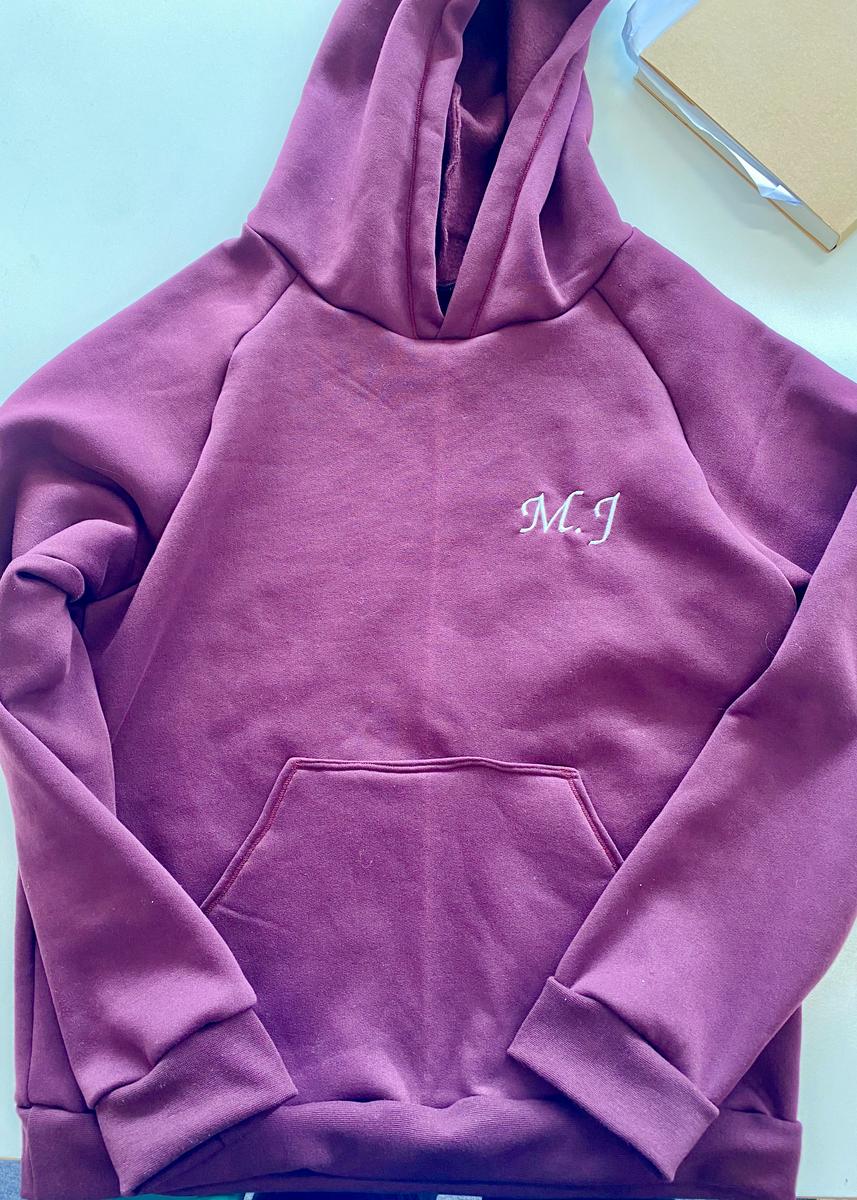
Oversized Tee or Drop-Shoulder Top: Reading and cutting a commercial pattern, sewing woven or jersey fabric, finishing necklines with binding or a ribbed band, and hemming and understanding ease and fit. A relaxed, contemporary garment that builds confidence with construction.
Embellished Jacket or Vest: Students source a second-hand denim jacket or vest and transform it with embellishments, including hand embroidery, appliqué, fabric paint, patchwork panels, or beading. Includes the concept of personal expression.