
MHiPS

Why Risky, Creative and Muddy Play Matters
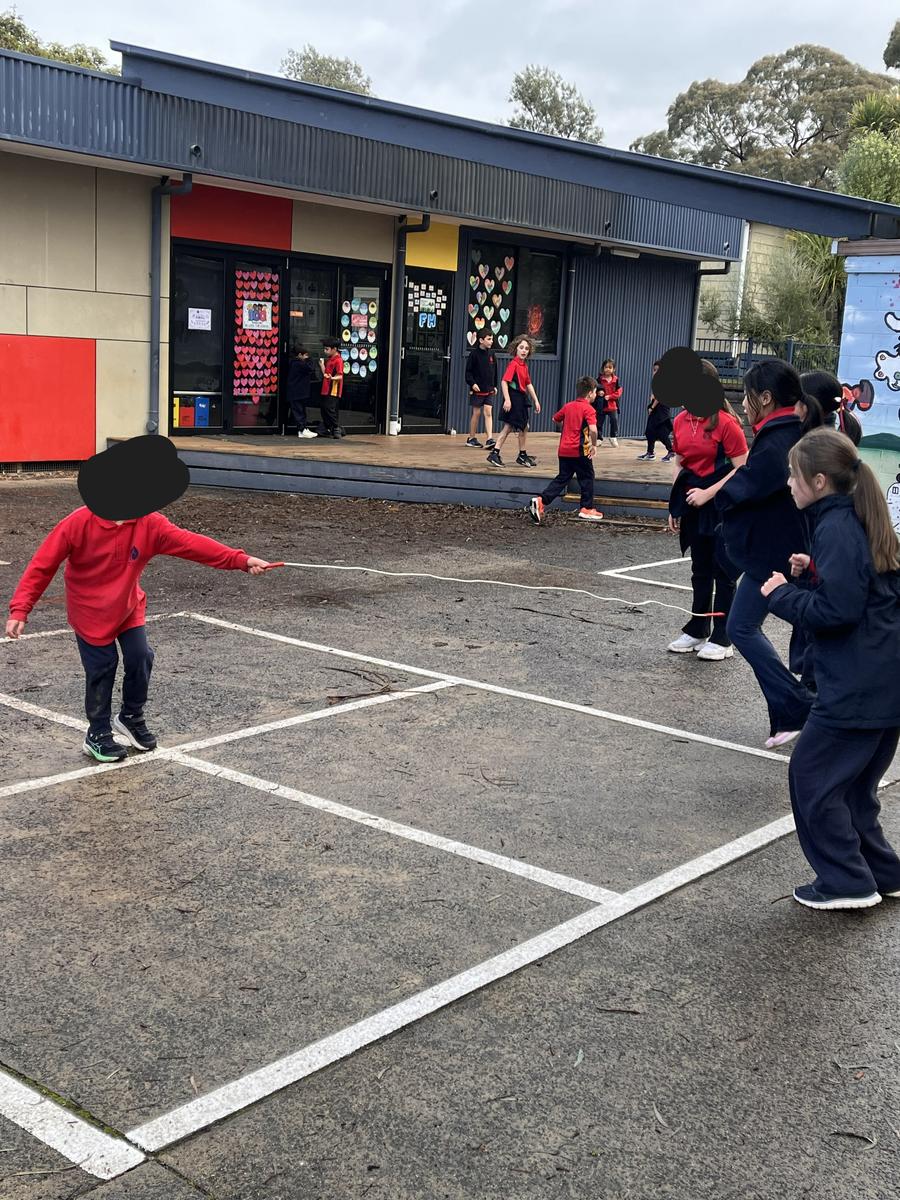
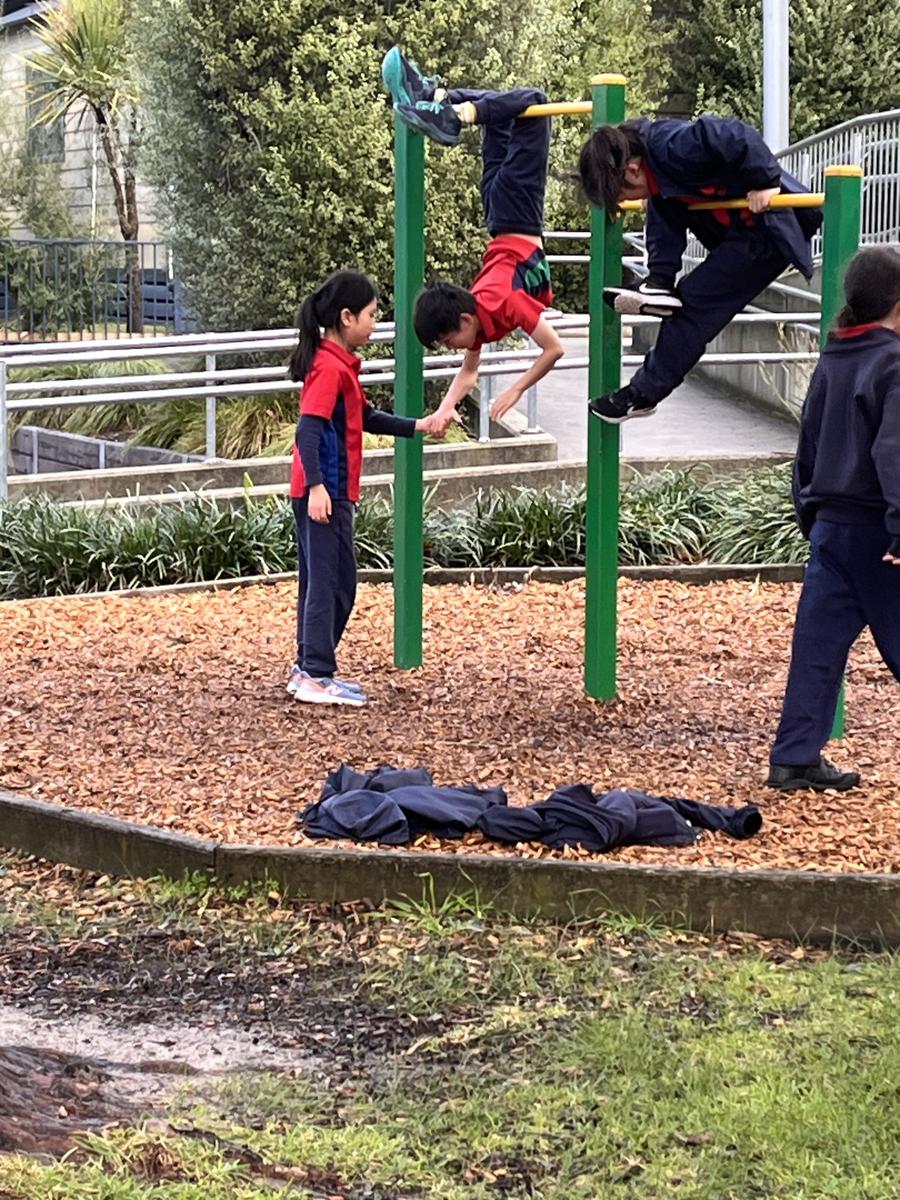
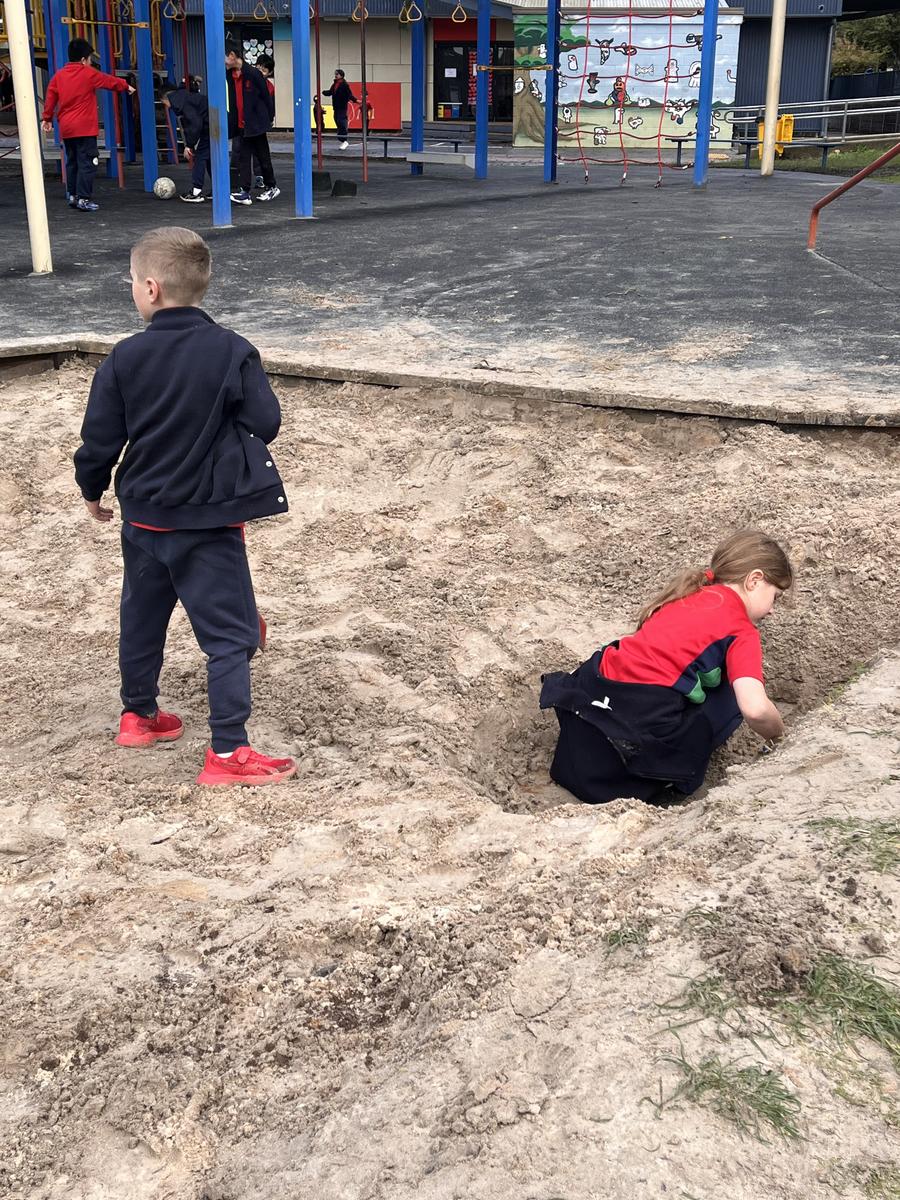
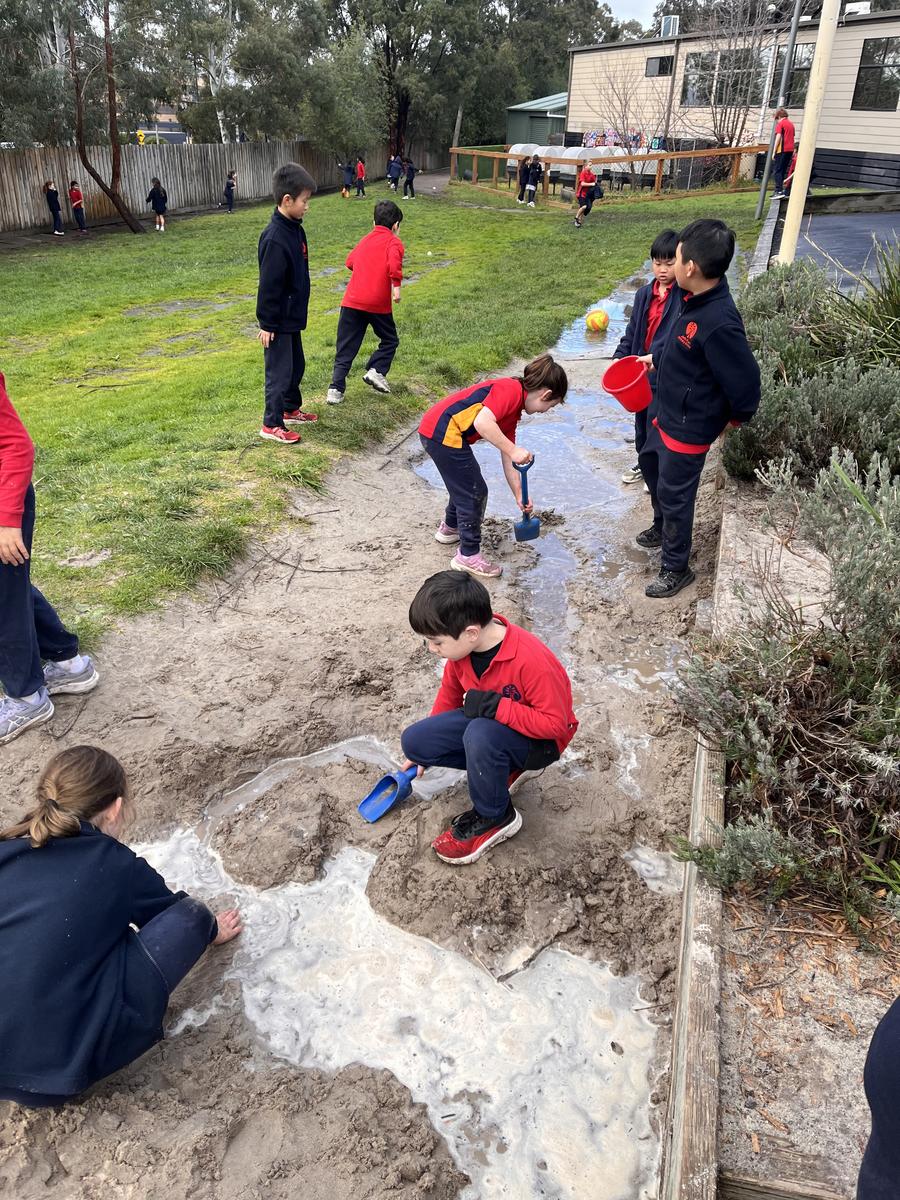
Children learn so much through play—especially the kind that is a little messy, a little challenging and full of imagination!
When children create water pathways through the sandpit, they're experimenting with problem-solving, persistence and teamwork. When they challenge themselves to master a flip on the monkey bars, they're building strength, coordination, confidence and resilience. Even classic playground favourites like the "helicopter" skipping rope game help children develop balance, timing, courage and the ability to assess and manage risk.
While it can sometimes look chaotic, this type of play is an important part of healthy childhood development.
Research shows that opportunities for risky play help children:
- develop confidence and independence
- improve balance, coordination and physical skills
- learn to assess and manage risks safely
- build resilience by trying, failing and trying again
- strengthen creativity, problem-solving and imagination
develop social skills through negotiating, cooperating and resolving conflicts.
Of course, risky play doesn't mean unsafe play.
At school, children are encouraged to take age-appropriate challenges within a supervised environment where staff help them make safe choices while still allowing them to test their abilities.
So if your child comes home with muddy shoes, sandy pockets or excitedly tells you about building a river through the sandpit or finally mastering a new trick on the playground, celebrate it!
These experiences are helping them grow into confident, capable and resilient learners.
Sometimes the best learning doesn't happen at a desk—it happens with muddy hands, big imaginations and a willingness to have a go.
* Written with the assistance of AI
Melissa McLeod
Mental Health & Wellbeing Leader