From the Head of Visual Arts
Artist in Residence Program Inspires Creativity Across the School
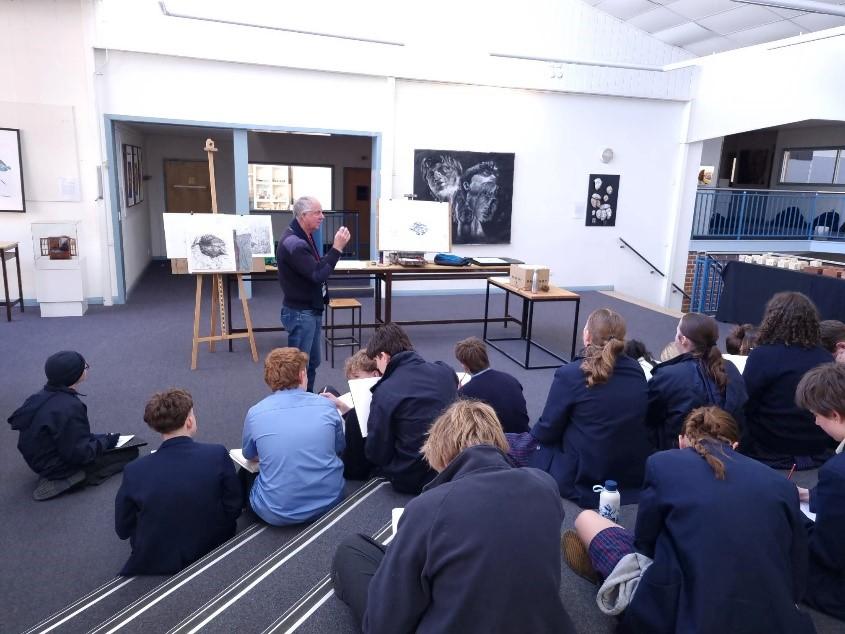
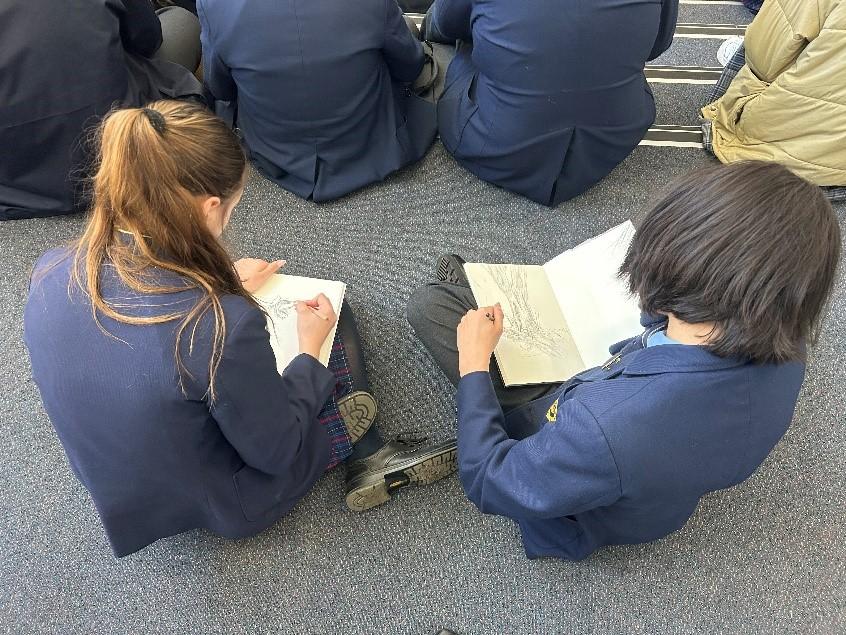
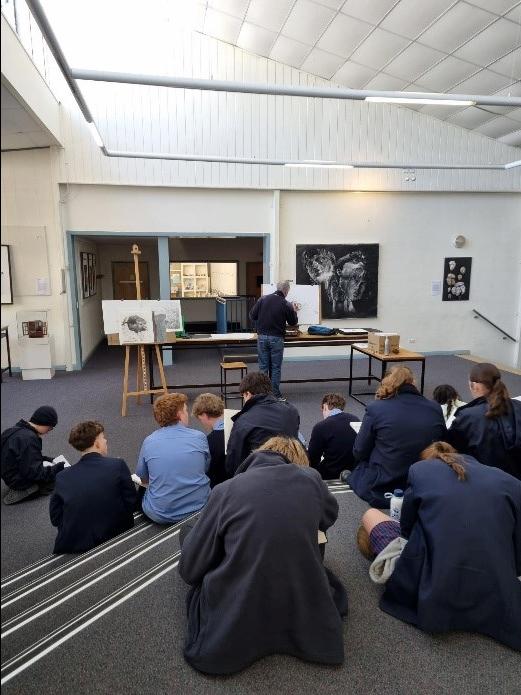
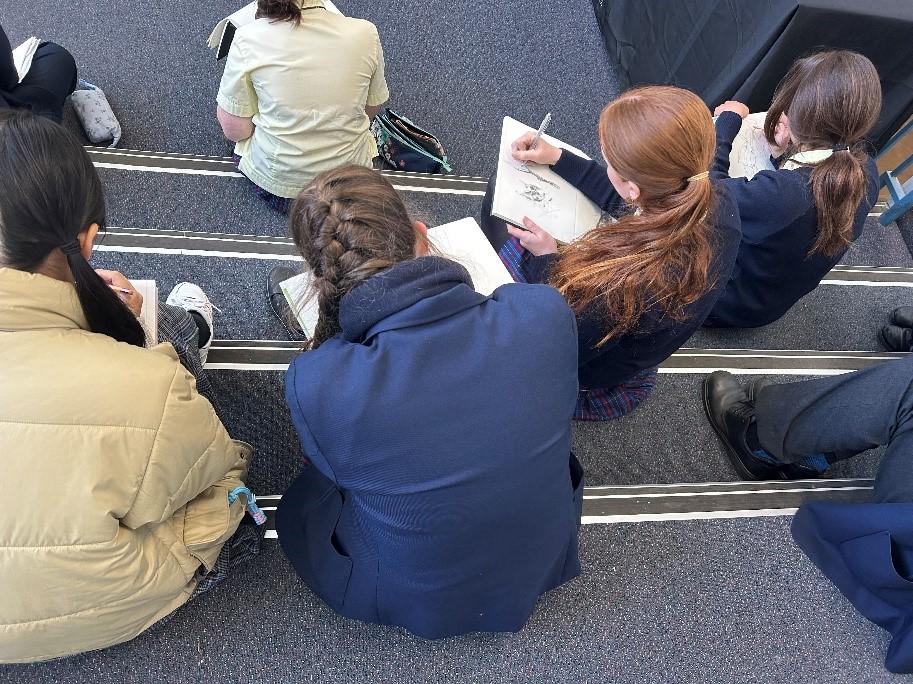
During Week 2 (27–31 July), the Visual Arts Faculty was delighted to welcome acclaimed Australian artist and illustrator Patrick Shirvington as our Artist in Residence. Throughout the week, students from Years 7–11 participated in an inspiring series of workshops held in the Art and Design Building, where they explored drawing as a powerful tool for observation, imagination and creative inquiry.
Patrick Shirvington's artistic practice is guided by the natural world and a deep curiosity about the hidden relationships that connect people, places and the environment. Rather than focusing solely on what is immediately visible, he encourages us to look beyond surface appearances and consider the unseen forces that shape our understanding of the world. His work reminds us that true awareness comes through careful observation, curiosity and respect for the complexity of the world around us.
Drawing sits at the heart of Patrick's creative process. He describes it as a way of making the invisible visible, allowing ideas, emotions and imagined worlds to emerge naturally. Through expressive mark-making, mythical symbolism and storytelling, he invites viewers to embrace the unknown, recognising that imagination, dreams and intuition often reveal truths that cannot be seen at first glance. His workshops challenged students to slow down, observe deeply and develop confidence in their own creative voice.
Patrick is an accomplished children's book illustrator and holds a Master of Cross Disciplinary Art and Design from the University of New South Wales. His celebrated picture book Can You Find Me? written by Dr Gordon Winch, was shortlisted for the Wilderness Society Environment Award for Picture Books, recognised as a CBCA Notable Book, and earned Patrick a nomination for the Crichton Award for Illustration. His books have been published internationally, including Chinese translations, and his fifth picture book, Three Dancing Frogs, was released in 2020.
One of the defining qualities of Patrick's work is his remarkable ability to bring animals, both real and imagined, to life with extraordinary personality and expressive character. They are never simply illustrations; they become storytellers, inviting viewers into rich narratives filled with symbolism, humour and wonder. His distinctive illustration style combines energetic, spontaneous line work with vibrant watercolour washes, creating artworks that feel alive with movement and emotion. The intentionally loose, sketch-like quality of his drawings encourages experimentation and celebrates the expressive possibilities of mark-making.
Throughout the residency, students were encouraged to embrace curiosity, take creative risks and see drawing not simply as a technical skill, but as a way of thinking, questioning and communicating. The workshops provided a valuable opportunity for students to work alongside a practising artist, gaining insight into professional creative practice while developing their own artistic confidence.
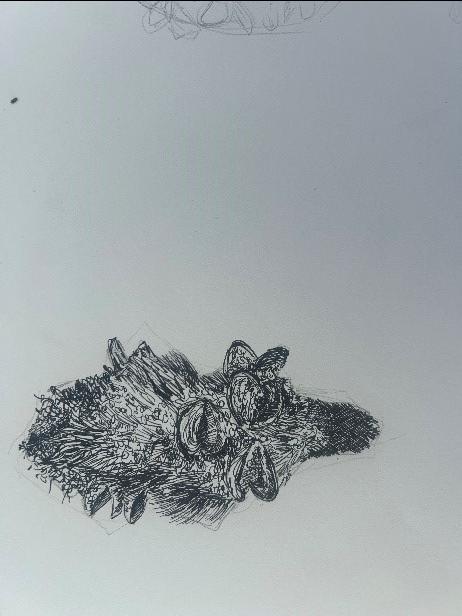
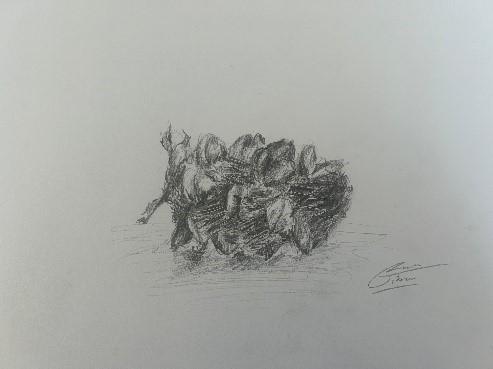
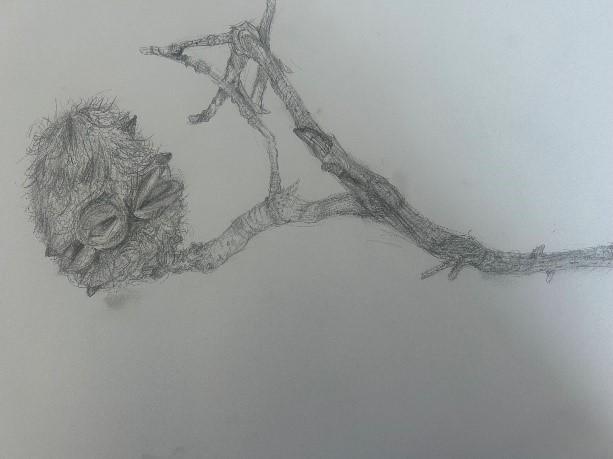
Student Artwork
Student Artwork
The Visual Arts Faculty extends its sincere thanks to Patrick Shirvington for sharing his expertise, generosity and passion with our students. His residency was a wonderful celebration of creativity, imagination and the power of art to help us see the world in new and meaningful ways.
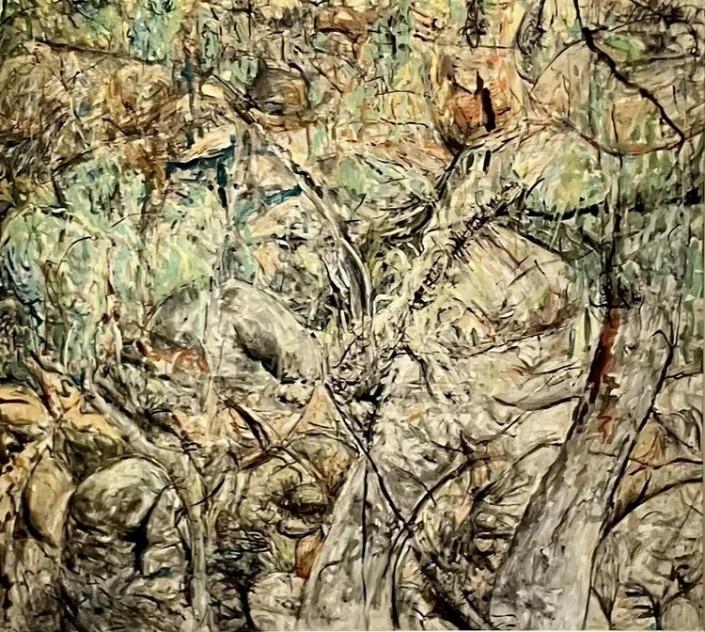
Artworks by Patrick Shirvington
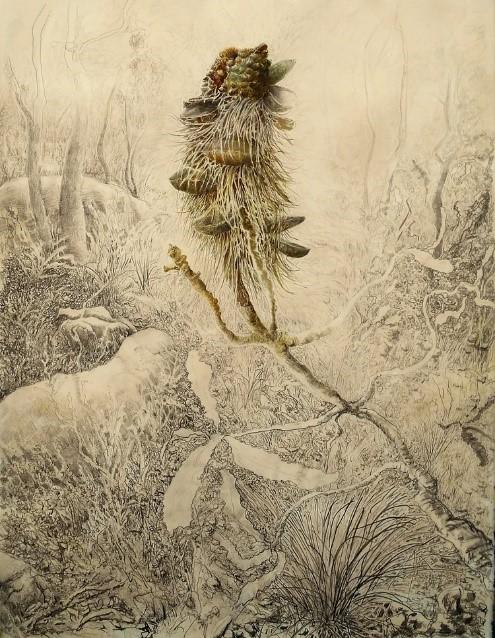
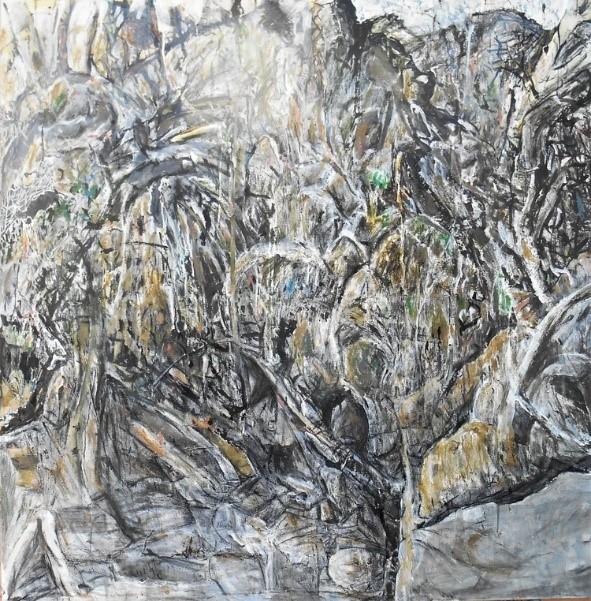
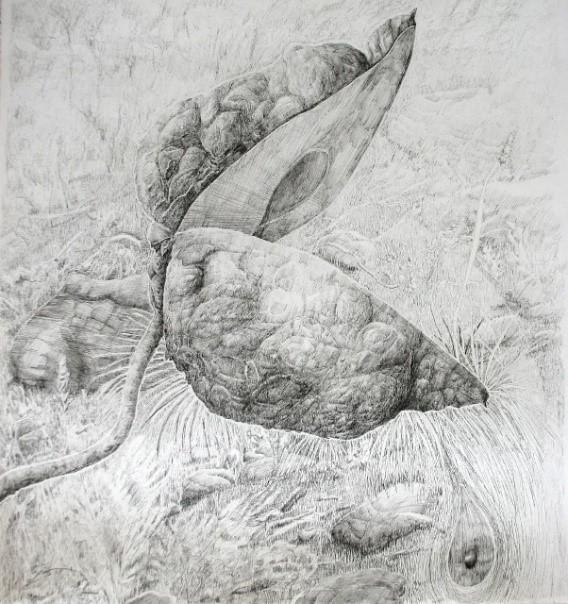
Artworks by Patrick Shirvington
Exploring Art, Memory and Materials: Stage 4 Visual Arts Incursion
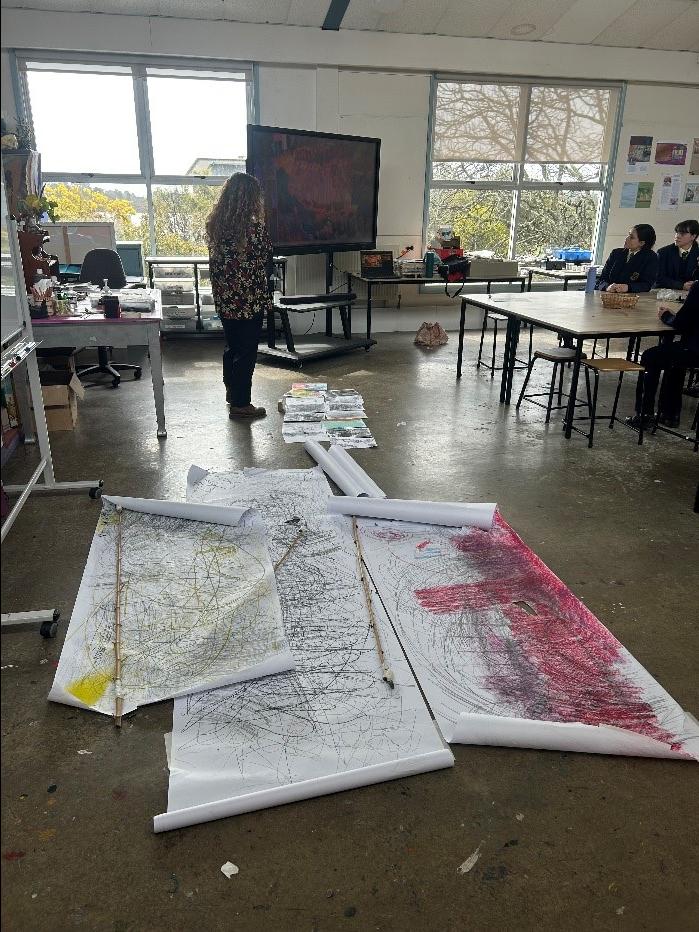
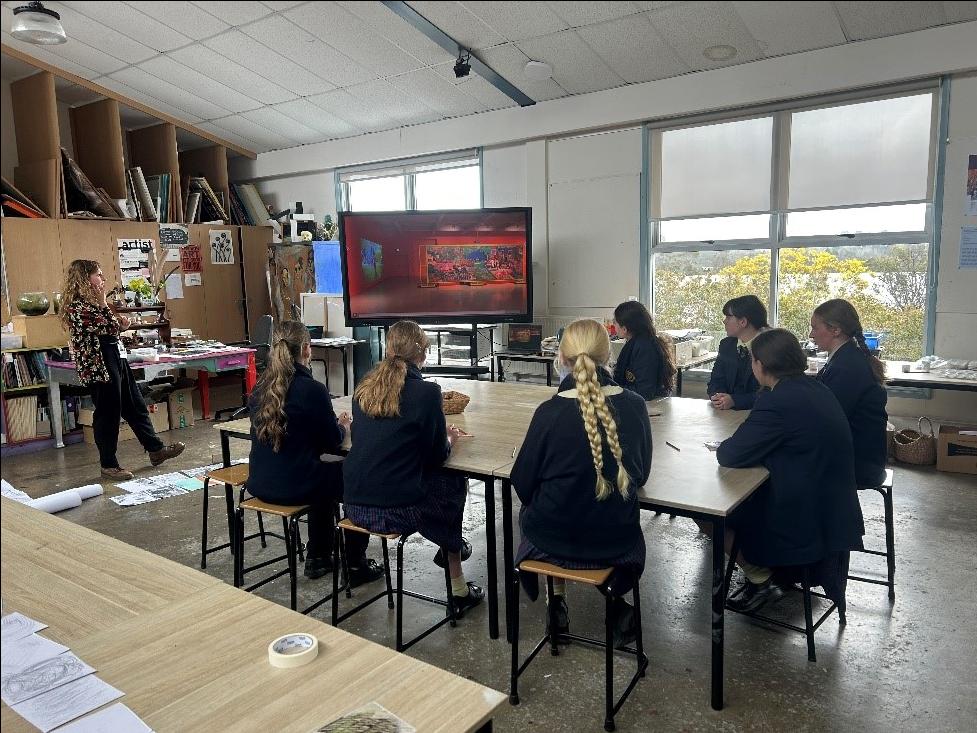
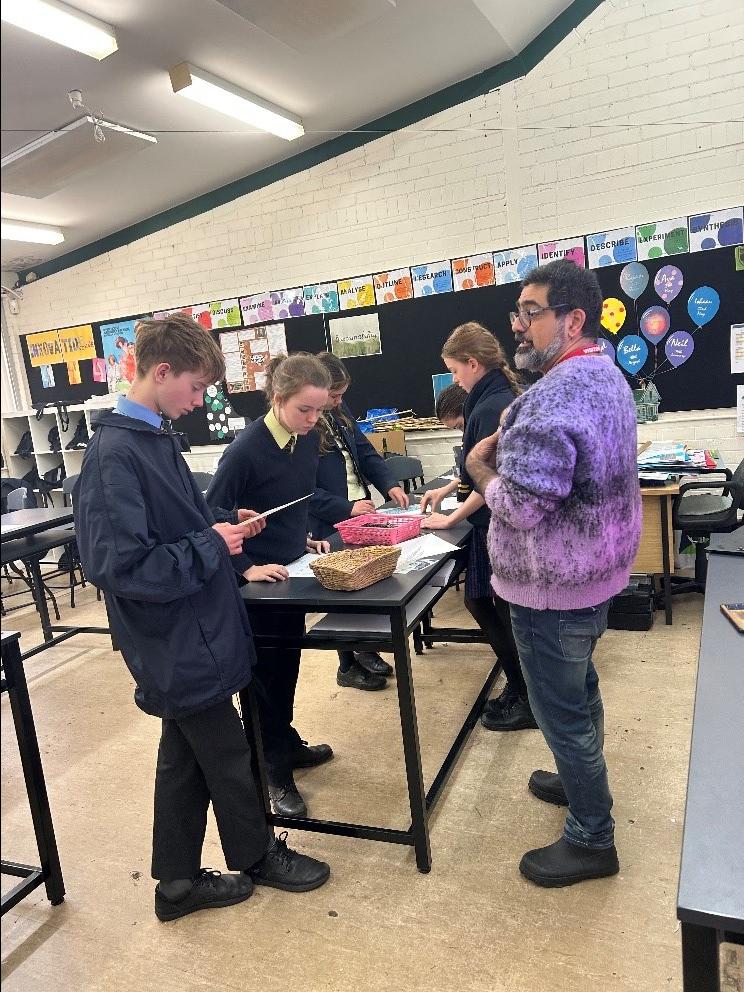
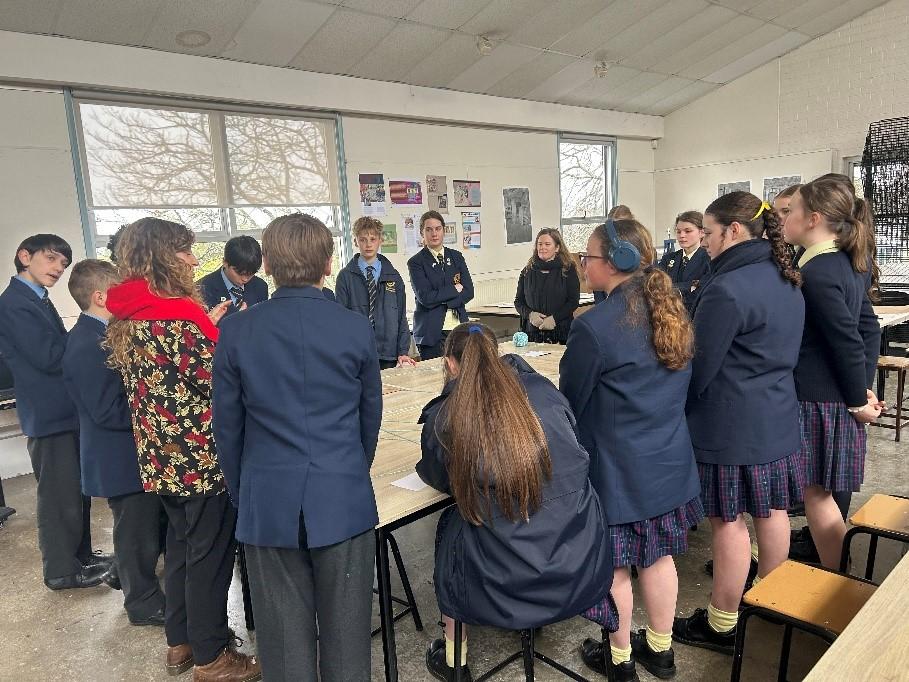
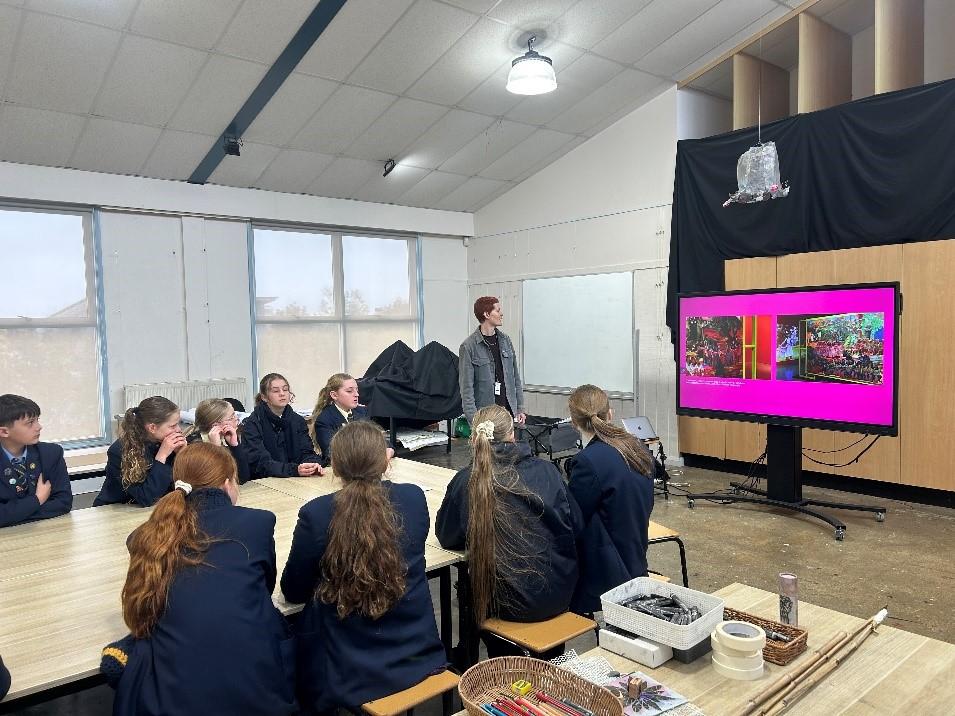
Our Stage 4 Visual Arts students recently had the wonderful opportunity to participate in an engaging Visual Arts incursion delivered in collaboration with Campbelltown Arts Centre. Three art educators visited Blue Mountains Grammar School to introduce students to the exciting exhibition currently on display at the Arts Centre and to explore the practices of the artists featured in the exhibition.
A particular focus of the incursion was the work of Indonesian-born, Melbourne-based artist Zico Albaiquni and his exhibition To all the steps that shake the land’s memory. Students were introduced to Albaiquni’s unique approach to painting and were encouraged to look closely at the artworks, discuss their ideas and interpretations, and consider how artists can communicate complex ideas through images, materials and processes.
Albaiquni approaches painting as a layered and relational act, rather than simply creating a finished image. His practice is grounded in the Indonesian concept of lukis, a way of making that is connected to ritual, labour, spirituality and everyday life. He often works with existing images that carry personal, cultural and colonial histories, layering, obscuring and transforming them so that different meanings and contradictions remain visible.
His exhibition To all the steps that shake the land’s memory features two monumental new paintings that explore the ways memory is carried through bodies, gestures and communal practices. The works also consider the ongoing relationship between land, water and people, inviting audiences to slow down, look carefully and remain open to complexity rather than searching for a single, straightforward interpretation.
Zico Albaiquni: To all the steps that shake the land’s memory
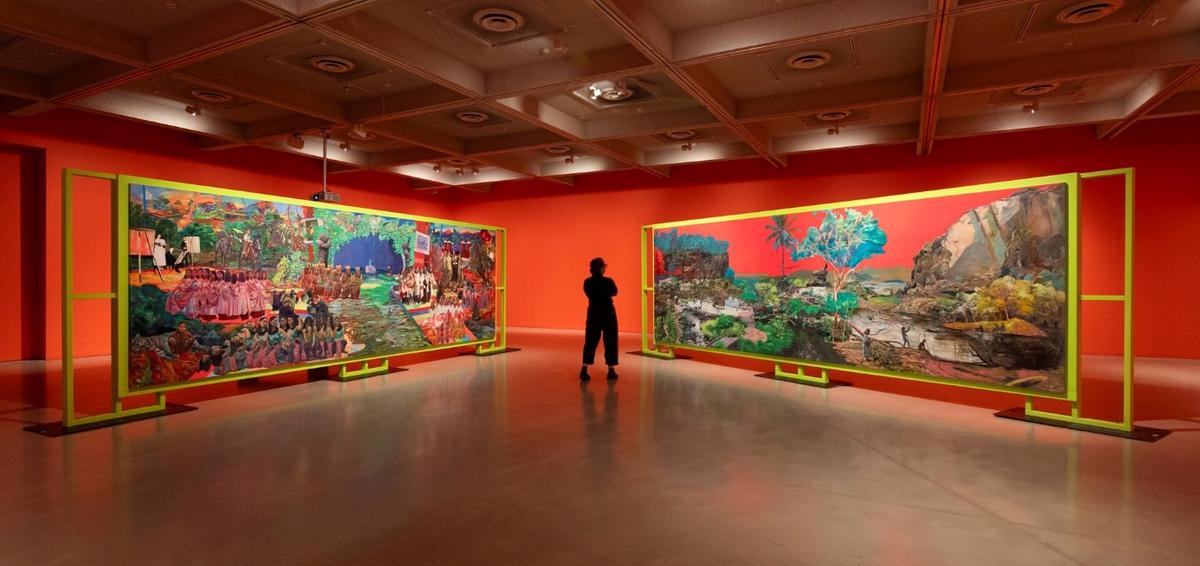
Zico Albaiquni, ‘To all the steps that shake the land’s memory’, installation view, Campbelltown Arts Centre, 2026.
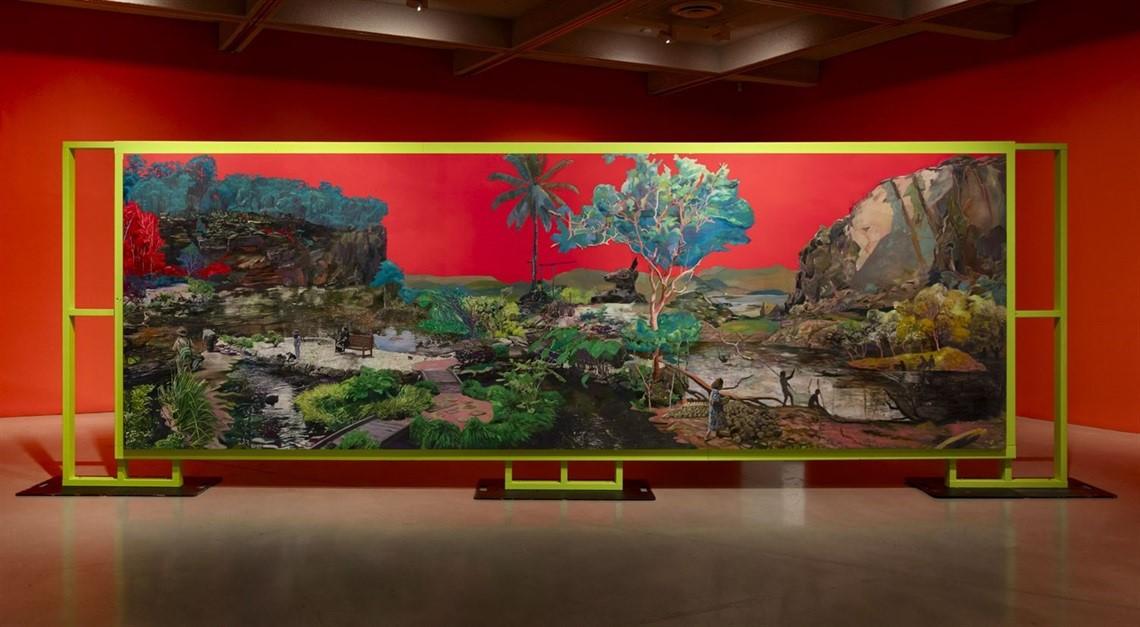
Zico Albaiquni, ‘To all the steps that shake the land’s memory’, installation view, Campbelltown Arts Centre, 2026.
Zico Albaiquni, ‘To all the steps that shake the land’s memory’, installation view, Campbelltown Arts Centre, 2026.
Zico Albaiquni, ‘To all the steps that shake the land’s memory’, installation view, Campbelltown Arts Centre, 2026.
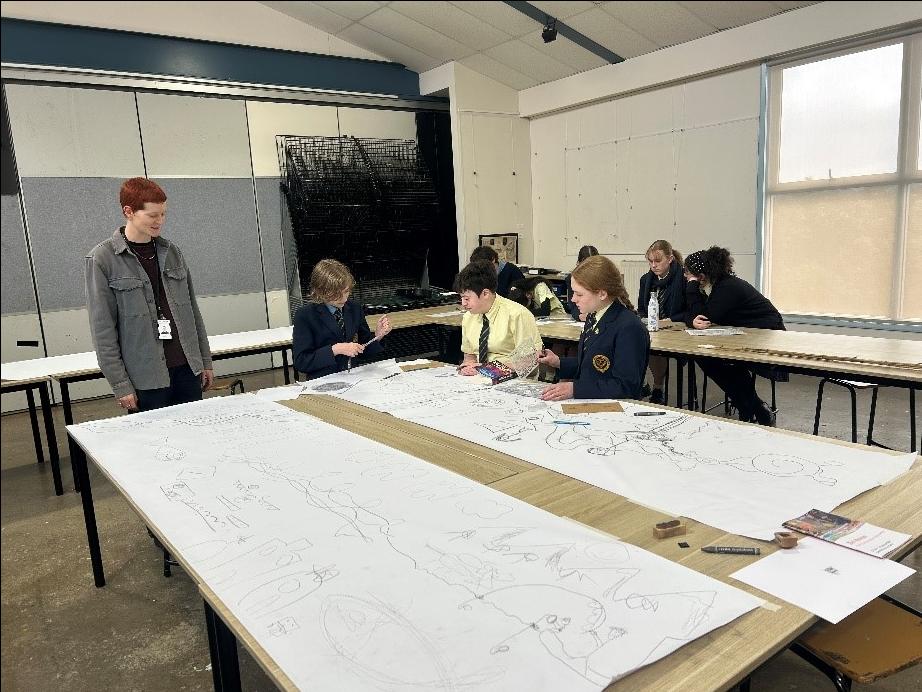
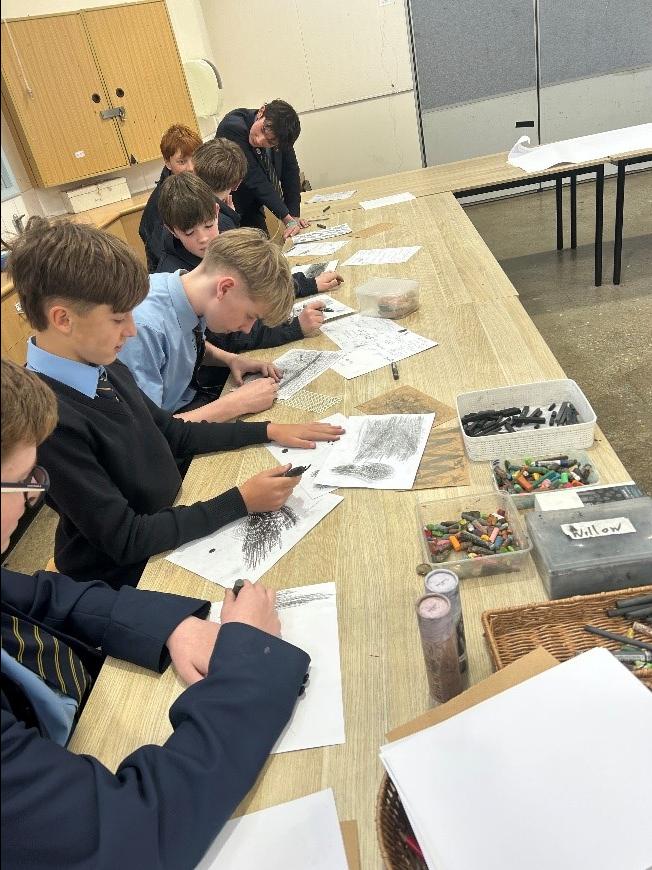
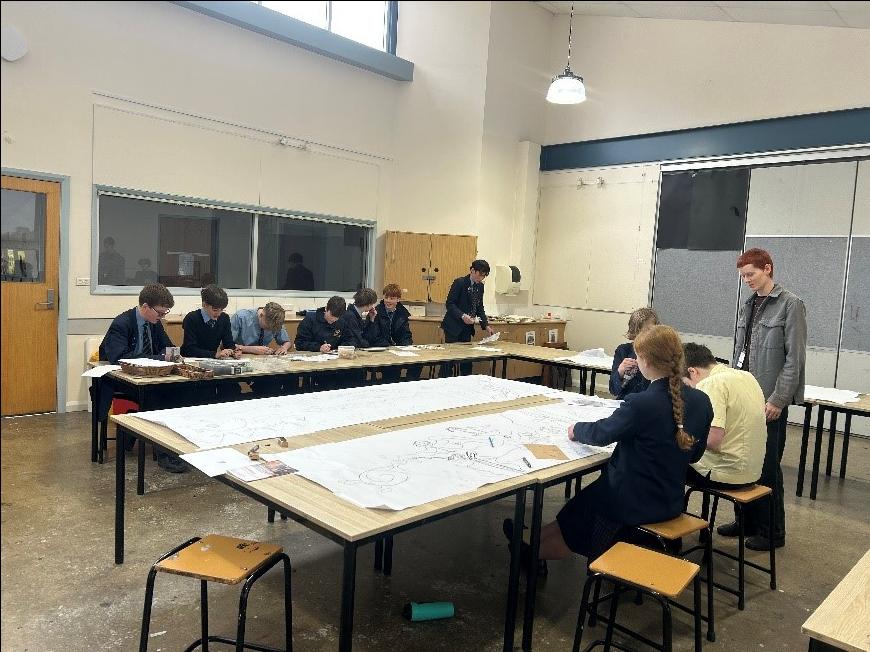
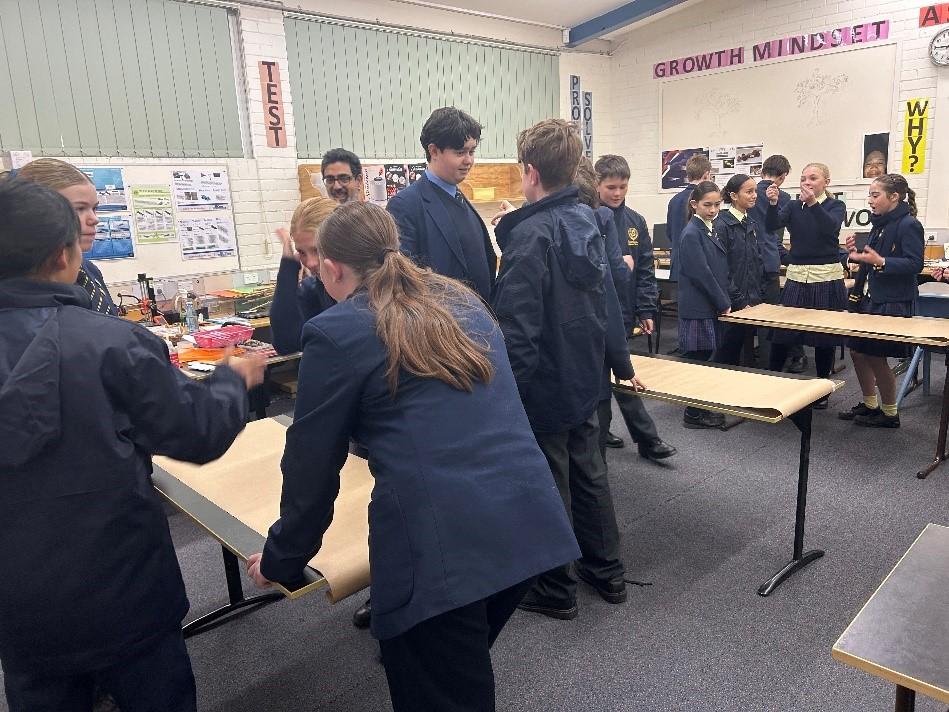
Following their exploration of Albaiquni’s work, students were challenged to consider how their own experiences, environments and everyday materials could become starting points for artistic ideas. They experimented with a range of conventional and everyday materials, creating both individual artworks and collaborative group works.
The hands-on activities encouraged students to think beyond traditional approaches to artmaking and to discover how materials can be manipulated, combined and transformed to communicate ideas about memories and gestures. Students embraced the opportunity to experiment, collaborate and take creative risks and, most importantly, they had a great deal of fun along the way!
The incursion provided a valuable opportunity for our Stage 4 students to connect classroom learning with contemporary artistic practice. Through discussion, experimentation and making, students gained a deeper understanding of how artists use materials, processes, images, memory and place to explore the world around them.
Amal Siorokos
Head of Visual Arts