
From the Deputy Principal
Lyndal Tewes

From the Deputy Principal
Lyndal Tewes
With warmer weather arriving in Term 4, sun protection becomes a daily priority for all our students. Australia has one of the highest rates of skin cancer in the world, and sun damage in childhood and adolescence significantly increases the risk later in life. The good news is that it's largely preventable, and simple habits make a real difference.
Hat Requirements:
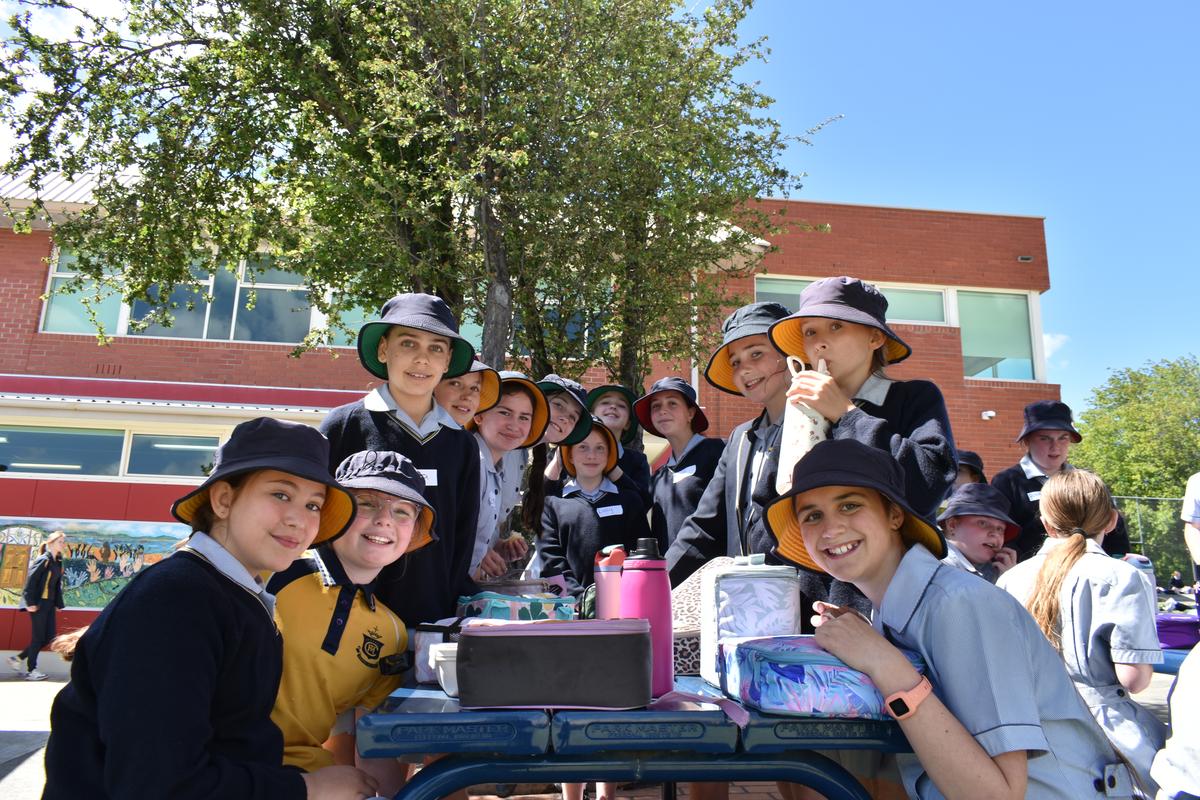
Primary students must wear a hat whenever they are outdoors, including during recess, lunch, sport and other outdoor activities. Primary students who do not have a hat will be required to play in designated shaded areas. We'd appreciate your help in making sure your daughter’s hat is clearly named and packed in their school bag every day.
Secondary students are strongly encouraged to wear a hat whenever they are outdoors, including recess, lunch, sport and outdoor activities. We remind our secondary students that caring for their own sun protection is an essential part of looking after their health. Parents and carers can support sun safety by reminding and encouraging their young person to bring and wear their hat everyday. UV levels in Tasmania are high enough to damage skin from around the beginning of September through to the end of April, even on cool or cloudy days. It's the UV, not the temperature, that causes harm, so hats and sunscreen are needed even when it doesn't feel hot.
We encourage students to follow SunSmart steps:
Slip on sun-protective clothing.
Slop on SPF 30 (or higher) broad-spectrum, water-resistant sunscreen, applied 20 minutes before going outside and reapplied every two hours.
Slap on a broad-brimmed hat (the College bucket hat).
Seek shade wherever possible.
Applying sunscreen before school and sending a small tube in your daughter’s bag will help them stay protected throughout the day. Sunscreen will also be available in the Primary classrooms and at the Student Services Office. Teachers will offer sunscreen at all outdoor activities and excursions.
Thank you for supporting us in keeping our students safe in the sun. Together we can help them build healthy habits that will last a lifetime.

Staying Hydrated
We all know that good hydration plays an important part in keeping our students healthy, alert and ready to learn. We strongly encourage all students to drink water regularly at break times, and we're happy for students to bring a water bottle to class, provided a few simple guidelines are followed. We'd be grateful if you could take a moment to discuss these with your daughter.
Water only, please: Bottles used in class should contain water only. Energy and/or soft drinks are not permitted at school at any time.
Sipping, not constant drinking: Students are welcome to have a drink when needed, but not continuously throughout a lesson. When a teacher is directly addressing the class, bottles should be put away. This is simply a matter of courtesy and helps everyone stay focused, and teachers may ask students to observe it.
Some spaces are bottle-free:To protect books, water bottles are not to be taken into the Library and Science Labs when chemicals are in use.
If your daughter is unwell: We understand that illness can mean a student needs to drink more often. In these cases, teachers can give permission for more frequent use of a water bottle in class. Please let your daughter’s teacher(s) know if this applies.
Thank you for your support in helping us keep our students healthy while maintaining a respectful and productive learning environment. A clearly named, refillable water bottle is a great addition to every school bag!
Stepping away from the books: Why a break helps Learning
After a demanding term of classes, assessments and homework, the holidays offer students something just as valuable as study itself: a genuine break from academics.
It can be tempting for students to see the holidays as a chance to get ahead, but research consistently shows that rest is an essential part of learning. When students step away from schoolwork, their brains continue to process and consolidate what they've learned. Time off helps reduce stress, restores motivation, and allows students to return with fresh energy and a clearer mind.
We encourage families to help their children switch off from schoolwork and fill their days with activities that bring joy and balance. This might include spending time outdoors, playing sport, pursuing a hobby, being creative, helping out at home, or simply enjoying unstructured time with family and friends. These experiences build wellbeing, confidence and resilience, all of which support success in the classroom.
For senior students with upcoming exams, some light revision may be helpful, but we encourage keeping it balanced and making sure plenty of the holidays are devoted to rest and relaxation. A few focused sessions are far more effective than long hours of study when a student is already worn out.
As the break comes to an end, easing back into regular sleep and morning routines will help everyone make a smooth transition into Term 4.
We hope all our students enjoy a restful holiday and return recharged, re-energised and ready to learn.