Teaching and Learning
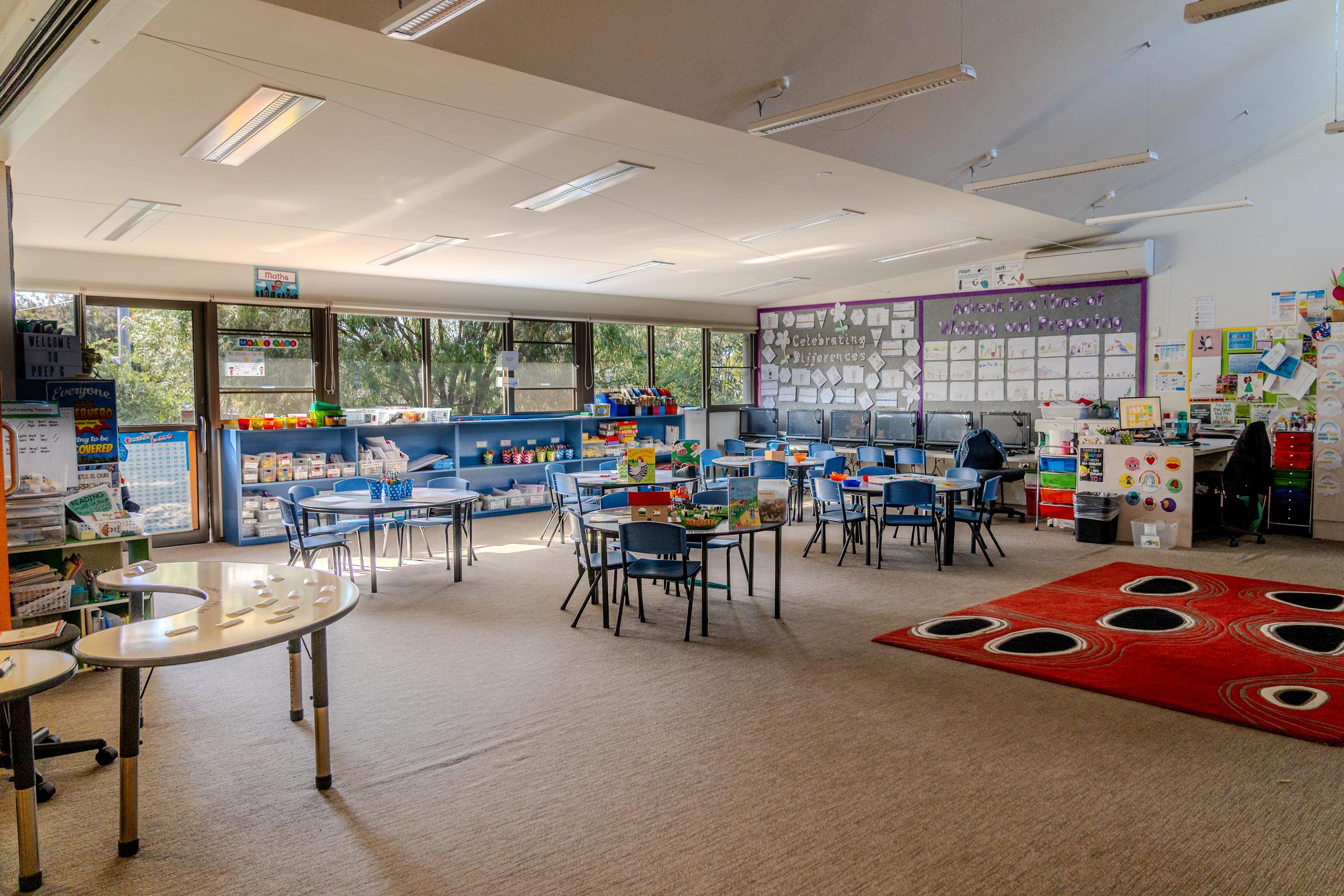
Last week, we shared that our teachers have been working with Dr Ange Rogers to deepen their understanding of the key skills students are expected to achieve at each year level. A major focus of this learning has been the 'Instructional Hierarchy', which helps teachers match their teaching to each student’s stage of learning. We also shared a range of simple activities families can use at home to support fluency for Prep–Year 2 students.
This week, we are excited to share the key fluency expectations for our Year 3 and 4 students, along with practical activities families can use at home.
Year 3: Difference
In Year 3, students work towards becoming fluent in using difference to solve subtraction problems. This means understanding how far apart two numbers are and using this knowledge to solve problems efficiently.
Some simple ways to support this at home include:
- Giving your child two numbers and asking, “What is the difference between them?”
- Using real-life contexts such as comparing prices, distances or scores.
- Playing number games where children identify how much more or less one number is than another.
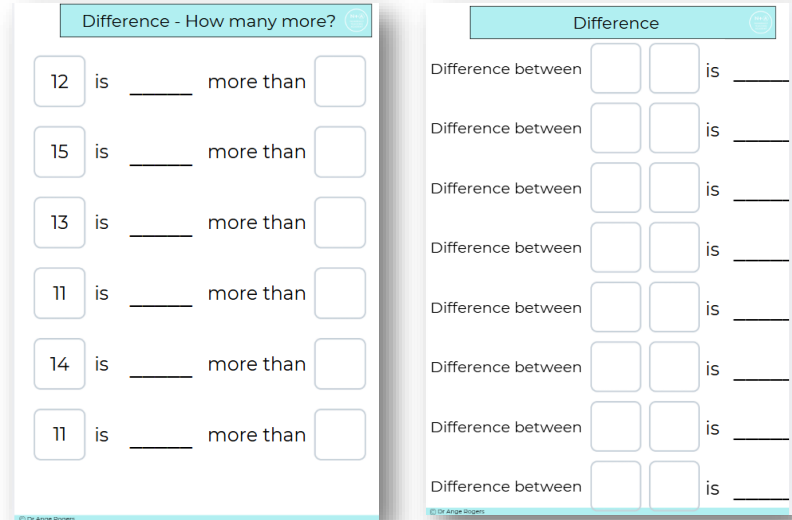
Another option is writing out something similar to this for your child to complete, just change the number each time.
Year 4: Renaming
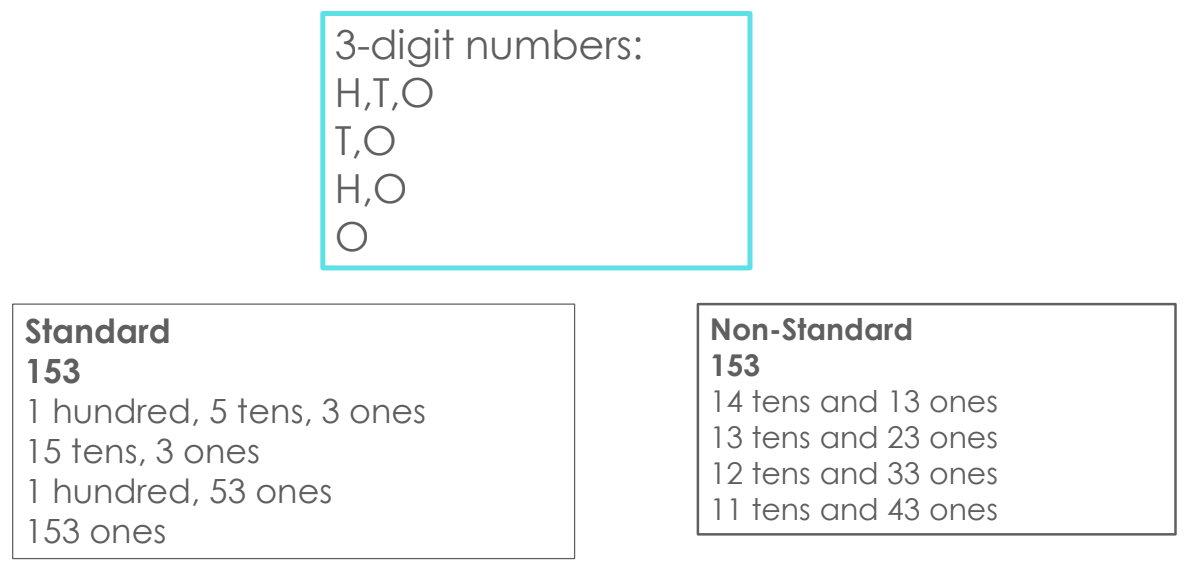
Year 4 students focus on renaming, an essential skill for working confidently with larger numbers. Renaming helps students break numbers apart and recombine them in flexible ways.
Here is an example of what renaming numbers can look like:
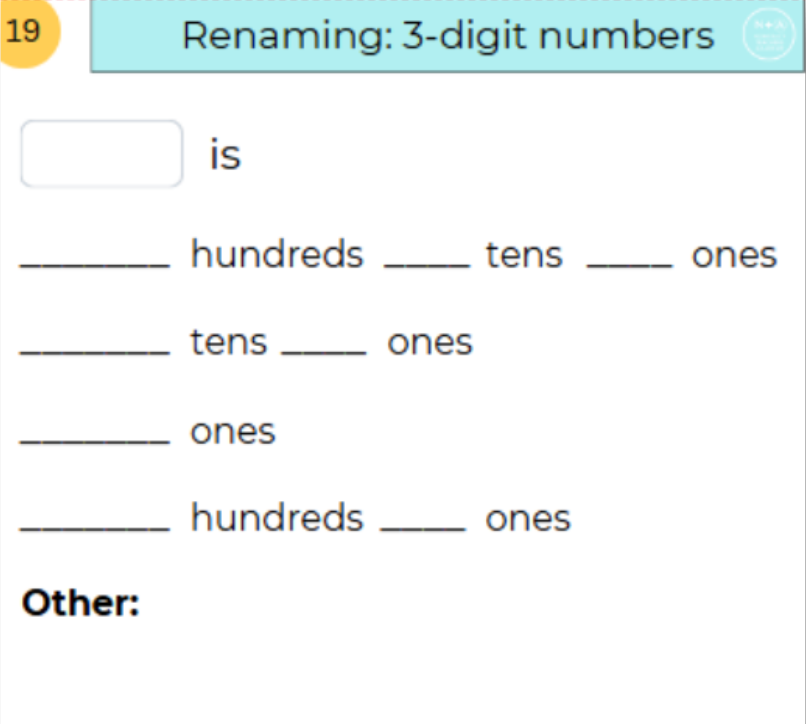
Families can support this by completing an activity like this, either verbally using different numbers or by writing it out.
We look forward to sharing more strategies for Years 5 and 6 in upcoming newsletters.
Danielle Phillips
Teaching and Learning Leader