Aiming High



 Lockleys North Primary School
Goal Setting

As part of every lesson, students at LNPS are introduced to clear teacher set goals (learning intentions). We acknowledge the importance of “Approaches to Learning” to students being able to meet success criteria accompanying these learning intentions.
Supporting students to set personal goals relating to learning behaviours will accelerate their development.
During class, students will focus on the approaches to learning to begin thinking about their needs and what will be the basis of their learning goal. There will be activities and discussions based on the keys and this will allow the children a chance to focus on their goals.
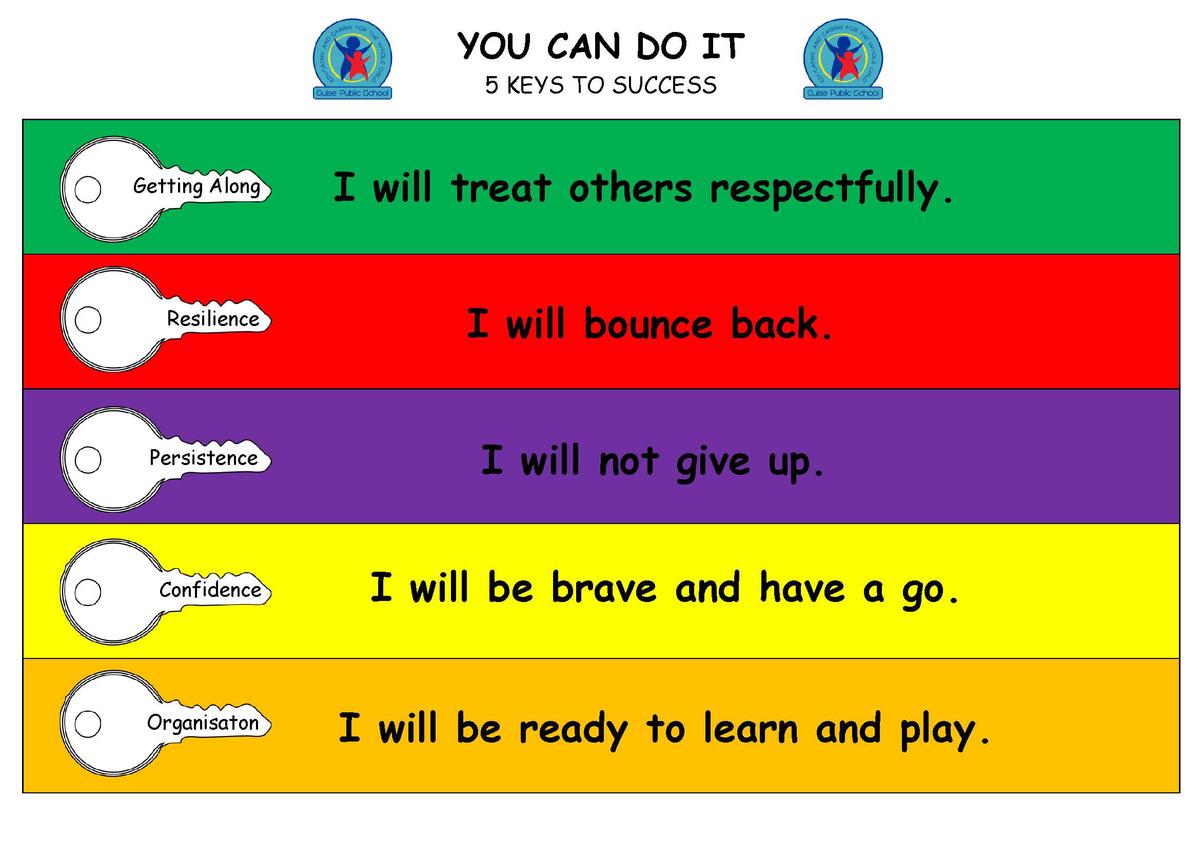
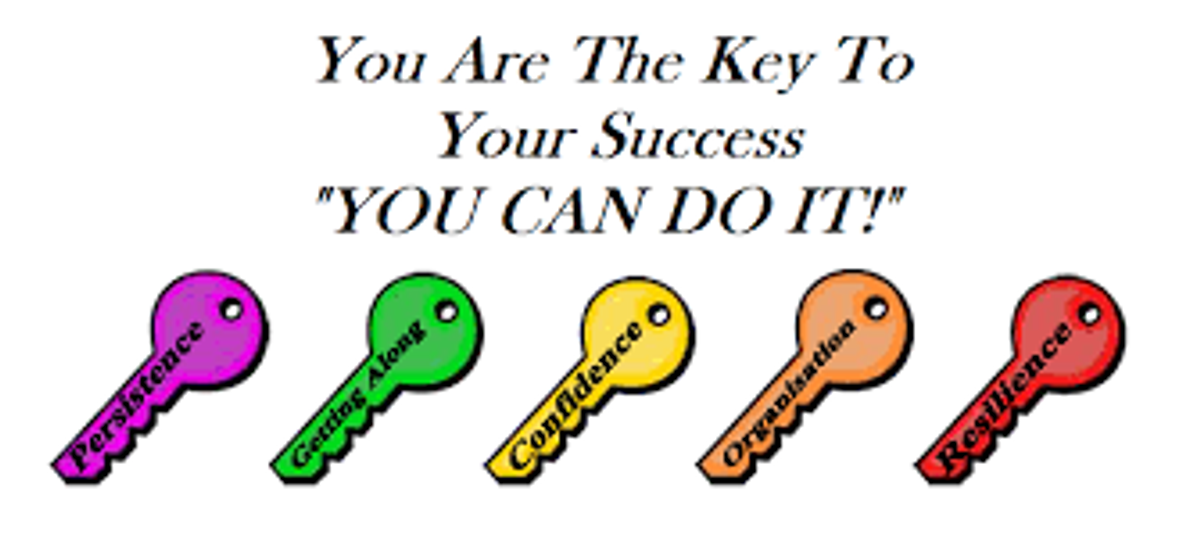
Students reflect on their approaches to learning and analyse their work with their goal in mind using Feedback Books or Learning Journals with reflections, and self/peer feedback. They also use success criteria constructed in class to support their success in each task.
As a whole school we hold Goal Setting Conferences in Term 1 and 3. The purpose of these meetings is to co-construct goals with students and their families. The process will be guided by Approaches to Learning references and self-reflection. These goals will run alongside ongoing, targeted goals set in class by students and/or staff which are regularly reviewed and updated.
Examples of learning goals
With their learning goal in mind the children will be able to achieve a variety of things - some examples of learning goals are -
- I will be persistent with my learning.
- I will get better at writing and Maths.
- I will use a louder voice at sharing/circle time.
- I will share information freely with the big group and in my learning team. I will feel more confident.
- I will be more resilient so that I can bounce back if things make me upset.
- I will use the organisation key so that I will do my morning routine without prompting.
- I will be more persistent when working and stay focussed.
- I will be more persistent in my learning so that I can learn new things.





Student feedback
Student feedback regarding goal setting
M4 feedback
- Goal setting is a good thing and it's also challenging as it helps us become better learners.
- Goal setting helps us with all our learning.
- When we make our goals together -it’s a good thing as everyone is involved and we can all work together. Our parents know what our goals are and they can support us to achieve them.
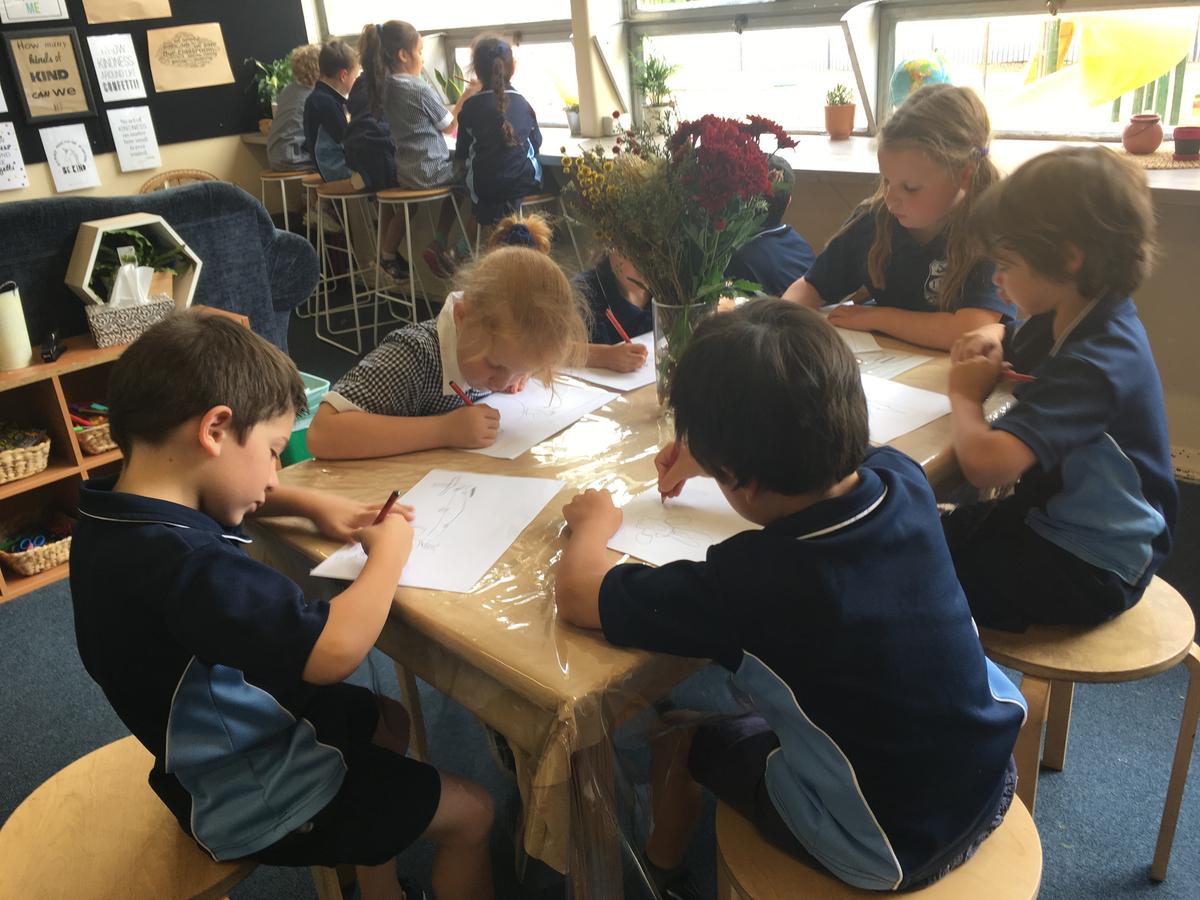
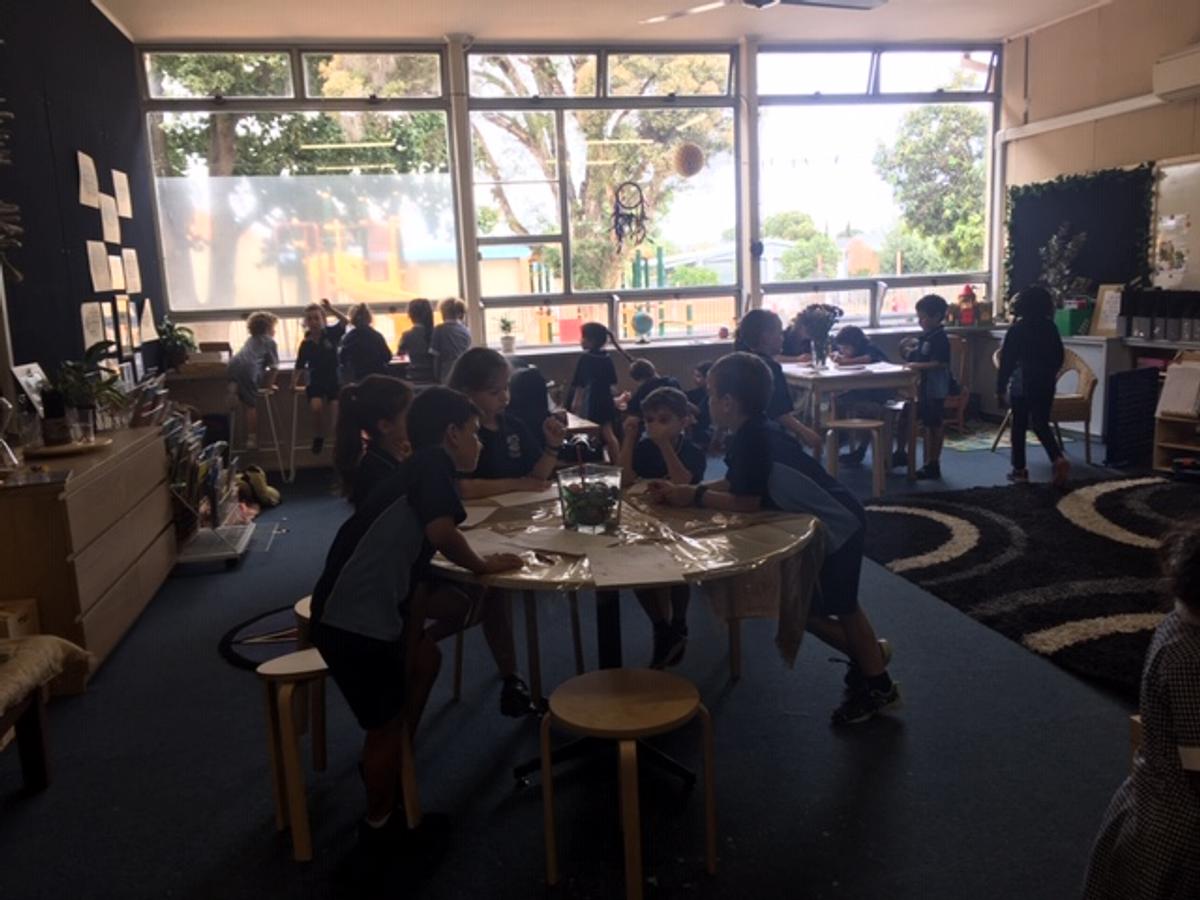
Feedback.
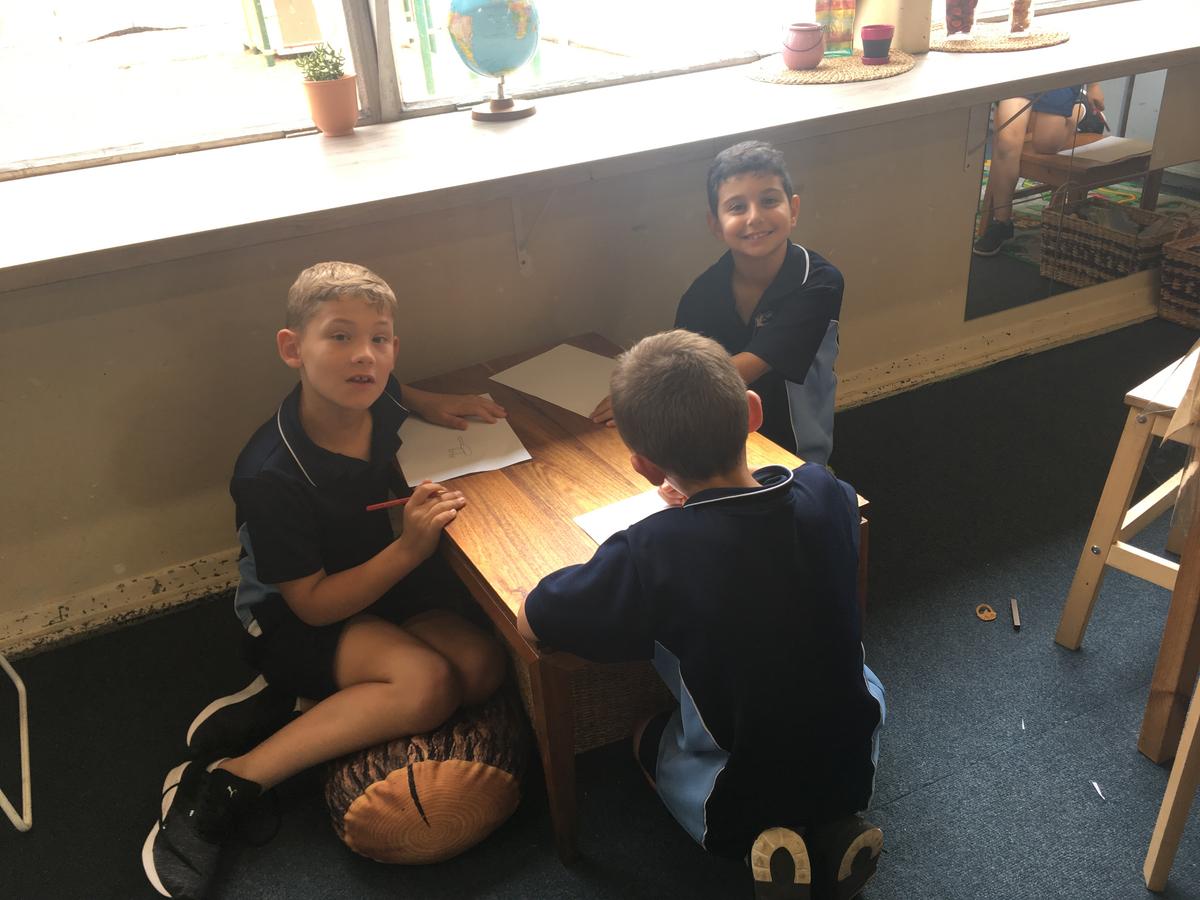
Feedback can take many forms and is often more powerful when part of a learning dialogue rather than delayed and in writing. Our culture of ongoing discussion between learners regarding their goals and actions also generates feedback as a natural part of our dialogue.
As feedback is one of the most powerful influences on learning and achievement, teachers at Lockleys North make sure the feedback on students' work is connected to the learning intention and success criteria so that it is useful and assists students to have a growth mindset - understanding that they can grow, make mistakes and keep trying makes them stronger. This helps students to think "I can't do this yet, but if I keep trying and asking for help when needed, I will get there.", rather than "I got this wrong. I will never be able to do this."
Giving students feedback on the effort, processes and strategies that they use has been found to make students wish to work harder and try new things. However, praising students' intelligence can make them feel good briefly, but can lead to students being more reluctant to try things they see as hard in case they make mistakes. Students give themselves feedback using the success criteria, give each other feedback and receive feedback from teachers.
Ensuring our feedback is constructive and that students have a deep understanding of the success criteria, as well as modelling the actioning of feedback will support students to act upon theirs. Having a regular format in which feedback is addressed is also supportive. We use the following questions to drive feedback:
What am I trying to achieve?
How much progress have I made so far? / What am I doing well?
What should I do next? / What are my next steps?