The World Around Us

 Lockleys North Primary School
The World Around Us
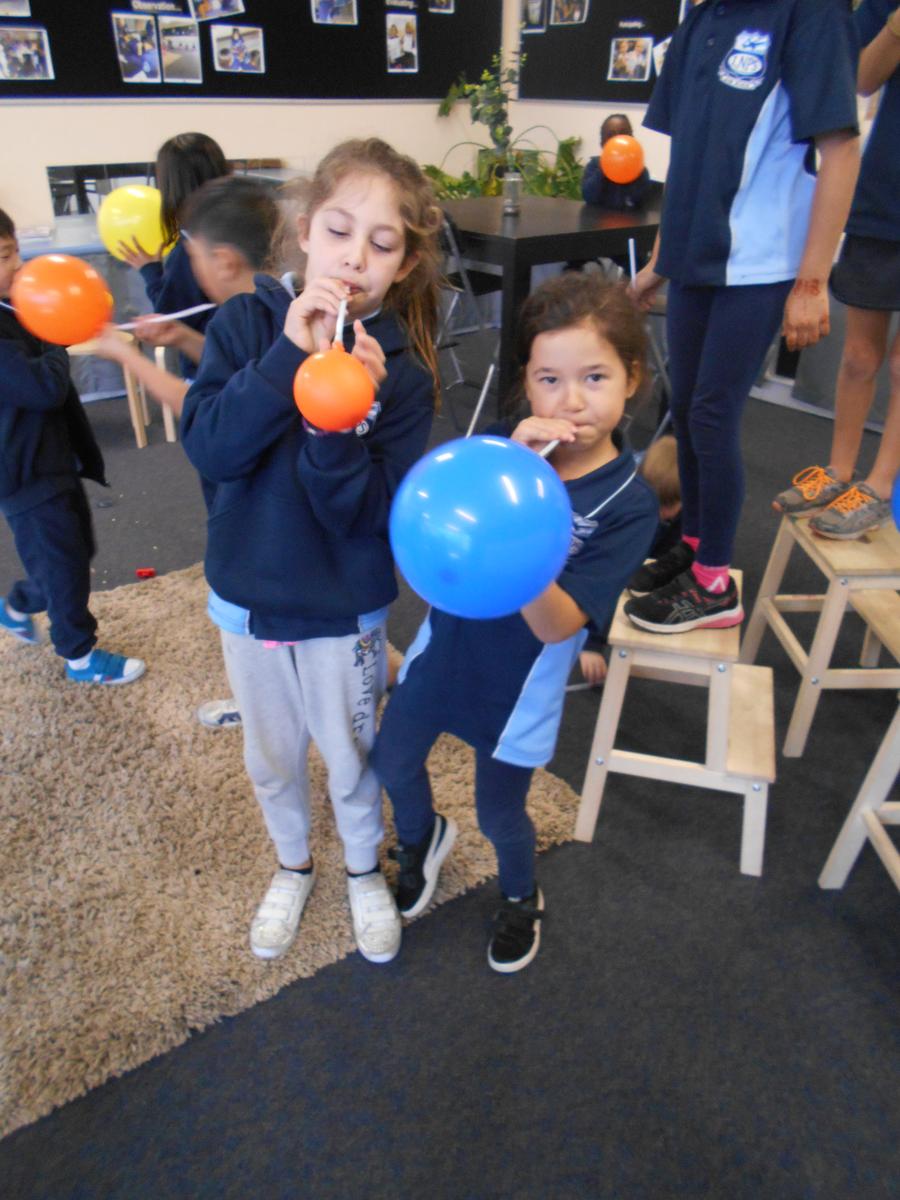
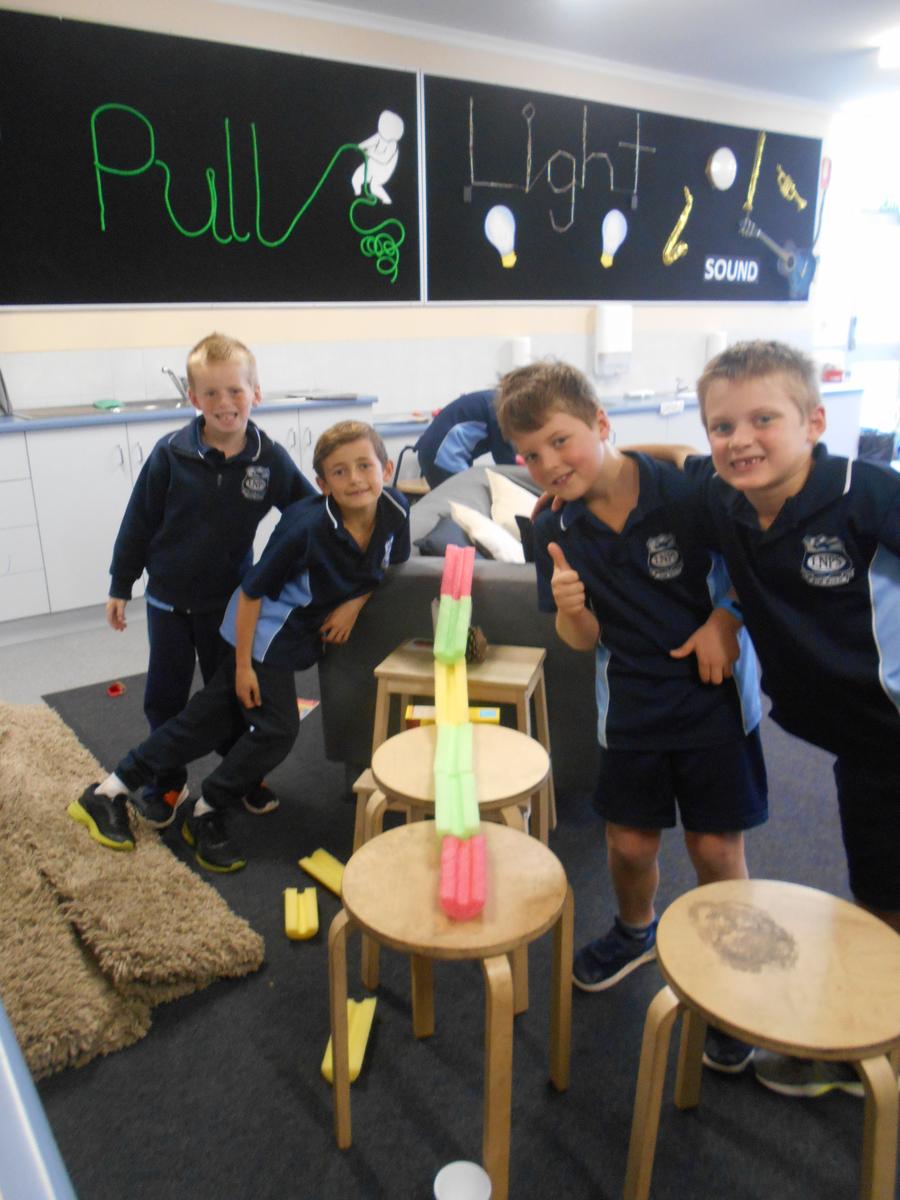
Each morning Mellor students engage in Discovery Time, a crucial part of our daily routine that provides an opportunity for children to play and explore their environment. Students explore new ideas and concepts and also transfer what they already know into new contexts. They are actively involved in purposeful hands-on learning experiences and have the opportunity to direct their own learning. These experiences provide opportunities to demonstrate creativity and ingenuity. They help students to develop socially, emotionally, physically and cognitively. Children often encounter and overcome challenges and extend themselves to problem solve creatively.
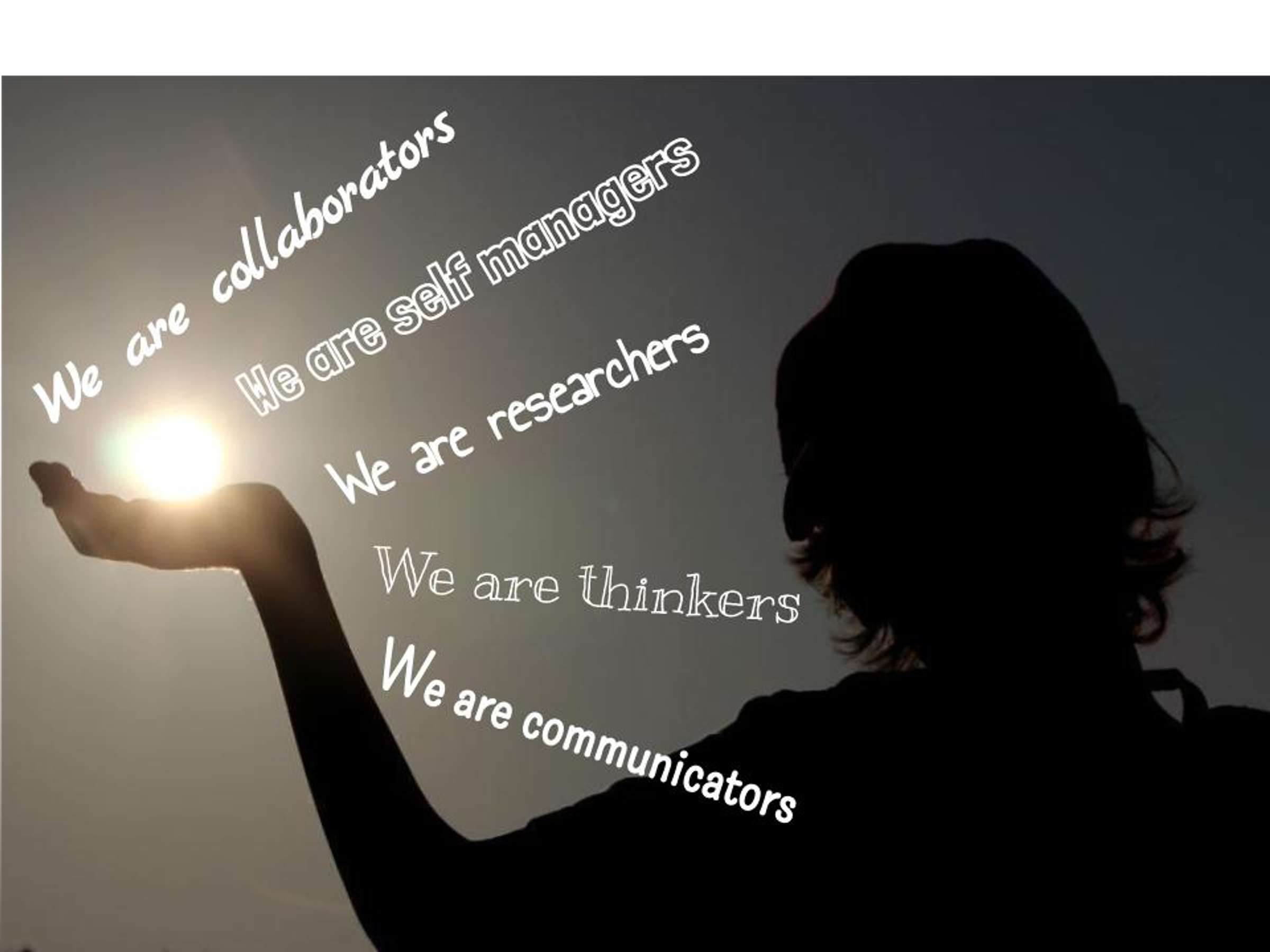
Discovery time fosters curiosity, creative and deep thinking, problem solving, making meaning, self motivation, teamwork and collaboration.
During Discovery time, students take on many roles. They are...
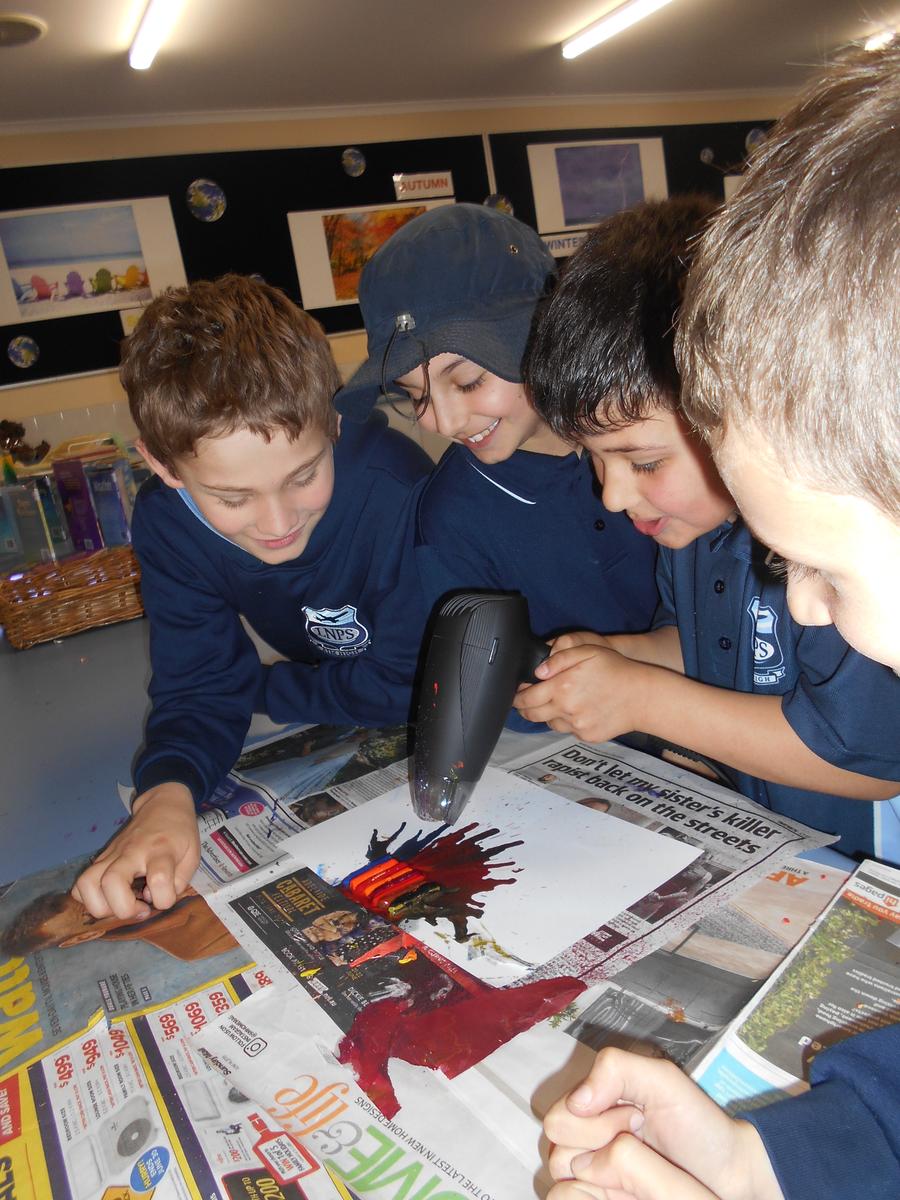
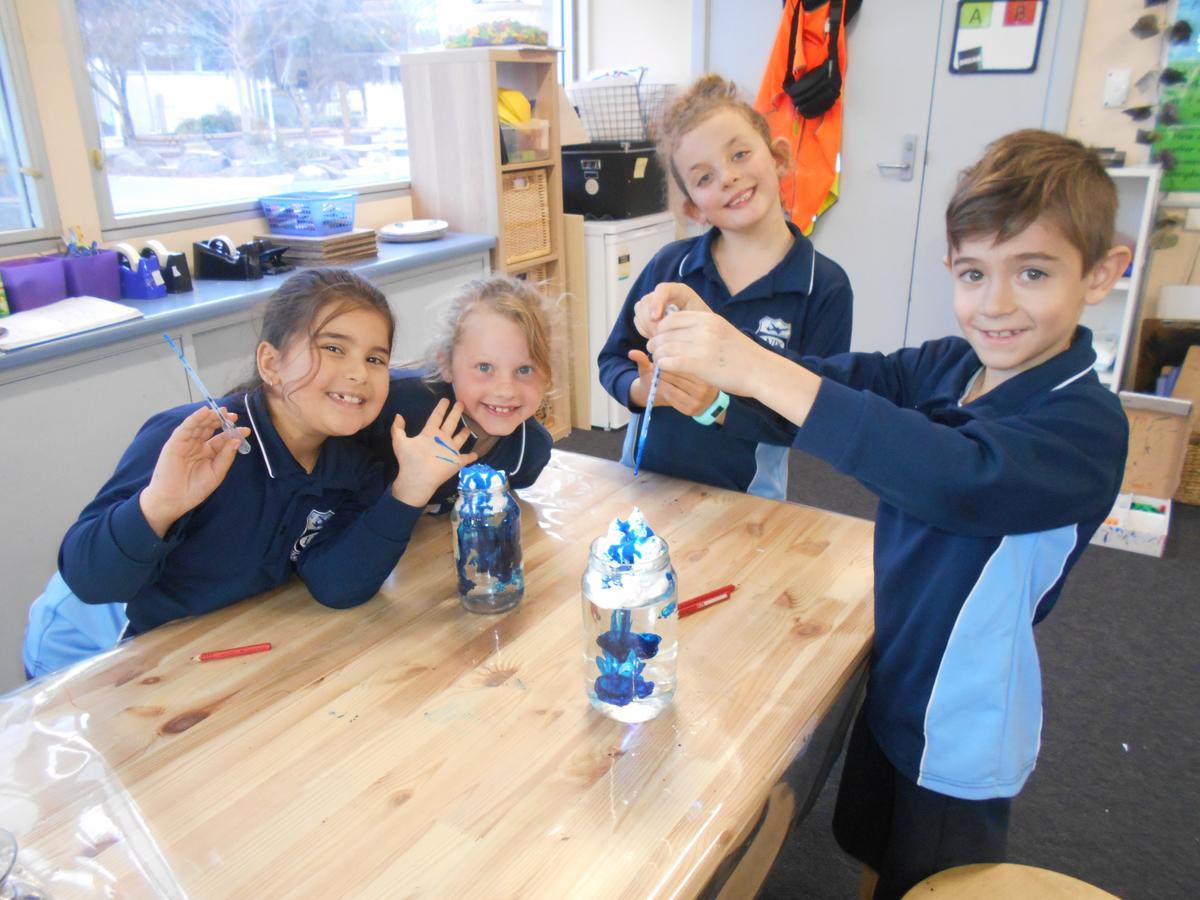
In Science, learning through experience is at the core of teaching, with students encouraged to interact, describe and share learning. One of the main foci is to provide opportunities for students to learn through discovery – participating in purposefully designed activities. Learning has been designed to spark curiosity and provide students with skills to develop questioning by communicating and evaluating.
Throughout all lessons, we are teaching students how to collaborate within a group situation in order to build the skills to value the contribution of others, as well as be confident to share their own ideas and opinions. Children are encouraged to take risks and try new ways of learning. This is being done by displaying learning in a variety of ways, undertaking a range of investigations and recording and sharing observations and findings. Throughout guided experiments and inquiry tasks, children can build on prior knowledge, thinking creatively and reflecting on what has been learnt to better understandings.
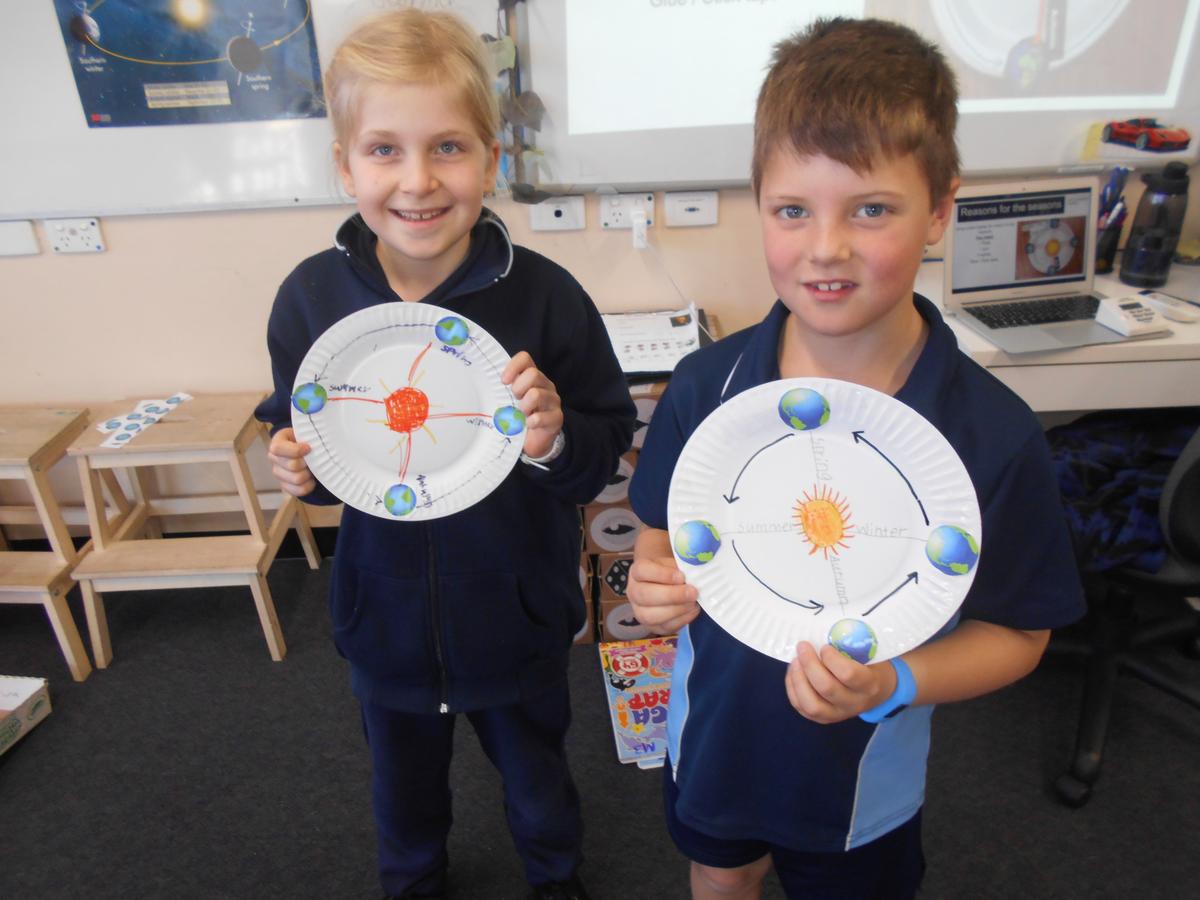
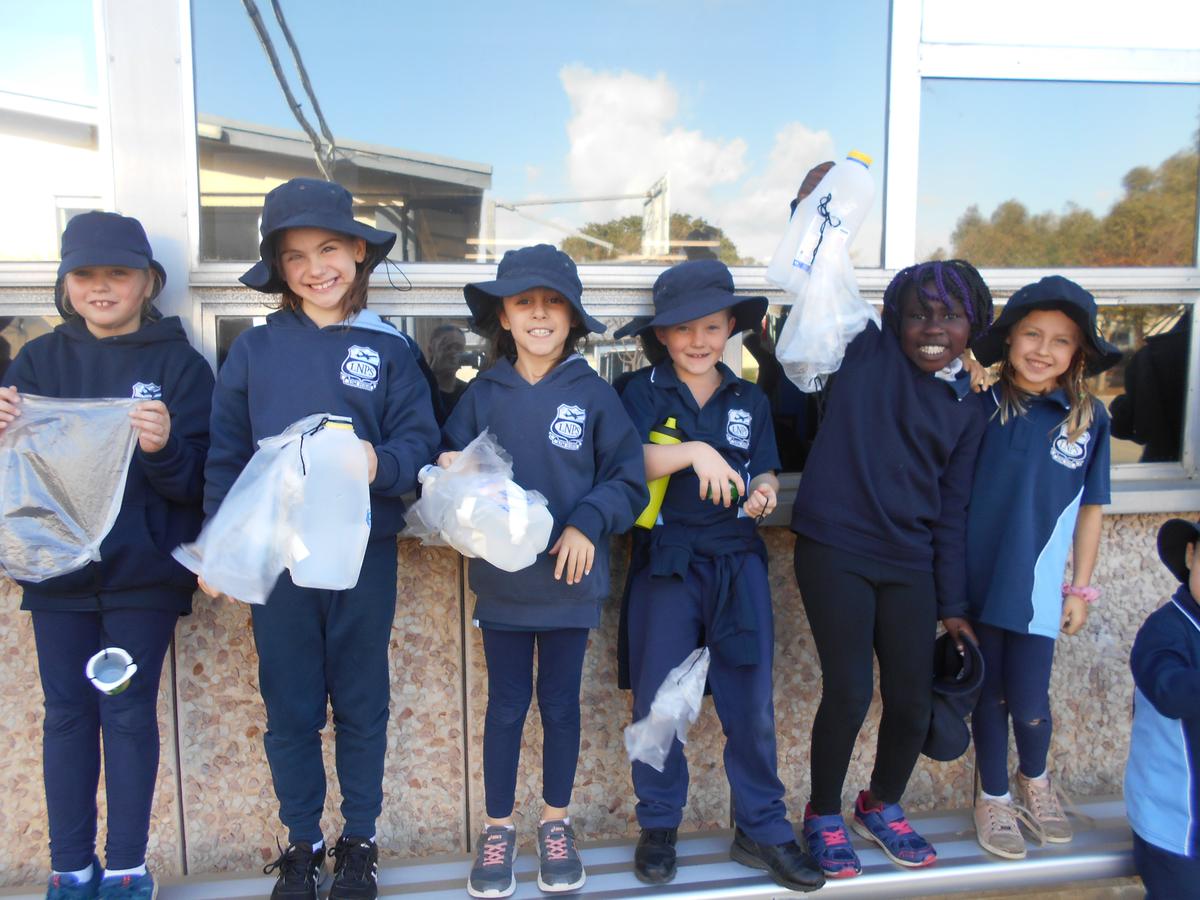
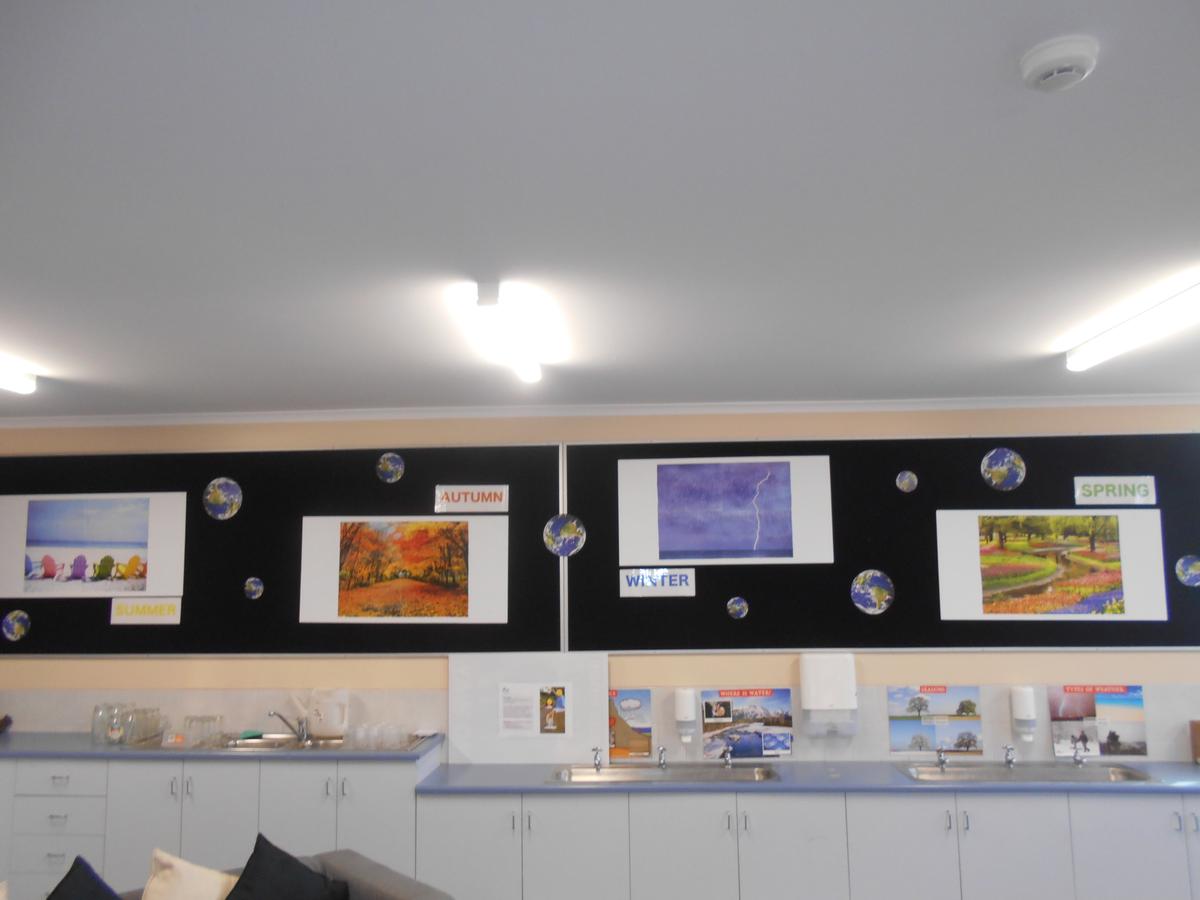
This term, we are exploring Earth and Space sciences where students are encouraged to inquire into the world around them and beyond. We have started the term looking into weather patterns and why we have seasons. We are now investigating our local environment and the earth’s resources and their use in our everyday life.
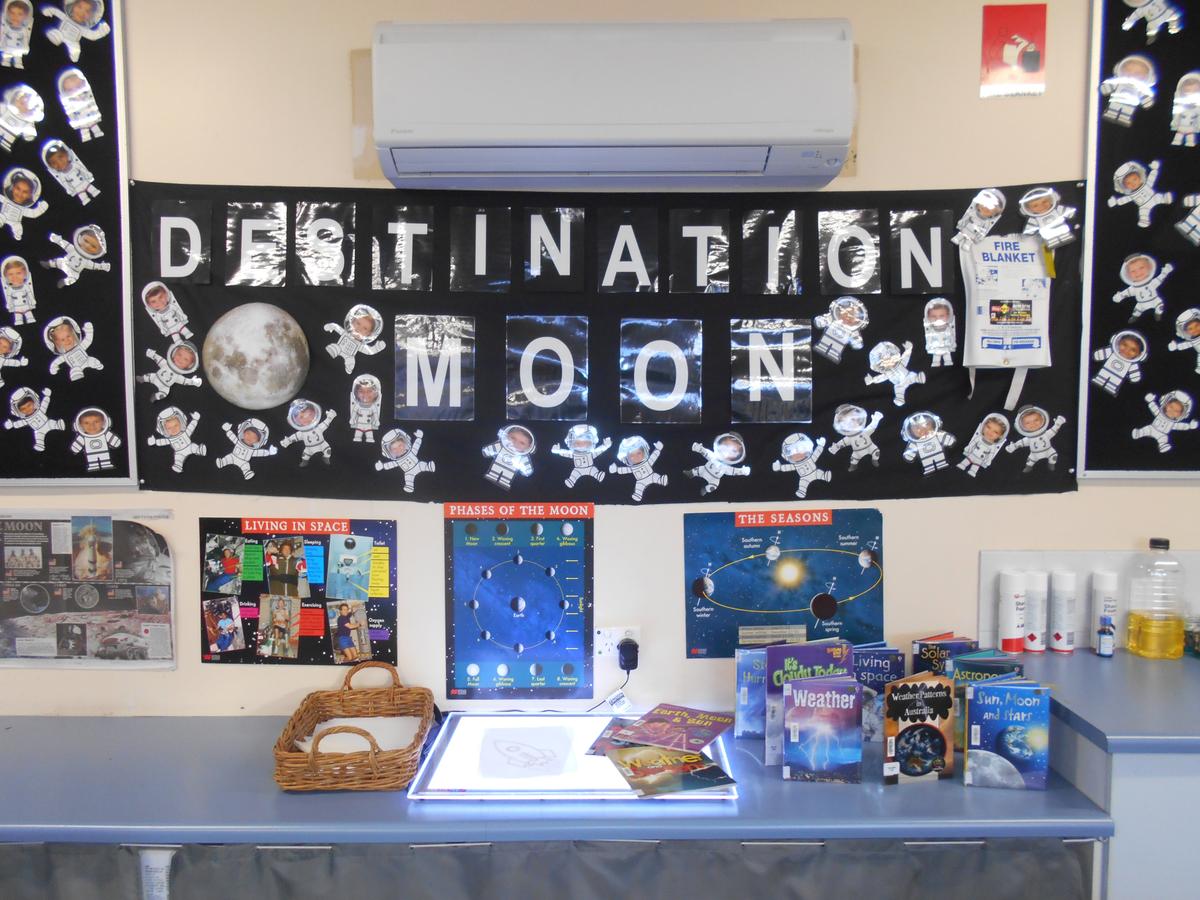
Science Week will be held in Week 9 this term with a special assembly and activities to follow. This year’s theme is “Destination Moon” (in conjunction with the 50th anniversary of the first moon landing). Students will be learning about space, in particular the moon, throughout Weeks 9 and 10.
In Term 4 we will be continuing our investigation to focus on biological sciences and living things with some special guest class pets.
I look forward to helping all students to progress further in their learning journeys.
Maddy Hicks
maddy.hicks696@schools.sa.edu.au
HASS this semester is focussing on History and events, activities and places that students and their families care about.
Students will investigate the connections they have to places, events and activities and how they have changed over time.
They will be developing research skills by accessing a range of primary and secondary sources for information and gaining wider perspectives, empathy and understanding about why these places, events and activities are significant.
Teachers have begun to record videos that explain a significant place, activity or event as a starting point for our History investigations. Below are two videos - one about an important place, the other about an important activity.
Language learning experiences include listening, speaking, reading and writing. Students interact with peers through action-related talk and play. They exchange greetings, express likes and dislikes and use repetitive language to respond to simple instructions and create simple spoken and written texts, using modelled examples and formulaic language. Participation in routine oral interactions such as responding to the class roll, guided activities like singing songs and playing games reinforce vocabulary and help students to gain confidence using the language. Students will understand that all nouns in German begin with a capital letter and recognise the different words for ‘the’ (der/die/das), introducing the concept of gender for nouns. Repetition and question and answer dialogue is a significant way for conversational language to develop. Our friends, Felix and Franzi (puppets) will continue to be a part of some of our lessons.
Frau Edwards