Wellbeing


 Lockleys North Primary School
PE
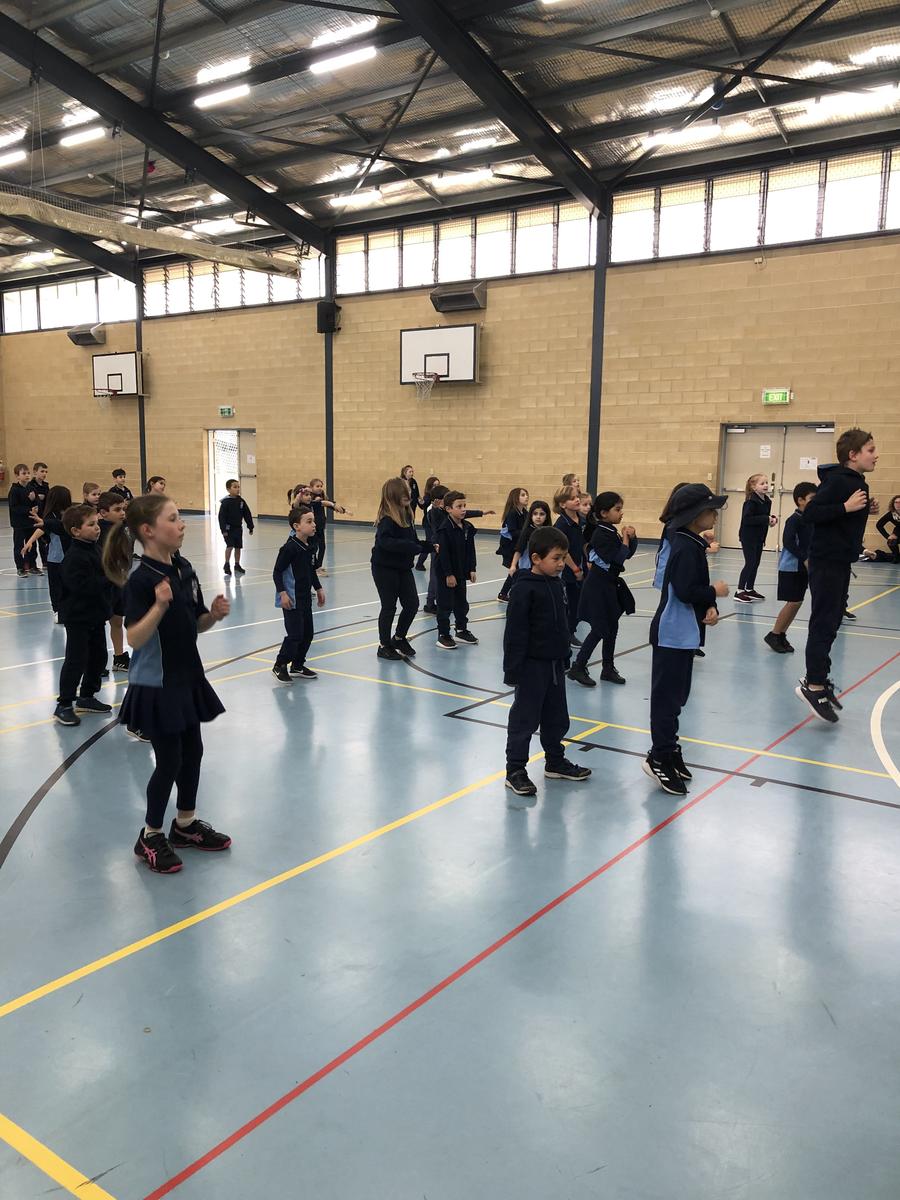
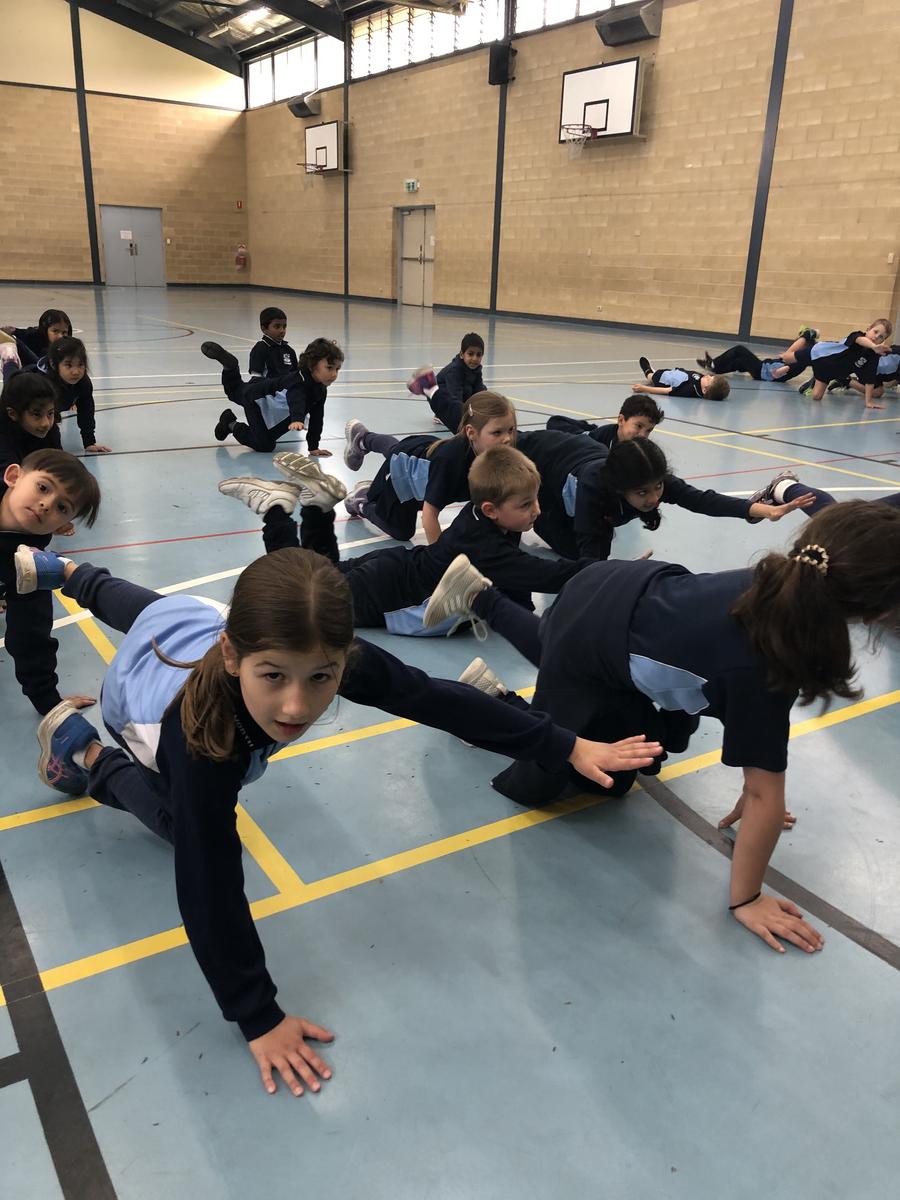
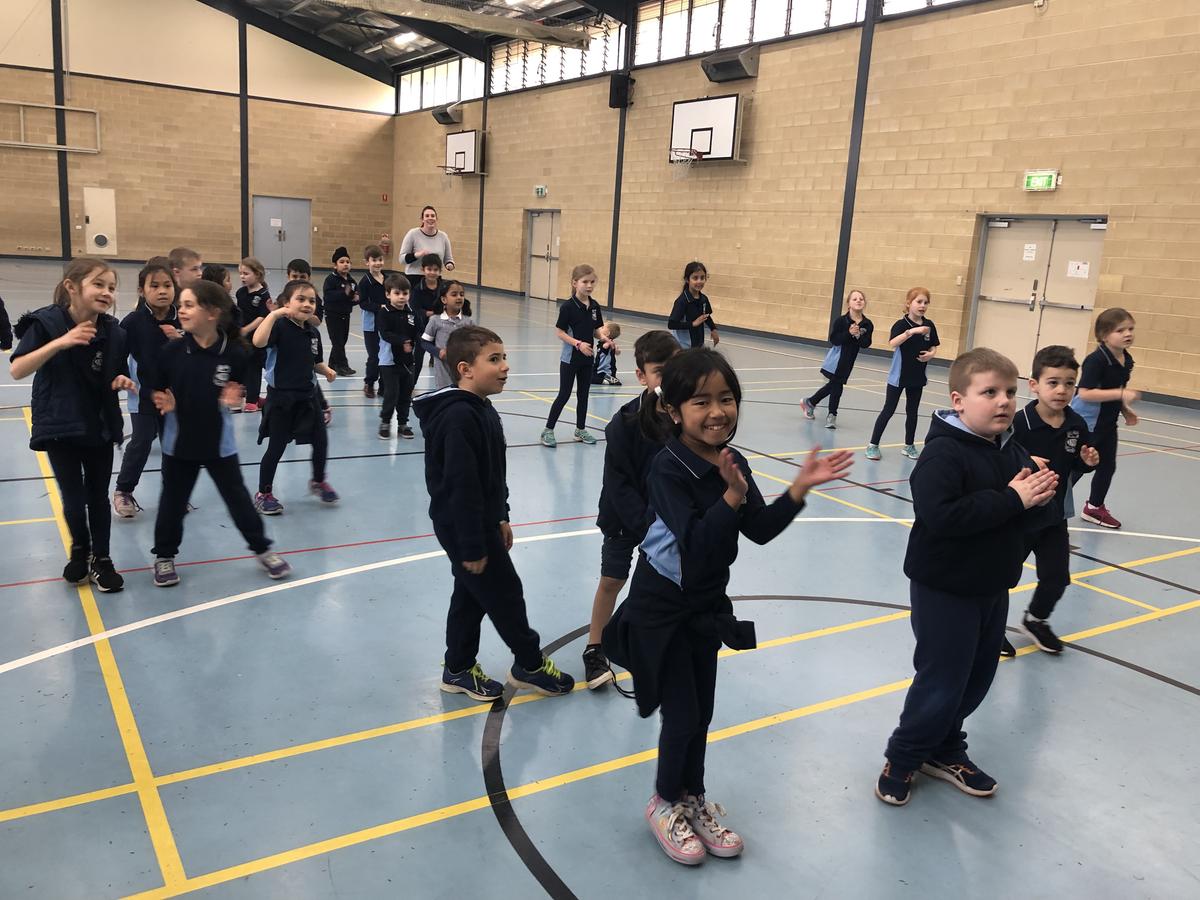
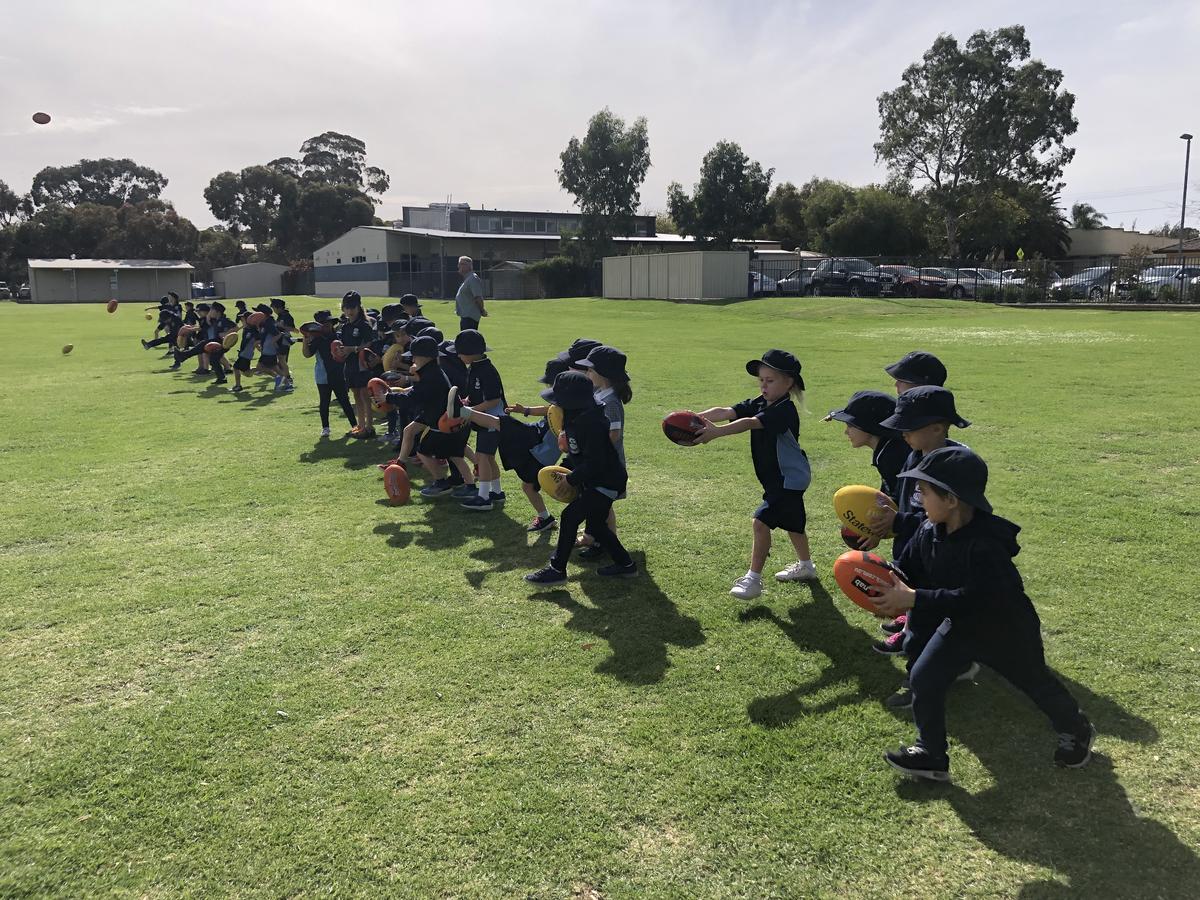
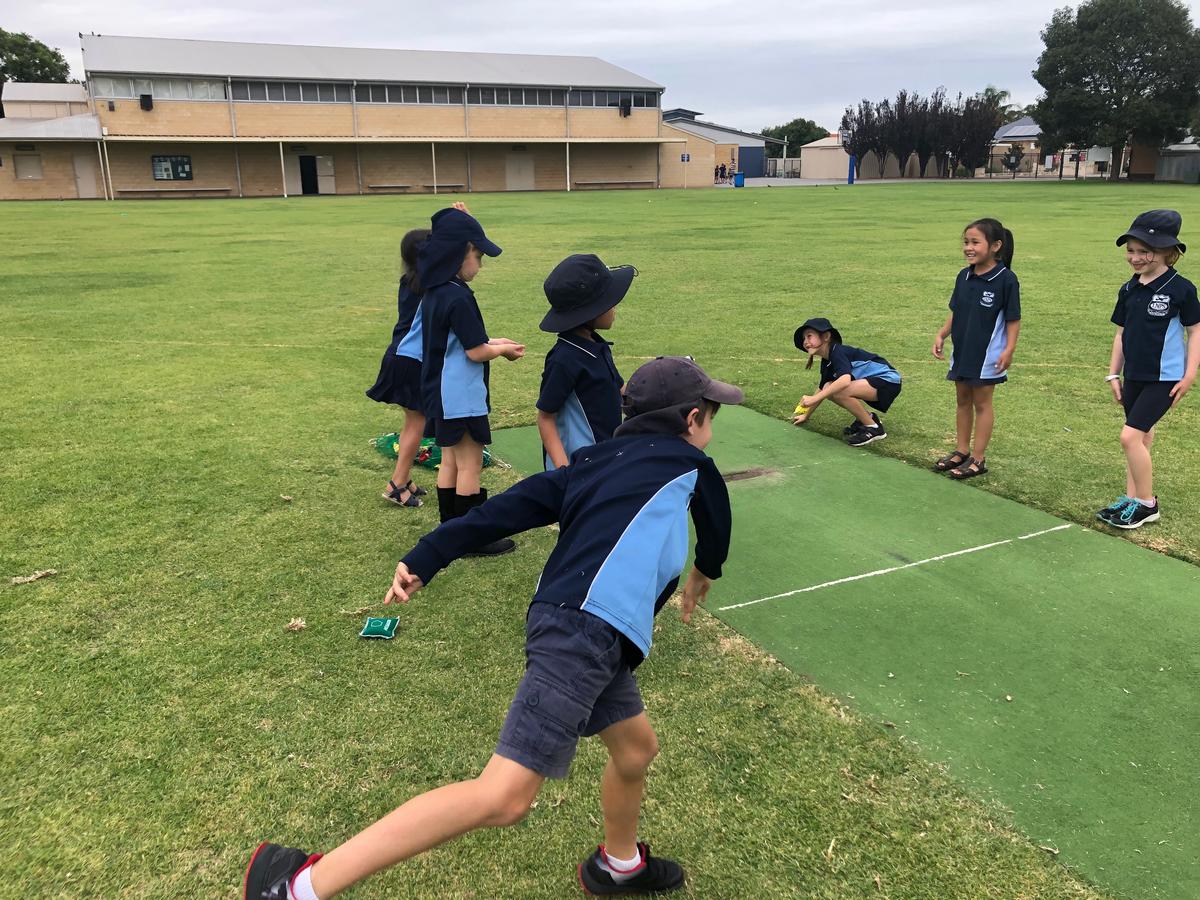
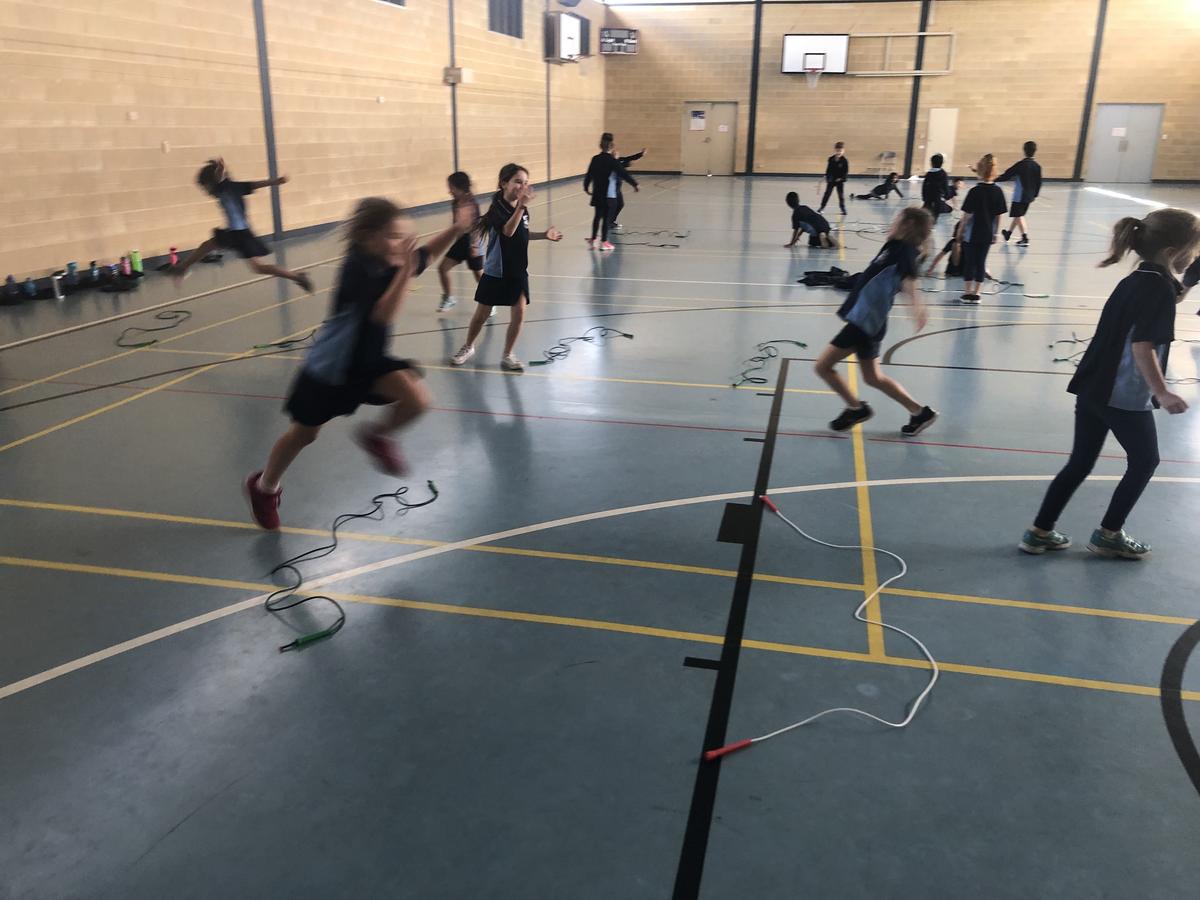
This semester, children will continue to perform fundamental movement skills in a variety of movement sequences. Children will kick off the semester with MISSFIT movement coming to LNPS, providing a fitness, wellbeing and movement program with a focus on hip hop and aerobics. During PE lessons, students are given the opportunity to demonstrate new skills and create innovative and creative dance movements to music. Children will explore and follow simple dance steps, follow repeating patterns and move and perform with beat and tempo. We will then shift our focus to bat and ball games to further develop children's motor and hand-eye coordination skills. Children will be given opportunities to explore badminton, tennis and cricket in engaging skill and game based activities. Through active participation, children will investigate the body’s response to different types of physical activity as well as continue to develop and refine cooperation, decision making and problem solving in team games.
Premier’s Be Active Challenge
A friendly reminder that the PBAC finishes on 27th September, 2019!!
Active Kids make better learners!
Physical activity can help with focus, improves behaviour and promotes a positive attitude. Any type of physical activity is good, and 60 minutes a day is best.
The Challenge
Take the Premier’s Be Active Challenge and reap the rewards. The challenge is to do at least 60 minutes of physical activity on at least 5 days of the week for at least 4 weeks. After 4 weeks of daily recorded physical activity you will be rewarded with a medal. Simply record your progress and return your registration form to the Front office. The Challenge finishes on the 27th September 2019.
Child Protection Curriculum
Child Protection Curriculum
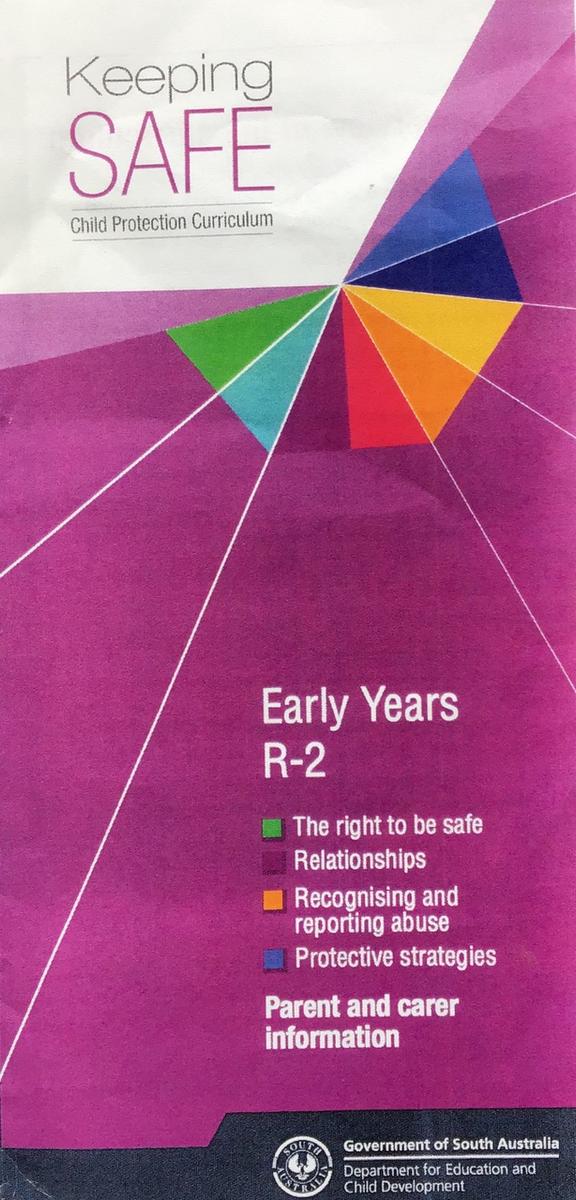
This term, students are inquiring about ‘How to stay safe’. The two themes covered are:
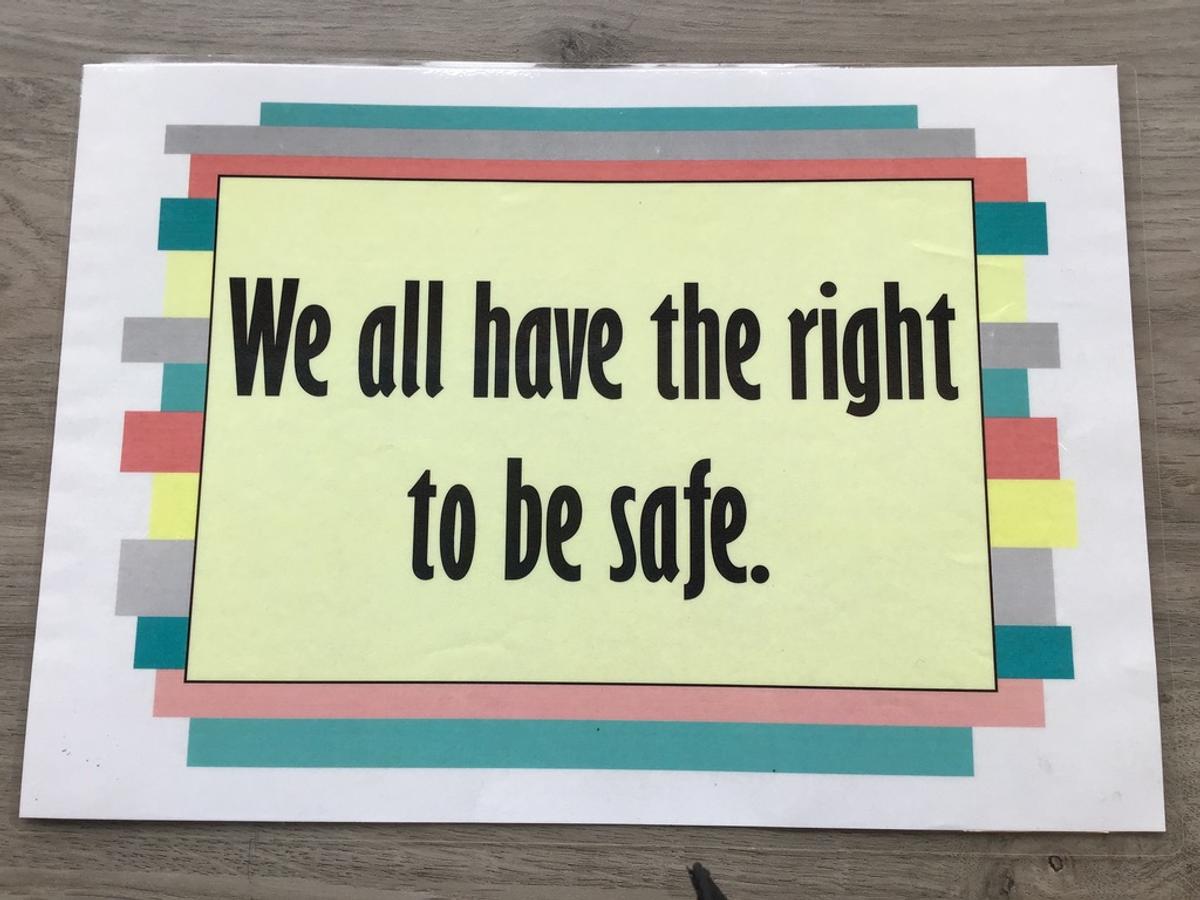
- ‘We all have the right to be safe’ and
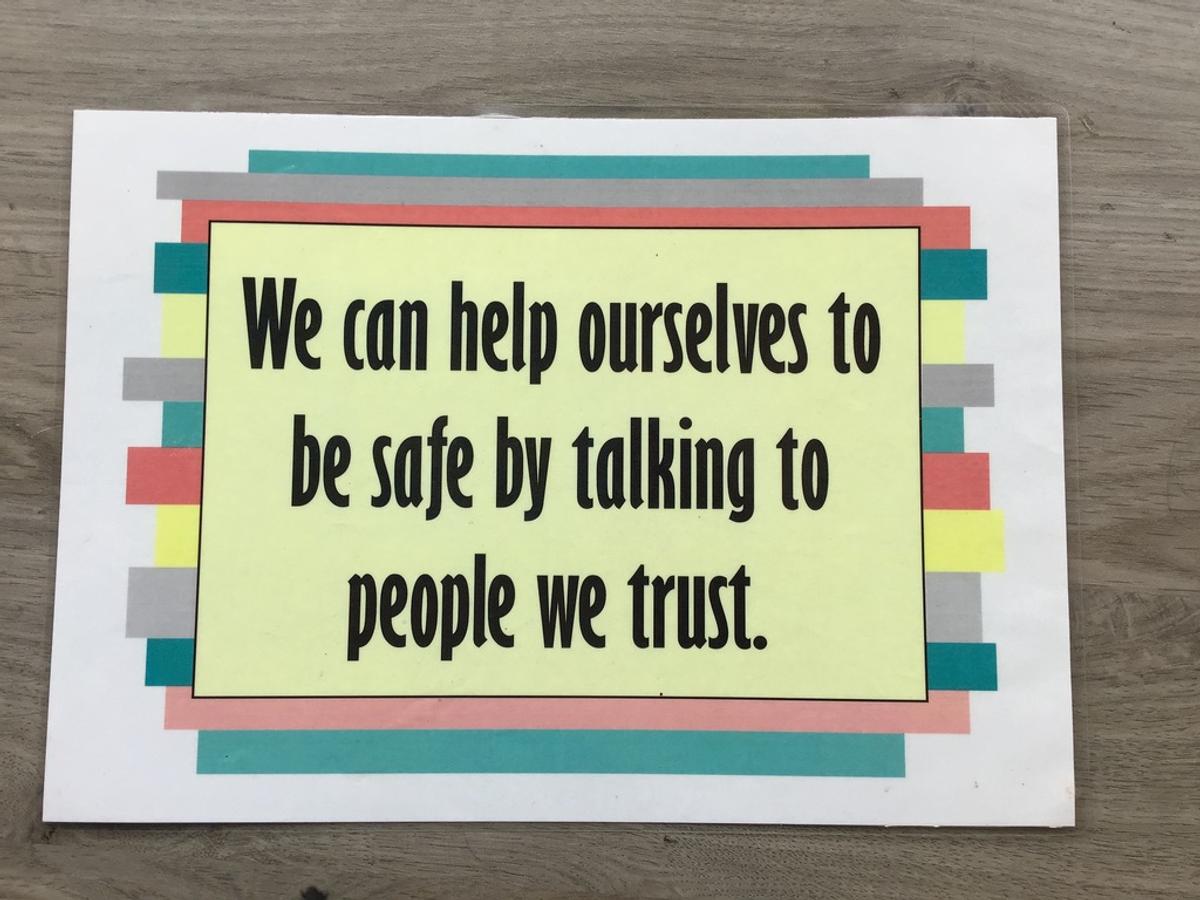
- ‘We can help ourselves to stay safe by talking to people we trust’
During lessons, students will investigate 5 sections which include feelings, being safe, early warning signs, risk taking, emergencies and trust networks.
Feelings
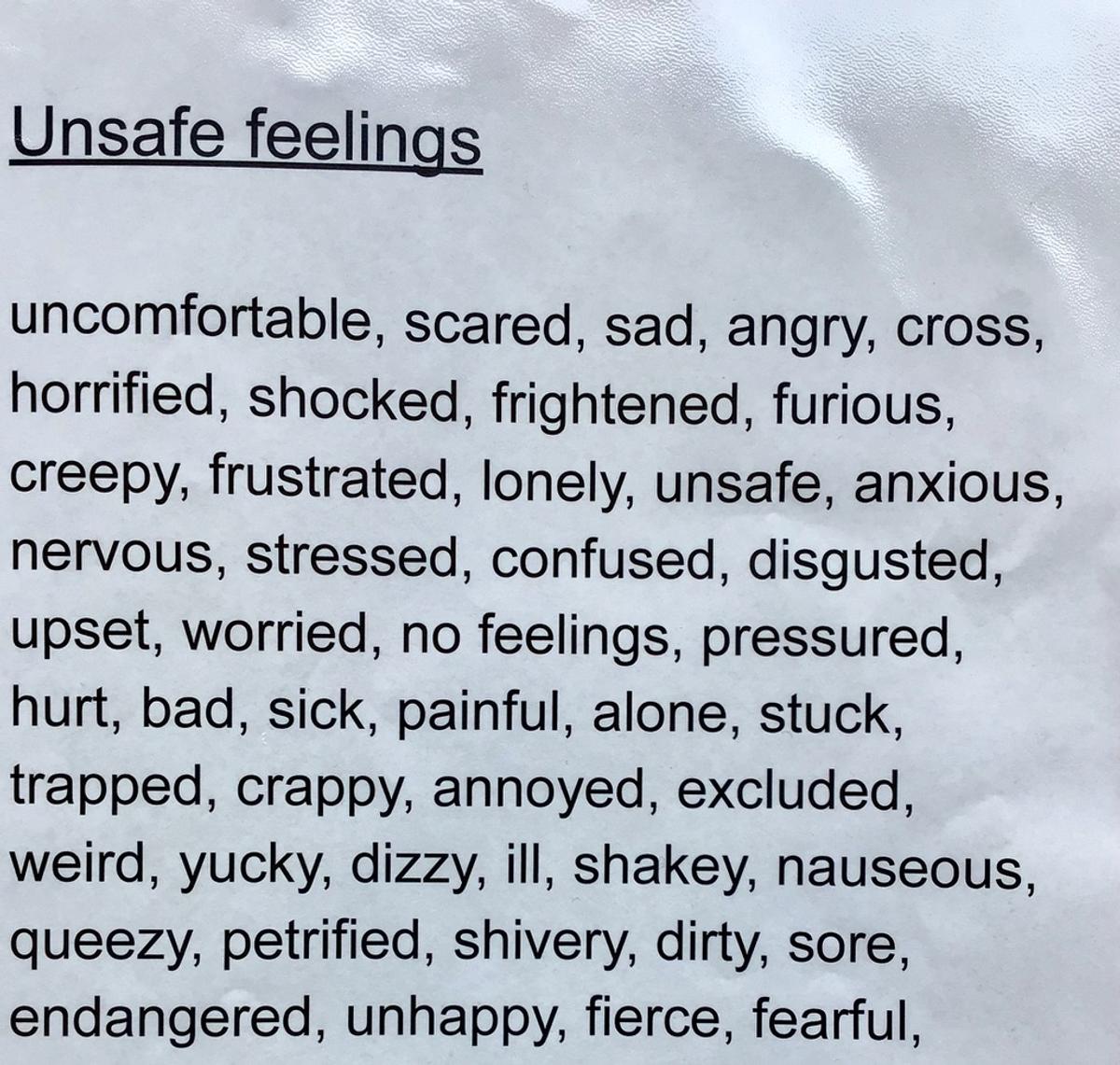
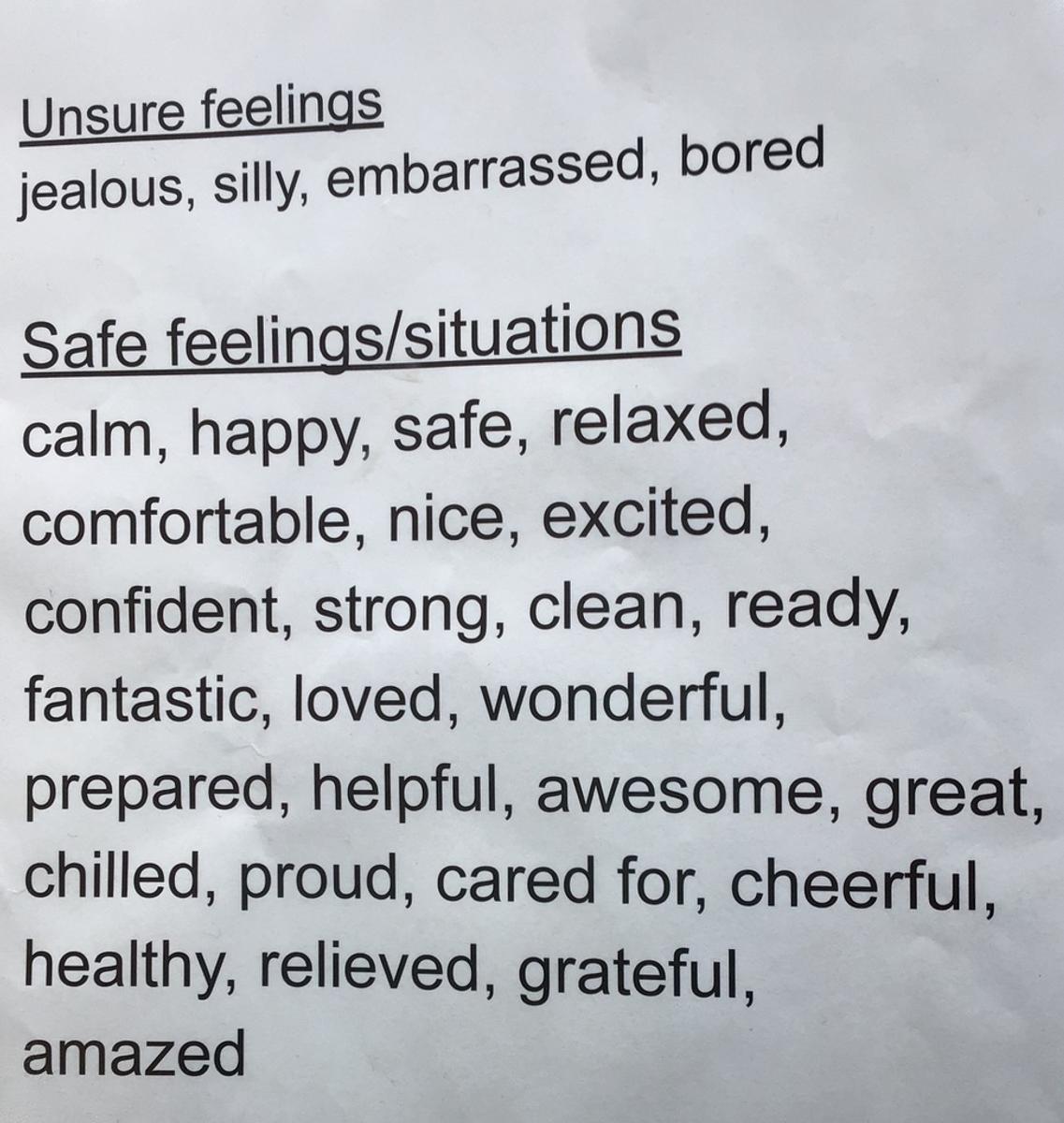
To have a deeper understanding of how our feelings can help to keep us safe, students will inquire and talk about safe and unsafe feelings in situations in the community, at school or other places. Students will role play how they feel in different scenarios, to help understand how and why they may be feeling different emotions.
Safety
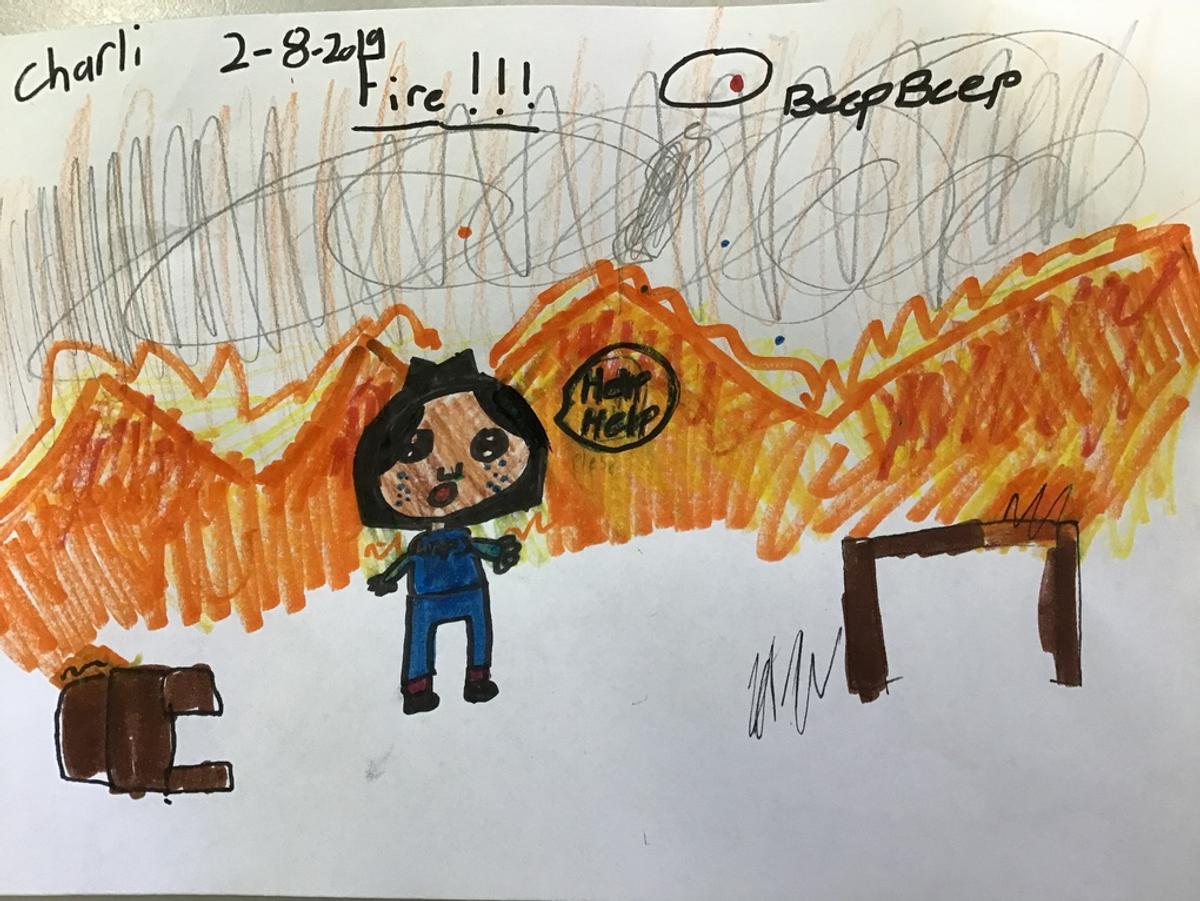
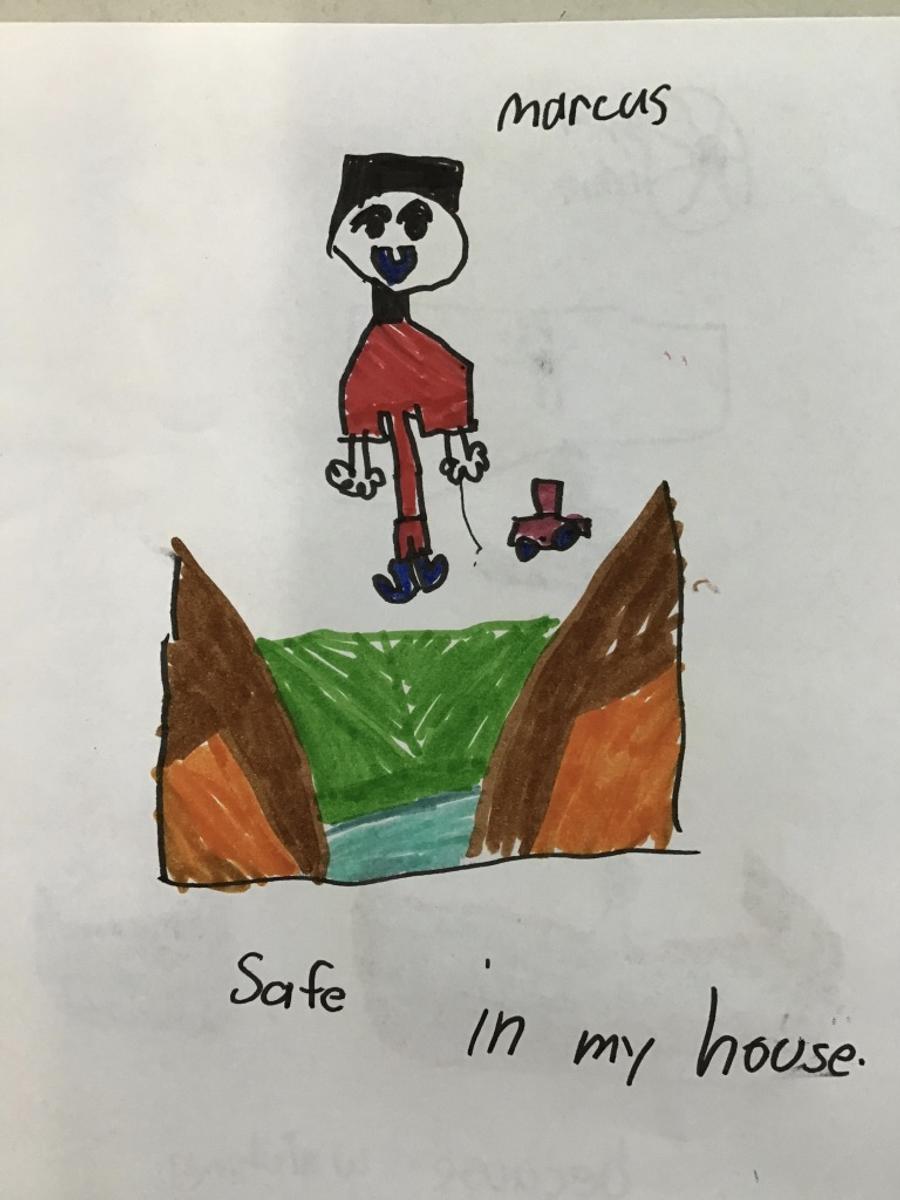
Students will learn to be able to recognise early warning signs when they are feeling unsafe. These signs in our bodies help to identify unsafe and safe situations. Problem solving skills and making safe choices are then applied in those situations. At times, children may need to take risks and analyse when is it safe and unsafe to take risks to solve problems.
Early Warning Signs
When unsafe situations occur, children will be encouraged to use their helpful early warning signals in different scenarios. These signals may vary from child to child under different circumstances. Sharing early warning signals helps students to understand that we all have different reactions when feeling unsafe.
Risk taking and emergencies
Students will learn to understand what a risk is and identify risky situations in their lives. They will learn to investigate possibilities in everyday life and use strategies to solve problems.
Cyber safety
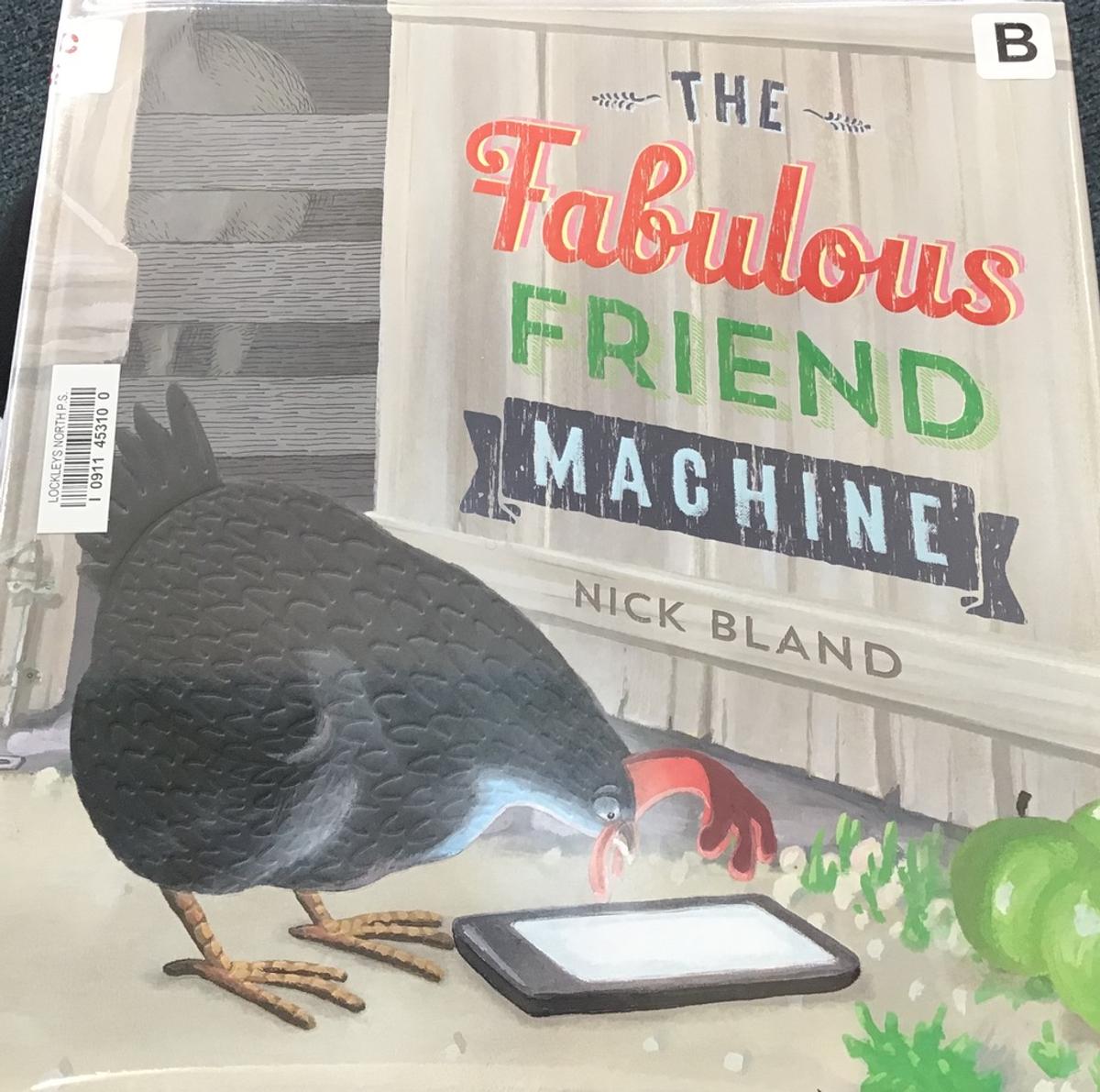
Cyber safety can be discussed through the book “The fabulous friend machine’'. The story is about a friendly farmyard chicken that finds a mobile phone.
- What are unsafe situations that may occur in our everyday lives when using devices?
- What are ways we can solve these problems?
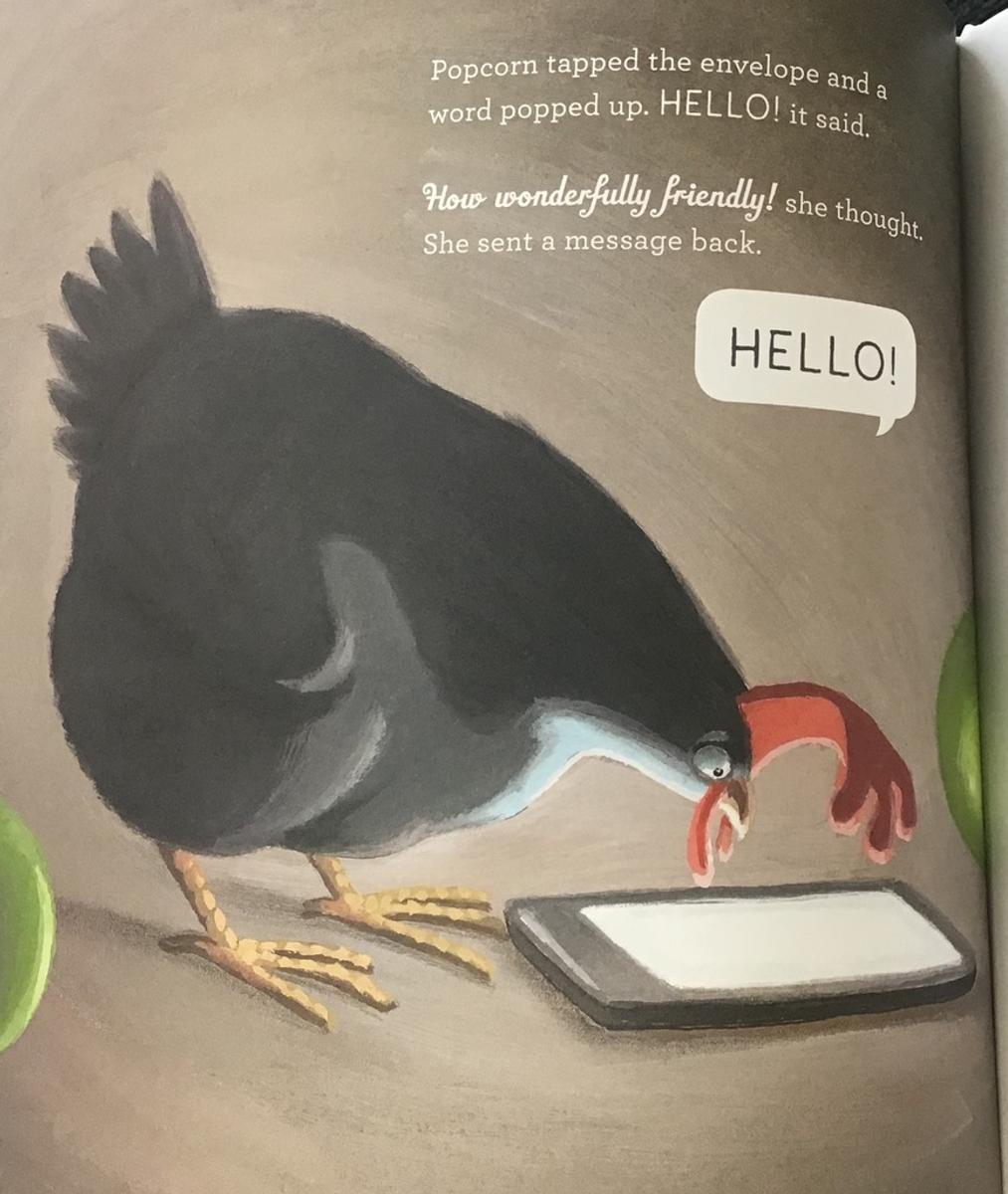
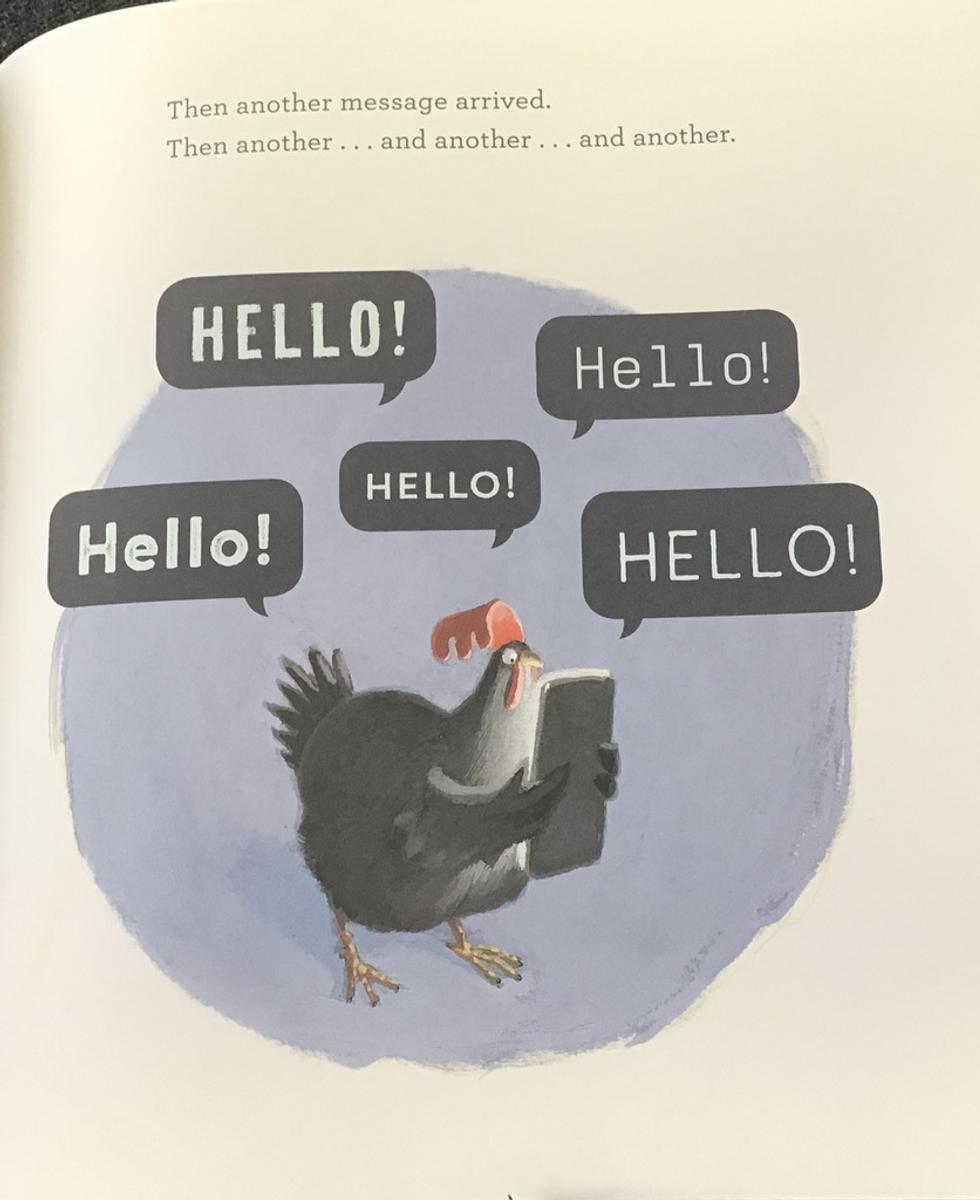
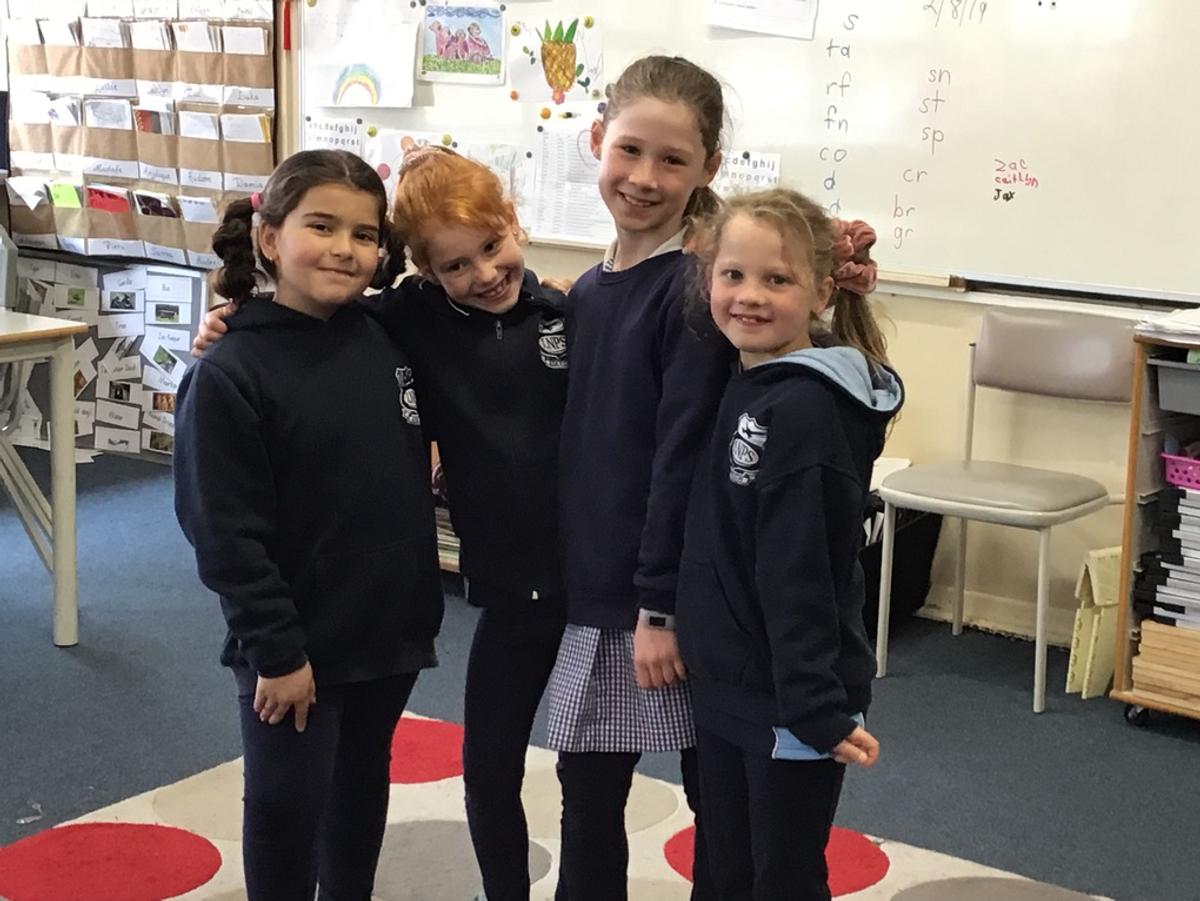
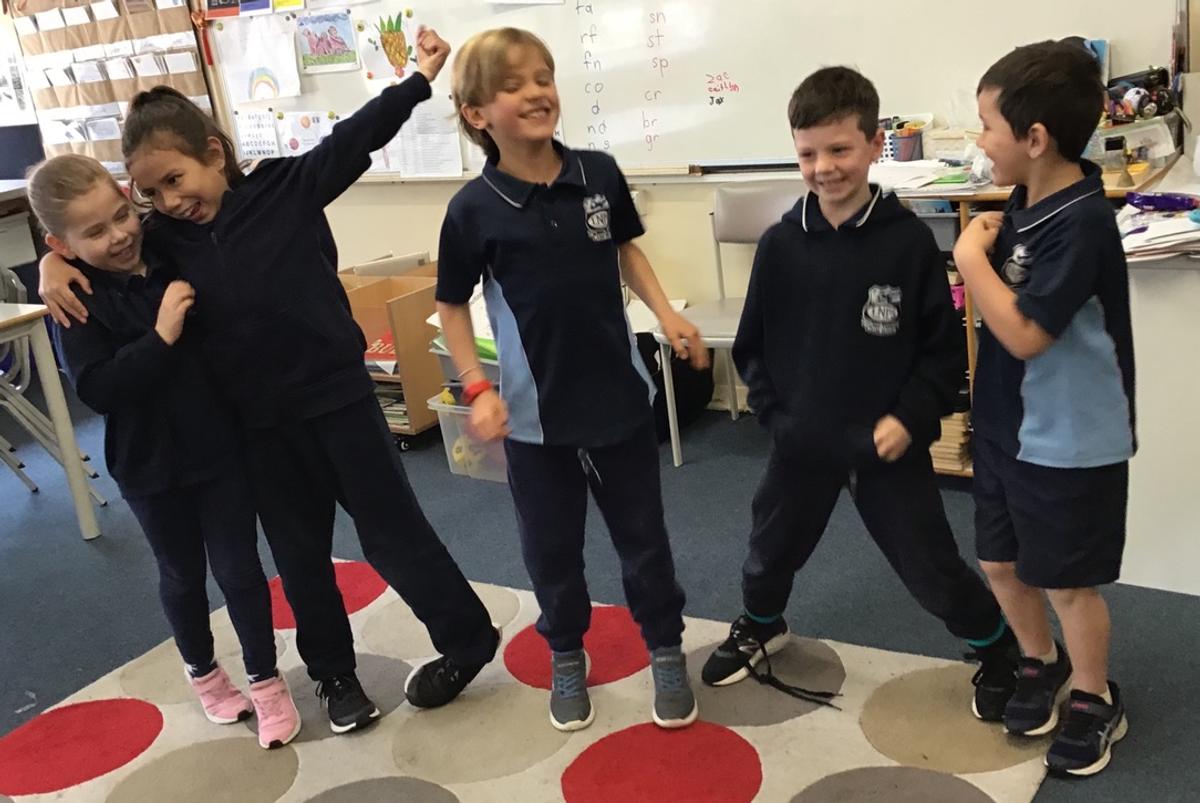
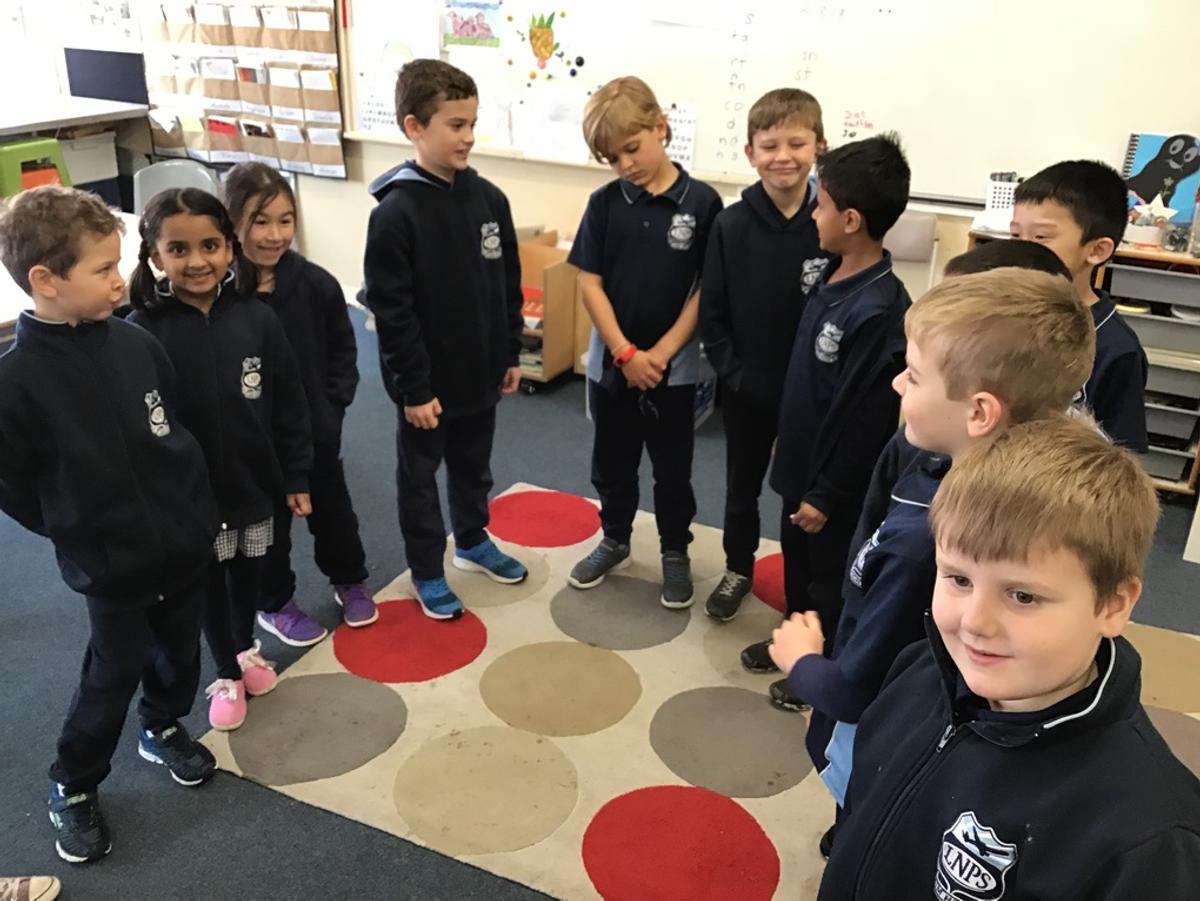
Scenario role plays
How did I feel and how do I solve problems?
Role play is an essential part of learning social skills and recognising feelings. Students will talk, reflect, watch scenarios and participate in different ways to share their knowledge and understanding of child safety issues.
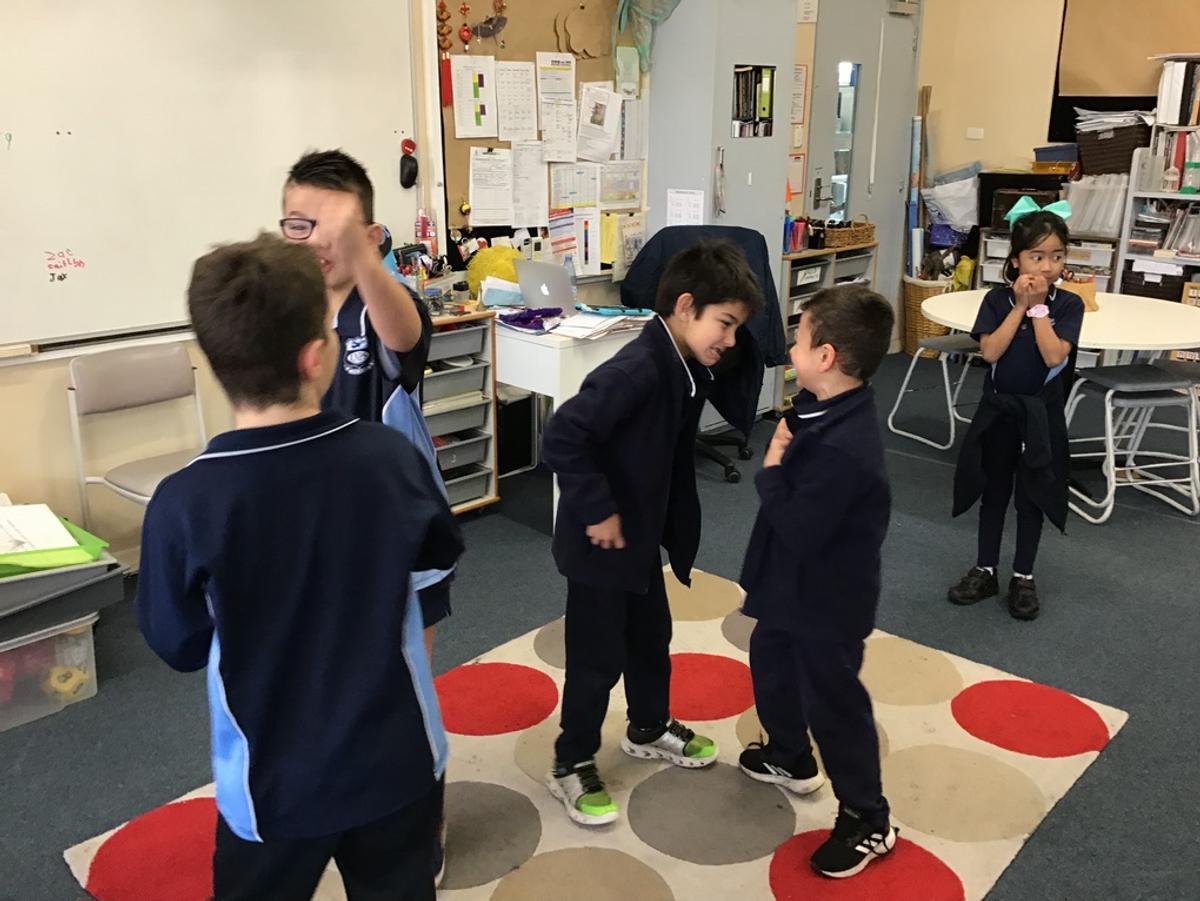
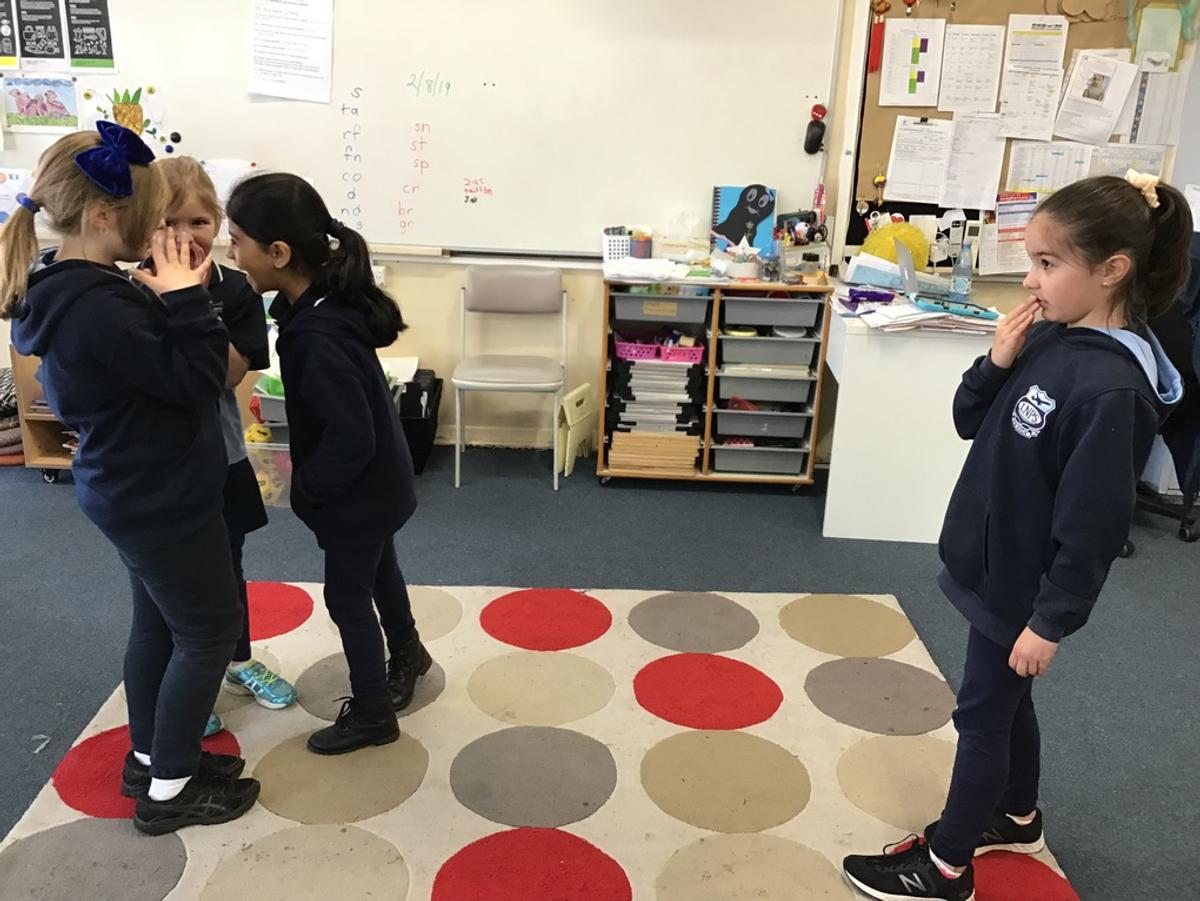
Safety networks
Students will reflect and select 5 people they can trust who they can talk to when they need help to solve problems.
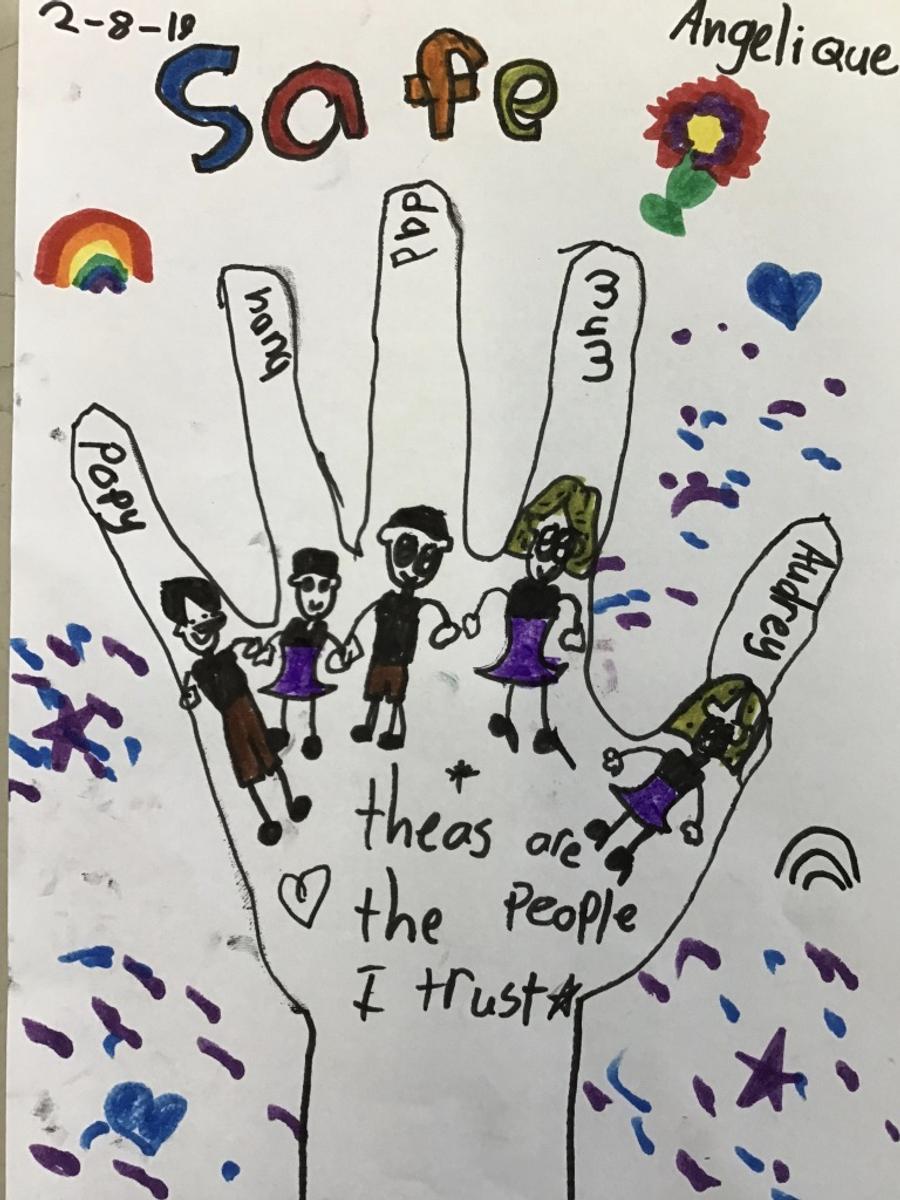
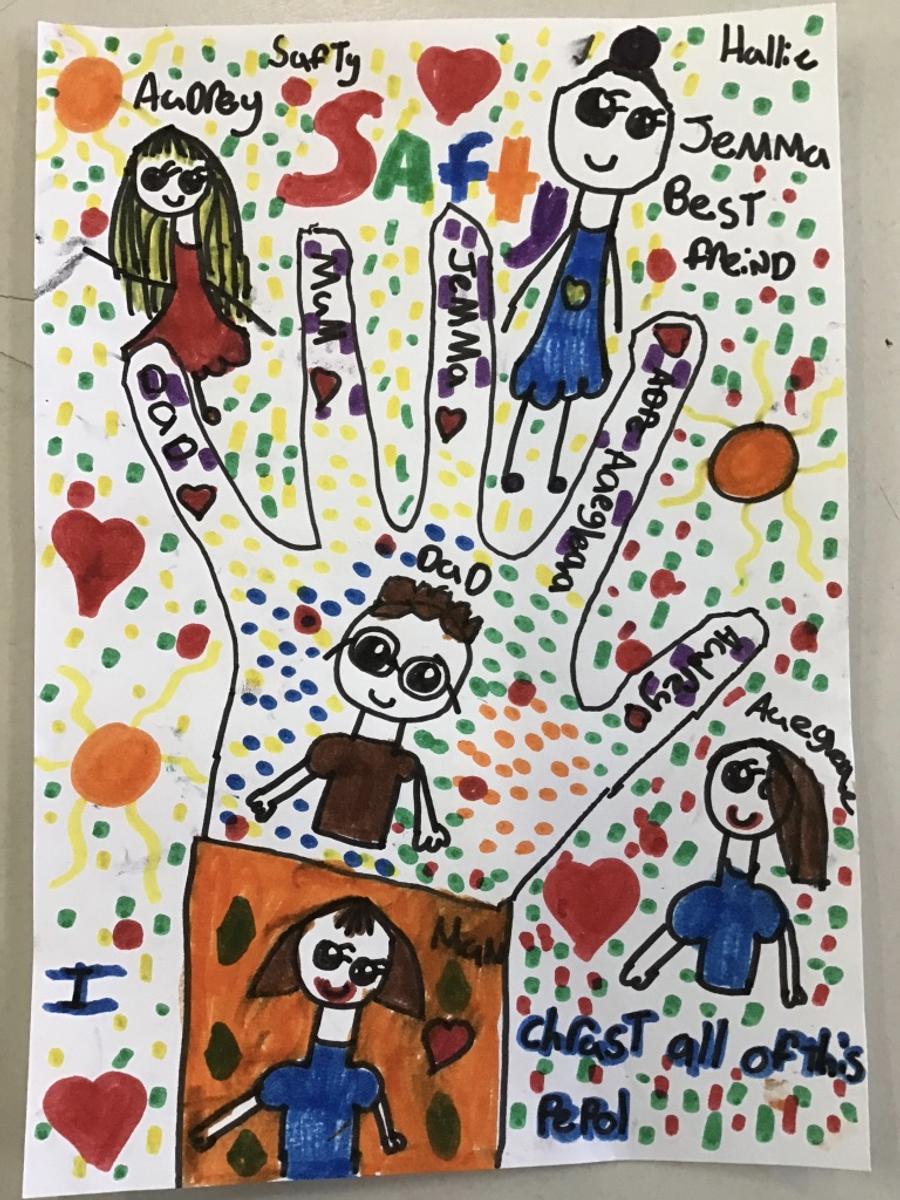
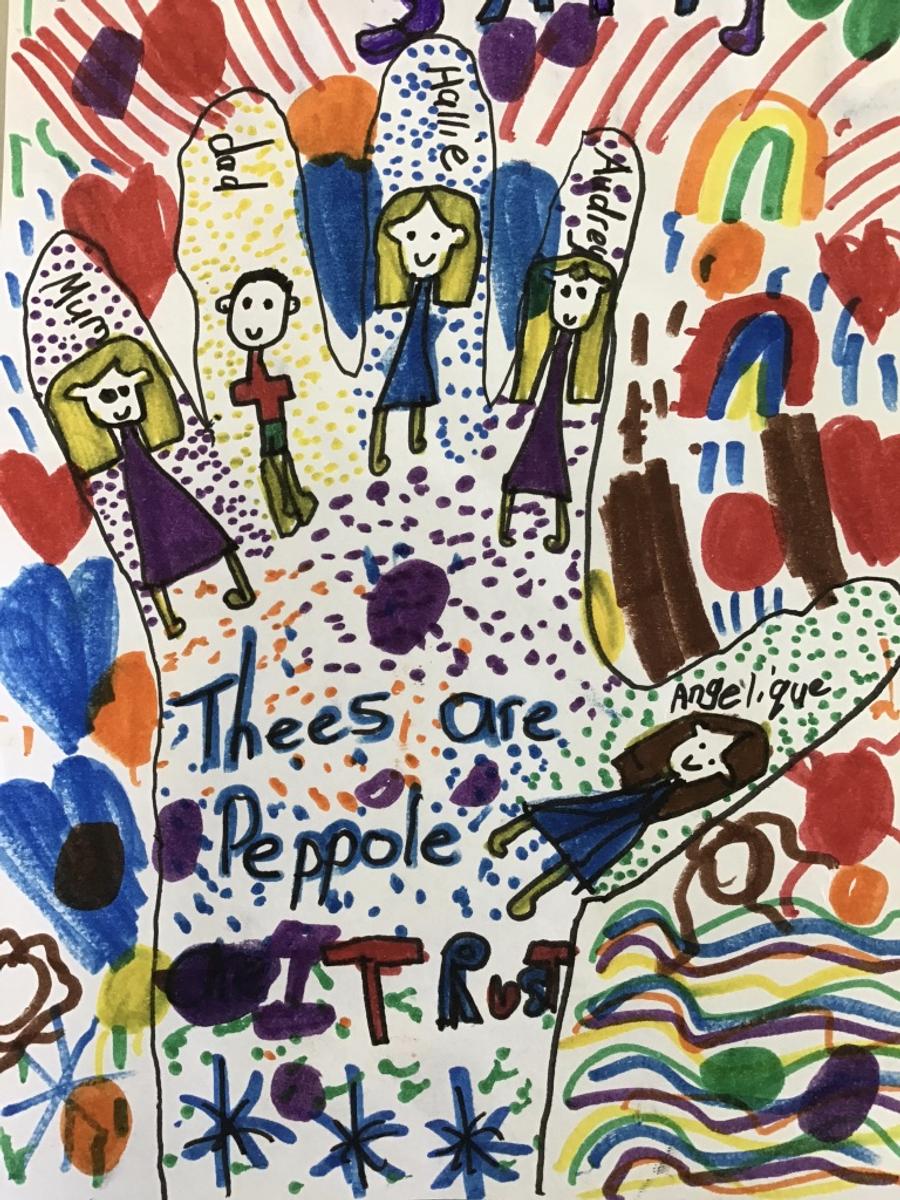
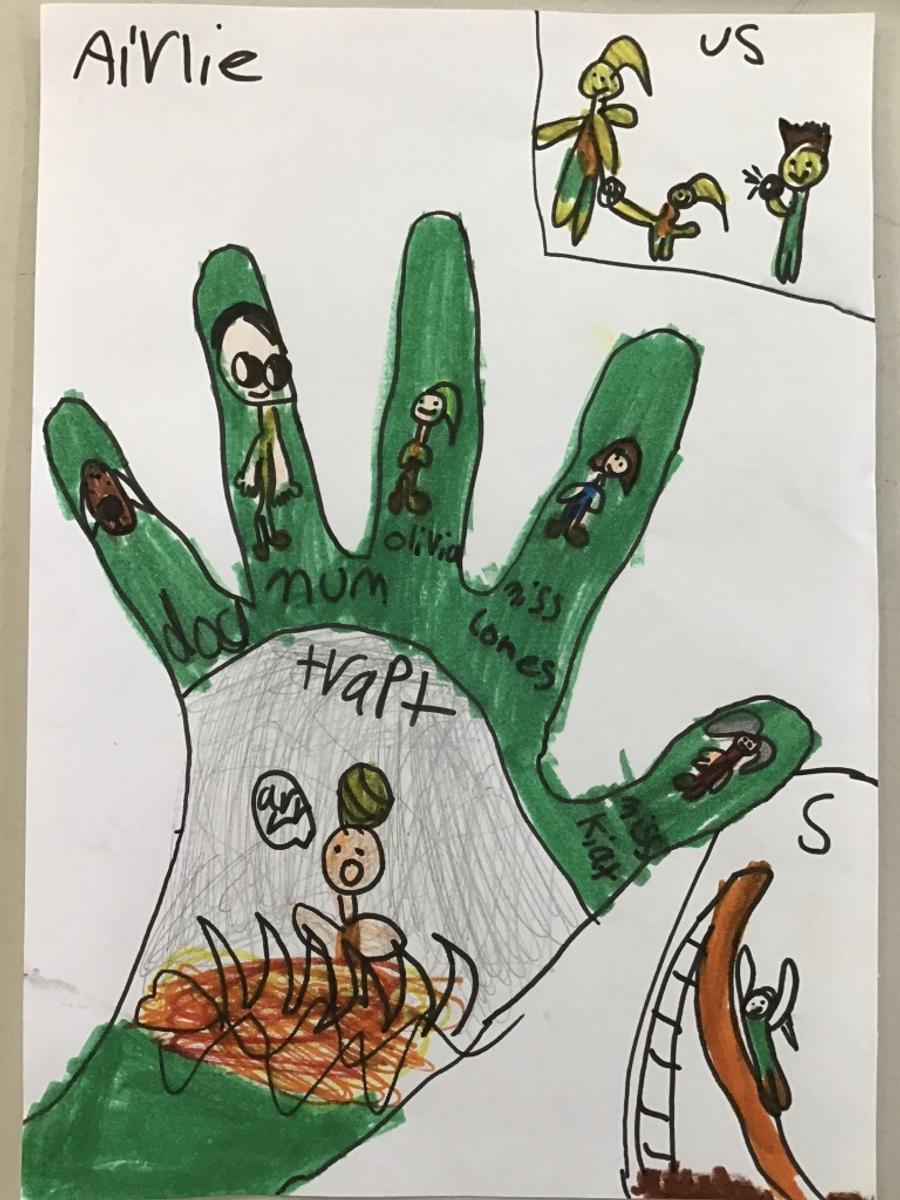
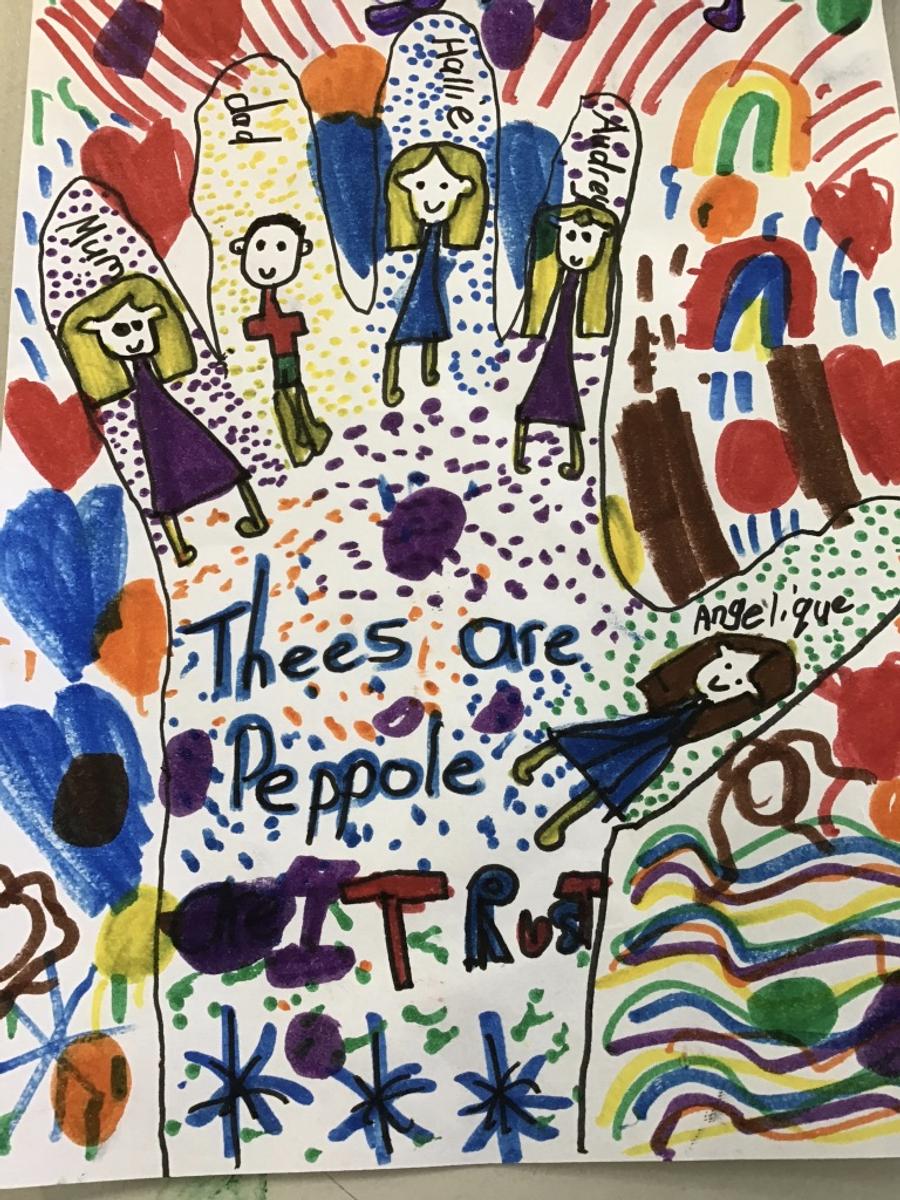
Through the curriculum, students will learn to persist at solving problems and use problem solving strategies and follow procedures to report abuse and talk to someone they can trust. Social skills and resilience will be integrated through this unit. Please take time to talk to your child and ask questions about their learning and reinforce this at home.
Circle time
Wellbeing for students is fostered through circle time and class reflection. Students are encouraged to listen to each other share their thinking and not put others down when taking turns to speak. Circle time helps class cohesion and develops a class climate that fosters social and emotional well being. Students reflect on how to sustain a positive attitude towards learning and develop positive relationships with others. Other topics that are discussed in circle time include helping others when they are hurt, dealing with arguments, being strong and truthful, blaming versus fixing and forgiving others.
Behaviour Education
The ultimate goal is to teach children to regulate their behaviour and support them in learning about the consequences of their behaviour.
When children regulate their own behaviour and become self-directed, their needs and interests become clearer to them and to others.
The purpose of the LNPS school-wide positive behaviour education is to establish an environment in which students can effectively manage their own behaviour and achievement is increased as a result.
Our overarching aims:
Enable the students to own their behaviour and be accountable for their behaviour
To promote and develop a culture of raising self-esteem, respect for others and positive relationships with peers and adults throughout the school
To provide a supportive structure in order to maximise opportunities for effective learning and teaching to take place
To develop students’ understanding of responsibility for their own actions
Restorative Practice
Restorative Practice is an approach which encourages children to take responsibility for their actions. This approach is a major element of behaviour education at LNPS.
The aspects of fair process, teaching students to accept responsibility, reducing hurt and harm and restoring relationships are used in our behaviour education and conflict resolution processes.
Restorative conversations are based on the following three questions:
1. What happened?
2. Who has been affected? How?
3. How can you make things right?