English


 Lockleys North Primary School
English
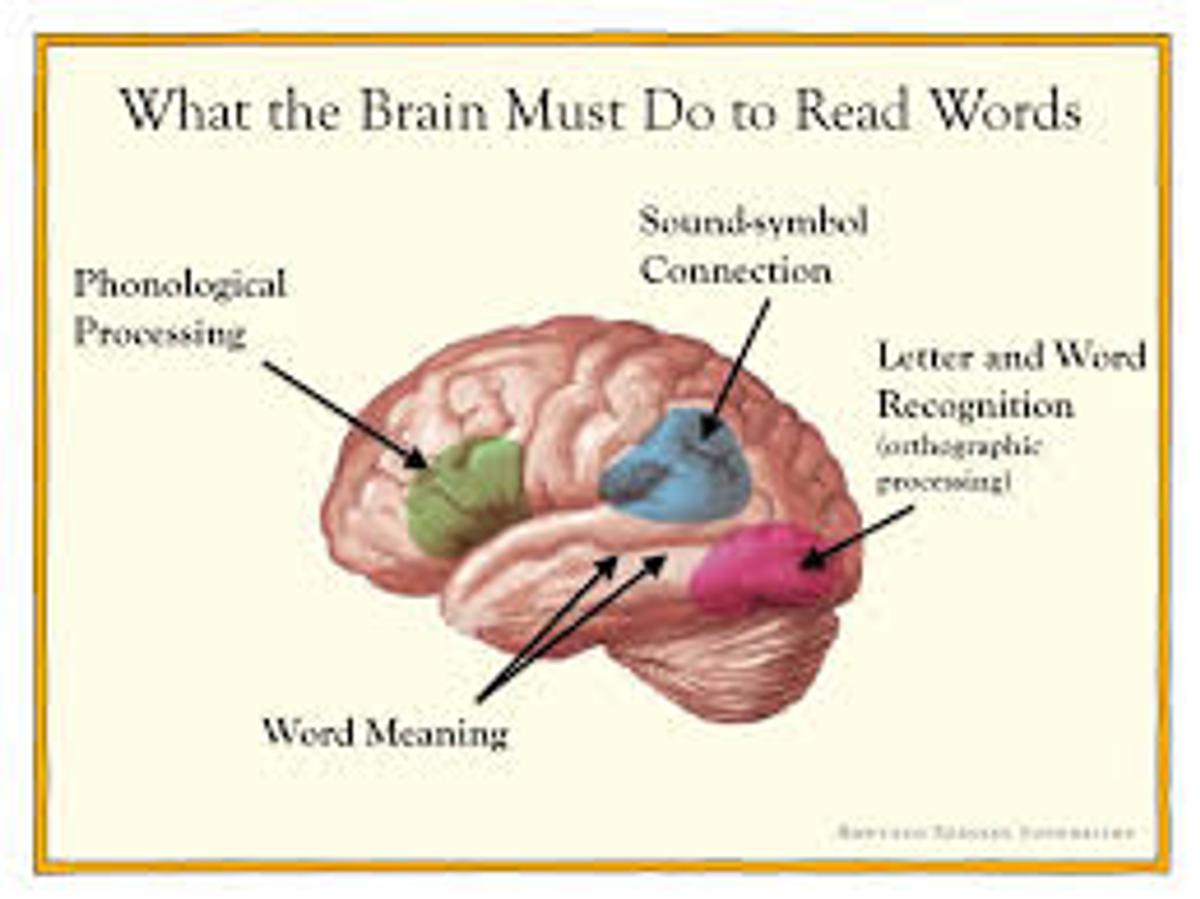
Our teaching and learning approaches at Lockleys North Primary School are always centred around up to date research and best practices, and leadership along with staff are always seeking knowledge to improve student learning outcomes. In recent times, we have become more aware of the neuroscience which influences how we teach reading.
Unlike spoken language, reading is not an innate developmental function of the brain. There is no single area of the brain devoted to reading - making sense of written text requires establishing connections between areas of the brain that evolved for other cognitive processes. For many children, the development of these neural pathways requires explicitly teaching the relationships between the sounds of spoken language, the letters and letter combinations that make up written words, and their meanings. (Buckingham, 2016)
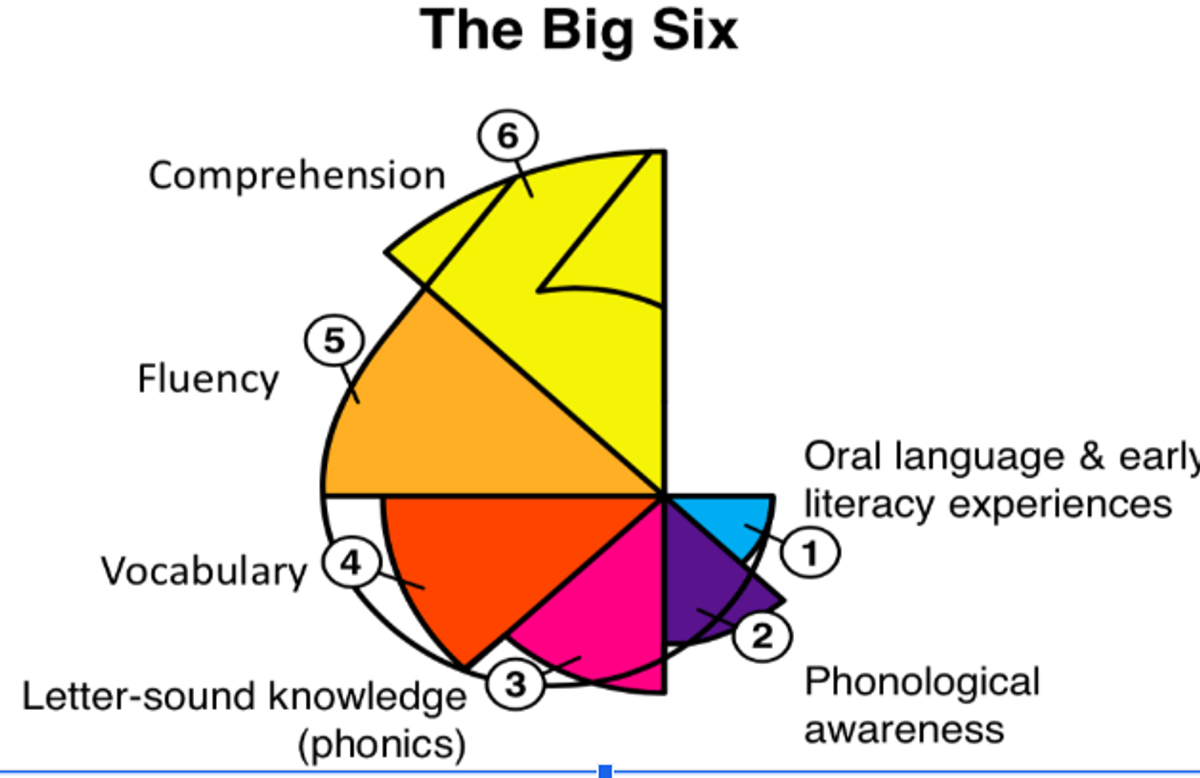
The teaching of reading at LNPS is based on the Big 6 components of reading. As children are developing their neural pathways for reading, all of the components of the Big 6 are integrated throughout reading opportunities across the day. These components include: oral language, phonological awareness, phonics, vocabulary, fluency and comprehension. To be effective readers, students need to be able to use the six components of reading in combination (DECD, 2016). Through recognised high impact strategies, teachers at LNPS design learning programs to meet students' needs, incorporating explicit teaching, logical and intentional sequencing, targeted differentiation and multiple approaches.
We urge you as committed families at LNPS to engage in this valuable inquiry about reading at our upcoming Parent Education evening, with a focus on reading and writing. LNPS TedTalk - Write Like a Reader, Read Like a Writer will focus on building parent understanding about reading and writing at LNPS. The evening will cover the following areas:
LNPS approaches to reading and writing
How you can support reading and writing at home
Reading and writing beyond the classroom
How do you start reading and writing before school?
Comprehension of reading and viewing when at home
How we begin reading and writing - Early Years
The importance of TALK and DISCUSSION
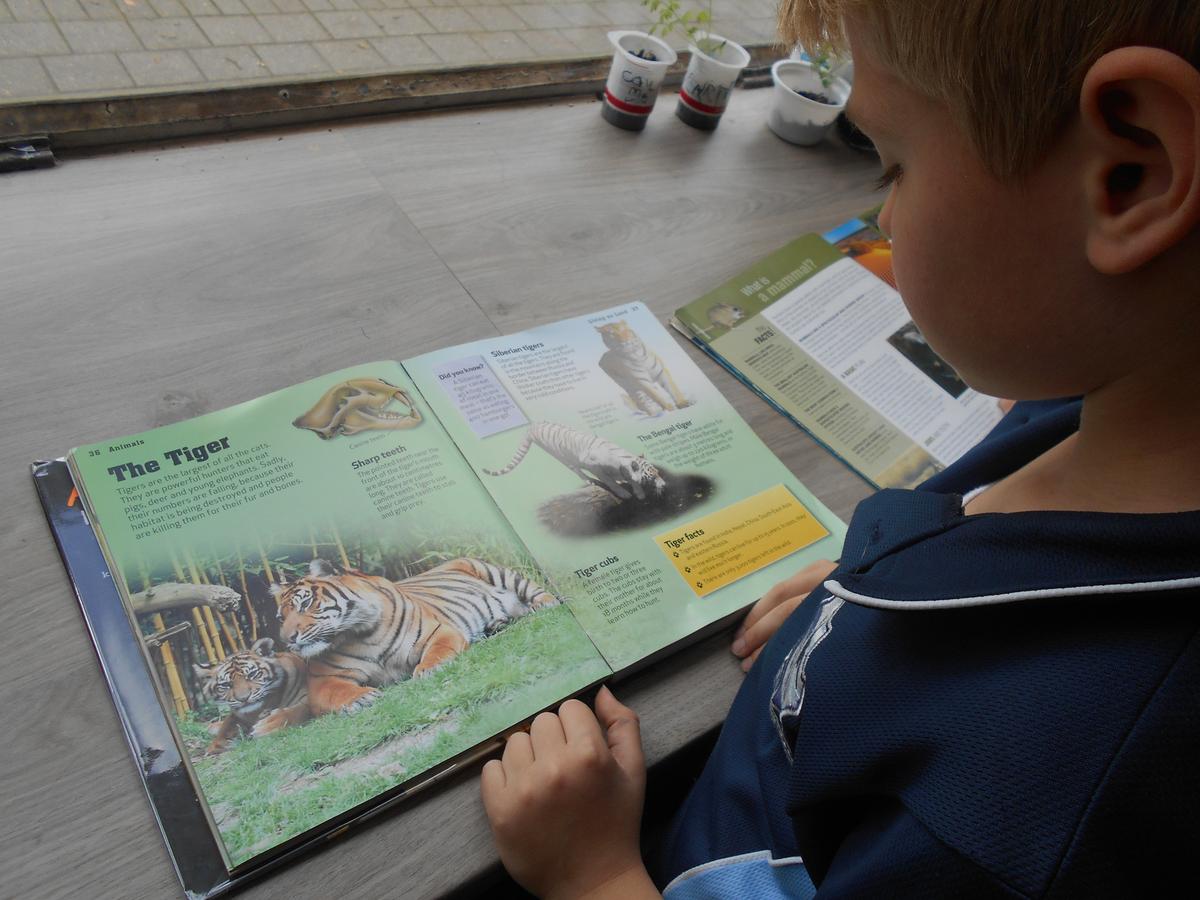
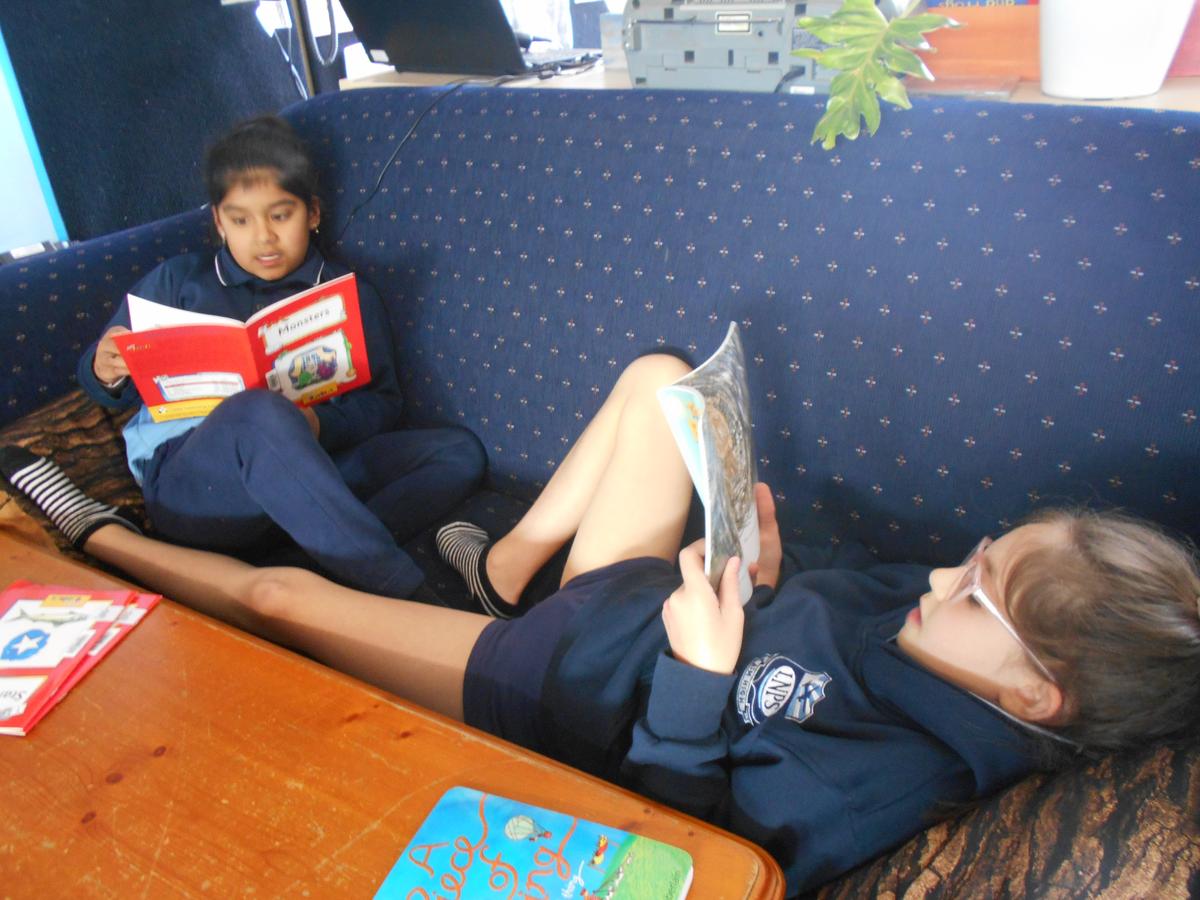
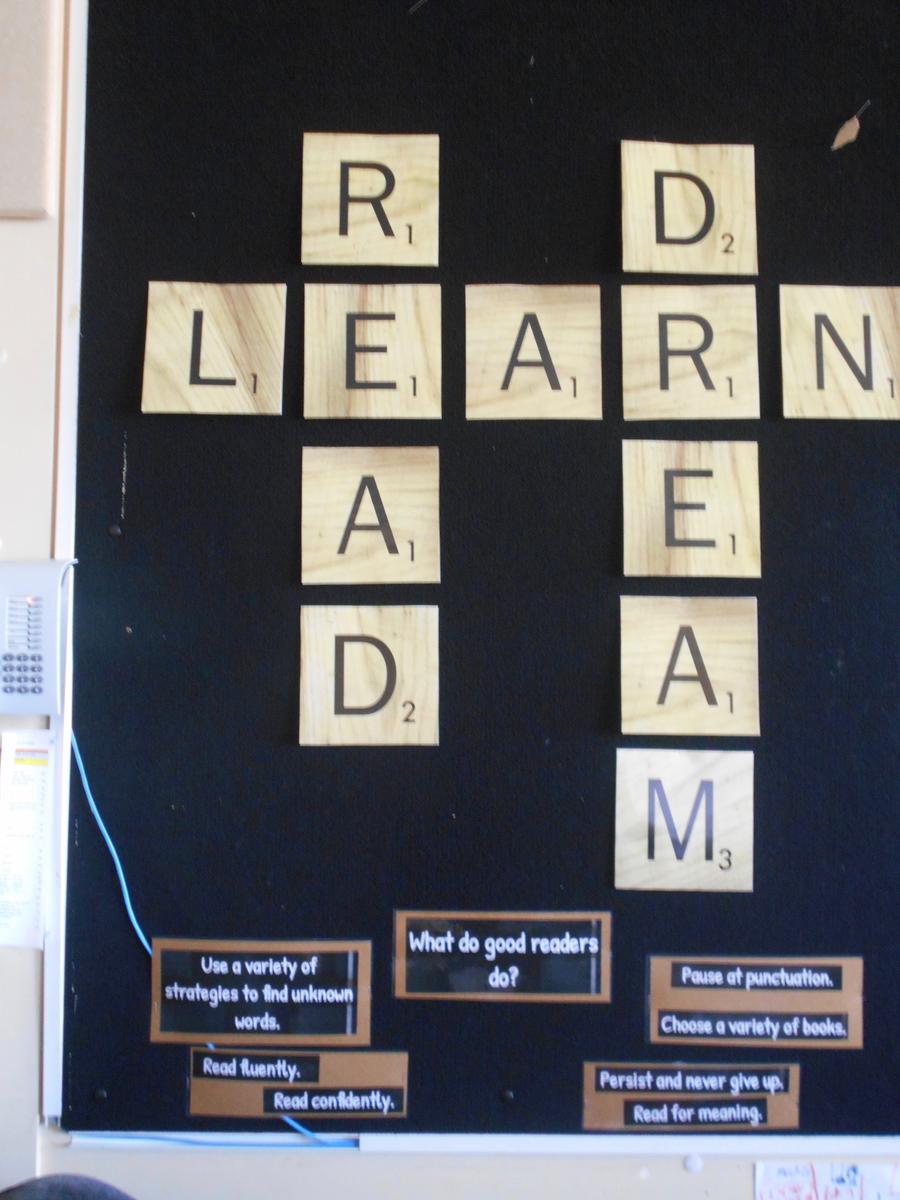
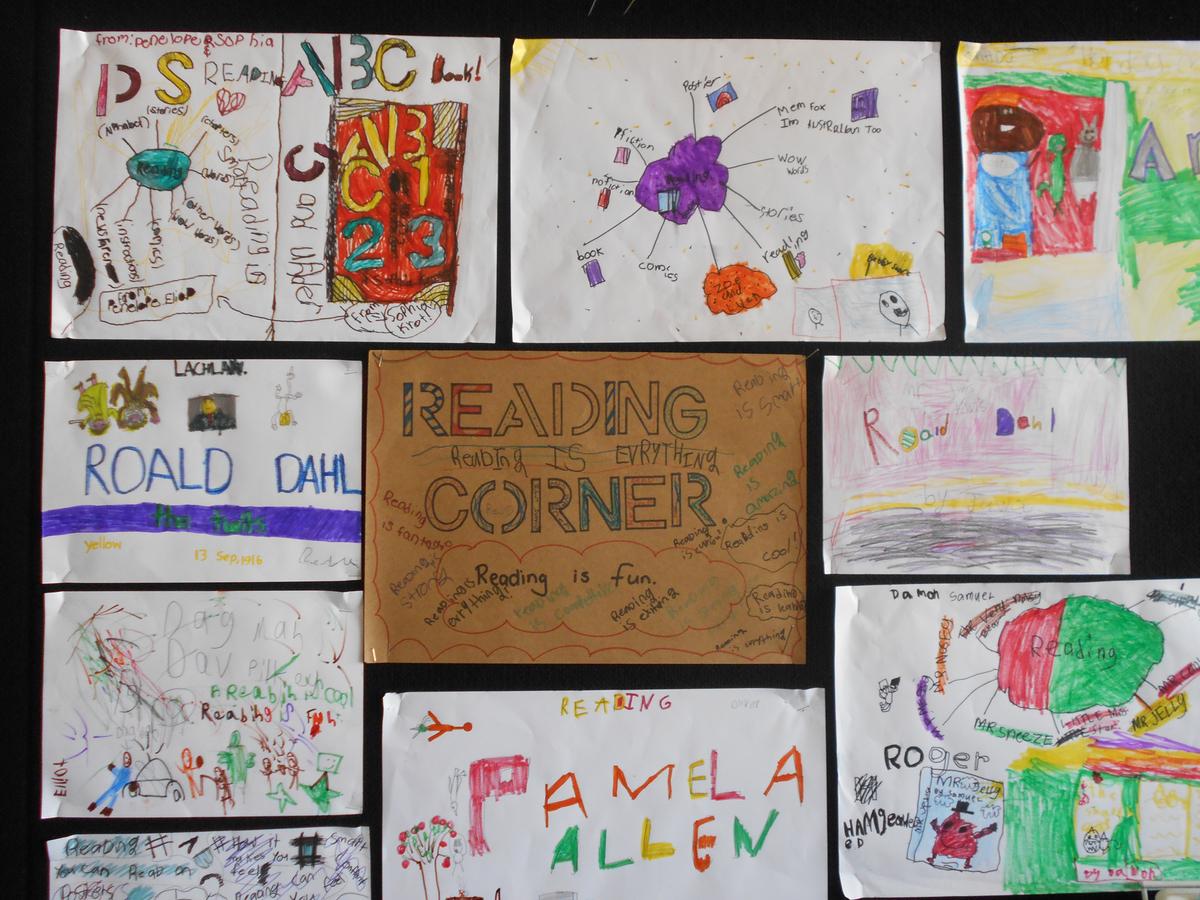
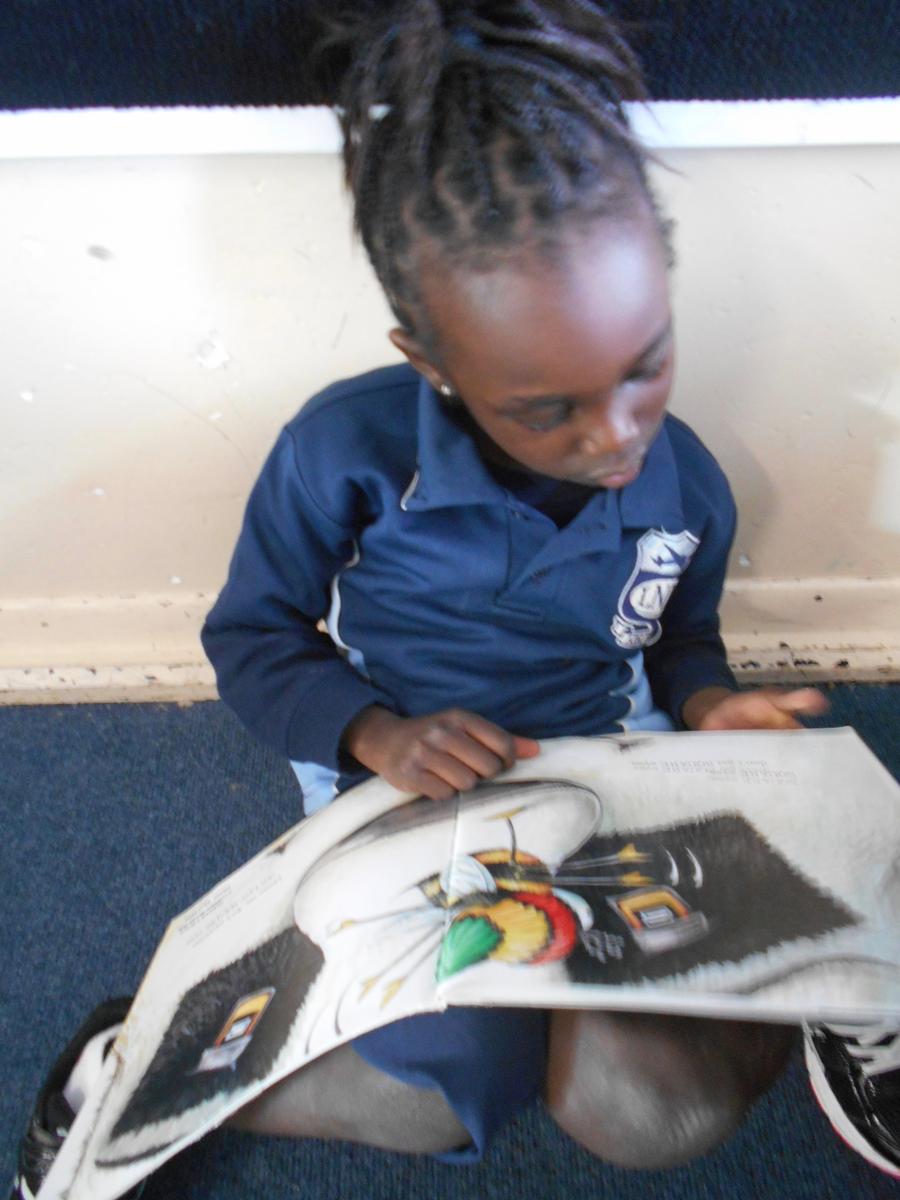
All Year1/2 students are involved in Word Study workshops held three times a week, and are placed according to diagnostic assessment.
Why is word study important?
Many phonics, spelling and vocabulary programs are characterised by explicit skill instruction, a systematic scope and sequence, and repeated practice. HOWEVER, much of the repeated practice consists of drill and memorisation, so students have little opportunity to discover spelling patterns, manipulate word concepts, or apply critical thinking skills. Although students need explicit skill instruction within a systematic curriculum, it is equally true that “teaching is not telling”.
Students need hands-on opportunities to manipulate word features in ways that allow them to generalise beyond isolated, individual examples to entire groups of words that are spelled the same way.
In a sense, word study teaches students how to look at and analyse words so that they can construct an ever-deepening understanding of how spelling works to represent sound and meaning. (Versus just learning a word list) Words Their Way, page 29
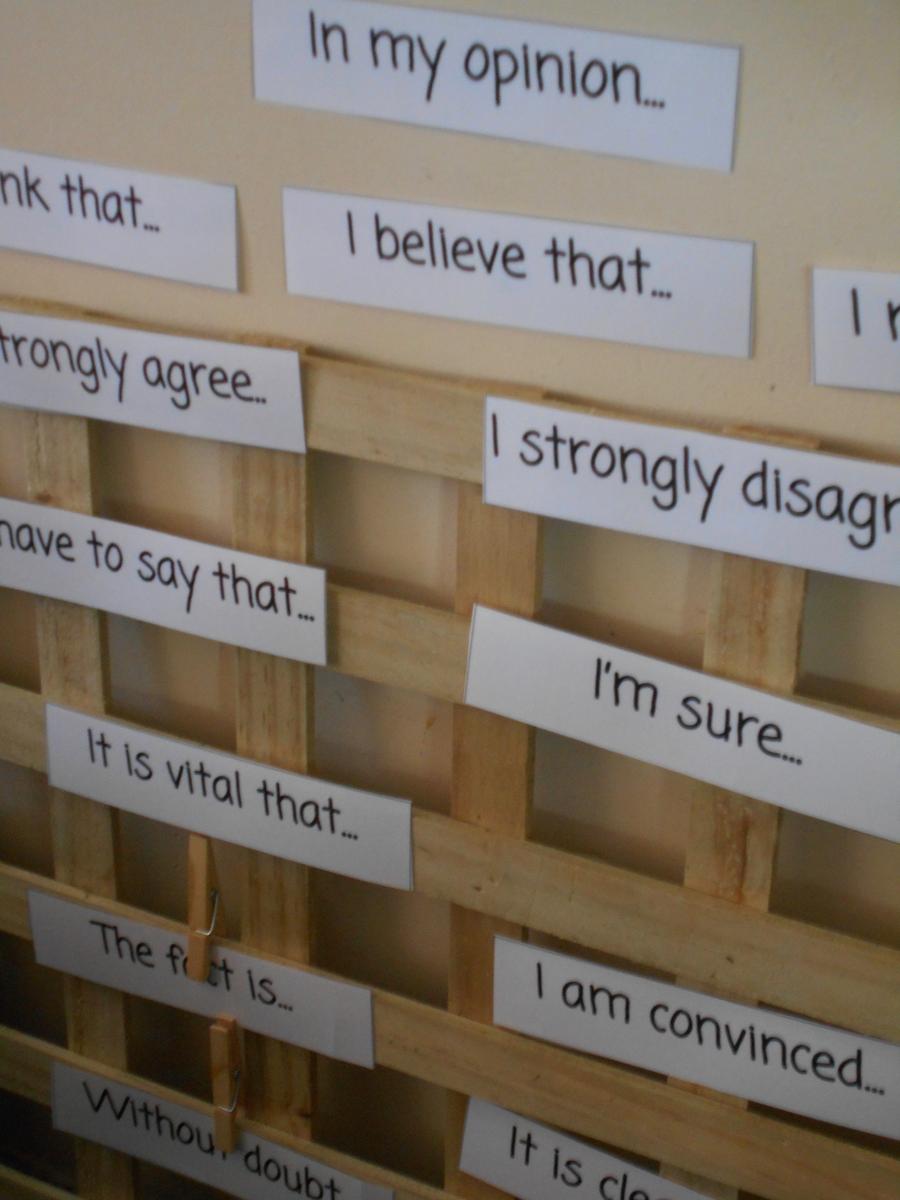
During Semester 2 students will be inquiring in to ways to persuade through speaking and writing.
The learning intentions include:
To be able to persuade
To be able to connect ideas
To be able to express an opinion
To be able to justify
To know the purpose of a text.
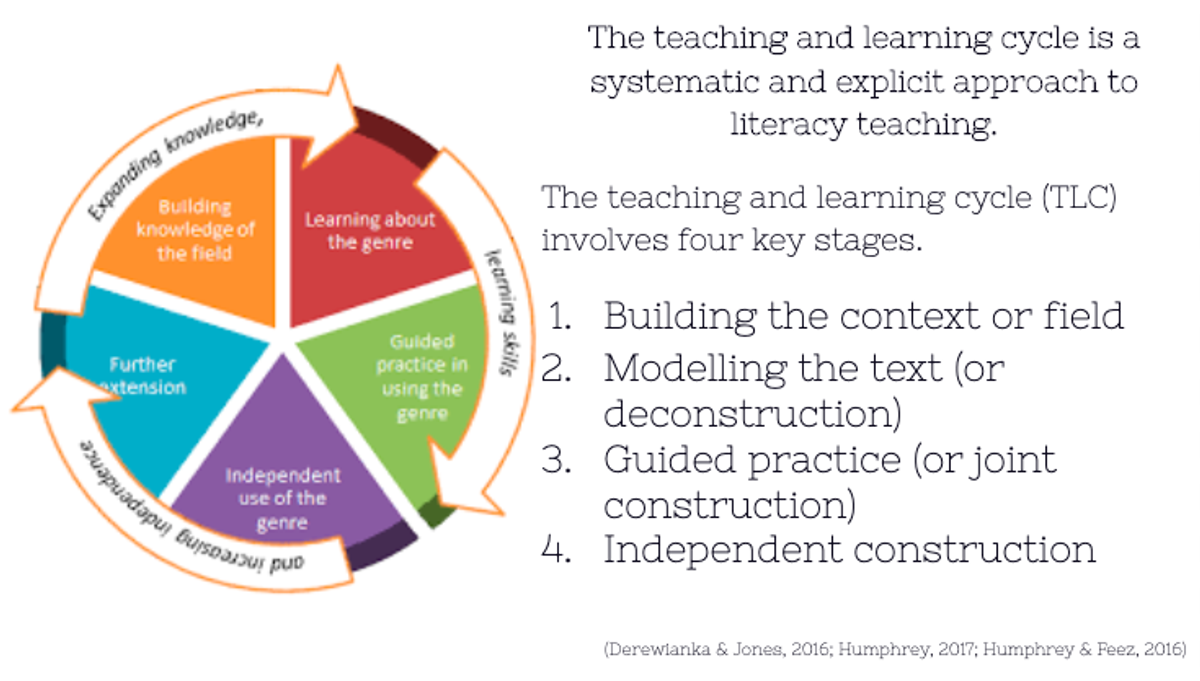
Look for books together with a persuasive theme and talk about the language features used when persuading someone. Advertising is another way to cue in to the art of persuasion. Being able to orally present an argument is the first step is being able to create a persuasive text and forms the building the field component of the teaching and learning cycle described below.