
Languages
Welcome
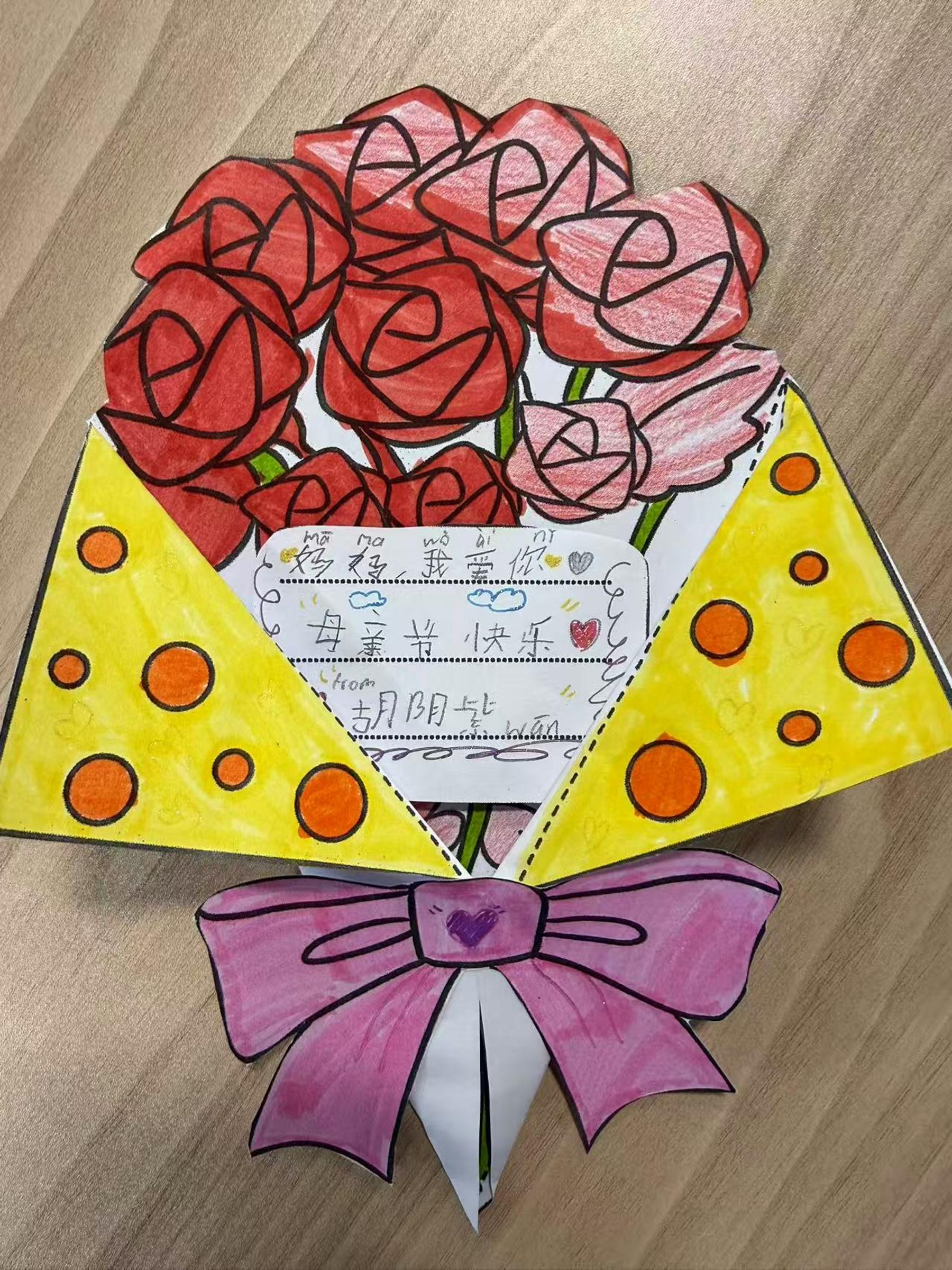
Welcome to Term Three! We hope everyone enjoyed a restful and pleasant holiday break. Last term, students immersed themselves in language learning connected to their Inquiry topics and deepened their understanding of the cultural significance of the Dragon Boat Festival. This term, we will focus on strengthening their language skills and embarking on new inquiry-driven learning. In addition, students will explore the origins and global celebrations of the Mid‑Autumn Festival, also known as the Moon Festival.
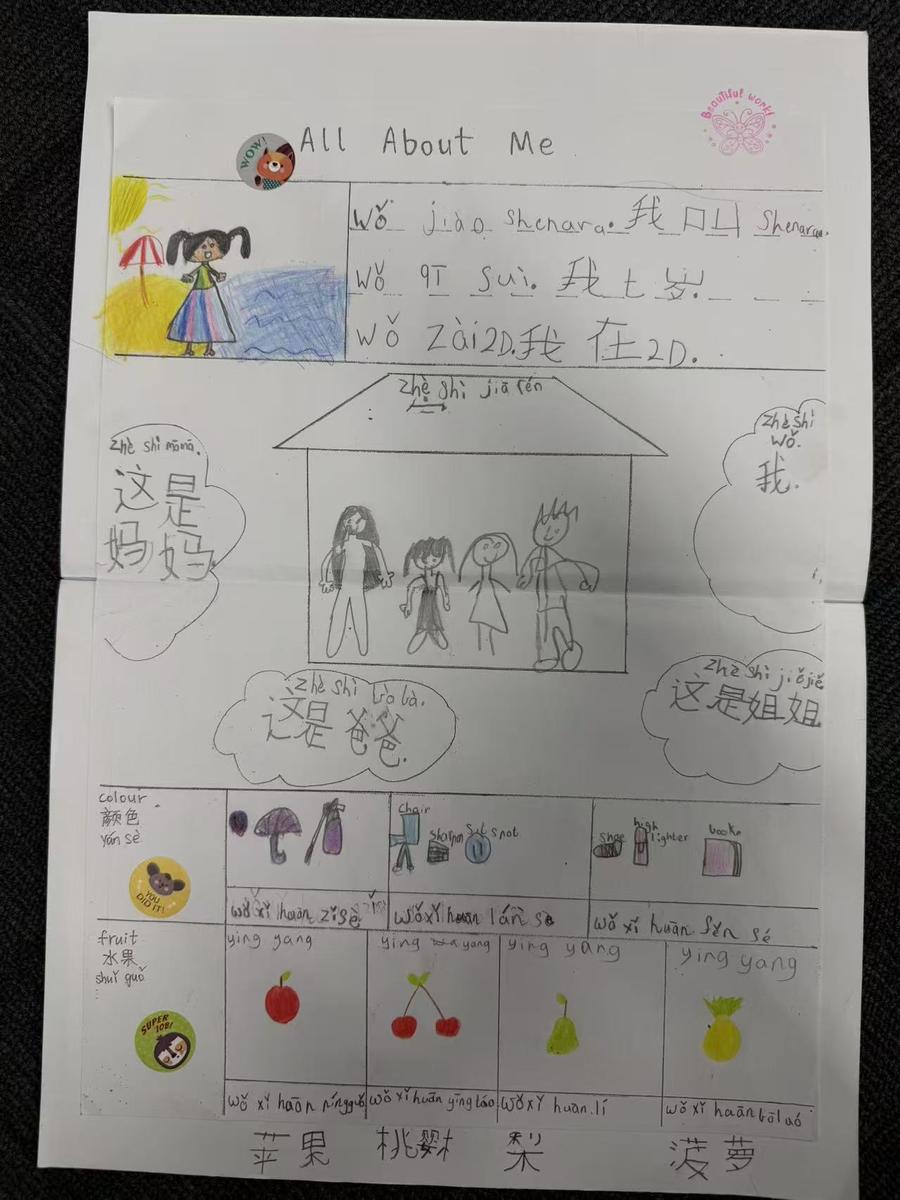
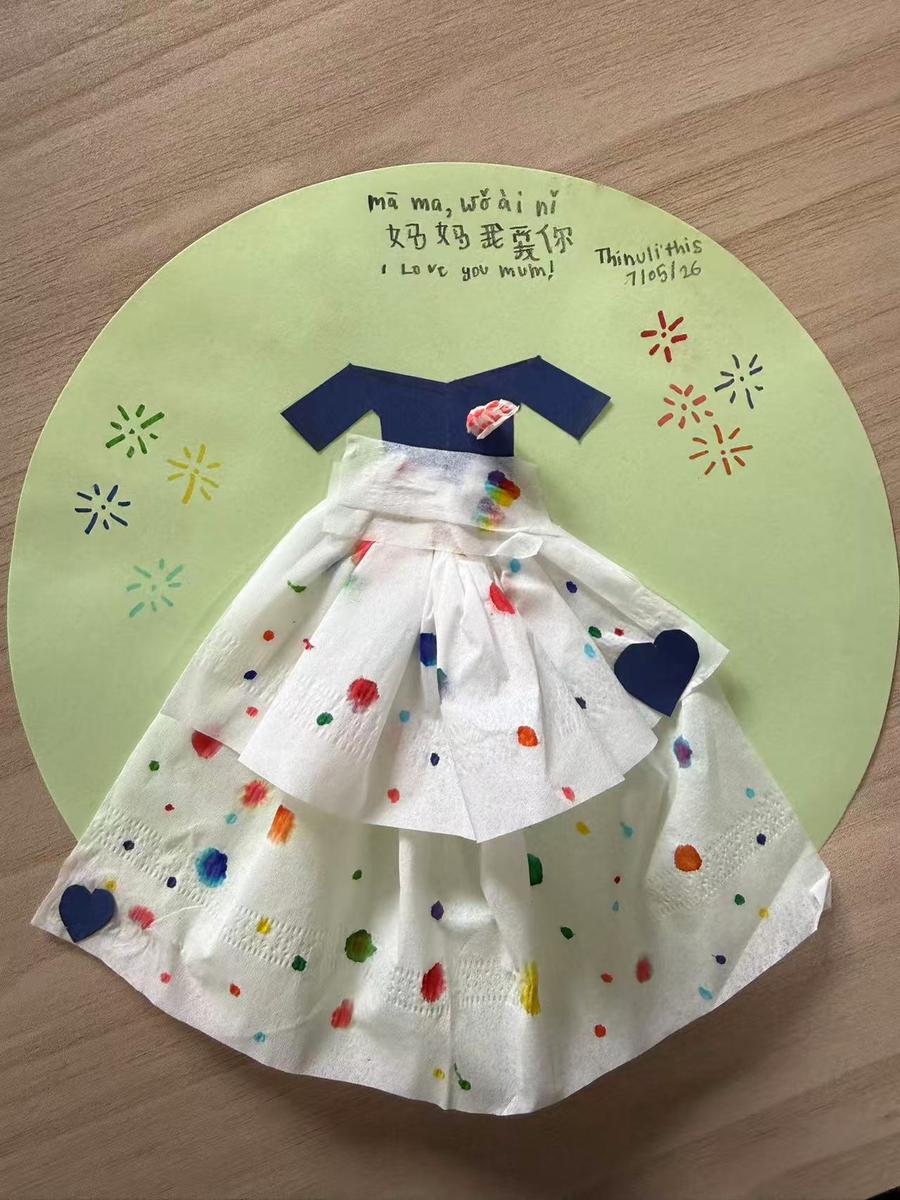
Prep
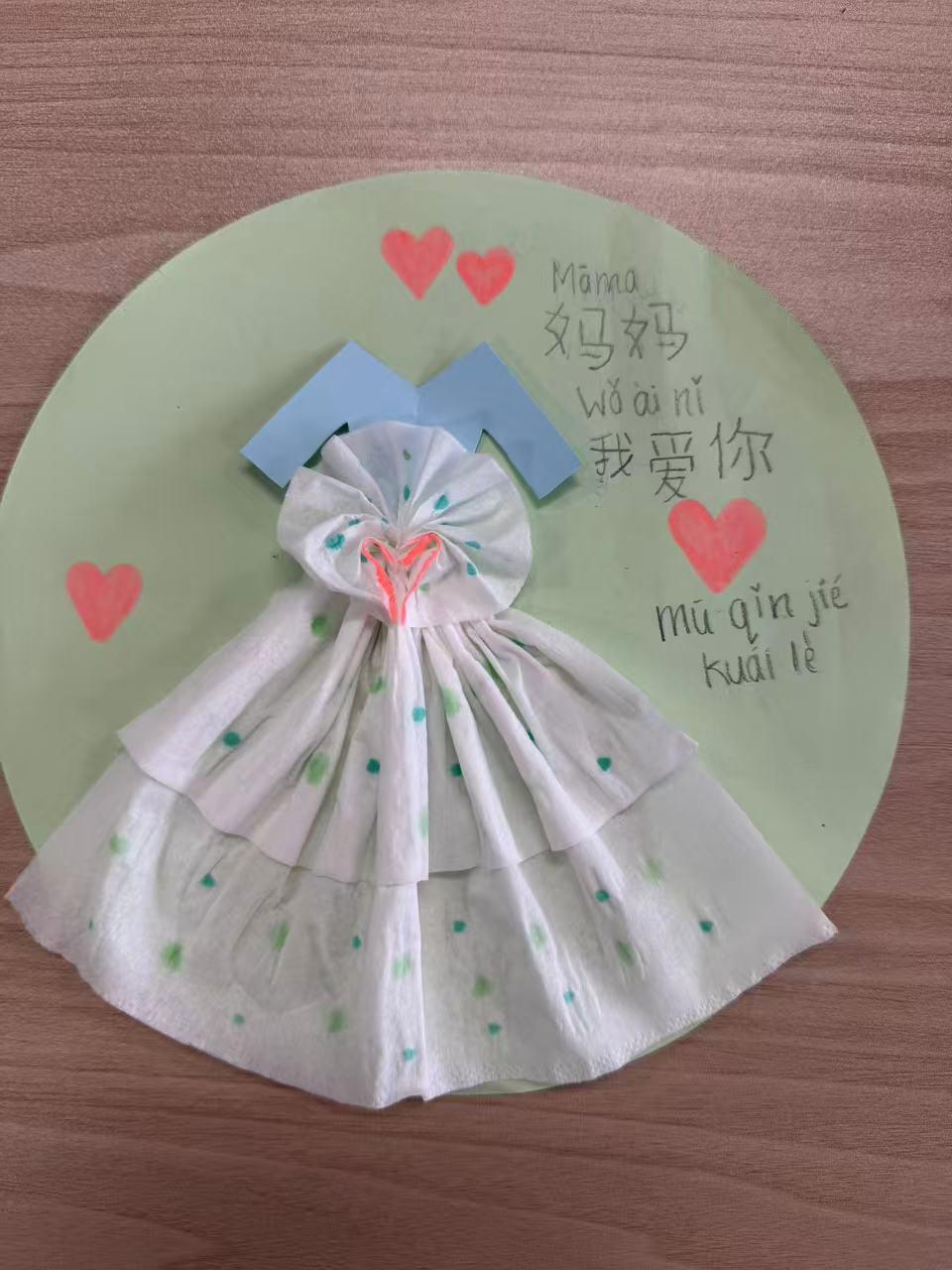
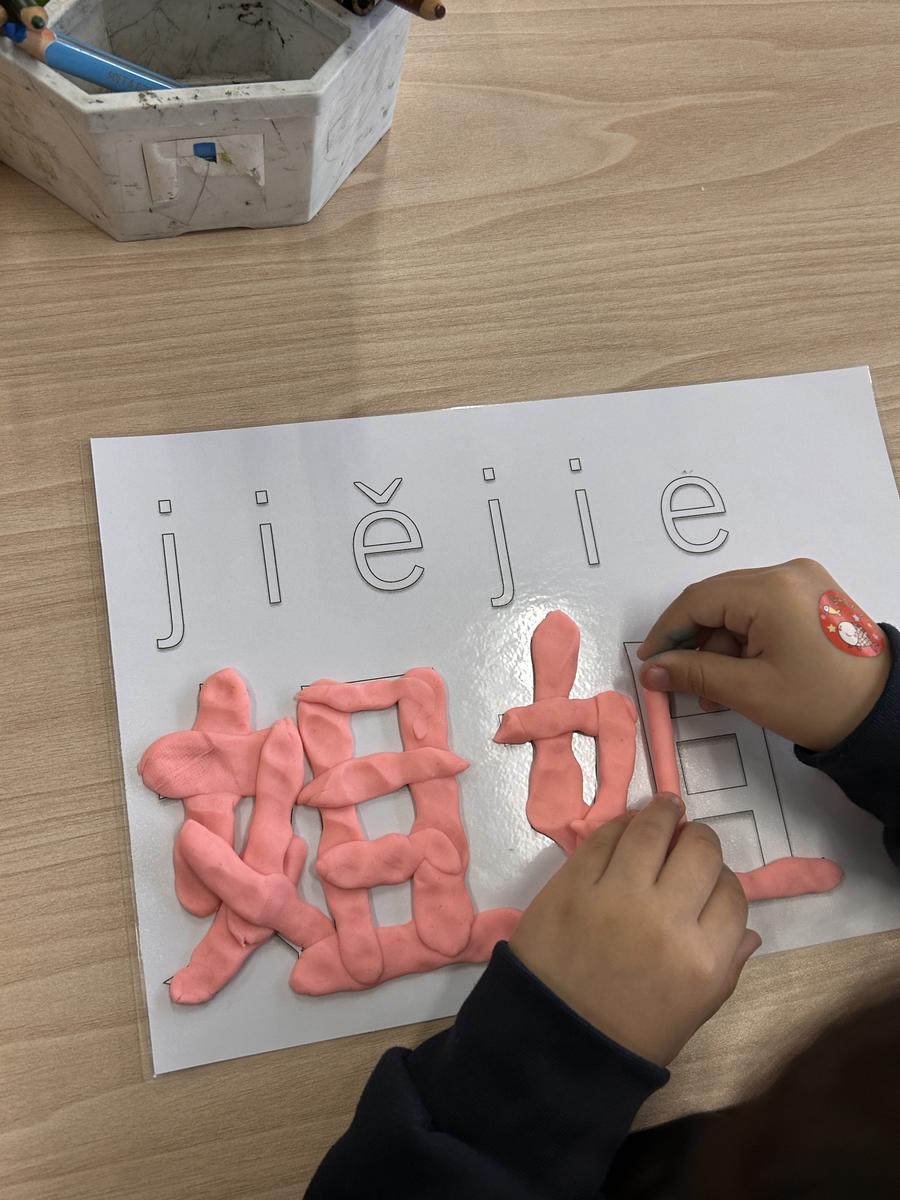
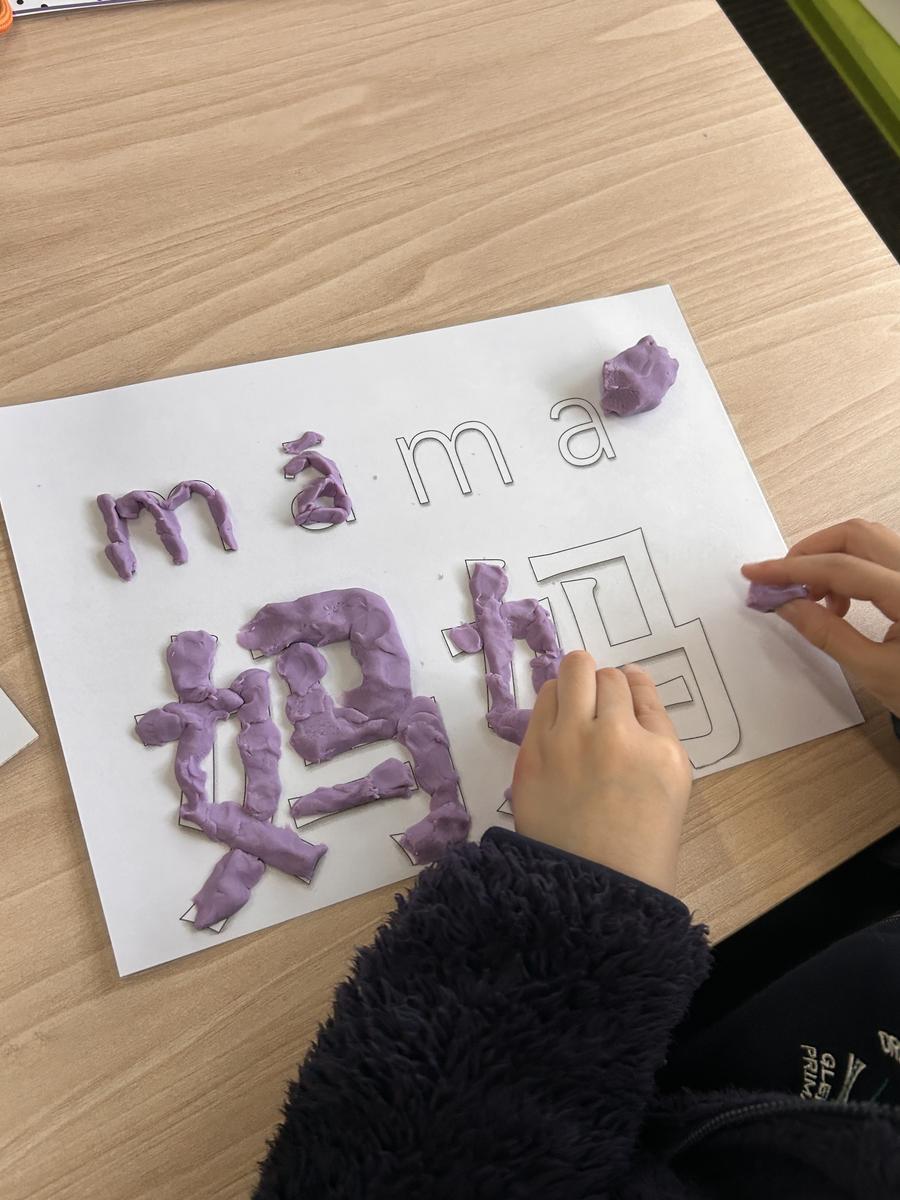
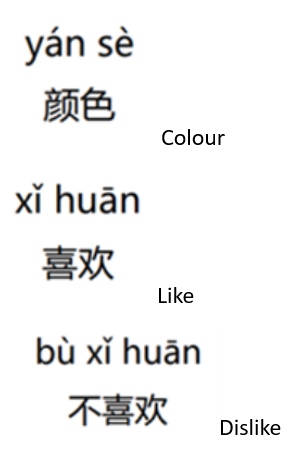
In Term Three, Prep students will focus on ‘Colours’. They will learn to recognise and pronounce familiar colours such as red, yellow, green, blue and black, and to apply knowledge to talk about the colours of surrounding objects. To transfer their learning, students will create a rainbow poster that contains learnt vocabulary and sentences.
Curriculum Links:
Develop oral language skills through exploring and listening to the sounds, tones and intonation patterns of the language (VC2LC2E02)
Participate in a range of guided language activities using formulaic expressions, and visual and spoken cues (VC2LC2C02)
Key Vocabulary:
Year 1
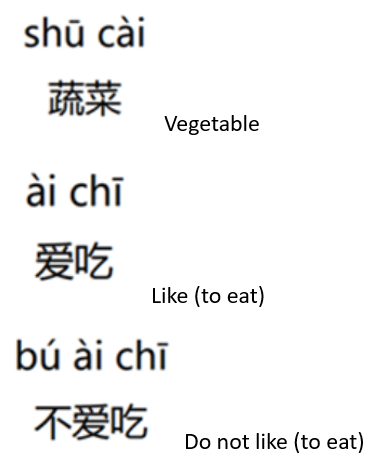
Year One students will focus on ‘vegetables’ this term. They will learn to pronounce/recognise vocabulary such as chilli, potato, carrot and tomato as well as discuss what healthy food is. They will transfer their learning by talking about their most and least liked vegetables. To celebrate their learning journey, students will create a foldable vegetable book to deepen their understanding of the topic.
Curriculum Links:
Recognise and respond to greetings, instructions and language relating to their personal world using one- or 2-word responses and/or single-idea phrases (VC2LC2E03)
Create spoken and written texts using words, familiar phrases and modelled language using some Hanzi with Pinyin as support (VC2LC2C05)
Key Vocabulary:
Year 2
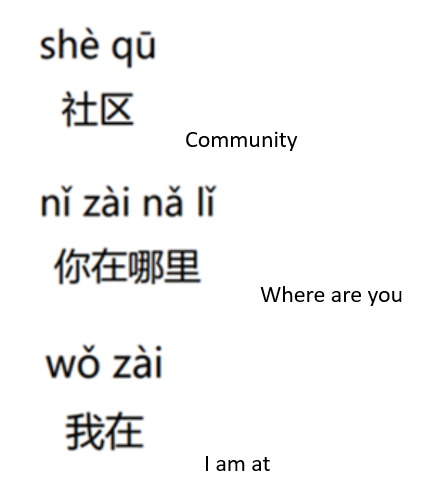
This term, Year Two students will focus on different places in our community. They will learn vocabulary such as home, school, park and supermarket while being able to use sentences to ask, ‘where are you’ and answer that question. Through transfer, they will demonstrate their learning by designing an ideal community. Learners will explore and reflect on what an ideal community means to them and the function of different places in our lives.
Curriculum Links:
Explore and make meaning from sounds, words and phrases for familiar objects or terms in Chinese through play, and discover how languages influence each other (VC2LC2C04)
Identify that written and spoken Chinese has grammatical structures and other language features that may be similar to or different from English and/or other languages (VC2LC2U04)
Key Vocabulary:
Year 3
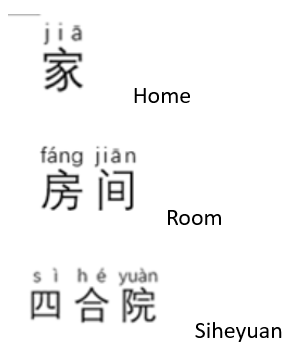
Year Three students will focus on language related to describing various rooms within a house. They will practice identifying vocabulary associated with different types of rooms and develop the ability to discuss language structures. Students will then apply their understanding by creating a presentation in Mandarin about their dream house. Additionally, they will investigate how cultural variations have influenced architectural design in a globalised context, culminating in a poster presentation to communicate their findings.
Curriculum Links:
Recognise sound combinations, using Hanzi and/or Pinyin as support. (VC2LC4U01)
Exchange information, using a range of familiar phrases and modelled structures. (VC2LC4C02)
Key Vocabulary:
Year 4
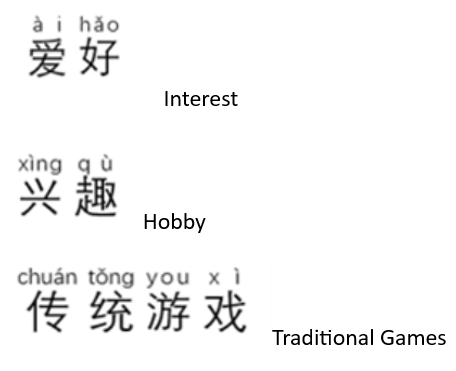
The Year Four students will explore hobbies and leisure activities this term. They will practice expressing their interests and asking about others’ preferences in Chinese. They will learn vocabulary and phrases related to various hobbies, and then progress to form complete sentences. Students will apply their learning in real-life contexts by holding conversations about hobbies in Chinese. In addition, they will investigate leisure activities from diverse cultures to deepen their cultural awareness, culminating in a virtual presentation to showcase their knowledge.
Curriculum Links:
Use patterns of pronunciation and intonation to form words, phrases, and simple sentences, using Hanzi and/or Pinyin as support. (VC2LC4U01)
Identify connections between personal identity, language, and aspects of culture. (VC2LC4U04)
Key Vocabulary:
Year 5
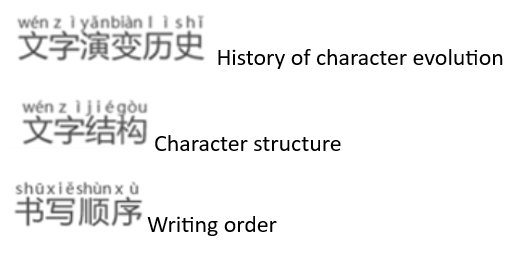
Students in Year Five will develop an understanding of the origin of Chinese characters and explore their evolution. They will learn the radicals of Chinese characters and understand their structure and composition. Learners will transfer their learning by applying their understanding of the structure of the Chinese characters and practising Chinese handwriting in the correct stroke order. By the end of the unit, learners will complete a poster of Chinese Spelling Inquiry to deepen their learning of the Chinese characters, and the history and meaning behind them.
Curriculum Links:
create and present spoken and written texts, using a variety of vocabulary, modelled sentence structures and conventions appropriate to text type, using familiar Hanzi with Pinyin as support VC2LC6C05
apply combinations of sounds, tone syllables, pronunciation and intonation patterns, stress and phrasing to develop fluency in words, phrases and sentences, using some Pinyin for support VC2LC6U01
Key Vocabulary:
Year 6
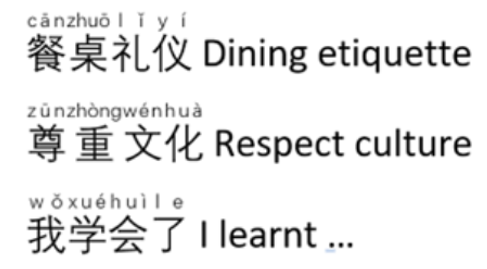
Students in Year Six This term will extend their Term Two learning about Chinese food. They will discover Chinese dining etiquette and learn how to order food in a restaurant. The up-to-date Chinese food online order APPs and the main functions will be introduced. Students will also learn how to use adjectives and verbs to speak and write complex sentences, and how to order food in everyday life. They will inquire into the key aspects of Chinese dining etiquette and compare and contrast the different dining etiquette cultures around us. At the end of the term, they will create a virtual presentation to showcase their learning.
Curriculum Links:
locate information and ideas in a range of spoken, written, viewed and multimodal texts, and respond in different ways to suit purpose VC2LC6C03
apply strategies to interpret and convey meaning and/or intercultural understanding in Chinese in familiar non-verbal, spoken and written contexts VC2LC6C04
Key Vocabulary:
How can you support your child’s language learning at home?
- Sing or exposure to Chinese Songs to gain interest in the language
- Practice writing Chinese characters via App “Writer”
- Borrow bilingual Chinese storybooks from the school library or local library