Art
Welcome
Welcome back to Term Three! I hope you had a restful and enjoyable break with your loved ones. This term, we’re diving into an exciting journey of artistic exploration, experimenting with a range of materials, techniques, and creative processes. One of the highlights will be a vibrant new mural, designed and created by our talented Year 2 Art Innovation students, which will brighten the entrance to the office.
Prep
In Term 3, Prep students will explore the world of colour and emotions. They will create their own original artworks by incorporating personal experiences, concepts, and drawing inspiration from existing pieces of art and literature. Specifically, they will use inspiration from Anna Llenas' picture storybook, The Colour Monster. This book is designed to help children understand and talk about their emotions, making it a valuable tool for emotional literacy and development through the arts. Students will investigate the relationship between colour and emotions and use symbolism to create their own backgrounds.
Curriculum Links:
- Explore ideas for artworks through play and visual arts processes VC2AVAFE02
- Use play, imagination, experimentation, materials and processes to discover possibilities and develop ideas VC2AVAFD01
- Create artworks that communicate experiences, ideas and observations and explore meaning VC2AVAFC01
Key Vocabulary: emotions, backgrounds, symbolism, facial expressions
Year 1
This term, students will have the opportunity to develop skills and knowledge on embossing. With a strong focus on symmetry, they will learn various drawing techniques inspired by scientific illustrations of insects. Through hands-on exploration, students will discover the process of making a print of their drawings onto metal. They will also explore the significance of colour studies and the role it has in the artistic process, with a special emphasis on achieving colour symmetry. Students will then transfer their new skills to create an embossing artwork, utilising mixed-media materials to bring their insects to life.
Curriculum Links:
- Explore ways of using visual conventions, visual arts processes and materials VC2AVA2D01
- Use visual conventions, visual arts processes and materials to create artworks that communicate ideas, experiences and observations VC2AVA2C01
Key Vocabulary: embossing, symmetry, colour studies, techniques, complementary colours
Year 2
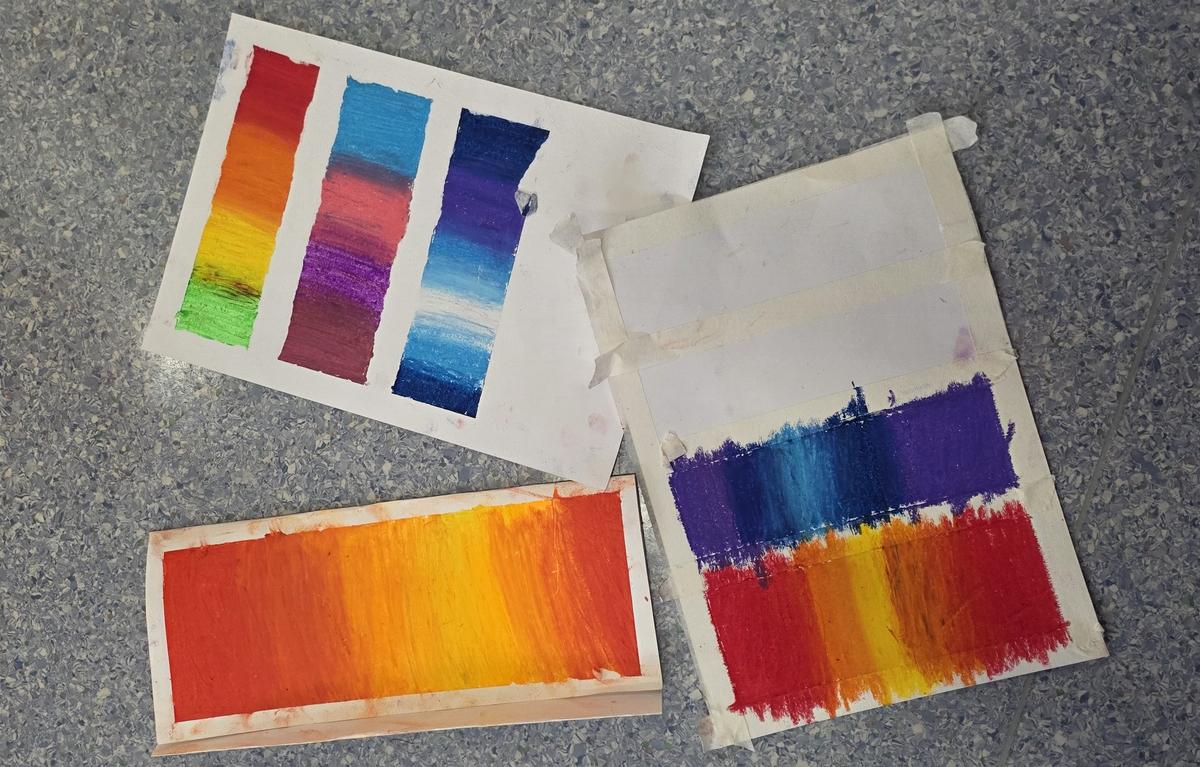
In term 3, students will be using oil pastels to learn how to blend colours together. With a particular focus on complementary colours, students will gain a deeper understanding of why artists utilise this harmonious pairing in their artworks. Students will then be honing their painting skills using acrylic paint. Delving into the distinction between a portrait and a self-portrait, they will explore the unique art of capturing their own likeness. For this project, students will explore warm and cool colours and be experimenting with patterns.
Curriculum Links:
- Explore where, when, why and how people across cultures, communities, times, places and/or other contexts experience visual arts, including artworks created by Aboriginal and Torres Strait Islander Peoples VC2AVA2E01
- Explore ways of using visual conventions, visual arts processes and materials VC2AVA2D01
- Use visual conventions, visual arts processes and materials to create artworks that communicate ideas, experiences and observations VC2AVA2C01
Key Vocabulary: acetate, warm and cool colours, complementary colours, patterns
Year 3
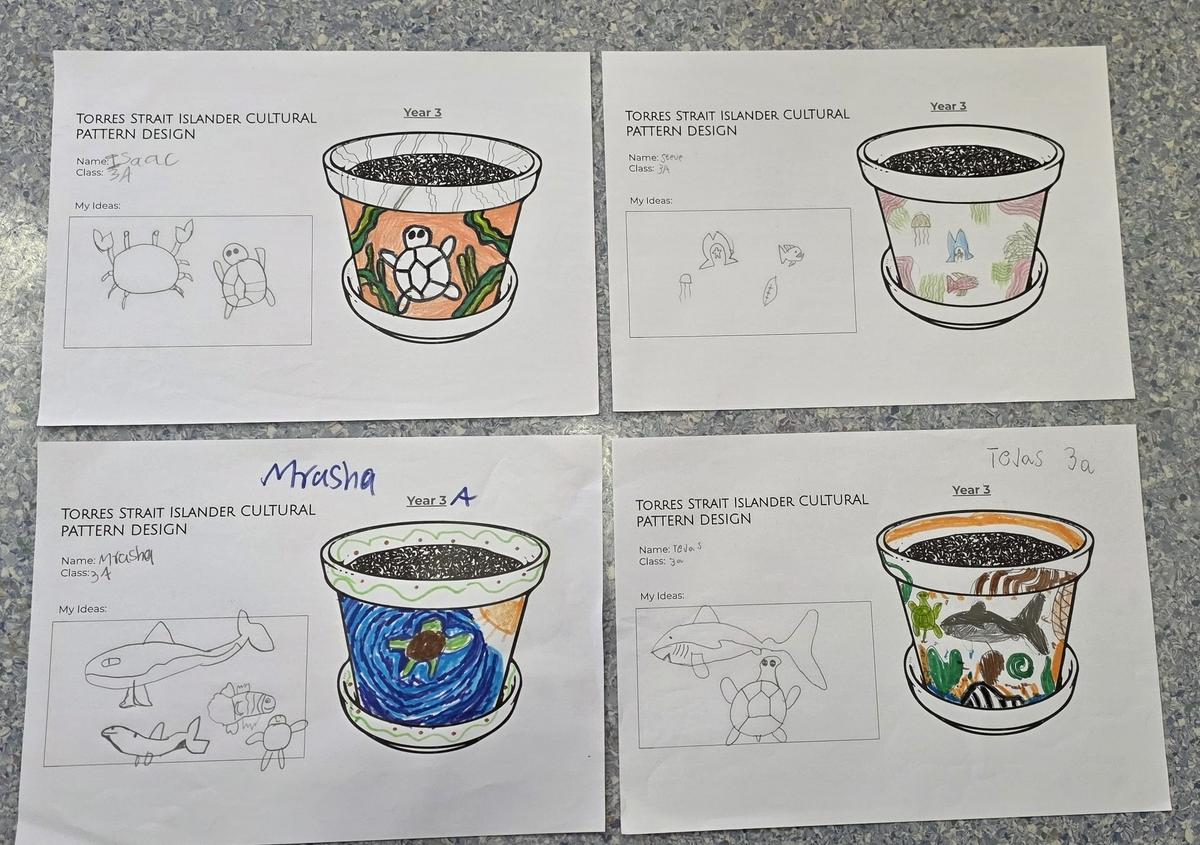
Students will be developing cultural pinch pots as they explore and describe artworks from diverse cultures. They will investigate why, when, and how visual arts are created and shared across different cultures, time periods, places, and contexts. This unit will focus on rich comparisons between Torres Strait Islander cultures and Asian cultures, allowing students to build cultural understanding through hands-on clay work and visual storytelling.
Curriculum Links:
- Explore and describe artworks, and why, when and how visual arts are created and/or presented across cultures, times, places and other contexts VC2AVA4E01
- Explore how Aboriginal and Torres Strait Islander Peoples use visual arts to communicate their connection to and responsibility for Country and Place VC2AVA4E02
- Use visual conventions, visual arts processes and materials to create artworks that communicate ideas, perspectives and meaning VC2AVA4C01
Key Vocabulary: pinch pot, Torres Strait Islander, slip and score, needle tool
Year 4
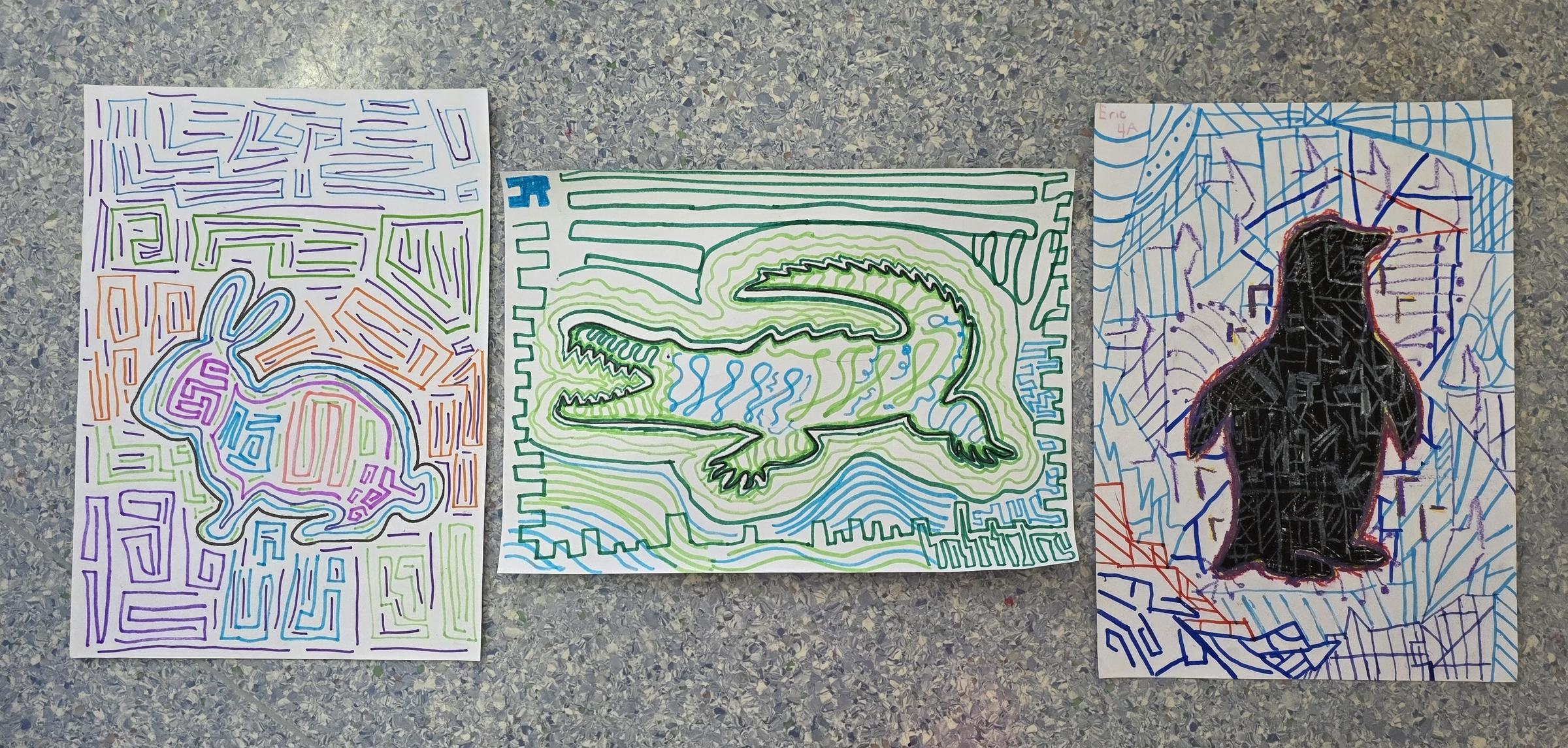
Students will be exploring Mola art, a traditional textile art form from the Guna people of Panama. They will investigate the cultural meaning behind Mola designs and explore key artistic features such as layering, bold colours, symmetry, balance, and geometric patterns. As part of their learning, students will also compare Mola art with Australian Indigenous art, considering how both cultures use visual elements to tell stories, express identity, and connect to their environment. This comparison will deepen their understanding of how visual arts are created and shared across different cultures and contexts.
Curriculum Links:
- Explore and describe artworks, and why, when and how visual arts are created and/or presented across cultures, times, places and other contexts VC2AVA4E01
- Explore how Aboriginal and Torres Strait Islander Peoples use visual arts to communicate their connection to and responsibility for Country and Place VC2AVA4E02
- Use visual conventions, visual arts processes and materials to create artworks that communicate ideas, perspectives and meaning VC2AVA4C01
Key Vocabulary: Mola art, subject matter, balance, harmony, art elements
Year 5
This semester, Year 5 students explored how artists communicate ideas through visual conventions, materials and techniques. Inspired by the artworks of Georgia O'Keeffe and Australian First Nations artists, students created close-up observational artworks representing one of the four natural elements: Earth, Fire, Water or Air. They developed their oil pastel blending skills by layering colours to create depth, highlights and shadows while applying the elements of art, including colour, line, shape, space and texture.
Curriculum Links:
- Explore ways that visual conventions, visual arts processes and materials are used to communicate ideas, perspectives and meaning in visual arts practices across cultures, times, places and other contexts, including from Aboriginal and Torres Strait Islander Peoples VC2AVA6E01
- Develop visual arts skills by experimenting with visual conventions, visual arts processes and materials VC2AVA6D01
- Plan and create artworks using visual conventions, visual arts processes and materials to communicate ideas, perspectives and meaning VC2AVA6C01
Key Vocabulary: modern Art, blending, layering, art elements
Year 6
This term, Students are given the amazing opportunity to engage in their own studio process. Students will be learning how to effectively plan and collect their ideas. They will be researching cultural and historical artists to influence their choices in visual conventions and subject matter in their planning. As students create their artworks, they will develop strategies to overcome challenging obstacles. They will also have the opportunity to reflect on their independent project to deepen their understanding of their own artistic processes.
Curriculum Links:
- Explore ways that visual conventions, visual arts processes and materials are used to communicate ideas, perspectives and meaning in visual arts practices across cultures, times, places and other contexts, including from Aboriginal and Torres Strait Islander Peoples VC2AVA6E01
- Develop visual arts skills by experimenting with visual conventions, visual arts processes and materials VC2AVA6D01
- Plan and create artworks using visual conventions, visual arts processes and materials to communicate ideas, perspectives and meaning VC2AVA6C01
Key Vocabulary: subject matter, medium, visual conventions, contemporary
How can you support your child’s art learning at home?
- Encourage colour exploration: Encourage your child to explore and investigate different colour groups when creating artwork at home. Encourage them to experiment with complimentary colours, warm and cool colours, analogous colours, and more. This exploration will help them develop an understanding of colour theory and create stronger artworks.
- Experiment with a range of materials to develop different techniques from different mediums. Providing them with diverse materials will help foster their creativity and expand their artistic skill set.
- Dive into art books: Encourage your child to read books about art and artists. This can provide them with an opportunity to analyse artworks, learn about different artistic styles, and seek inspiration from artists.