
Learning About Learning:
Curiosity Is One of the Greatest Gifts We Can Protect
One of the most fascinating things I’ve read recently was about curiosity.
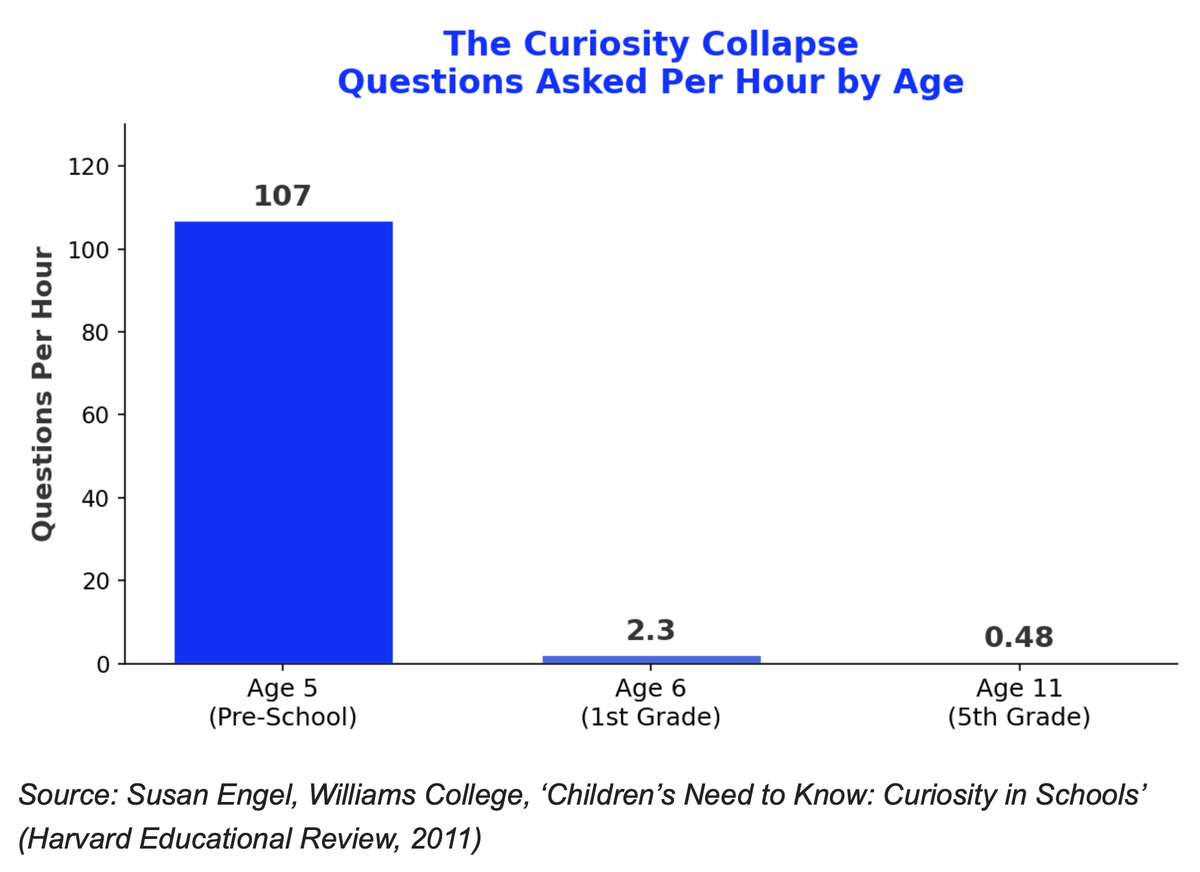
Researchers have found that the average five-year-old asks around 107 questions every hour. By the time children reach Year 6, that drops to less than one question every two hours across an entire classroom. It raises an important question for all of us: What happens to children’s natural curiosity as they grow?
Your Brain's Learning Rate:
Curiosity isn’t just a personality trait. It is one of the brain’s most powerful learning tools. When children are curious, their brains pay greater attention, remember more, and make stronger connections. In simple terms, curiosity helps the brain learn more effectively.
At Western Heights School, this is something we value deeply.
We want every child to become a confident reader, writer and mathematician. These are essential skills. But we also want our children to ask questions, wonder, investigate, create, solve problems, take risks and discover new ideas. Those habits of mind are what help children become lifelong learners.
Sometimes, as adults, we can unintentionally rush children towards the “right answer.” Yet some of the richest learning begins with a child asking, “I wonder why…” or “What would happen if…?”
There is growing evidence that curiosity can be strengthened just like any other skill. Small experiences such as exploring somewhere new, trying something unfamiliar, asking thoughtful questions, or sharing something we’ve recently learned all help keep our brains growing and learning.
How can we encourage curiosity at home?
You don’t need expensive resources. Simple moments often have the biggest impact.
* Welcome your child’s questions, even when you don’t know the answer.
* Read together and wonder aloud.
* Explore parks, beaches, museums or your own backyard.
* Encourage children to try new hobbies, foods and experiences.
* Celebrate effort, discovery and creativity, not just getting the answer right.
As this whakataukī reminds us:
“Mā te huruhuru ka rere te manu.”
Adorn the bird with feathers so it may fly.
When we nurture children’s curiosity, we are giving them the confidence to explore the world, think deeply, and continue learning throughout their lives.