Principal's Page
Kia Ora Friends -
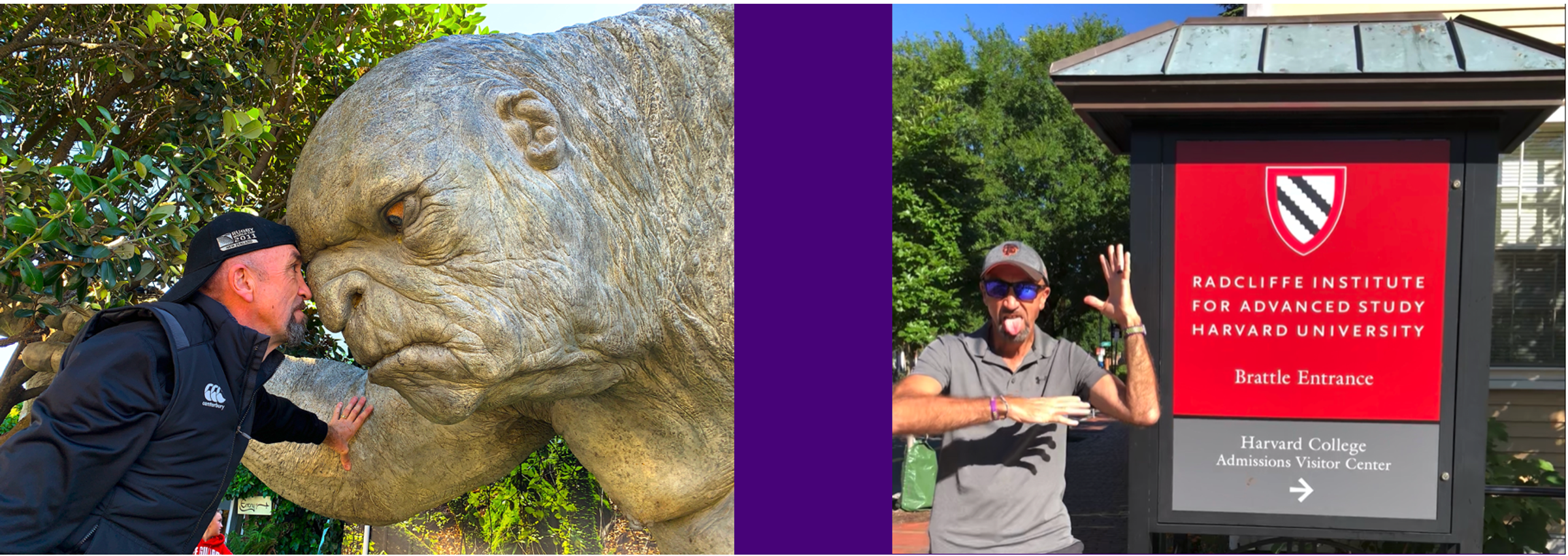
I am still away overseas on Study Leave but am doing my best to stay in touch with all that is happening there in my absence.
That means keeping up with at least 100 school-related emails daily. That has been quite a challenge at times with internet issues. The latest issue affected the whole island; apparently, there was damage to the undersea cable, making everything internet-related a major challenge.
Hopefully I can stay connected long enough to get this newsletter created and sent out to you...
Every Child Develops at Their Own Pace
As parents, it’s natural to wonder whether our children are reaching the milestones they “should”. When children start school, reading often becomes one of the biggest concerns. If they don’t take to it straight away, it’s easy to worry they may be falling behind.
The good news is that children’s development isn’t a race.
The Ministry of Education says that beginning formal reading at age 5 is appropriate, and New Zealand’s structured literacy approach is helping many children make strong progress. At the same time, experts such as child neuroscientist Nathan Wallis and early childhood specialist Dr Sarah Alexander remind us that children develop at different rates. Research suggests that children who learn to read later often catch up with their peers by around age 8.
For example, one of the most successful education systems in the world does not introduce boys to formal reading and writing study until at least age seven.
What matters most in the early years is not just reading. Creativity, curiosity, resilience, confidence, friendships, communication and a love of learning all provide the foundations for future success.
Rather than comparing children with others, it is more helpful to ask:
* Is my child becoming more confident?
* Do they enjoy learning?
* Are they kind, curious and willing to keep trying when things are difficult?
If you are worried about your child’s progress, talk with their teacher. Together you can build a clear picture of your child’s strengths and the next steps that will help them succeed. Keep reading together at home, explore your child’s interests, play games, visit new places, and celebrate effort as much as achievement.
Every child follows their own learning journey. Our role, both at home and at school, is to nurture confident, capable young people who believe in themselves.
Reading is an important skill, but it is only one part of becoming a successful and well-rounded learner.
Reference:
Nathan Wallis, What Were You Thinking?;
Dr Sarah Alexander, Office of Early Childhood Education; Ministry of Education, Better Start Literacy Approach (2024).
Please Note:
Our Learning about Learning page and the Article section on the Teaching and Learning page build on some of the ideas above.
Whānau Time Live Stream - you can watch our Whānau Time Full School Assemblies via our Facebook Live Stream.
WHS YouTube Archive - if you want to catch up on previous Live Streams and other school event videos, you can visit our Western Heights YouTube channel here: Western Heights YouTube Channel.
There are over 550 videos available to view, with new ones added regularly. It's a cool way to take a trip back through time, too.
As always, if you have questions or concerns about anything school-related, email me at macash@mac.com, and I will get back to you asap.
My very best regards to you all,
Ash Maindonald
Principal.