
Wellbeing and Inclusion
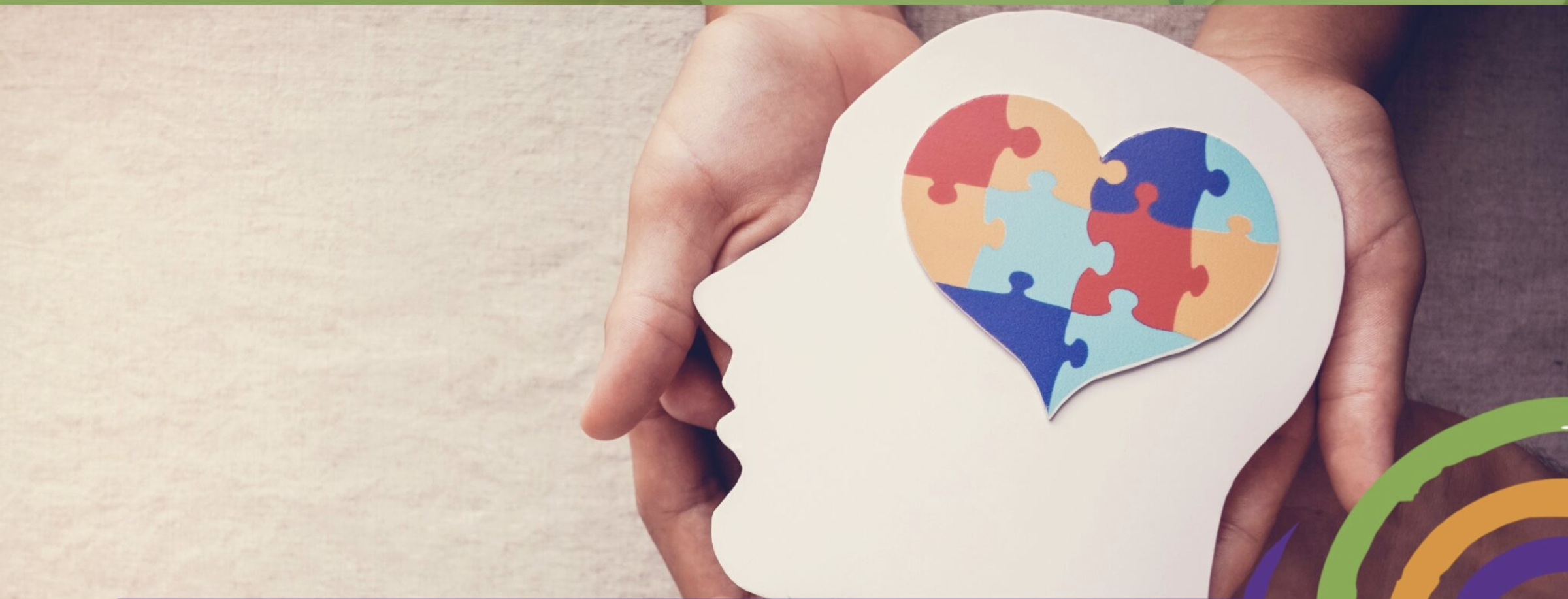
Why Belonging Matters for Children’s Wellbeing
We all want our children to feel accepted, valued and connected. That feeling is called belonging, and it is one of the strongest protective factors for children’s mental health and wellbeing.
When children feel they belong at home, at school and in their community, they are more likely to:
- Feel safe, secure and confident.
- Develop positive friendships and healthy relationships.
- Be willing to try new things and learn from mistakes.
- Show resilience when facing challenges.
- Experience lower levels of stress and anxiety.
Belonging doesn’t come from being the best at something or having lots of friends. It comes from knowing, “I matter here. I am accepted for who I am.”
As parents and carers, there are many simple ways to help nurture your child’s sense of belonging:
- Spend regular one-on-one time together, even if it’s only for 10 minutes.
- Let your child know they are loved for who they are, not just for what they achieve.
- Encourage friendships while respecting that every child has different social needs.
- Celebrate your child’s unique strengths, interests and personality.
- Stay connected with your child’s school and talk positively about being part of the school community.
- Help your child find clubs, teams or activities where they can connect with others who share similar interests.
School also plays an important role in fostering belonging. Feeling connected to teachers, classmates and the wider school community helps children feel safe to learn, ask questions and seek support when they need it.
Every child experiences belonging differently. Some children enjoy being part of large groups, while others feel most connected through one or two trusted friendships or by sharing a common interest. There is no “right” way to belong. The goal is for every child to feel seen, respected and included.
Together, families and schools can create environments where every child knows they have a place, their voice matters and they are an important part of our community. When children feel they belong, they are better able to learn, grow and thrive.