
Wellbeing
Amanda Wilson | Assistant Principal
Jess Norder | Mental Health and Wellbeing Leader

Wellbeing
Amanda Wilson | Assistant Principal
Jess Norder | Mental Health and Wellbeing Leader
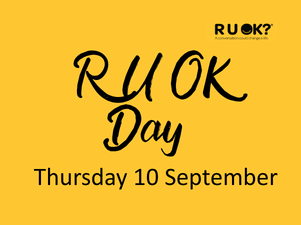
What is RUOK? day?
R U OK DAY is a day when you ask people if they are OK when they look fine .
It is important to ask them if they are ok because they might not be feeling ok .
A small question can mean a lot to somebody like are you ok .
Looking out for others
We can tell a friend that might not be feeling ok are you ok .
Some signs you might see are frowns, tears and being alone.
It is important to notice when somebody is alone because they might want a friend.
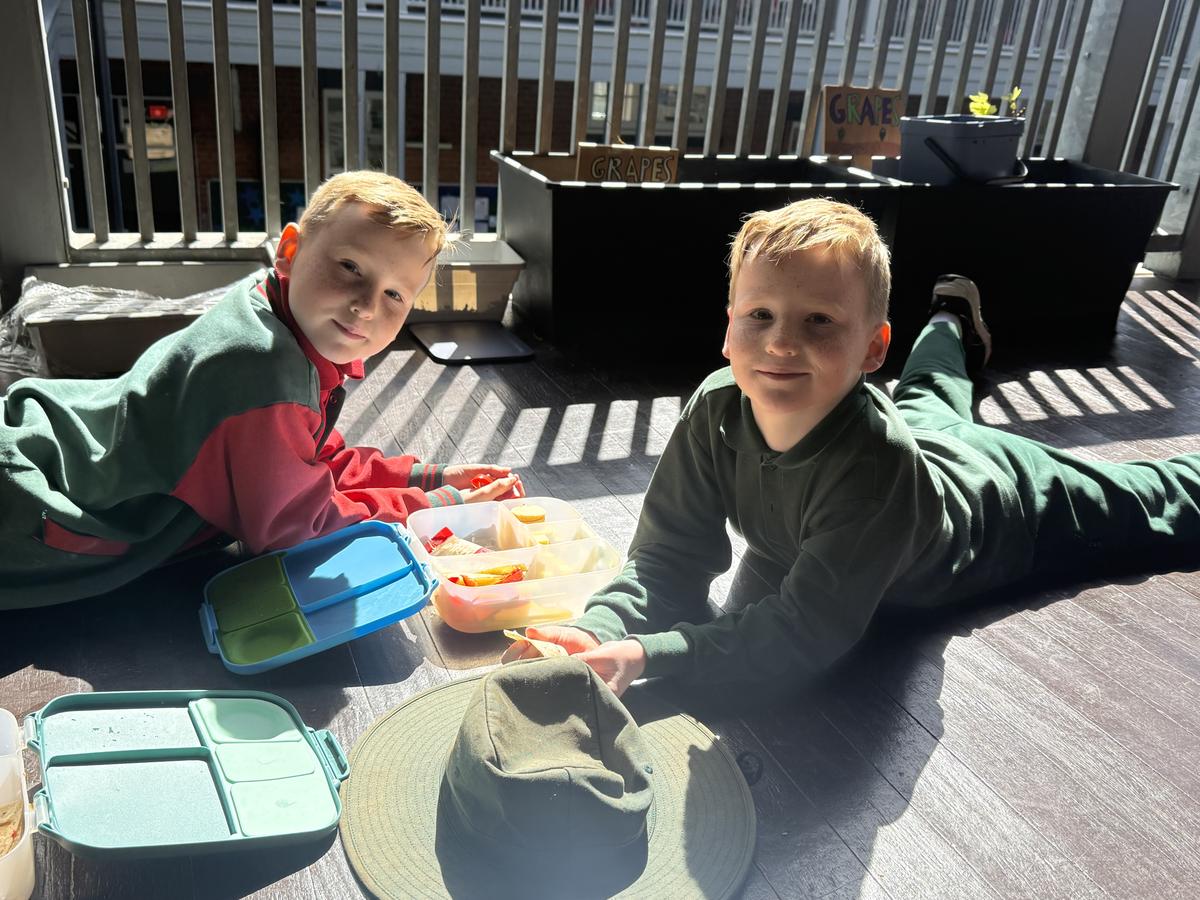
How to ask are you ok?
If you want to ask are you ok here are some ways - hi are you ok, are you ok, hay are you ok.
If your friend says no I am not ok you should ask why.
Listing to the question is just as important as asking it.
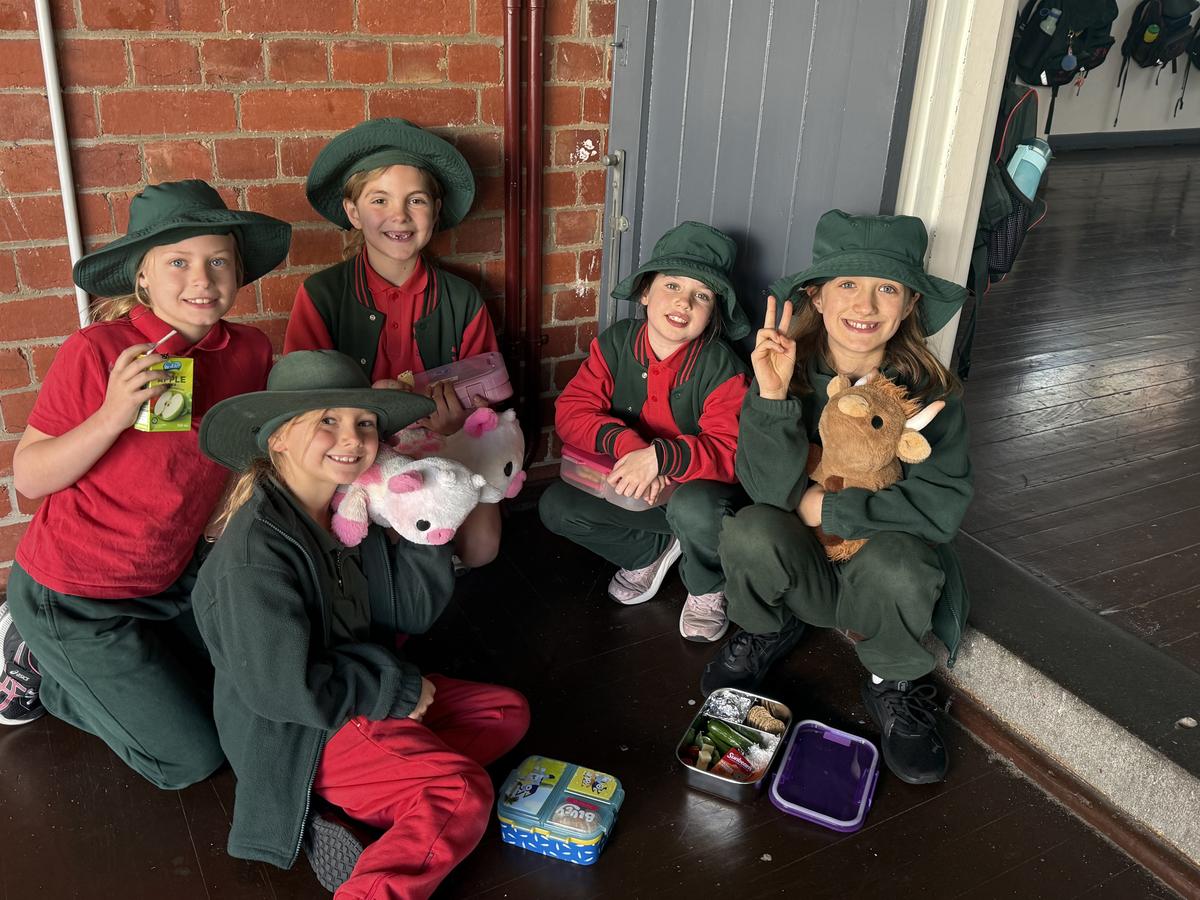
Being a good friend
There are lots of ways to be a good friend. Such as smiling, saying hello, being nice and asking if somebody to play with you.If you are a good friend it will show them that you care about them.Some acts of kindness are big while others are small.Here are some small acts of kindness you can do at school smiling at a person when they walk past you,saying hi to a friend and asking if they want to play .
Getting help
When a friend tells you they are not ok you could say its normal to feel like that and all feelings are normal.If you are a student it is important to tell a trusted adult about these feelings.The trusted adults it should be are parents,teachers,grandparents,principals,coaches and baby sitters.
Written by Rhys Vingrys
(Principal for a Day)
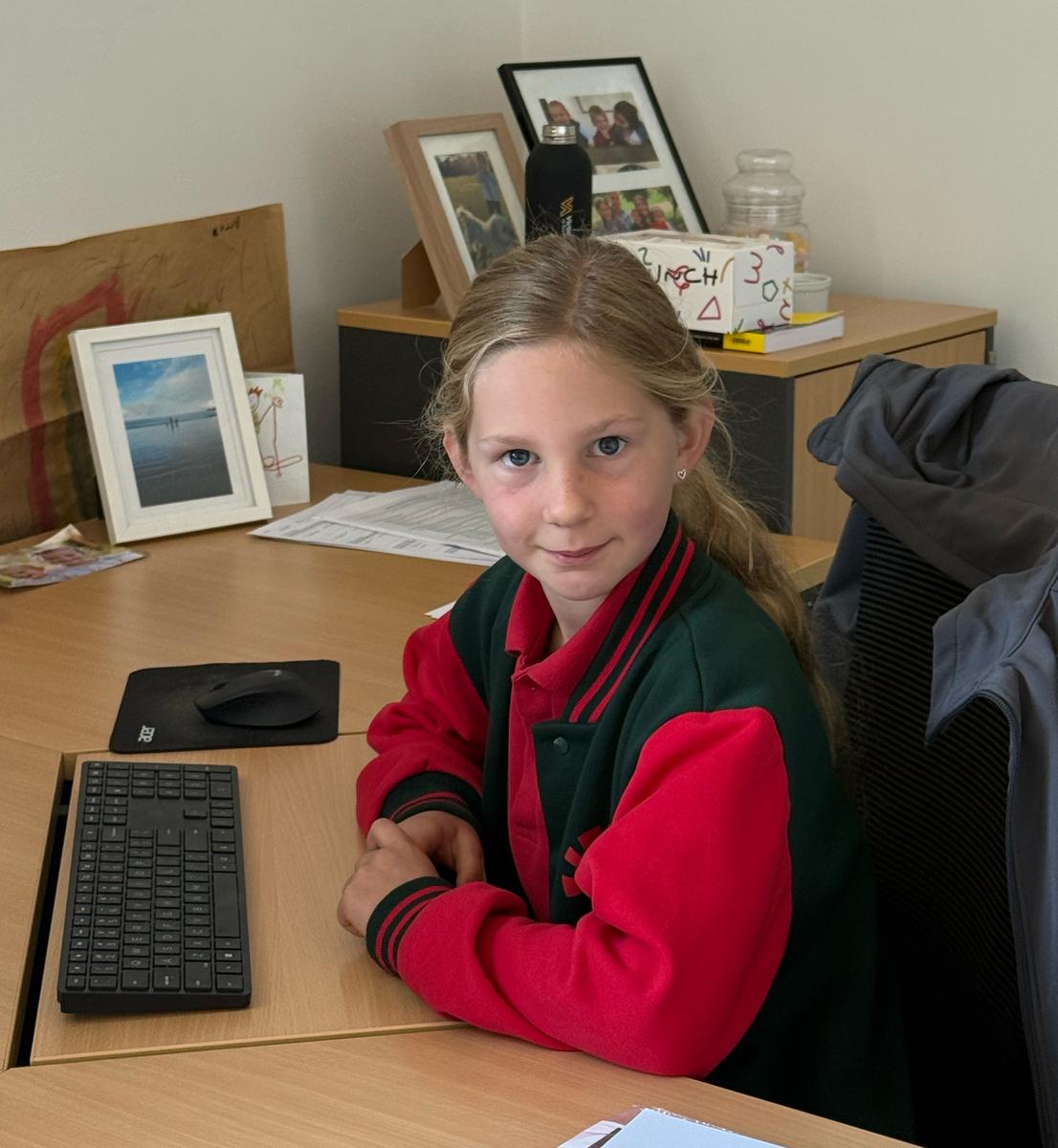
As part of our Resilience, Rights and Respectful Relationships (RRRR) program, students are learning about Positive Coping – the skills and strategies we can use to manage emotions, respond to challenges and cope with situations that may feel difficult or unfamiliar.
Positive coping is an important part of building resilience. Students learn that everyone experiences feelings such as worry, frustration, disappointment and nervousness, and that these feelings are a normal part of life. The focus is on helping students recognise how they are feeling and identify healthy strategies that can help them feel more in control.
Students explore a range of positive coping strategies, including talking to someone they trust, taking a break, using calming strategies, positive self-talk, problem-solving, physical activity and asking for help. They are encouraged to consider which strategies work best for them and when they might be useful.
This learning is particularly valuable at times of change or uncertainty. For example, students may be using their positive coping skills as they participate in conversations and activities about transition to a new year level or school. They may experience a mixture of excitement and apprehension, and RRRR provides them with strategies to recognise and manage these feelings.
Families can reinforce this learning by asking children, “What helps you when you are feeling worried or overwhelmed?” or “Who can you talk to when something feels difficult?” Helping children build a toolbox of positive coping strategies gives them skills they can draw on throughout their childhood and beyond.
Positive coping is not about avoiding difficult feelings – it is about developing the skills to manage them, seek support and move forward.
We are excited to introduce Story Dogs to our school next term!
Story Dogs is a literacy program that supports children to develop confidence and enjoyment in reading through regular reading sessions with a specially assessed and trained dog and their volunteer handler. The calm, non-judgemental presence of a dog can help children feel relaxed, engaged and confident as they practise their reading.
At our school, Story Dogs will work with a select number of students in Years 2 and 3. Students will have the opportunity to read aloud to their special canine companion in a supportive, relaxed and encouraging environment. The sessions are designed to make reading enjoyable while helping students build their literacy skills, confidence and positive attitude towards reading.
We are also looking for members of our school community who may be interested in volunteering with their dog. Story Dogs volunteers must meet the organisation's requirements, including having a suitable dog and completing the assessment and training process.
If you are interested in becoming a Story Dogs volunteer with your dog, please see Amanda for more information.
To learn more about Story Dogs and the volunteer program, visit Story Dogs.