
Primary School Update
The Primary School: Our Learning Community
It is such an inspiring time of year as we move from winter into spring. The world seems to come alive again. I was reminded recently of the gift of living in a place with four distinct seasons when speaking with a colleague who was reflecting on the heat in their country, the absence of a real winter and how much they missed the early spring snow here in Hobart. As the days lengthen and warm, outdoor opportunities become more attractive and we see a renewed sense of energy and optimism in our young people and community.
At a recent Assembly, we spoke about human connection and the importance of listening and responding with interest, curiosity and kindness. These simple actions are central to seeing the good in one another and creating an environment where everyone is encouraged to contribute and grow together.
Perhaps spring is a timely reminder to notice, listen and connect as we build the community we want at The Friends’ School, where each person is valued, where we recognise the uniqueness in each other and celebrate the opportunities that we have. As the seasons change around us, our children are continuing to deepen their connection to and understanding of Country. They are noticing the small changes in the natural world and what this means for how we live and play together.
Teaching and Learning – Friends’ Early Learning & Outside School Hours Care (OSHC)
Starlight has participated in the Ecological Literacy Research with Murdoch University, and educators have invited children to engage as curious co-researchers, building understanding, wonder and care for the environment that surrounds our spaces.
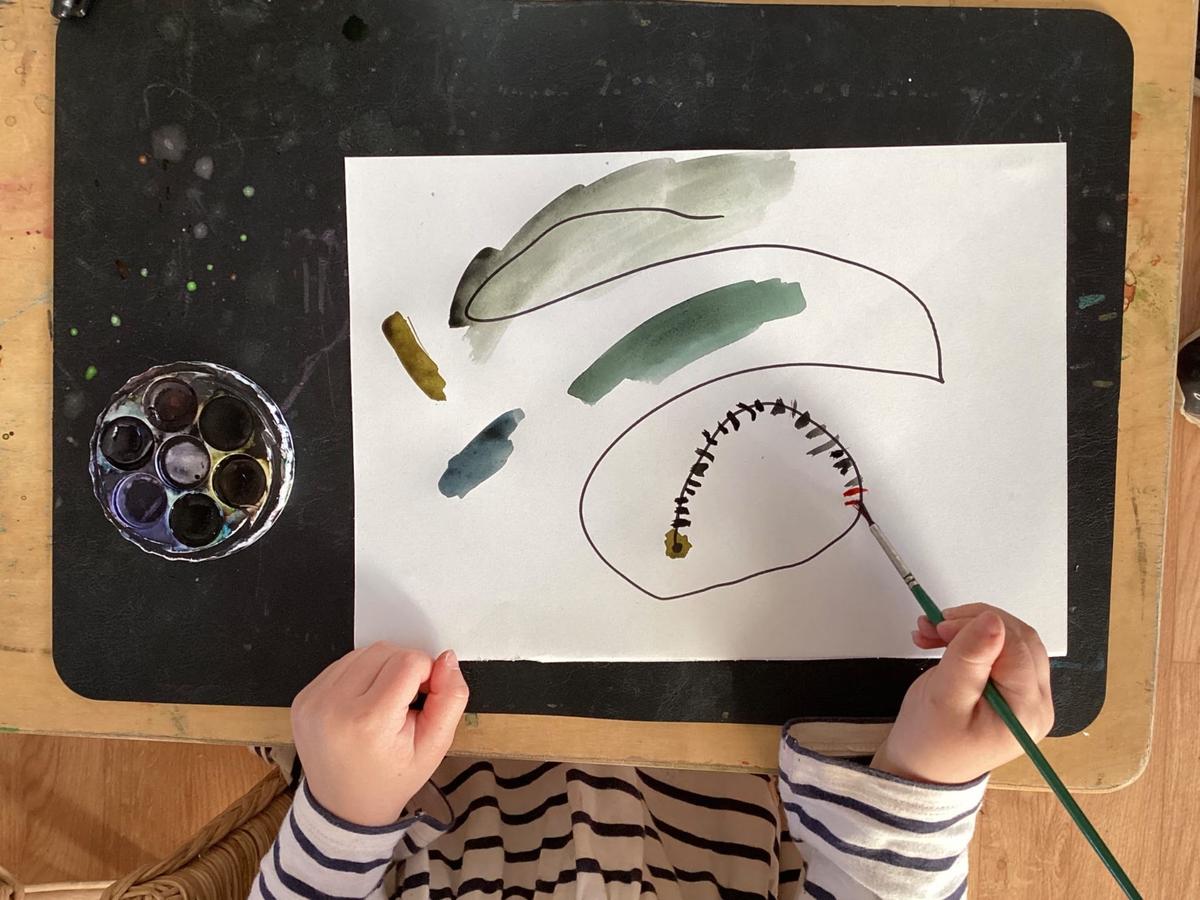
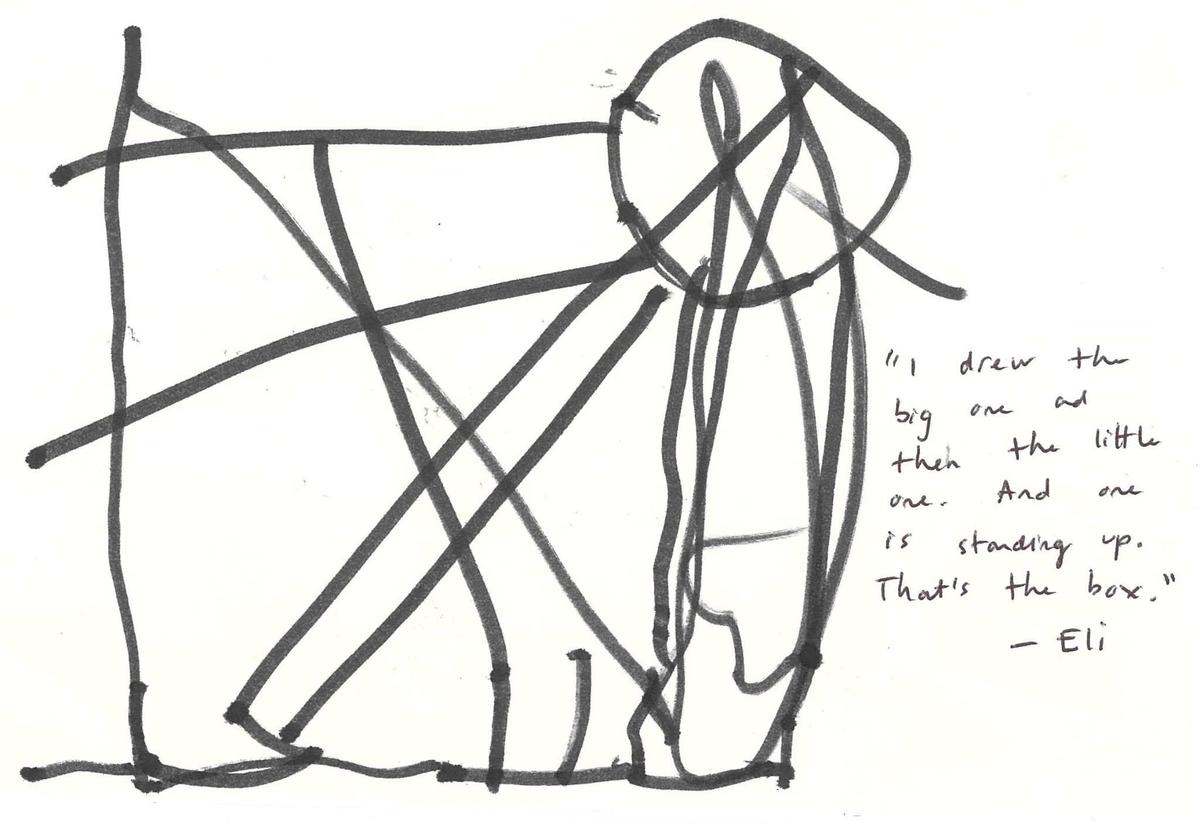
Across our rooms and in OSHC, we have focused on nurturing a deep sense of security and connectedness, so that every child feels held and known. We have worked intentionally to help children’s voices be heard, encouraging them to express their ideas, feelings and observations through mark making as a rich language in its own right.
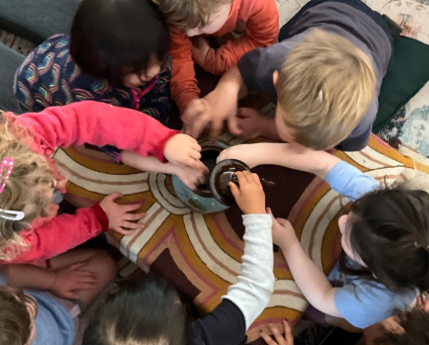
Meaningful rituals continue to anchor our days. In Waratah, the tea ceremony offers a moment of calm, connection and shared care. In Rose, singing together brings joy and a sense of belonging. In Nest, our youngest children are building beautiful connections with their peers, discovering new ways to express themselves through art and play. In OSHC, we are turning our attention to pace and presence. After a busy day at school, our focus is on creating space for children to simply be.
Teaching and Learning Kindergarten to Year 6
The feelings of Country – on, above and below …
Our journey began as a shared exploration – a collective leaning-in of hearts and minds. Through our partnership with Murdoch University in the Ecological Literacy Research Project, our 2026 Kindergarten children stepped into the natural world, not merely as observers, but as active participants. Together, we established a community of wonder about the natural world, within our Kindergarten space and during our excursions, training our eyes to notice the subtle, beautiful changes in the environment around us.
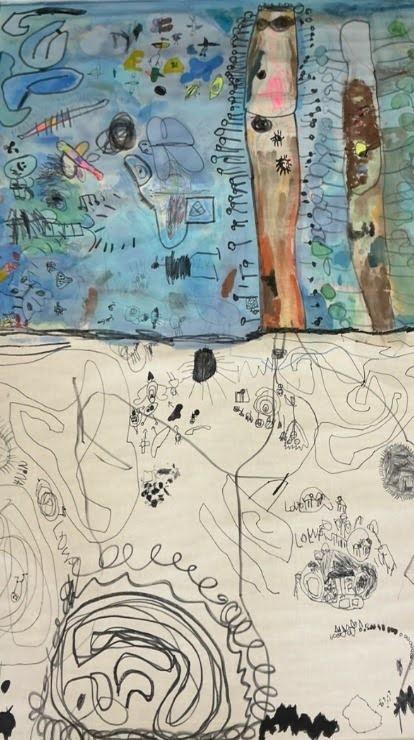
We intentionally examined the concept of ‘coexistence’ to begin to understand how children connect with nature, and how they impact and interact with one another. By researching alongside the children, we watched them bring their thoughts to life – weaving their discoveries together through rich dialogue, drawings, intricate designs, constructions and a shared language born of genuine curiosity and a collective desire to protect the world around them. Their knowledge came together in a large shared mural, drawn and painted by the children, called ‘Above and Below’ – a stunning example of the complexity of life observed by curious young minds.
“You can be kind, you can be smart! You can be clever! You can sometimes be 4 years old, but that's okay because everyone can be happy and alive. We have to look after this country. We need to look after everyone. Sharing and caring for the land and working together and sharing and co-operating.” Felix (4 years old)
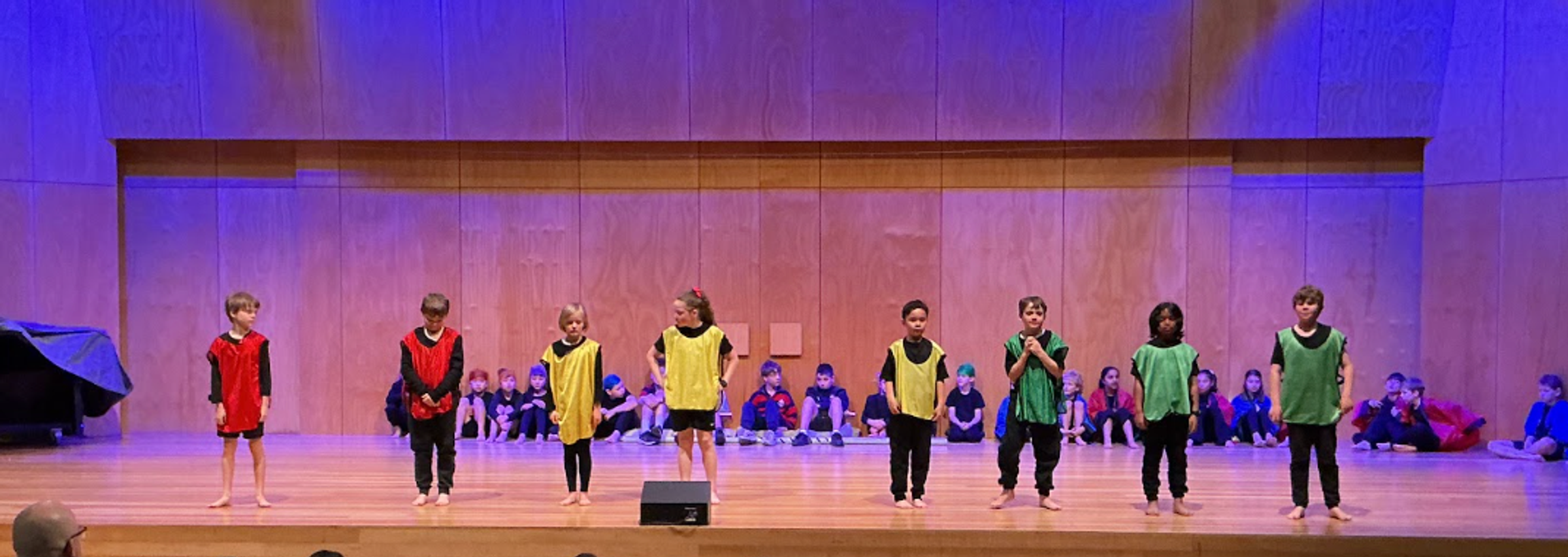
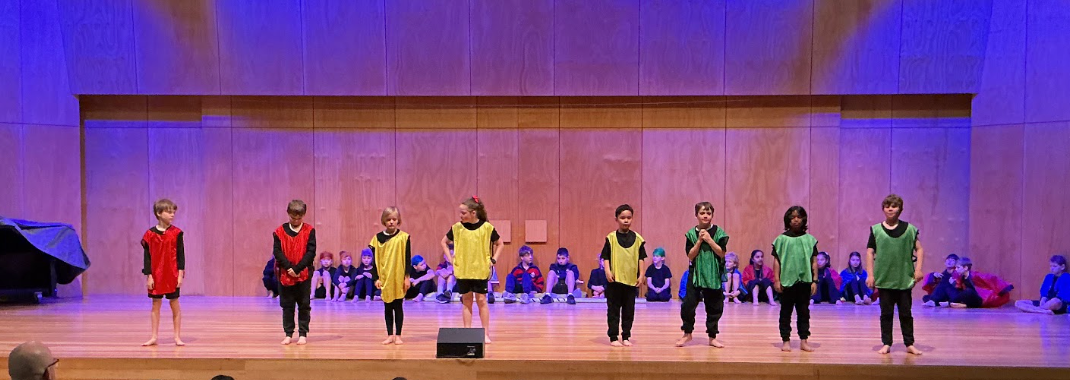
The Winter term is a time when relationships and routines are well established, and collaborative and conceptual learning is the focus of the classroom. Year 3 and Year 4 have explored the Primary Years Program transdisciplinary theme ‘How We Express Ourselves’, examining how Dance is a universal form that connects individuals and communities and how Human Expression is created through inspiration, imagination and creative design. This learning culminated in an ‘Expresstivale’, providing an opportunity for students to share their creativity and performances with the community and their families.
Year 5 have been engaged in scientific inquiries, provoking and guiding them to understand how the world around them works.
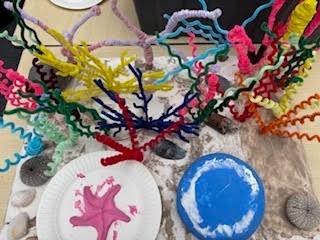
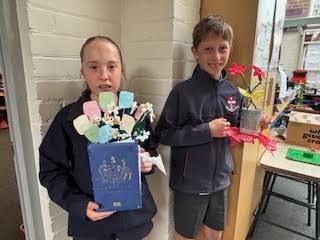
The Primary Years Program culminates in Year 6 with the PYP Exhibition. Students have been busily inquiring into how Understanding Our Interconnected World Empowers Us to Act with Wisdom, so Communities Can Flourish Together in Peace. They have selected a Core Value and explored how this value inspires and motivates people to work together in organisations, to act with wisdom and flourish together in peace. As a creative component, students have designed and created individual installations that reflect their core values and support the concept of flourishing.
Incursions
Each year, we have numerous incursions where members of our local community share their experiences, skills and knowledge with our students. This term, Terrapin Puppets presented their ‘Space Neighbours on Uranus’ show to our Prep to Year 4 children, delighting them with a non-verbal performance, creative characters and inspiring messages around coexistence, belonging and our planet.
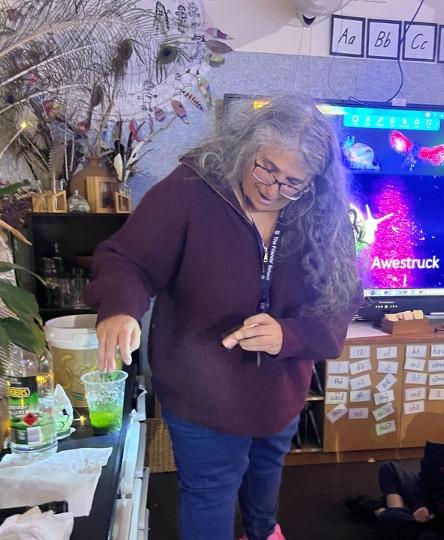
As part of the Light inquiry, Prep children were excited to welcome Dr Lisa Gershwin, an expert in all things luminescent, into our classroom. Lisa taught us about the differences between bioluminescent and biofluorescent creatures, bringing these concepts to life with some incredible photos and demonstrations. We were captivated by the weird and wonderful ways creatures can glow and light up the natural world.
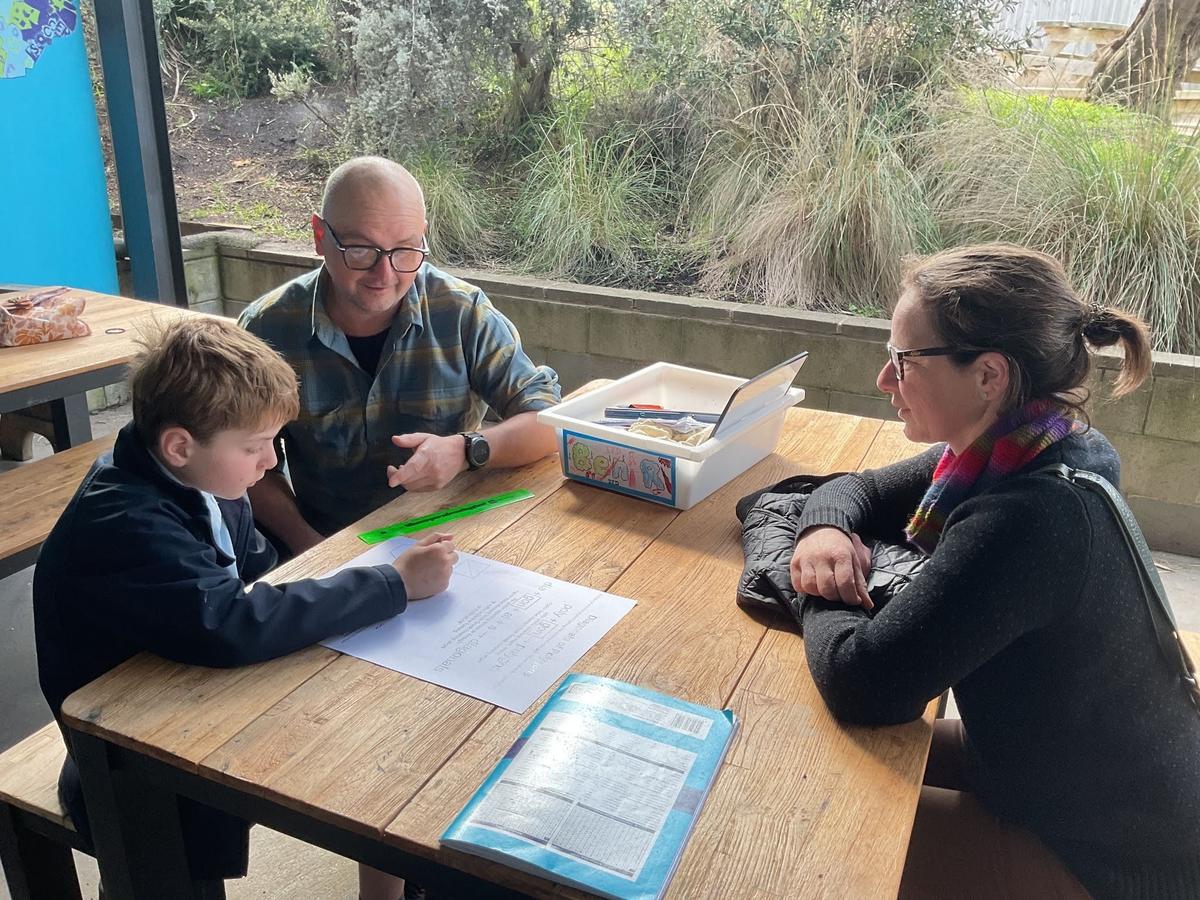
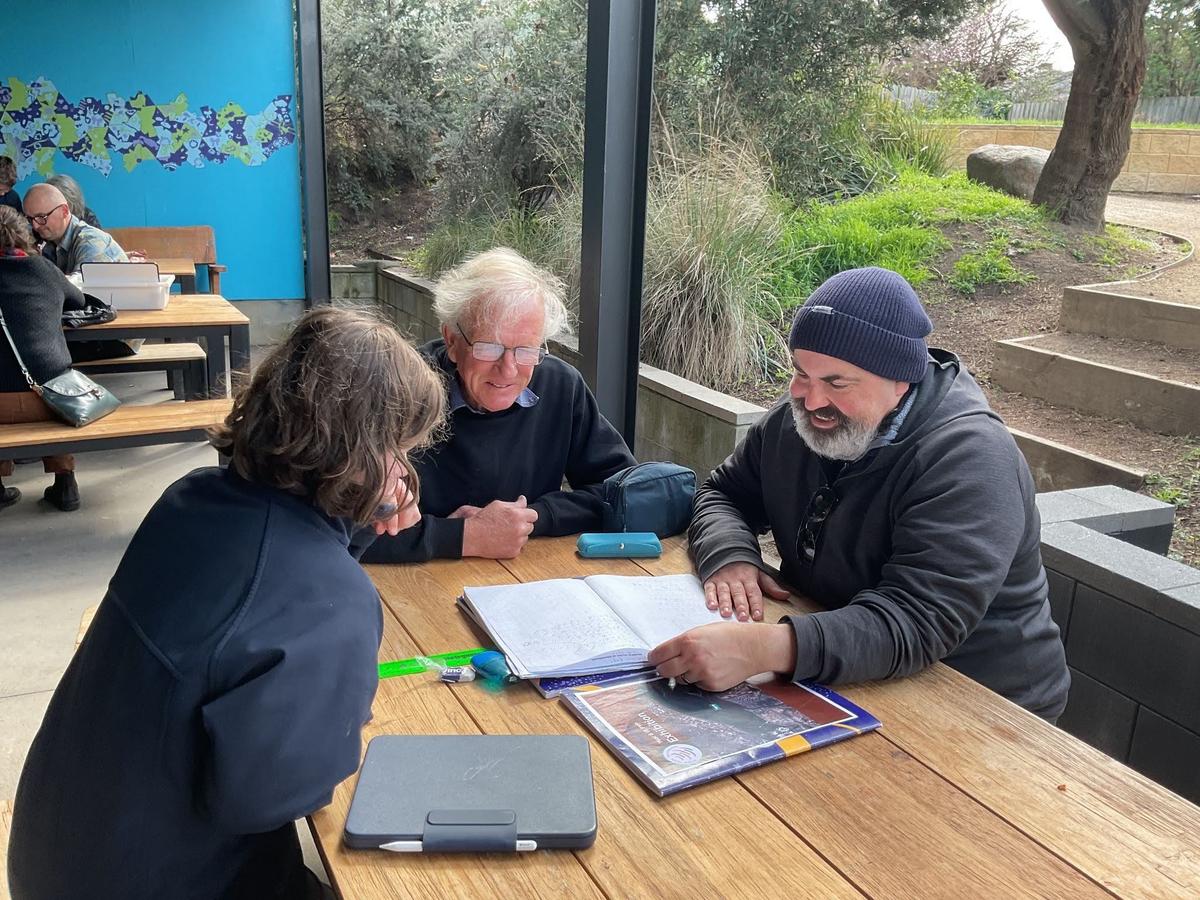
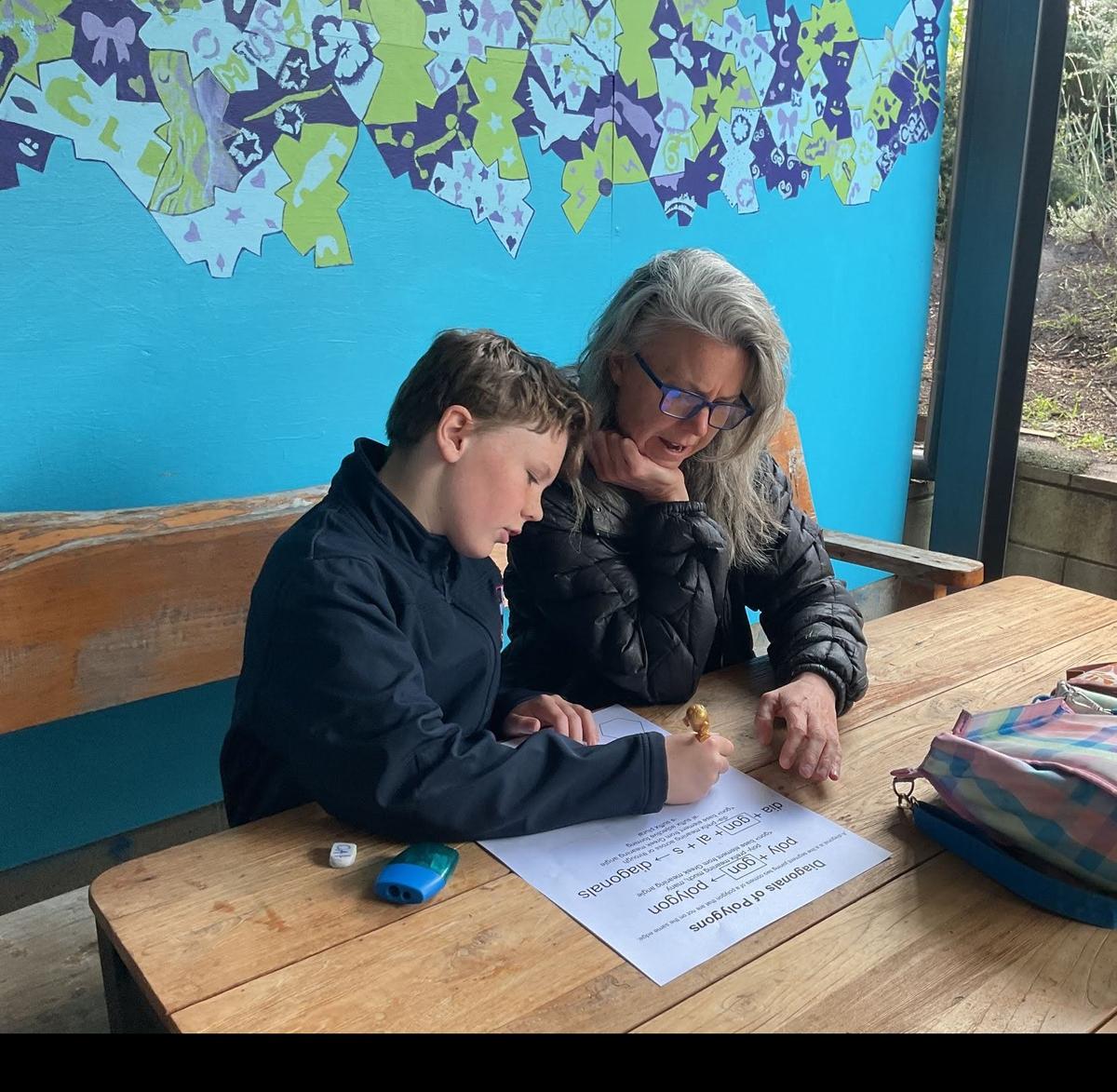
Year 6 parents were invited to be part of the PYP Exhibition process. Rather than a semi-formal discussion, families were invited into classrooms to discuss and contribute to student inquiries. They provoked their child’s thinking and assisted with creative responses, editing and even potting plants to flourish.
Kitchen Garden
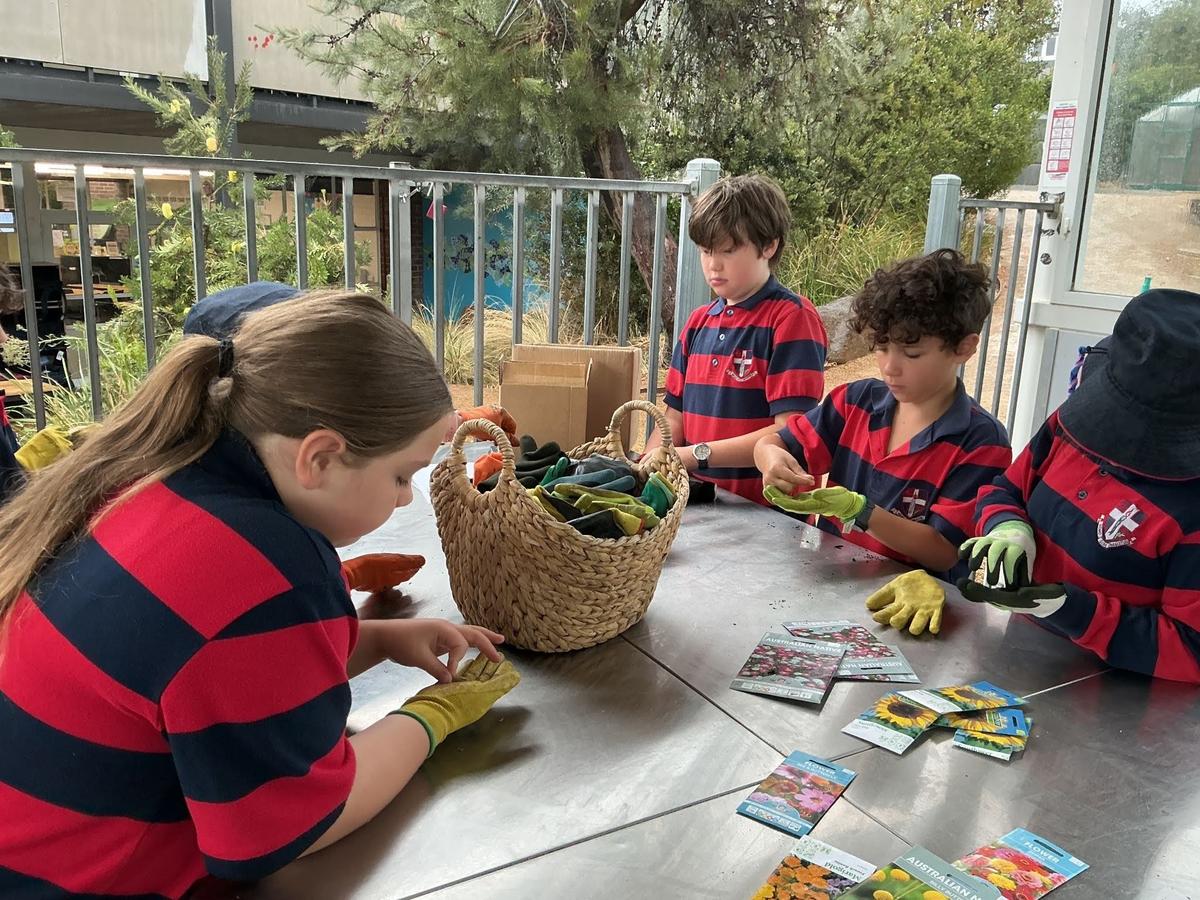
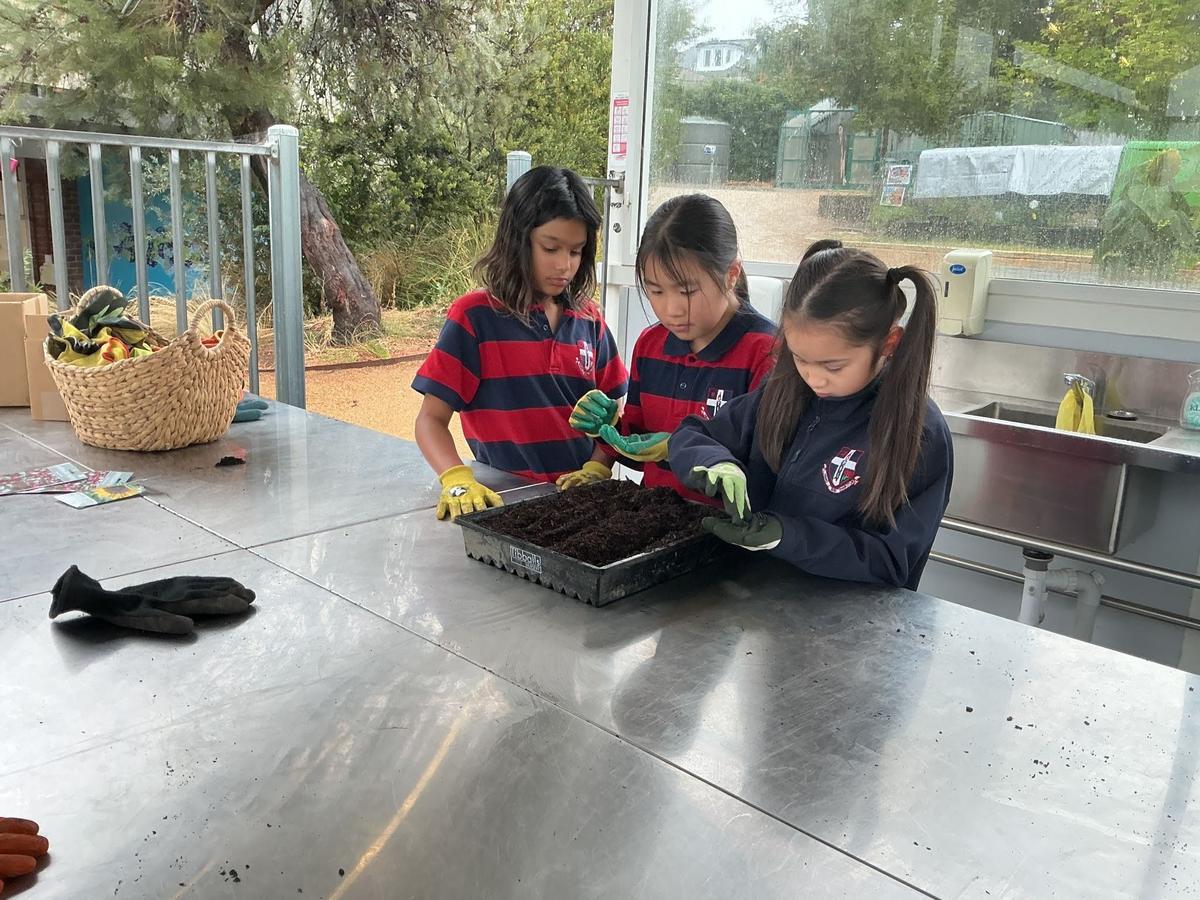
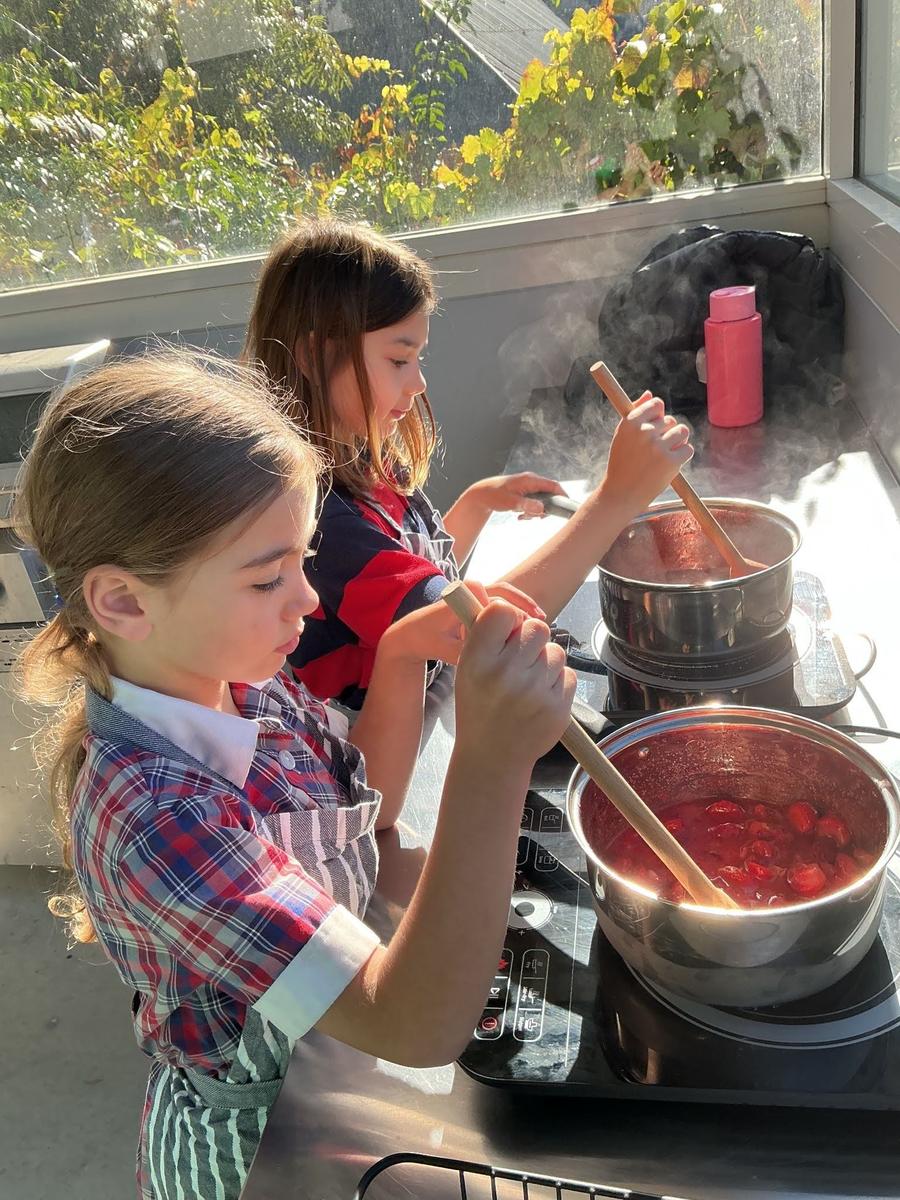
The Kitchen Garden Program has been a lovely way to bring students’ Units of Inquiry to life through practical, hands-on experiences. During our inquiry into Ancient Civilisations, students explored how people developed irrigation systems to grow food and considered how we might sustainably water our own garden. Our ‘How We Express Ourselves’ inquiry has also extended into the garden, with students learning about how bees use waggle dances to communicate and creating their own dances to express ideas. Across gardening and cooking experiences, sustainability remains a strong underlying theme, helping students develop an appreciation for food, nature and our responsibility to care for the environment.
Art
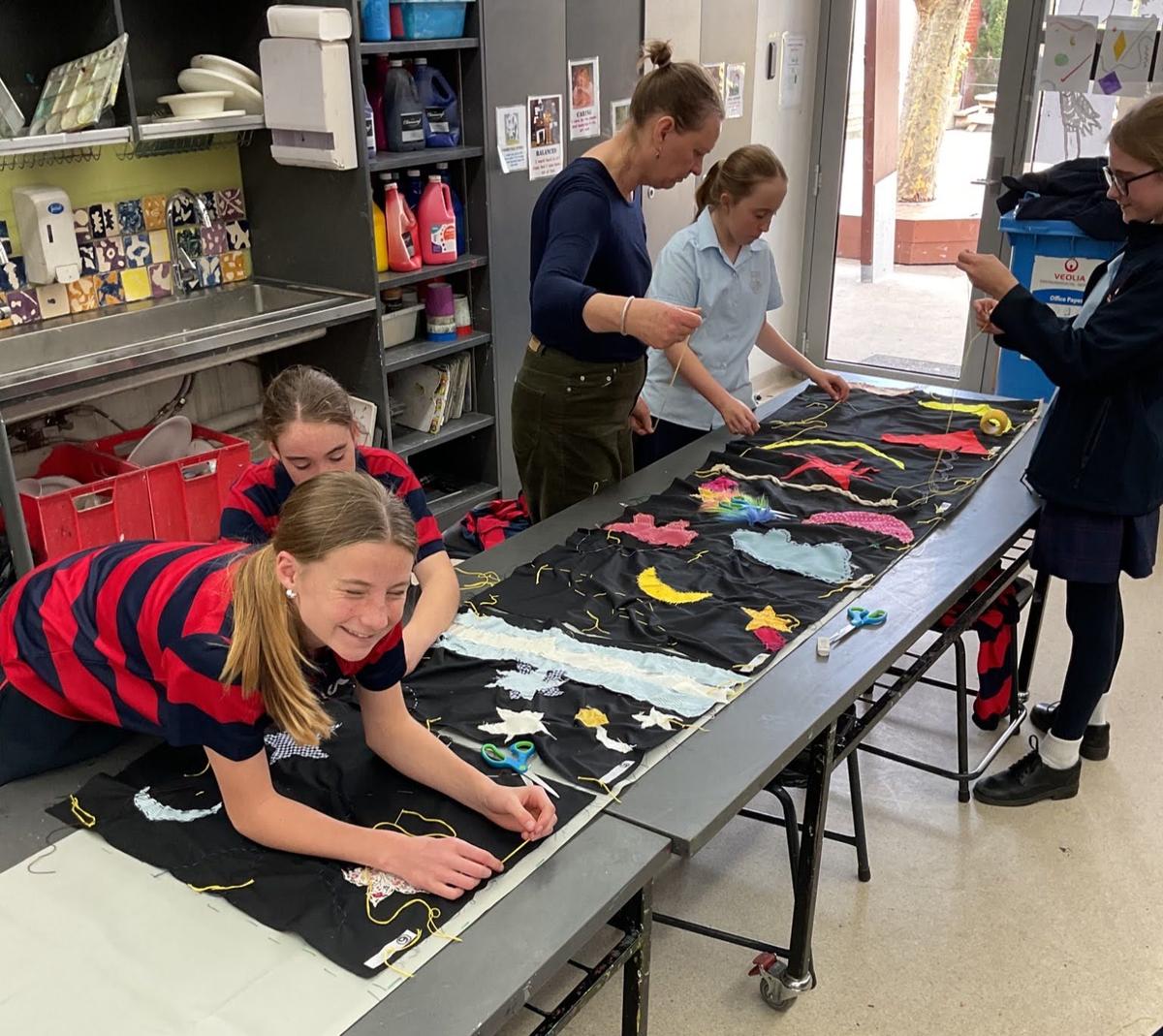
The art room has been a busy and creative place throughout Term 3, with students across the school exploring a wide variety of materials, ideas and artistic processes.
The Year 6 students have been working on a special and secret collaborative artwork for their upcoming Year 6 Exhibition. They are now moving on to creating functional ceramics, with designing, planning and reflecting being important skills throughout this unit of inquiry.
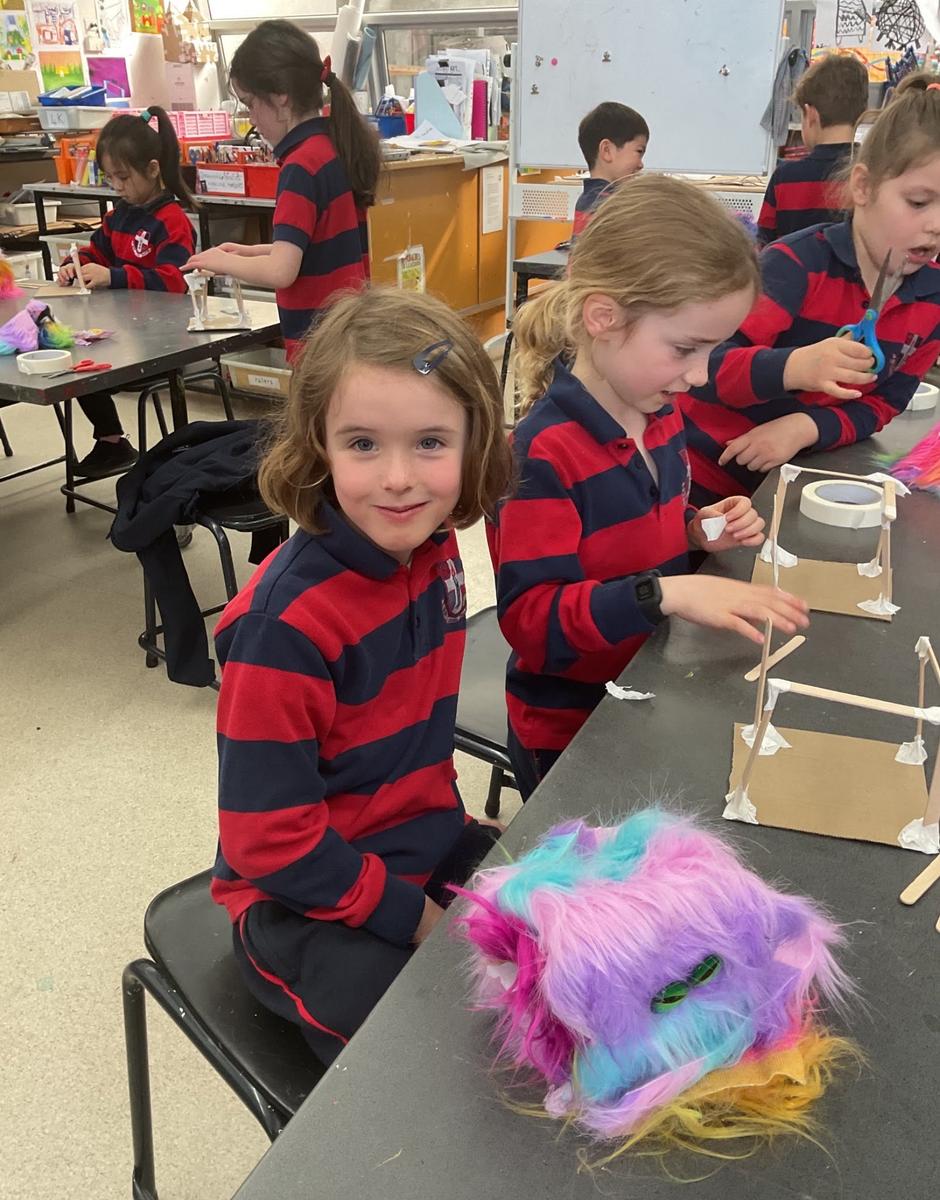
Year 1 students have been exploring the many approaches to creating sculpture. From paper and papier-mâché to clay armatures and soft, fluffy sculptures, students have been experimenting with different materials and techniques while developing their understanding of three-dimensional form.
Year 3 students have been showcasing their technology skills by creating animations inspired by the movement of animals. They have carefully observed how animals move and used these observations to bring their animations to life, while exploring the theme of connection to complement their fabulous Expresstivale performance.
Year 5 students are in the process of designing paintings that explore life from the perspective of someone other than themselves. They have been considering human, environmental and animal ‘needs’, encouraging them to think deeply about different perspectives and how these can be communicated through art.
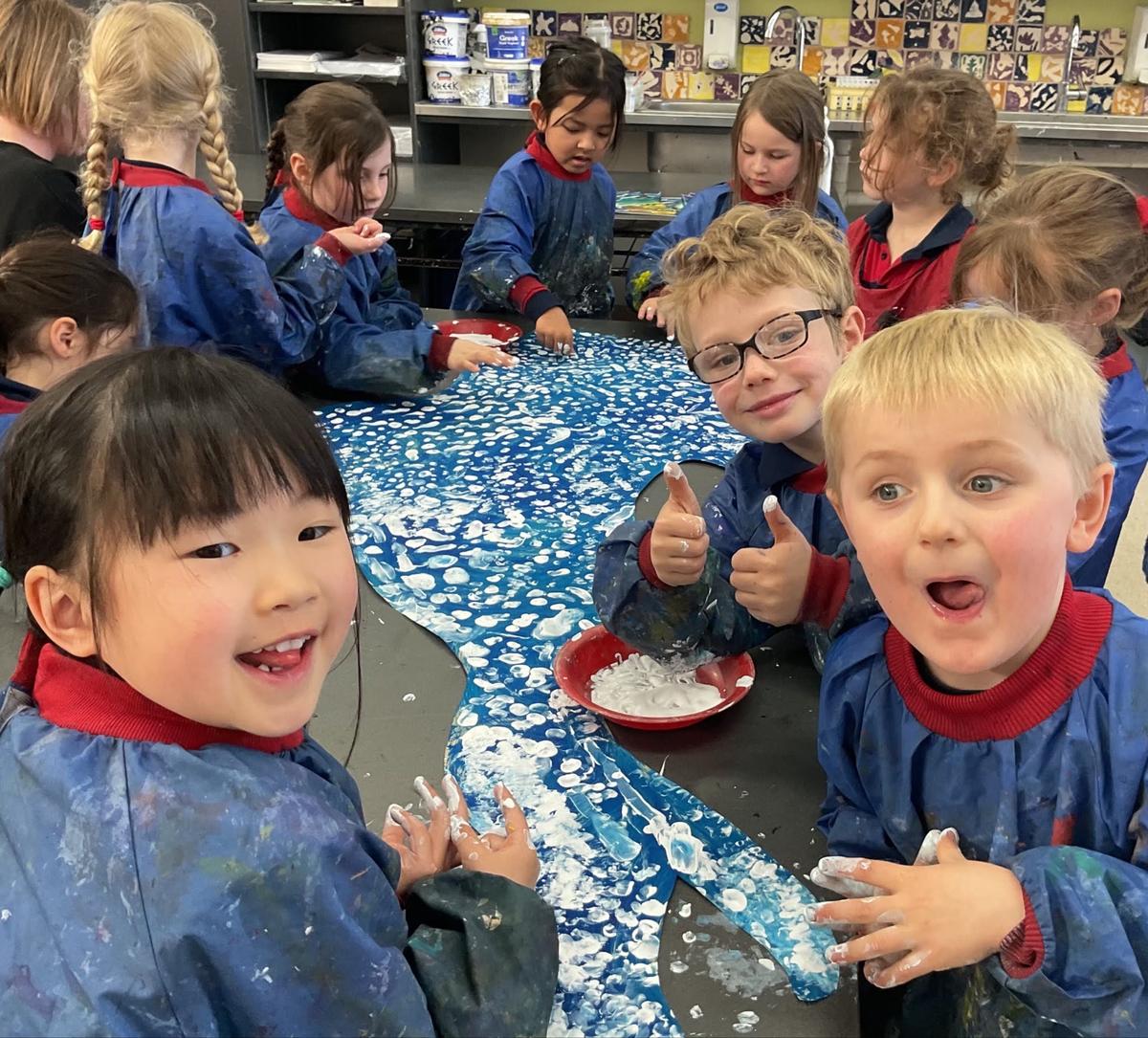
Some lucky students also visited the art room for Book Week to learn about the different plants and animals from Ningaloo. They sketched animals from different environments, and the Prep students used their unique fingerprints to create patterns on a whale shark.
Music
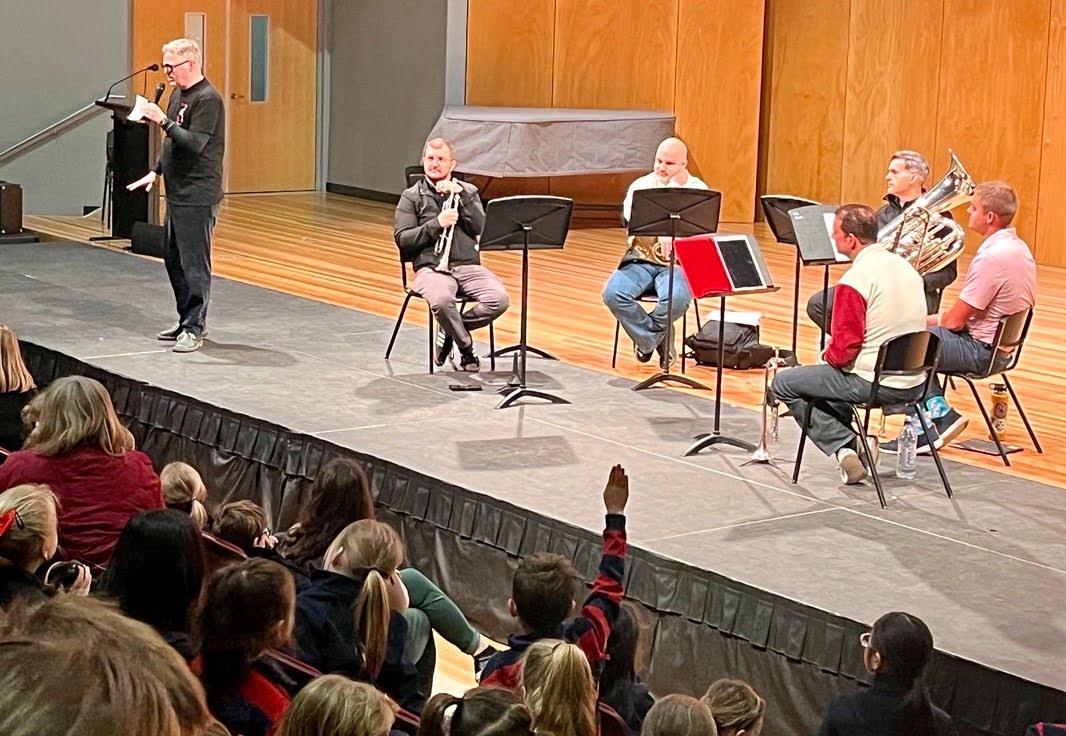
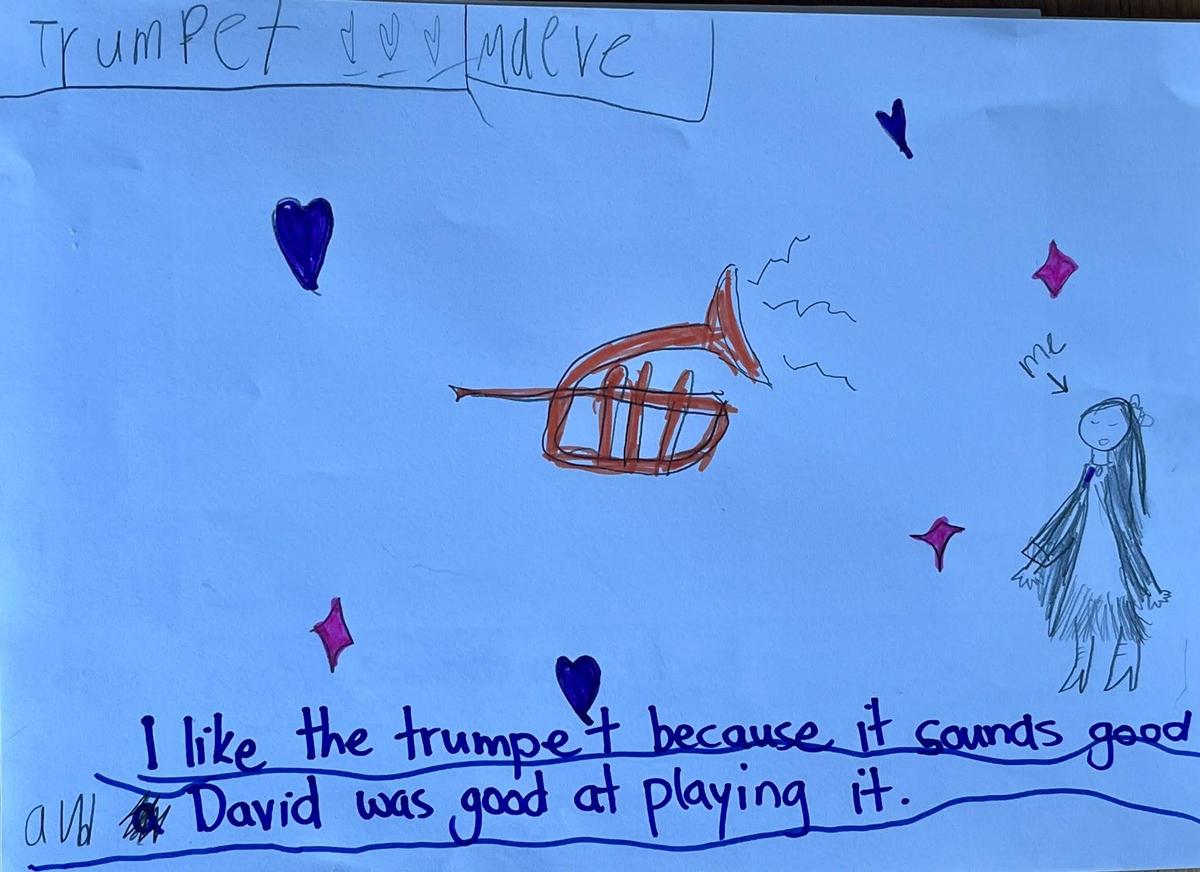
The music department has been very busy this term with several concerts and events. In Week 1, we welcomed the West Texas A&M University Brass Quintet to our school for a week of performances and workshops. Our Year 6 Development Band performed with these professional musicians at a school concert and again learned some new skills from them in a band rehearsal workshop. The Texas musicians also shared an interactive concert with all classes from Prep to Year 6. Our Prep and Year 1 students reflected on their concert and created some ‘fan mail’ to give to the musicians.
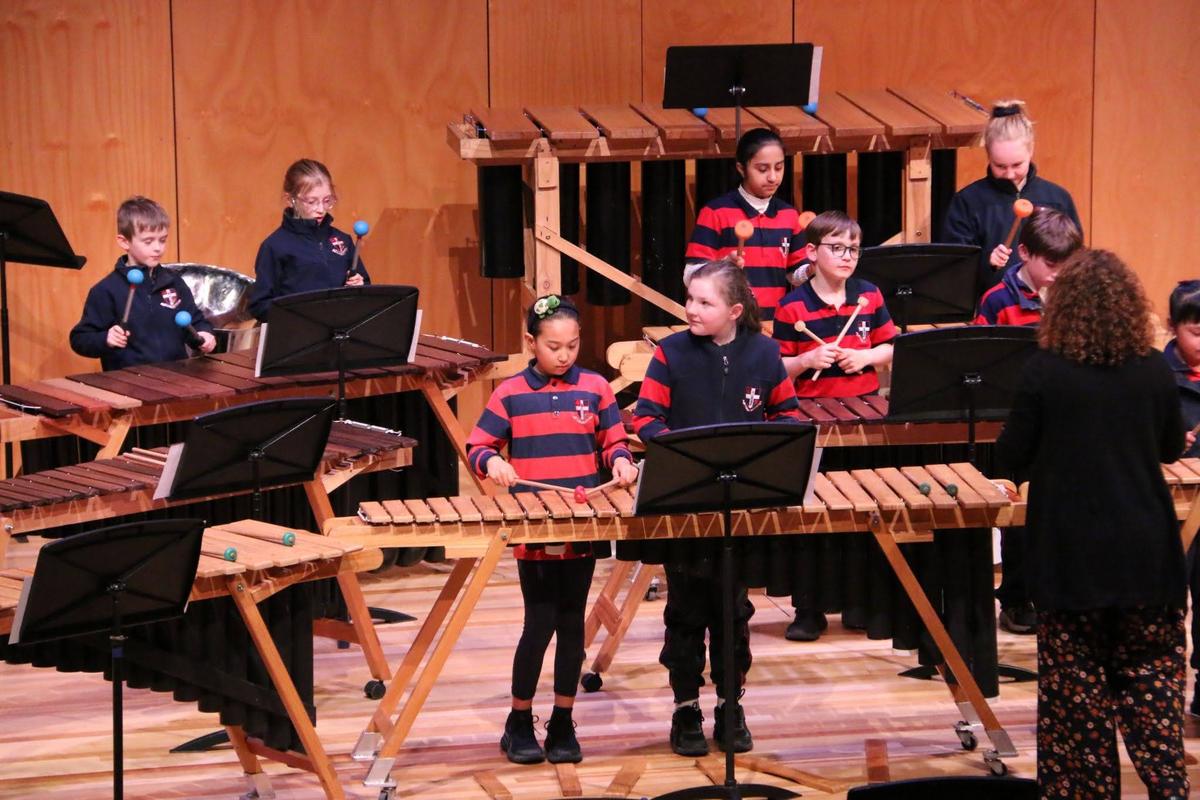
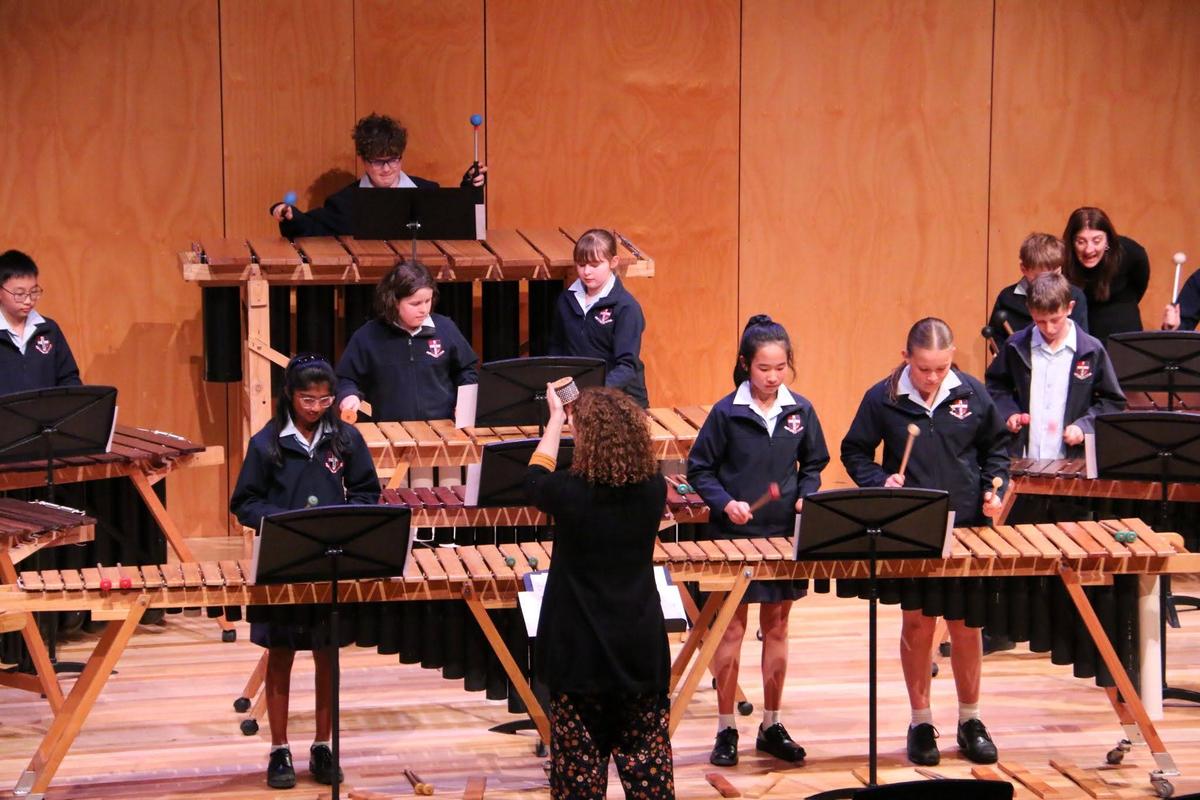
Also this term, our Year 3–6 Marimba Ensembles performed two pieces each in the annual school marimba concert. This was a highly engaging concert showing the development of marimba skills from our beginning group of Year 3 right through to Year 12. The Primary School children particularly enjoyed playing on the ‘super bass’ marimba that belongs in the Senior School!
Japanese
Students have immersed themselves in Japanese culture through festivals, light, sound, art, stories, dance, Kabuki and everyday traditions. We have explored values such as gratitude, respect, cooperation, care for others and appreciation of the natural world. From making and creating to moving together in Bon Odori, students have experienced how Japanese traditions bring people together, celebrate the seasons and strengthen a sense of community, belonging and shared responsibility.
A huge shout-out to all the Year 3 to Year 6 students who had the courage to enter the 2026 Japanese Speech Competition and share their exceptionally high-quality speeches. Great job! Finally, we are excited to share some of our learning through dance and performance to celebrate as a community in a small matsuri (festival) at Assembly in the last week of term.
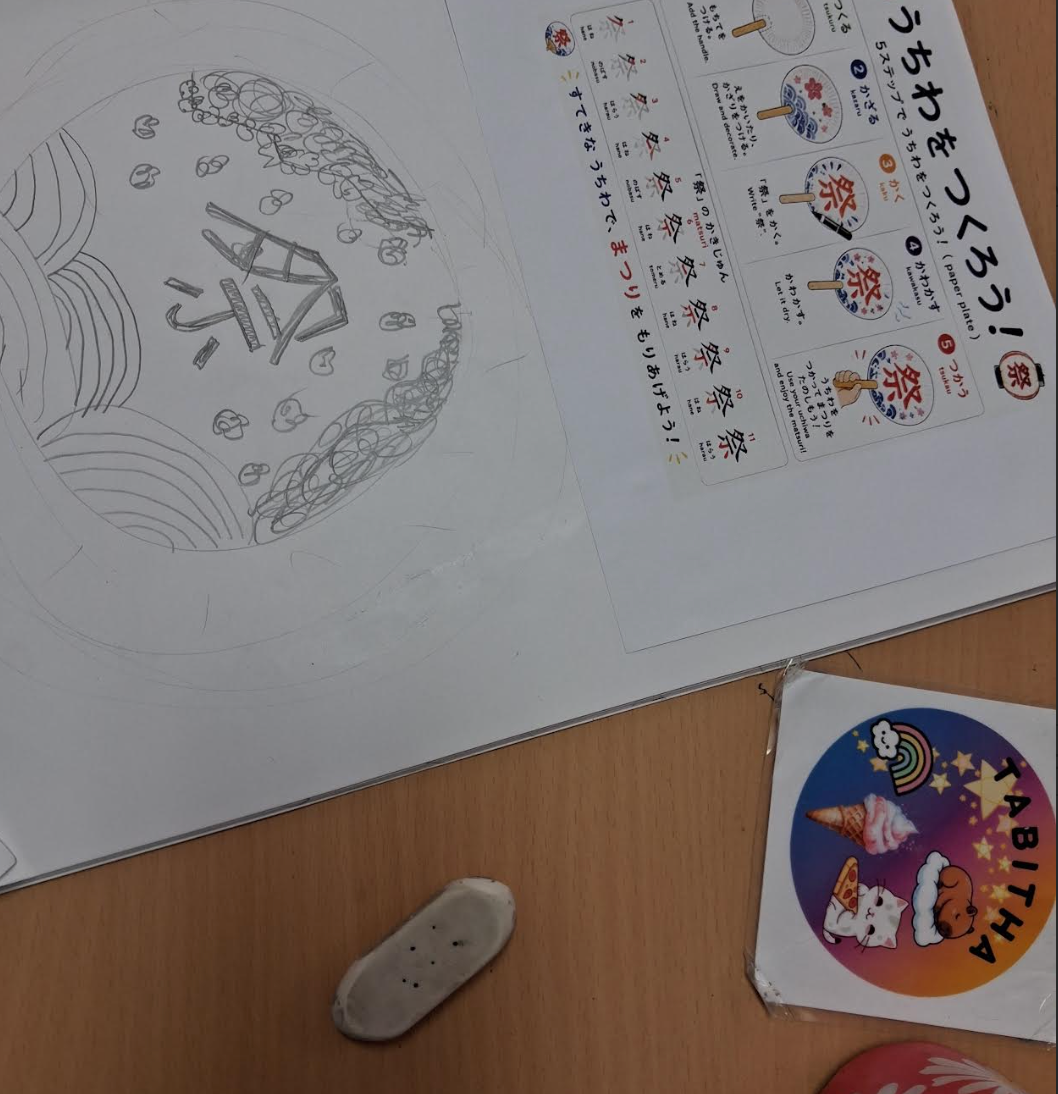
Matsuri Fan Making, Year 3
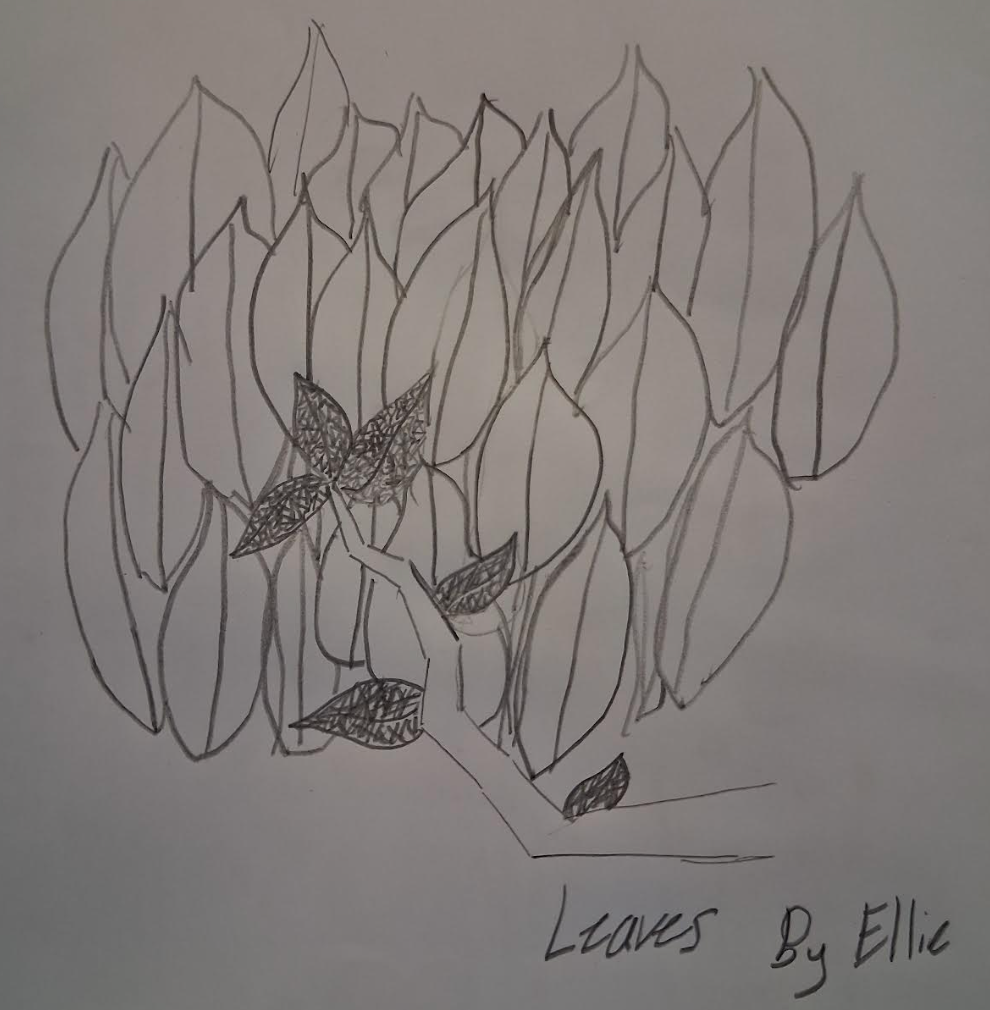
Observing and recording Patterns in Nature, Year 2
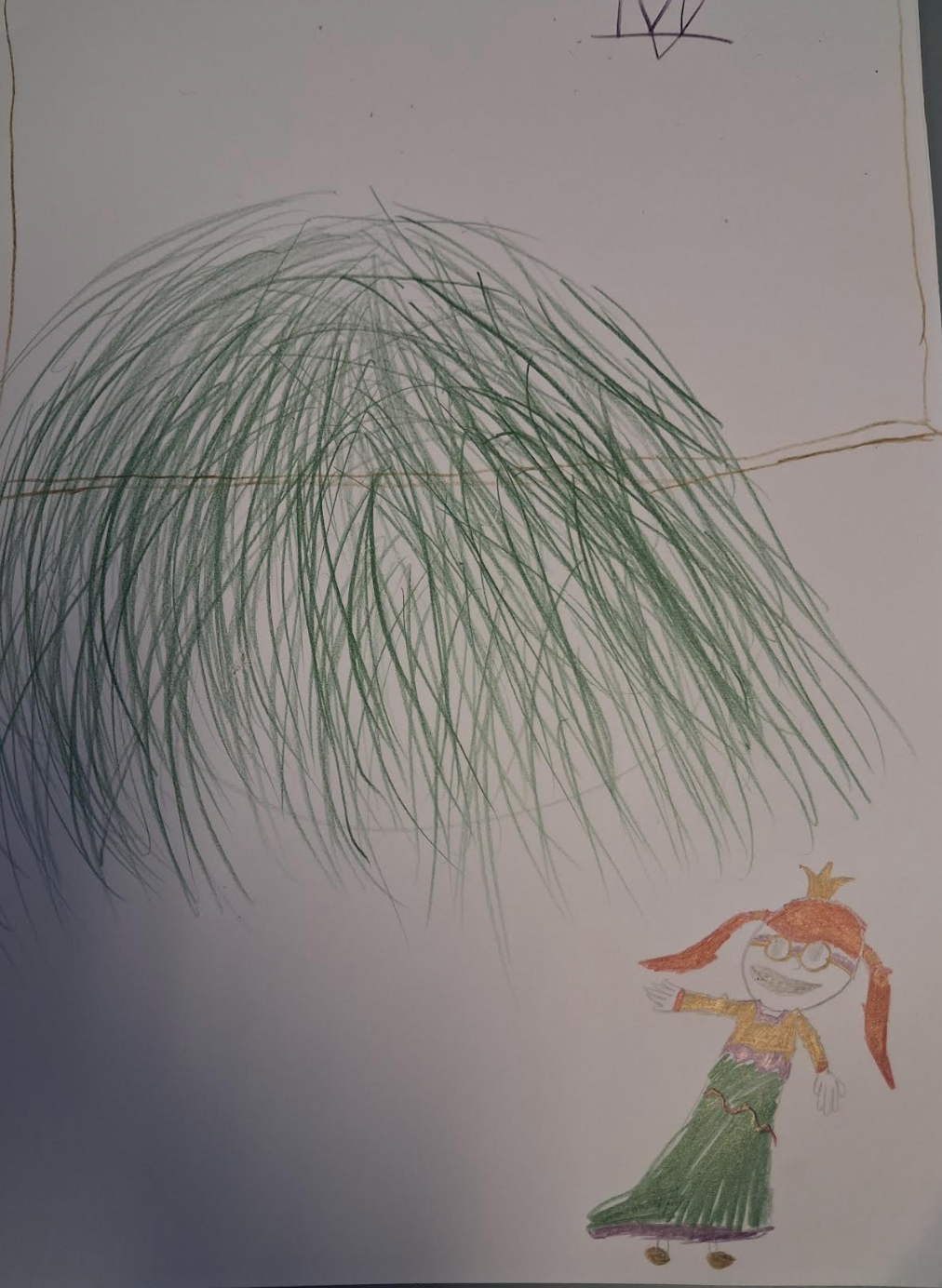
Observing and recording Patterns in Nature, Year 2
Matsuri Fan Making, Year 3
Observing and recording Patterns in Nature, Year 2
Observing and recording Patterns in Nature, Year 2
Library
Book Week brought five days of joyful celebration, uniting our Primary School community through the power of literature. Highlights included multiple story sessions each day and a lively Assembly with three books and creative performances combining storytelling, music, movement and light. Teachers crossed campus each morning to read to other classes, while parents joined during breaks. On Friday, Year 5 and Year 6 students led read-aloud and creative sessions for Kindergarten–Year 4, alongside specialist activities in Art, Music, PE and Library. Across the week, our community connected, created, imagined and strengthened through shared stories and experiences.
Co-Curricular Clubs
The co-curricular clubs continue to be a thriving component of students’ daily lives, with the Dance Club being a wonderful addition this year, providing students from Years 4 and 5 with the opportunity to develop their confidence, creativity and performance skills. In Term 2, Year 5 students were taught a routine to Rain on Me, which they performed at the Southern Tasmanian Dance Eisteddfods with enthusiasm. This term, our Year 5 students are now using their newly developed dance skills to choreograph and teach a dance to our Year 4 students – we can't wait to see their finished routine!
Our Prep to Year 3 students have been putting their computational thinking skills into action at Tinker Club, coding Bee-Bots and Dash robots to solve challenges, test ideas and bring their programming to life. From coding robots through mazes to discover hidden jewels to designing their own obstacle courses and then programming robots to successfully navigate them, students are developing creativity, collaboration and confidence as they plan, program, test and refine their solutions. There have been plenty of moments when the robots haven’t quite followed the plan, but that’s where the real learning happens, with students showing resilience and teamwork as they debug their code, learn from mistakes and try again!
Japanese Ninja Club is proving very popular with our younger students, where the number one rule is to be kind and to make plenty of congratulatory noise! With 20 to 30 children cheering each other on, there is certainly no shortage of excitement as they battle it out for a spot on the leaderboard. The online reading game challenges students to recognise hiragana, the Japanese script, and even if they don’t make it into first, second or third place, everyone celebrates each other’s efforts and achievements. Ganbaro, Ninjas! Keep up the great work!
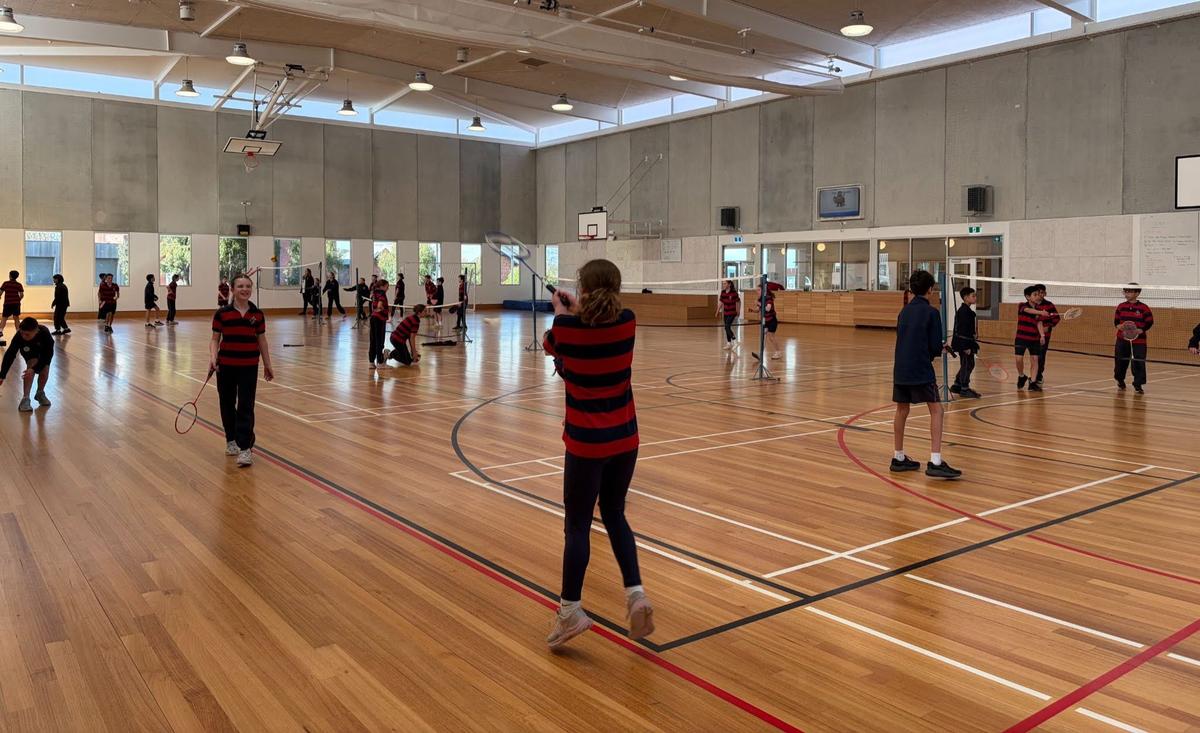
Students from Years 3 to 6 have enjoyed the opportunity to participate in a variety of sports in The Revell Centre at 1.40 pm each Wednesday this term. Badminton, pickleball, volleyball, table tennis and basketball have all been on offer and have proved very popular. These sessions have provided students with a fun and active way to enjoy their break time, develop their sporting skills and, most importantly, spend time playing and connecting with friends.
Conclusion
As we continue through the remainder of 2026, may we remain focused on the opportunities for learning and growth that each day brings. By listening with curiosity, responding with kindness and embracing challenges, we create the conditions for our young people to learn, contribute and flourish as members of our community.

Mark Febey - Head of Primary School (Early Learning to Year 6)