
Director of Wellbeing Update
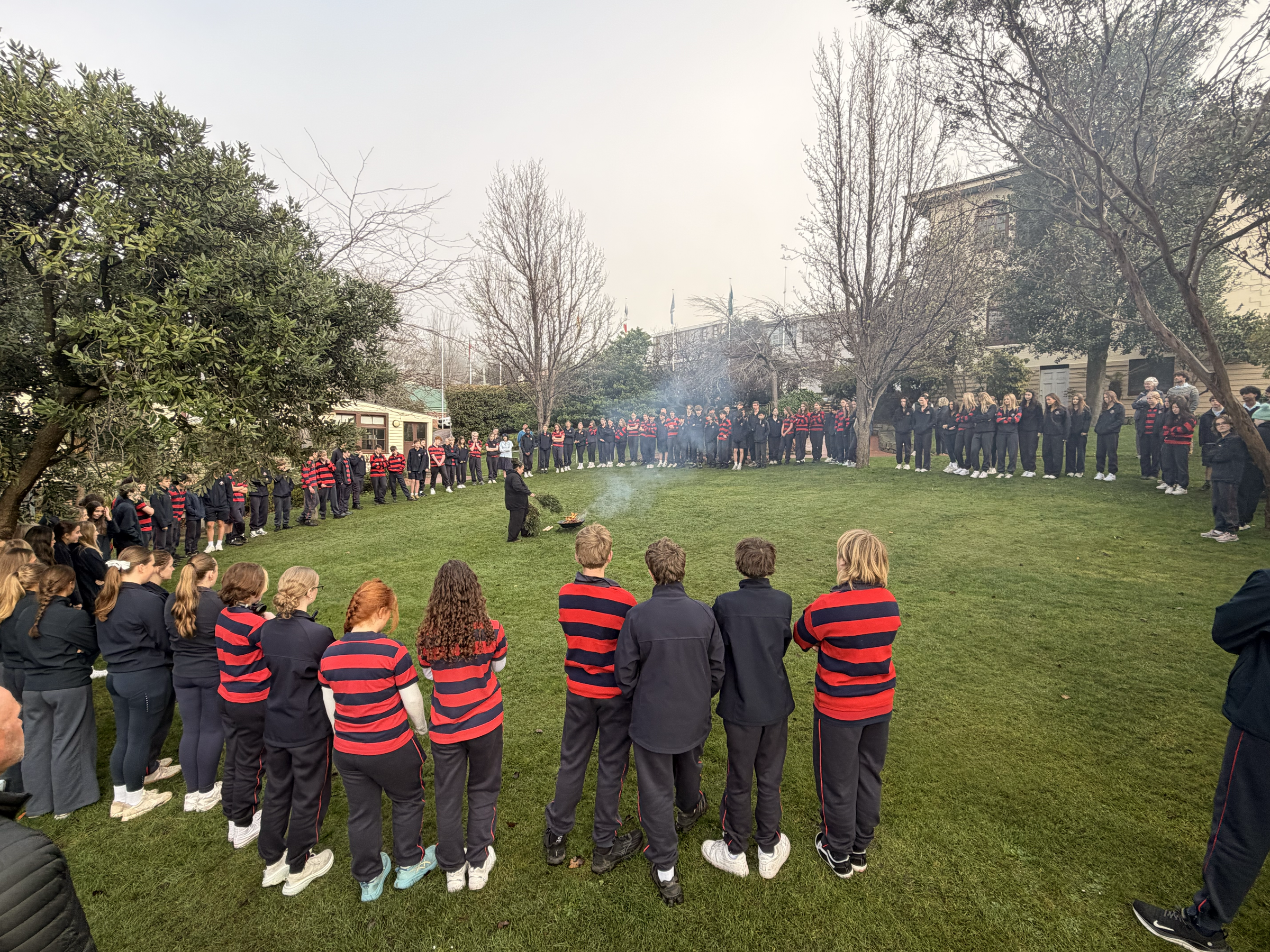
Walking Together: Connections, Wellbeing and Community
As we reflect on The Friends’ School Wellbeing Week (7–11 September), it is a timely moment to consider how deeply connected our emotional health is to the ways we respect, support and care for one another. True wellbeing does not exist in isolation. It thrives when every member of our school community feels valued, heard and seen. This sense of collective care lies at the heart of our ongoing refresh of the School’s Reconciliation Action Plan (RAP).
Our RAP is more than a policy document; it is an active, living commitment to truth-telling, respectful relationships and meaningful action. As we reflect, review and refine our RAP for 2027, we are examining how our daily habits and school culture reflect First Nations perspectives of holistic wellbeing.
In Indigenous cultures, wellbeing is deeply tied to connection: connection to Country, to culture and, critically, to Community. When we look out for one another, show active empathy and foster spaces of genuine belonging, we live out the core principles of Reconciliation.
Reconciliation is not an abstract concept reserved for special calendar events. It is a daily, relational practice built on small, intentional choices.
Listen with Intent (Dadirri) – from the Ngan’gikurunggurr and Ngen’giwumirri languages of the Aboriginal peoples of the Daly River region in the Northern Territory:
- Deep Listening: You listen beyond words. You use quiet attention instead of asking questions.
- Inner Stillness: You find a calm space inside yourself. You wait in silence.
- Connection: You reconnect with yourself, other people and the land.
- Patience: You let things follow their natural course, like the changing seasons.
Deep, quiet listening and thoughtful awareness are fundamental to both mental health and Reconciliation. Practise listening to your peers, teachers and First Nations voices with an open heart, without rushing to respond.
- Acknowledge and Include: Building a healthy community requires actively breaking down barriers. Reach out to those on the margins, challenge exclusionary behaviour and ensure our shared spaces are culturally safe and welcoming to all identities and backgrounds.
- Reflect on Place and Country: Grounding ourselves in nature is a proven way to support our mental wellbeing. Take a quiet moment outside to connect with the land we learn and play on, acknowledging the long history, wisdom and enduring custodianship of First Nations peoples.
- Engage with Truth and Learning: Growth happens when we stretch our perspectives. Take time to explore First Nations stories, histories and contemporary experiences, recognising that learning and unlearning are active contributions to healing.
Reconciliation is an ongoing journey of building and restoring right relationships, the very same foundation required to nurture a mentally healthy, thriving school. By walking this path together with empathy, respect and shared purpose, we strengthen not only our commitments to First Nations peoples, but the collective wellbeing of our entire school community.

Steven Purse - Director of Wellbeing