Student Wellbeing




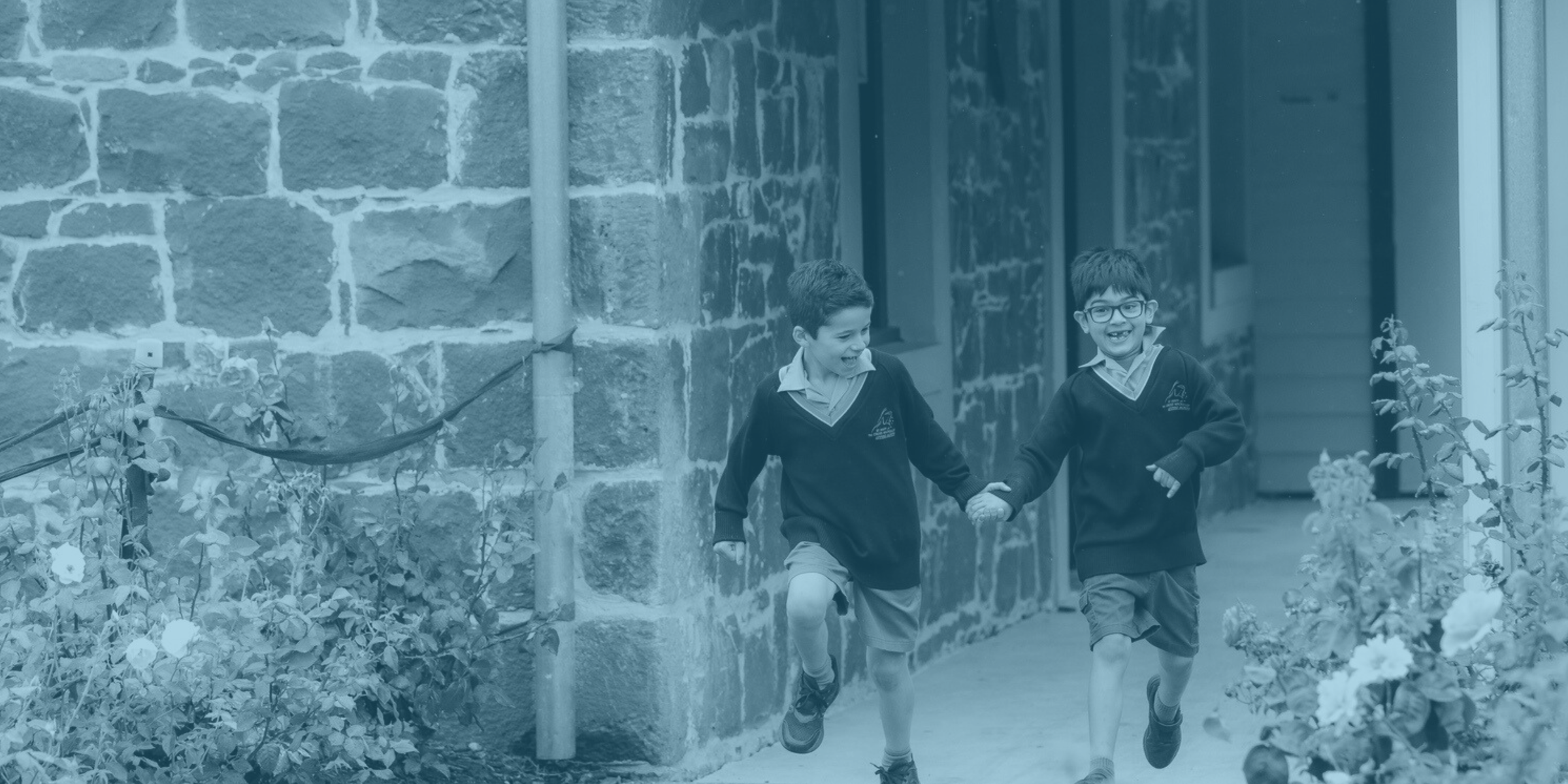
FRIENDSHIPS
Children can be friends one day and fall out the next.
Friendship groups can change. Children may disagree about rules in a game, change their minds or need space from one another. Part of growing up is learning how to work through these moments.
We can teach children to be kind, inclusive and respectful. We can help them navigate friendship challenges. However, we can't make children be best friends, insist that every child plays with everyone all the time or guarantee that a child will always be with their preferred friends. When children feel left out, games don't go to plan or children say things that are hurtful, these situations are shared with a trusted adult and supportive actions or strategies are put in place. Friendships promote a positive sense of self, help form a child's identity and connection to school.
This week, students have been asked to write down 5 friends who they believe help them with their learning and enjoy spending time with. When creating homegroups for 2027, the friendship lists, along with homegroups' academic needs, are considered in order to produce balanced homegroups. Students are guaranteed to have at least 1 friend from their list.
Child Safe Standard 9
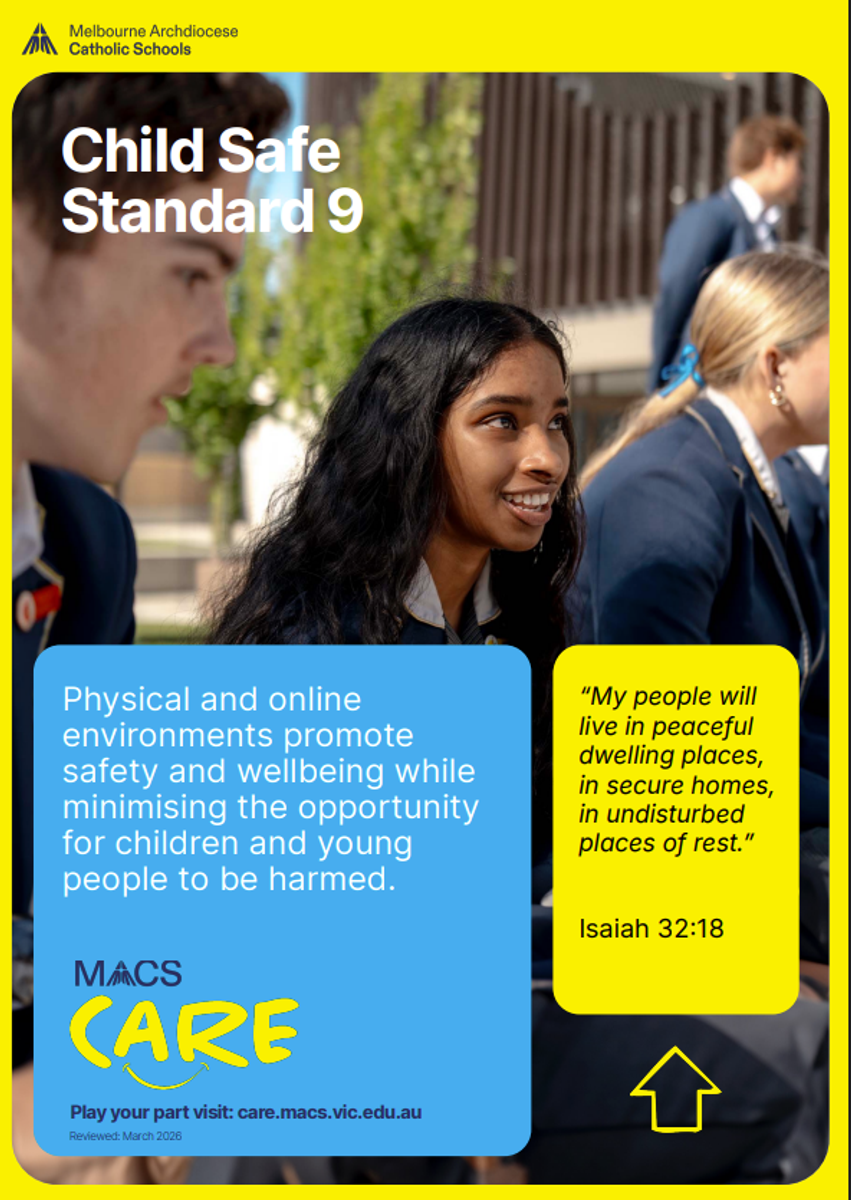
Physical and online environments promote safety and wellbeing while minimising the opportunity for children and young people to be harmed.
Children and young people are safest when the physical and online environments around them are intentionally designed to promote safety, wellbeing, and inclusion, while reducing opportunities for harm. Child Safe Standard 9 recognises that safeguarding is not only about how adults behave, but also about the spaces children occupy, the systems they interact with, and the digital environments they navigate each day.
When physical and online environments actively promote safety and wellbeing, children and young people:
- Are better protected from harm because risks are identified and reduced early
- Feel safe and secure in both school spaces and digital environments
- Experience clear expectations around behaviour, supervision, and technology use
- Are supported in environments that respect dignity, inclusion, and belonging
- Learn and flourish in school communities where safety is embedded into everyday practice
What we do at SMCM:
- Ensure classrooms, playgrounds, amenities, and shared spaces are well supervised, appropriately designed, and regularly reviewed to minimise risk.
- Establish clear expectations and safeguards around the use of digital platforms, devices, and online communication to protect children from harm.
- Ensure supervision arrangements are appropriate for different activities, settings, and age groups, including excursions and off-site activities.
- Regularly assess physical and online environments to identify hazards or emerging risks and take timely action to address them.
- Ensure environments are welcoming, culturally safe, and accessible for all children and young people, including those with disability and Aboriginal and Torres Strait Islander children.
To find out more about MACS approach to child safety visit: https://care.macs.vic.edu.au/child-safe-standards/
Lisa
Deputy Principal & Wellbeing Leader
lisa.heath@smcmeppingnth.catholic.edu.au
Jess
Deputy Principal & Learning Diversity Leader