Culture & Inclusion
Head of Special Education Services (HoSES)
Helping Children Include Others
One of the wonderful things about a school community is that it brings together children with many different personalities, strengths, interests and ways of experiencing the world.
Some children may communicate differently, find it difficult to join a game, become overwhelmed by noise or change, need extra personal space, or play in ways that others may not immediately understand. Sometimes these differences can be confusing for children, particularly when a peer responds or behaves in a way they weren't expecting.
These moments give us a great opportunity to teach kindness, empathy and inclusion.
At home, we can encourage children to be curious rather than critical. If your child says, “Why does he do that?” or “She always plays differently,” we don't necessarily need to have the answer. We can simply respond, “Everyone's brain works a little differently. Maybe that's what helps them feel comfortable or safe.”
We can also encourage our children to:
- Invite others in – sometimes a simple “Do you want to play with us?” can mean a great deal.
- Give people time – some children need a little longer to answer, join in or work out what to do next.
- Look for strengths – every child has something they enjoy, something they are good at and something they can contribute.
- Choose kindness – we don't have to completely understand someone's behaviour or differences to treat them with patience and respect.
- Seek help when needed – if a situation feels difficult or confusing, encourage children to ask a trusted adult for support rather than responding unkindly.
Perhaps one of the most important messages we can give our children is:
We don't all have to think, communicate, learn or play in the same way to belong.
When our children learn to see difference as a normal and valuable part of their world, we help create a school community where every child has the opportunity to feel known, valued and included.
Cultural Committee
Meemunggee
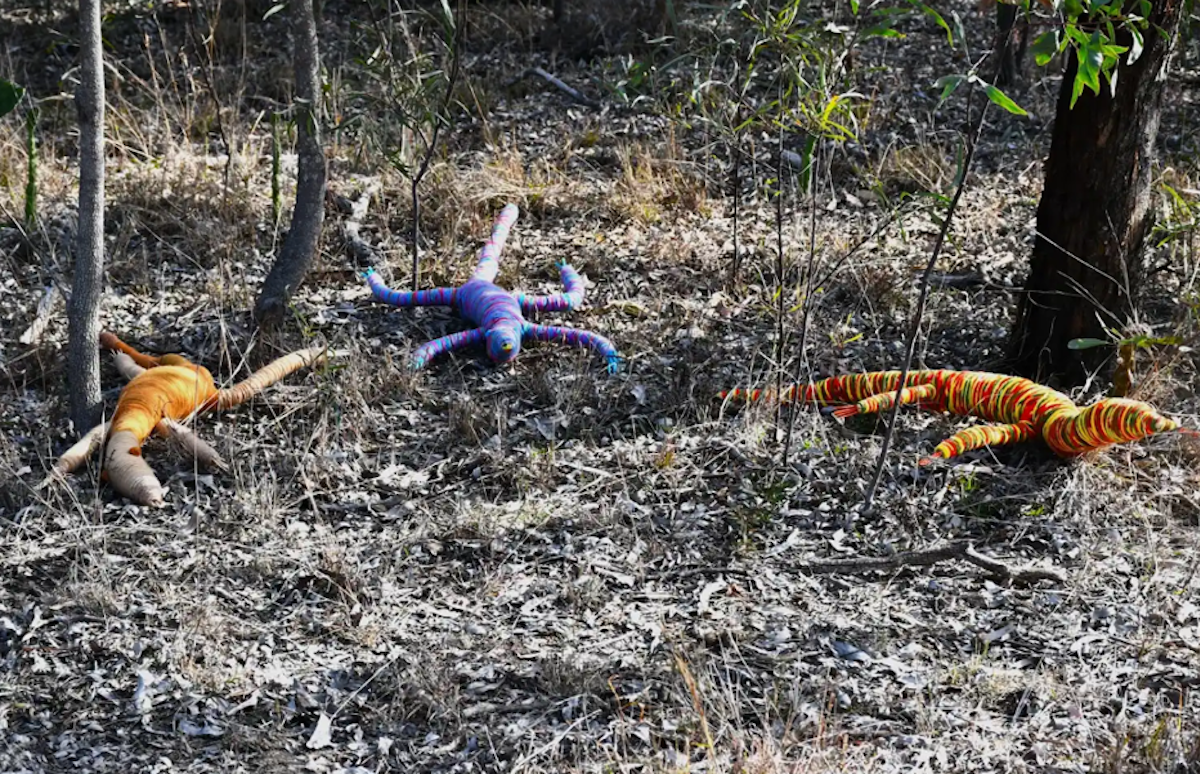
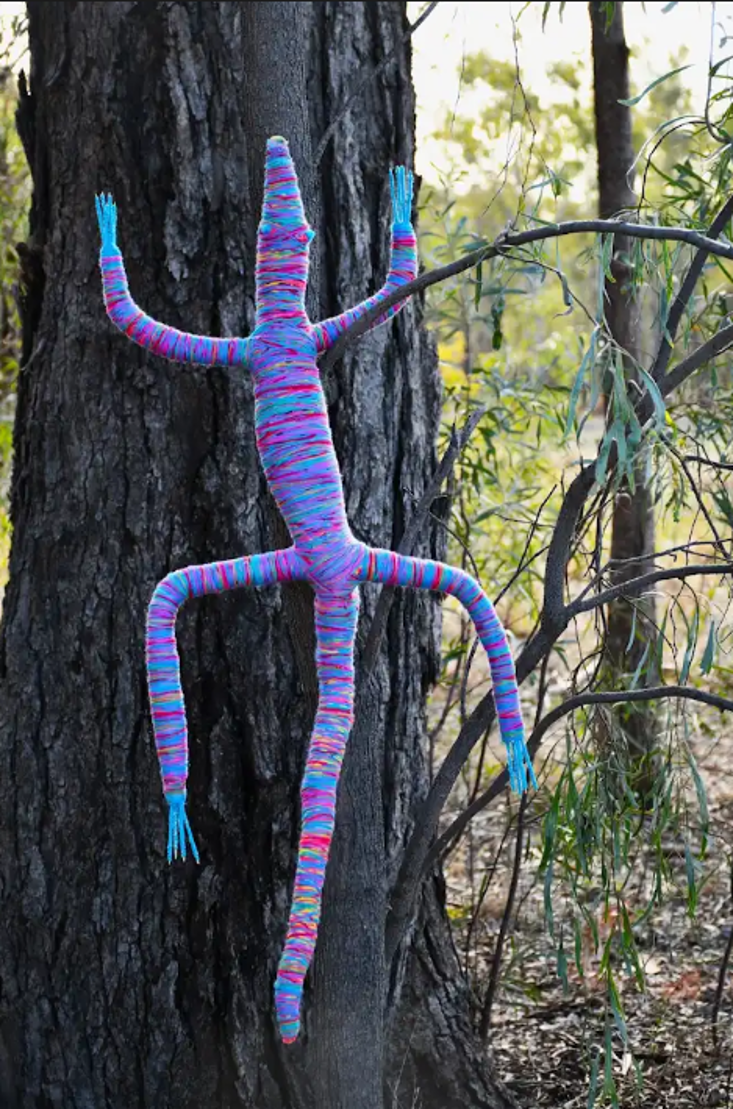
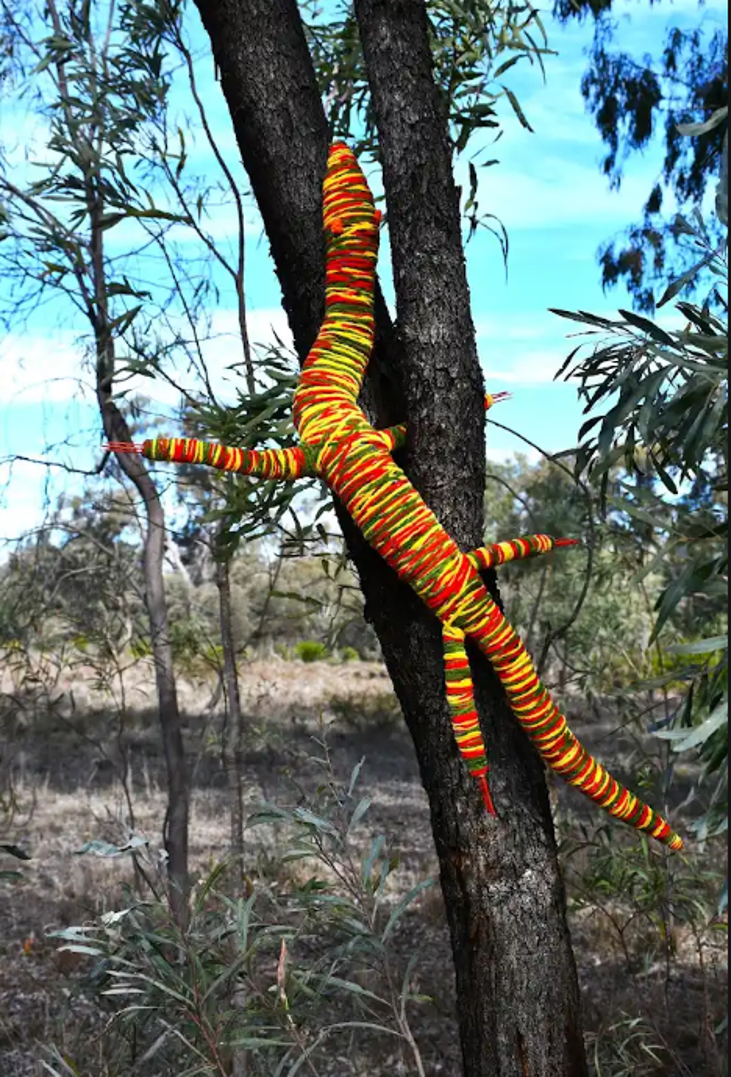
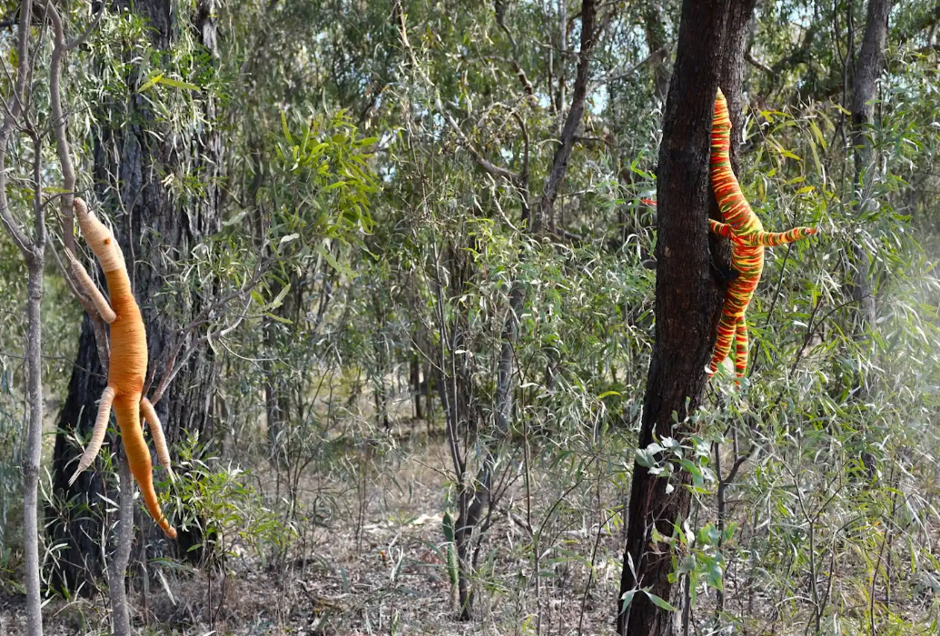
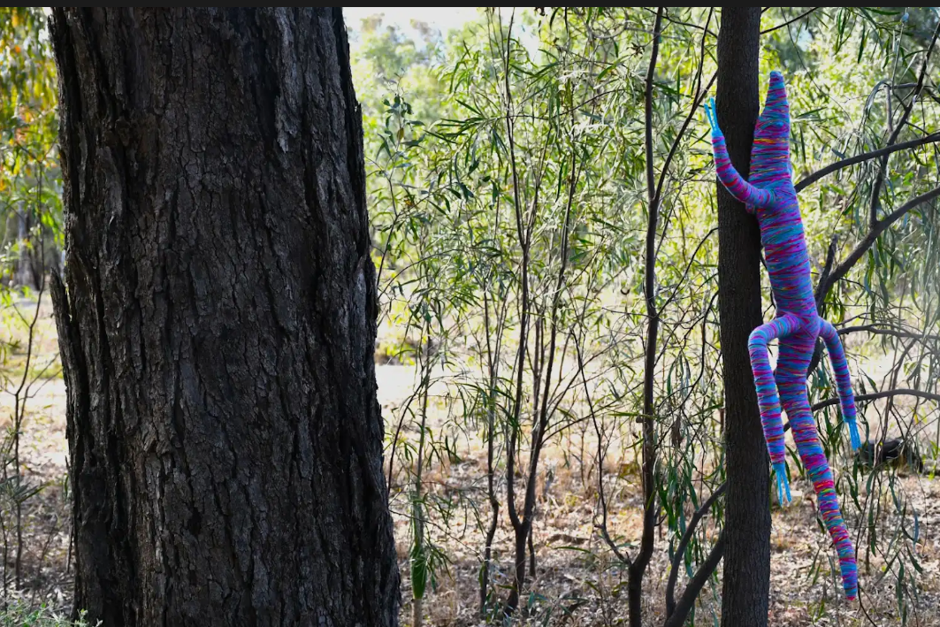
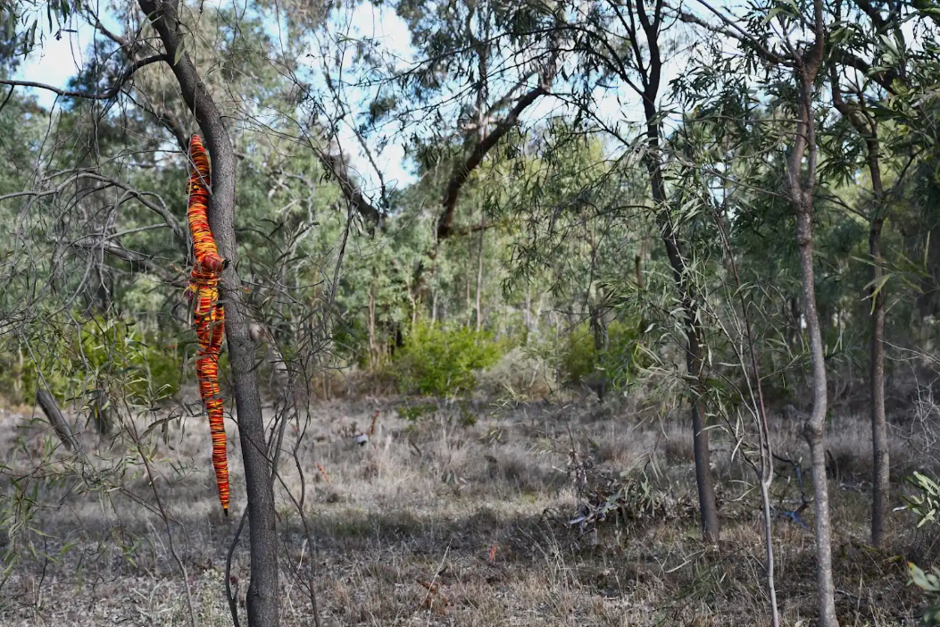
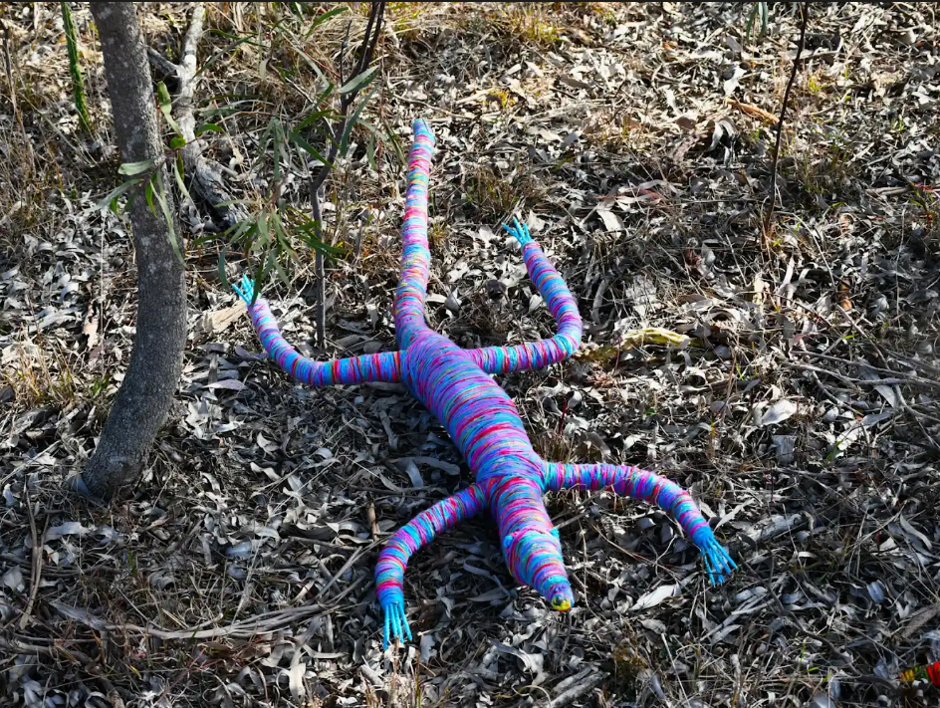
As promised, below is the story and significance of the goannas that were made on NAIDOC Day with Aunty Cheryl, Aunty Val and Aunty Di at Gundy State.
Written by Cheryl Moggs (2026):
My grandmother's name was Emily.
To me, she was my meemunggee.
When I think about my childhood, I don't remember my grandmother sitting me down and saying, “Today I am going to teach you about culture.”
She didn't need to.
Her teaching was in the everyday moments of our lives.
It was in the places we walked, the food we collected, the fires we cooked around, the stories we listened to and the time we spent together on Bigambul Country.
One of the memories that has stayed with me is of being at Toobeah.
I was a child, running around on Country, when I heard my grandmother call me.
She was calling me to come and have something to eat.
She was eating cooked goanna.
“Come and dalli,” she called.
dalli means to eat in language.
2026 National Science Week theme: Seeds of Science - Nurturing Knowledge for All.
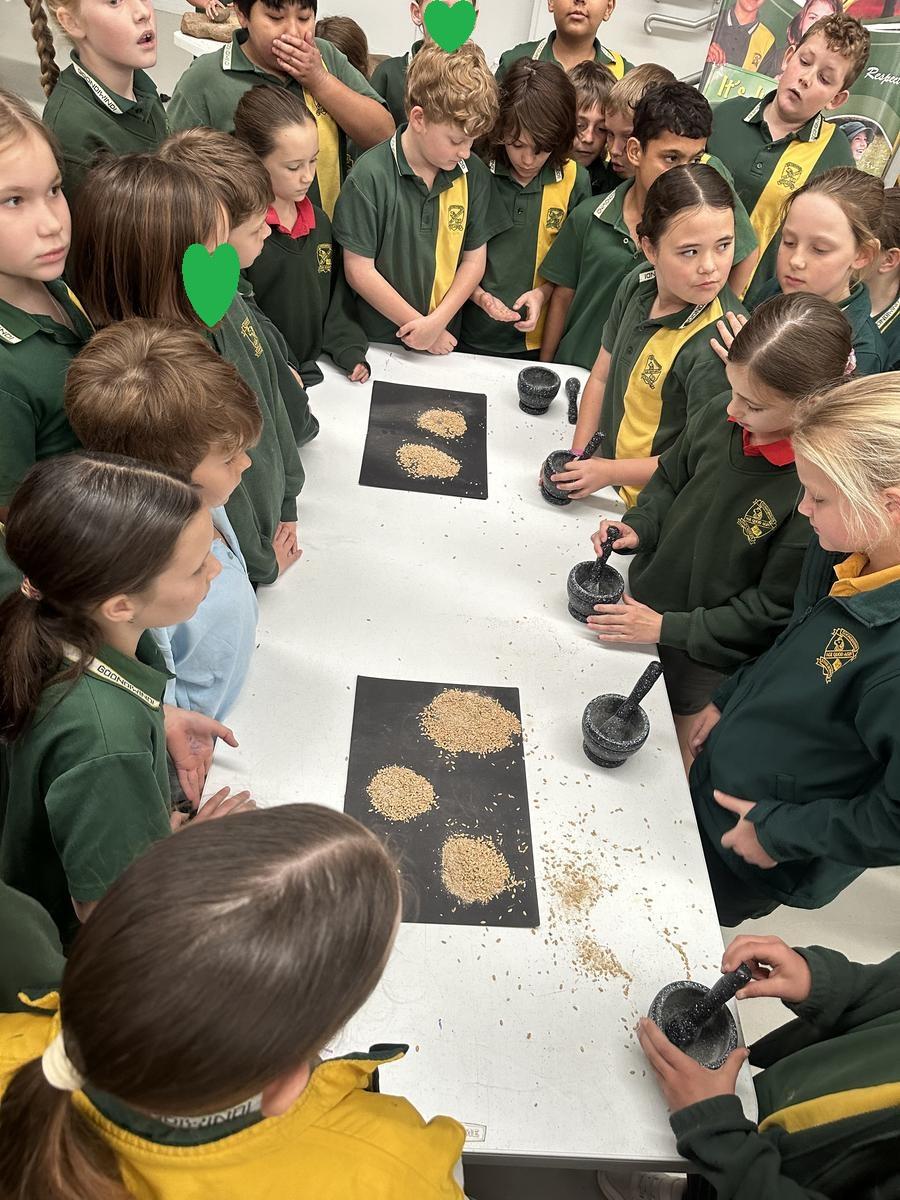
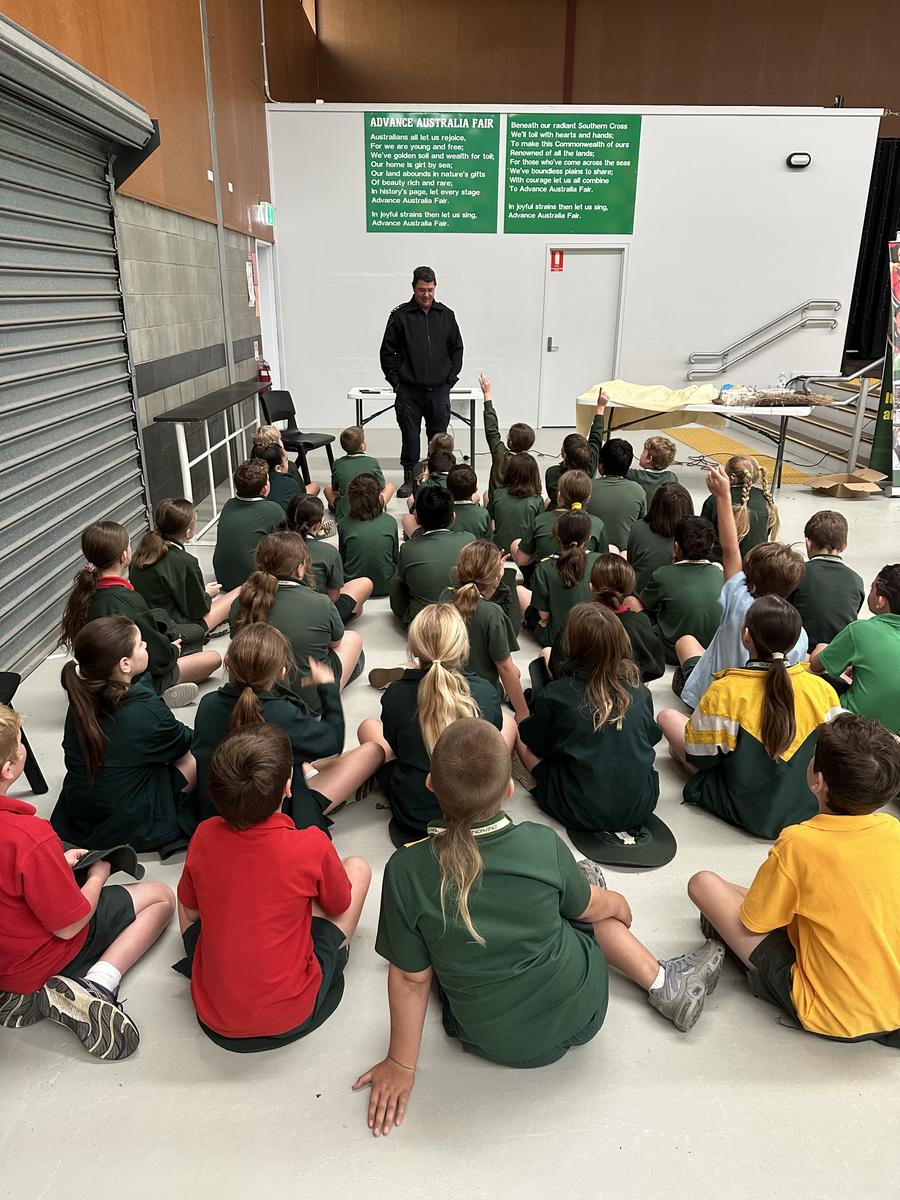
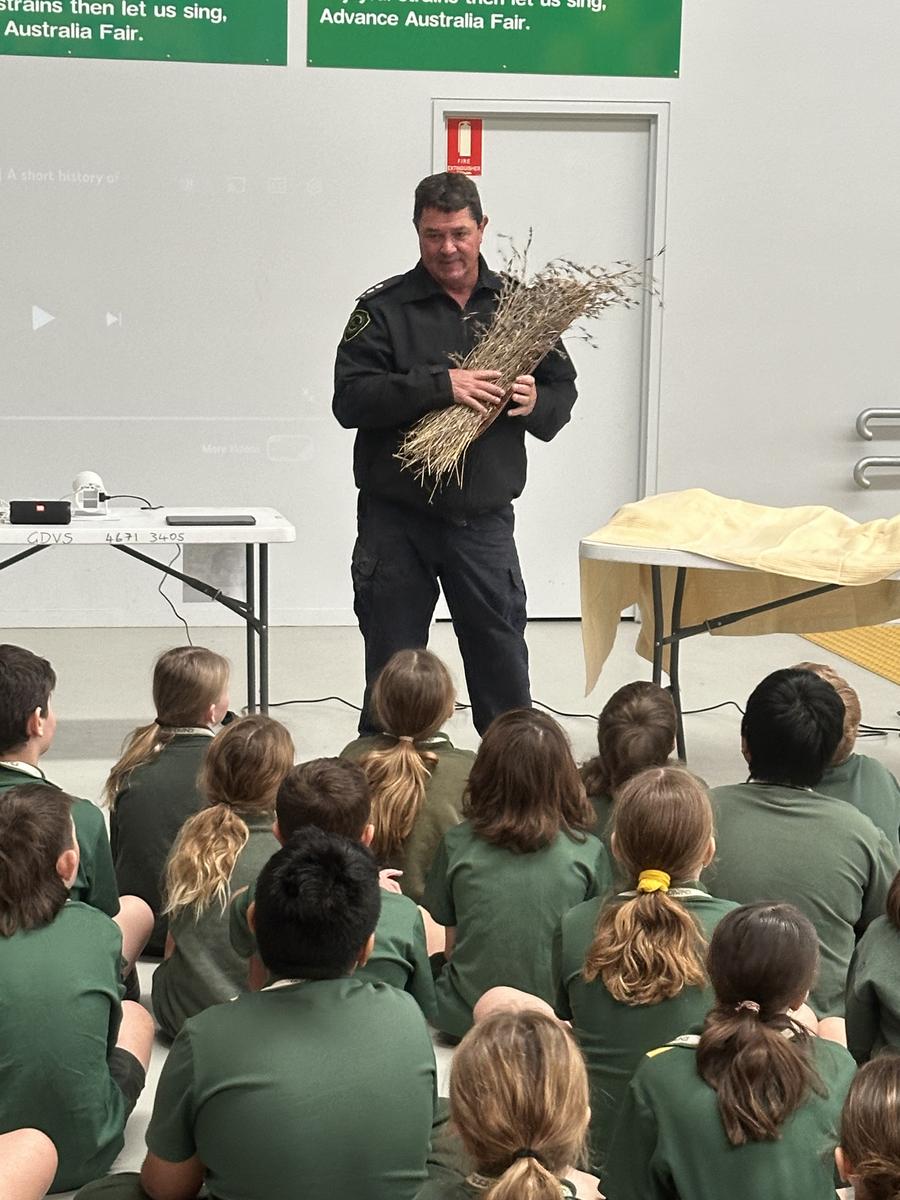
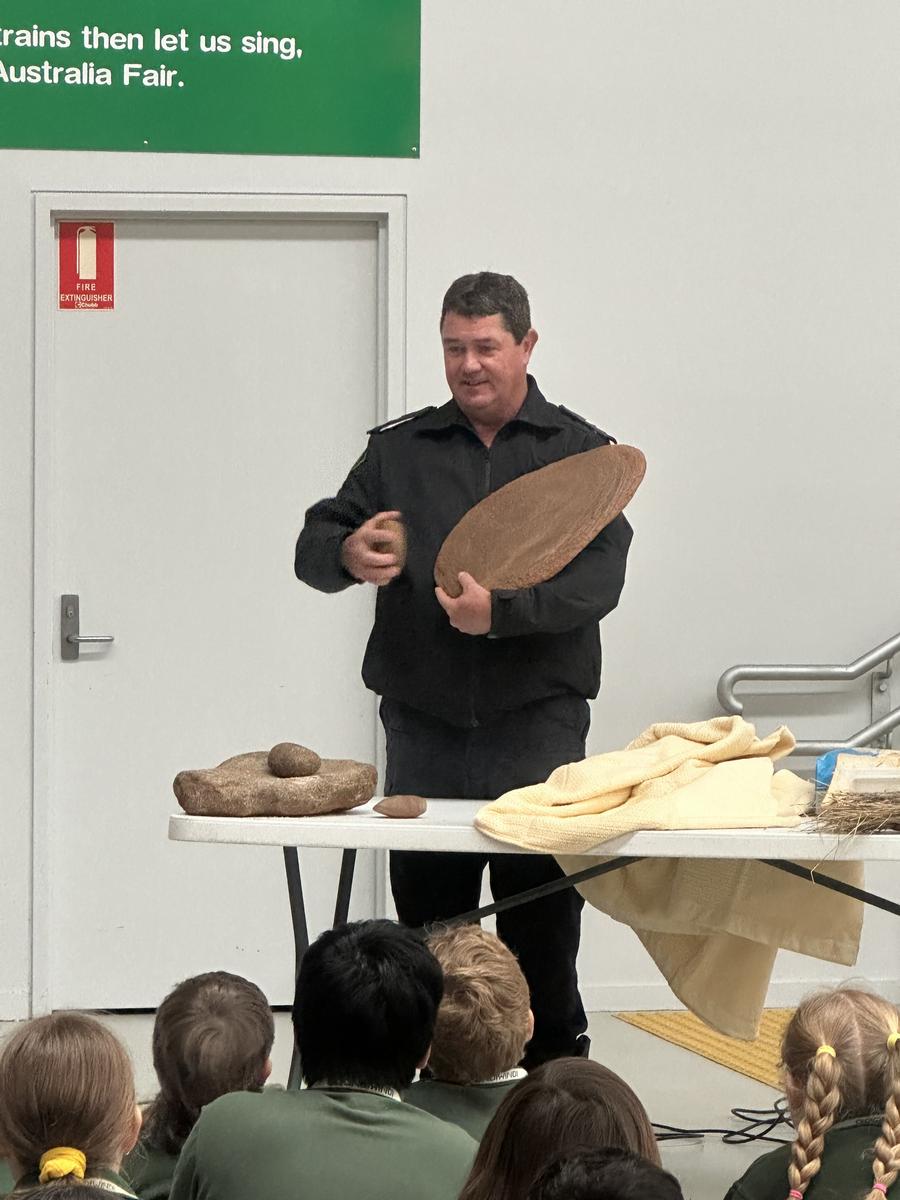
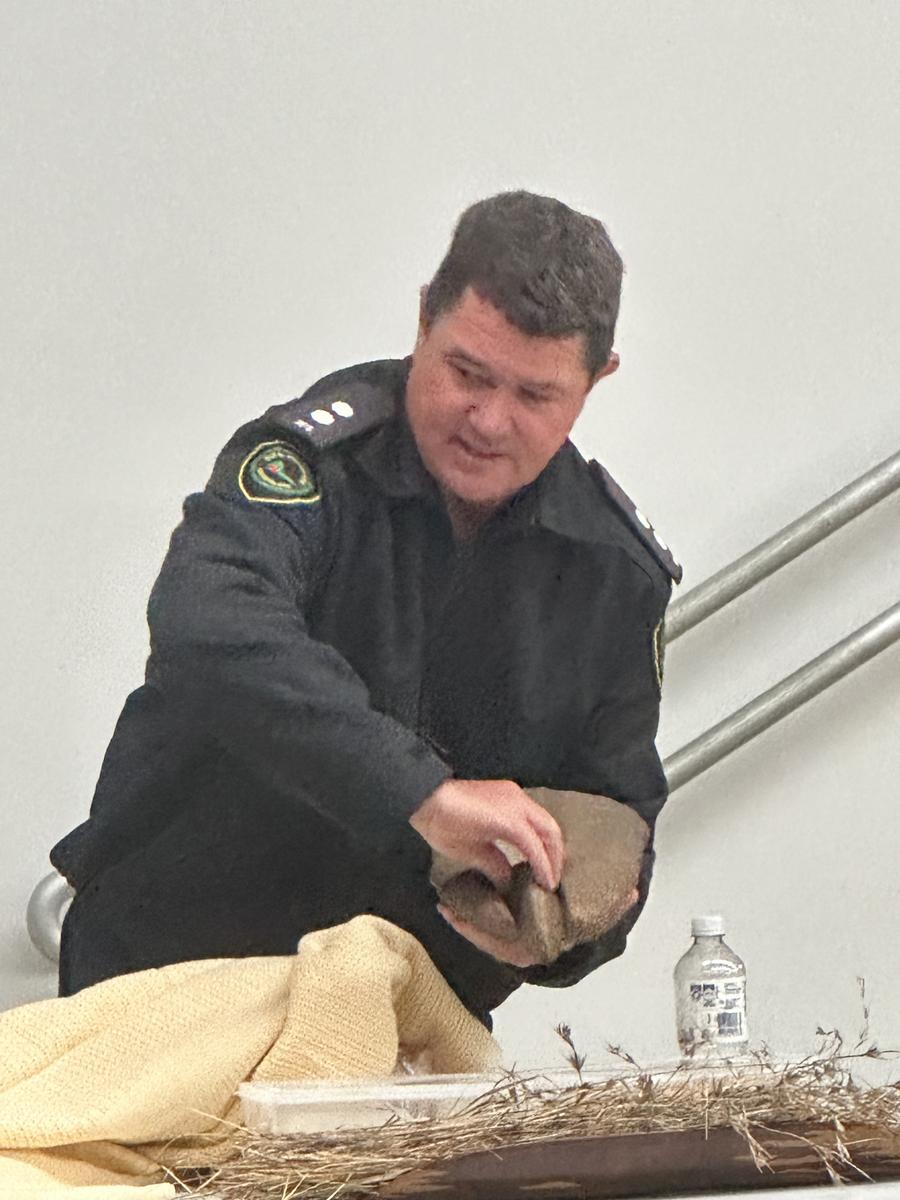
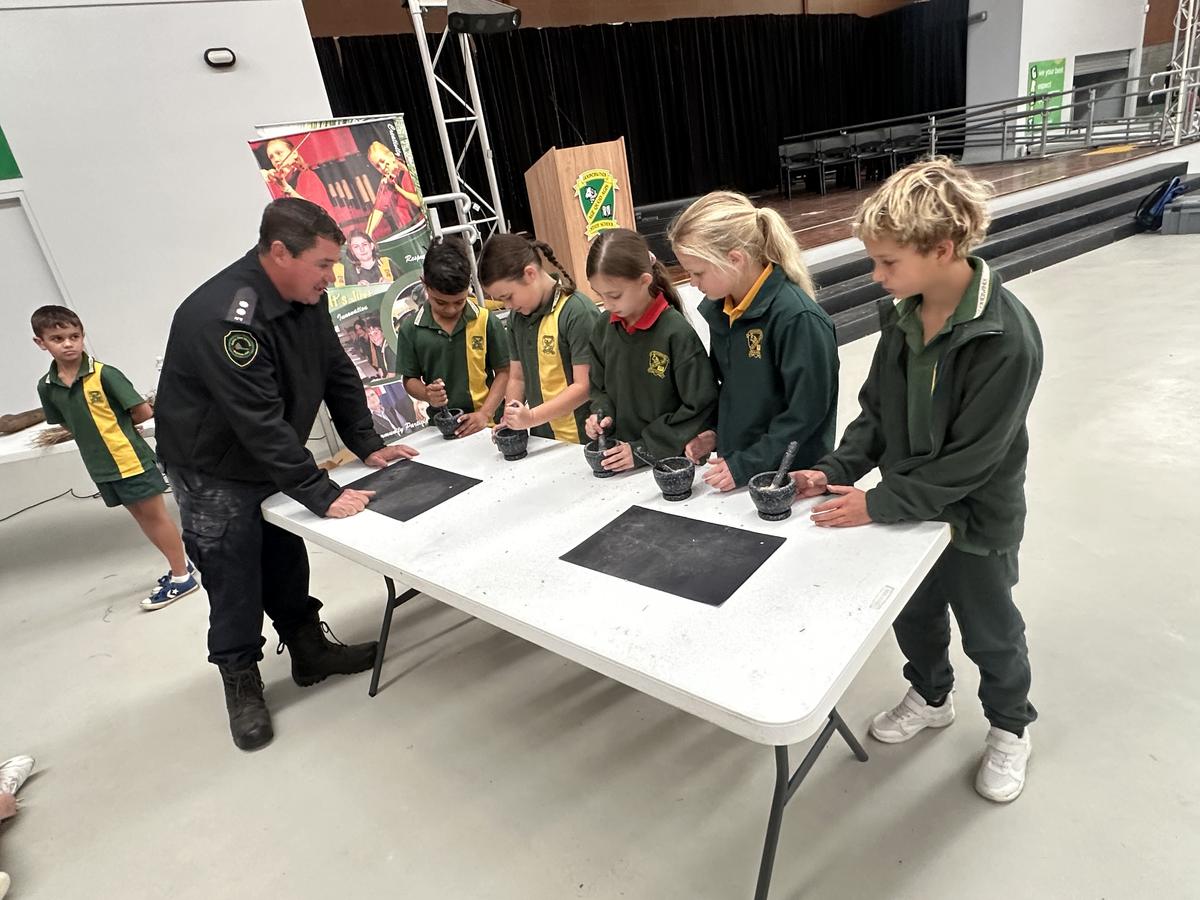
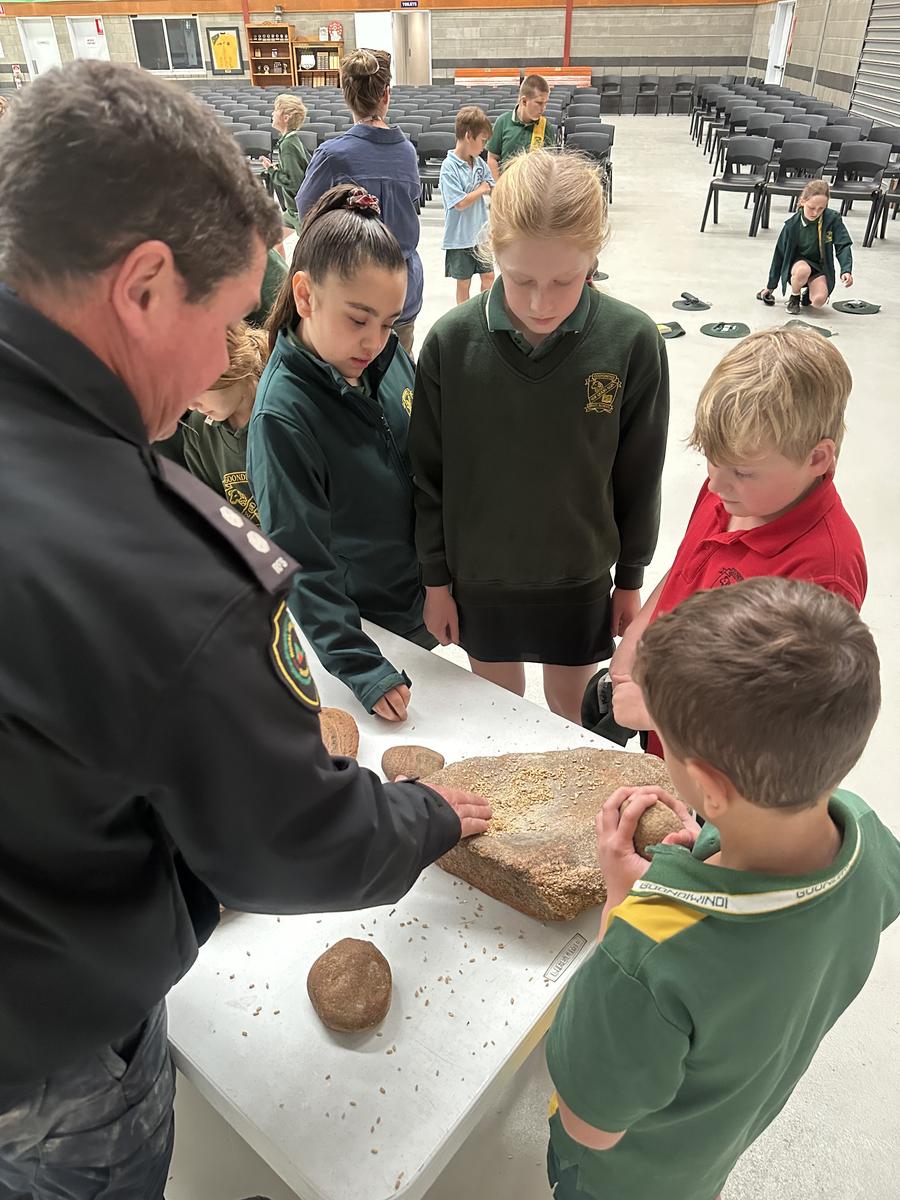
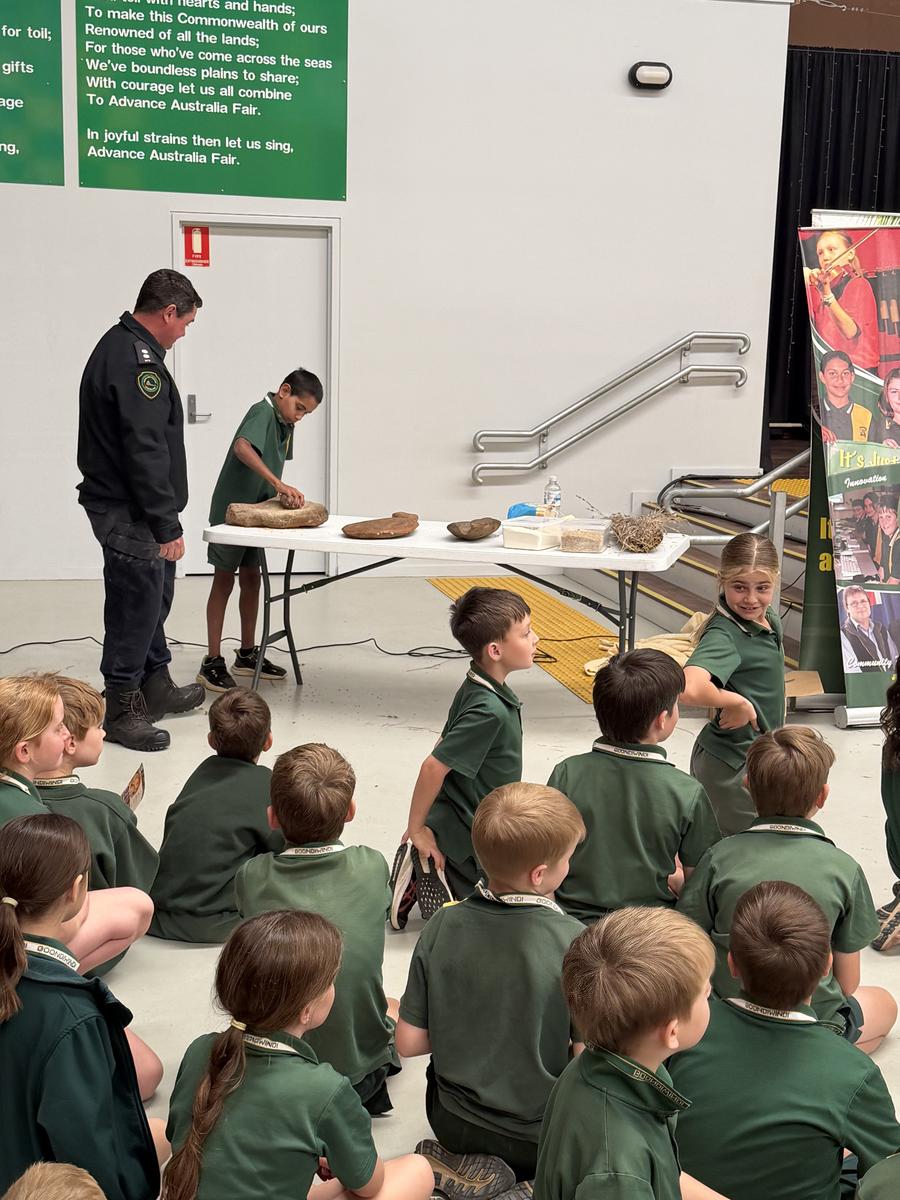
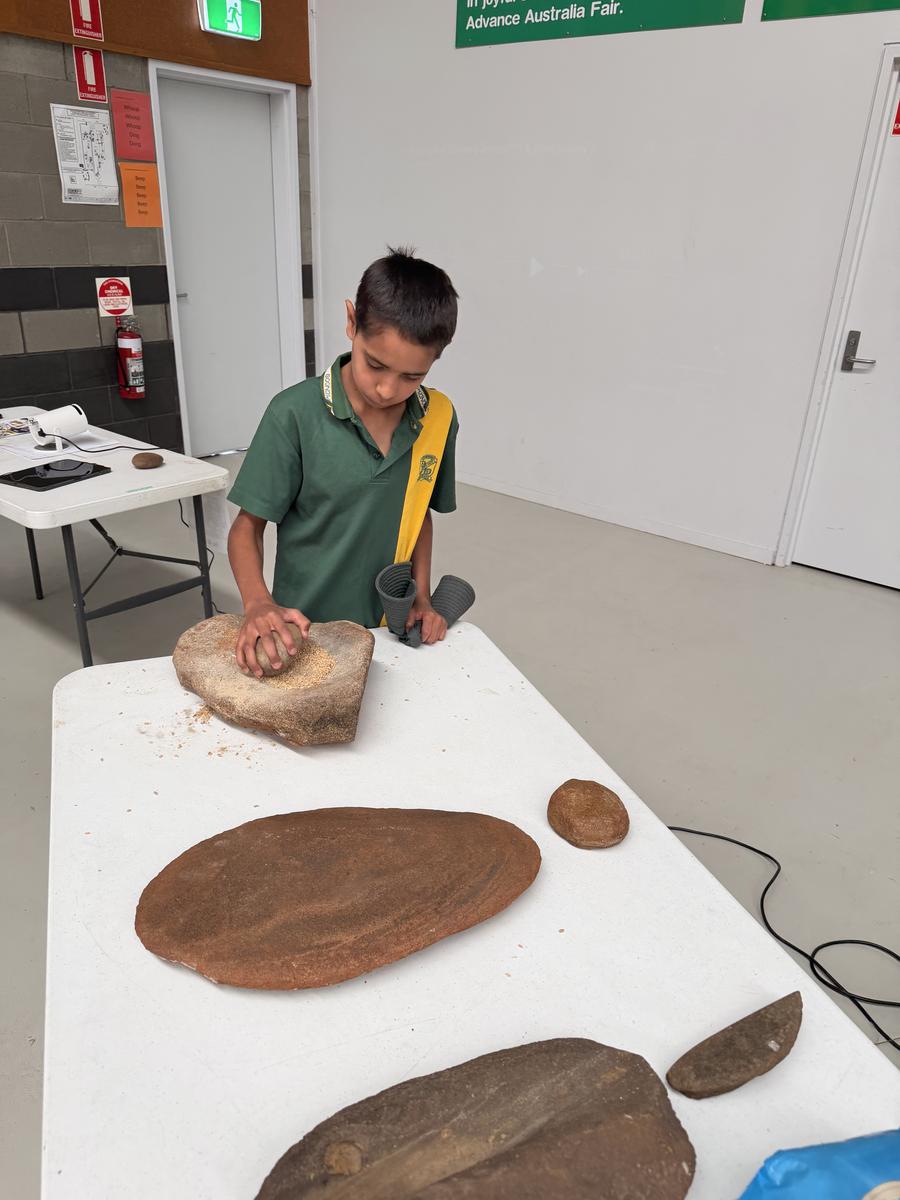
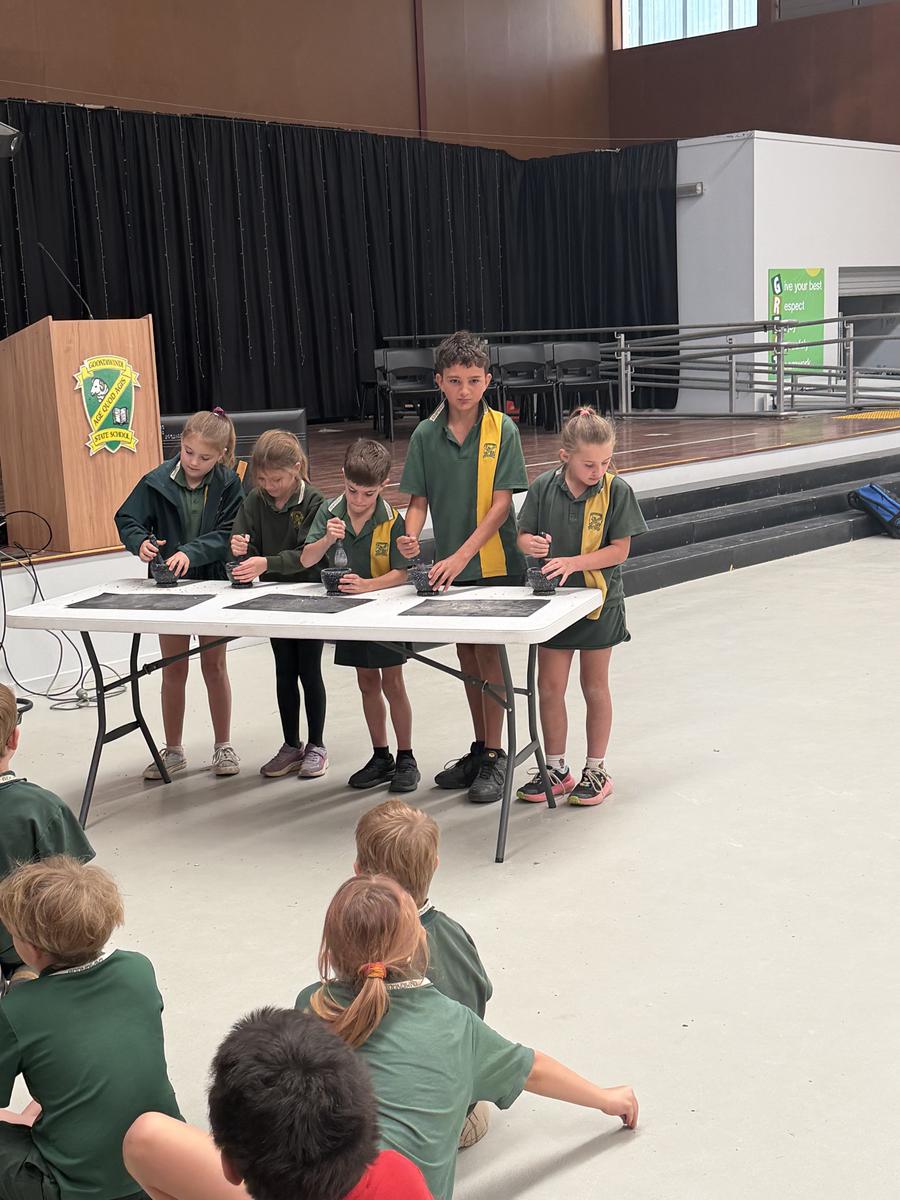
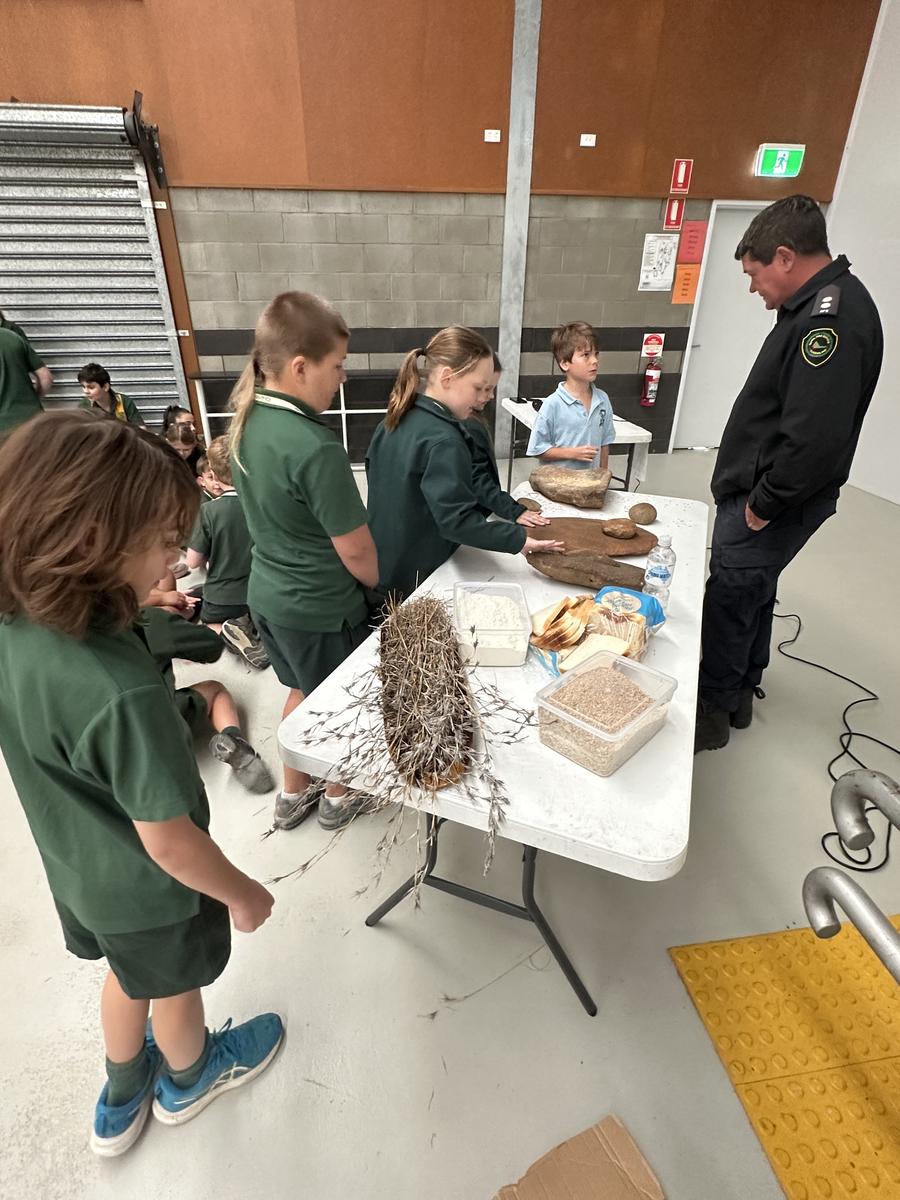
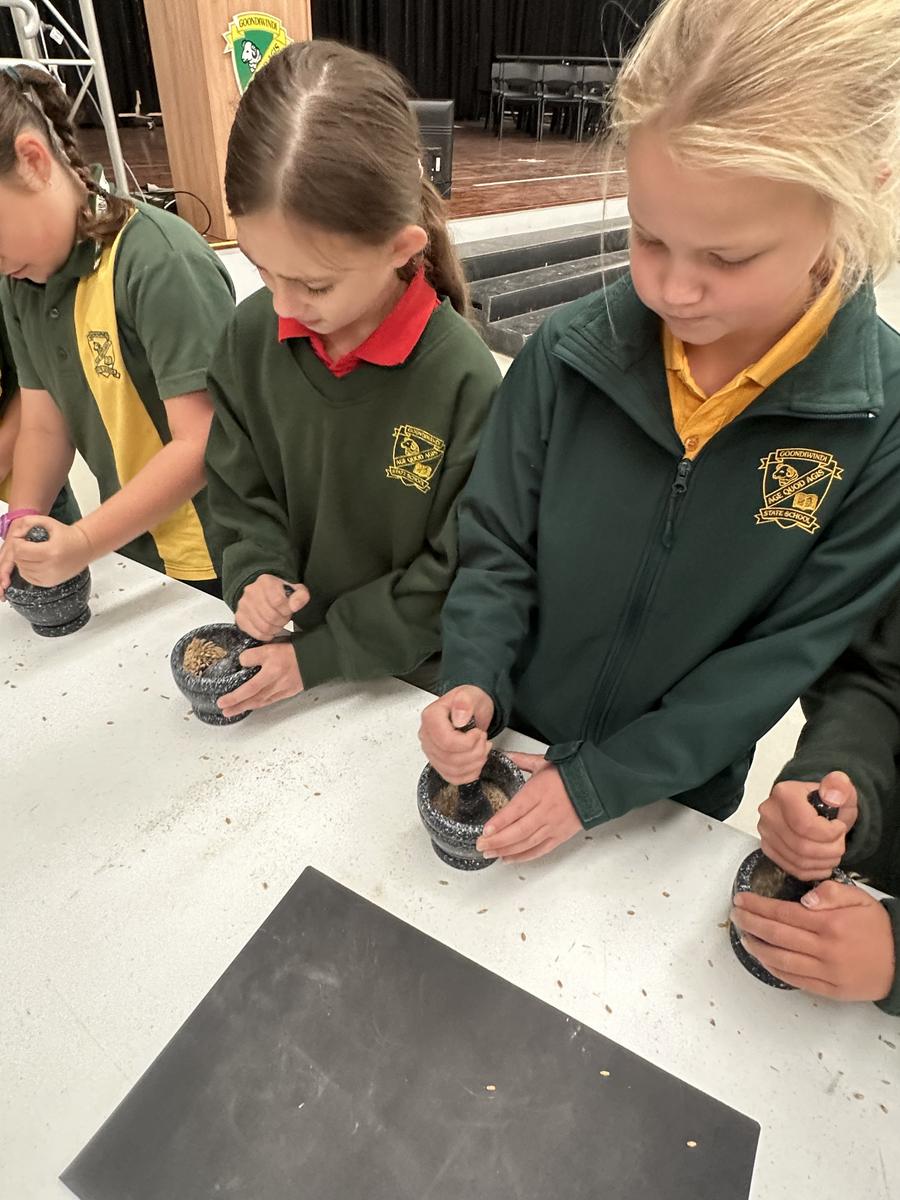
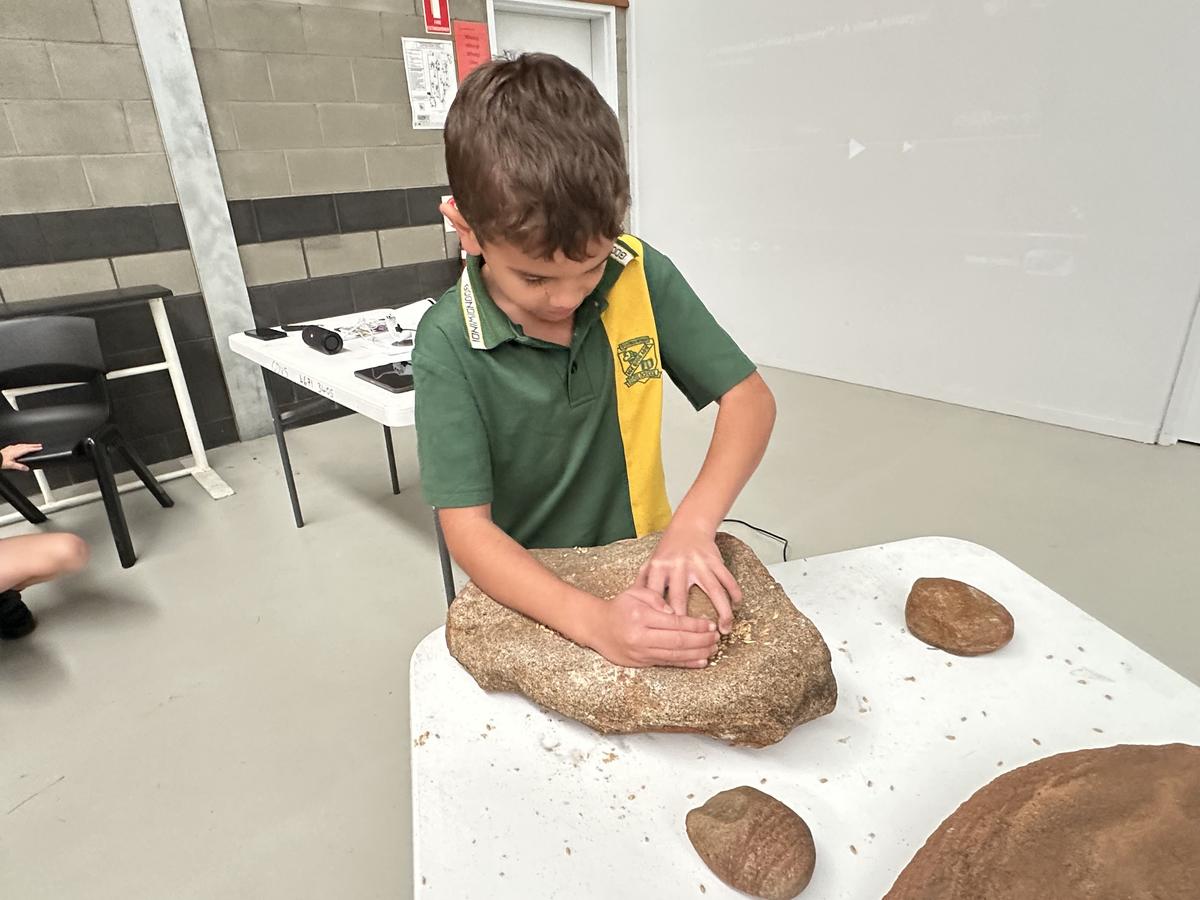
On Wednesday 19th August 2026, Goondiwindi State was privileged to welcome Adam Osborne back to our school to deliver an engaging incursion that connected First Nations culture and history with Science.
Students from Prep to Year 6 were captivated by Adam’s presentation, showing great curiosity as they explored First Nations artefacts and learnt about traditional methods of making bread. Students were particularly fascinated to discover that First Nations peoples were the first people in the world to make bread, with evidence dating back approximately 65,000 years.
It was a wonderful opportunity for our students to deepen their understanding and appreciation of First Nations knowledge, culture and history while making meaningful connections to their Science learning.