Wellbeing At McAuley


Courage to Care – Upstander Program
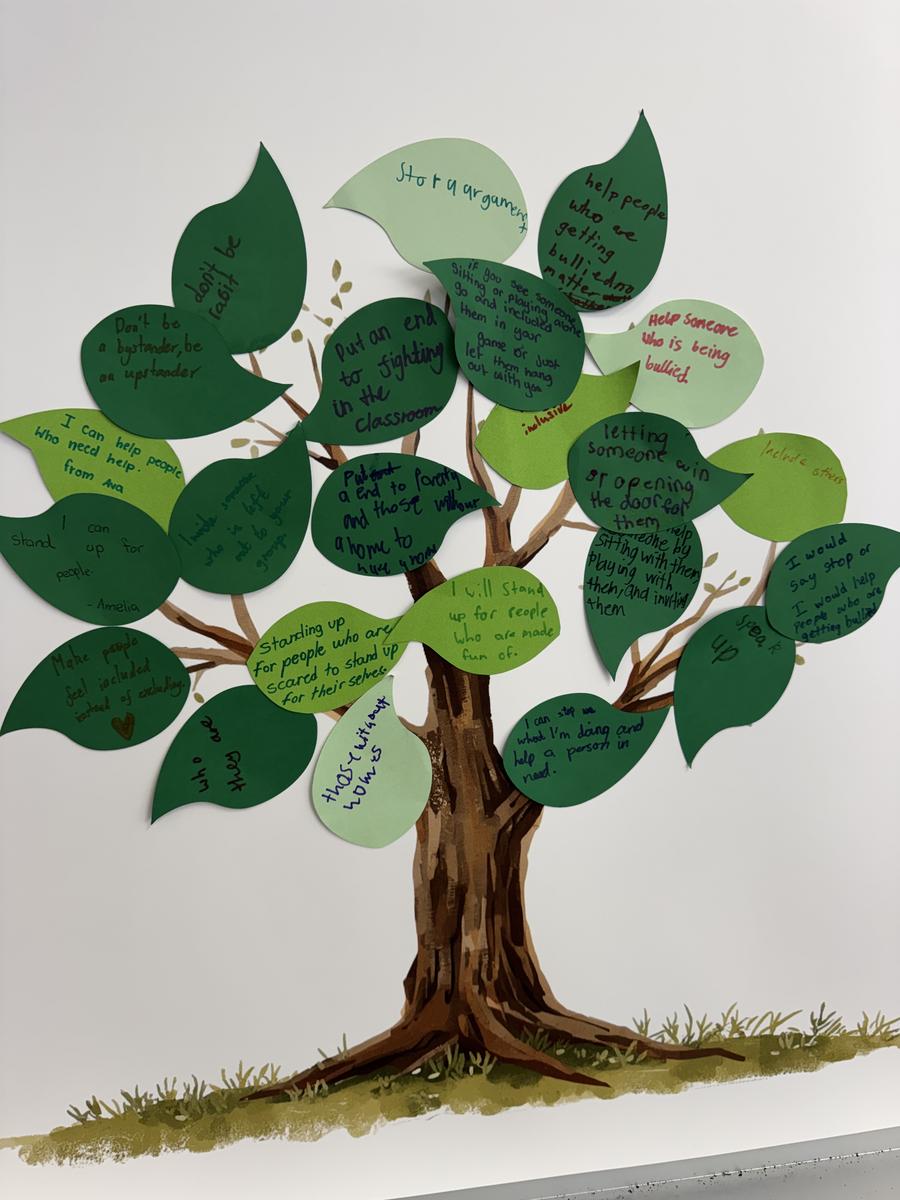
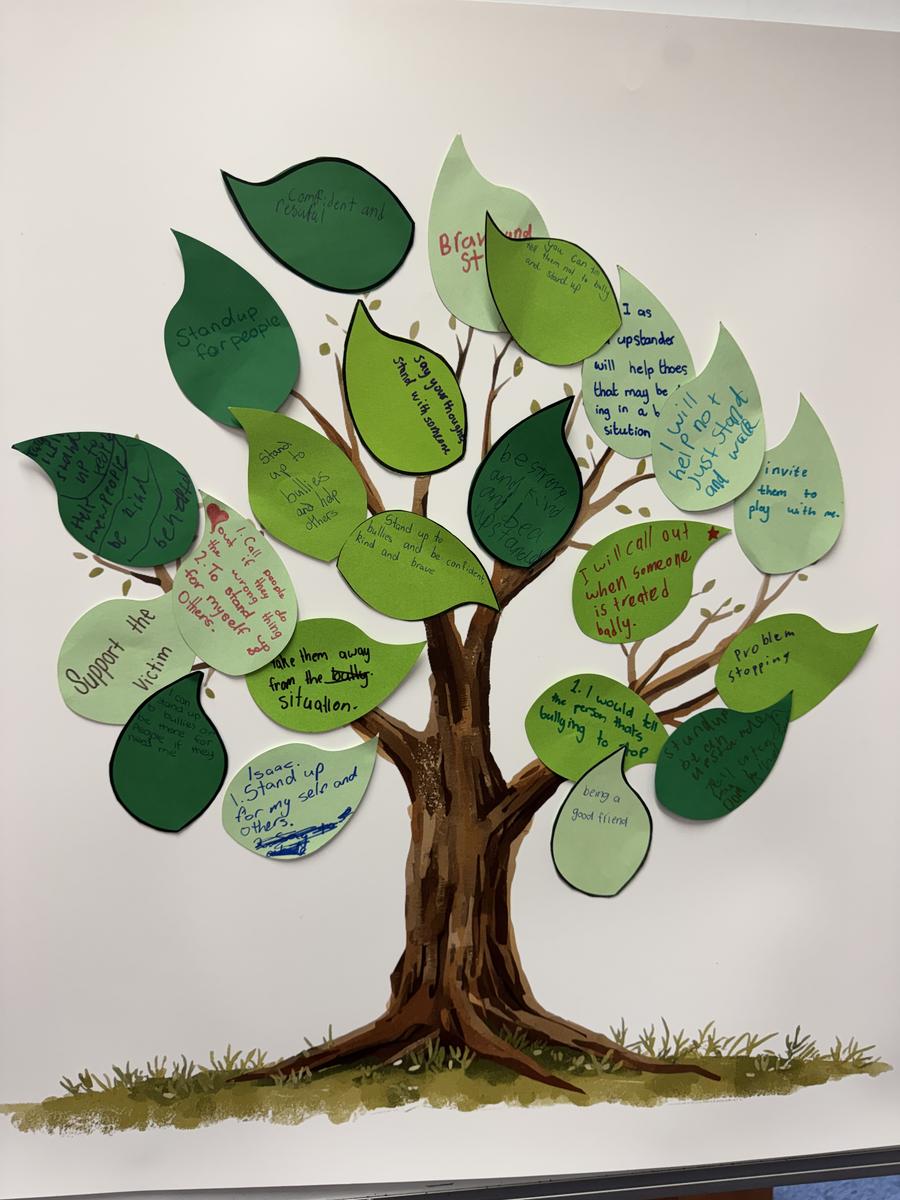
On Monday 22 June, students in Years 3–6 participated in the Courage to Care Upstander Program.
This engaging and age-appropriate program encouraged students to explore the values of respect, inclusion, empathy and kindness while learning practical ways to support others. Through storytelling, discussion and interactive activities, students examined the difference between being a bystander and an upstander and considered how their actions can positively impact others.
Students were encouraged to reflect on how they can respond safely and respectfully when they witness unfair treatment, both at school and in the wider community. The program provided valuable strategies to help students become active contributors to a positive and inclusive school culture.
We thank the Courage to Care facilitators for delivering this meaningful learning experience and helping our students develop the confidence to make a positive difference in the lives of others.

Casual Clothes Day & Paddle Pack Lunch
On the last day of Term, Thursday 2 July students will enjoy eating their lunch with their Paddle Pack group, providing a wonderful opportunity to connect, build friendships and celebrate the term together. Students are asked to bring their usual lunch from home on the day (lunch orders are still available).
To make the day extra special and comfortable, students are invited to wear comfortable casual clothes. Please ensure clothing is suitable for school activities and that students wear enclosed shoes and something warm!
We look forward to a fun and enjoyable end to the term!

Five mental health red flags to look out for
by Michael Grose
While all children experience ups and downs, recognising when these shifts become persistent is a vital step in supporting their wellbeing.
Below are five common red flags to monitor, each paired with an expert tip to help you navigate these moments with confidence and care.
1. Persistent changes in mood
A persistent, flat, or moody temperament is often the first sign that a child’s emotional tank is running low.
When your usually vibrant child seems consistently withdrawn, irritable, or tearful for no obvious reason, they are likely trying to signal that they feel overwhelmed.
For instance, you might notice a child who once lived for their Saturday morning soccer matches suddenly losing interest, claiming they are “too tired” or simply don’t care about playing for several weeks on end.
This isn’t laziness or defiance; it is a clear indicator that their internal coping resources are tapped out.
- Expert Tip: Focus on the emotion rather than the behaviour. Instead of asking “Why are you being so moody?”, try “I’ve noticed you seem a bit down lately; would you like to talk about what’s on your mind, or would you just like some quiet time?”
2. They pull back from their friends
We all need a bit of solitude, but a marked, long-term withdrawal from peers and activities that once brought joy is a red flag that warrants attention.
This social shrinking often suggests a decline in confidence or a fear of judgment, making social interaction feel like an impossible chore.
Take a child who used to thrive in after-school games with friends, for example; if they suddenly retreat to their room and decline every invitation, they are likely using isolation as a protective wall against a world that feels too demanding.
- Expert Tip: Gently encourage connection without force. Create low-pressure opportunities for social interaction, such as having a friend over for a simple snack, rather than pushing for high-stakes, big-energy events.
3. Changes in physical health and habits
The mind and body are constantly in conversation, and a child’s physical health is often the loudest indicator of their mental state.
When a child can’t find the words to express their anxiety, their body often does the talking through recurring headaches, nausea, or sleep disturbances.
You’ll often see this pattern on school mornings, when your child complains of a persistent stomachache despite being perfectly healthy—it’s their physical way of saying their nervous system is in “fight or flight” mode.
- Expert Tip: Prioritise the fundamentals of mental health: sleep, nutrition, and exercise. These are the foundations of emotional regulation. If physical symptoms persist, check in with a GP to rule out medical issues while simultaneously supporting their emotional wellbeing. Identify other avoidance behaviours.
4. Taking the easy road
Avoidance is a natural, yet self-defeating, reflex that kids use to keep themselves safe from the discomfort of failure or anxiety.
While skipping a task provides a moment of relief, it unfortunately reinforces the idea that they aren’t capable of handling challenges, effectively shrinking their world.
Think of the child who invents creative excuses to miss an oral presentation or refuses to go to a school camp; they aren’t just being difficult; they are trapped in a cycle where the fear of the event has become greater than their confidence in their own competence.
- Expert Tip: Normalise their feelings while encouraging small, manageable steps. Validate their fear (”I can see you’re really nervous about the camp”) while helping them identify a small part of the event they feel capable of doing, rather than letting them opt out entirely.
5. Inability to regulate emotions
The ability to recover from a setback is a key indicator of a child’s developing emotional intelligence and stability.
All children experience intense emotions, but true emotional maturity is evident in how quickly they return to a state of calm after a disruption.
If you notice your child consistently reacting with an intensity that seems completely out of proportion to the situation, it’s a sign that their “brakes”—the internal tools used to self-regulate—aren’t engaging.
For example, if losing a simple board game triggers an hour-long, uncontrollable spiral of rage or despair, it is a clear sign that they lack the current skills to navigate disappointment on their own.
Expert Tip: Model calm, rational thinking. When a child is in a high-arousal state, the part of their brain responsible for logic is effectively offline. Use your own calm presence and deep breathing to help “co-regulate” them before attempting to discuss solutions.
Practical Solutions for Families
Your long-term goal is to provide a stable environment that focuses on support. These five strategies form the basis of a healthy family environment for your child.
1. Create a Predictable Home Base
Children thrive when they know what to expect. Predictability is important for mental health, as it is for positive discipline.
During times of stress, lean into routines. Consistent mealtimes and bedtimes provide a sense of safety that anchors a child when their internal world feels chaotic.
Focus on transition times, such as the first ten minutes after school and the last ten minutes before bed, as these periods are most critical for emotional connection.
2. Focus on Physical Fundamentals
It is difficult to maintain mental wellbeing when the body is depleted.
Make sure your child is getting enough movement and high-quality sleep. Data from the Australian Student Wellbeing Framework suggests that physical activity is directly linked to a child’s ability to regulate their moods and bounce back from setbacks.
Replace late-afternoon screen time with a family walk or outdoor play to help burn off the day’s cortisol.
3. Practise Active Listening
When your child does open up, resist the urge to jump in with a fix or a lecture.
Simply being a calm, non-judgmental presence allows them to process their thoughts at their own speed. This builds the communication building block that is essential for long-term resilience.
Use parenting shoulder-to-shoulder-talk while driving, walking, or washing dishes—as many children find direct eye contact too confronting when discussing feelings.
4. Strengthen Your School Connection
You are not alone in this. Reach out to your child’s teacher to see if the behaviours you see at home are mirrored in the classroom. A unified approach between home and school ensures the child feels supported in every environment they inhabit.
Share specific observations with your child’s teacher rather than general concerns to help them know exactly what to look for in the playground.
5. Model Healthy Coping Habits
Children are world-class observers. Let them see you managing your own stress in healthy ways. If you have had a tough day, verbalise how you plan to handle it, such as taking a deep breath or going for a run.
Avoid hiding all your stress; instead, show them the process of moving from a state of frustration to a state of calm.
Finally…
Stay observant and maintain a supportive, practical presence.
Consider easing off on some of their responsibilities to prevent overwhelm and provide the scaffolding your child needs to find their feet again.
Provide some extra attention and treats so that they know they are loved and supported.
Primary school is a journey, with lots of ups and downs. With the right support, patience and care, your child can find their way back to their best self.