
Learning & Teaching
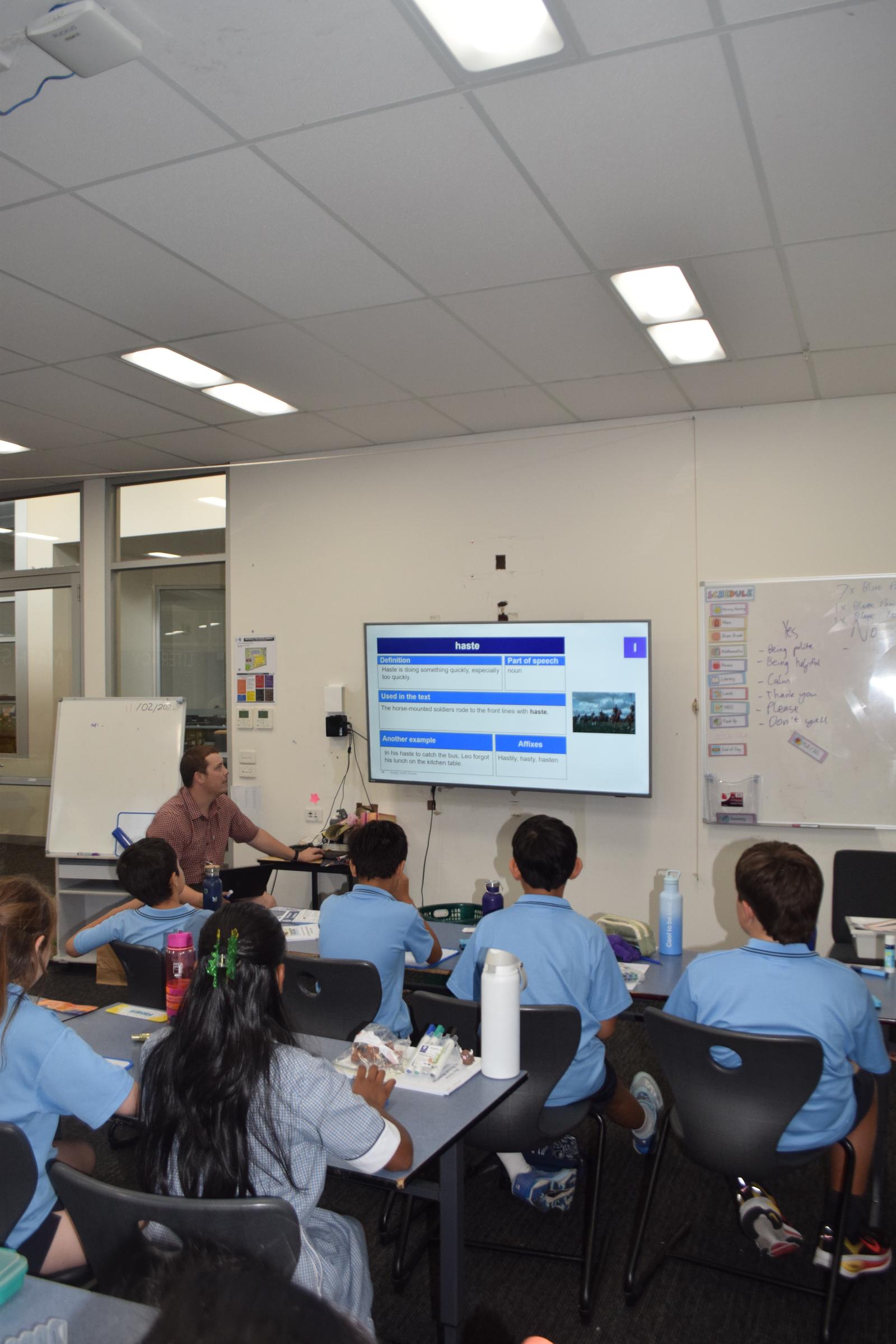
Excellence in Learning and Teaching at Our Lady of Good Counsel
Delivering high-quality teaching and learning is at the heart of everything we do at OLGC. Since completing our Instructional Playbook in 2025, we have continued to embed and refine our classroom practices, and the progress we are seeing in our students is genuinely encouraging. Our move to straight classes this year has allowed teachers to focus their instruction at the right level for every student. Across the school, there is a growing consistency in how lessons are delivered, how questions are asked, and how teachers check that students have understood new content. During learning walks, it has been wonderful to observe the volume and variety of opportunities students have to actively respond to what they are learning. Through ongoing coaching and professional learning, our staff have deepened their understanding of explicit instruction, direct instruction, and our gradual release model. The impact of this work is most visible in the progress our students are making in literacy and numeracy.
Looking Ahead: Sense of Urgency
As we continue to build on our evidence-informed approach, next semester our focus will turn to developing teachers' capacity around sense of urgency in the classroom. Sense of urgency does not mean rushing content or creating pressure for students. Rather, it describes teaching with intentional pace, where transitions are smooth, learning time is maximised, and every minute in the classroom contributes meaningfully to student learning. This principle is grounded in Rosenshine's Principles of Instruction. A key part of this work involves moving away from opt-in participation, such as hands-up or calling for volunteers, towards an expectation that all students engage with the learning. This looks like students responding through gestures, mini whiteboards, or choral responses. These approaches give teachers real-time information about student understanding, allowing misconceptions and gaps to be identified and addressed as they arise rather than later. Woven into this approach is the practice of daily review. Beginning each lesson with a brief revisit of previously taught content is not simply a warm-up. Research tells us that retrieving information strengthens the neural pathways associated with that knowledge, making it easier for students to recall and apply over time. Regular daily review also helps students build schema, the mental frameworks that connect new learning to what they already know, which is foundational to deep understanding and long-term retention.
A Note for Families
We are proud of the progress made since beginning this work in early 2025, and we look forward to continuing to share its impact with our community. If you would like to spark a more meaningful conversation with your child about their day at school, the following questions may help:
What was the most important thing you learned today?
Did you share your thinking with a partner today?
Did you use a whiteboard, hand signals, or another way to show your thinking?
Did you change your thinking today?
What made you reconsider?
Can you tell me three things you learned today?
What is something you learned this week that you can still remember?
What is something you learned last month that connects to what you are learning now?
Regards
Stu Andreou-Mill