
Wellbeing
Fiona Dandie & Robert Pain
Wellbeing
Fiona Dandie & Robert Pain
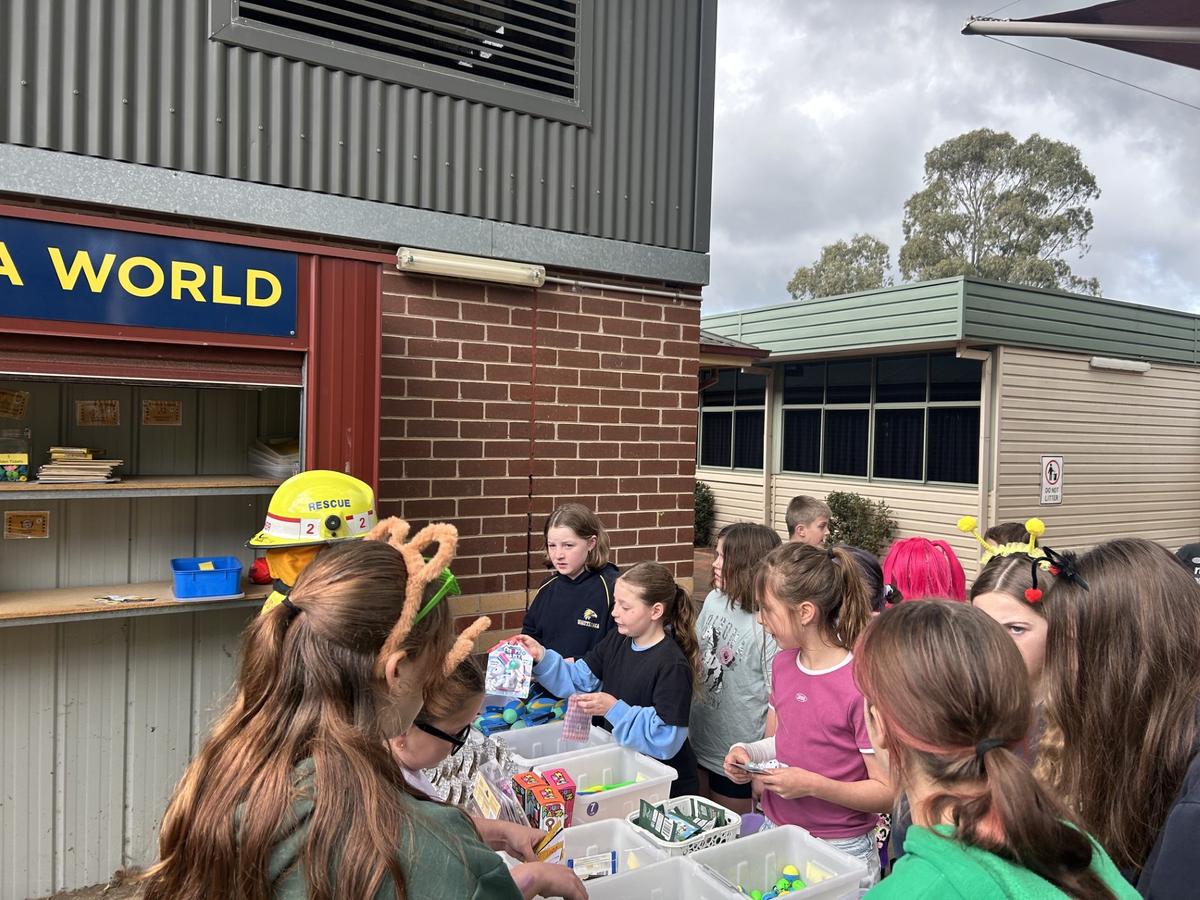
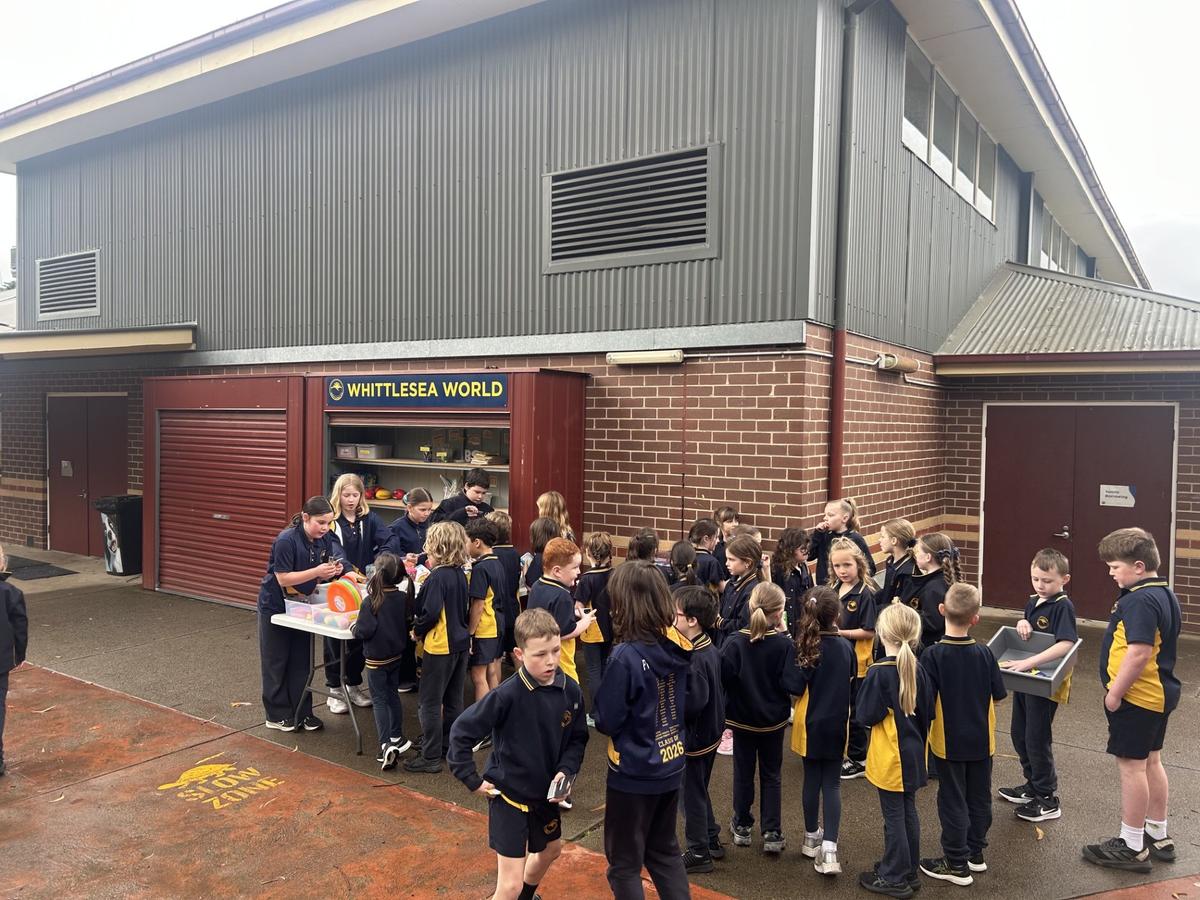
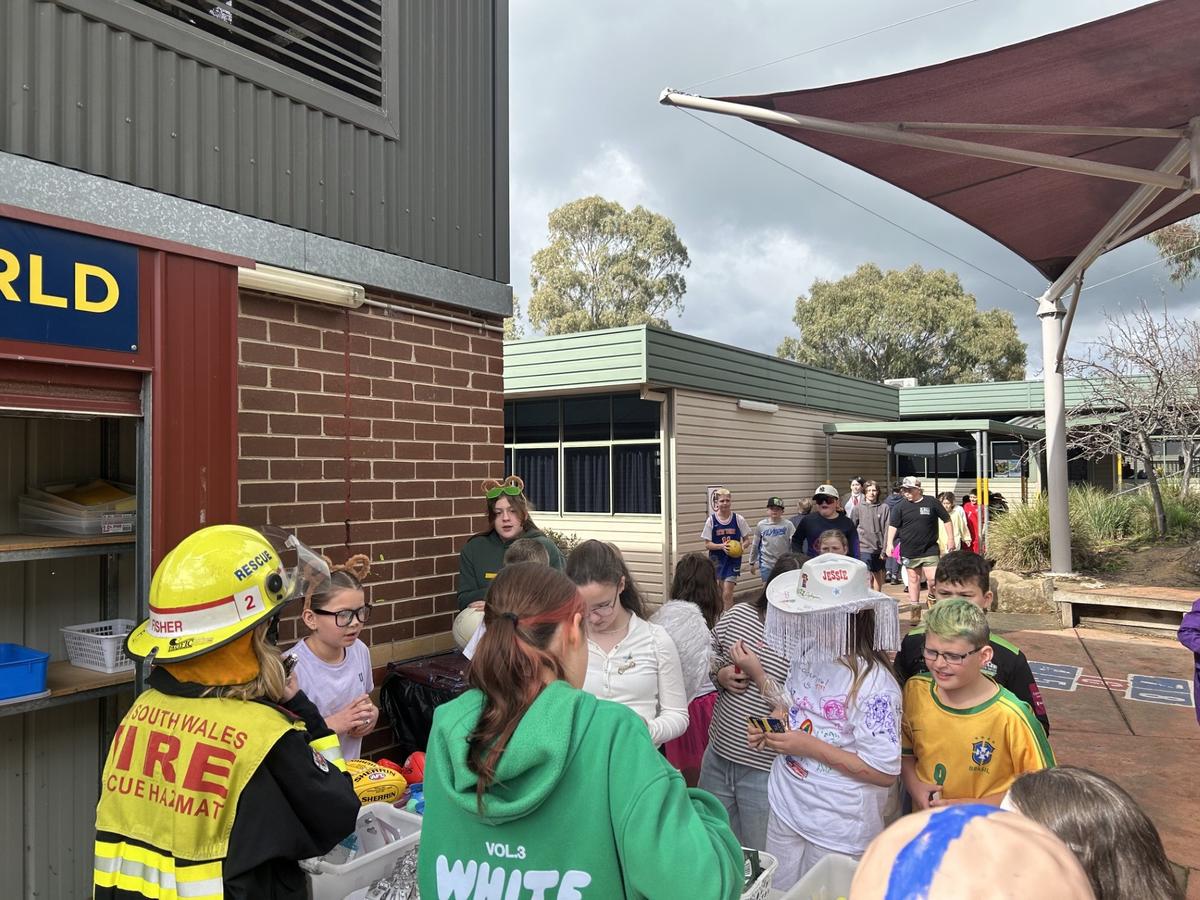
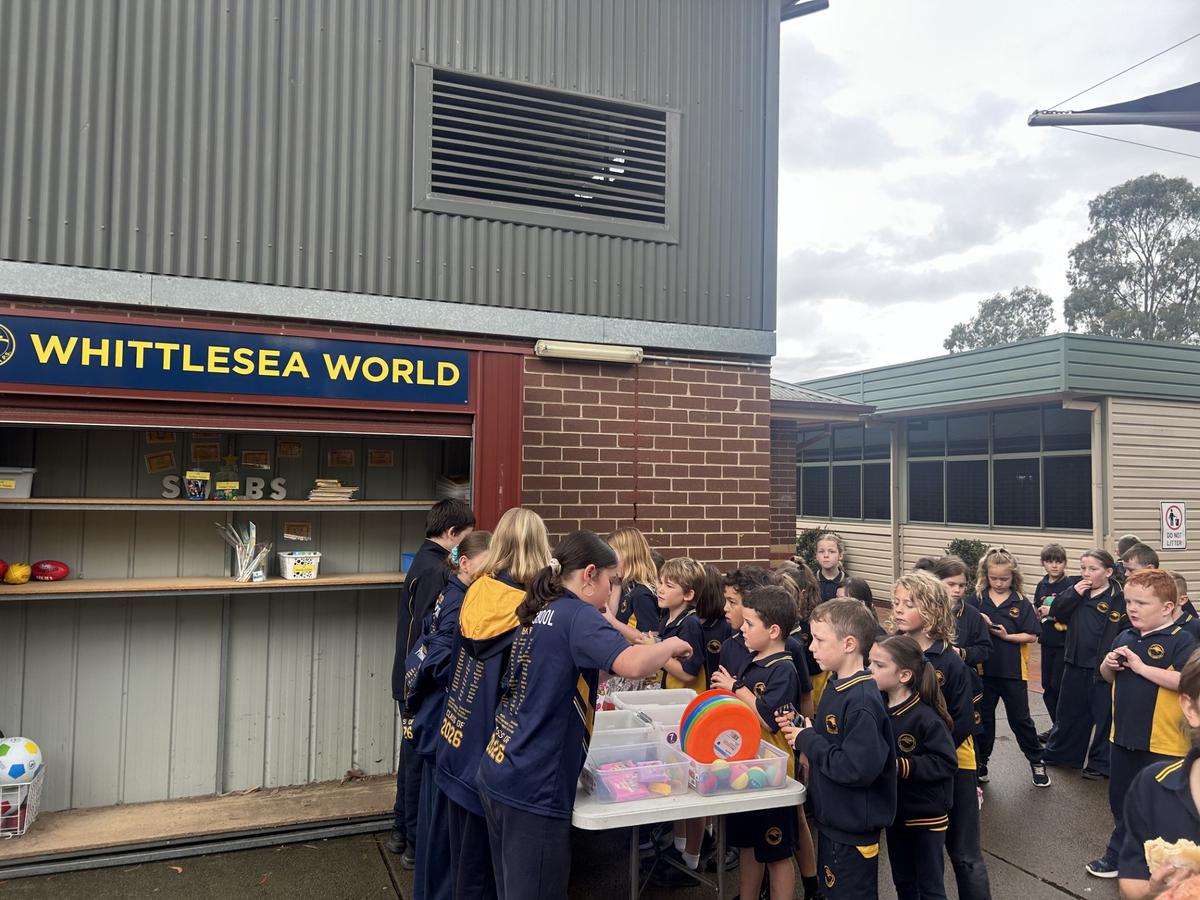
A jam-packed Whittlesea World for Week 7.
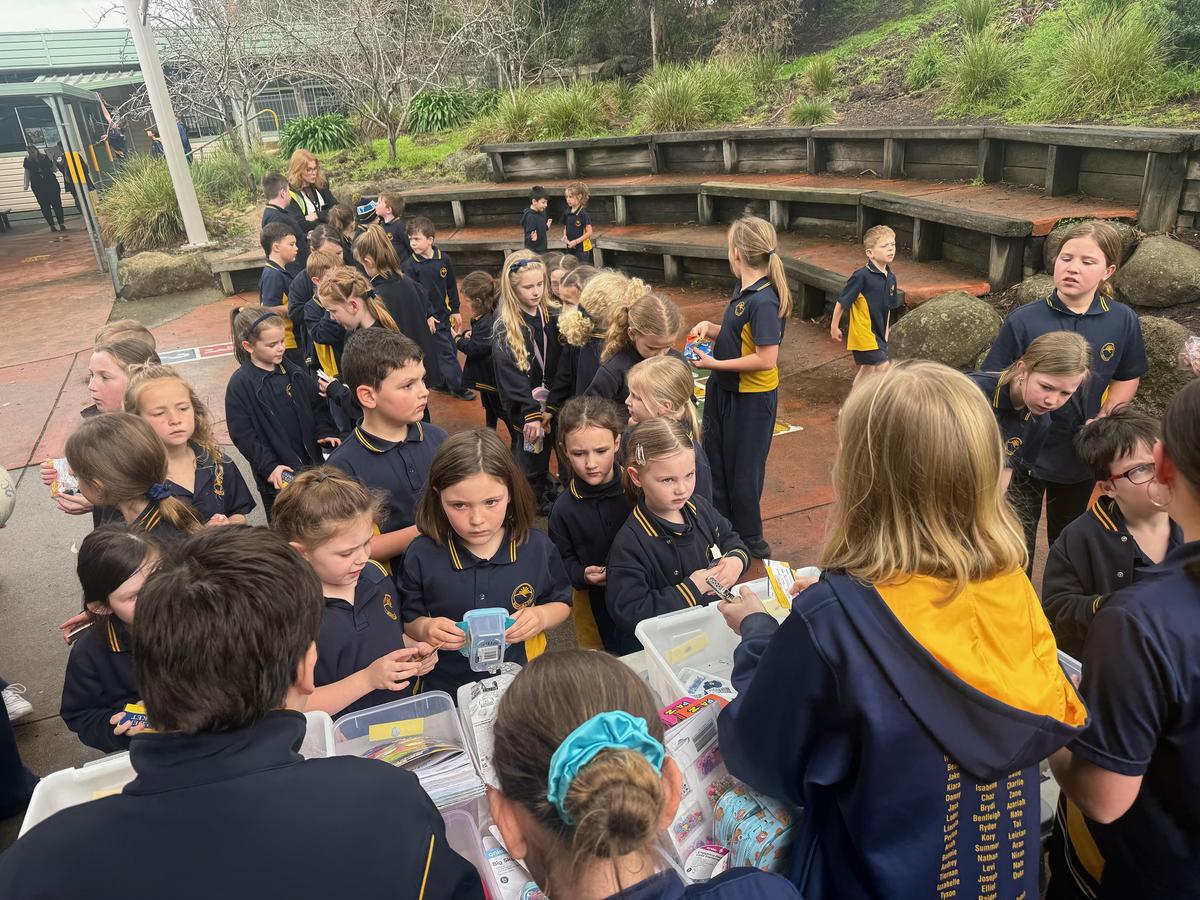
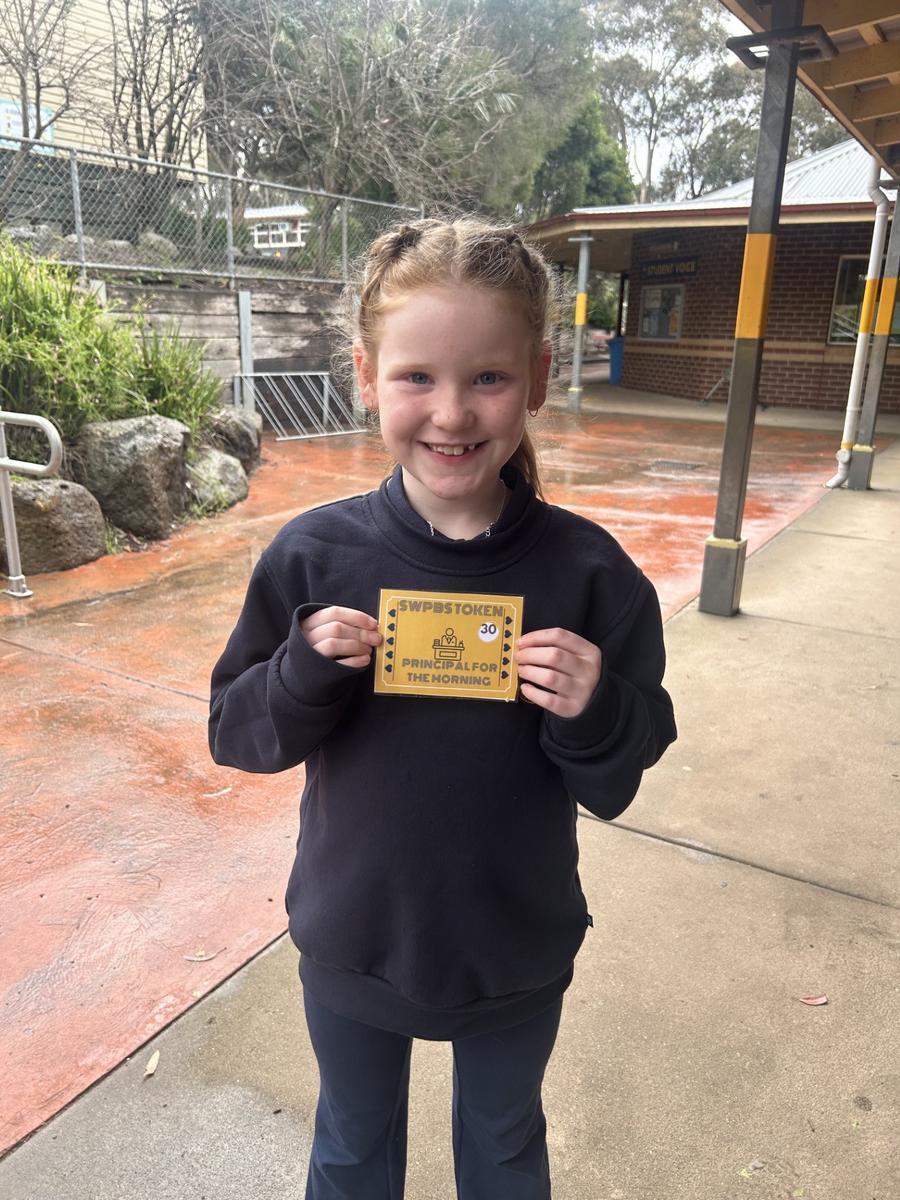
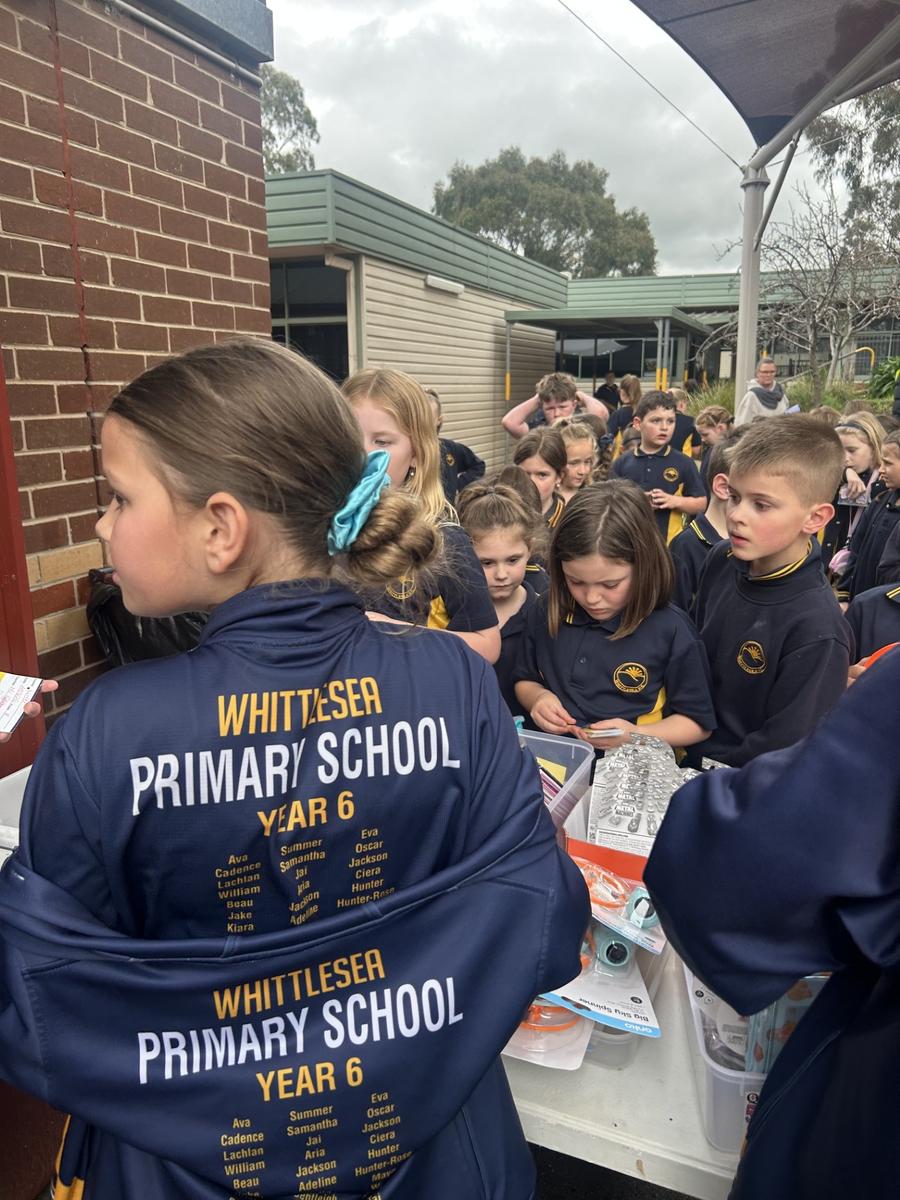
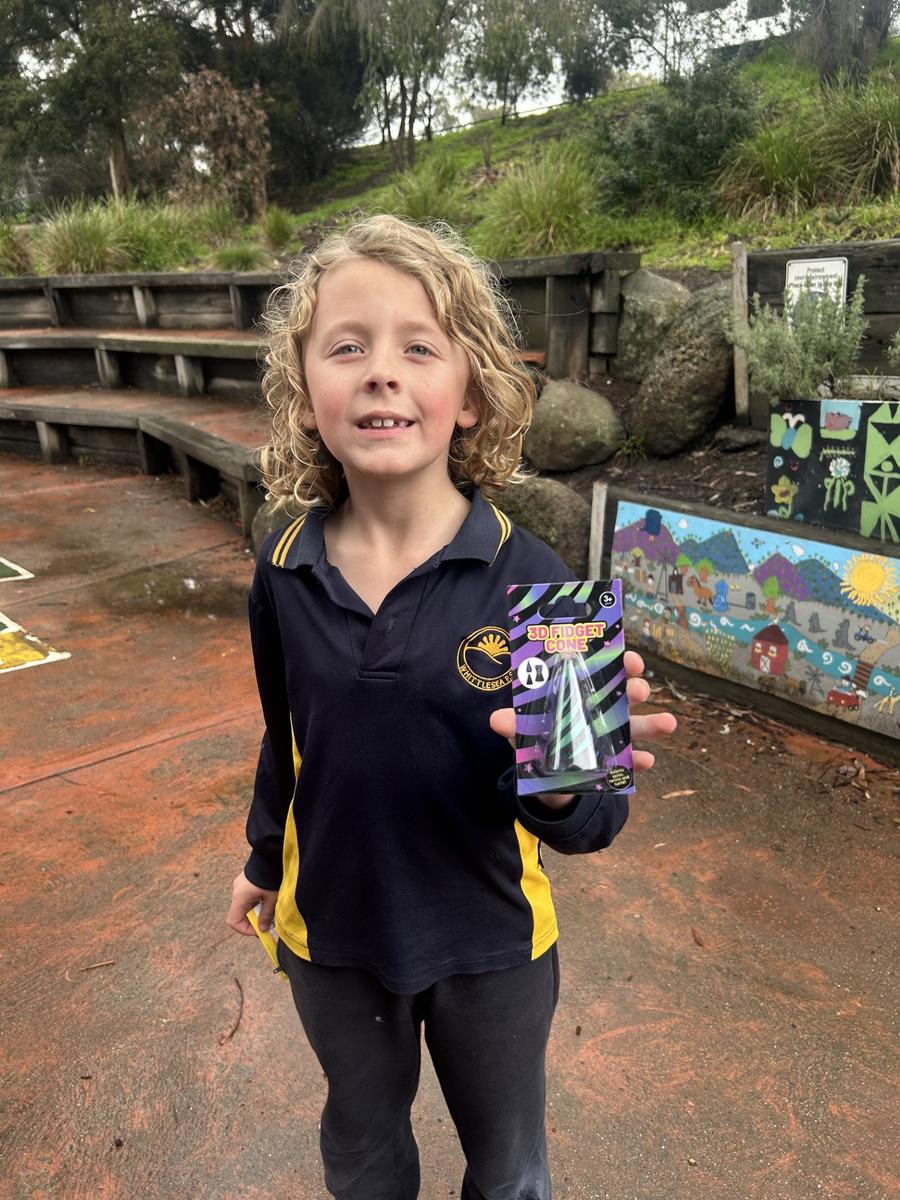
Despite the cold weather, we held our second Whittlesea World this week. It was fantastic to see so many students trade in their Golden Tickets for a variety of items such as footballs, texta packs, fidgets, colouring books, trinkets, and the always popular 'Principal for the Morning' award. Well done to all students who have continued to receive Golden Tickets for demonstrating our school expectations of 'Do Your Best', 'Respect Your School', and 'Help Others Succeed'. A big thank you also to our school leaders for their continued support in helping run Whittlesea World.
Please note that the final Whittlesea World for Term 3 will be held in Week 10. We encourage all students to continue earning Golden Tickets for the rest of the term.
Children develop skills at different rates, and many children will occasionally find handwriting, coordination or everyday tasks challenging. However, for some children, ongoing difficulties with movement, coordination or writing may be linked to conditions such as dyspraxia or dysgraphia. Understanding these differences can help families and schools provide the right support and recognise children's strengths.
Dyspraxia is a term often used to describe Developmental Coordination Disorder (DCD). It affects the way a child plans, coordinates and carries out movements. Dyspraxia does not affect intelligence, but it can make some everyday physical tasks more difficult.
A child with dyspraxia may experience difficulties with:
Children with dyspraxia can sometimes become frustrated or avoid activities they find difficult. They may also tire more quickly because tasks that appear simple to others can require significant concentration and effort.
Dysgraphia describes ongoing difficulties with writing and written expression. It can affect handwriting, spelling, the physical act of writing and/or a child's ability to organise and express their ideas on paper. A child may have excellent ideas and be able to explain them clearly, but find it difficult to put them down in writing.
Signs may include:

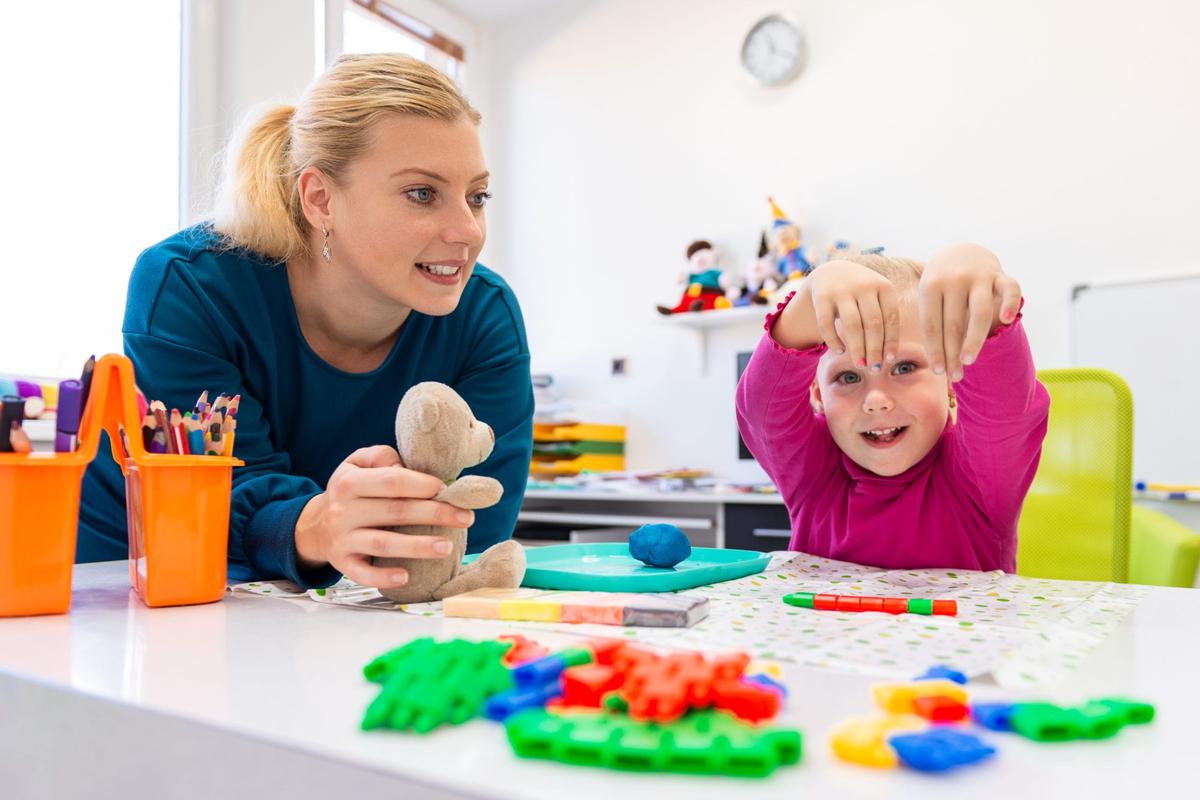
If you have concerns about your child's coordination, handwriting or written work, a good first step is to speak with their classroom teacher. Teachers can share observations about how your child manages at school and discuss strategies that may be helpful.
Depending on the child's needs, further advice may be provided by professionals such as:
Early identification and support can make a meaningful difference, but it is also important to remember that every child's needs and strengths are different.
There are many adjustments that can help children participate successfully and show what they know. Support might include:
Most importantly, children benefit when the adults around them recognise both their challenges and their strengths. With understanding, appropriate adjustments and the right support, children with dyspraxia or dysgraphia can build confidence, independence and the skills they need to thrive at school and beyond.
If you have concerns about your child, please don't hesitate to speak with their classroom teacher or a member of the school's wellbeing.