
Counsellors Corner
Leanne Miller

Counsellors Corner
Leanne Miller
What is the difference between loving-kindness and self-compassion? Loving-kindness and self-compassion are closely connected, but they aren't exactly the same. In this video, Kristin Neff explores how loving-kindness helps us respond to both life's joys and struggles with warmth and care. When we bring goodwill to moments of happiness, gratitude naturally grows. When we bring that same kindness to our suffering, compassion emerges.
Kristin Neff, Ph.D. is a pioneer in the study of self-compassion, being the first one to operationally define and measure the construct more than twenty years ago. Together with her colleague Dr. Chris Germer, she has created several empirically supported self-compassion training programs and co-founded the Center for Mindful Self-compassion.
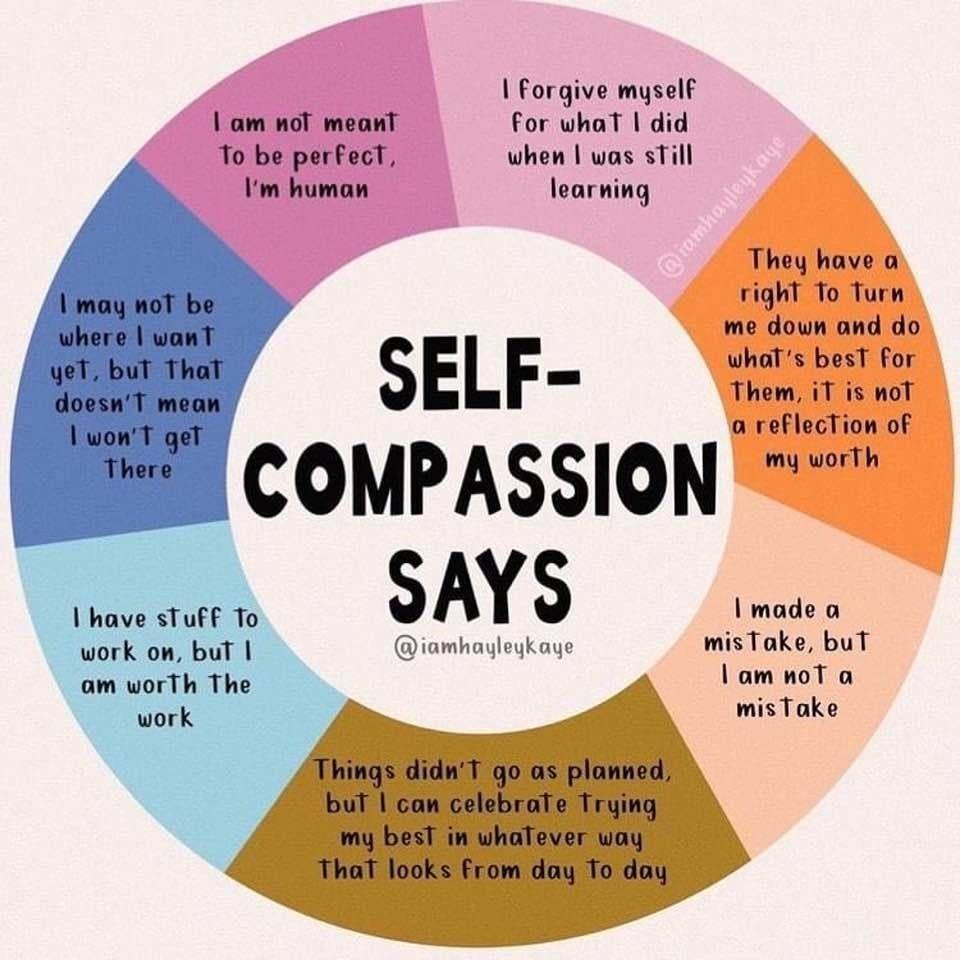
Benefits of Self-Compassion for children
Children who develop self-compassion tend to:
Practical Ways to Foster Self-Compassion
By integrating these strategies, children can develop a strong inner voice of self-compassion, improving their emotional resilience, social skills, and overall well-being.