
Year 2
In English Innovation, students will develop their persuasive writing skills by learning to share their opinions, build strong arguments and support their ideas with reasons. Through debating, they will strengthen their speaking, listening, collaboration and critical-thinking skills. Throughout these learning experiences, students will demonstrate key innovator dispositions, including curiosity, creativity, reflection and collaboration.
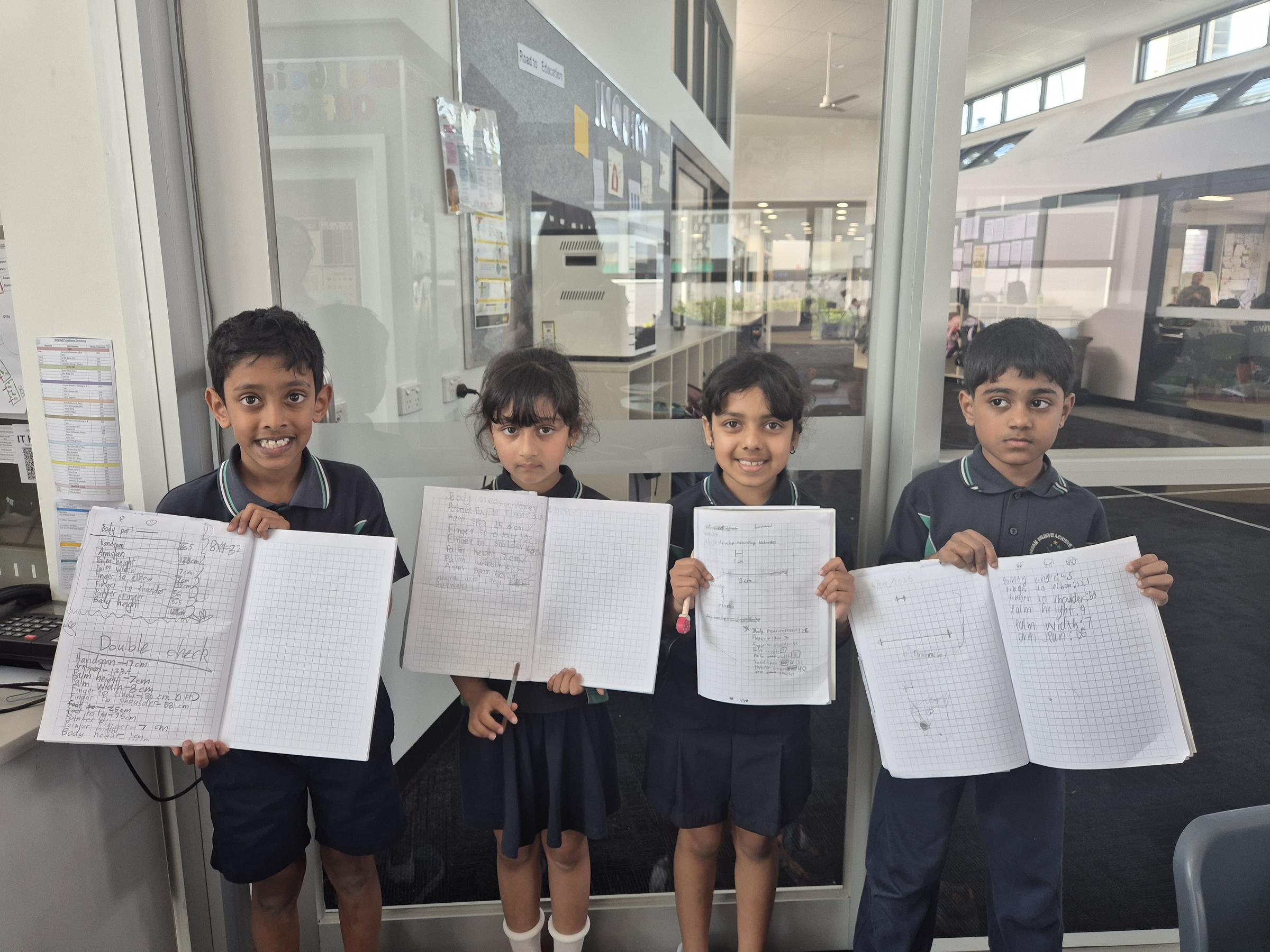
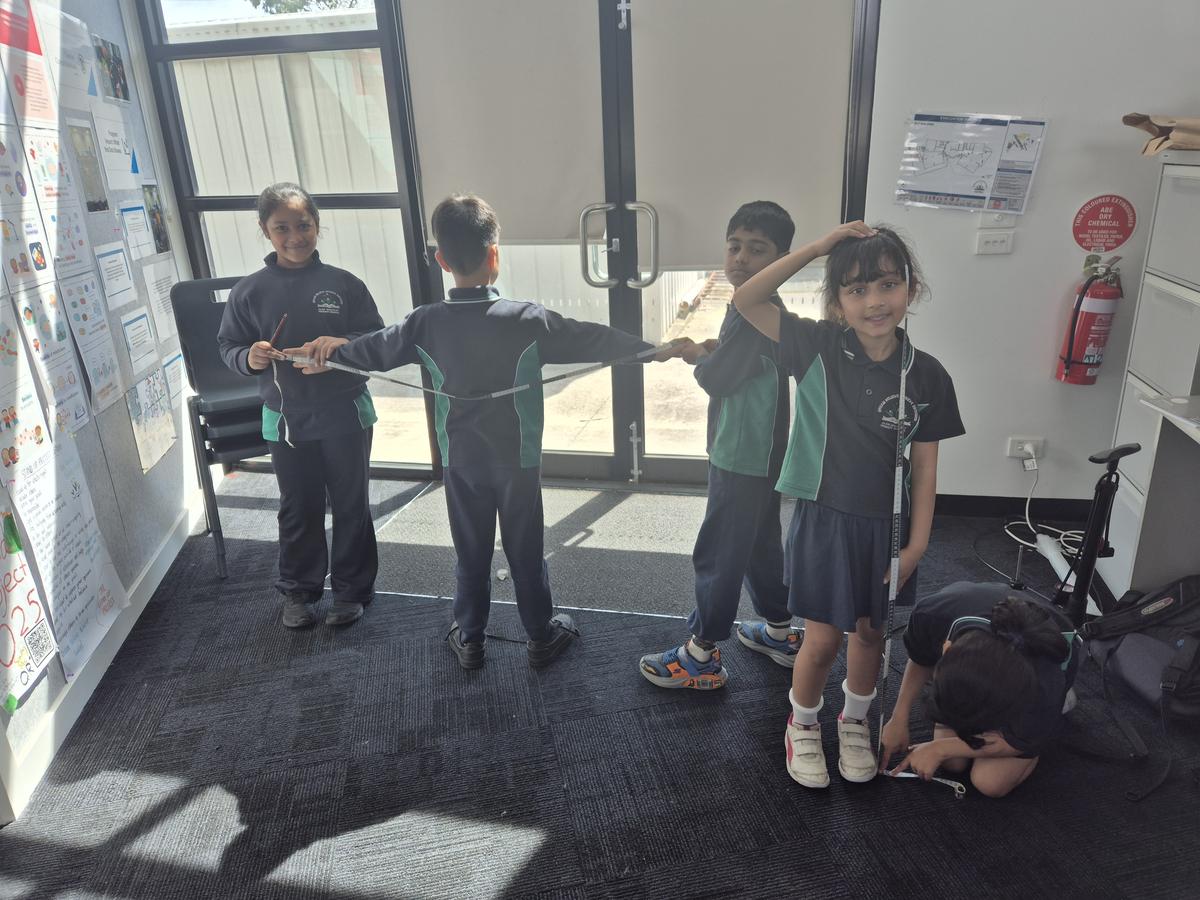
In Mathematics Innovation, students will spend time exploring the use of formal units of length measurement before applying this knowledge to measuring their own bodies. They will then explore how many of one measurement it takes to make another; for example, how many of their handspans it takes to measure their height. Additionally, students will extend this understanding to measuring the perimeter of objects and calculating the area of 2D shapes.
Throughout the semester, students will develop their ability to record their learning accurately and clearly, as well as develop techniques for collaborating with their peers to effectively support their learning.
In STEAM Innovation, students will be given further opportunities to engage with the worlds of engineering and science. Students will begin the term by investigating the concept of buoyancy by building model boats that can float in water.
Next, students will explore the science of ecology by investigating the different biomes found around the world before taking a closer look at Glen Waverley Primary School’s own unique environment. They will then create a ‘model ecosystem’ of the school.
Finally, students will experiment with Tinkercad and 3D modelling tools as they envision and build future versions of household objects.
In Game Design Innovation, Year 2 students will work towards understanding game mechanics and how games can be played. They will explore classroom games and basic card games to develop an understanding that games require tangible resources, rules and collaboration between players.
Students will design basic games such as Snap and Memory Match, identifying the criteria needed to create cards that can be used for both games. They will explore a range of tabletop board games and how they work, with opportunities to create their own tabletop board game.
Students will transfer their understanding of game mechanics to create a playable game, either independently or in a group. As part of the learning process, they will identify and respond to feedback from themselves and others as their game is played, shared and discussed.