Prep
Information and Reminders
Reminders for the Healesville Sanctuary Excursion 🐨
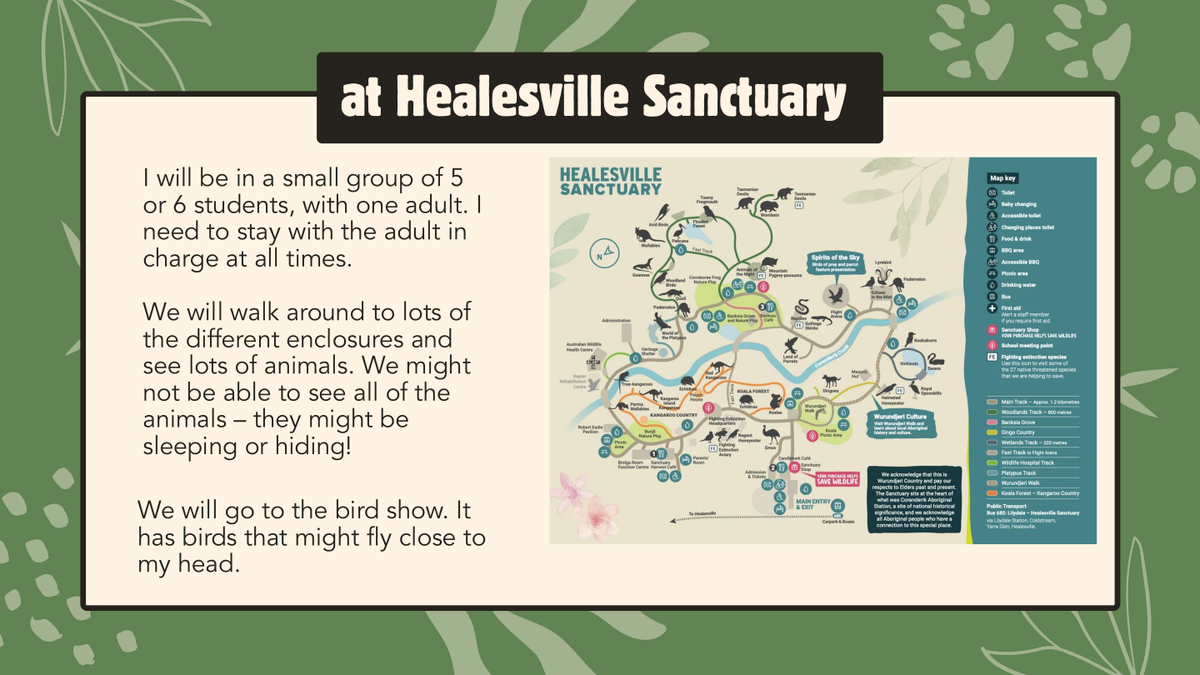
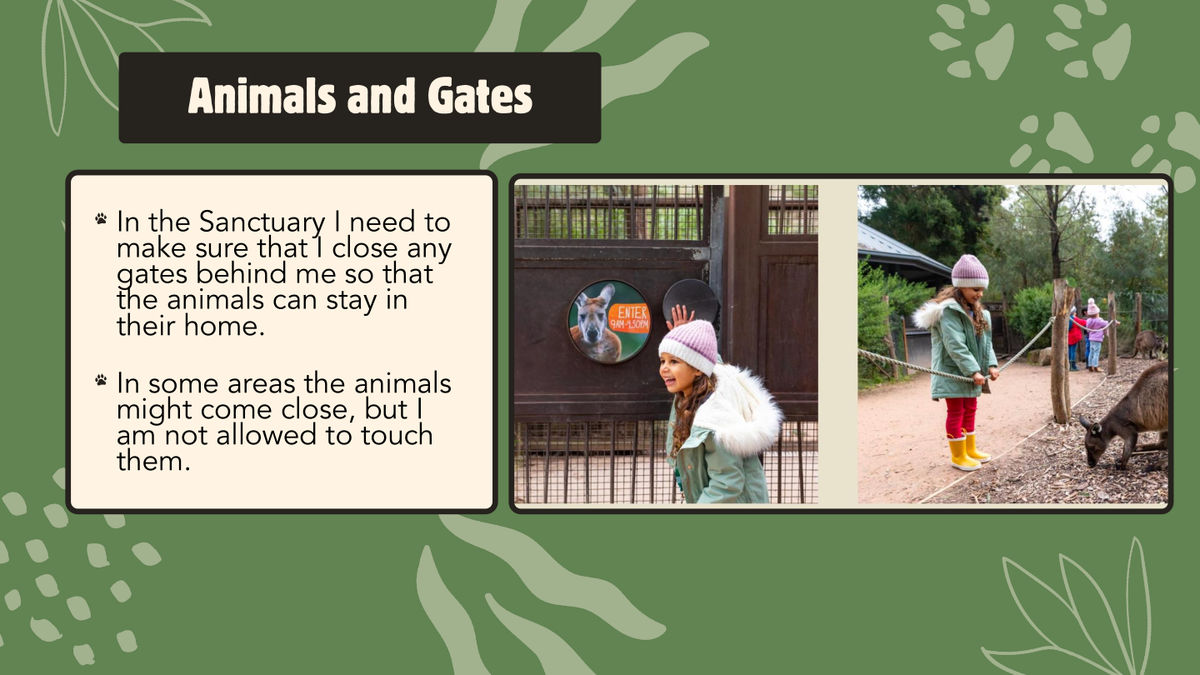
We are off to Healesville Sanctuary on Thursday 20th August! To help ensure we have a wonderful day, please see the important reminders below.
What to bring / wear
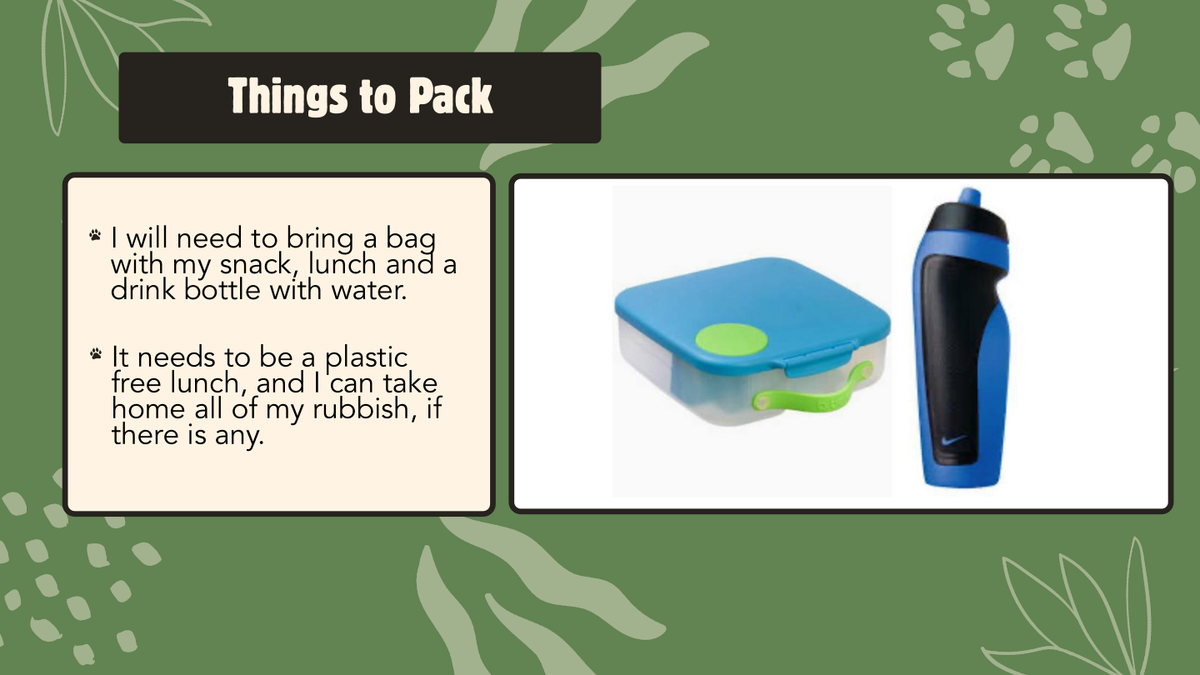
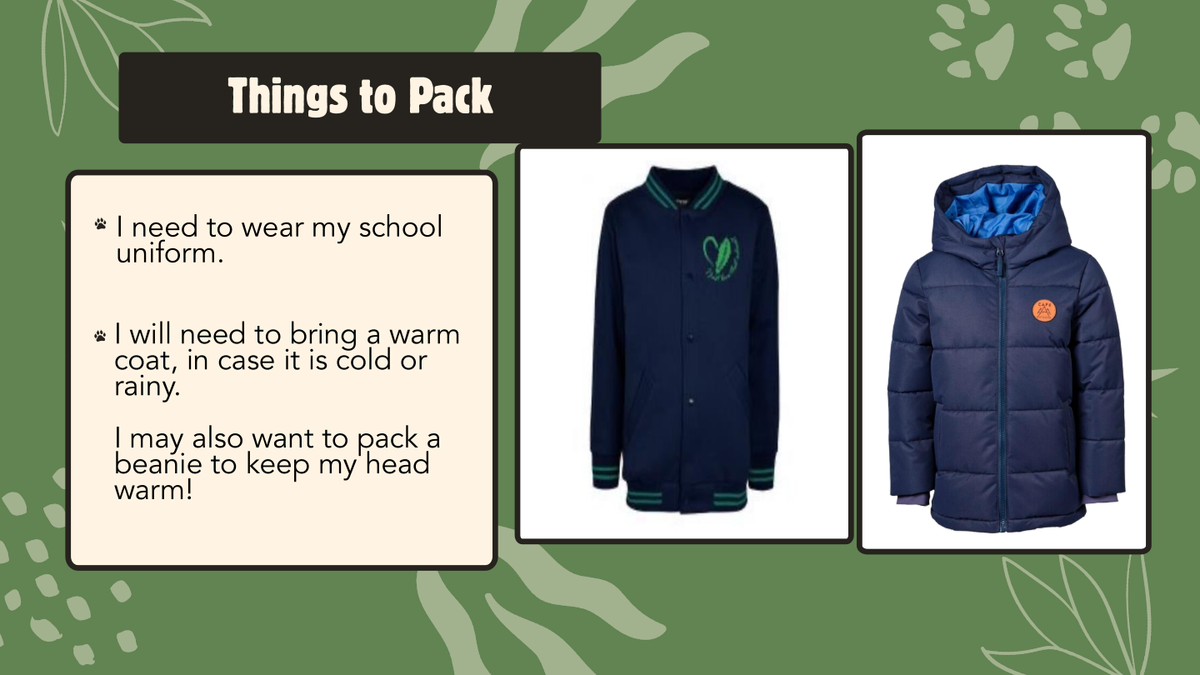
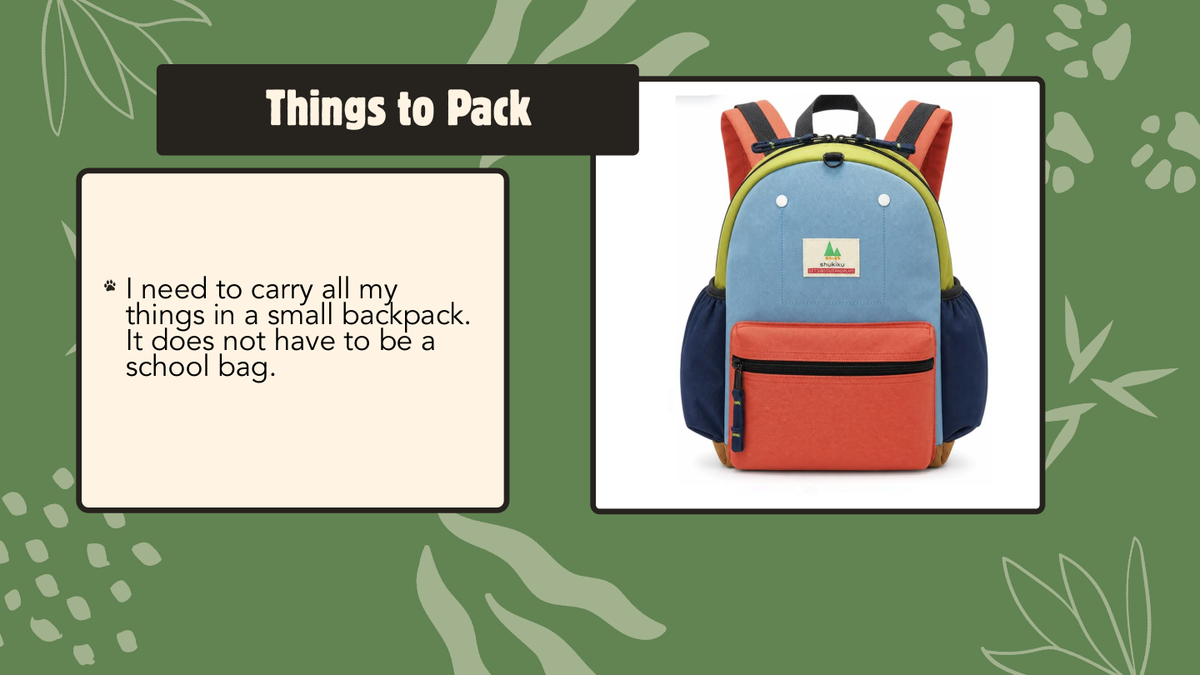
- Students need to bring their own small backpack containing their food for the day (rubbish-free, if possible), a water bottle and ajacket.
- Please be mindful of how much you pack, as students will need to carry their own backpack throughout the day.
Please check the weather forecast and dress your child accordingly. This includes wearing appropriate footwear, and possibly bringing a warm jacket and a beanie.
Arrival time at school
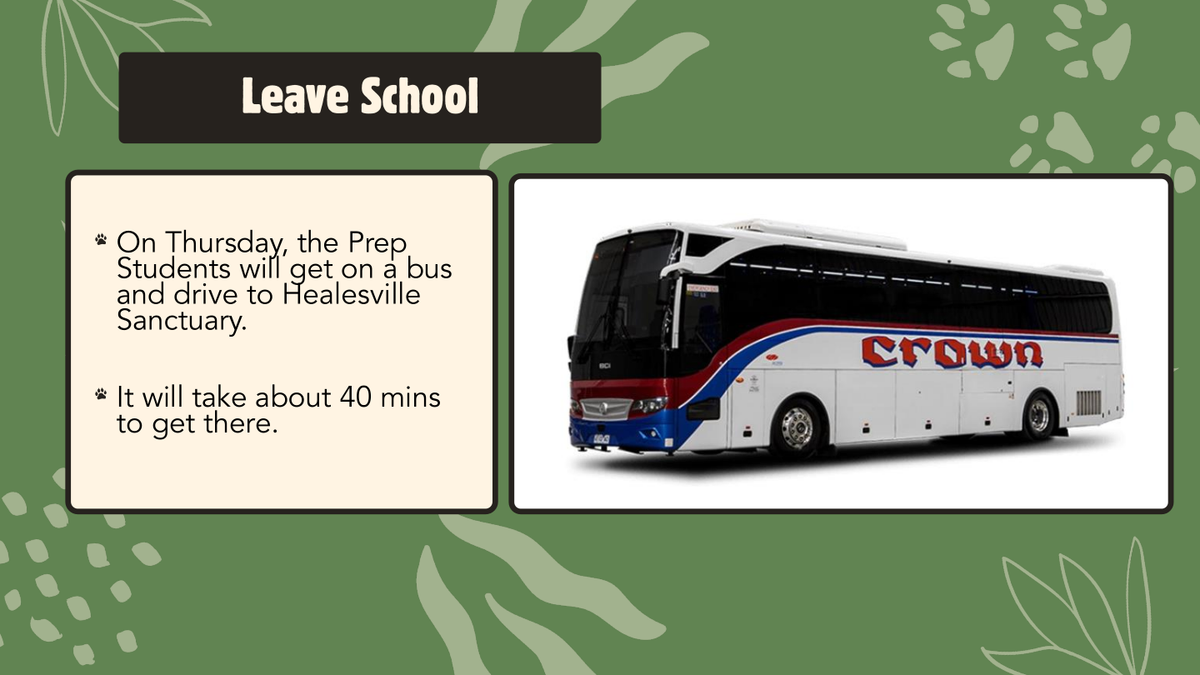
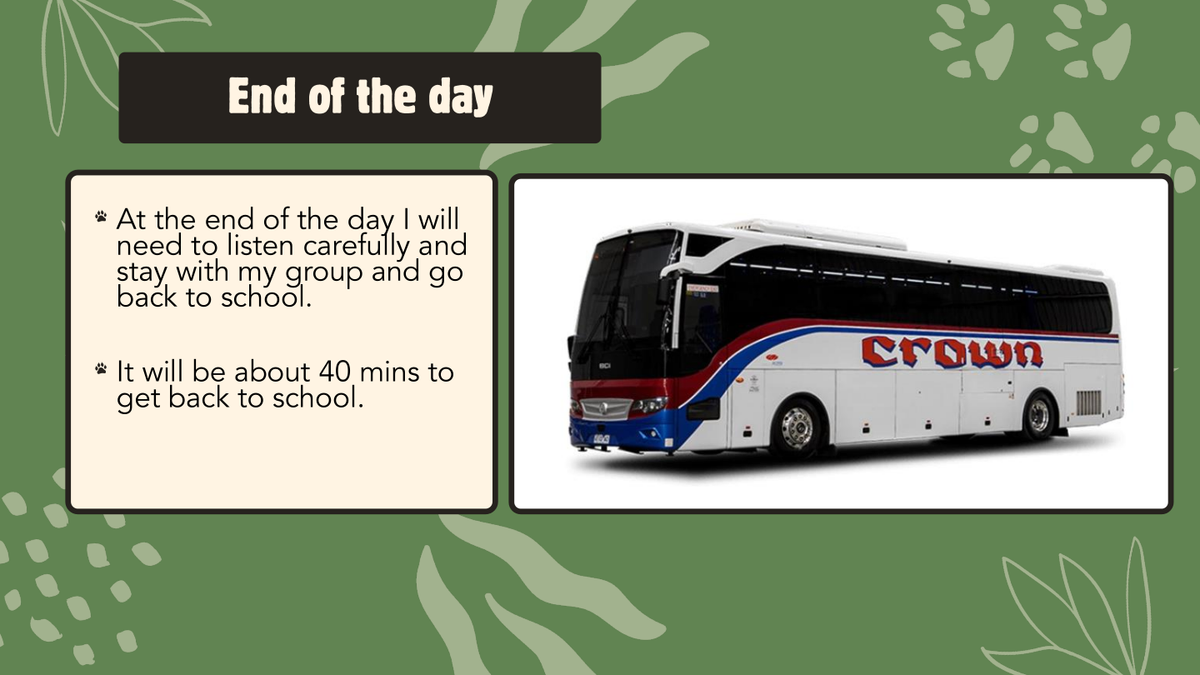
Students need to arrive at school by 8:45am for our 9:00am departure. Please ensure your child goes to the toilet before coming into the classroom so that we can be ready to leave on time.
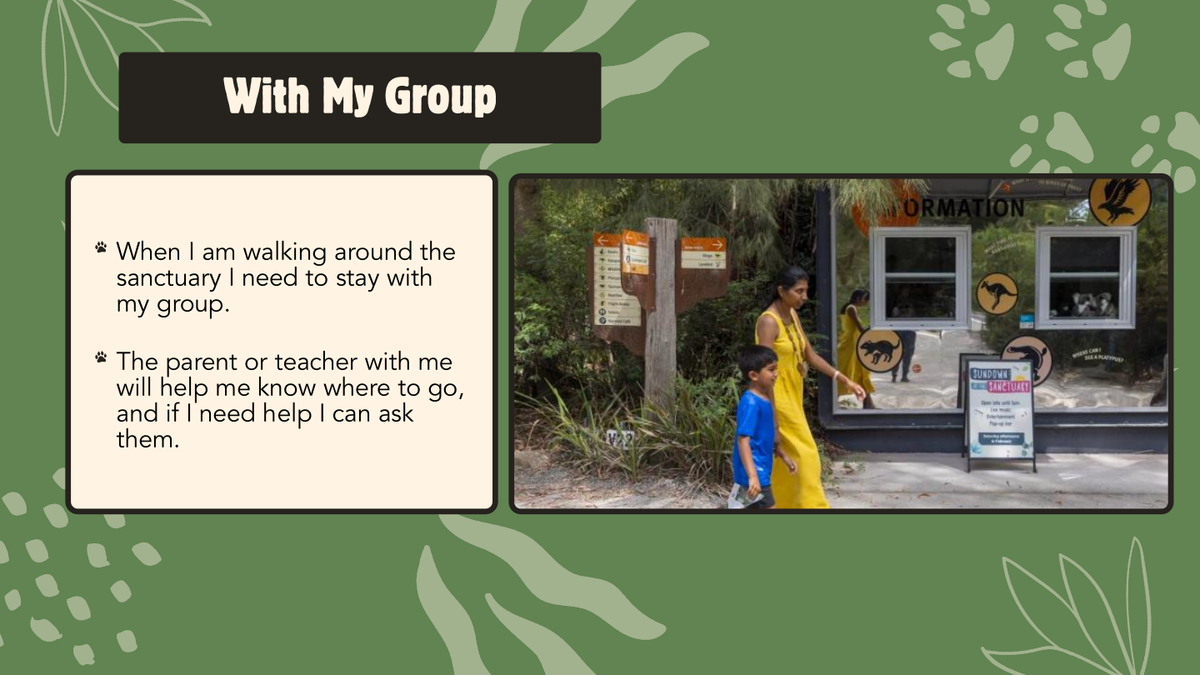
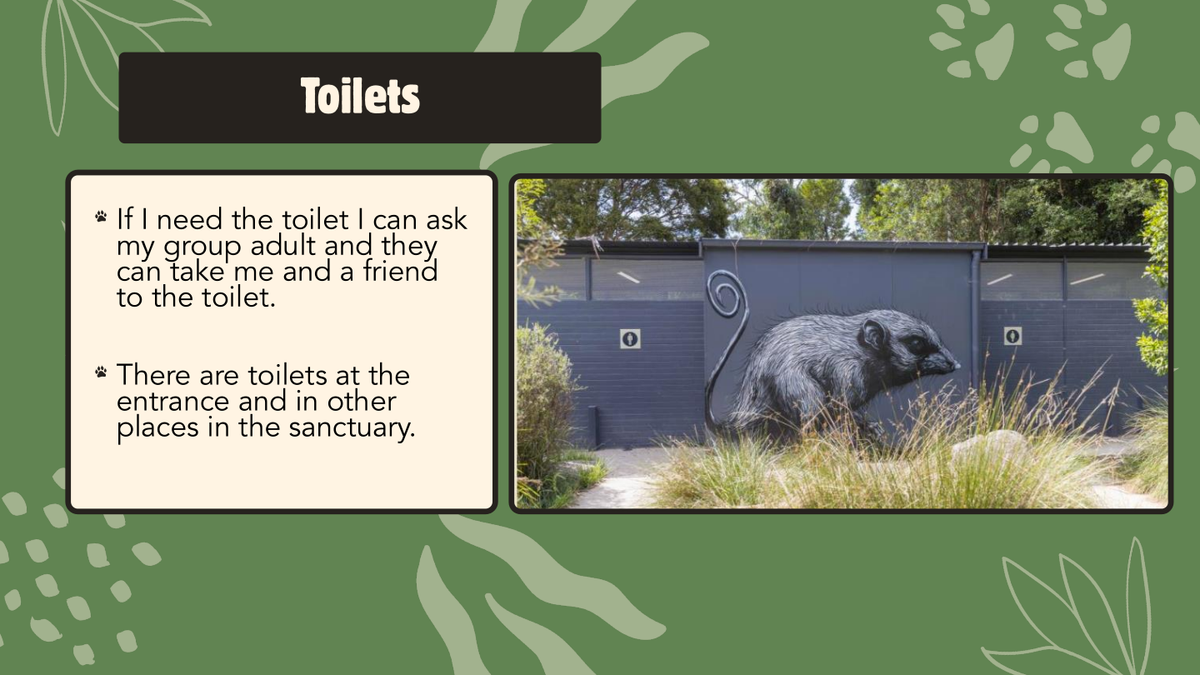
Healesville Sanctuary Social Story
Sandy / muddy outside play
With the recent wet weather, we are noticing that some students are becoming very muddy and sandy during playtimes! While we love seeing students enjoying the outdoors, our supply of spare clothing in the sickbay has now been exhausted.
We ask families to please ensure that children who enjoy exploring the sandier/ muddier areas of the yard have a complete change of clothes in their school bag, including underwear and socks. Having spare clothes available will mean students can quickly change and return to class clean, dry and comfortable.
Thank you for helping us keep the messy adventures outside!
Toys and Fidgets
Recently, we have noticed an increasing number of toys and personal items making their way into classrooms and learning spaces. While these can be great for play and connection during break times, they can also become a distraction during lessons. Students are welcome to bring appropriate toys to school to enjoy with friends at recess and lunchtime. During learning time, however, toys and personal items need to remain safely in students' bags.
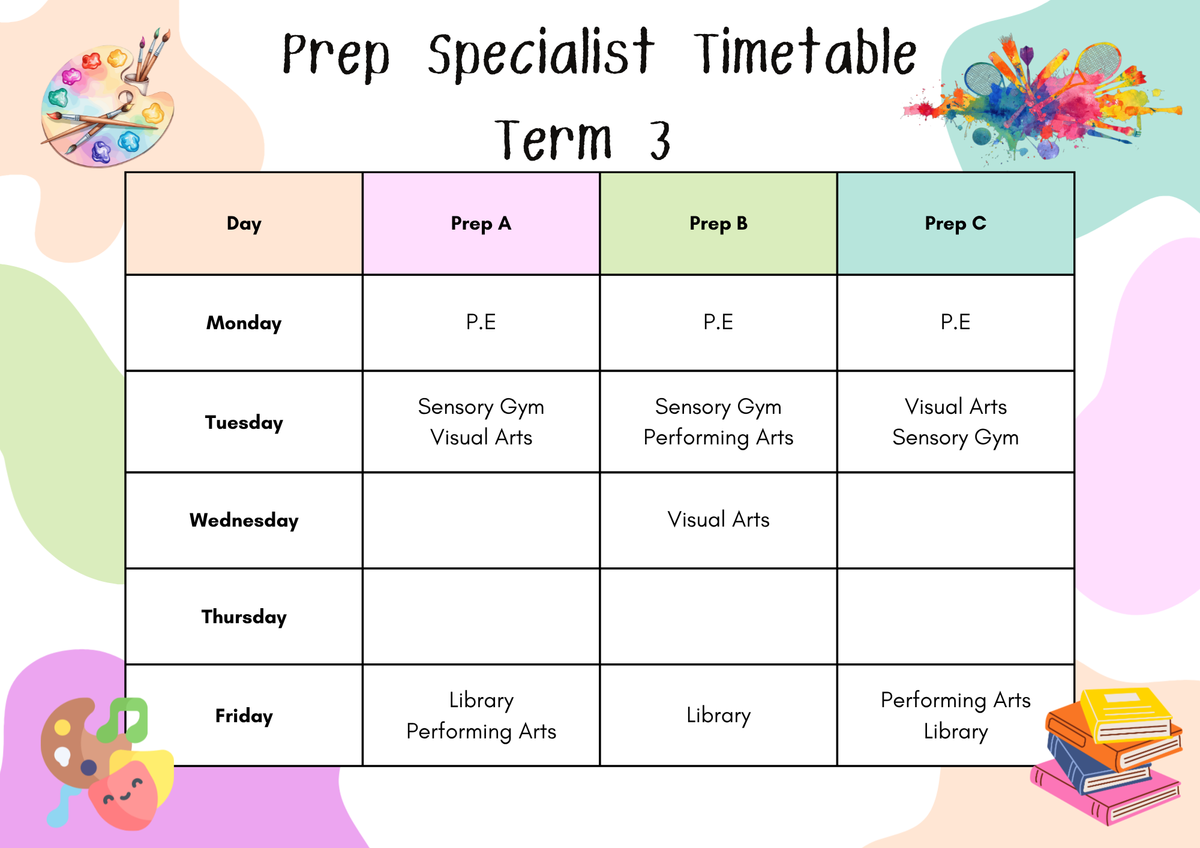
Term 3 Specialist Timetable
Please note: Due to the Grade 5/6 students participating in an onsite incursion, Prep students will still have their big specialist day on Tuesday, but their specialist classes will take place in the morning rather than the afternoon. This arrangement will be in place for the next two weeks.
Curriculum
*Please remind your child to go to the toilet before they enter the classroom.
Phonics and reading
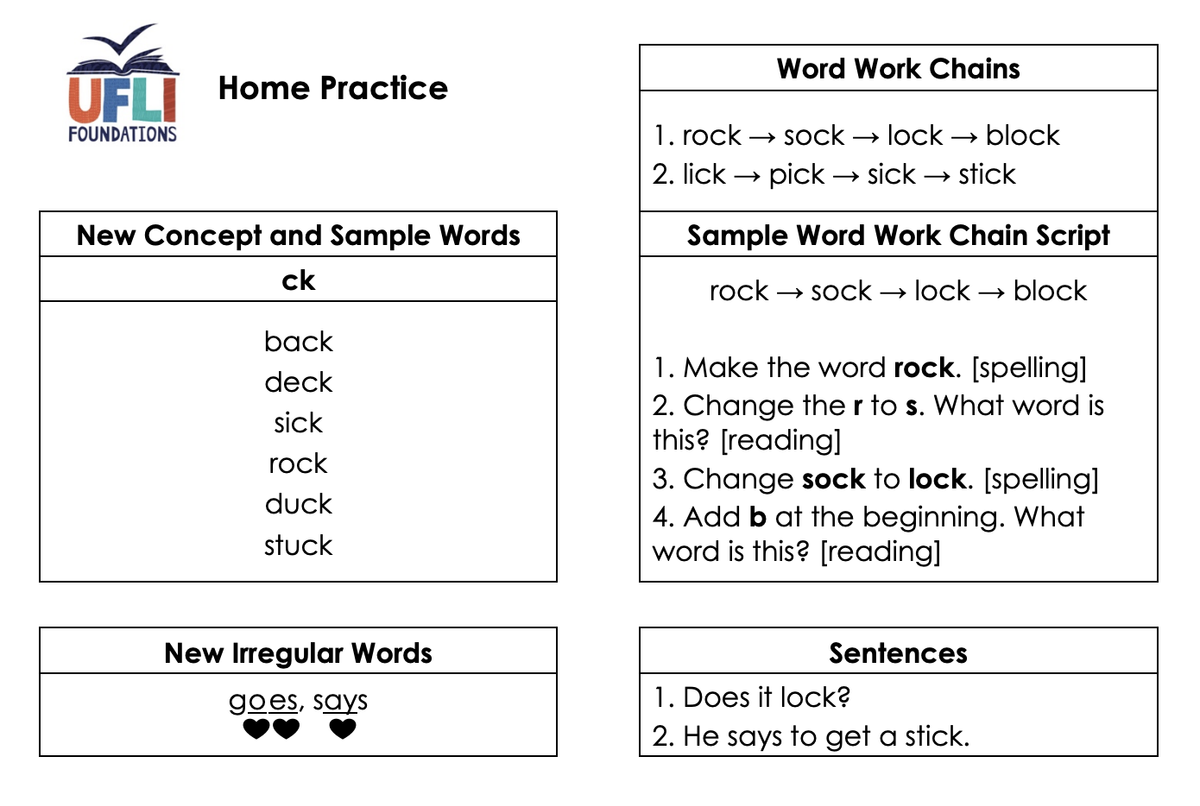
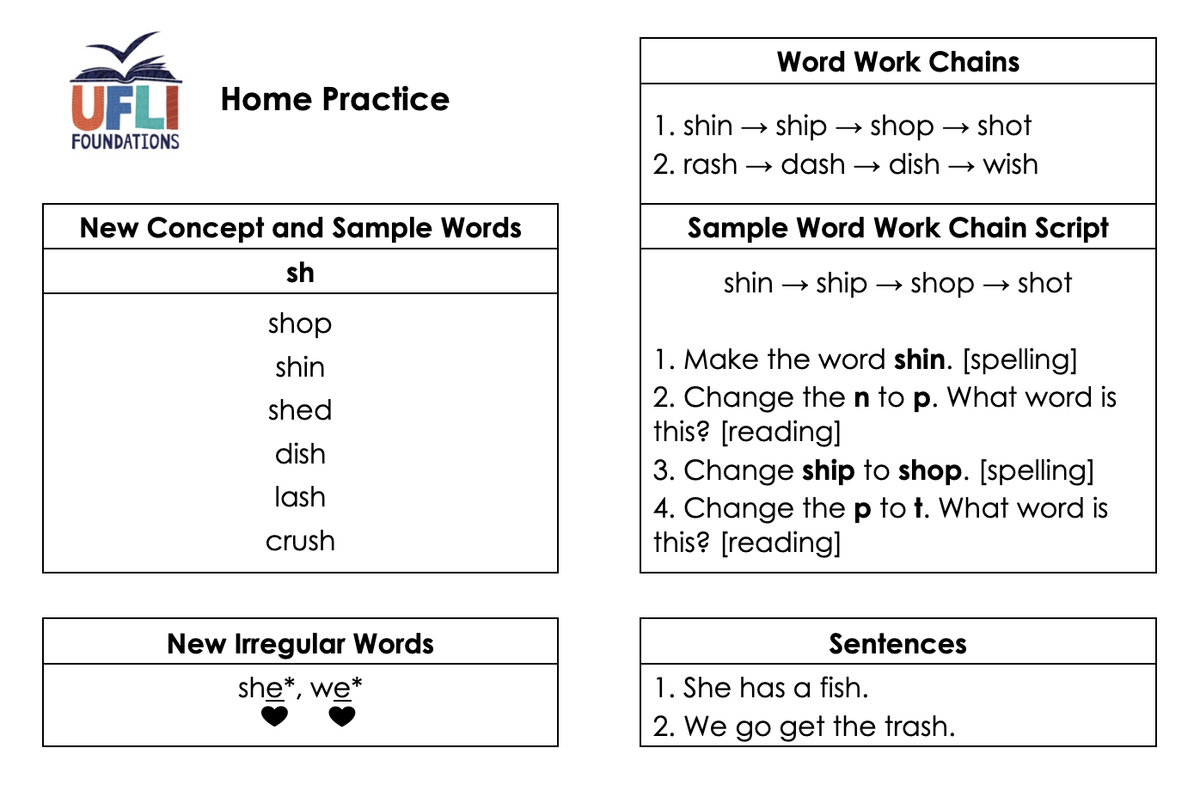
We are learning about the digraphs CK and SH. Digraphs are two letters that work together to make one sound, as in duck and shop.
Our learning focus will include reading words and short texts, spelling words containing these patterns, and writing simple sentences using our new spelling knowledge.
What can you do at home?
• Support your child to read the decodable book and UFLI text in their Reading Pocket. Try and aim to read every day, if you can.
• The 'Roll and Read' page is a great way to practise sounding out and blending words, especially for students who find reading sentences a little challenging.
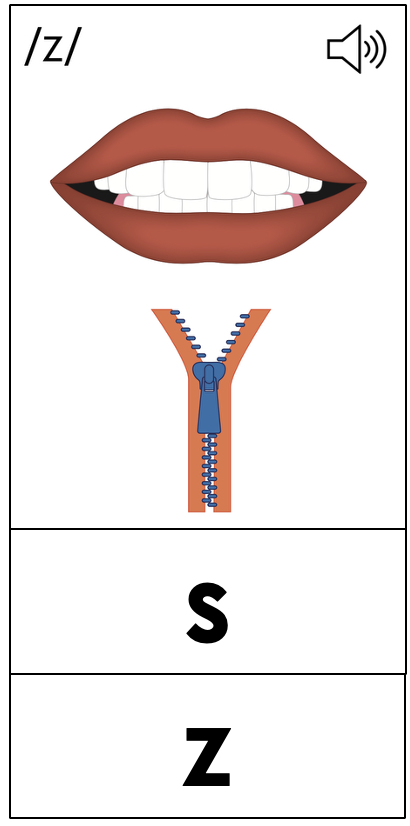
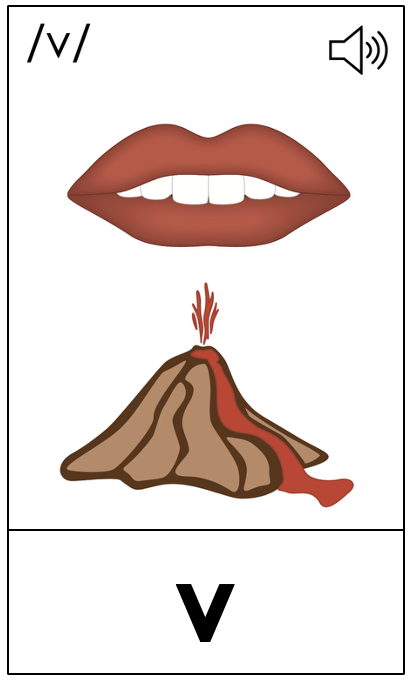
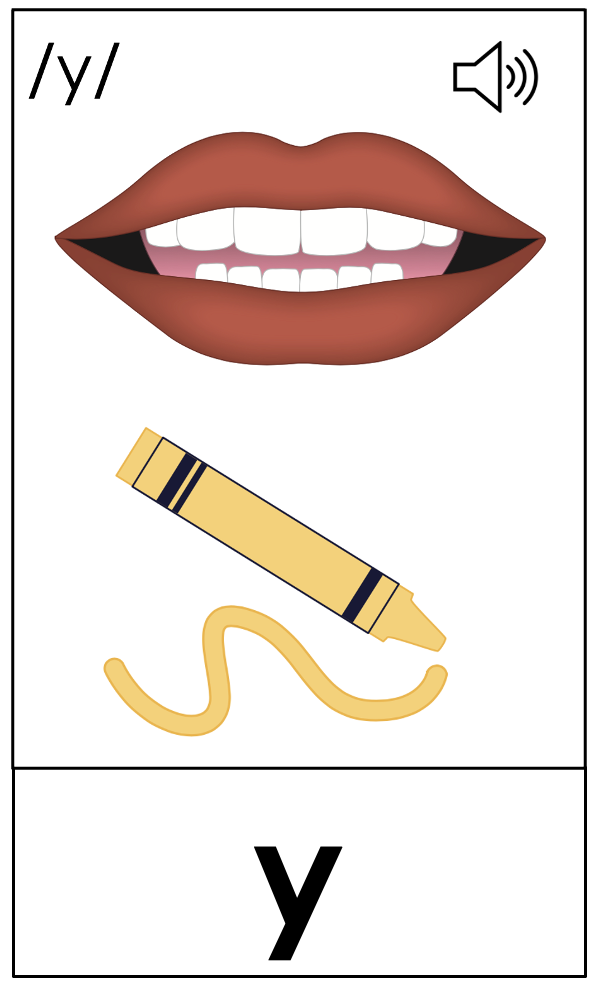
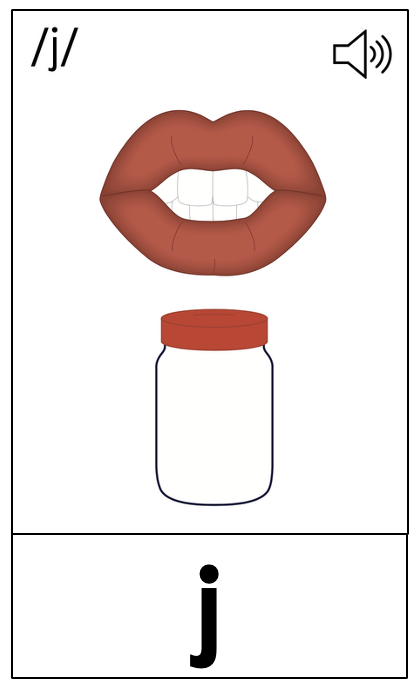
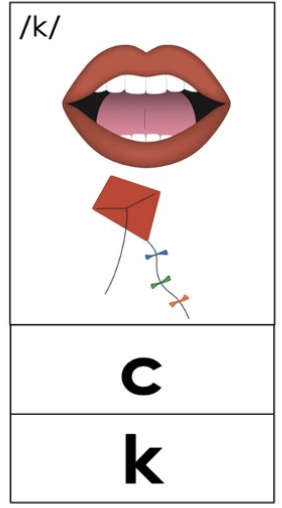
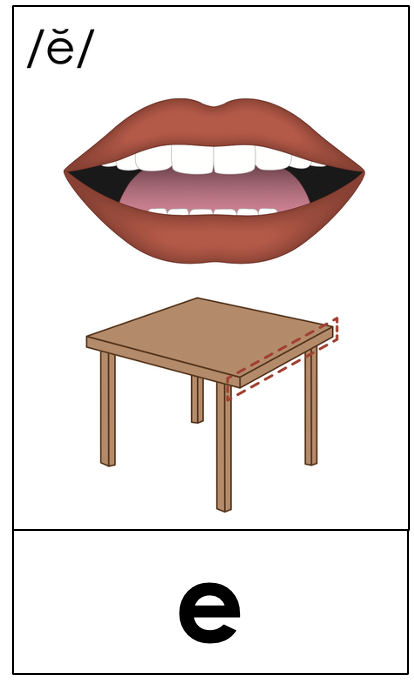
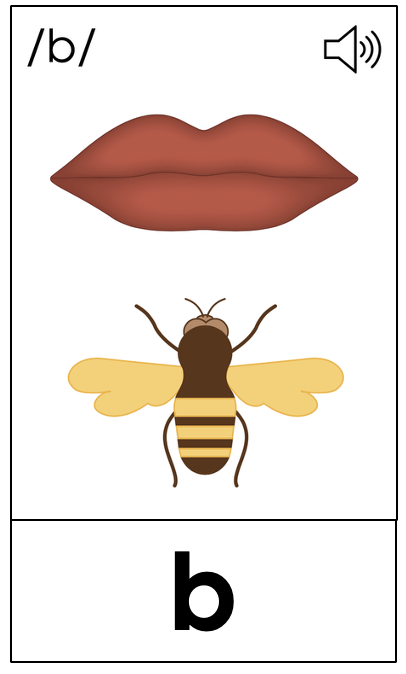
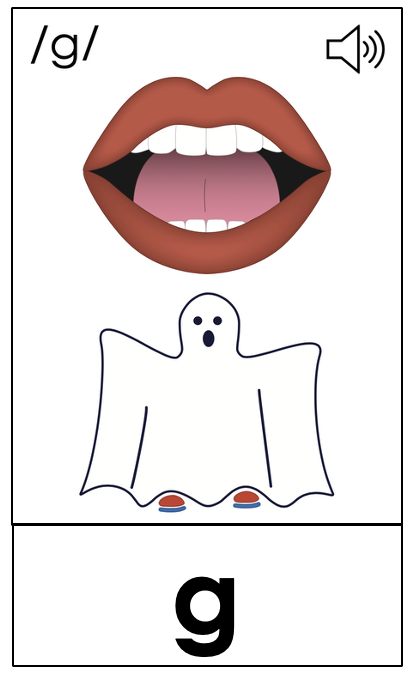
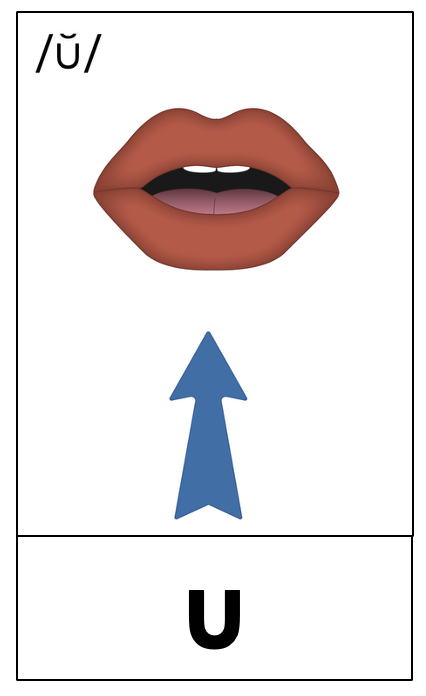
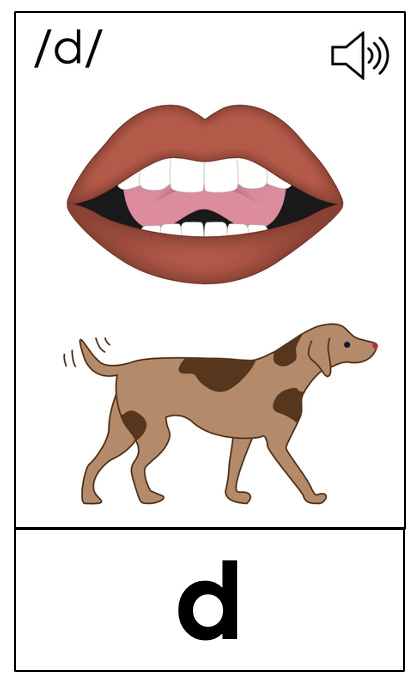
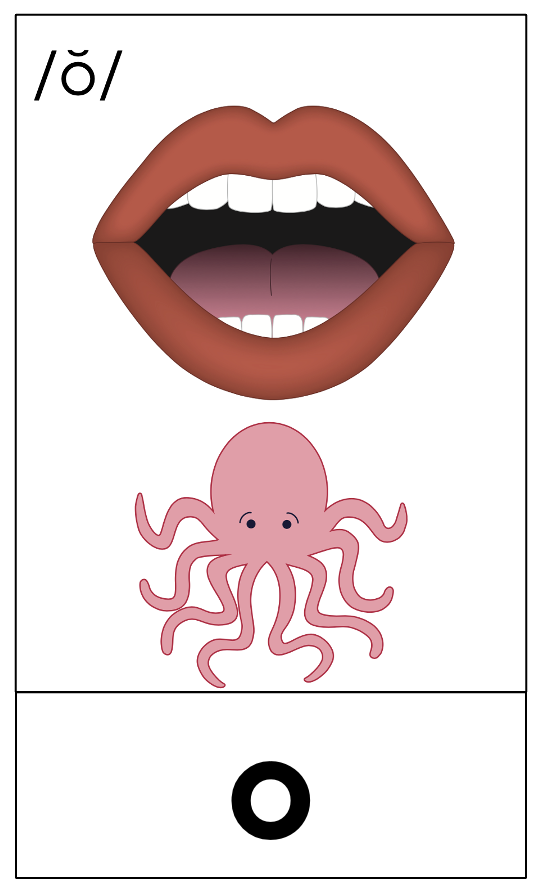
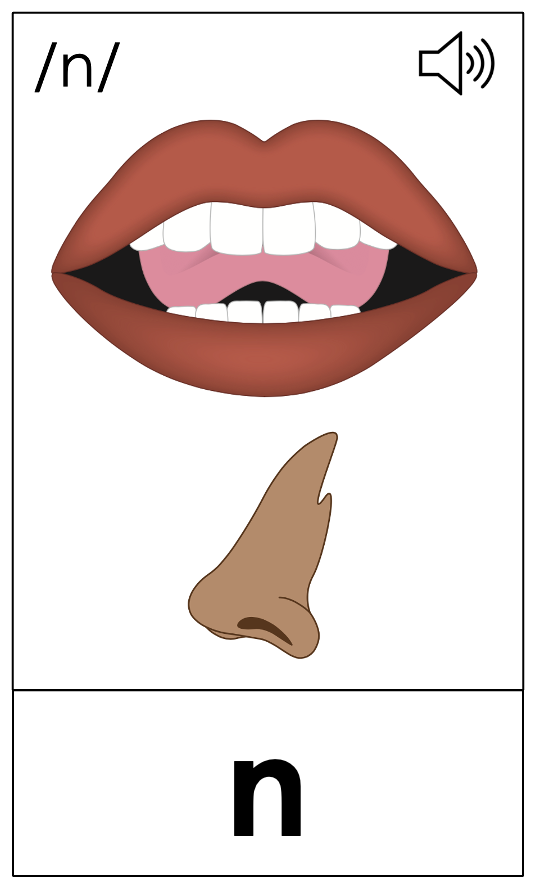
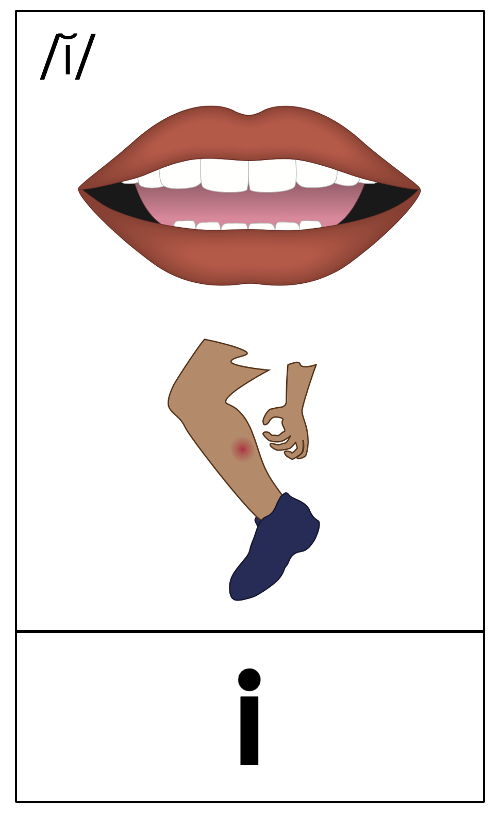
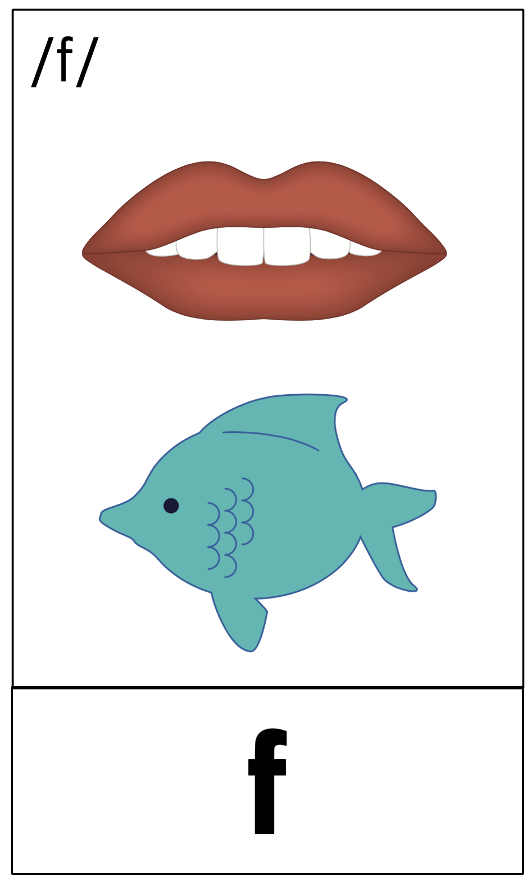
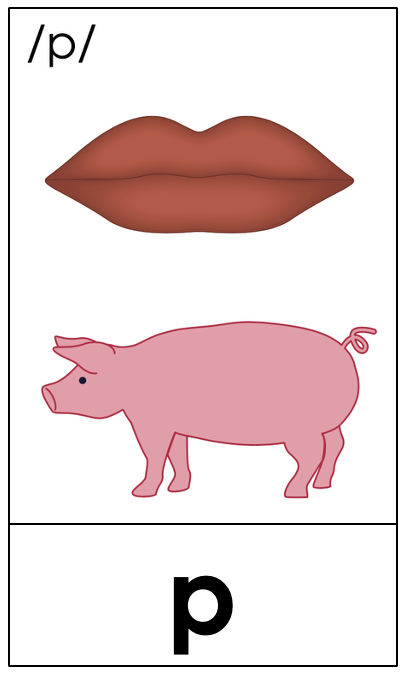
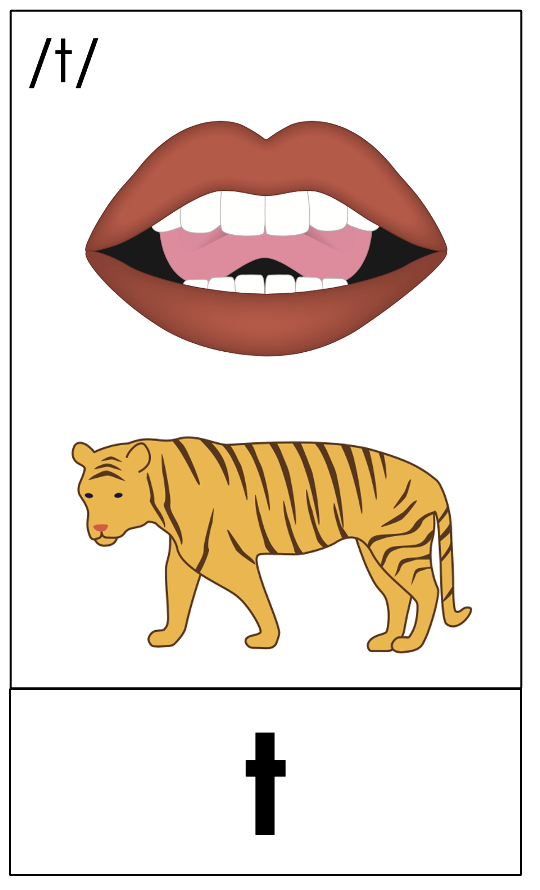
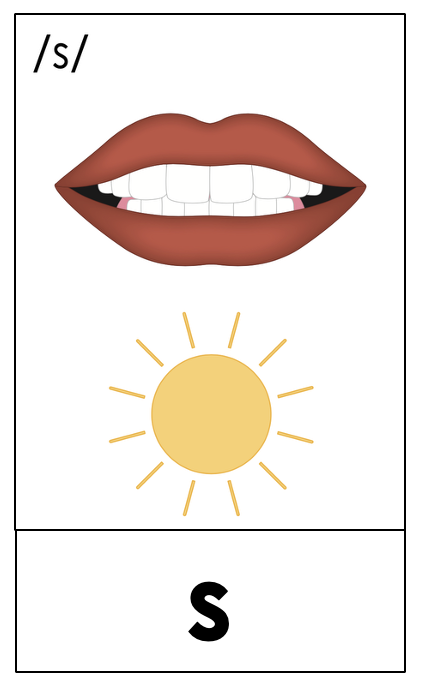
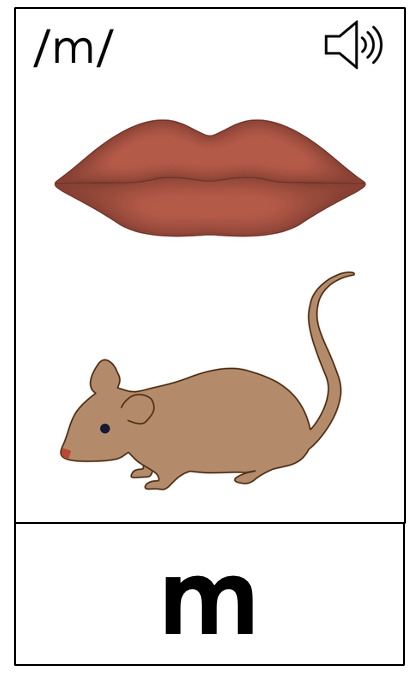
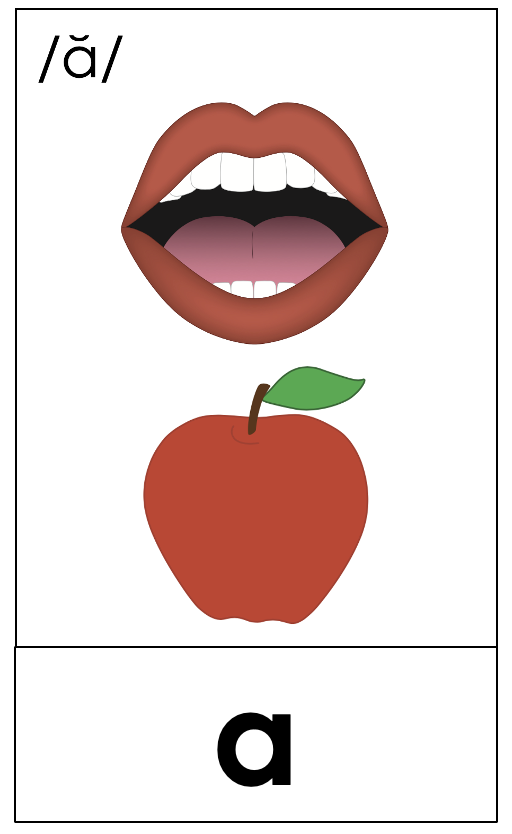
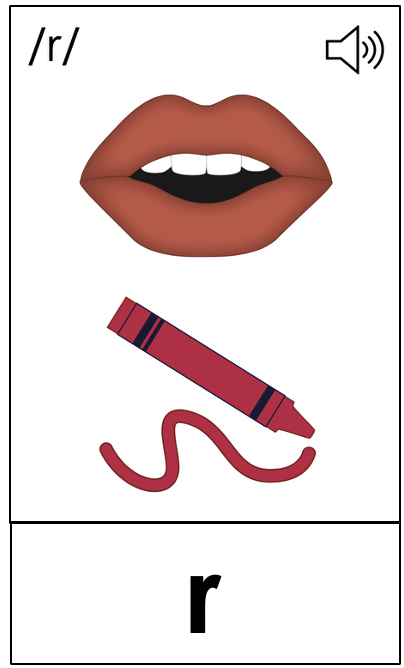
•Review the letter names and sounds for all letters of the alphabet. When practising, say them like this: “A spells /a/.” Ask your child if they can show you the cued articulation for the sounds.
•Learn the Heart Words (in red booklet).
• Work through the optional UFLI pages.
Sound / Letter cards to review:
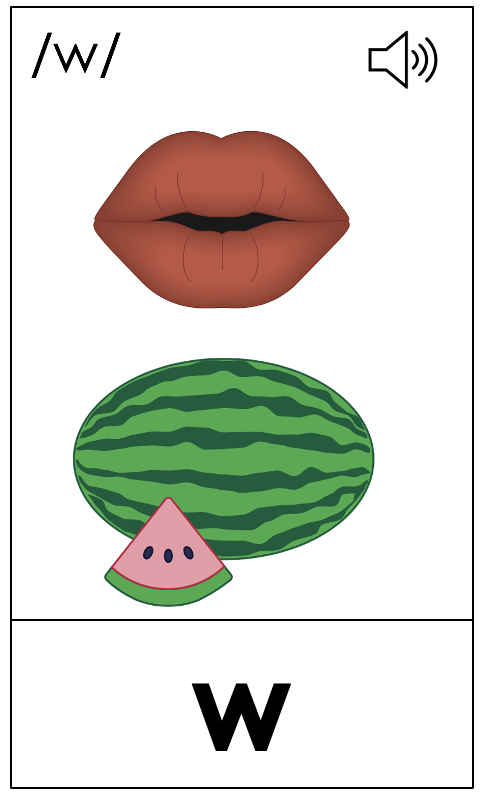
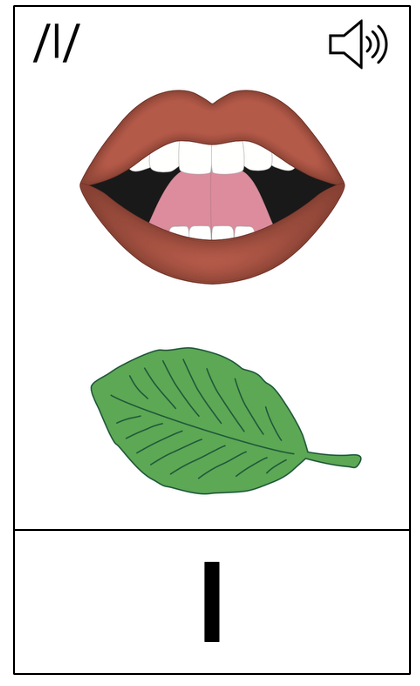
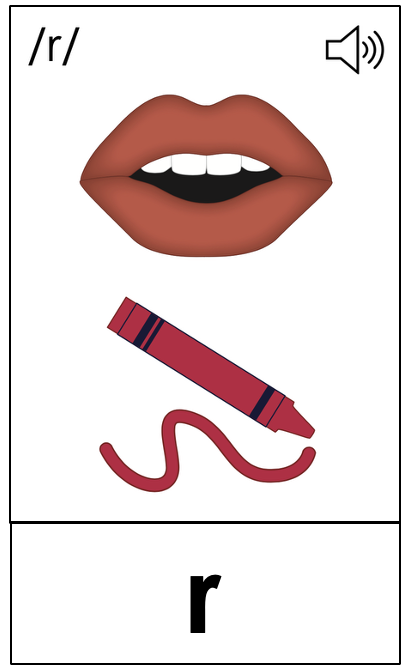
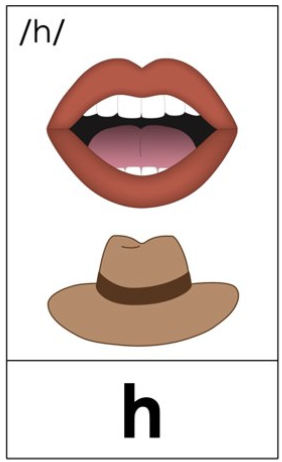
Optional UFLI Home Practice Pages:
Literature: reading responses and writing
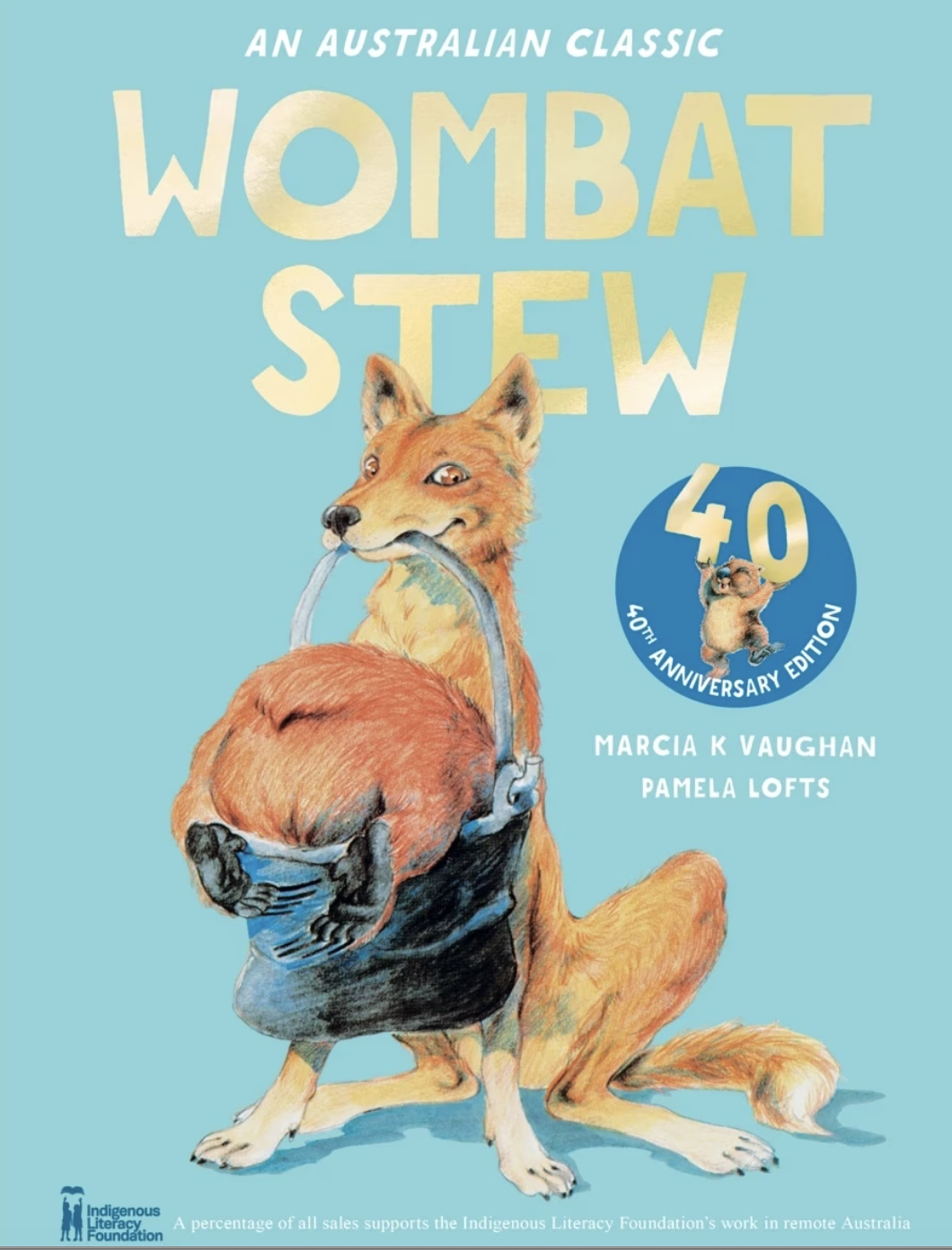
Our mentor text focus is shifting from non-fiction texts to narratives, while continuing our focus on Australian animals. Students will listen to Wombat Stew and explore the story by plotting it on a story mountain, identifying the beginning, middle and end. They will investigate the character traits of the dingo, write their own recipe for wombat stew and create a craft to accompany it.
In line with Bullying No Way! Week, students will also identify the upstanders in the story and consider what the animals could have said to the dingo to be upstanders and support the wombat.
All of our mentor text sessions will incorporate writing, giving students opportunities to practise their writing skills while responding to and building on their learning from the text.
What can you do at home?
•Encourage your child to write about things they are interested in - a picture, a favourite animal, something they did that day or a story they have imagined. Encourage them to sound out words using the sounds they know and have a go at spelling independently.
•Help your child practise writing their name with a capital letter at the beginning and lowercase letters for the rest of their name.
Maths
Students will conclude their learning about Measurement (for now) with a focus on Capacity. Throughout the week, they will use a mini Bunnings bucket to explore the concept of capacity and compare different containers. Students will identify containers that have a larger or smaller capacity than their bucket, and use it to find containers that hold more, less or the same amount. They will also test and order containers according to their capacity. As part of this learning, students will be introduced to making a prediction before testing to see if their thinking was correct.
What can you do at home?
•Compare containers at home by asking, “Which container do you think will hold more? Which will hold less?” Encourage your child to make a prediction before testing.
•Explore capacity during bath time or at the sink using cups, bottles and containers. Let your child fill and pour to discover which containers hold more, less or the same.
Wellbeing
SWPBS & Respectful Relationships
Our SWPBS and Respectful Relationships learning this week will take place as part of our Bullying No Way! focus. The theme for the week is 'Small Acts – Big Impact', and students will explore how small, kind actions can have a big impact on someone else by helping them feel included, supported and valued. We will document our thinking and learning in a learning journal, which will be sent home at the end of the week.
💜 Remember to support the cause by wearing a 'pop of purple' this Friday! 💜
What can you do at home?
• Look through your child’s Bullying No Way! learning journal together (at the end of the week) and ask them about what they have learned. Talk about the small acts of kindness they could use to help someone feel included, supported and valued.
•Talk about bullying and being an upstander by asking questions such as, “What could you do if you saw someone being left out or treated unkindly?” and “Who could you talk to if you or a friend needed help?” Encourage your child to understand that even small actions can make a big difference.