STEM
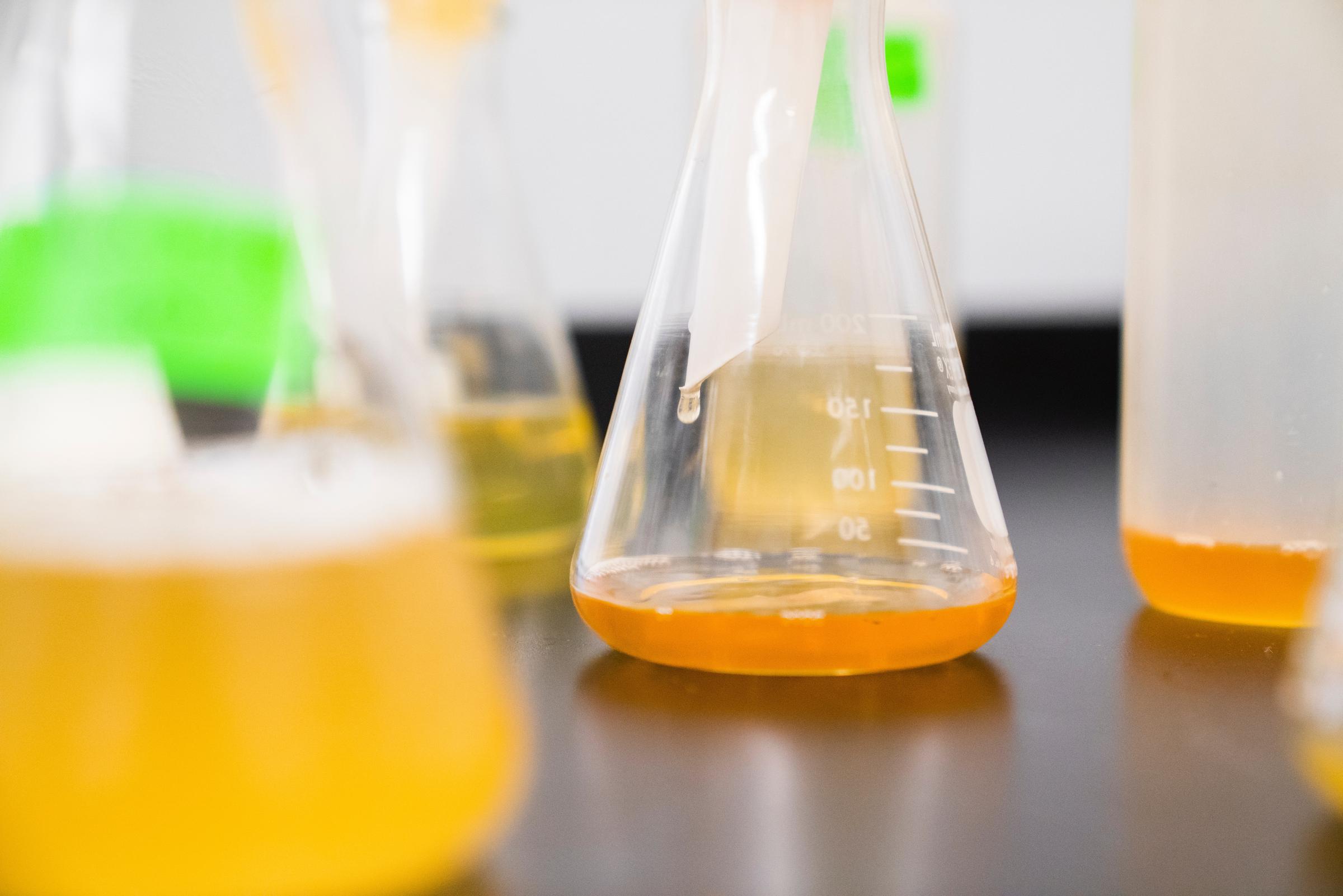
It has been a busy and hands-on term in our STEM spaces. Students began the term with a focus on digital safety and security through the Cyber Safety Project program. Our science focus has been chemical science. The chemical science units of work incorporated digital technology and ended with a design and technology challenge.
Our Prep students have been learning how to use different words such as soft, hard and bendy to describe different materials. They have been working through the engineering design process to build a big bridge for the Three Billy Goats Gruff and a boat to hold animals. They are looking forward to using the Chromebooks towards the end of term, to learn some more digital skills.
Grade 1 and 2 students learned that making an observation means using our senses to describe things around us. They used observations to identify common materials used in everyday objects. They enjoyed observing how some materials can be physically changed in different ways, by bending, stretching, folding and tearing. Students experimented with sand and salt in water to discover the science of mixtures. They learned about using kitchen tools safely during our STEM cooking sessions. They picked spinach from the kitchen garden and made some tasty gozleme. Students will be using the Engineering Design process to illustrate how they can combine materials to create a prototype of a house that is strong enough to withstand 10 seconds of a hairdryer.
Students in Grades 3 and 4 learnt about the properties of natural and human-made materials. They learned how to design fair tests to investigate different properties, such as water absorbency and strength. This knowledge helped them to explain how designers choose the best materials to create different products. Following an investigation into reusable and single-use materials and objects, they have begun a challenge to design a watercraft. The design criteria asks them to consider how they will select their materials and will challenge them to see who can create a production plan for the most sustainable watercraft.
In Grades 5 and 6, the students have learned that data can be collected and represented in different ways. They learned how to create spreadsheets using Google Sheets. They practiced sorting large data sets and that learned different formulas help to transform data, quickly and efficiently. During science lessons, they used playdough, role play and cooking to explore different states of matter. They learned that the observable properties of solids, liquids and gases can be explained by modelling the motion and arrangement of their particles. Students will collaborate with classmates to use materials to create an object which will slow the melting of ice into water. They will use the engineering design process to plan, test, and improve their designs before taking part in a timed challenge to see who can slow the melting process.
The STEM team