Wellbeing
Mr. John Ryan - Deputy Principal
Wellbeing
Mr. John Ryan - Deputy Principal
Mental health is an essential part of a young person's overall wellbeing, influencing how they think, feel, learn and interact with others. Yet many of us can feel uncertain about how best to identify concerns, start conversations or access appropriate support.
Mental health literacy is not about becoming an expert. It's about recognising when something isn't right, knowing how to respond and understanding where to seek help when needed. By building this awareness and capability, we can play an important role in supporting wellbeing, reducing stigma and encouraging early help-seeking.
This Special Report explores how we can strengthen our mental health literacy and includes a Mental Health Literacy Reflection Tool. By completing a series of questions, you can reflect on your own understanding, confidence and readiness to support the mental health and wellbeing of young people.
It is an opportunity to identify your strengths, recognise areas where you may wish to build your knowledge and take positive steps towards feeling more confident in supporting children and young people.
My Mental Health Literacy Reflection
Mental health literacy develops over time through experience, learning and ongoing conversations.
This reflection tool is designed to encourage reflection and support ongoing learning rather than assess expertise or provide a formal measure of competence.
The tool explores four important areas of mental health literacy:
There are no right or wrong answers. The aim is not to test expertise, but to encourage reflection and support ongoing learning. Results are intended to support insight and self-reflection and may help identify existing strengths and areas for further growth. They should not be interpreted as a formal assessment, diagnosis or validated measure of mental health literacy.
Some questions reference topics such as emotional distress, self-harm, suicide risk and mental health crisis situations. If you feel uncomfortable at any stage, you are encouraged to pause and return when ready.
For each statement, select the response that feels most accurate for you.
Here is the link to this topic http://mackillopleongatha.catholic.schooltv.me/wellbeing_news/special-report-mental-health-literacy-guided-reflection-au
Mental Health Care at Mary MacKillop Catholic Regional College
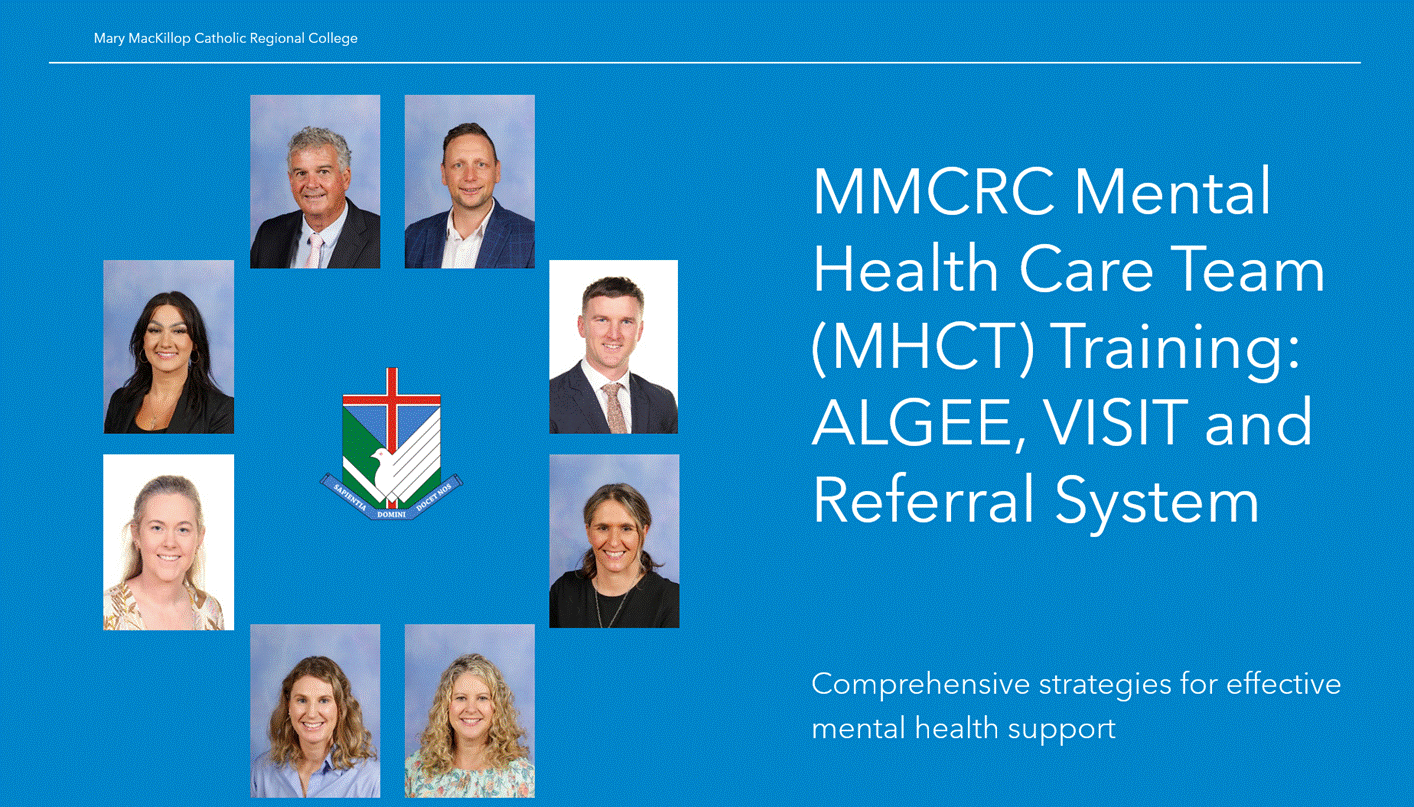
At Mary MacKillop Catholic Regional College, we follow:
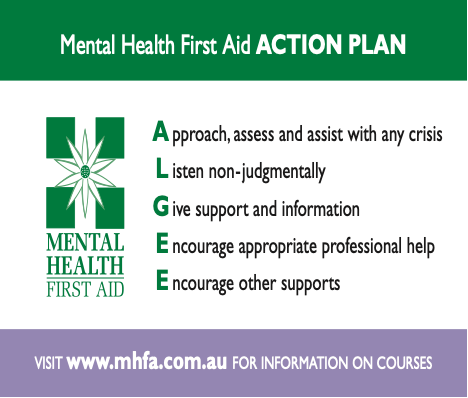
ALGEE Action Plan
ALGEE offers a clear, evidence-based approach for staff to support students respectfully and non-judgmentally in the moment.
ALGEE
Approach, Listen, Give support, Encourage help, Encourage supports
VISIT Protocol
VISIT guides staff decision-making after initial contact, including validating, inquiring about safety, and taking practical support actions.
VISIT
Validate, Inquire, Support, Inform, Take action
Referral
MHCT triage → Case management
Response Expectation
If a student is at immediate risk, staff must stay with them and promptly contact Student Reception to initiate support.
Consistent Duty of Care
The integrated approach ensures confident, consistent staff responses aligned with Child Safe Standards and wellbeing policies.