Positive Behaviour for Learning




 St John Vianney's Catholic Primary School
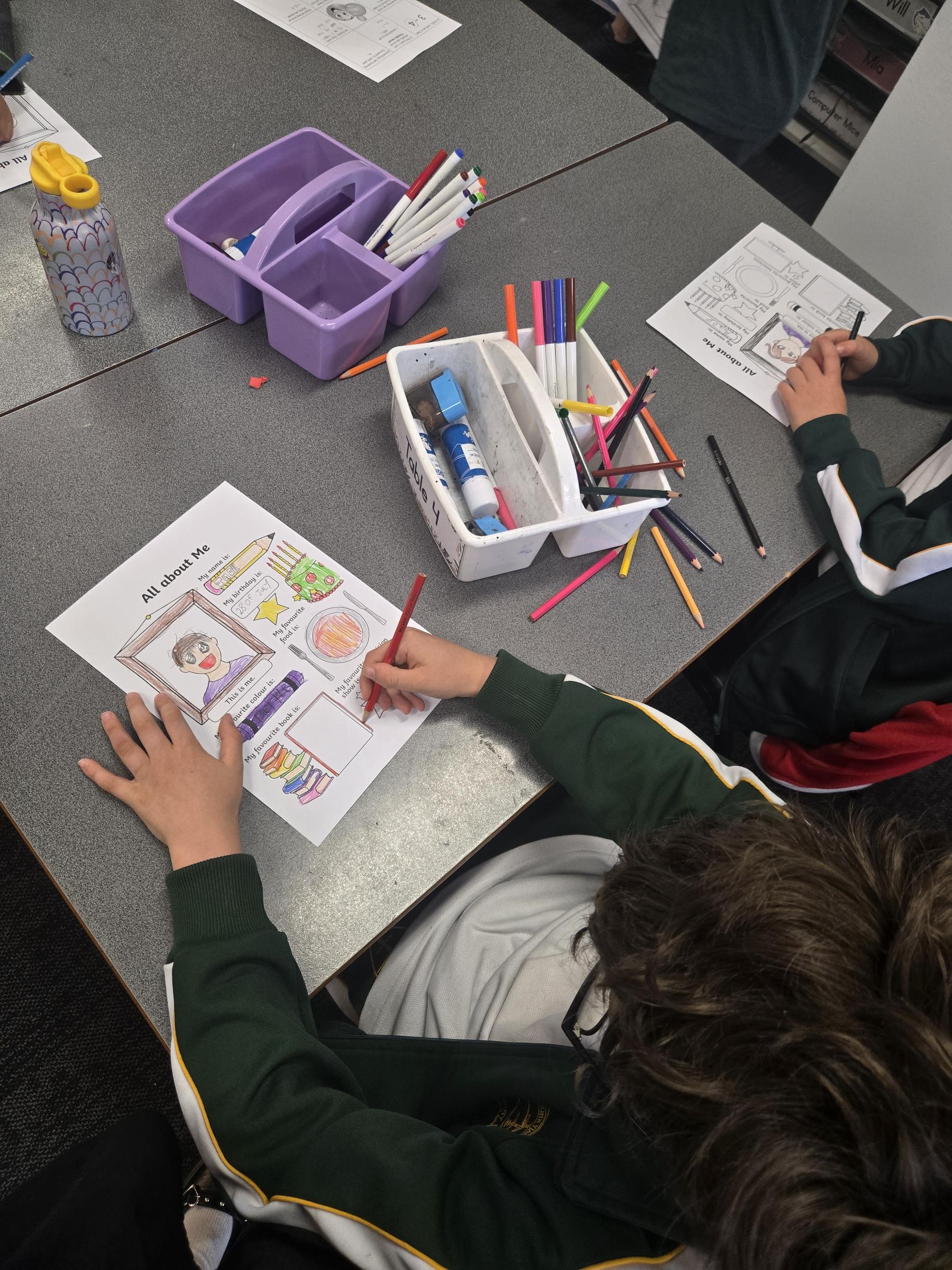
Next week our studnets will review the school acknowledgement system ready for term 2. Creating a nurturing and supportive home environment as well as school plays a pivotal role in shaping children’s behaviour. Here are five practical Strategies to Support Positive Behaviour for caregivers and families at home:
1. Foster Open and Positive Communication
Effective communication forms the foundation of a healthy relationship with your child. Here’s how you can improve it:
- Active Listening: Make an effort to understand your child’s feelings and perspectives by listening without interrupting. Use phrases like “I see,” and “Tell me more about that.”
- Clear Instructions: Give clear, concise, and age-appropriate instructions. Instead of saying “Be good,” specify the behaviour you expect, like “Please put your toys back in the box.”
- Positive Reinforcement: Praise your child when they communicate well. Acknowledge their feelings and encourage them to express themselves openly.
2. Establish Consistent Routines
A structured environment gives children a sense of security and predictability.
- Set Schedules: Create consistent routines for daily activities like meals, bedtime, and homework. This helps children understand what to expect and reduces anxiety.
- Visual Aids: Use visual schedules or charts to help younger children follow routines. This can make transitions smoother and more engaging for them.
- Flexibility: While consistency is key, be flexible when needed. Adapt routines to accommodate special events or changes to avoid rigidness.
3. Reinforce Positive Behaviours
Encouraging and rewarding good behaviour can motivate children to continue acting positively.
- Immediate Praise: Offer immediate positive reinforcement when your child exhibits desirable behaviour. Use specific praise like, “Great job sharing your toys with your sister!”
- Reward Systems: Implement reward charts or systems to track and reward good behaviour. This can include small incentives like stickers or extra playtime.
- Model Behaviour: Demonstrate positive behaviour yourself. Children are likely to imitate the actions and attitudes of their caregivers.
4. Set Clear Boundaries and Expectations
Clearly defined rules help children understand limits and develop self-discipline.
- House Rules: Establish simple, clear, and consistent house rules. Make sure your child understands the consequences of breaking these rules.
- Consistency: Apply rules consistently to avoid confusion. All caregivers should enforce the same rules and consequences.
- Explain Reasons: Help children understand why rules exist. Explain the importance of safety, respect, and responsibility.
5. Manage Challenging Situations Constructively
Handling difficult behaviours calmly and constructively can help resolve conflicts and teach valuable lessons.
- Stay Calm: Maintain your composure when addressing challenging behaviours. Reacting calmly helps de-escalate the situation and sets a good example.
- Problem-Solving: Encourage your child to think about solutions to their behaviour. Ask questions like, “What could you do differently next time?”
- Time-Outs: Use time-outs as a last resort for managing severe behaviours. Ensure that time-outs are brief and followed by a discussion about the behaviour.