
Education in Faith
Josy Reeder

Education in Faith
Josy Reeder
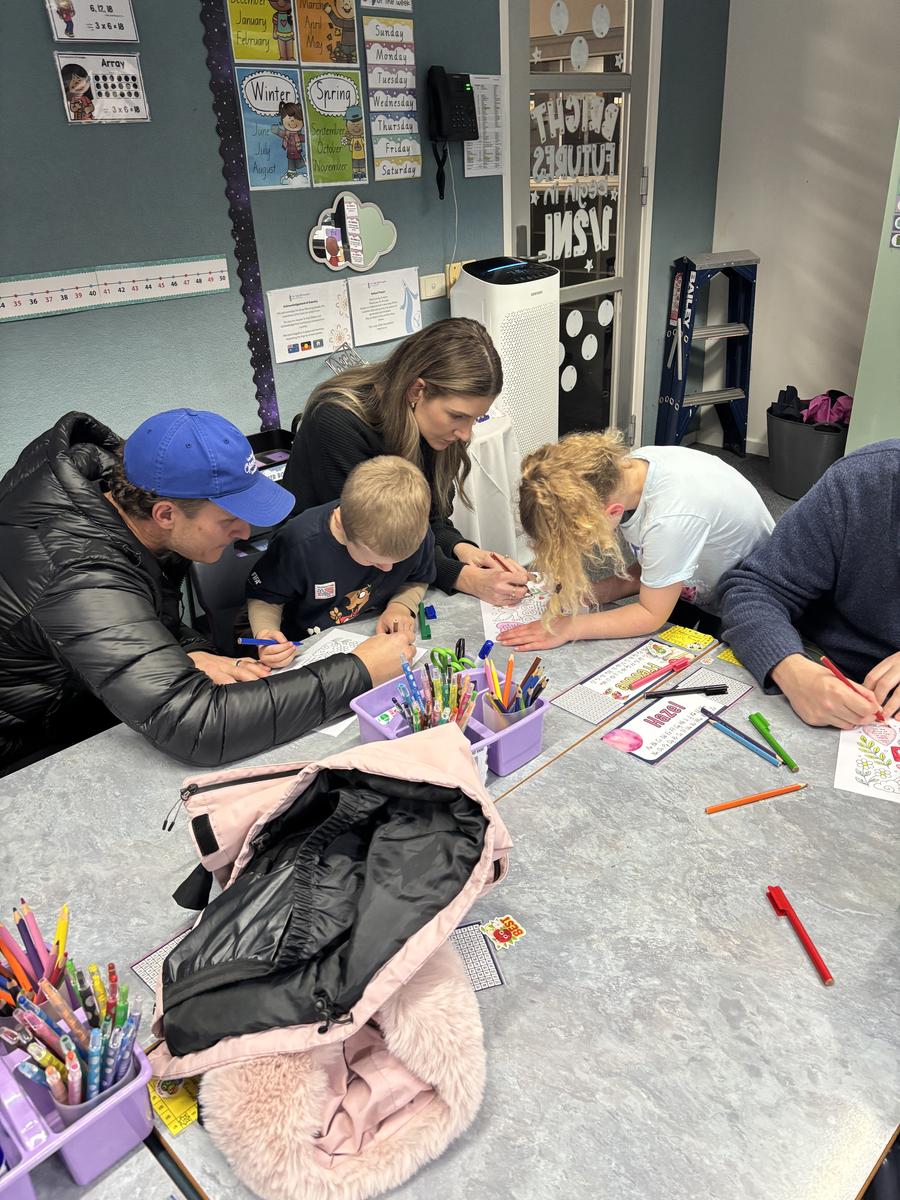
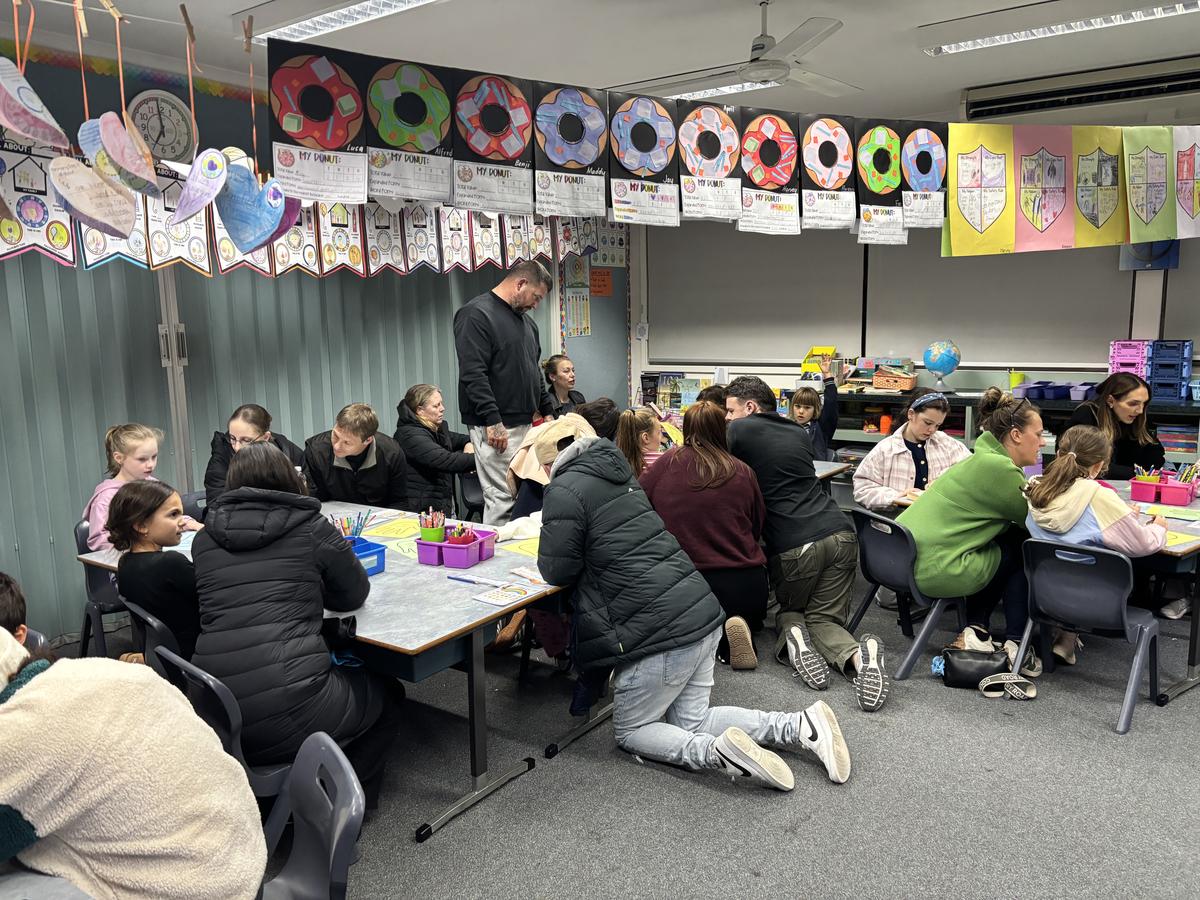
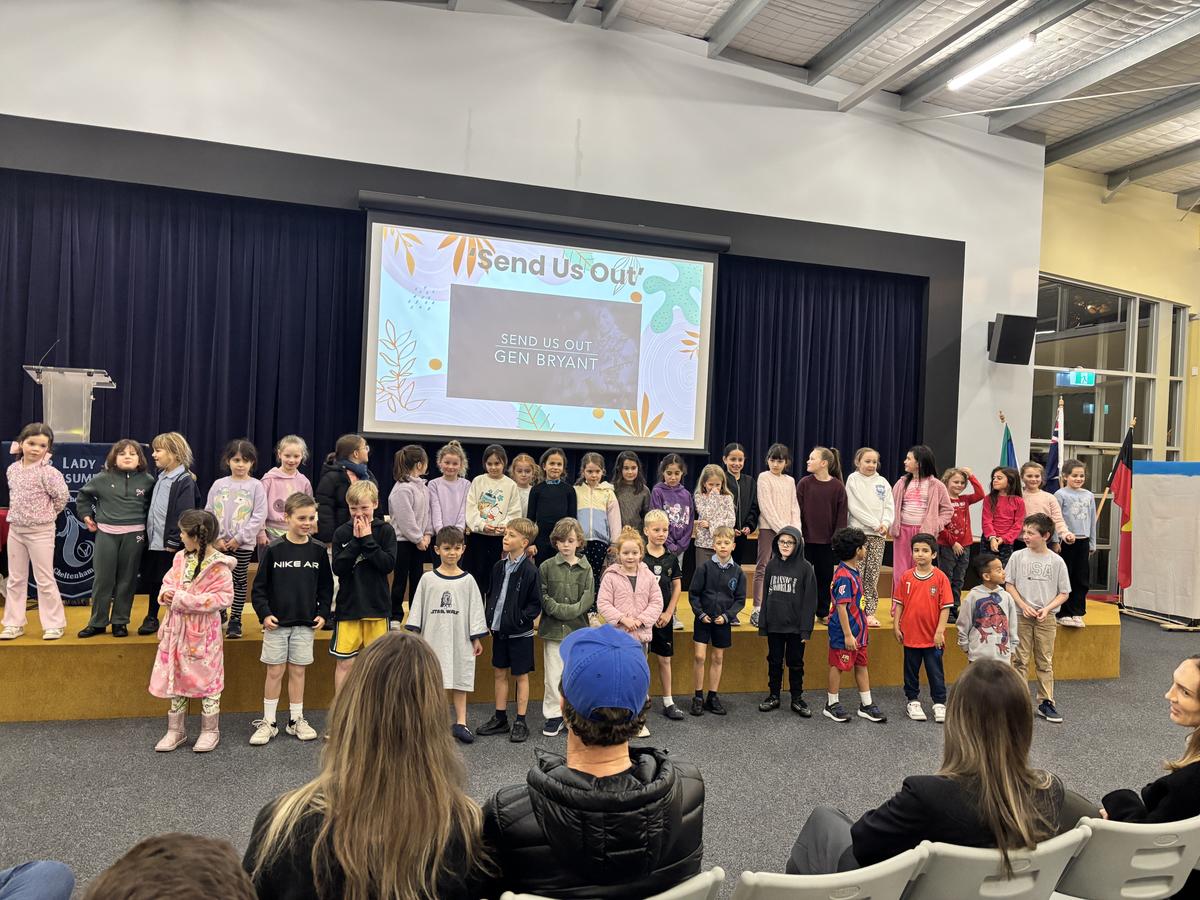
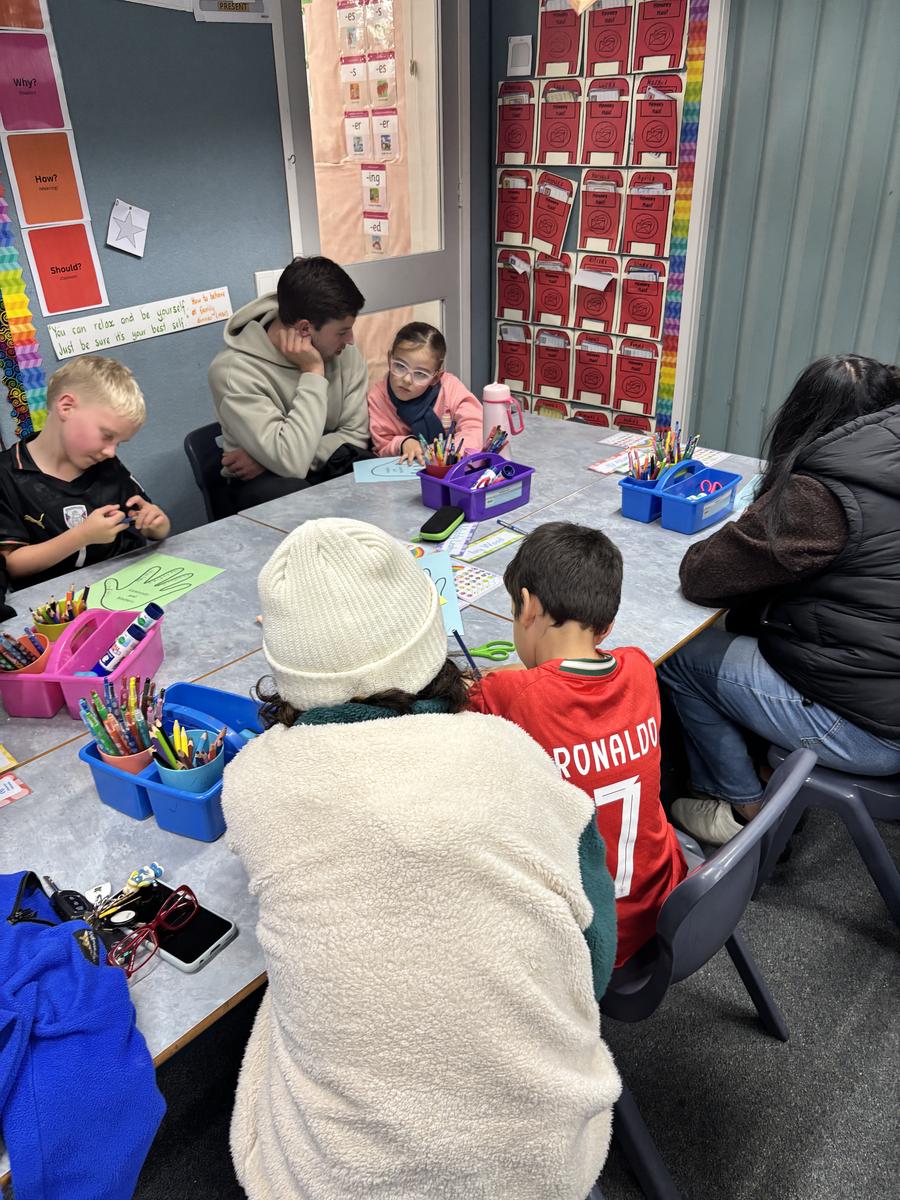
On Monday 27 July we had our annual and much anticipated G Day at OLA. G Day falls at this time of year as the Catholic Church celebrated the feast of Saints Joachim and Anne over the past weekend. They were Jesus’ grandparents and the parents of Mary. They helped Mary to know and love God.
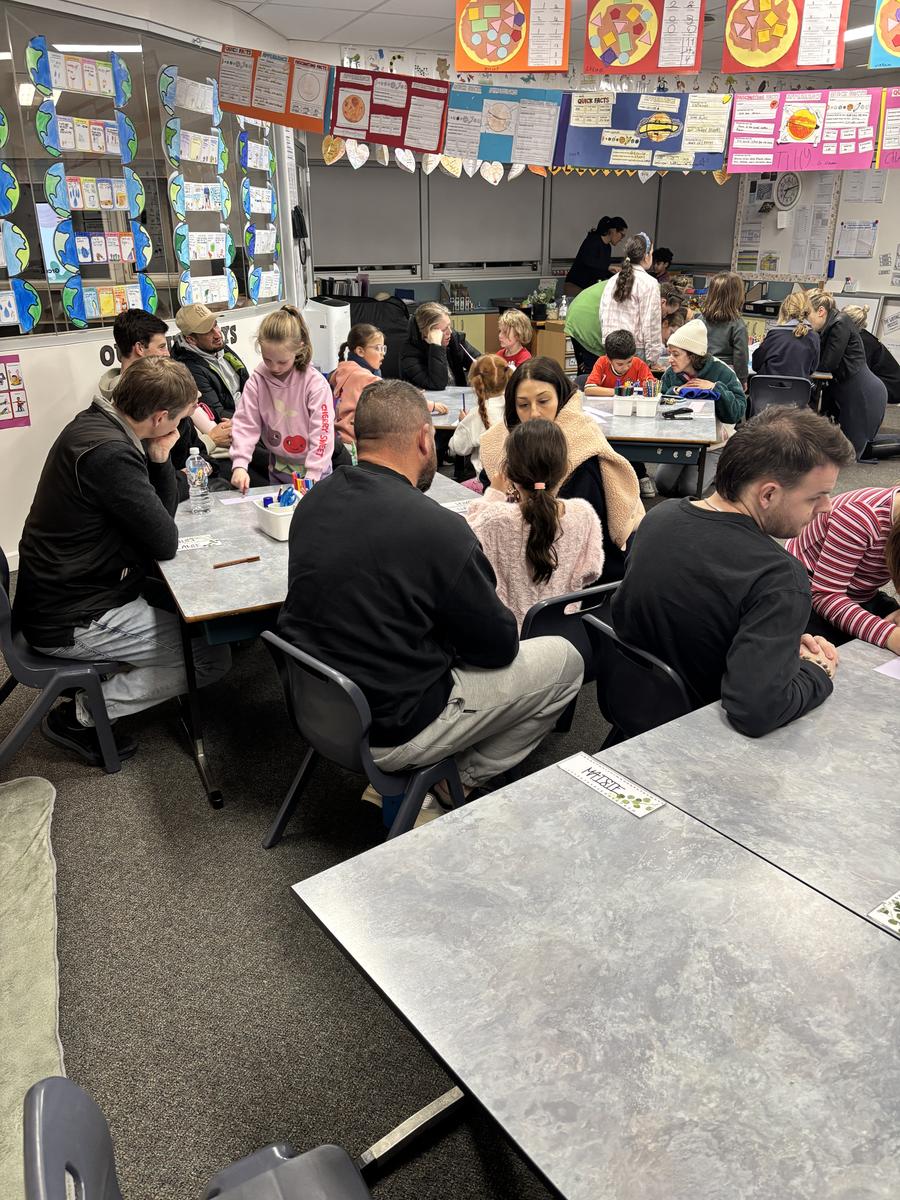
We welcomed many grand, great and good people as we opened our doors to our special guests for the morning. Each family is different and each family is special. All members of a family have special qualities that are loved and admired. Monday allowed time to stop, think, reflect and celebrate the wonderful members of our immediate and extended family.
We also acknowledged the special people who couldn't be with us; those who could not travel, those who live far away, those who are sick, and sadly, those who have passed and are now residing with God in heaven.
Loving God,
Bless all grandparents and special people in the lives of our children. Those gathered with us here today, those who cannot be with us and those who have gone to be with you.
May they continue to share their wisdom and faith with us. May they always share with courage and confidence their gifts of experience, knowledge, stories, songs and memories with us. May we continue to learn and grow together.
Bless them with the length of days and joy always. We make this prayer through Christ our Lord. Amen.
Starfish Story
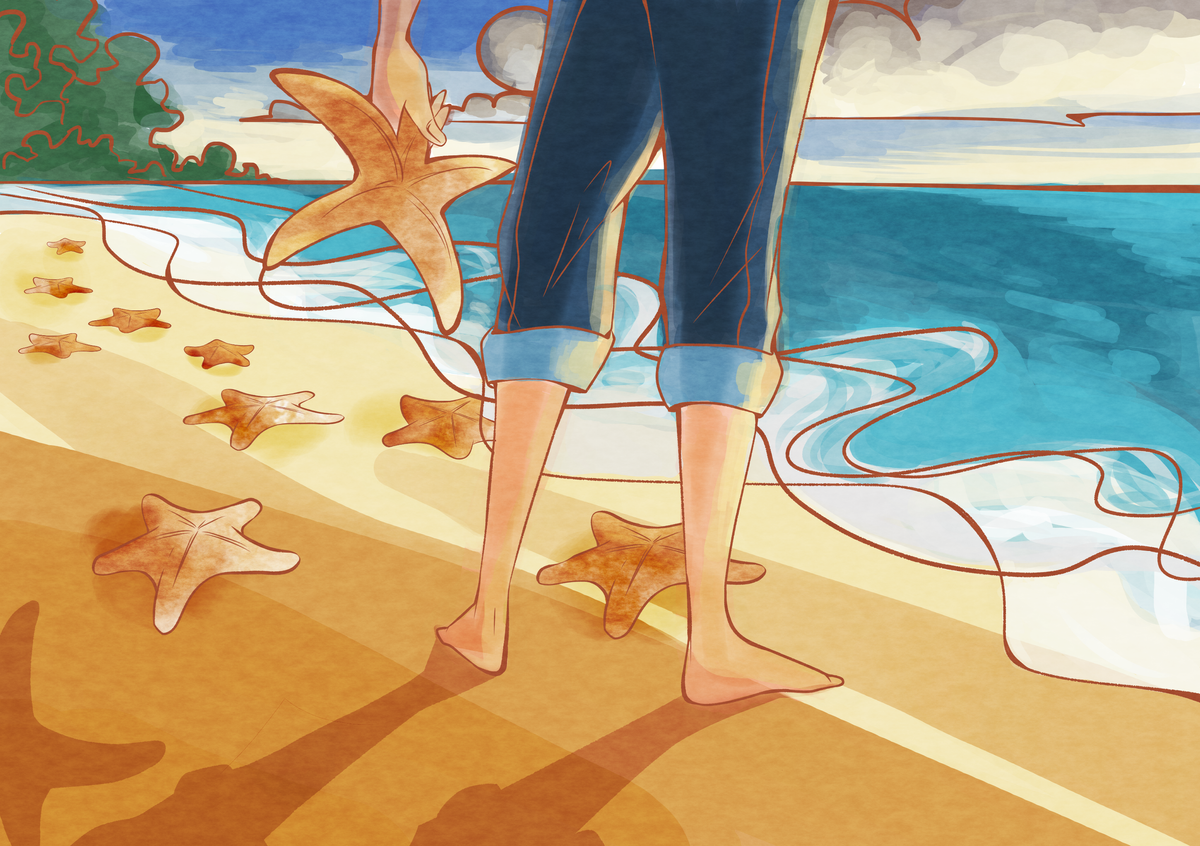
One day a man was walking along the beach when he noticed a figure in the distance. As he got closer, he realized the figure was that of a boy picking something up and gently throwing it into the ocean. Approaching the boy, he asked. “What are you doing?”
The boy replied, “Throwing a starfish into the ocean. The sun is up and the tide is going out. If I don’t throw them back, they’ll die.”
"Son,” the man said, “don’t you realize there are miles and miles of beach and hundreds of starfish? You can’t possibly make a difference.”
After listening politely, the boy bent down, picked up another starfish, and threw it into the surf. Then, smiling at the man, he said, “I made a difference for that one.”
Adapted from the original story by Loren Eisley
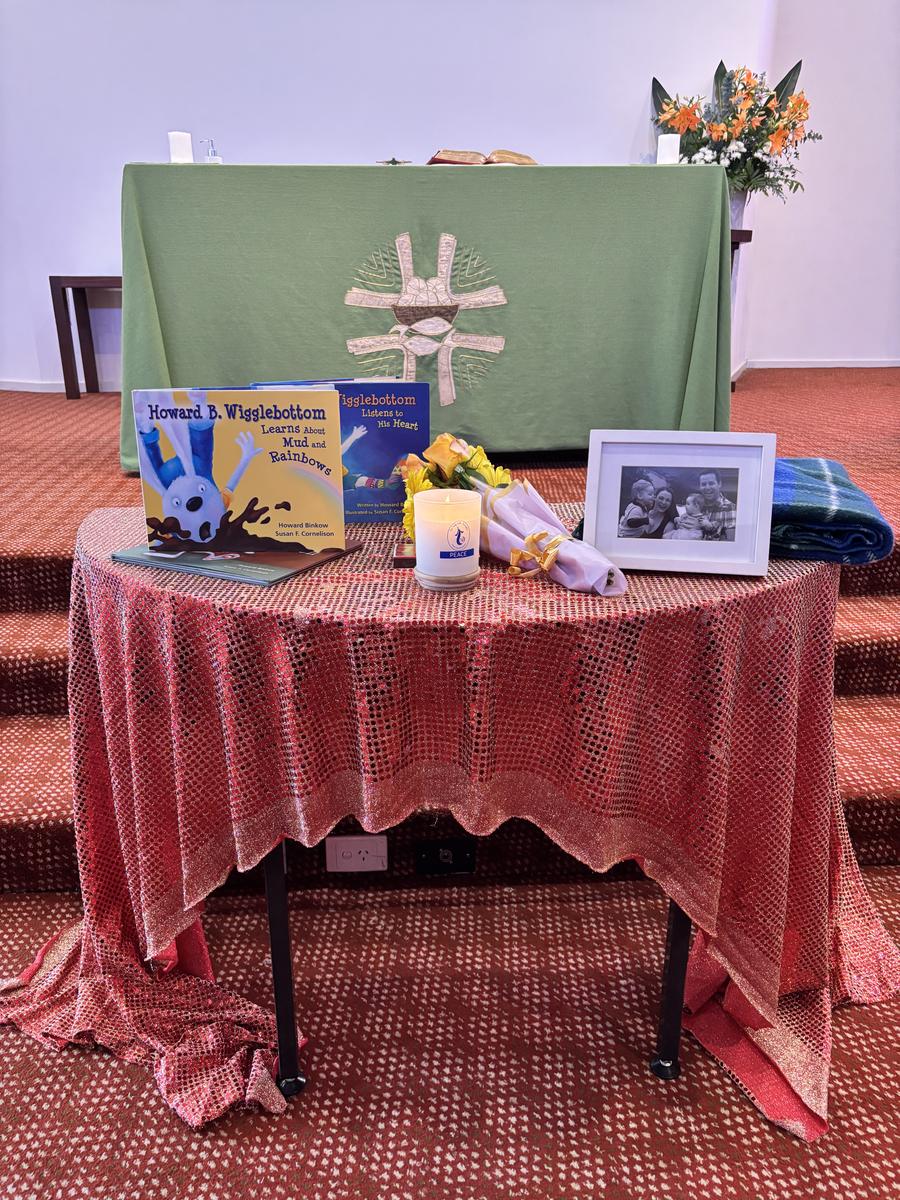
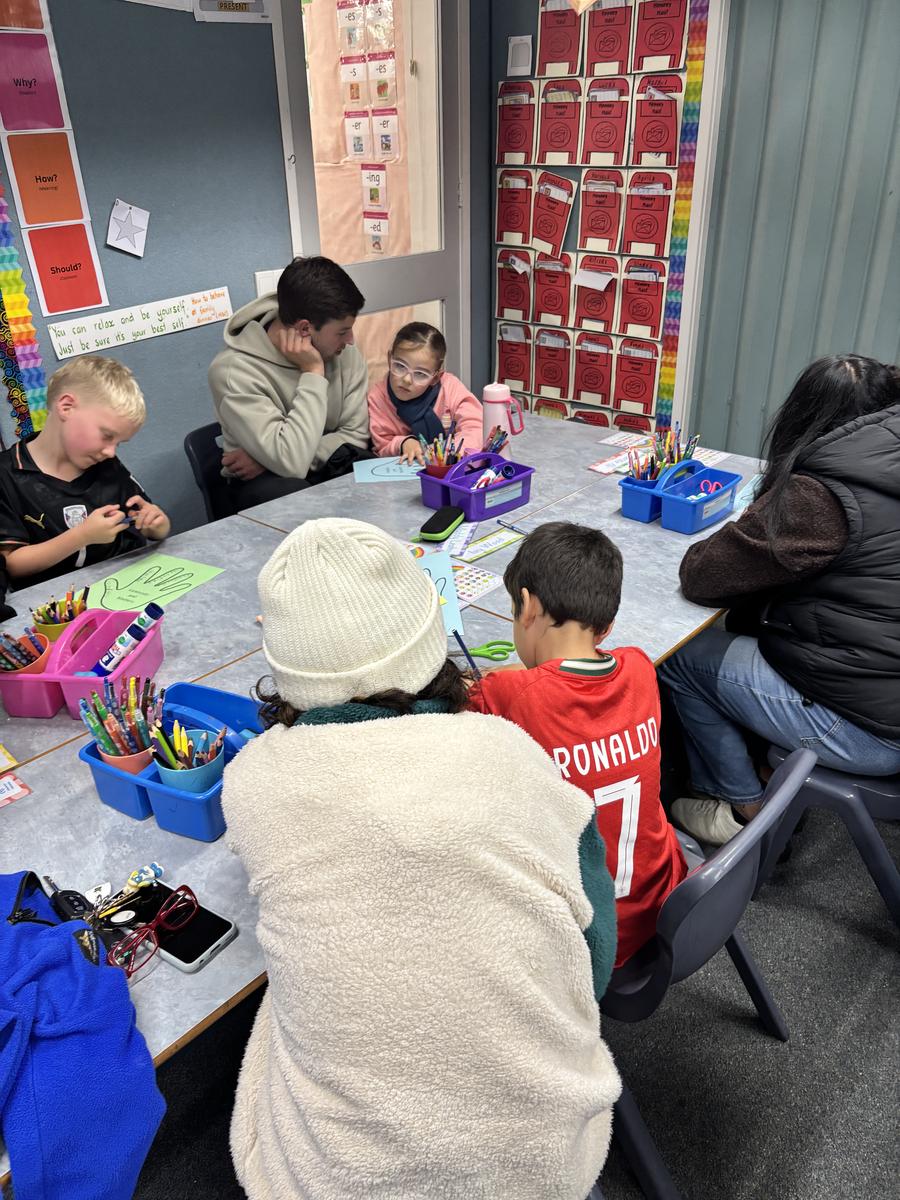
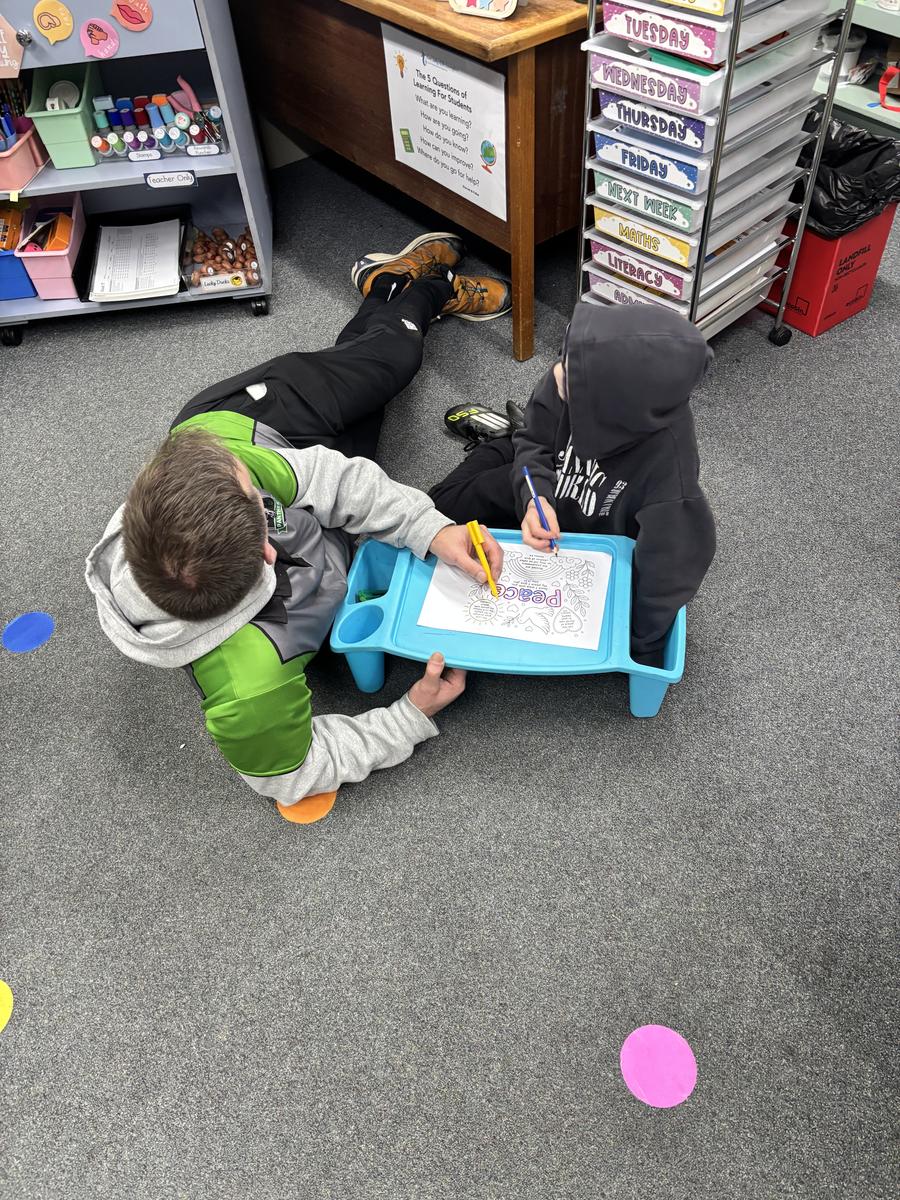
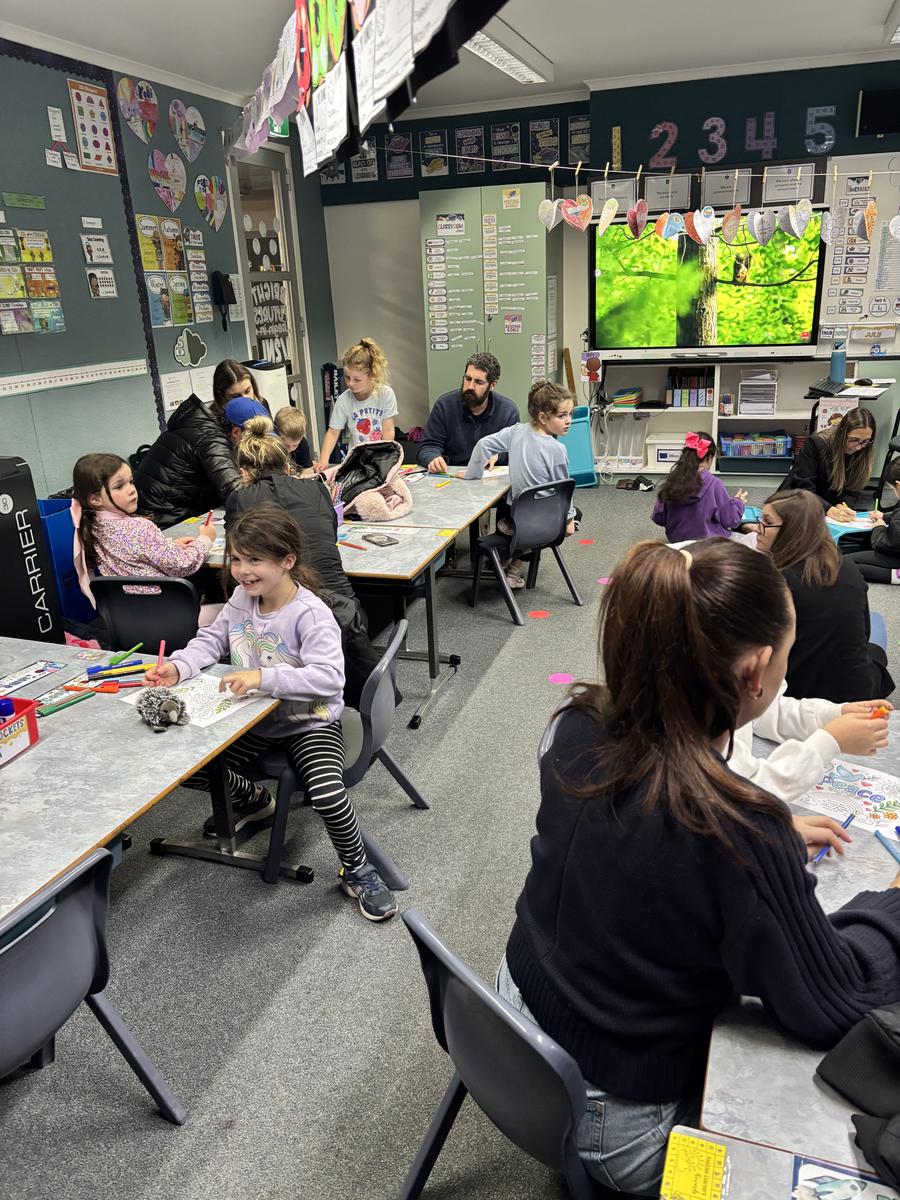
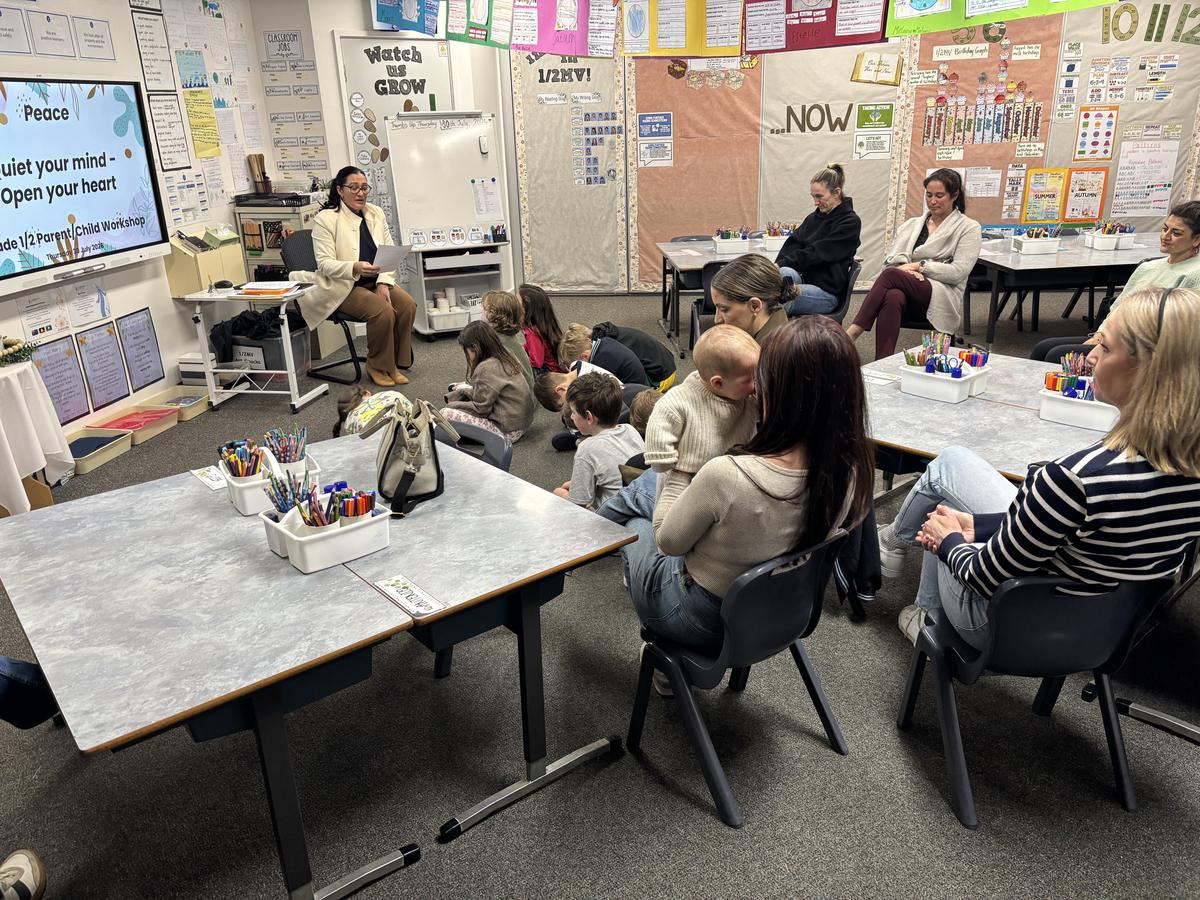
The theme of the workshop was Peace and Prayer. During the session, I shared some of the insights from Anne Kertz Kernion, who presented at the RE Symposium, about the benefits of silent prayer.
One of the most exciting discoveries in neuroscience is that our brains can change. Scientists call this neuroplasticity. It means that throughout our lives, our brains are continually shaped by our experiences, our relationships, and the habits we practise every day.
Research also tells us something incredibly important: a brain that cannot regulate itself cannot learn.
Of course, excellent teaching matters. A strong curriculum matters. Effective teaching practices matter. But even the very best instruction cannot reach a child whose nervous system is overwhelmed, dysregulated, or disconnected.
In the language of neuroscience, children need a regulated nervous system and a genuine sense of belonging. These are not "extras"—they are the foundation upon which learning is built.
This is where our Catholic tradition offers something deeply valuable. Silent prayer provides benefits for both our physical and psychological wellbeing.
Some ways you can practise this at home:
Create a quiet prayer space: Set up a small area with a candle, cross, Bible, or special item where children know it is a place for stillness and prayer.
Start with short moments of silence: Begin with just 30 seconds to one minute of quiet. Gradually increase the time as children become more comfortable.
Focus on breathing: Encourage children to take slow breaths and become aware of God’s presence with them. They might quietly repeat, “God is with me” as they breathe.
Listen for God: Invite children to sit quietly and listen, remembering that prayer is not only talking to God but also making space to listen.
Silent prayer before bedtime: Encourage children to end their day with a quiet reflection, thanking God for their day, asking for help, and praying for others.
Use nature as a place for prayer: A quiet walk, sitting outside, or observing creation can provide opportunities to be still and notice God’s presence.
Model silence as adults: Children learn from seeing parents and caregivers take moments of quiet prayer themselves. Even a few minutes of shared silence can become a meaningful family practice.
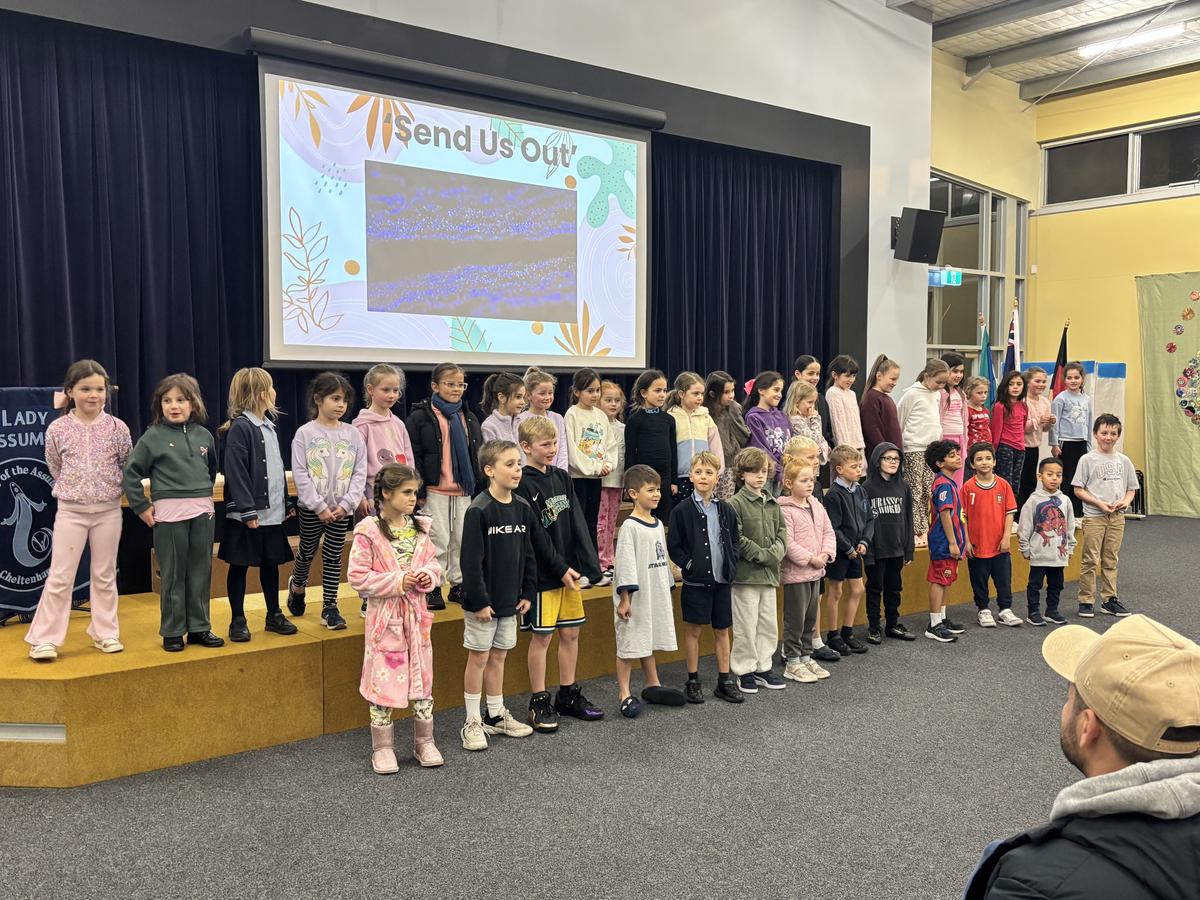
The Gospel of Matthew 14:13–21 teaches us that Jesus cares deeply for all people and shows compassion by meeting their needs. The miracle of feeding the five thousand reminds us to trust in God and that even small gifts can become something great when they are shared. Jesus calls us to be generous, help others, and use what we have to bring love and kindness into the world. It also reminds us that God provides for us and gives us strength.
Josy Reeder
Religious Education Leader