Diverse Learning















 Our Lady of Fatima Catholic Primary School

Anxiety isn’t the problem, but the response to anxiety can be. Here’s how to turn it around.

Anxiety is a normal human response designed to warn us of danger. If there is true danger, the drive to avoid means anxiety is doing its job.
When this happens, our job is to help them move to safety. Most often though, anxiety means we are about to do something safe and brave, important, hard. When this happens, our job is to help them to learn that they can feel anxious and do brave.
This can happen one little step at a time, but it starts with changing how we think of anxiety. The more we treat anxiety as a problem or as something to be avoided, the more we inadvertently turn them away from the safe, growthful, brave things that drive it.
On the other hand, when we make space for anxiety, let it in, welcome it, be with it, the more we make way for them to recognise that anxiety isn’t something they need to avoid. They can feel anxious and do brave.
We have to stop pathologising anxiety.
Every time we pathologise a child with anxiety, we lose an opportunity to strengthen them against it.
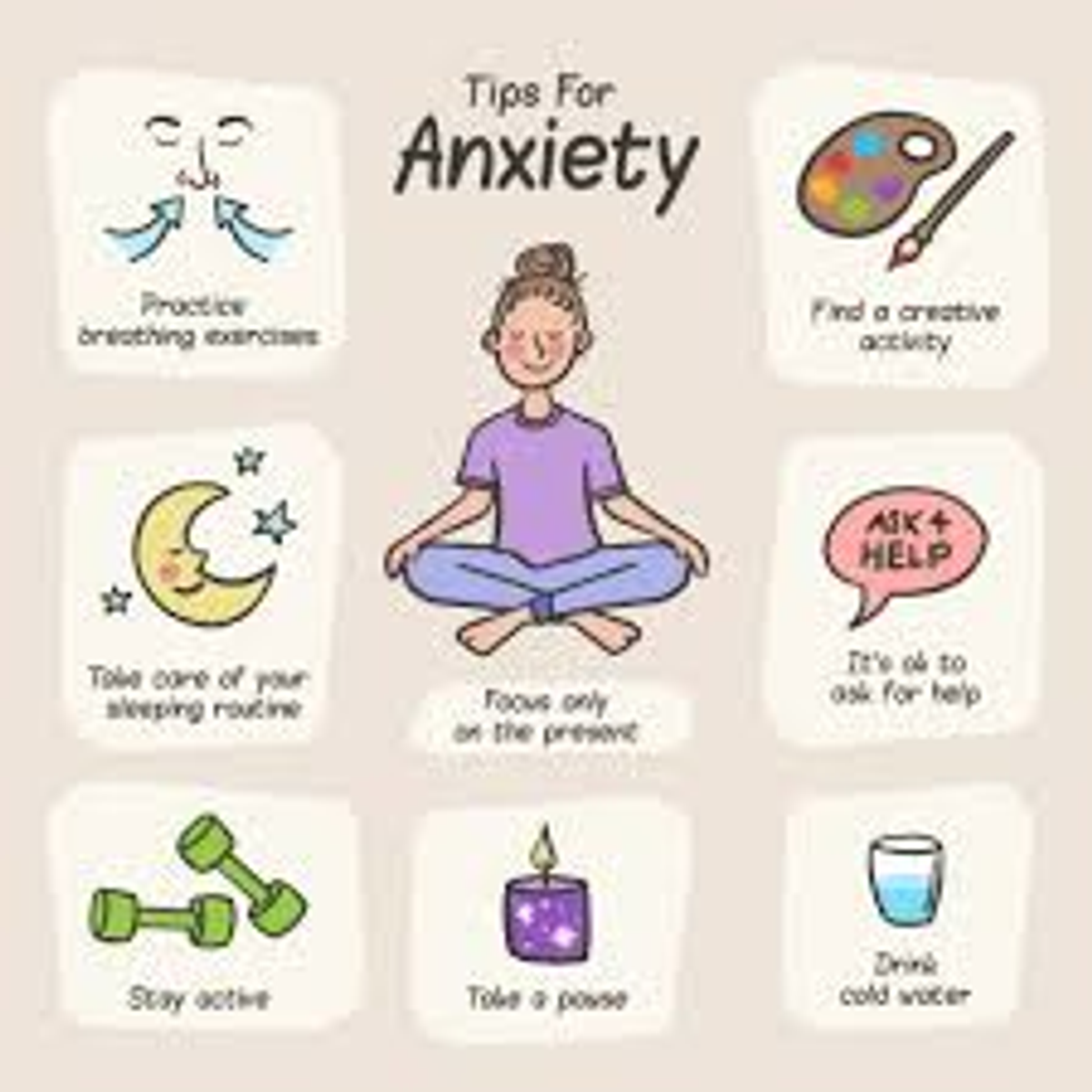
Yes they might have extreme anxiety, and yes anxiety makes things feel hard, and yes they are capable of doing hard things.
It doesn’t matter how quickly they move towards brave or how small the steps are. What’s important is not avoiding new, hard, brave things completely.
Being brave isn’t about ‘no anxiety’. In fact, whenever there is a need for brave behaviour, there will always be anxiety. It’s the existence of anxiety that makes it brave. The key to strengthening children isn’t about ‘never experiencing anxiety’, but about knowing they can handle anxiety. This will only come from experience.
As long as what they are doing is safe, we don’t have to ‘fix’ their anxiety. Their anxiety isn’t a sign of breakage. It’s a sign that they’re dealing with something hard, brave, new, or important.

When we pathologise a child with anxiety (‘You can’t do this because you are anxious,’), we inadvertently do two things:
– we confirm the deficiency story that tends to come with anxiety, ‘I’m not strong enough/ brave enough/ good enough to do hard things.’
– we send the message that anxiety is something that should be avoided. The problem with this is that we also send the message that the things that drive anxiety should be avoided. This will include all brave, hard, new, important things, which always come with anxiety.
When they avoid anxiety, they avoid the experiences they need to learn they can handle anxiety – and this wisdom will only come from experience. It doesn’t matter how long this takes or how small the steps are. It also doesn’t matter if they handle this terribly. What matters is the experience and that they don’t feel alone in the experience.
This can happen in tiny steps, each one braver than the last. Each of these steps, however awful they feel, show them they can feel anxious and do brave.
If we want them to know they can feel anxious and do brave, we have to make anxiety ‘be-withable’.

Living bravely with anxiety is about sharing the space with it, not being pushed out by it.
Rather than,‘What’s wrong with you?’ or ‘We need to fix you,’ we have to normalise it: ‘Of course you have anxiety! You’re doing some big things at the moment. How can I help?’
Even when anxiety is extreme and suffocating, we have to normalise the anxiety part of it. Why? Because the more we pathologise anxiety, the more we fuel anxiety about the anxiety.
The experience of anxiety is normal. The intensity might be extreme and unbearable, but the anxiety is normal.
As long as they are truly safe, the intensity of anxiety will be fuelled by anxiety about the anxiety and the story (the reason) they put to their anxiety.
To change the response to anxiety, we have to change the story we put to anxiety.
We humans instinctively put a story to our feelings to make sense of them. When anxiety hits, we automatically ask, ‘Why do I feel like this?’ The brain will often answer with a story of disaster, ‘Because something bad is about to happen,’ or a story of deficiency, ‘Because there’s something wrong with me.’

But there’s another reason: ‘Because I’m moving outside of what feels comfortable and normal for me.’
Stories of disaster or deficiency drive the brain into bigger distress, which intensifies the physiology of anxiety, which amplifies the need to avoid.
Often, this avoidance isn’t about needing to avoid the actual thing (even though it will feel that way). It’s about avoiding the anxiety.
The ‘can’t’ is about the anxiety, not the thing they need to do. This is why we need to make anxiety more be-withable, and change the story they (and we) put to anxiety.
Believe them, that their anxiety feels big AND believe in them, that they can handle the ‘big’.
As long as they are safe, let them know this. Let them see you believing them, that this feels big, and believing in them that they can handle the big.
Believe them AND believe in them.
‘Yes, this is hard. I know how much you don’t want to do this. It feels big, doesn’t it. And I know you can do big things, even when it feels like you can’t. How can I help?’
‘Yes, this feels scary. Of course it does – you’re doing something important/ new/ hard. I know you can do this. How can I help you feel brave?’
Name their wish to avoid AND their capacity to approach. One doesn’t cancel out the other.
‘I know it feels like you can’t, and I know you can. This is happening, and we’re going to handle it together. What would make it easier?’
You might not be able to respond in these ways every time, and that’s okay. What matters is:
being intentional,
making sure they don’t feel alone and unseen in the experience (which is why validation – believing them – is important), and
knowing that every time they experience handling the discomfort of anxiety to move towards something important (even if they don’t handle it well) they are learning that the presence of anxiety doesn’t change how brave or capable they are.
They won’t believe in themselves until we show them what they are capable of. For this, we’ll have to believe in their ‘can’ more than they believe in their ‘can’t’.
by Karen Young (BSc)(Psych)(Hons)
https://www.heysigmund.com/response-to-anxiety/

Ms Janelle Schembri | Diverse Learning Coordinator