Literacy News
Building Strong Readers and Writers at SKiPPS
Part 1: Why Literacy Looks Different Today
Over the coming weeks, I'll be sharing weekly updates around Literacy instruction: called The Big 6, where I will be exploring the six essential components of literacy that underpin successful reading and writing.
At SKiPPS, we are committed to ensuring every child becomes a successful reader and writer. Our literacy approach is grounded in the best available evidence about how children learn, drawing on guidance from the Victorian Department of Education and decades of research into reading, writing and learning.
Our Structured Literacy approach provides students with explicit, systematic and carefully sequenced instruction across all components of literacy. Every lesson is intentionally designed to build knowledge, develop skills and provide opportunities for practice, ensuring students develop the confidence and competence they need to become successful readers and writers.
Many parents notice that literacy instruction today looks different from when they were at school. You may hear your child talking about phonemes, graphemes, decodable readers or daily review, and wonder why literacy has changed so much.
The answer is simple: our understanding of how children learn to read has grown significantly over the past several decades. Extensive research from cognitive science, psychology, linguistics and education has helped us better understand how the brain learns to read and write. Schools across Victoria are increasingly aligning their teaching with this evidence to ensure every child receives the strongest possible foundation in literacy.
The Victorian Department of Education identifies six interconnected components that work together to develop successful readers and writers. Collectively, these are known as The Big 6.
The six components are:
- Oral Language
- Phonological Awareness
- Phonics
- Fluency
- Vocabulary
Comprehension
Rather than teaching these areas in isolation, effective literacy instruction weaves them together every day. Each component builds upon the others, helping students develop the knowledge and skills they need to become confident readers, thoughtful writers and effective communicators.
At SKiPPS, these components are embedded within our Structured Literacy approach. Through explicit teaching, carefully sequenced lessons, daily review and opportunities for guided and independent practice, we support every student to build strong literacy foundations. Our goal is not simply for students to learn to read, but to become fluent readers who read with understanding, curiosity and confidence.
Throughout these updates, I will unpack each of The Big 6 in parent-friendly language, explaining what each component means, why it matters and what it looks like in classrooms at SKiPPS. We'll also share practical ideas that families can use at home to support their child's literacy development.
Understanding how children learn to read helps us work together as partners in learning. We hope you'll enjoy following along as we explore each of these important building blocks of literacy.
Did You Know?
Reading is not a natural process. While children naturally learn to speak through conversation and interaction, learning to read requires explicit teaching. The brain must build new pathways to connect letters with sounds, recognise words automatically and make meaning from text. That's why systematic instruction and regular practice are so important.
How You Can Help at Home
- Read with your child every day, even if it's only for 10–15 minutes.
- Talk about books, new words and everyday experiences.
- Encourage curiosity by asking questions and discussing ideas together.
- Celebrate effort and progress as your child develops their literacy skills.
Coming next week: Part 2 – Oral Language: Where Literacy Begins.

For the fourth year, St Kilda Park is entering the Prime Minister’s Spelling Bee. The competition is open to all our students in Year 3/4/5 & 6. It is free to enter the online competition which Amy Salter, Literacy Leader and Year 5 teacher, will run with students in the coming weeks.
Entrants will be required to answer 30 random spelling words (timed) per round. Students are required to be signed up, so please talk to your child/children and see if they are interested in participating. We will include further information in next week's newsletter.
Here is the link if you would like to read up a little more about the competition. You can also access the online consent form in this link which you will need to complete for your child to participate.
Send Amy an email on amy.salter@education.vic.gov.au. Please attach the consent form to your email.
Thank you to the students who participated in the Pen Pal program lasty year. For those that are interested in joinuing this local initiative, all students are invited to write a letter addressed 'Dear Pen Pal' and we deliver these to the residents at Sacred Heart community. The letters are so well receieved and bring great happiness to people in our community
We warmly encourage all families to help their child write a short, cheerful letter addressed to “Dear Pen Pal,” to brighten someone’s day. Please hand completed letters to Amy Salter (Yr 5 teacher) or leave at the office for Jac.
If any families walk past Sacred Heart and would like to be our 'Postie', please let us know. Sacred Heart actually have a batch of letters that are ready to be picked up and delivered to us!

Thank you for helping us spread kindness and connection across generations.
Book Reviews
Dear Brocolli by Jo Dabrowski
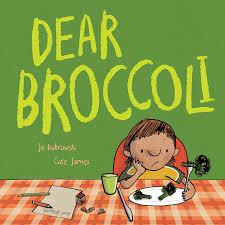
Dear Broccoli has earned a well-deserved place as a 2026 CBCA Picture Book of the Year notable with its unique and humorous take on nutrition advice.
The story is told through an exchange of letters between Frank and Broccoli, with Frank declaring how he hates broccoli, and a personified Broccoli politely responding to inform Frank of the benefits of eating broccoli. Their lively and playful banter includes clever puns and amusing wordplay. By the end, Frank has gained a better appreciation for Broccoli, although he ends the correspondence with a final cheeky comeback.
Highly recommended for 5–8 year-olds.
Inked by Karen Wasson
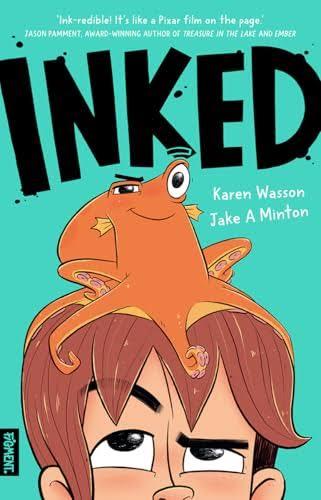
For fans of Remy Lai's Pawcasso and Raina Telgemeier's Drama comes this hilarious enemies-to-besties graphic novel, about a kid who just wants to blend in and an opera-singing octopus who loves to stand out ... Inked is another CBCA 2026 short-listed book in the Younger Readers category.
When 12-year-old Sid discovers a talking octopus in his family’s fish shop, he is shocked – and annoyed. Otto the octopus is cheeky, demanding, and won’t leave Sid alone until he helps Otto get to the ocean … roughly 300 kilometres away! But Sid has bigger fish to fry. He has to figure out how to get into the art school of his dreams, or else high school next year will be a nightmare. Can these frenemies find a way to work together, or will it all end in disaster? Or even worse … will Sid and Otto realise they actually make a pretty great team?
Prepare to get INKED!
Highly recommended for 8–12 year-olds.
Jac Morphy
Assistant Principal - Curriculum and Instruction