Wellbeing
with Mrs Hodgson
Wellbeing
with Mrs Hodgson
As part of our Respectful Relationships program, students began exploring Topic 7: Positive Gender Relations this week.
The students looked at the topic: My Individuality: The Many Facets of Me, which explores the many different things that contribute to who we are.
Students considered how our family, friendships, interests, strengths, personality, school experiences, culture, values and hopes for the future can all be important parts of our identity.
A key message for students is that everyone is unique. While we may have things in common with others, each person has their own combination of experiences, qualities and interests that make them who they are.
Students will create an “Identity Wheel” to reflect on some of the different facets of themselves. They will explore areas such as:
The activity encourages students to recognise and appreciate both their own individuality and the individuality of others.
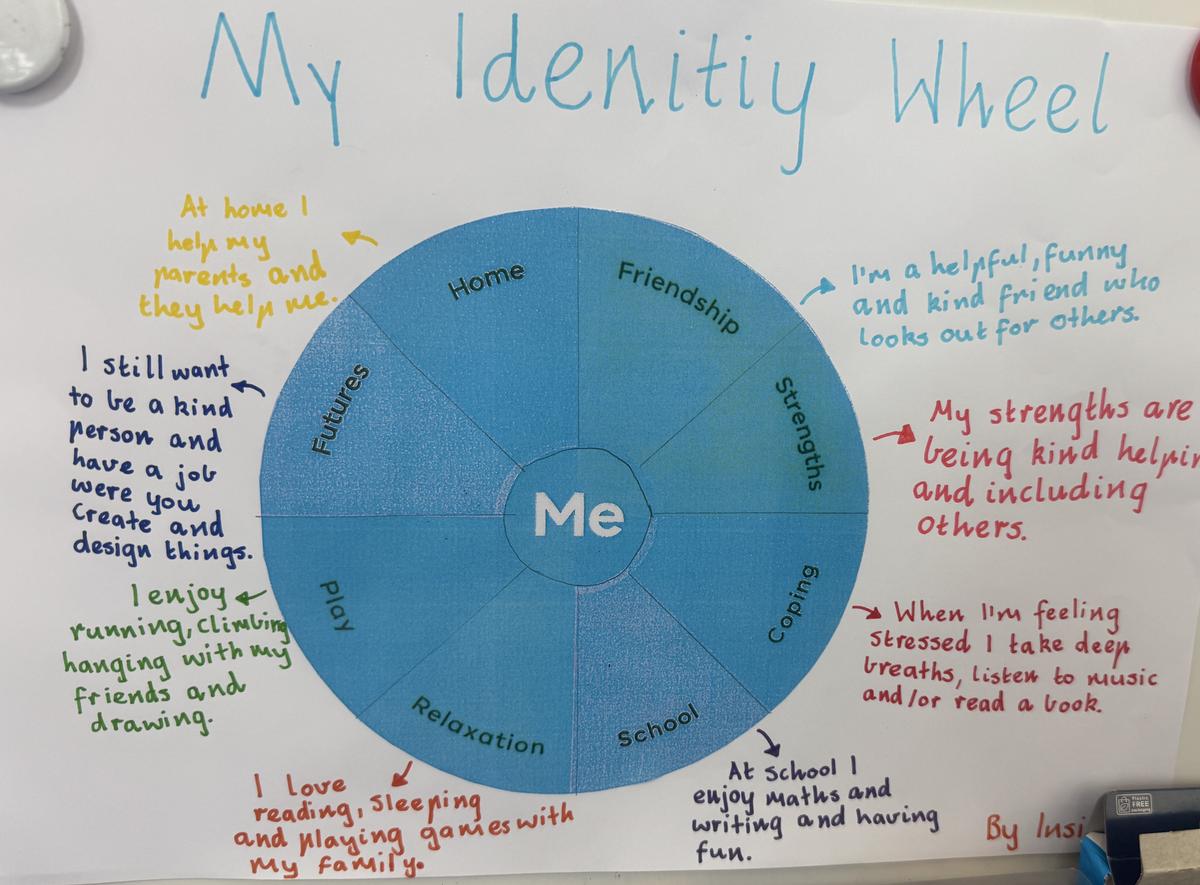
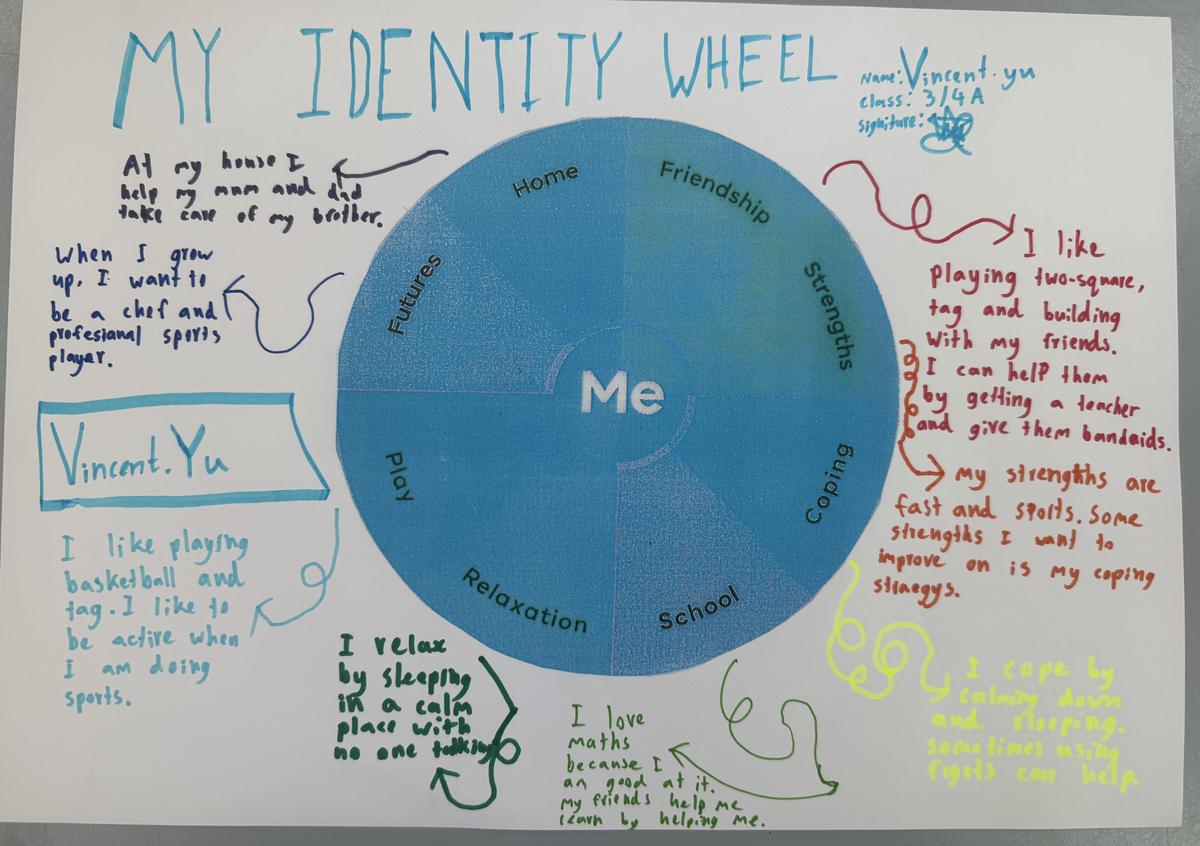
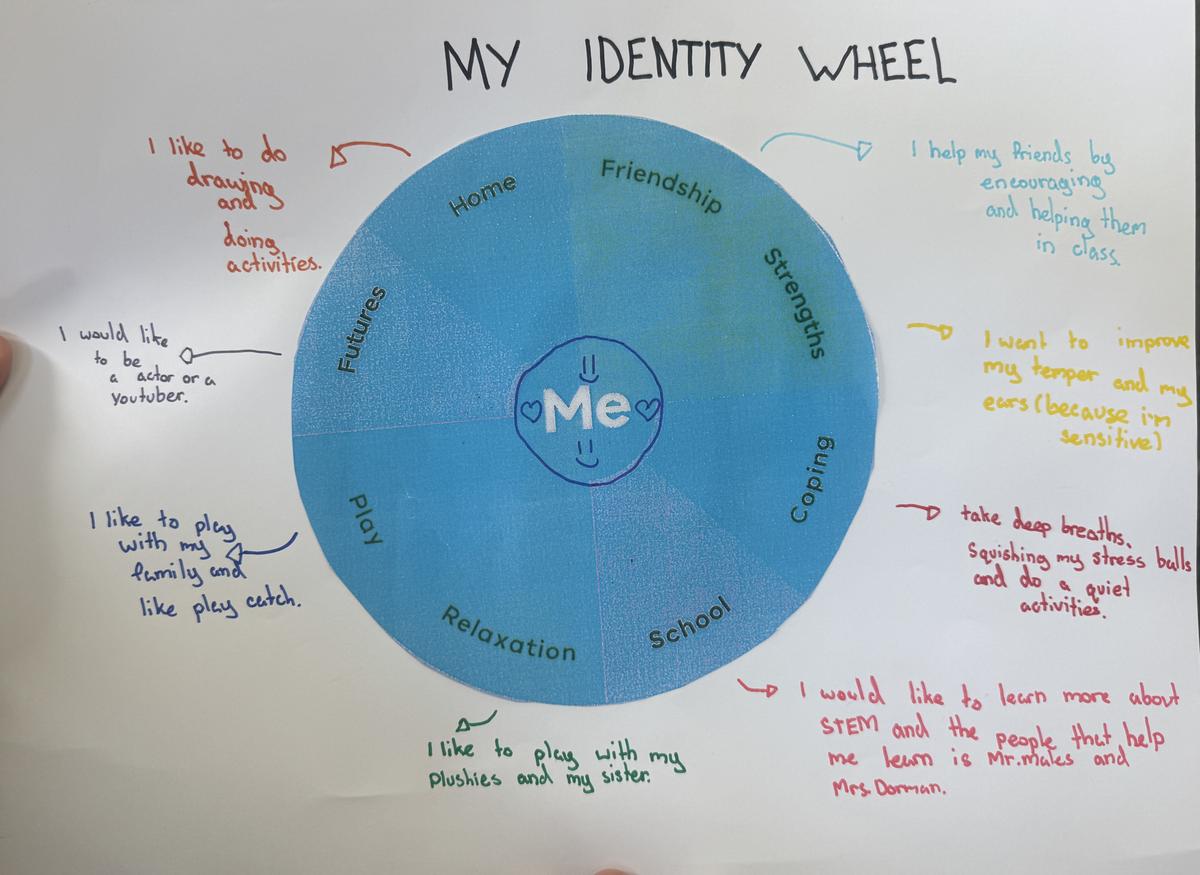
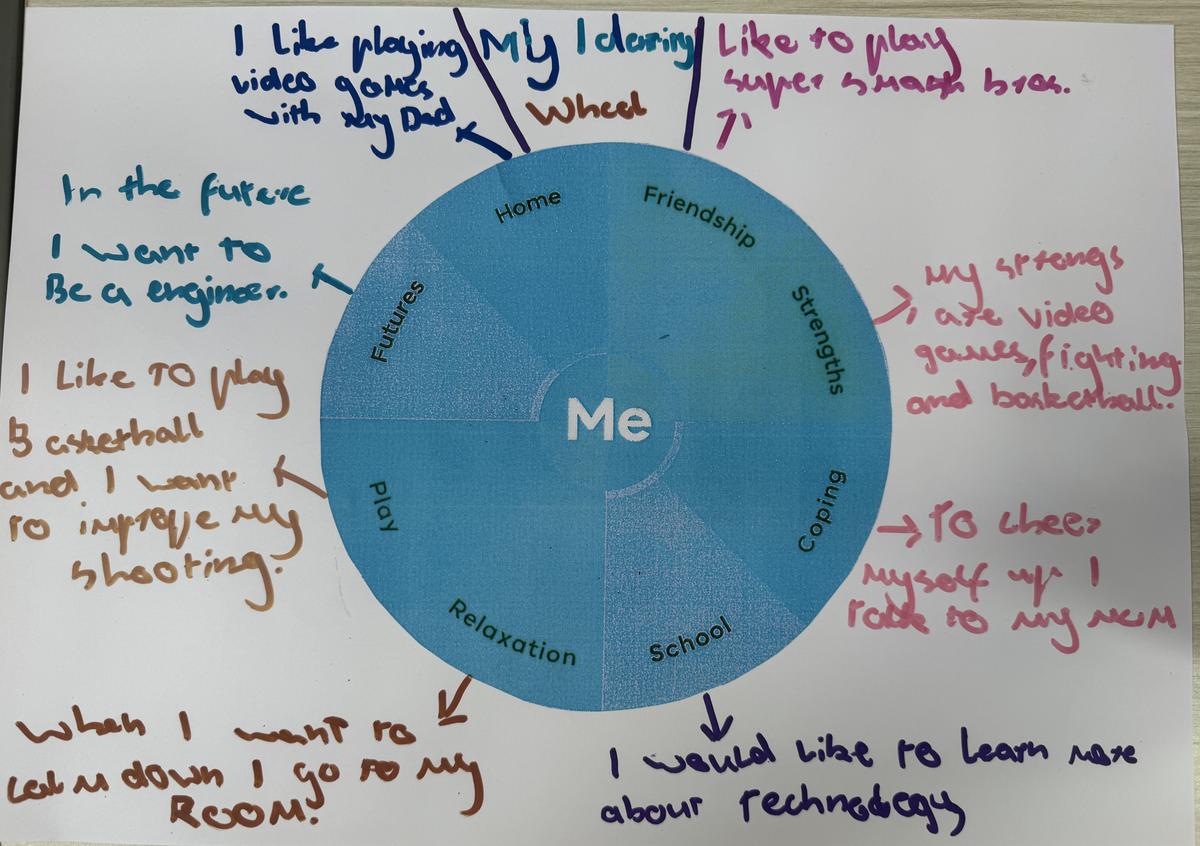
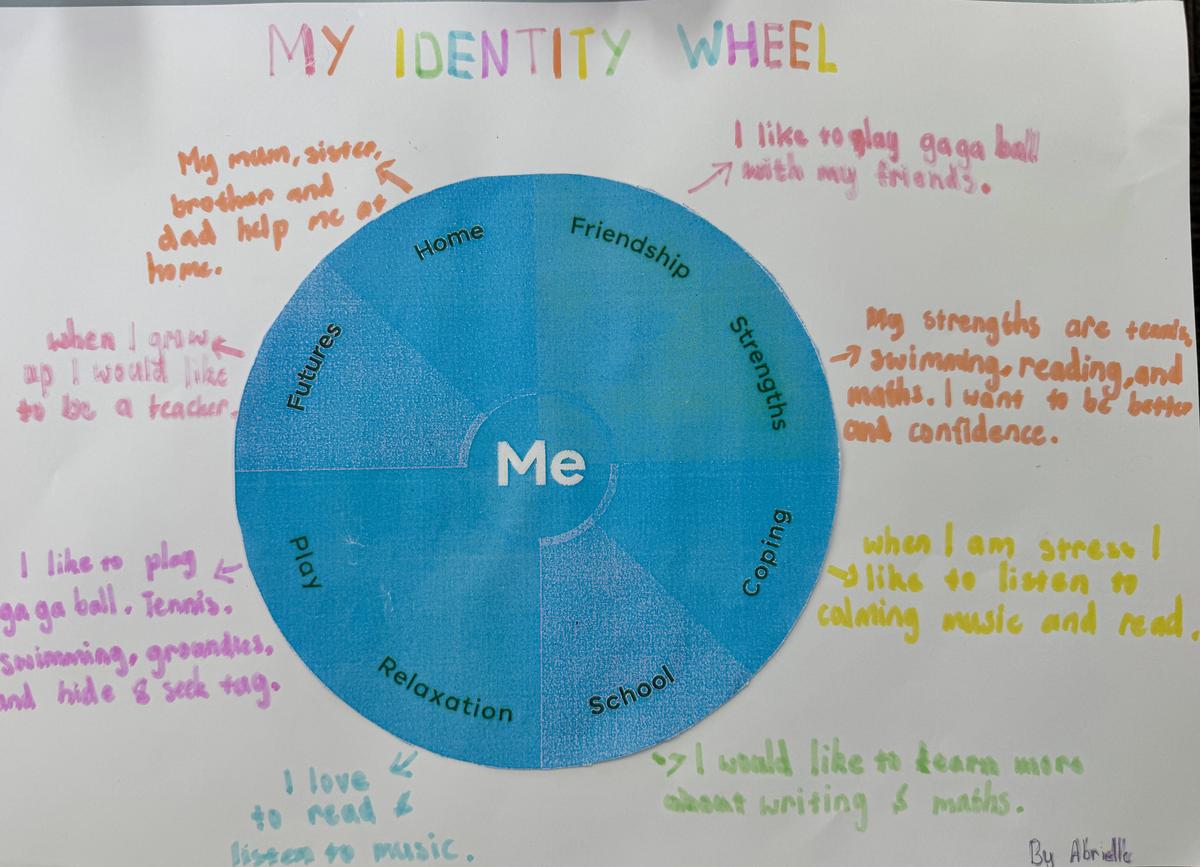
You might like to continue the conversation at home by asking:
Most importantly, we encourage children to understand that there is no “right” way to be who you are. We all have different experiences, strengths, interests and identities, and these differences are something to value and respect.
At school, we will continue to create opportunities for the year 3/4 students to develop self-awareness, appreciate diversity and build respectful and inclusive relationships with others.
The students looked at the topic: “Talking about gender: From inclusive language to inclusive actions”. Students explored how the words and language we use can influence the way people feel about themselves and others.
Students considered some of the stereotypes and assumptions that can be associated with gender. For example:
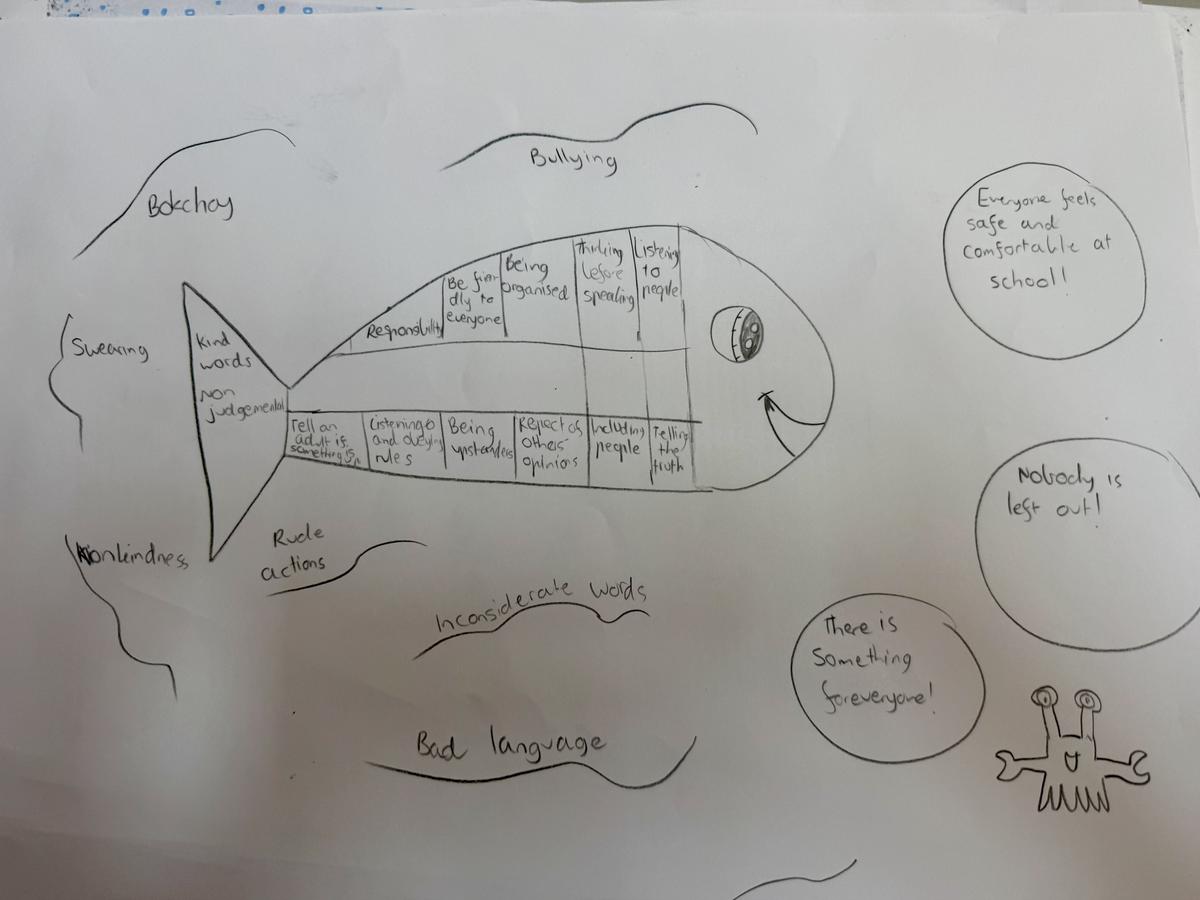
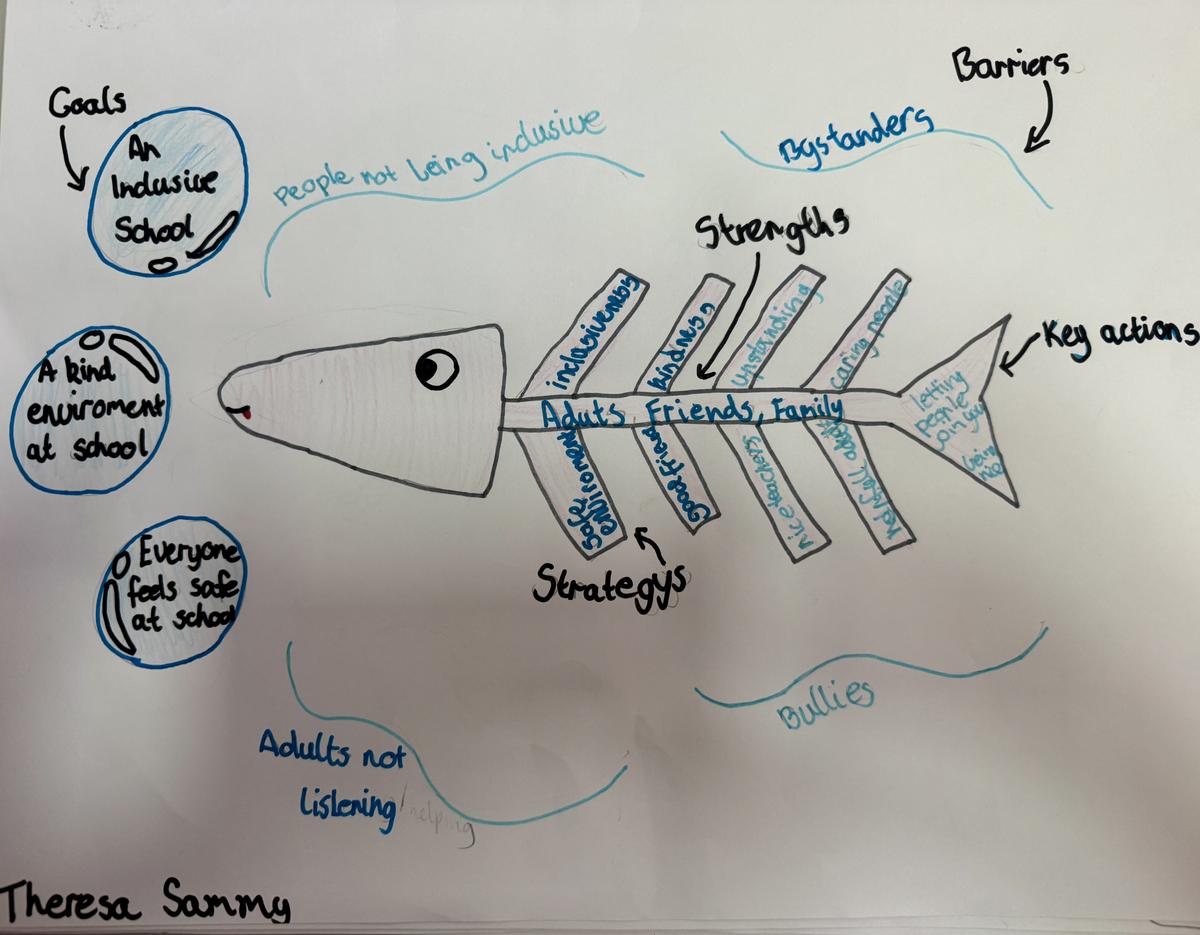
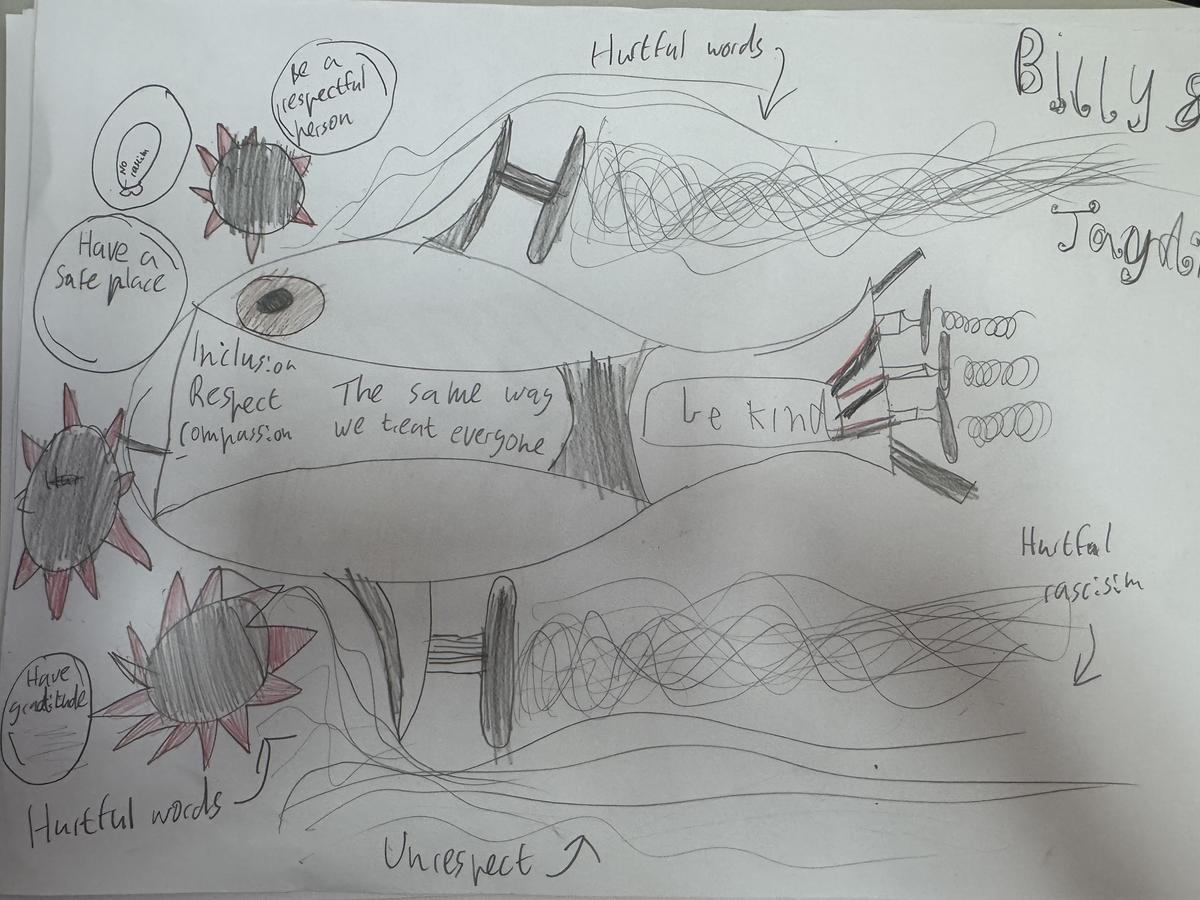
As part of the lesson, students worked together to create a school environment where everyone feels safe, valued, respected and included.
Students considered:
🐟 The Goal – What do we want our school to look and feel like?For example: A school where everyone feels that they belong and can be themselves.
🦴 Strengths – What are we already doing well?Students identify the positive things already happening within our school community that support inclusion and belonging.
🐠 Strategies – What could we do to make our school even more inclusive?Students suggest practical actions, such as using respectful language, including others, challenging stereotypes and making sure everyone has opportunities to participate.
🌊 Barriers – What might get in the way?Students explore things such as stereotypes, assumptions, exclusion, hurtful language or being afraid to speak up.
🐟 Key Actions – What could make the biggest difference?Students identify the actions they believe would have the greatest impact on creating a more inclusive school.
This activity encouraged students to move from identifying stereotypes to thinking about positive actions they can take to contribute to a respectful and inclusive school community.
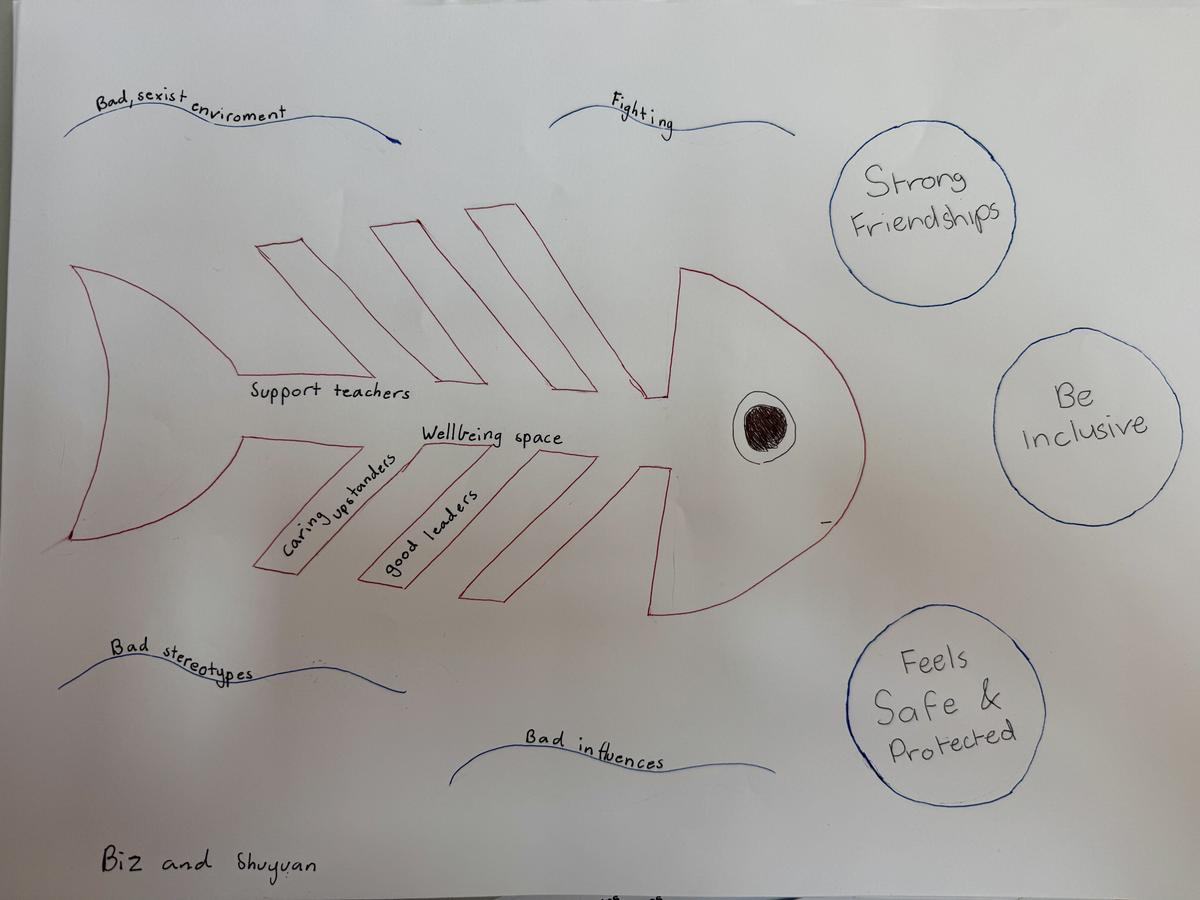
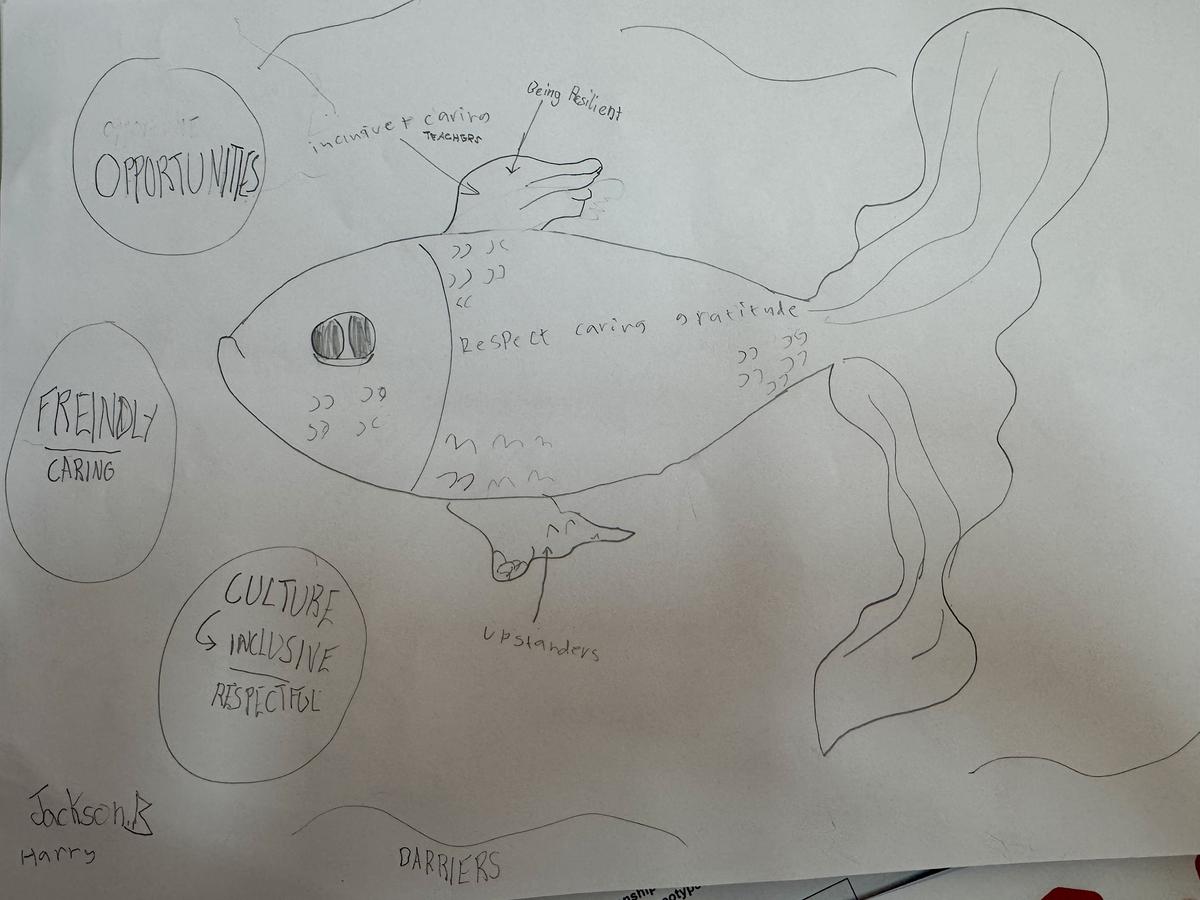
The message we want students to take away:
Our gender does not determine our personality, interests, abilities or future.
Everyone should feel comfortable being themselves, trying new things and pursuing their interests without feeling limited by stereotypes or expectations.
You might like to ask your child:
Our aim is to support the year 5/6 students to recognise stereotypes, question assumptions and contribute to a school environment where everyone feels respected, included and able to be themselves.
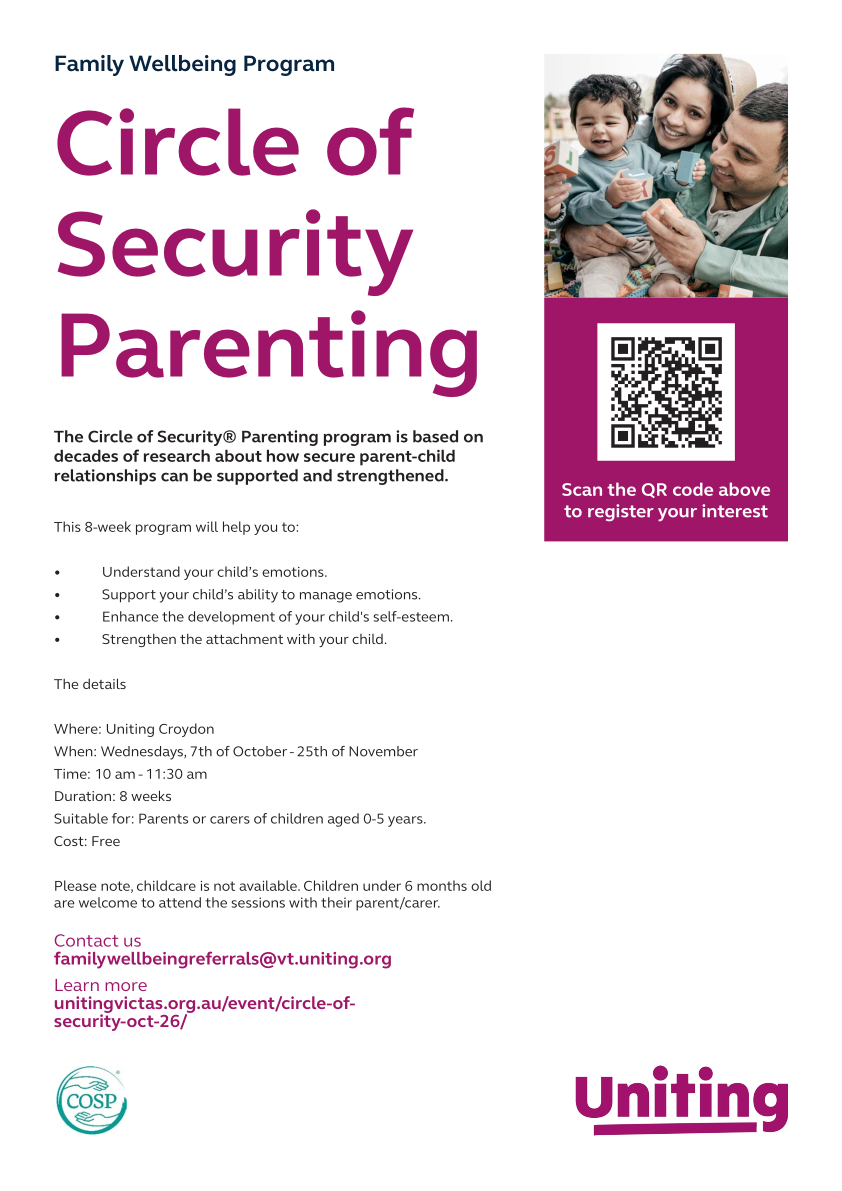
Uniting Care have the following programs available for families to access next term. Click on the links to find out more information.
Circle of Security Parenting - free and suitable for parents / carers of children aged 0-5 years
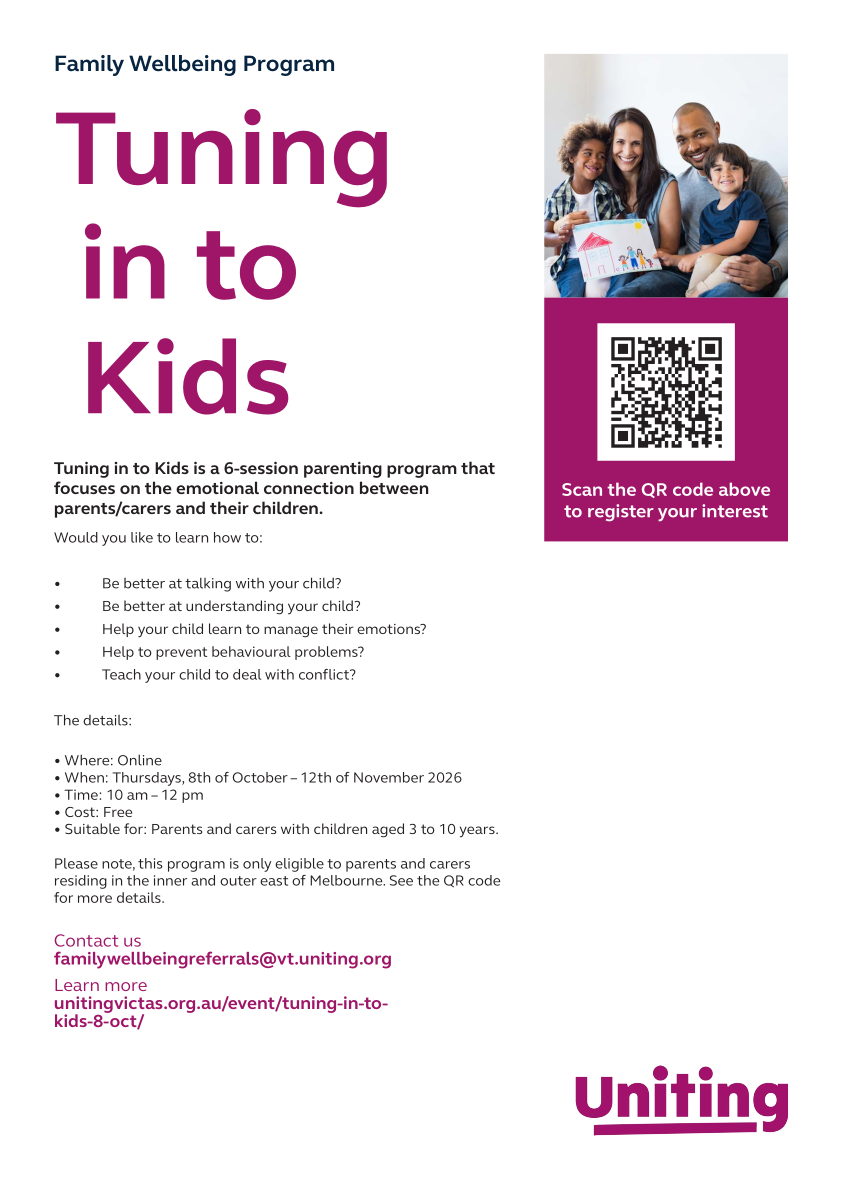
Tuning in to Kids - free and suitable for parents / carers of children aged 3-10 years
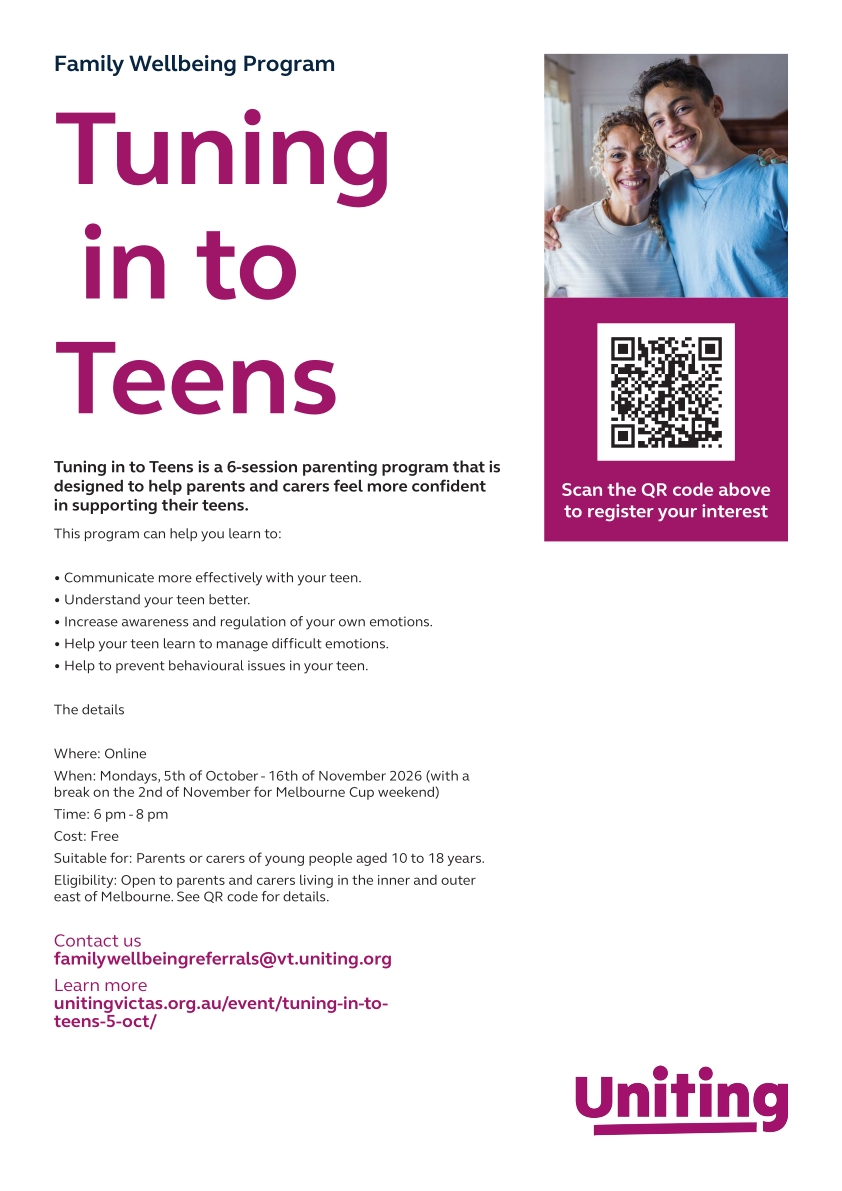
Tuning in to Teens - free and suitable for parents / carers of children aged 10-18 years
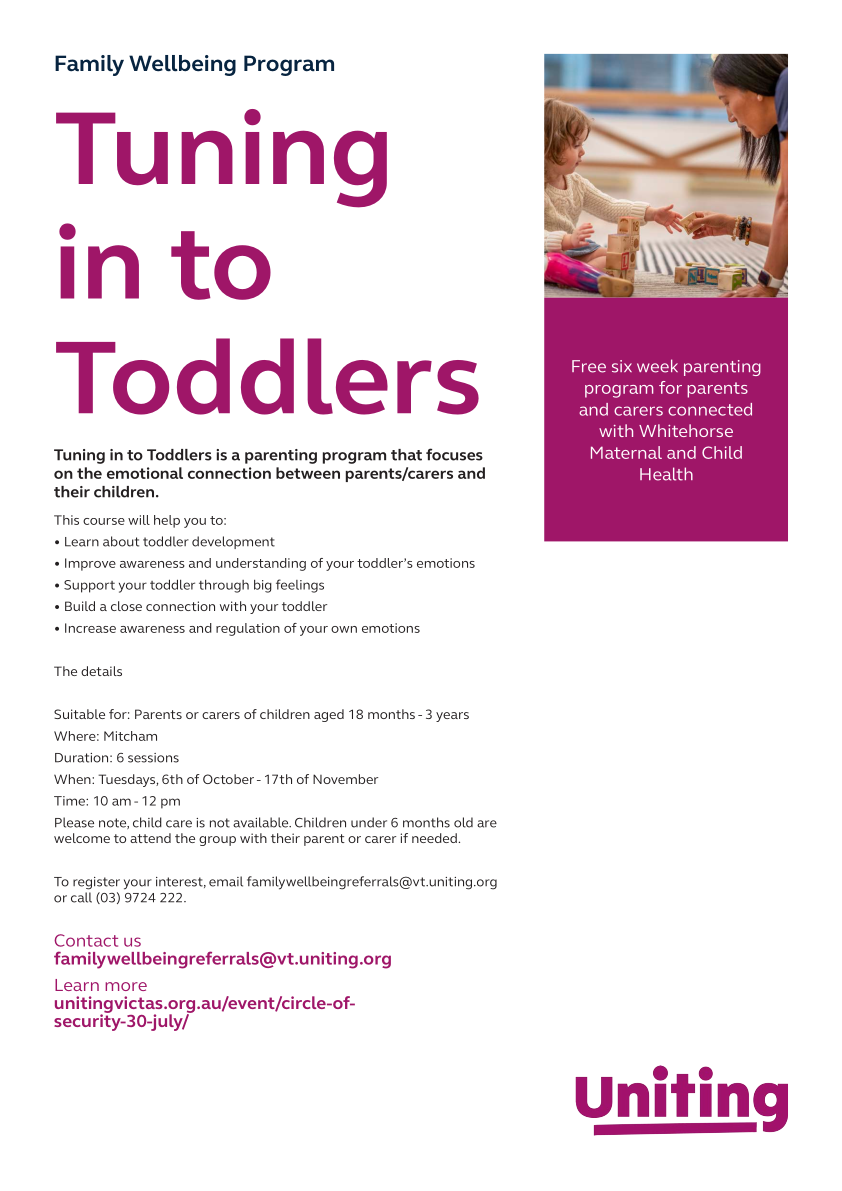
Tuning in to Toddlers is running in Mitcham and is available to parents or carers who are engaged with Whitehorse Maternal and Child Health.
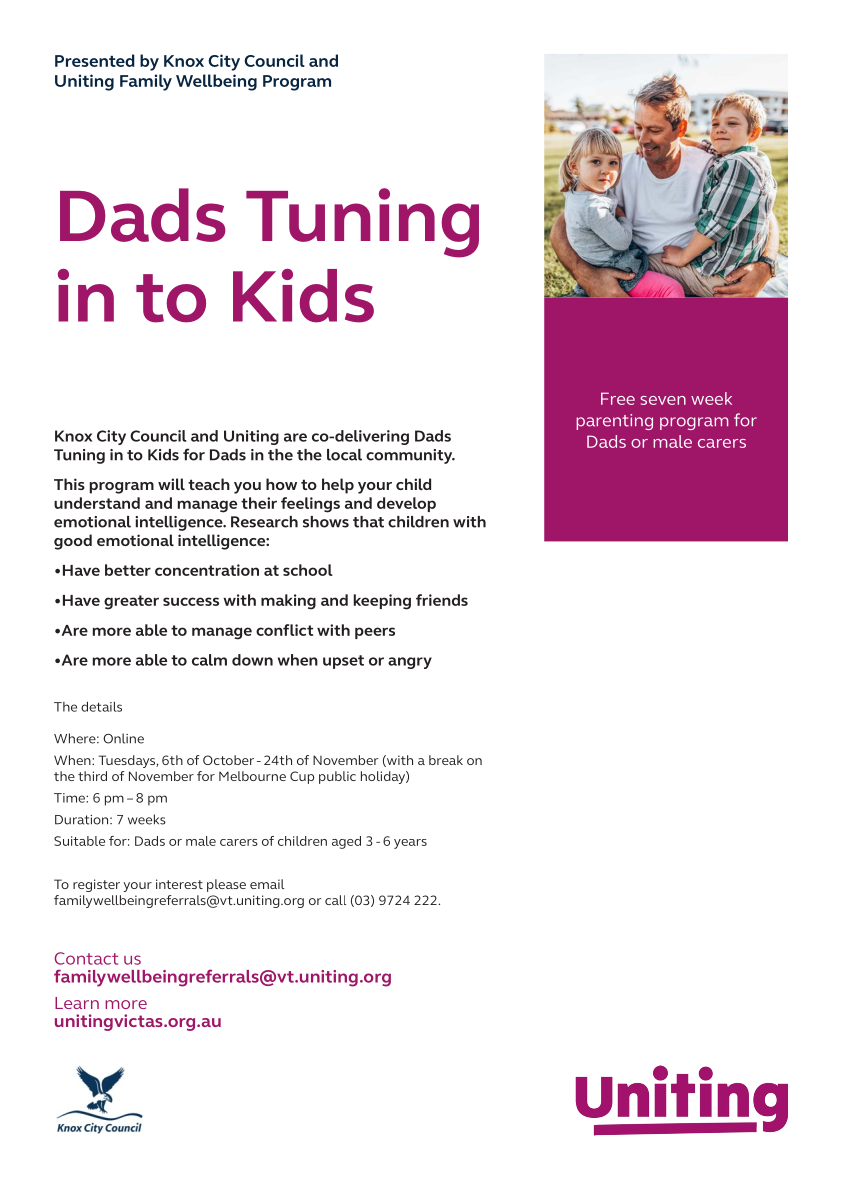
Dads Tuning in to Kids is being co facilitated by Uniting and Knox City Council for Dads or male carers living in the local area.
To register your interest to attend Tuning in to Toddlers or Dads Tuning in to Kids, please email familywellbeingreferrals@vt.uniting.org or call (03) 9724 222.
Supporting Families, Together
Every family experiences challenges from time to time, and it's important to know that support is available. Here is some information about services and resources that can help families navigate life's ups and downs. We hope this information provides reassurance, increases awareness of available supports, and encourages families to reach out if they ever need a helping hand.
What is Family Services?
Family Services is a free, voluntary outreach service available to support children and families experiencing vulnerability. They work confidentially alongside families to assist and support them to achieve their goals. This includes building skills and establishing resources needed to promote the ongoing safety, stability and development of children.
Family Services can usually work with a family for up to 6 months working on goals together to empower and support change.
How do I access family Services?
Family Services sits at the following services:




Intake for all of these services is through one intake hub. This intake hub is called The Orange Door and this organisation can be contacted Monday to Friday, 9.00am to 5.00pm and is contactable in our area on this number: 1800 354 322.
Someone else can support you in putting in the referral including the school, however as family services is a voluntary program, The Orange Door will want to speak with the families to get some background information to complete the referral, so they know they are linking you with the right supports for your family.
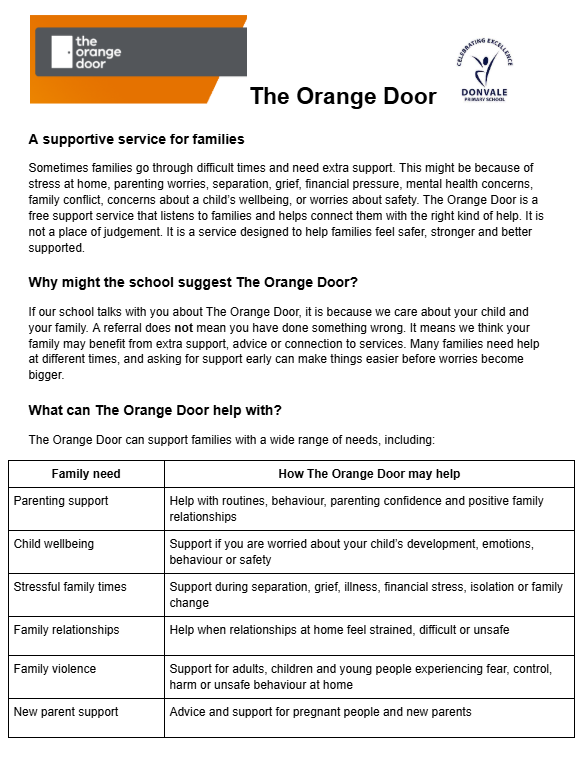
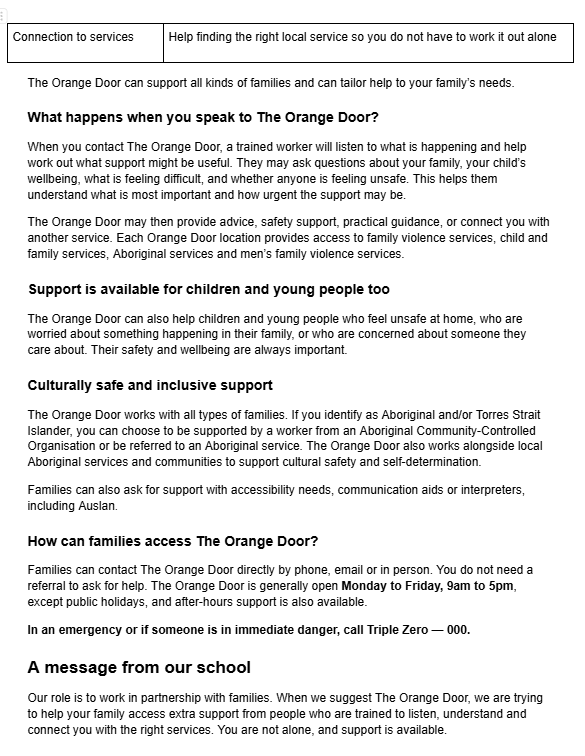
What is The Orange Door?
The Orange Door is an intake Service that works on promoting safety and wellbeing. It is the intake service for Family Services as well as Family violence services.
We have noticed that sometimes there is confusion or a view that it is only for those experiencing family violence, which is not true. You do not need to be experiencing family violence to utilise the orange door. It was developed to bring multiple services together as a partnership so that individuals and families don’t have to go to multiple services or to retell their story multiple times to have their needs met. One of those multiple services is Family Services where you can get parenting supports.
If you would like more information about The Orange Door please refer to the following information.
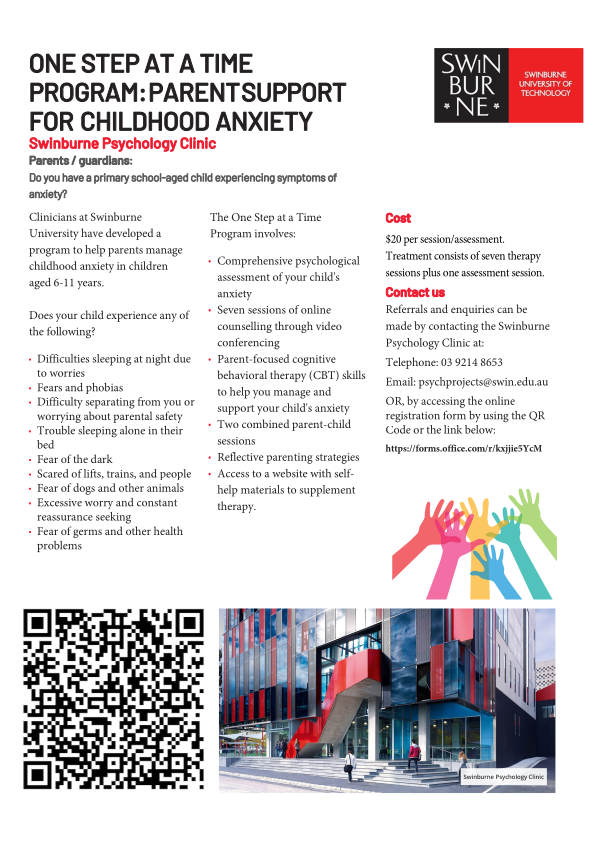
Looking after your child's mental health:
Easing into Adolescence
The Department of Education has launched an Easing into
adolescence webpage for families of students aged 10 to 14 (Grade 5 to Year 8).
The webpage has information and strategies you can use to help ease your child into adolescence and secondary school. These include:
Subtitles for videos by The University of Melbourne on the webpage are available in 10 languages. You can select your preferred language on the translations page.
Reward System
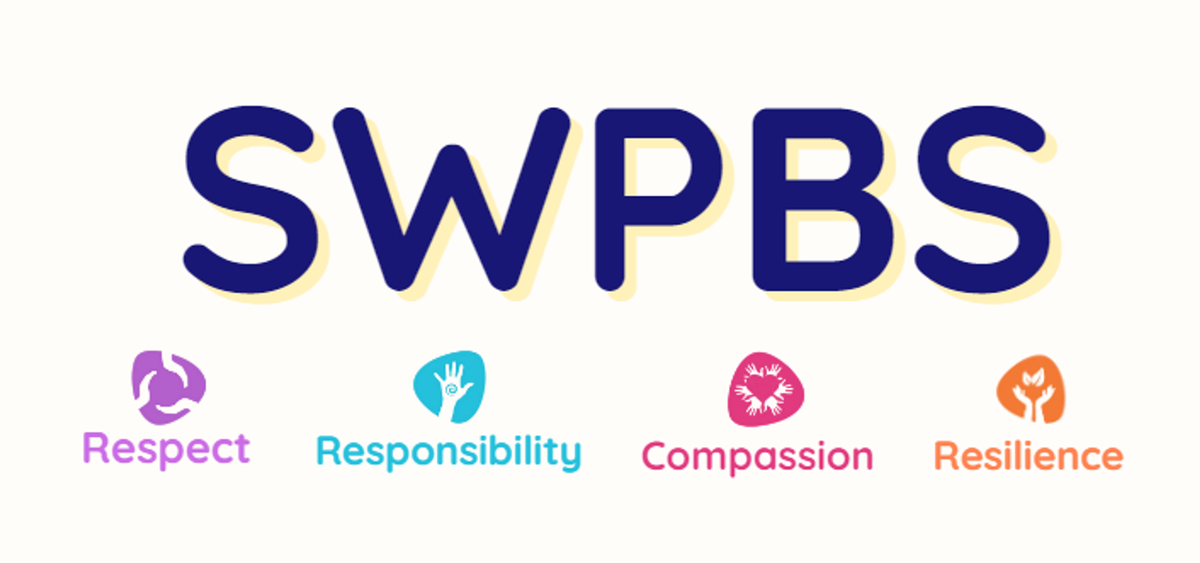
SWPBS focuses on multi-tiered interventions to promote positive behaviours. As part of the approach to enabling a strong school culture which embodies our school values, we have put in place a whole school sticker rewards system.
Aim of the Reward System
At DPS we have implemented a reward system to reward positive behaviours that are necessary for promoting a positive and supportive school environment. These positive behaviours are based on our four values of Compassion, Resilience, Respect and Responsibility. Part of our reward system includes the handing out of stickers which are distributed by staff when the students are "caught" displaying one or more of the values.