School Sport
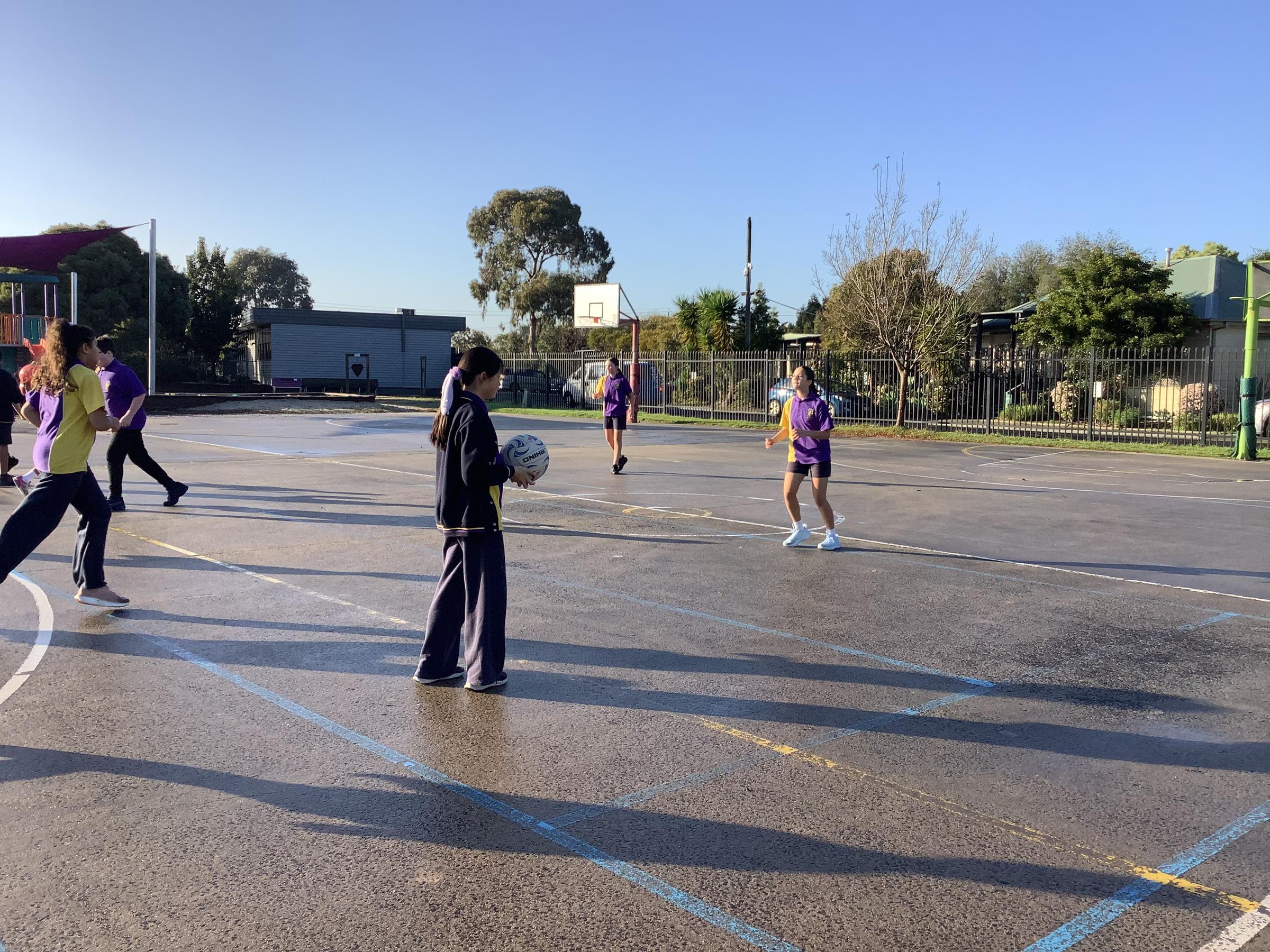
Winter Inter School Sport
There were 7 teams that got through to the District Finals. Boys and Girls Netball, Boys and Girls Soccer, A and B Bowls and Boys AFL. All played really well on an awful, wet day. The students and staff showed great Resilience to get through the finals on the day. The Girls Netball and Boys AFL won their Grand Final so then went onto the Divisional finals the week after.
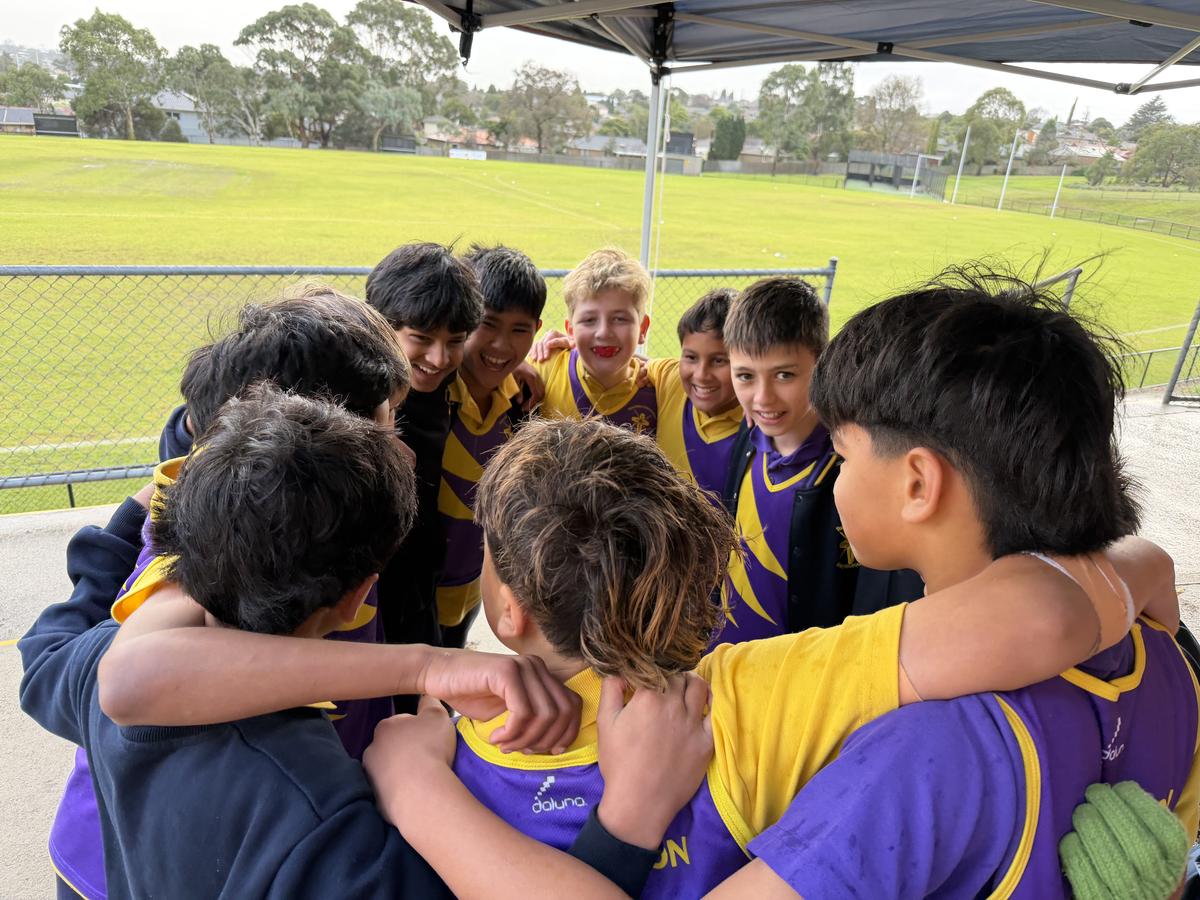
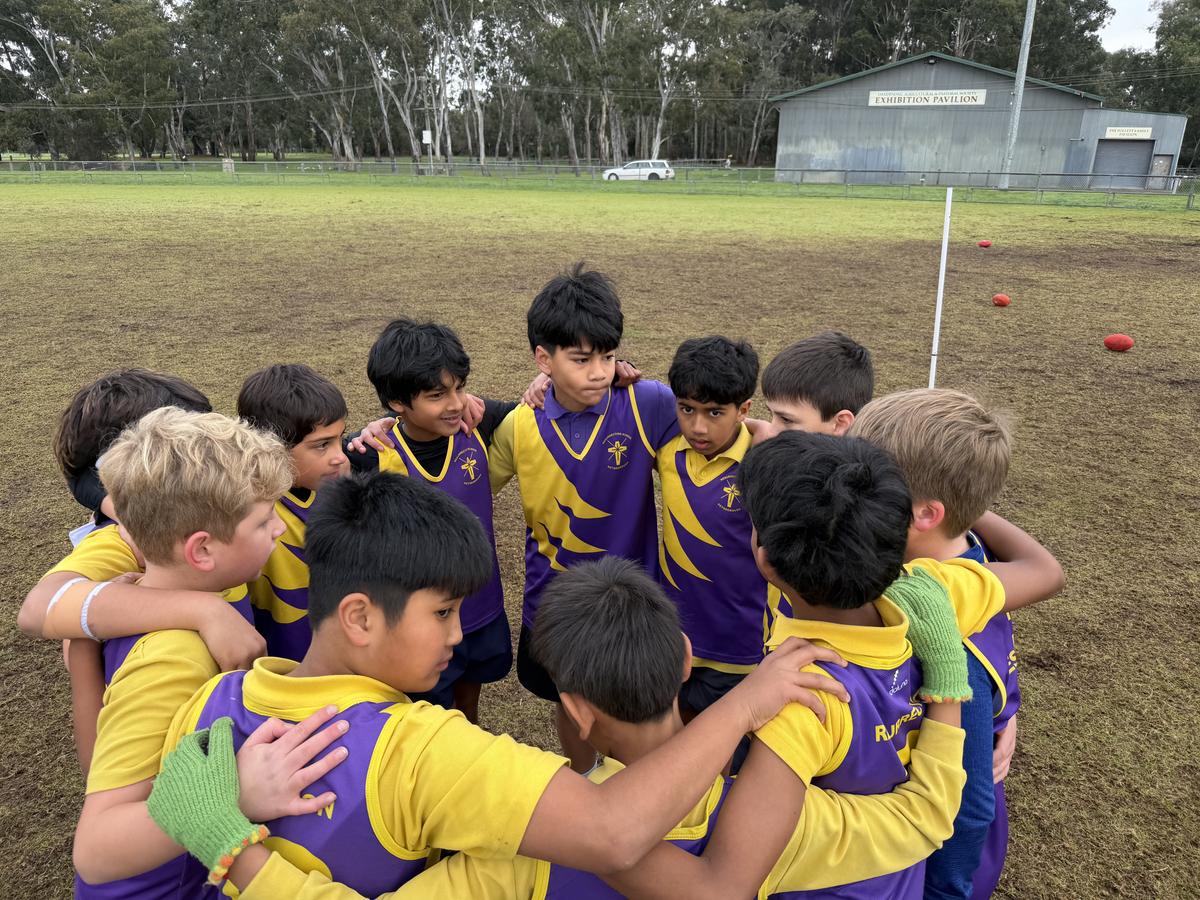
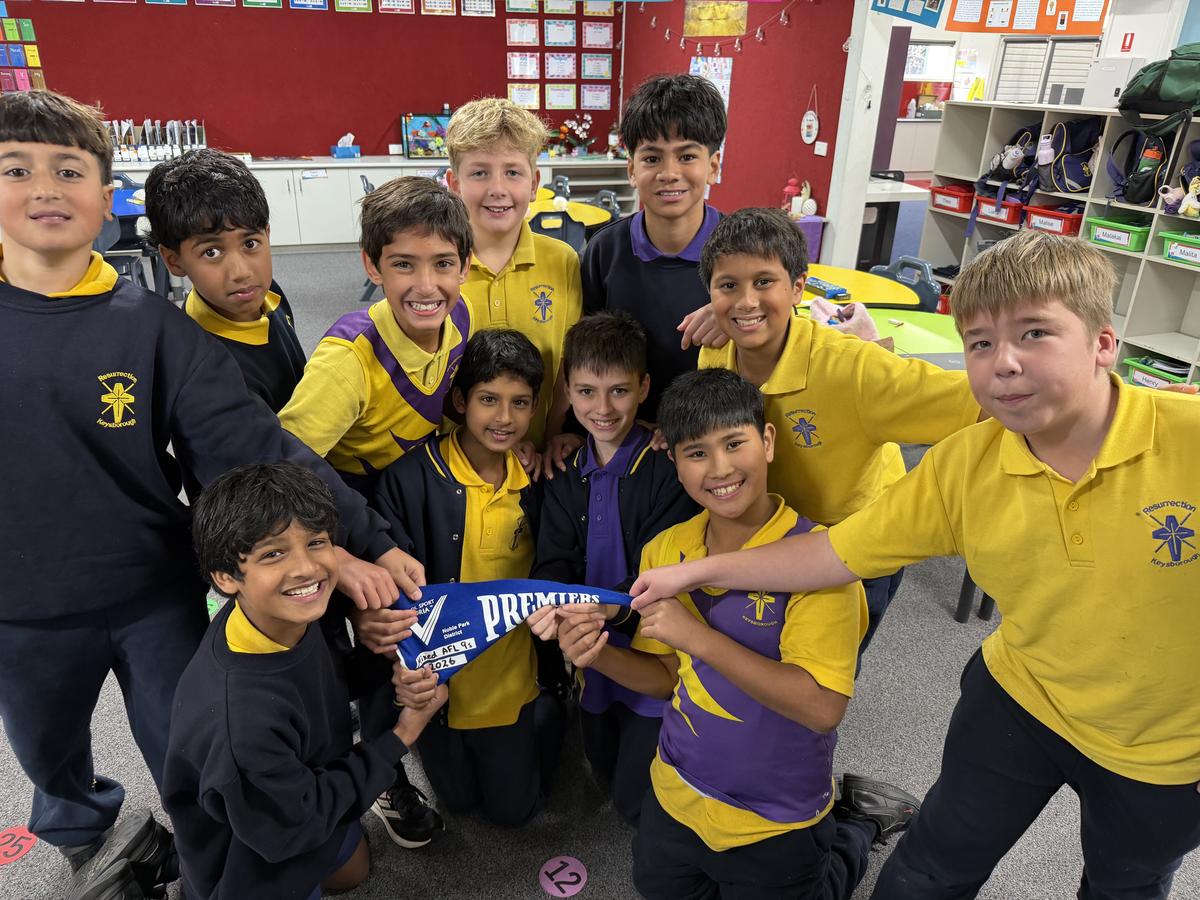
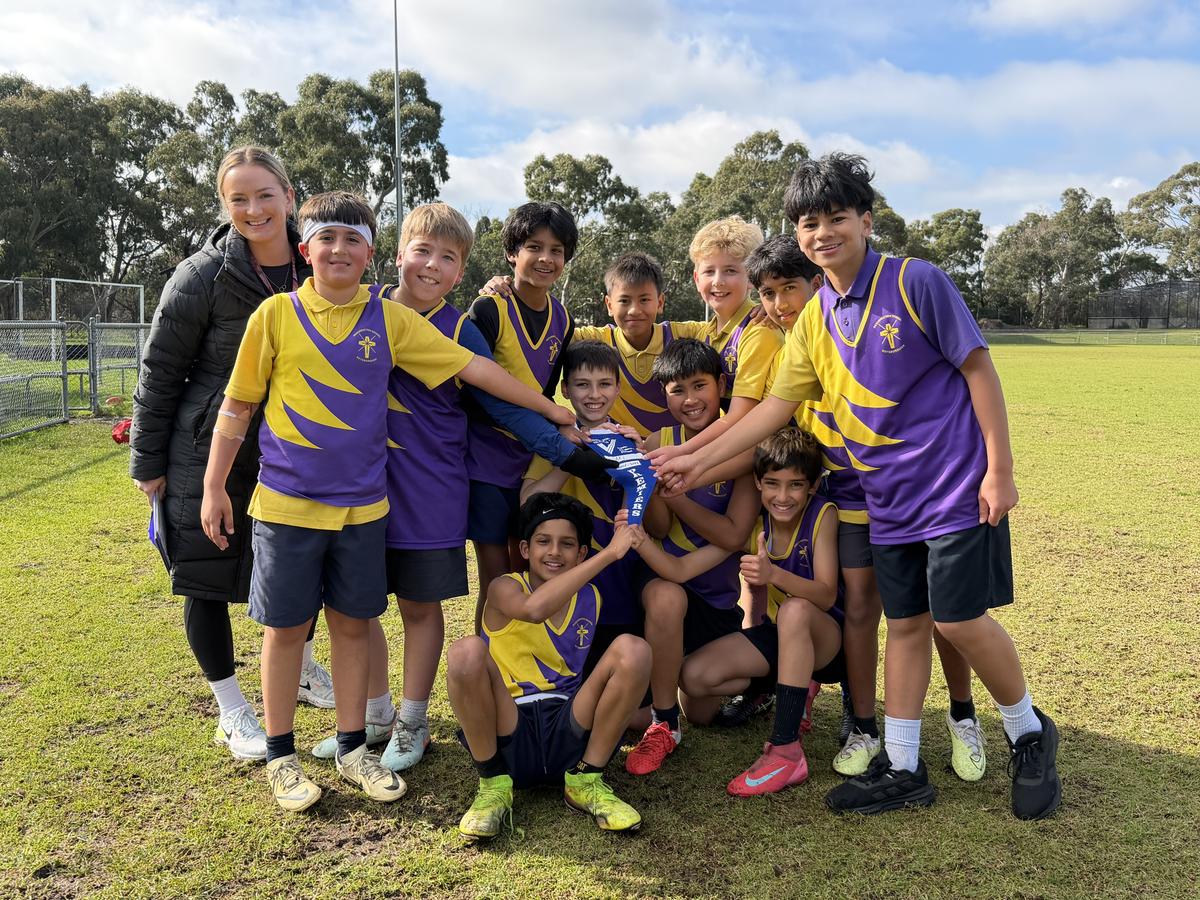
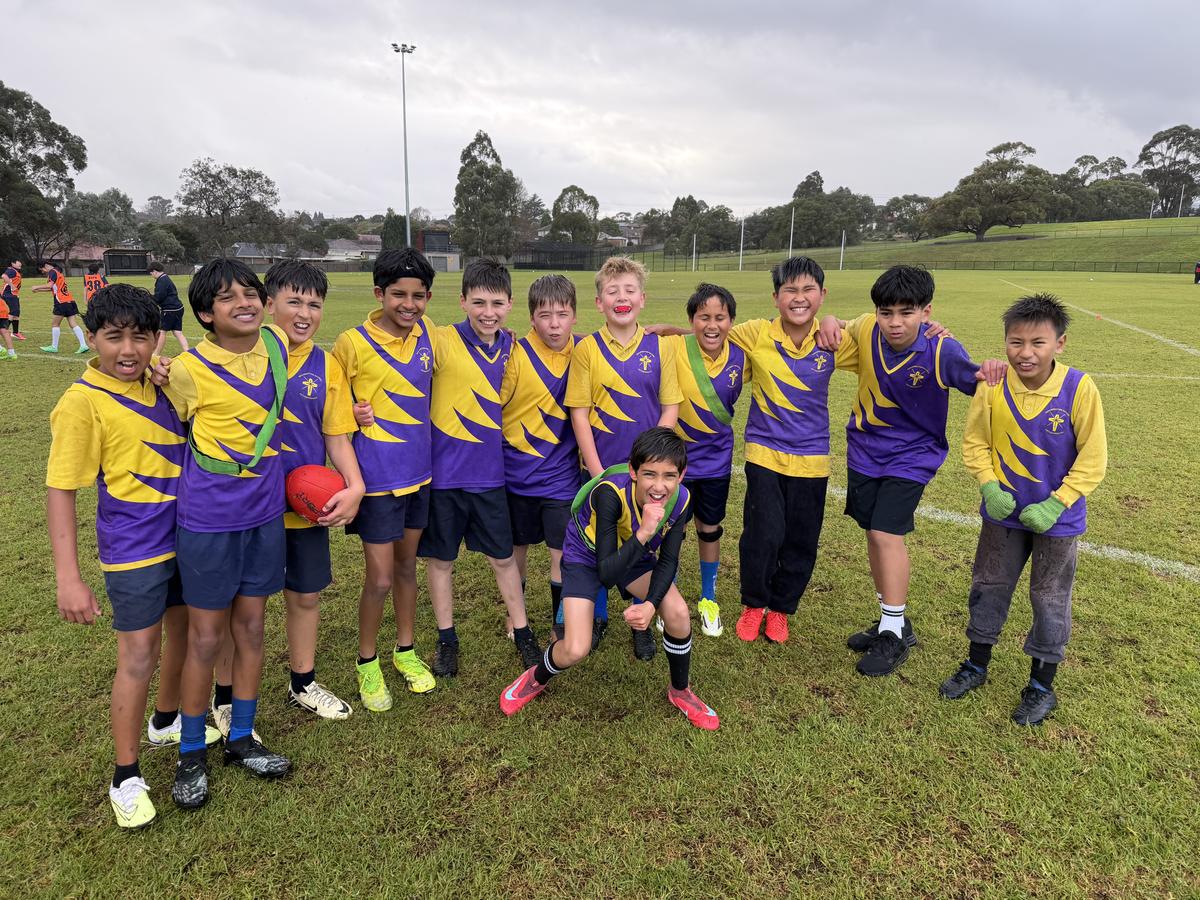
The AFL boys Won the Divisional Finals so now go on to the Regional Finals in Casey this week. Good luck boys.
District Athletics
For the first time Resurrection School will be holding a whole day dedicated to Athletics on Thursday 13th August (back up day will be Thursday 20th August if bad weather). Students from Year 4, 5 and 6 will take part in trials for their age group in the following Athletics events: Shot, Discus, Long Jump, Hurdles, 100m and 800m. Some have also been chosen to trial for High Jump and Triple Jump. If any students are away on the day they will have an apportunity to get a time or measure for an event on a Tuesday Lunch time - where myself and Miss Neighbour have been running a club all term. It is up to the students who are away to attend the Lunch time club - they will not be asked personally.
300 Club
We have had a great start to the 300 club by lots of classes and students going out (some everyday!!) and completing laps of the oval. Here is a sample of how some classes and the top students in their class are doing. The number shows how many metres they have covered by doing the 300m run:
Prep M - Victor = 19,200m
Annie = 18,600m
1MM - Linara = 10,800m
Aiden K = 10,200m
2MB - Matteo and Kendrick = 1,800m
Maise and Mia = 1,500m
3BF - Thomas = 6,000m
Milly = 3,900m
4CC - Jackson = 21,300m
Maddie = 12,000m
5SM - Christian = 8,700m
Yua = 7,500m
6AH - Sebastian = 27,600m
Leilla = 24,000m
Well done to all of the students and keep going - imagine hom many metres you could cover by the end of the year!!
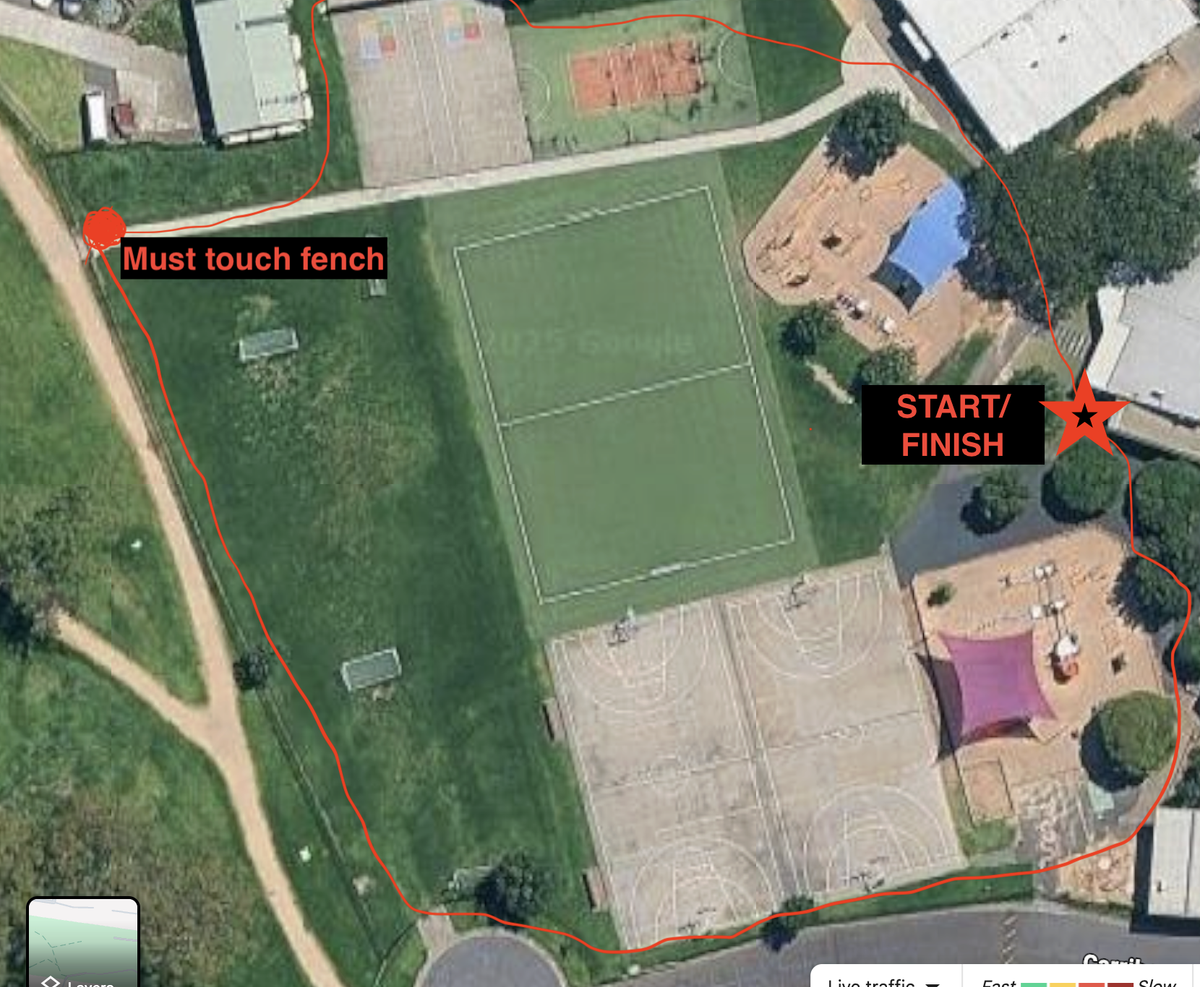
The 300 club is a way to get students moving every day to encourage a fit and healthy lifestyle. If every student did 1 lap of the oval (exactly 300 meters - shown below) every single day they were at school and for their entire life they were at school they would complete over 300km which is the same as travelling to the NSW border of Albury.
To keep fit and healthy ALL children should be doing 1 hour of physical activity every day. This can be done all in one go or in 4/5 shorter time spans, e.g. 5 x 20 minutes a day. We can help by encouraging them to walk, jog or run a lap of the school oval every day. The Australian Governments, Department of Health recommendations are below, which come from the World Health Organisations (WHO) report. With the increase of social media, gaming and devises being used for entertainment/play, children are not playing outside as much as they used to which is impacting on their health and fitness.
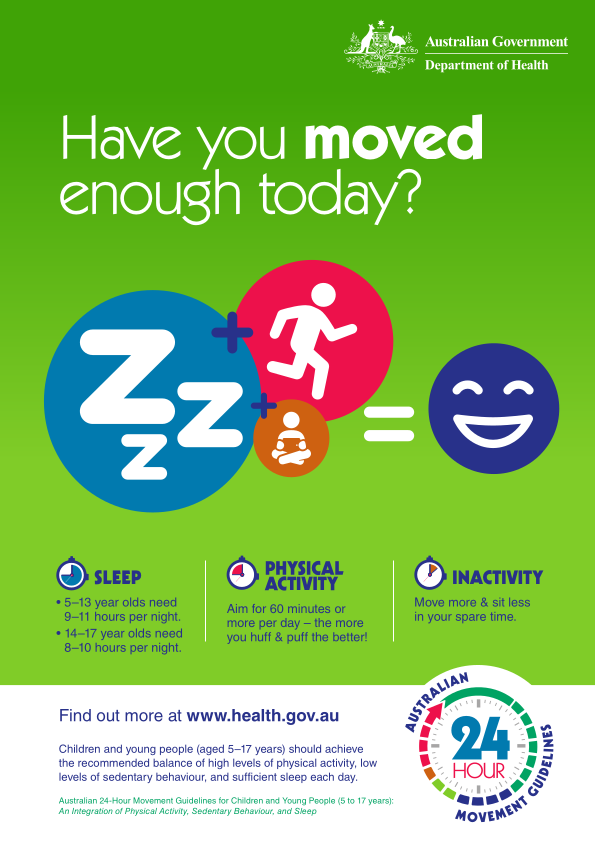
Global Status Report on Physical Activity from the World Health Organisation (WHO)
Despite their natural inclination for active play and recreation, by adolescence young people are far less active than might be expected. The most recent global data reveal that the majority (81%) of boys and girls aged 11–17 years spend less than one hour a day doing moderate- to vigorous-intensity physical activity; and more girls are inactive than boys in most countries (85% and 77.6% respectively).
Latest global estimates show that 1.4 billion adults (27.5% of the world’s adult population) do not meet the recommended level of physical activity to improve and protect their health. Worryingly, this figure has remained largely unchanged. Of particular concern are the wide differences in levels of physical activity between regions, countries, age groups and sexes. In adults in 2016, levels of inactivity in high-income countries (36.8%) were double those in low-income countries (16.2%)
The cost of physical inactivity
Physical inactivity is associated with a range of chronic diseases and premature deaths that carry not just a human but also an economic cost. The economic burden of physical inactivity is large. Globally, almost 500 million new cases of preventable Non-communicable diseases (NCDs) will occur between 2020–2030, incurring treatment costs of just over US$ 300 billion or around US$ 27 billion annually if there is no change in the current prevalence of physical inactivity. Globally, nearly half of new NCD cases (47%) will result from hypertension, and 43% will result from depression. NCDs, also known as chronic diseases, are long-lasting conditions that are not passed from person to person. They are primarily driven by genetic, physiological, environmental, and behavioral factors.
Globally, physical inactivity costs health systems US$ 27 billion a year and by 2030, US$ 300 billion.