Wellbeing














 St Francis de Sales Catholic Primary School Lynbrook

At SFS, our PBL (Positive Behaviours for Learning) school wide expectations are:
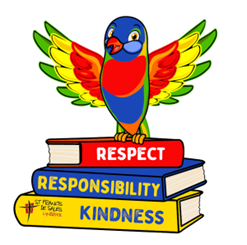
Respect, Responsibility and Kindness
We have a whole school social skills lesson where we explicitly teach an expected behaviour from our Behaviour Expectation matrix.
We have a whole school social skills lesson where we explicitly teach an expected behaviour from our Behaviour Expectation matrix.
This week we have focused on RESPECT: Listen and follow instructions (Outdoors).
This is important because when we listen and follow instructions outdoors, everyone feels respected and heard and it keeps us all safe. We are respecting the dignity of the human person by listening to others. The students looked at different scenarios that might happen outside where we have conflict with others such as whose turn it is on the slide or disagreeing on a decision or rules in a game. The children practiced the skills of how to have a respectful conversation with someone else when expressing their thoughts and feelings.
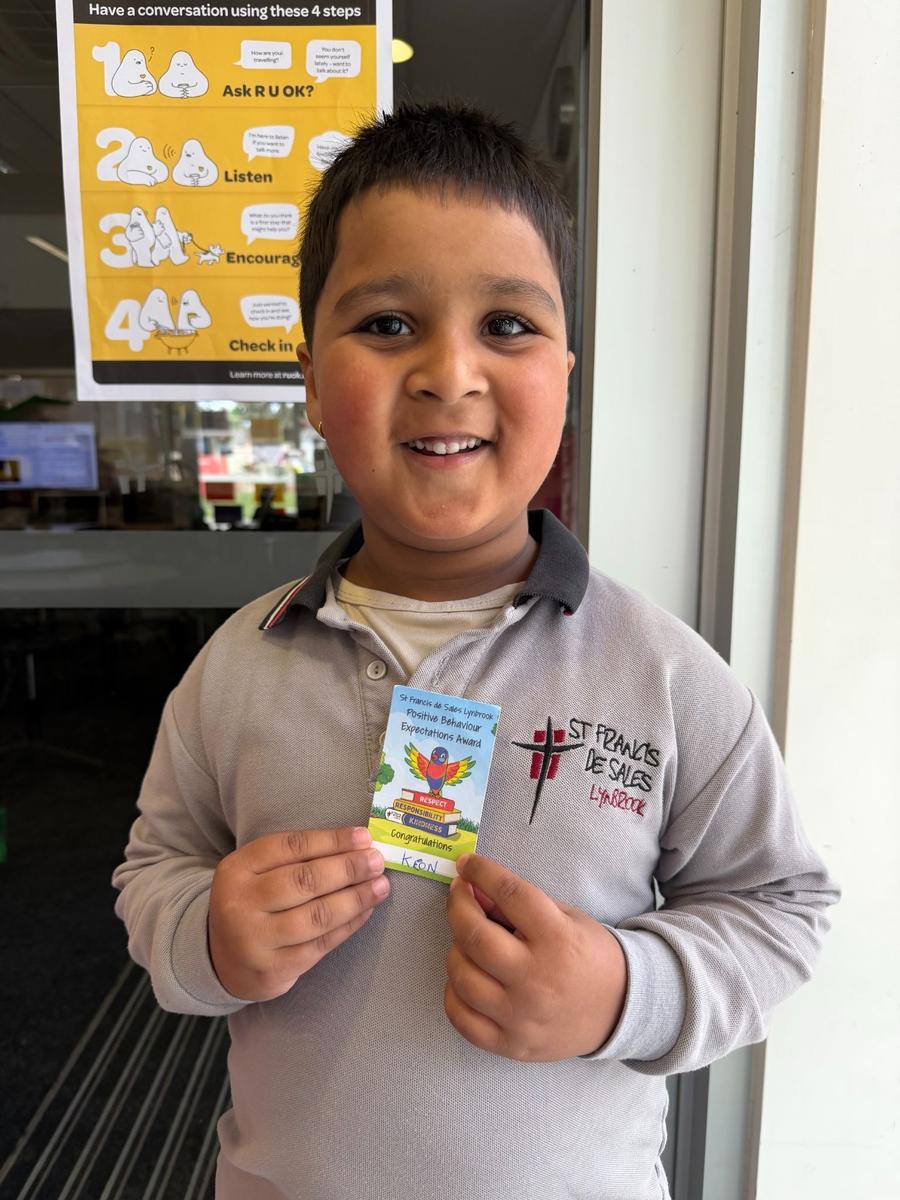
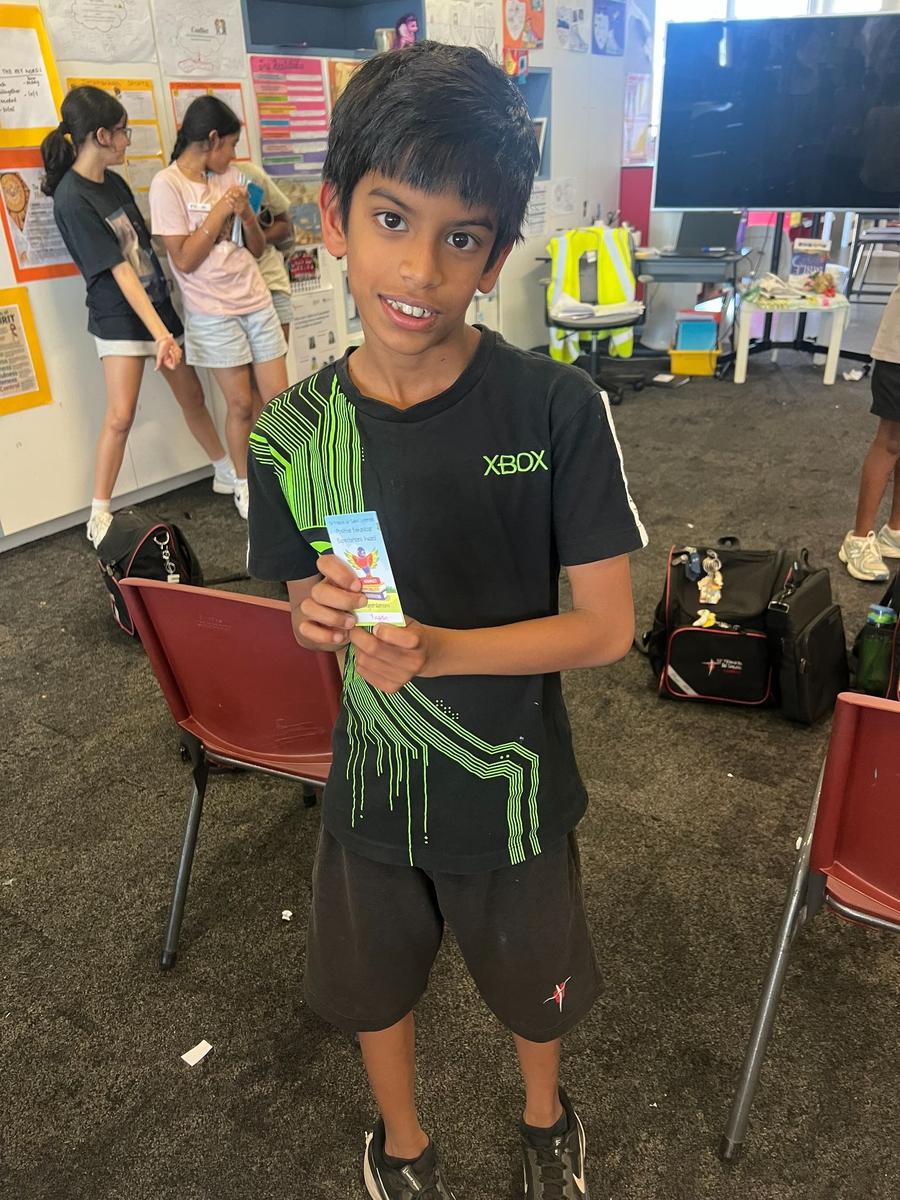
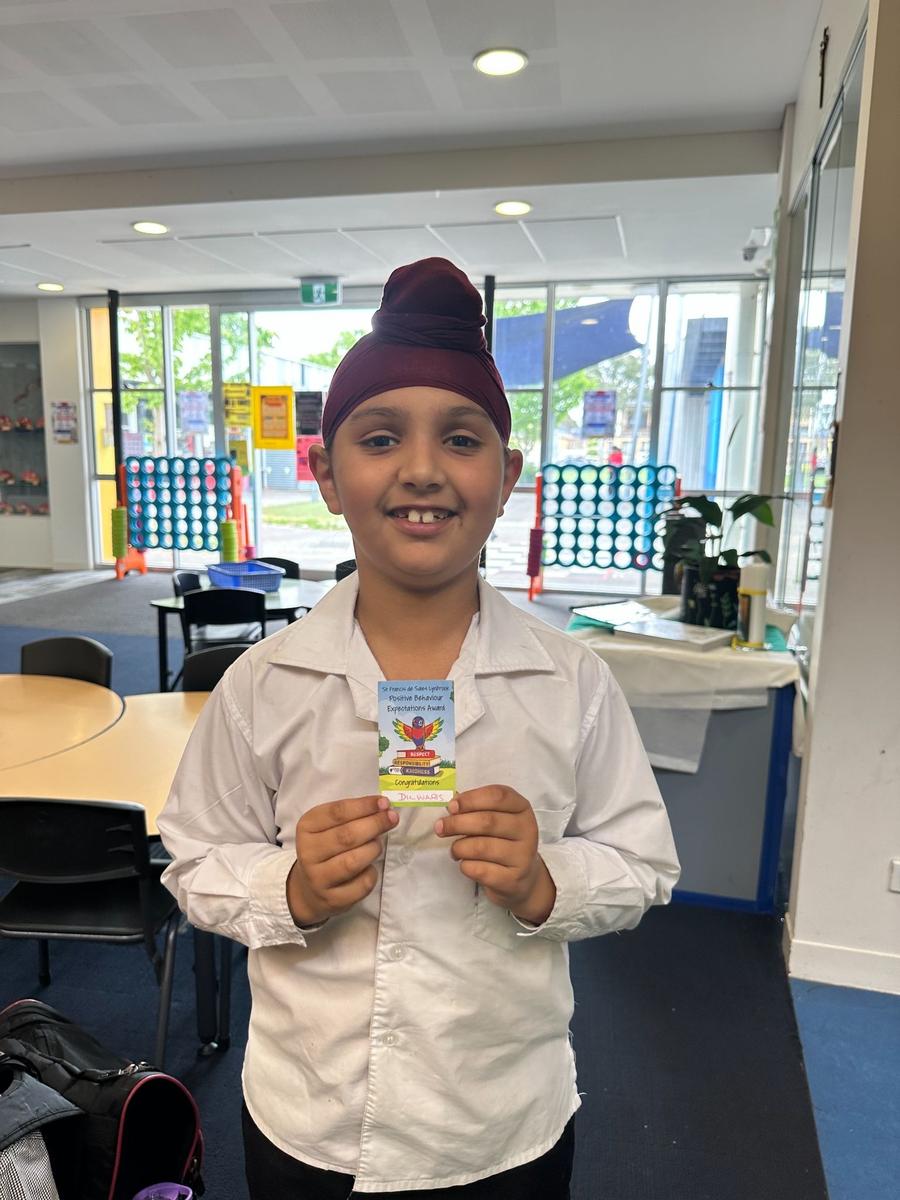
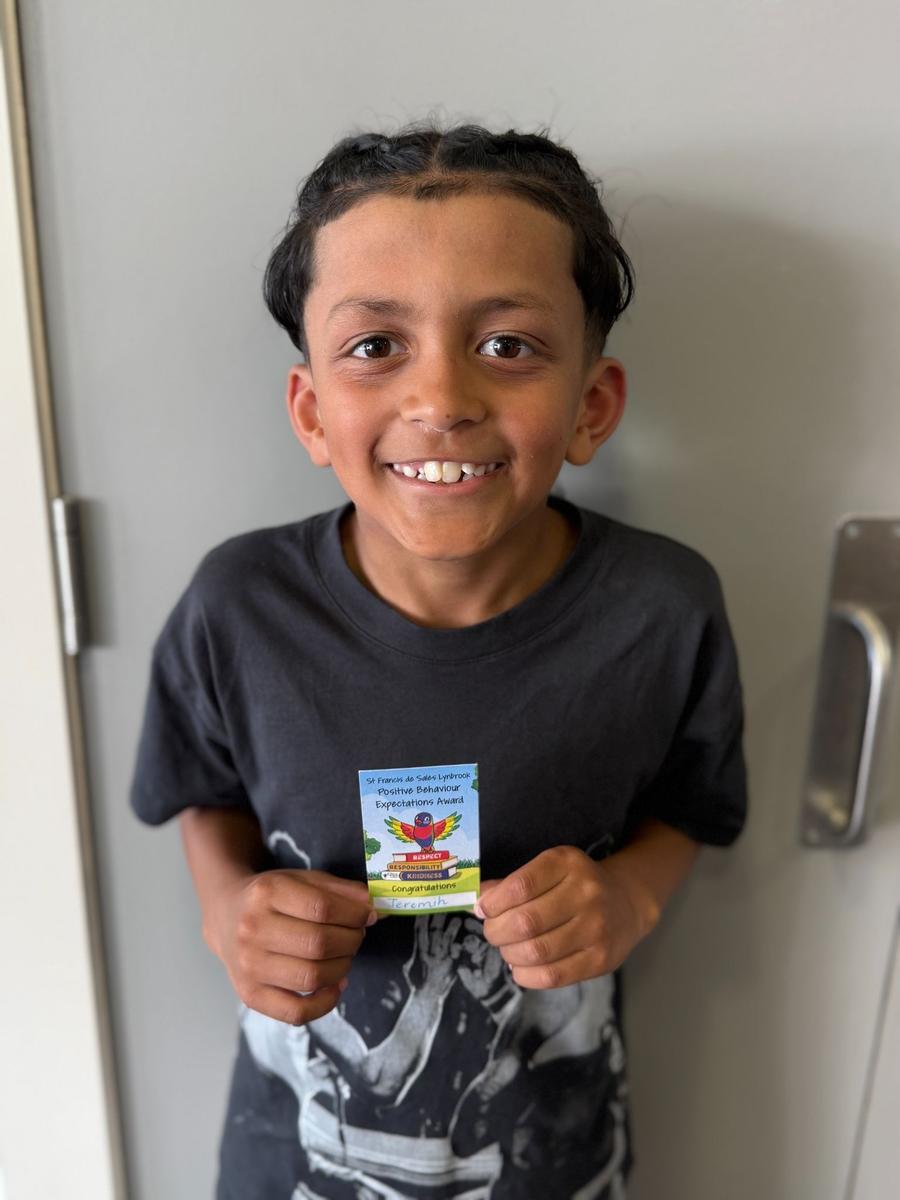
Here are some of our lucky PBL raffle winners from last week, including Meher, who have been demonstrating expected behaviours at school. Congratulations to these students.

New anti-bullying policy
We are in the process of updating our anti-bullying policy. This new MACS policy has been updated and aligned with the National Framework for Addressing Bullying in Australian Schools, promoting a whole-school, evidence-based approach to prevention, early intervention and response.
It emphasises proactive measures rather than just reactive responses. The new policy introduces student bullying prevention and response procedures, providing step by step instructions on how to report, investigate, document and follow up on bullying incidents. The new MACS policy uses the ‘Bullying No Way’ definition of bullying. Taken from the Bullying No Way website, “Bullying is when someone repeatedly and intentionally uses their power or status to harm, upset or intimidate someone else. It can cause physical, social or psychological harm. Bullying can happen anywhere – at home, online, at work or at school. It can involve individuals or groups, and it can happen to anyone”.
Schools implement the Child Abuse Identification and Response Policy alongside this policy and follow the Victorian Government’s 4 Critical Actions to identify and respond to child abuse. Student-to-student abuse can take many forms including physical or sexual abuse, sexual exploitation, and emotional or psychological abuse, which may include bullying. There are now new documents that teachers use to report abuse when it is student to student.
There is also a focus on cyber bullying and the school’s role in reporting and responding to this. The staff had a recent meeting with a focus on looking at the new policies and documents so that they were aware of the new changes. For more information on the National Framework for Addressing Bullying in Australian Schools, you can follow this link, https://www.education.gov.au/antibullying-rapid-review/resources/national-framework-addressing-bullying-australian-schools
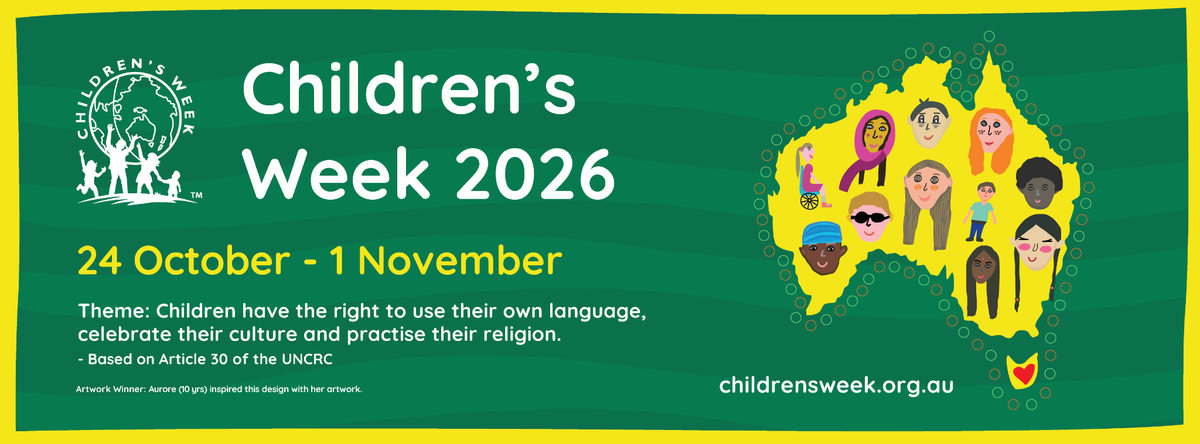
Children’s Week is a time to celebrate children and young people, recognise their rights and reflect on how we can help them feel safe, valued and heard. This year’s theme reminds us that children have the right to use their own language, celebrate their culture and practise their religion. It’s an opportunity to celebrate what makes each child unique and help every child feel a sense of belonging.
Children’s Week reminds us of the importance of recognising, respecting and promoting children’s rights. But how do we put these rights into practice every day?
Children do well when adults truly listen to them, value their ideas and respond in ways that help them feel safe and supported.
Here are some tips on some ways you can listen to your children and show that you value their ideas to make them feel safe and supported.
- Put screens away: Silence or put down phones, tablets, and close laptops to give your full, undivided attention.
- Physically match their height—sit on the floor, kneel, or bend down so you are talking eye-to-eye rather than towering over them.
- Use open body language: Uncross your arms, relax your facial expressions, and offer soft eye contact (without forcing them to stare back).
- Let them finish speaking: Allow pauses or silent moments without jumping in to interrupt, lecture, or rush the conversation.
- Reflect back what you hear: Restate or summarise their words in your own way to show you are tracking. Example: "It sounds like you felt really left out at lunch time today.
- Resist the urge to fix or dismiss: Avoid jumping straight to problem-solving, minimizing their feelings ("Oh, it's not a big deal"). Validate the emotion first: "That does sound really hard."
- Tune into natural moments: Meaningful talks don't always need a formal sit-down; they often happen during car rides, while making dinner, or right before bed.
For more guidance on building strong, empathetic family communication, you can explore resources from the Raising Children Network or family mental health tips via YoungMinds.
If you have any concerns for your child’s mental health or wellbeing, please do not hesitate to contact me at the school or via email, rlenko@sfslynbrook.catholic.edu.au
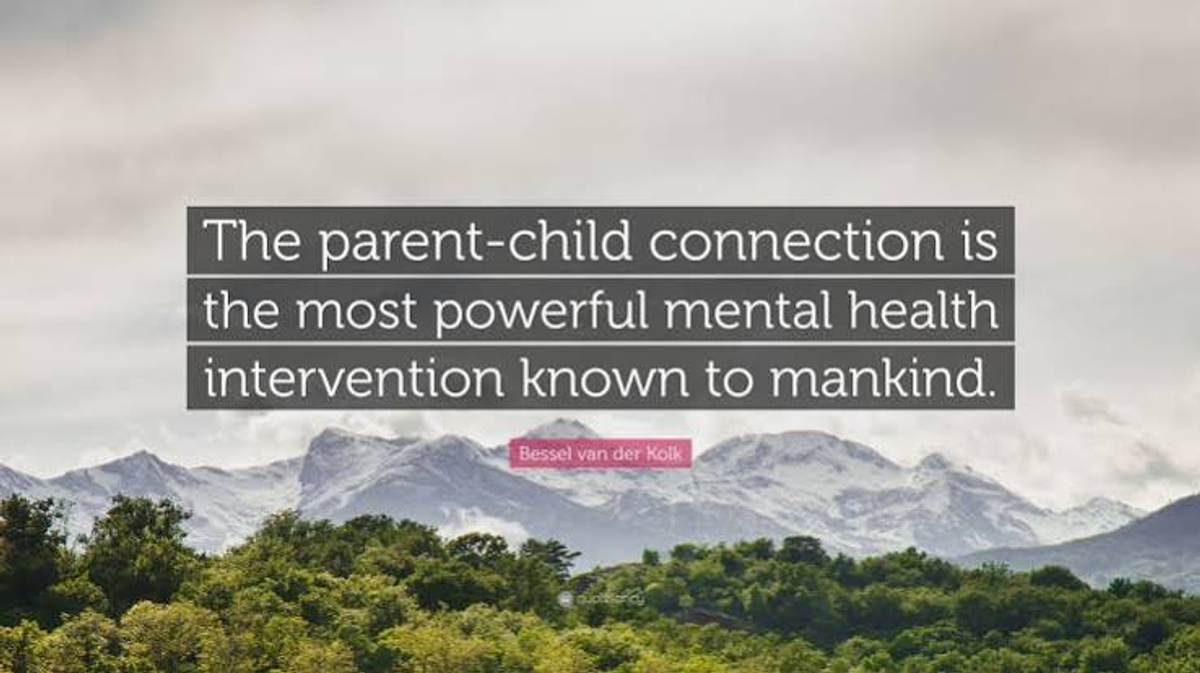
Supporting transitions and building resilience
We build resilience by learning and developing social and emotional skills – including coping skills. With these skills we manage life stressors, grow confidence and willingness to try new things, and seek and accept help when required. During transitions, things we can do that provide the most positive experience for children and young people, maintain and grow relationships, and reduce routine disruption and stress include:
Plan and prepare for transitions through a supportive orientation process.
Have consistent communication with everyone - including the children, young people, their families and educators.
Develop strategies that include planning for and respecting diversity and individual needs.
Be flexible when the unexpected happens.
Establish routines as soon as possible to develop a sense of predictability in the new environment”.
If you have any wellbeing concerns for your child, please feel free to contact me at school or via email to see how we can best support your child at school rlenko@sfslynbrook.catholic.edu.au
Positive Quote for the Day
Rachel Lenko
rlenko@sfslynbrook.catholic.edu.au
Mental Health and Wellbeing Leader