Student Wellbeing














 St John Vianney's Catholic Primary School

Happy Students, Brighter Futures: The Importance of Student Wellbeing
At St John Vianney’s Primary School, we know that student wellbeing is at the heart of learning. When children feel happy, safe, valued and connected, they are better placed to learn, build positive relationships and develop the confidence to take on new challenges.
Happiness at school is about much more than achieving good results or avoiding stress. It is a combination of joyful experiences, meaningful friendships, personal growth and a sense that our efforts matter. Every child deserves to feel that they belong, that they are capable of learning and that the adults around them care about their wellbeing.
What helps children thrive?
There are several important factors that contribute to student happiness and wellbeing.
Positive relationships and belonging. Friendships, kindness and a sense of connection help children feel part of their school community. When students know they are accepted and included, they are more likely to participate, develop confidence and seek help when they need it.
Meaningful learning and achievementChildren experience happiness when they learn something new, overcome a challenge or recognise their own progress. Celebrating effort, persistence and improvement helps students understand that success is not simply about getting every answer right, but about growing as learners.
Feeling safe, supported and respectedStudents need to know that their teachers, families and peers care about them. A safe and supportive environment allows children to express their feelings, make mistakes, ask questions and develop the confidence to try again.
Balance, play and enjoymentTime to play, rest, explore interests and enjoy friendships is essential. Play and recreation help children develop social skills, creativity and emotional regulation while providing a healthy balance to the demands of learning.
Why does student happiness matter?
When children feel emotionally supported and connected, they are often better equipped to concentrate, solve problems, show curiosity and persevere when learning becomes difficult. Wellbeing also helps students develop resilience — the ability to manage setbacks, adapt to change and recover from challenges.
Importantly, wellbeing does not mean that children will feel happy all the time. Feeling worried, disappointed, frustrated or sad is a normal part of growing up. Our role is to help children recognise and manage these emotions, develop healthy coping strategies and understand that support is available when they need it.
Understanding the Student Wellbeing Continuum
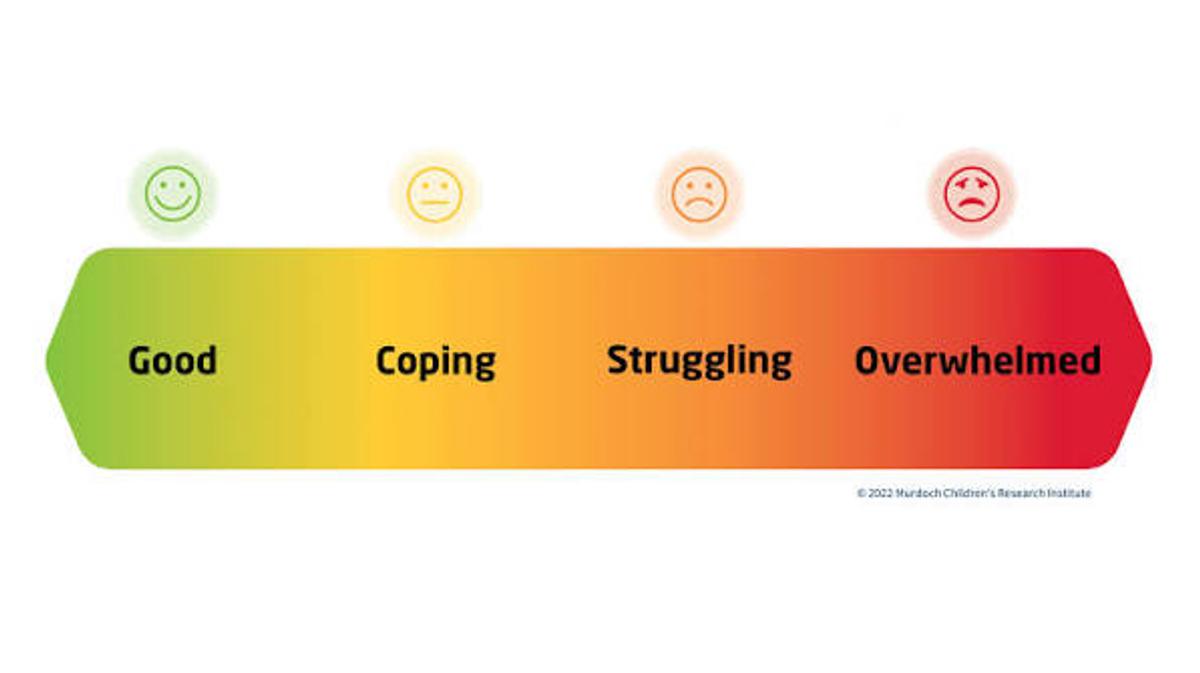
Student wellbeing is not fixed. It can change from day to day and may be influenced by friendships, family circumstances, learning challenges, transitions and other experiences.
The Student Wellbeing Continuum provides a helpful way to think about the different aspects of wellbeing, from feeling safe and connected to being engaged in learning, thriving and flourishing.
- Safe: Children feel physically and emotionally safe and know they belong.
- Connected: Children develop positive relationships and feel included in their community.
- Engaged: Children participate in learning, explore interests and find meaning in what they do.
- Thriving: Children build confidence, resilience and the skills to navigate challenges.
- Flourishing: Children experience a strong sense of purpose, joy, belonging and hope for the future.
These stages are not a checklist that every child must move through in order. Rather, they remind us that wellbeing involves many interconnected elements and that each child may need different support at different times.
Working together to support our children
Families and schools play an important role in nurturing student wellbeing. Simple actions at home can make a meaningful difference: taking time to listen, asking children about the positive parts of their day, acknowledging their efforts, encouraging friendships and helping them talk through worries.
At school, we continue to foster respectful relationships, inclusion, positive behaviour, emotional awareness and a strong sense of belonging. By working in partnership with families, we can help children feel supported both inside and outside the classroom.
Ultimately, our goal is not simply to help children succeed academically, but to support them to become confident, compassionate and resilient young people who know they are valued and can make a positive difference in the world.
When children feel safe, connected and supported, they are better able to learn, grow and flourish. Together, we can create a school community where every child has the opportunity to experience happiness, belonging and success.