The journey of STEM at Kilvington
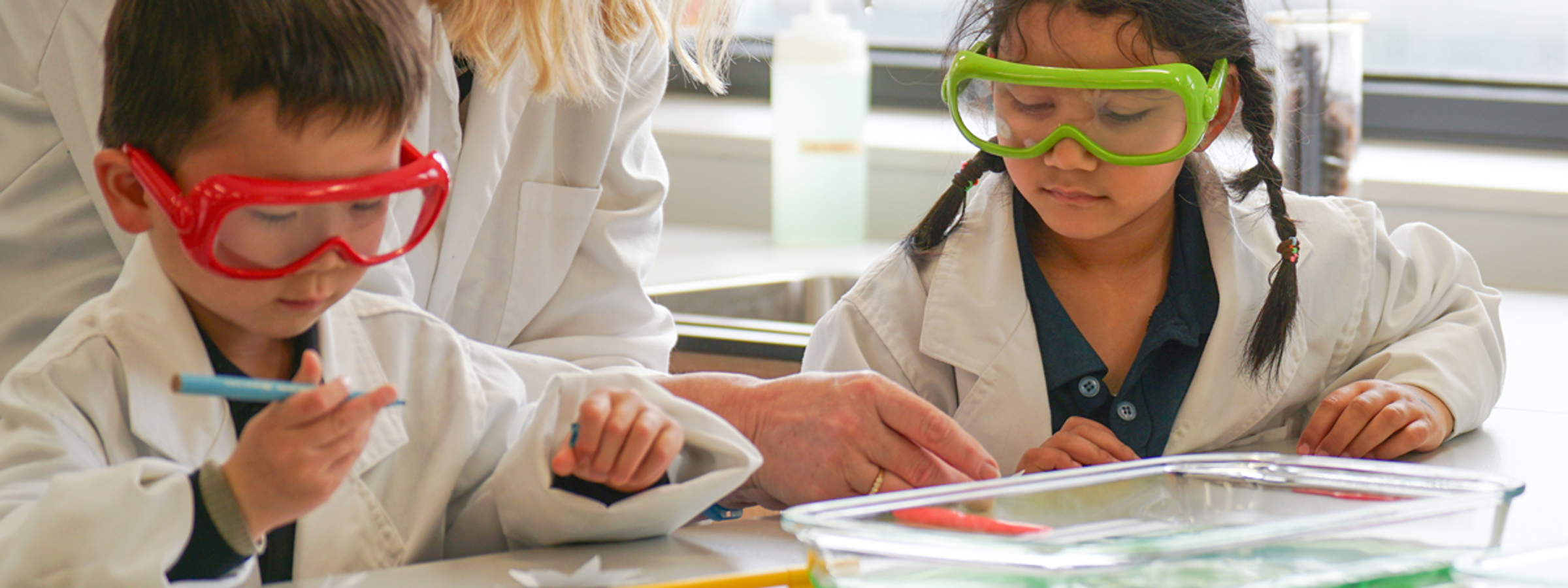
“My favourite kind of question is: Miss, this might not be on topic, but I was wondering if you know why…..”
For Ms Louise Macfarlane, Head of Science, these questions are exactly what STEM is all about: the willingness to wonder and look beyond what is directly in front of us.
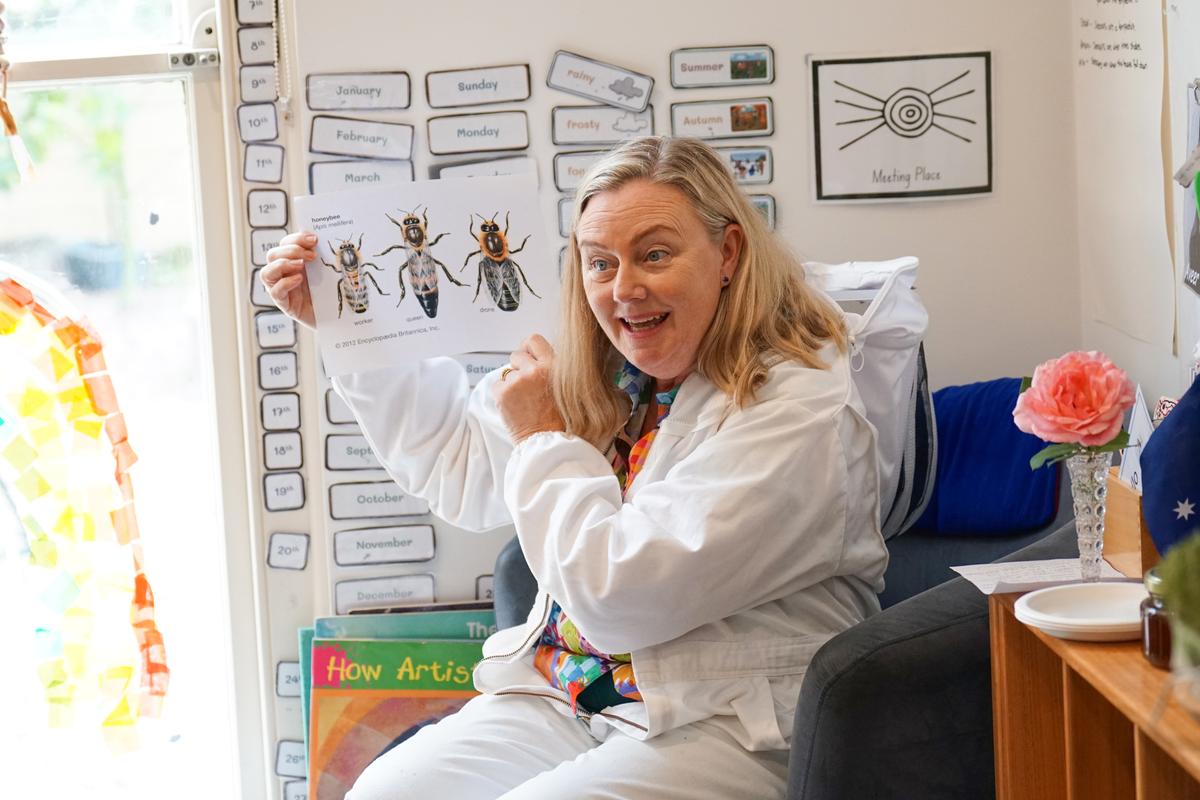
Ms Louise Macfarlane, Head of Science, is also an avid Beekeeper. Earlier this year she conducted an exciting incursion with our ELC students.
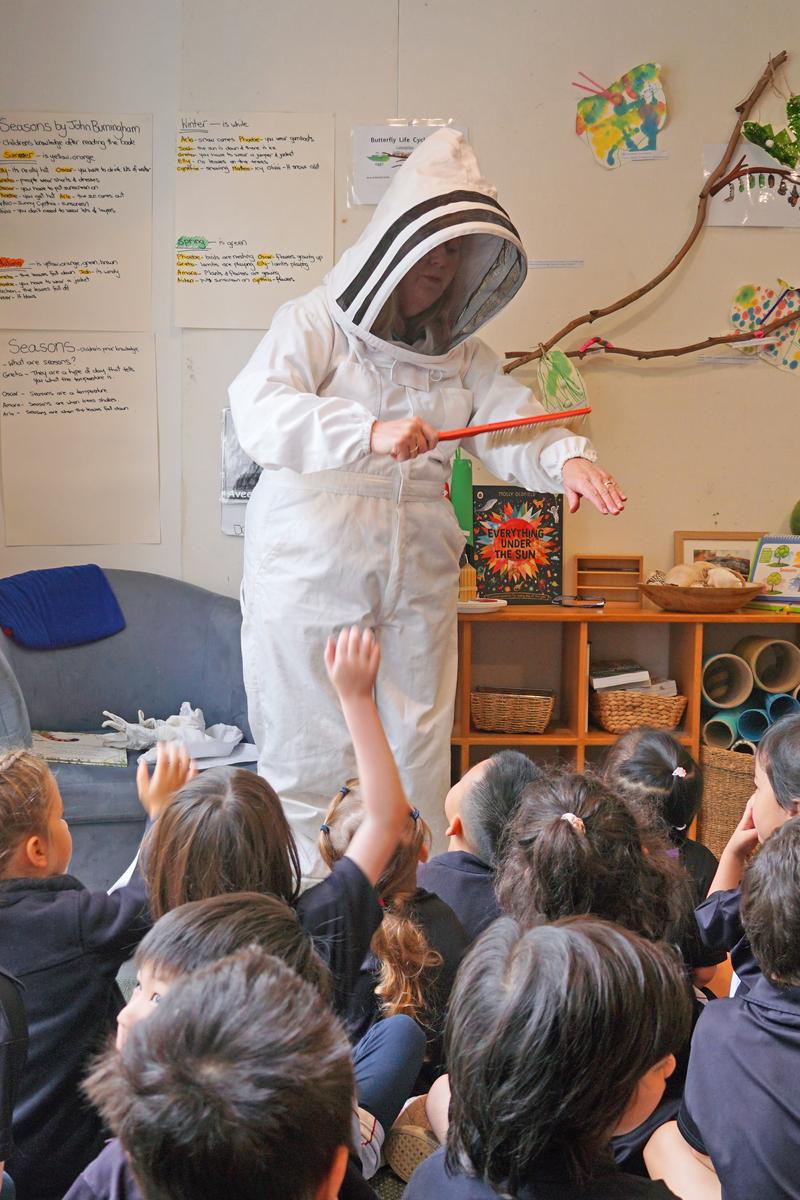
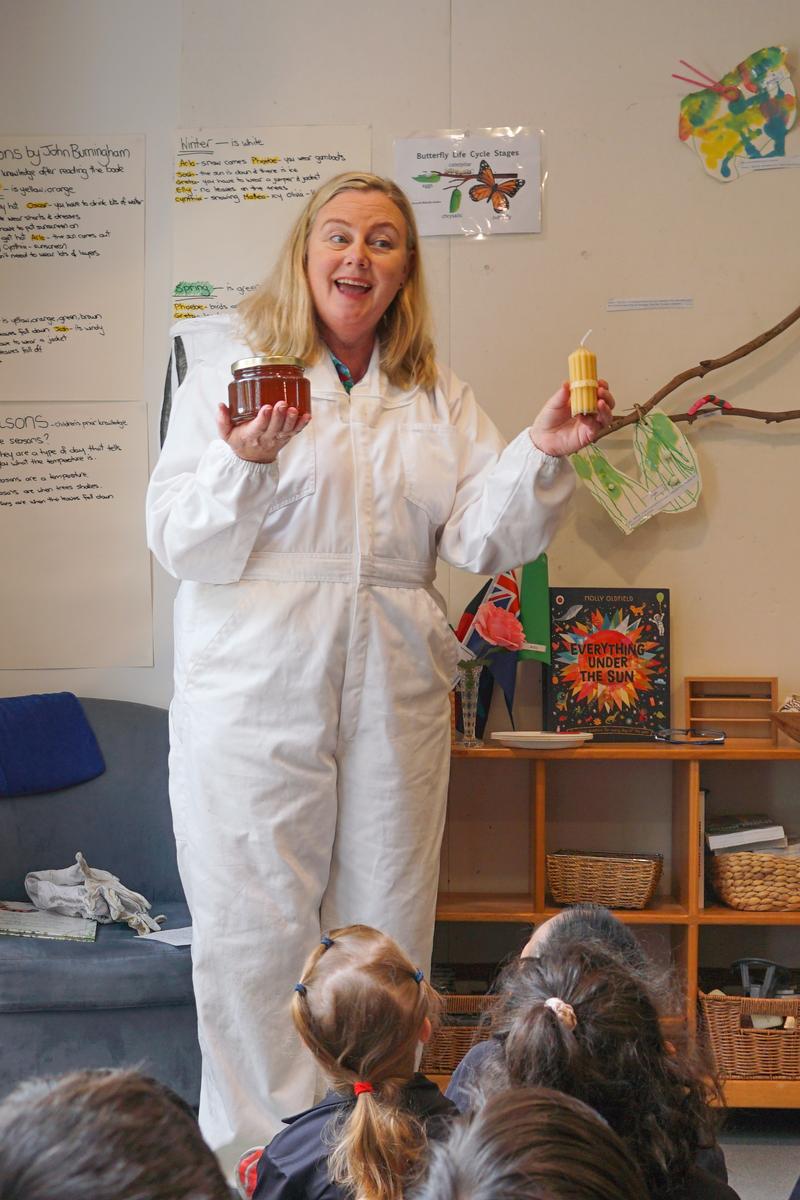
Ms Louise Macfarlane, Head of Science, is also an avid Beekeeper. Earlier this year she conducted an exciting incursion with our ELC students.
Ms Macfarlane has been part of the Kilvington community since 2017, bringing a fascinating professional background to the Science Department. After completing a Bachelor of Science with majors in Microbiology and Biochemistry, followed by a Diploma of Education at the University of Melbourne, Ms Macfarlane worked as a consulting microbiologist, in the pharmaceutical industry and in biotechnology in the United States before returning to Australia and moving into teaching.
What has delighted her most about Kilvington students is their enthusiasm for learning and perhaps their impeccable classroom manners. “Students arrive prepared, ready to learn and thank the teacher politely at the end of class. Amazing!”
The Kilvington Science Experience
“Science at Kilvington is all about the students. We excite their curiosity, then let them investigate with the support of experienced and knowledgeable teachers,” says Ms Macfarlane.
The HIVE STEM Centre provides five specialist laboratories across Biology, Chemistry, Physics, Junior Science and General Science, supported by experienced educators and lab technicians.
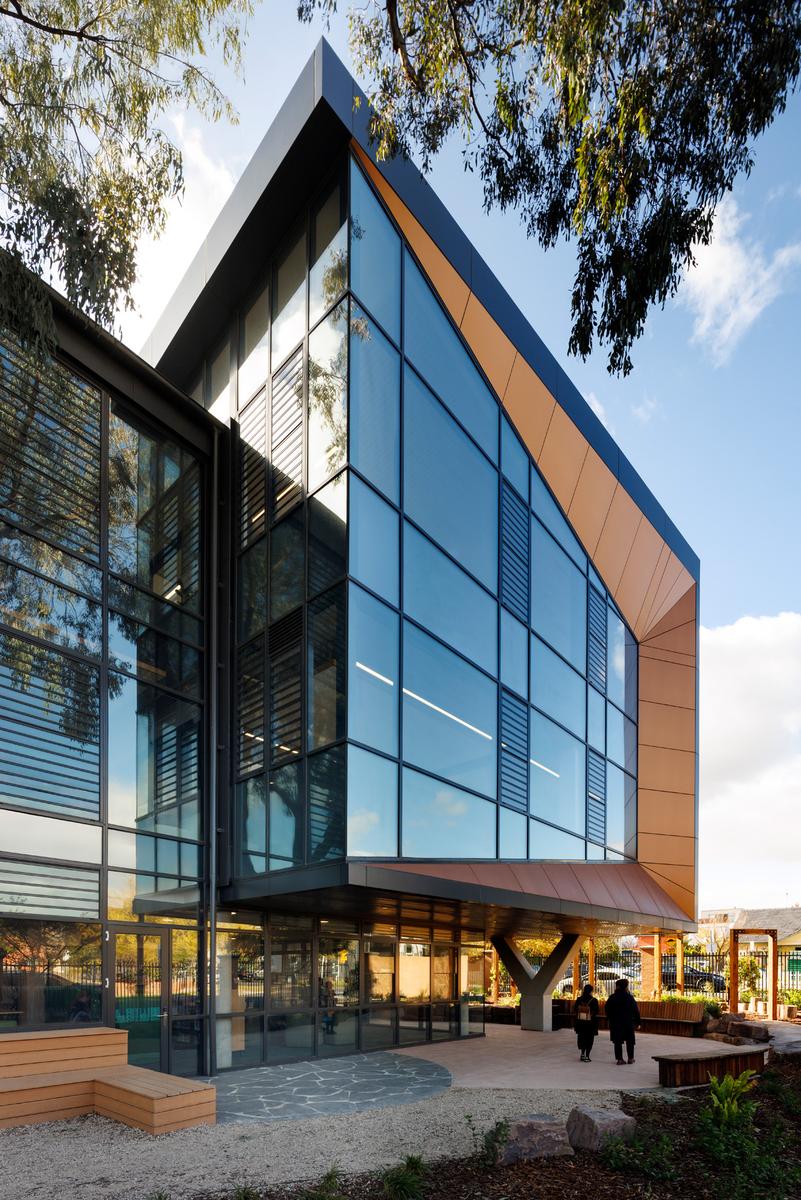
The Hive
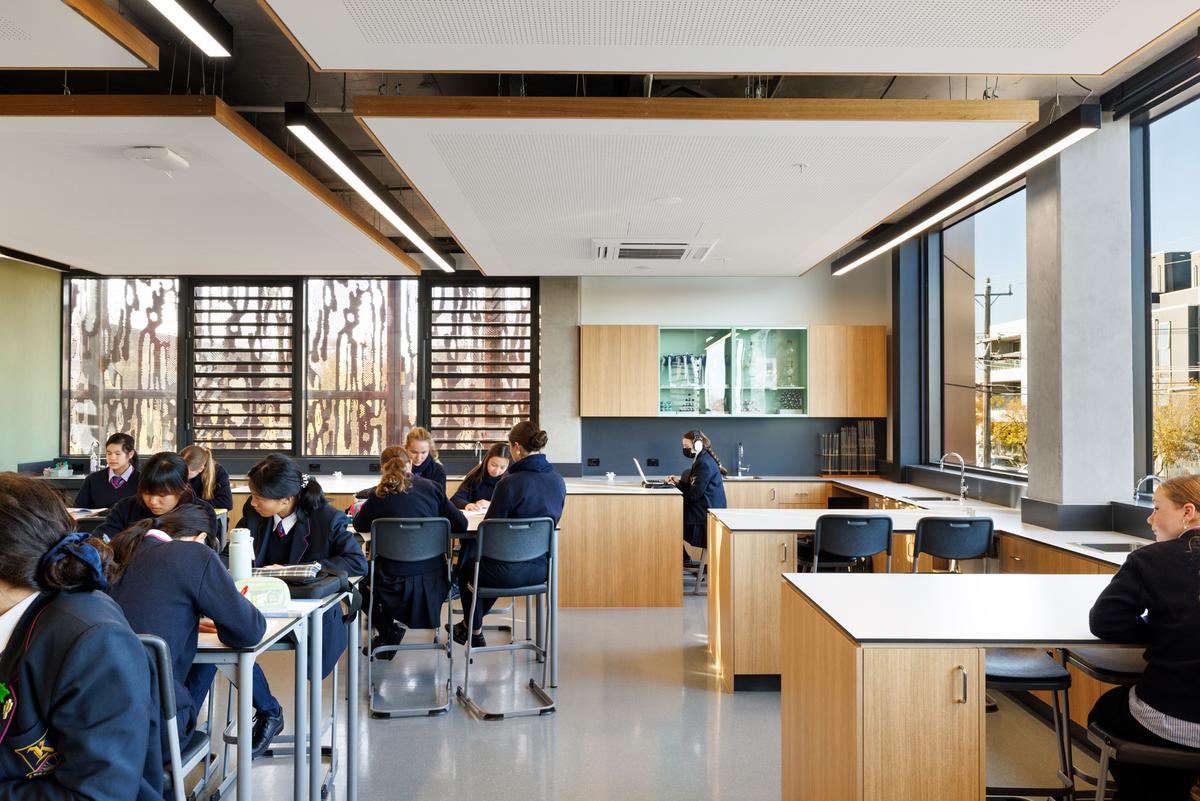
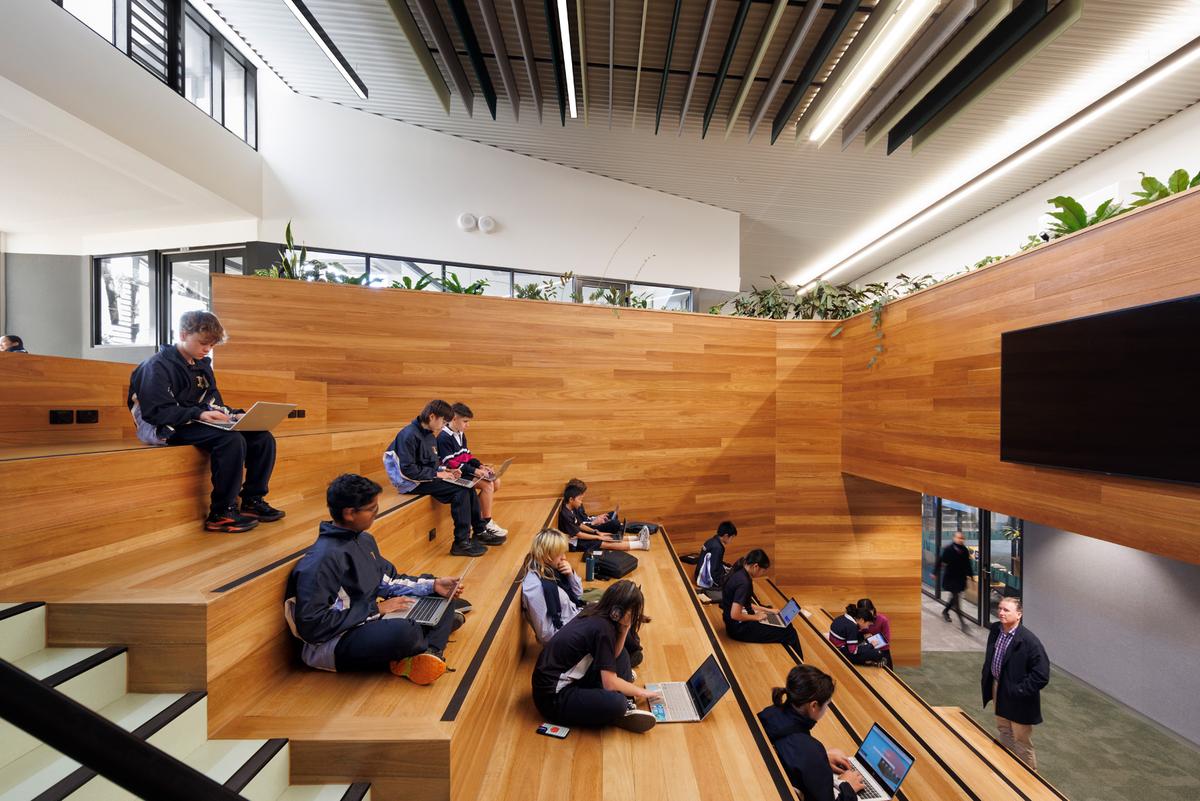
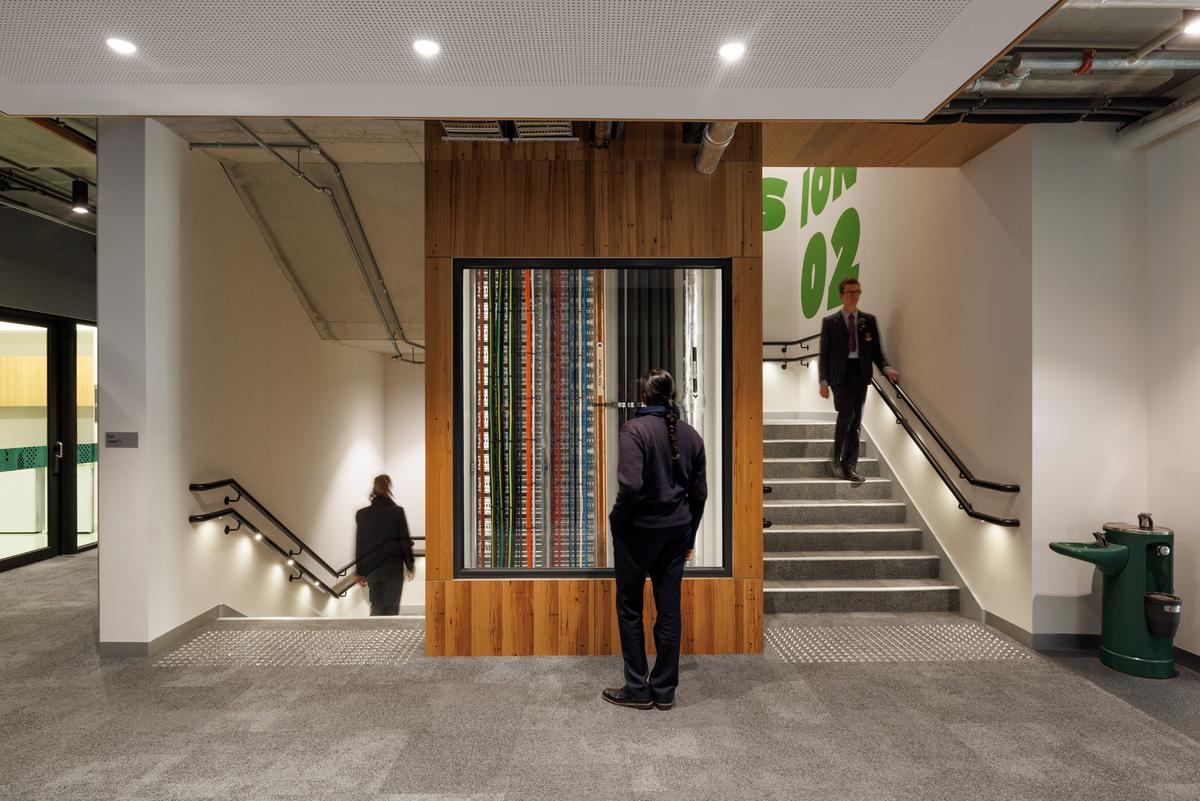
The Hive
Students explore Science through excursions to places like Melbourne Zoo, Werribee Open Range Zoo and the Australian Synchrotron, as well as incursions such as reptile encounters and beekeeping.
Science at Kilvington also opens doors to future pathways in fields including medicine, engineering, food technology and energy, while helping students understand something much closer to home: themselves. Learning about the human body, from the brain and nervous system to hormones and organ systems, gives students an important understanding of how their own bodies work.
There are opportunities to explore STEM beyond the classroom too. Programs such as the veski Girls in STEM mentoring program connect students with women working in STEM fields providing a glimpse into the possibilities ahead.
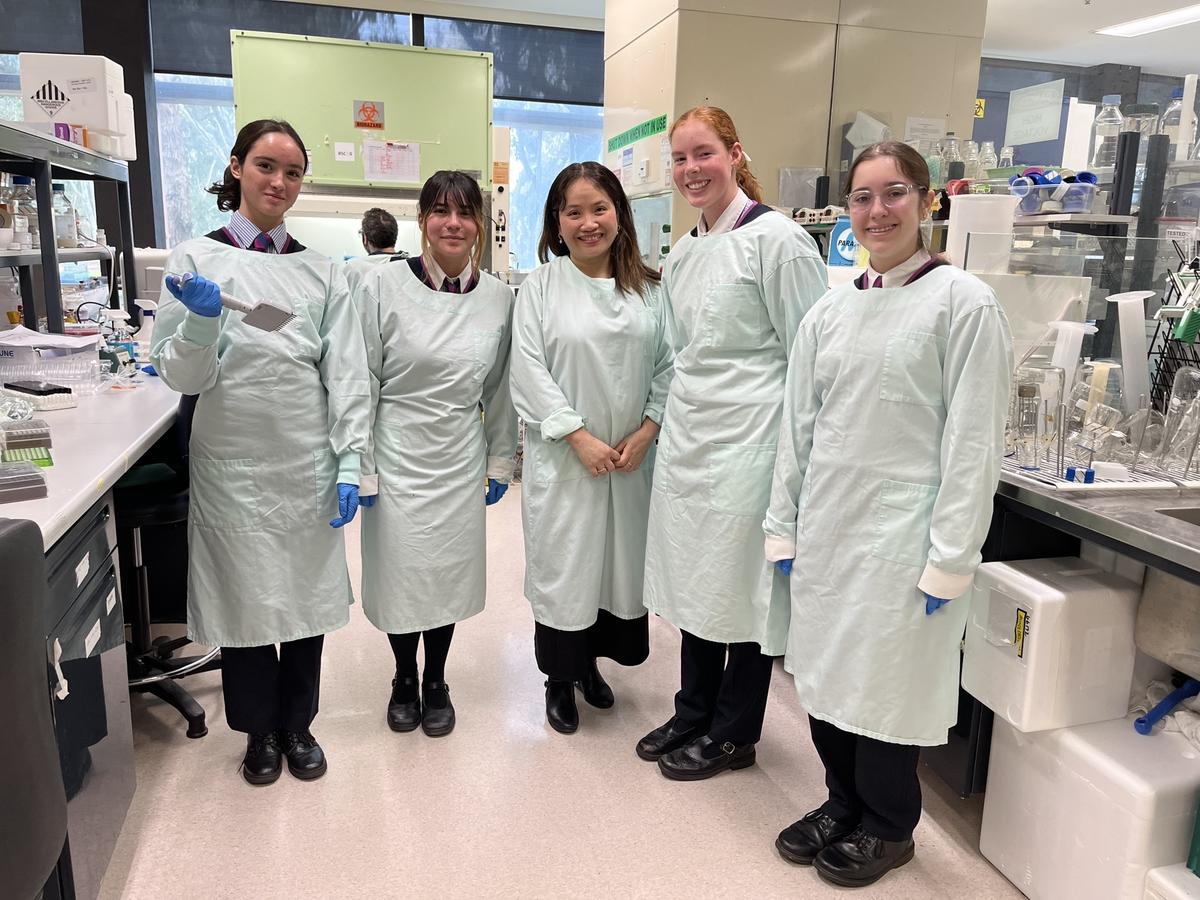
veski Girls in STEM 2026
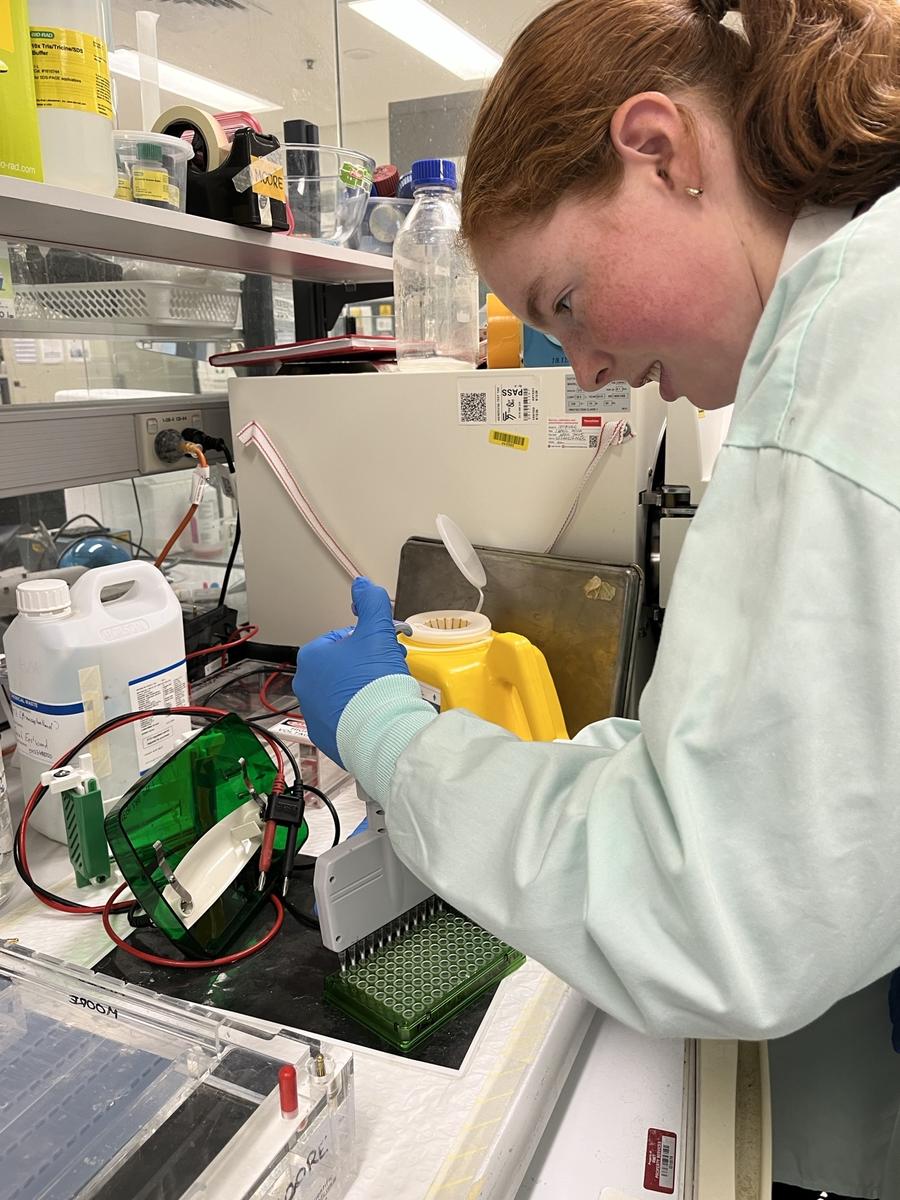
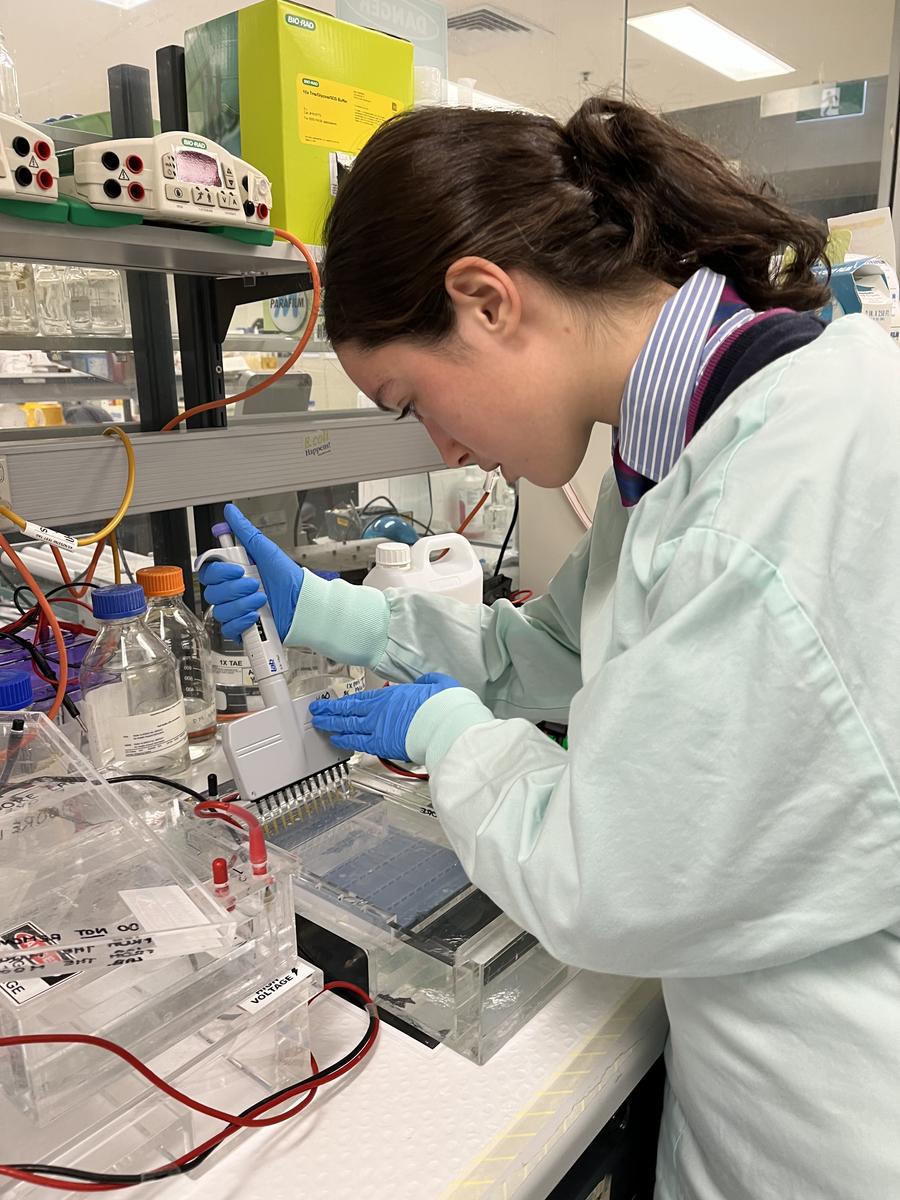
veski Girls in STEM 2026
And then there are the Science Leaders - four senior students who help make Science part of everyday life at Kilvington. They run Science Club for Years 5 and 6, organise activities and share their knowledge with our youngest learners.
Science Week at Kilvington
Science Week at Kilvington involves every student from the three year olds in the ELC to the Unit 4 VCE students being prepared for success in their exams. The theme this year was “Seeds of Science – nurturing knowledge for all”, which got students learning about plants and the natural world. Prep to Year 2 students used their senses to explore seeds, Years 3 and 4 investigated the design of sycamore seeds, Years 7 and 8 dissected monocot and dicot seeds, and Years 9 and 10 investigated seed germination. In the Library students could explore the Science seed display and contribute to or take from the School’s seed library.
In true Kilvington fashion we took Science Week a step further with a whole host of additional fun activities. Kicking off with Dissection Club, students investigated biological systems through the dissection of a rat or toad. There was also hovercraft on the courts across Junior and Senior Schools, as well as the fan favourite liquid nitrogen show. Students watched objects freeze and shatter, while the Science Leaders put their skills to the test making liquid nitrogen ice cream.
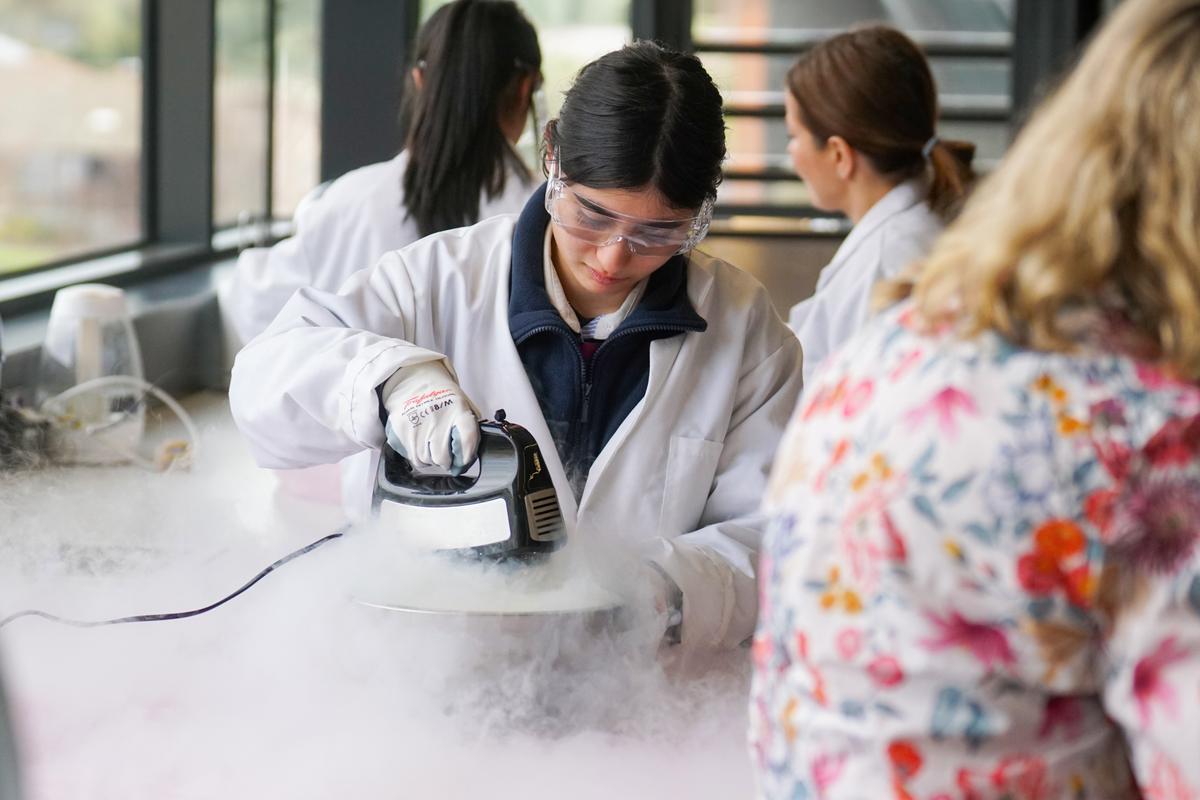
Liquid nitrogen show
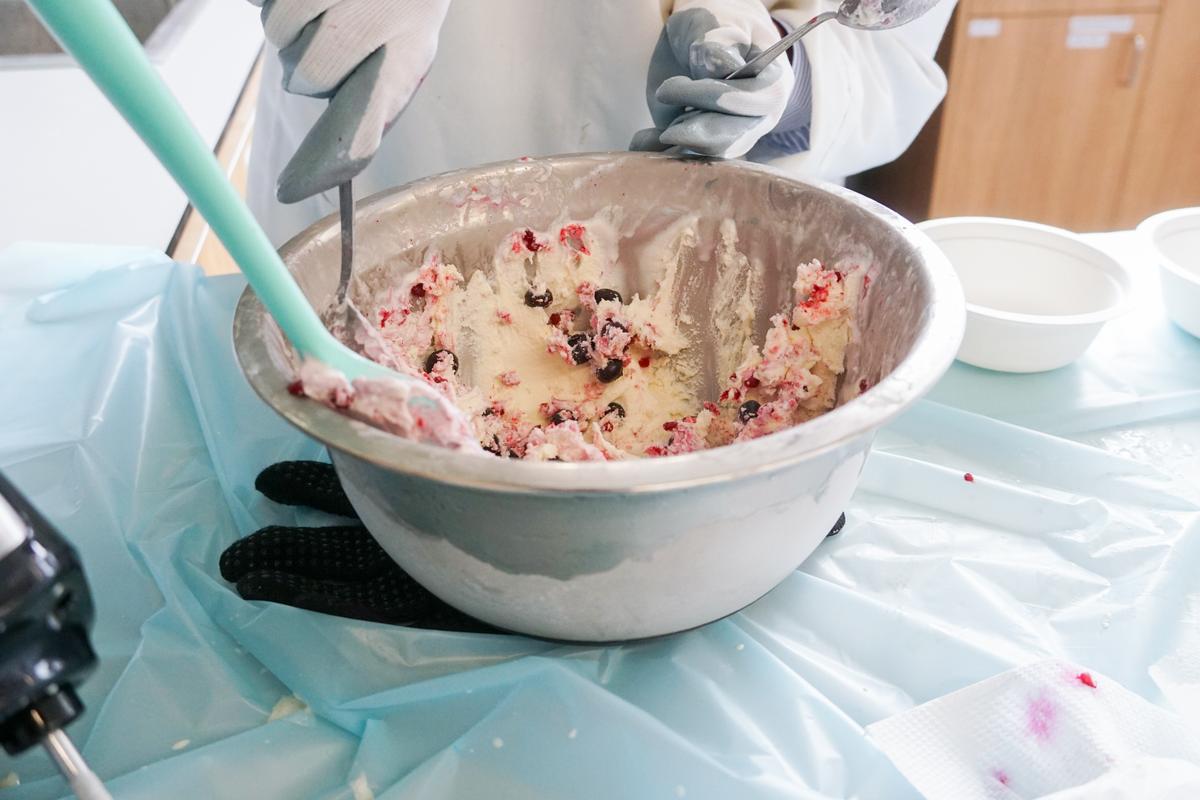
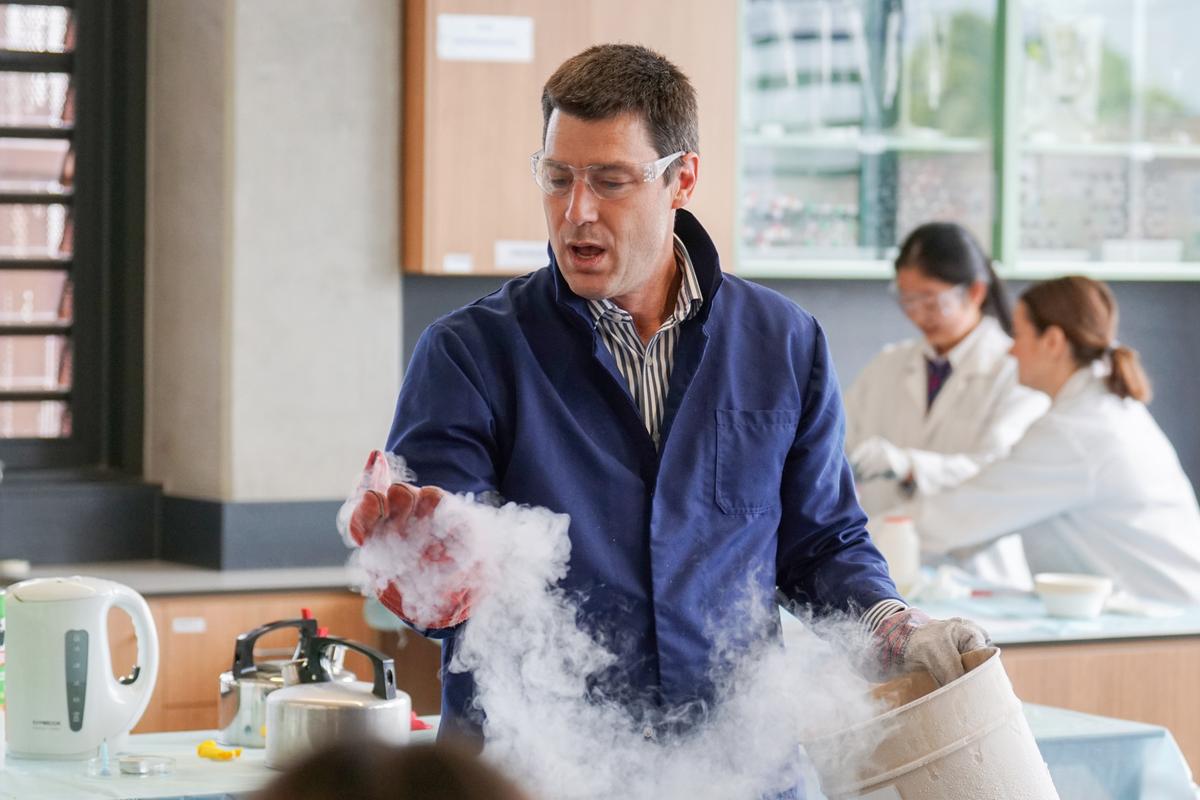
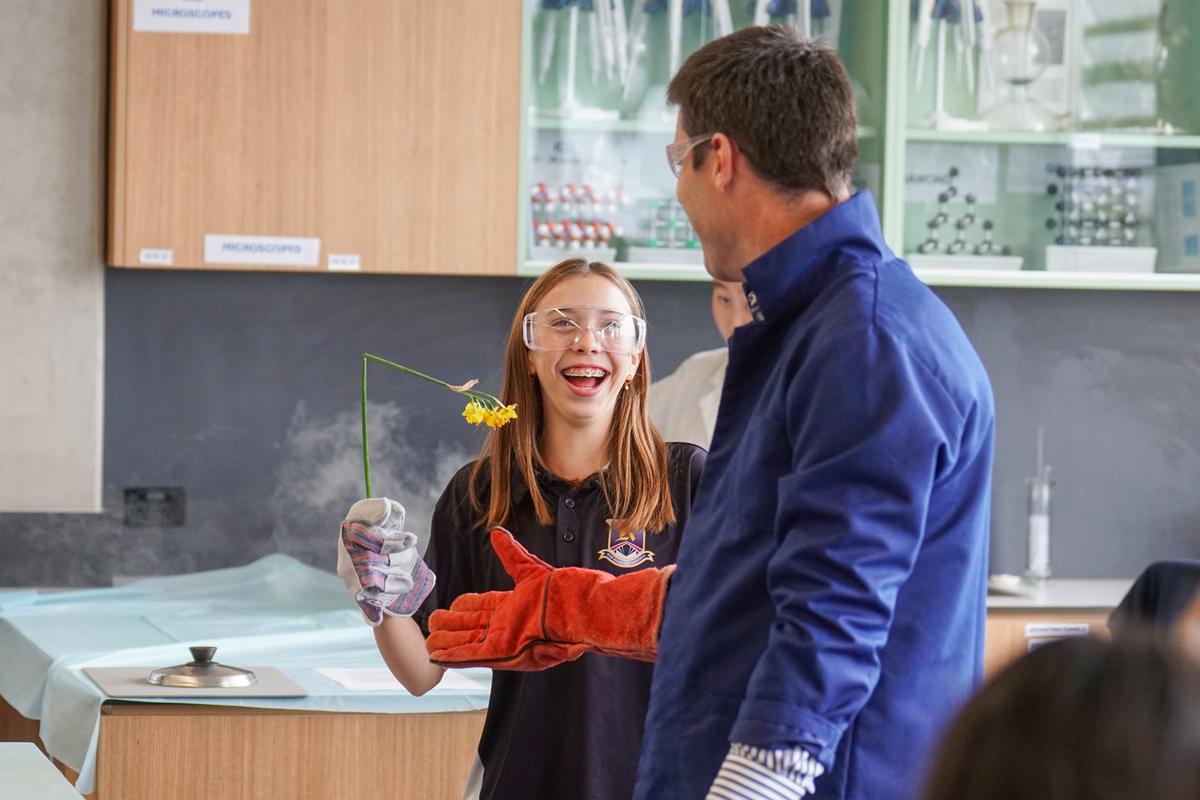
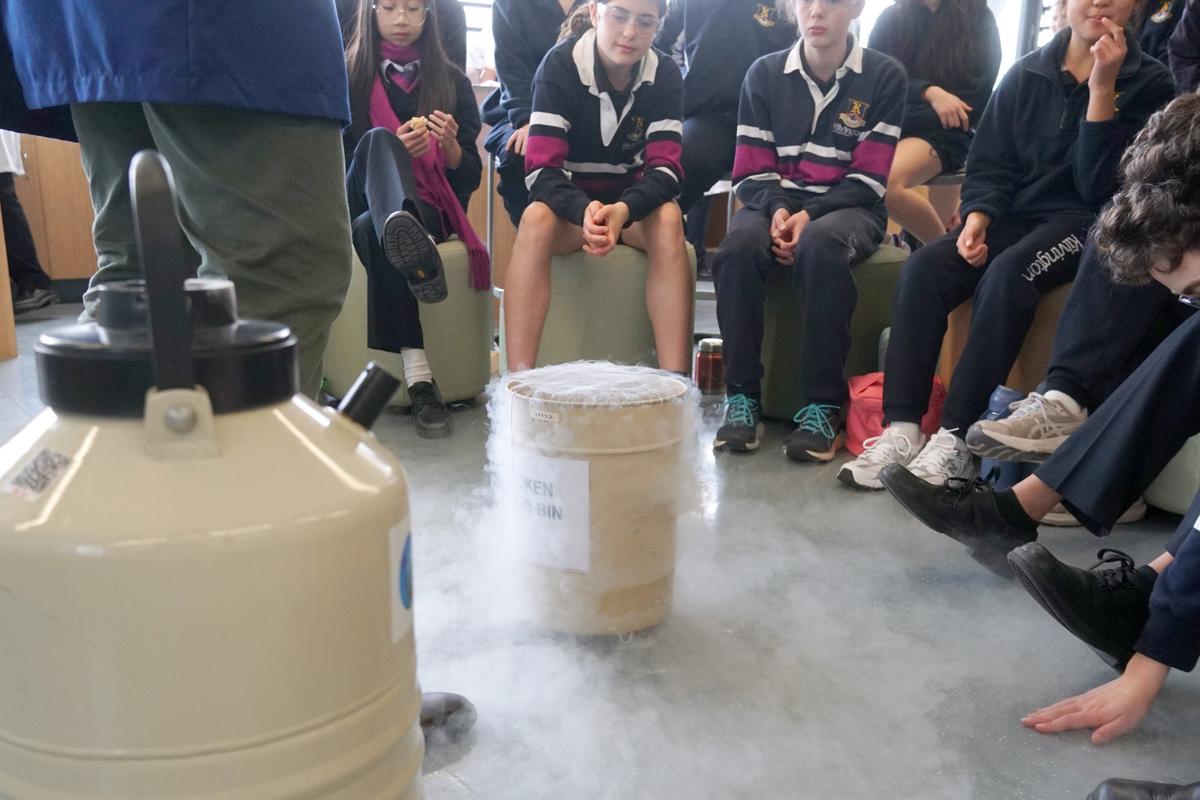
Liquid nitrogen show
In the Atrium, students from Years 7–12 competed in Science Pizza Trivia, tackling questions across Biology, Chemistry, Physics and Psychology. The Science Leaders wrote and ran the quiz, with Team Globular taking out the Years 10–12 competition and Bags of Gold winning the Years 7–9 competition.
Science Leaders Julia Lane, Elise Song, and Nora Glowinski reflect:
“One of the highlights of Science Week was visiting in the ELC and running experiments with them that explored the five senses. It was such a rewarding experience getting to share our passion for science. We’d like to thank all of the dedicated Science teachers and Lab technicians, particularly Mrs Macfarlene, whose passion and guidance made this role the amazing experience that it was. We are all incredibly grateful to have had this opportunity to share our appreciation of Science.”
When asked about the value of experiences such as Science Week, Ms Macfarlane had this to say:
“Science Week gives students the opportunity to engage with Science in new and exciting ways. Once learning is fun and students are engaged and want to share what they know, teaching is easy.”