From the Principal
Dr Steven Middleton





 Pittwater House Schools

From the Principal
Dr Steven Middleton
Welcome Back to Term 4
As we begin the final term of the year, I want to share a story about two surgeons, a racing team and the most dangerous few minutes in a hospital.
In the early 2000s, Professor Martin Elliott and Dr Allan Goldman of Great Ormond Street Hospital in London finished a long day of operating. Exhausted, they switched on the television, and a Formula One race happened to be on. They watched a pit stop. In a matter of seconds, a crew of around twenty people serviced the car and sent it back onto the track. Nobody spoke, nobody collided, and every person knew exactly what to do.
The two doctors recognised the opposite of their own weakest moment. It was not the surgery itself, but what came after, moving a patient from the operating theatre to intensive care. Monitors, drips, ventilators and vital information all had to pass from one team to another at once. Too often, it was crowded, noisy and unclear who was in charge.
So they did something rare. They asked Ferrari and McLaren to teach them. The pit crews watched footage of the hospital's handovers and were candid about what they saw. Too many people talking, roles undefined, and no one leading. They also pointed out that their own crews rehearsed constantly, while the medical teams simply did it live.
The hospital redesigned its handover around what the mechanics taught. One person led the process, like the crew chief holding the "lollipop" sign in the pits. Every person had a defined role and position. Equipment was moved first, then information was shared, in a set order. Conversation paused until the critical steps were done. When the new approach was studied, published in 2007, technical errors had fallen substantially and missed information had roughly halved.
The Term of Transitions
I love this story for a range of reasons. Firstly because of the nature of shared learning from two very different fields of endeavour, but secondly for the nature of transitions themselves.
Schools are full of handovers, and Term 4 holds more of them than any other time of year. Our Year 12 students sit their HSC and step out into the world. Our Kindergarten and Year 7 families for 2027 join us for orientation. Students in every year prepare for new classes, new teachers and, for some, a new part of the school. Teachers write reports and pass on what they know about each child to next year's teachers.
The lesson from the pits is that excellence in these moments is designed, not left to chance. Children rarely struggle in a transition because no one cares. They struggle when no one has thought carefully about the moment itself.
At Pittwater House, three ideas from that hospital guide how we approach these weeks.
Someone holds the lollipop. Every transition needs a clear leader. For students, that means knowing who their go-to person is next year. For families, it means knowing who to contact when something matters. If you are ever unsure, please ask, and we will make it clear.
Rehearse the moment. Orientation and transition days are not ceremonies. They are rehearsals, giving children the chance to walk the path, meet the people and feel the routines before they need them. Children who practise a change will meet it with far more confidence.
Information travels with the child. The most dangerous part of the hospital handover was information falling through the gaps. Our teachers work hard to make sure what they have learned about each student this year reaches next year's classroom. Parents are part of that chain. If there is something we should know about your child heading into 2027, Term 4 is the time to tell us.
A Word for Families
Transitions can stir up nerves, even for children who seem to take everything in their stride. One of the most helpful things we can do at home is talk about change openly. Ask what your child is looking forward to and what they are unsure about, and let them know that feeling a little uncertain is normal. Excitement and anxiety often sit side by side, and both deserve a hearing.
To our Year 12 students, this term is your final lap. You have been well prepared, and the whole community is cheering for you as you head into your exams and beyond.
The surgeons at Great Ormond Street were humble enough to learn from a racing team, and curious enough to see themselves in a garage full of mechanics.
I hope we can bring that same humility and care to every handover this term, so that each child arrives safely, and confidently, in the next stage of their journey.
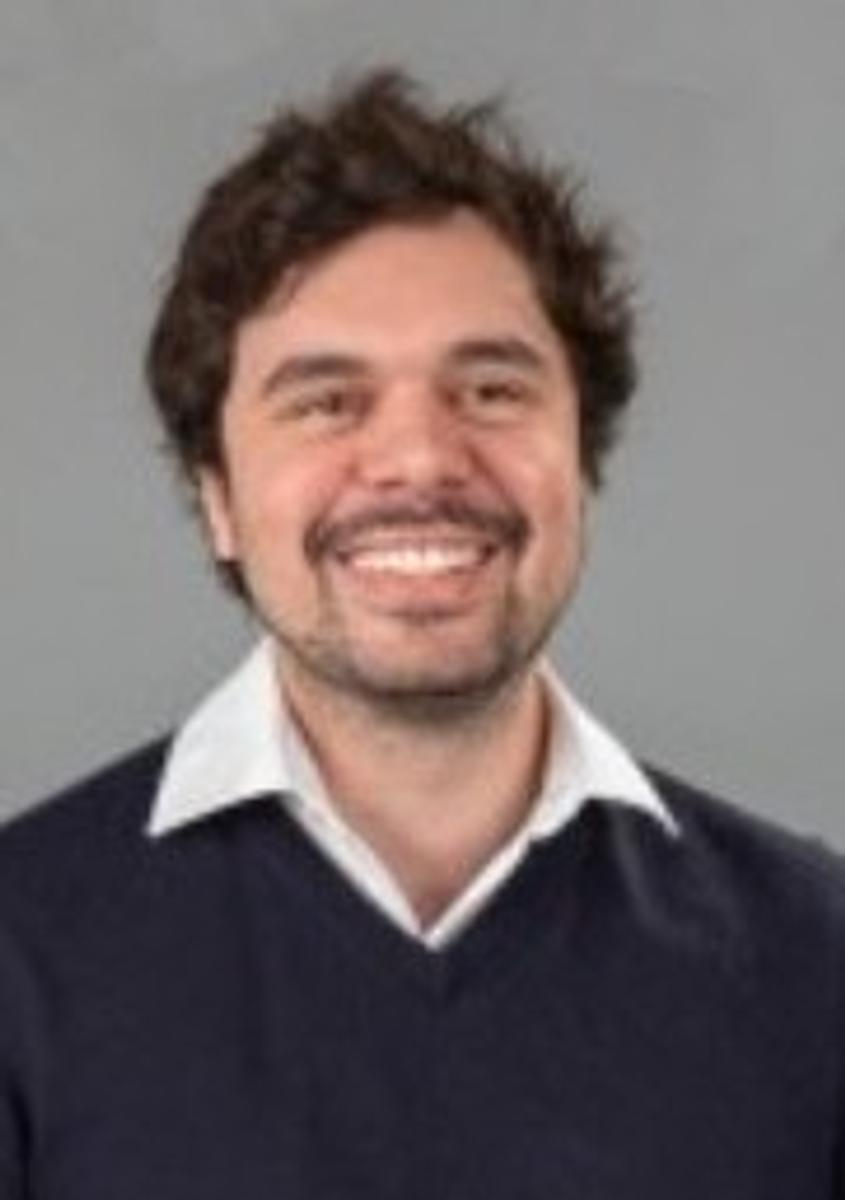
Over the holiday break, our community received the heartbreaking news that our friend and colleague, Mr Robert Peacock, tragically lost his life in a motorcycle accident. Robert's father, Mr Kevin Peacock, also passed away following injuries sustained in the accident.
Rob was a much-loved member of our IT Department, serving as Systems and Database Administrator for the past 18 months. His kindness, gentle nature, sense of humour and willingness to help others made a lasting impact on staff and students alike.
Our thoughts are with Rob's family, friends and all those affected by this devastating loss.
On the first day of term, staff gathered to honour Rob's memory and reflect on the positive contribution he made to our community. He will be greatly missed.