Wellbeing Supports Update

SchoolTV
Each week we will be sharing resources from SchoolTV in line with what is happening in our school environment.
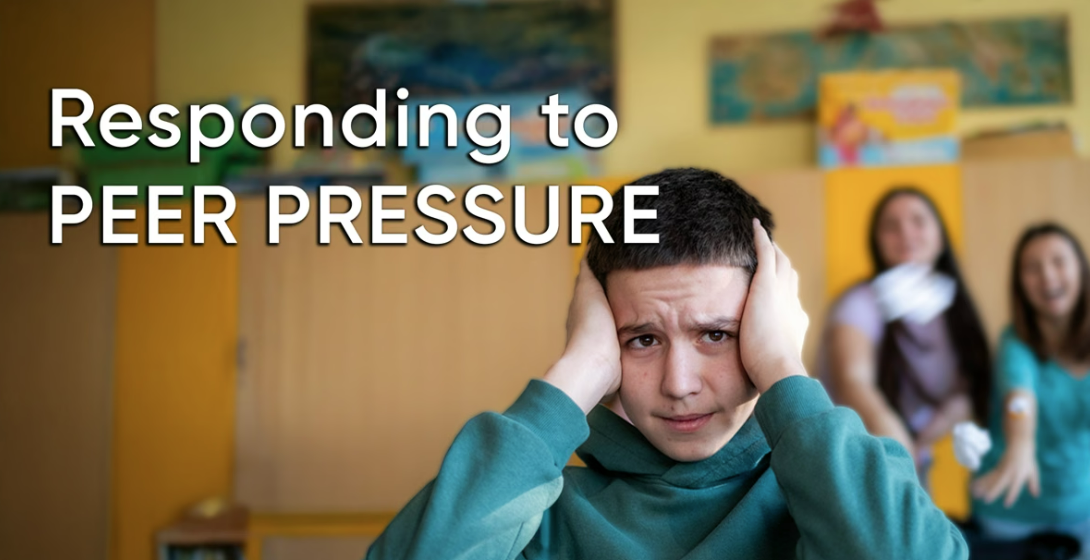
In this edition of SchoolTV - Special Report: Responding to Peer Pressure
Overview of this edition: Responding to Peer Pressure
Peer pressure is a normal and inevitable part of growing up. From early childhood through adolescence, young people are constantly influenced by the attitudes, behaviours and expectations of those around them. As friendships become increasingly important, peers can play a powerful role in shaping how children and teenagers think, feel and act.
In today's digitally connected world, peer pressure extends far beyond the classroom or playground. Social media, messaging apps and online communities mean young people are exposed to constant comparison, instant feedback and unspoken expectations about how they should look, behave and perform. While some peer influence can be positive and motivating, it can also place significant pressure on young people to conform, take risks or prioritise acceptance over their own values and wellbeing.
Understanding how peer pressure works, both offline and online, allows parents, caregivers and educators to better support young people as they develop confidence, resilience and decision-making skills. When families and schools work together to build strong connections, open communication and shared language around peer influence, young people are better equipped to resist negative pressure and embrace positive influences that support their growth and wellbeing.
Here is the link to this topic: https://mcsc.vic.schooltv.me/wellbeing_news/special-report-responding-peer-pressure-au
The Mordialloc College Difference
Working Together for Student success
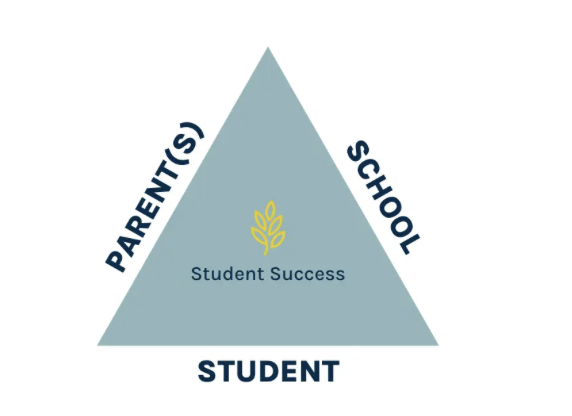
At Mordialloc College, we believe students achieve their best when families, students, and the school, work together in a supportive and consistent way. Our approach to wellbeing is built around strong relationships, shared understanding, and clear communication.
We use a collaborative model called the “Triangle of Engagement,” which places the student at the centre of a partnership between home and school. This approach helps ensure students feel supported both academically and emotionally, while also encouraging them to take increasing responsibility for their own growth and progress.
Every student’s needs are different, so support plans are tailored to the individual. Together, families, staff, and students identify clear goals and agree on practical strategies that will help the student succeed. These goals may relate to learning, attendance, emotional wellbeing, confidence, behaviour, or social connection.
An important part of this process is helping students develop a sense of ownership. Students are encouraged to reflect on their progress, communicate openly, and recognise the important role they play in achieving positive outcomes. At the same time, the school provides guidance, structure, and ongoing support, while families help reinforce routines, encouragement, and consistency at home.
What makes this approach effective is the shared commitment between everyone involved. Regular check-ins allow progress to be reviewed, successes celebrated, and strategies adjusted if needed. This ensures support remains flexible and responsive as students grow and their needs change.
Beyond immediate goals, this model also helps students build important lifelong skills such as resilience, accountability, confidence, and self-awareness. By working together in a respectful and collaborative way, students learn they are supported, capable, and not expected to navigate challenges alone.
At Mordialloc College, we value the importance of strong partnerships with families and recognise that meaningful progress happens when students feel connected, understood, and supported by the people around them.