Wellbeing
Fiona Dandie & Robert Pain
Wellbeing
Fiona Dandie & Robert Pain
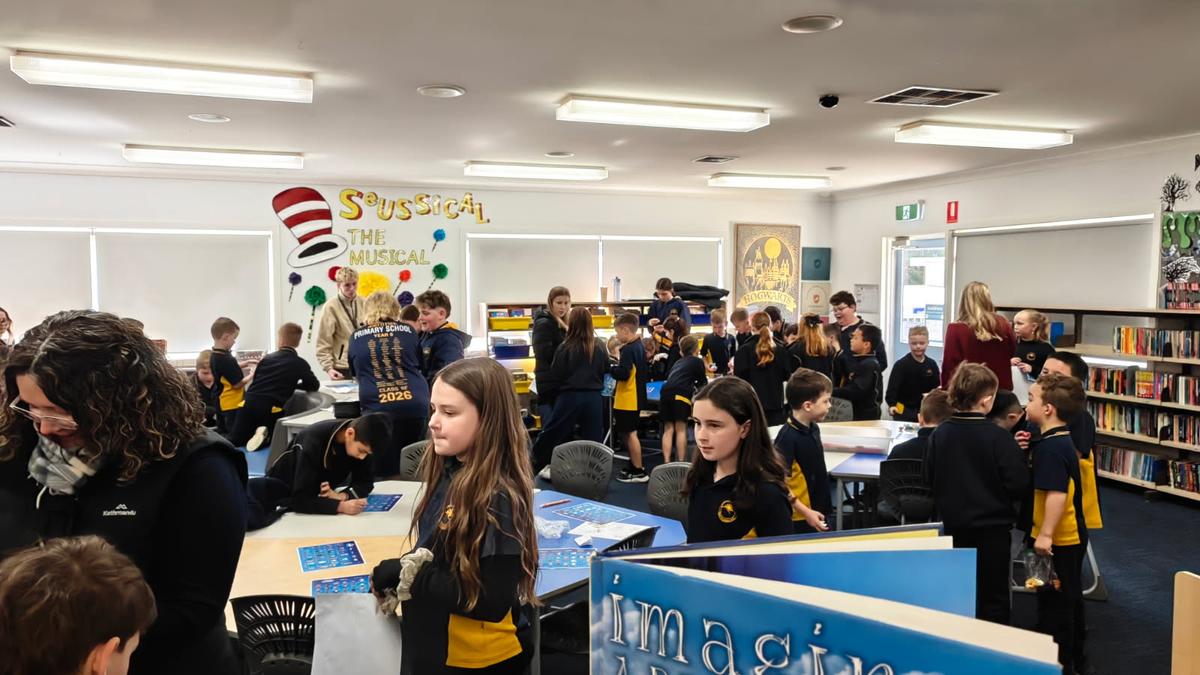
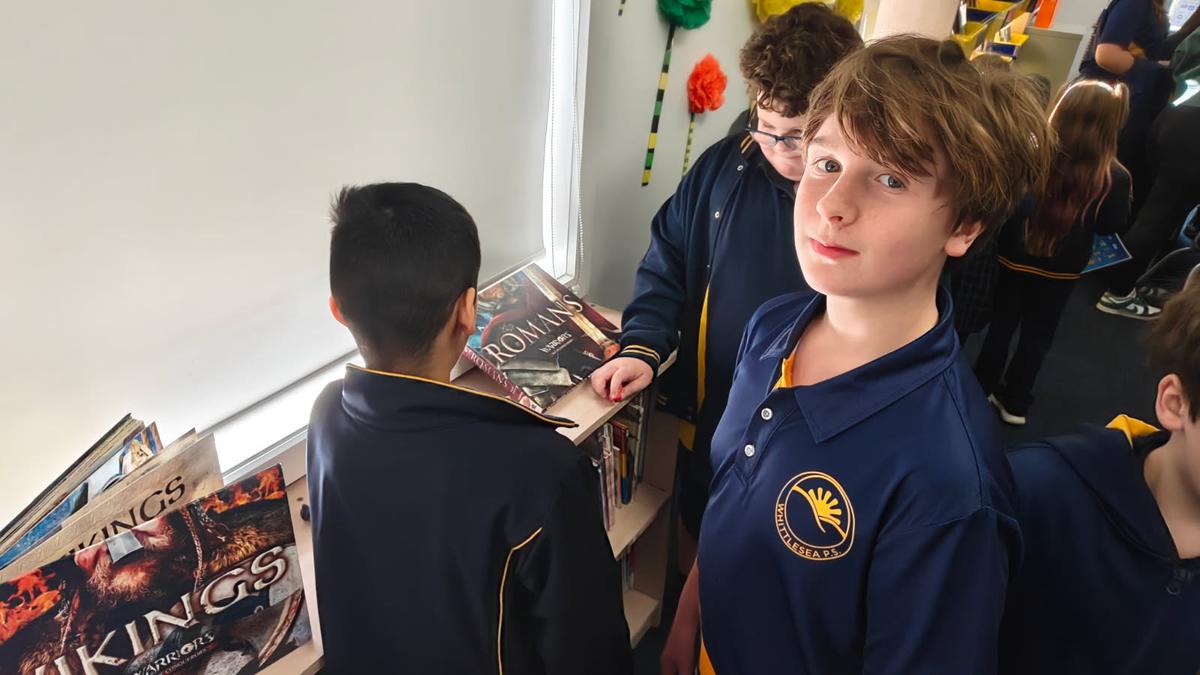
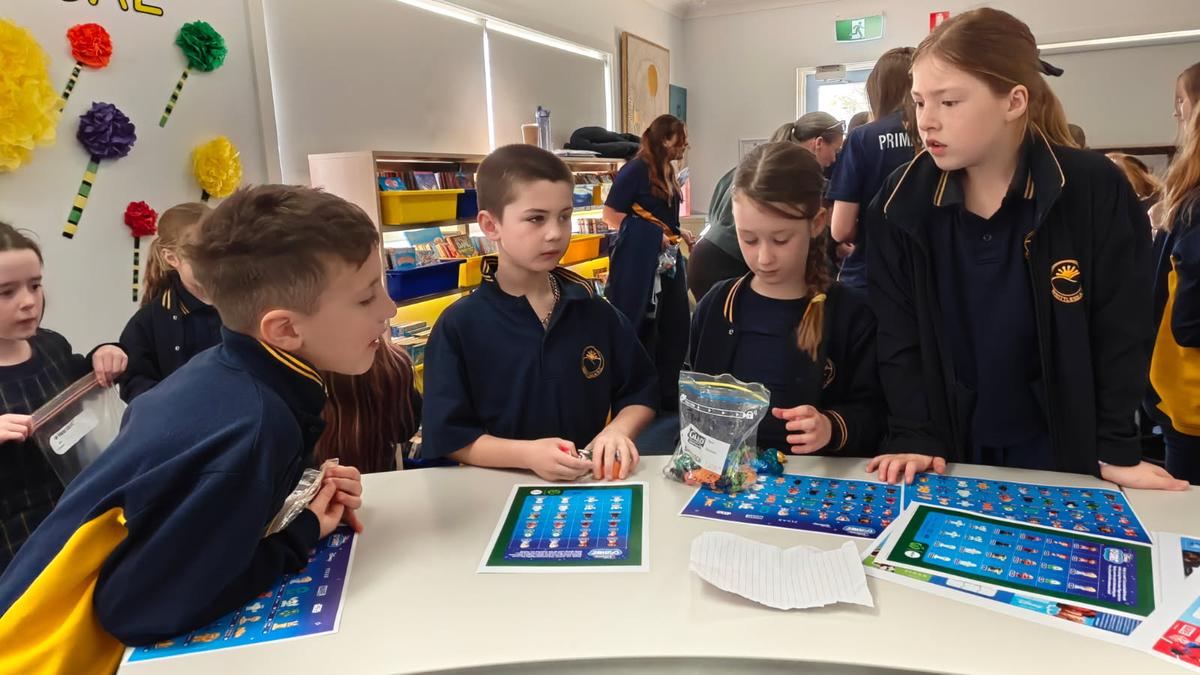
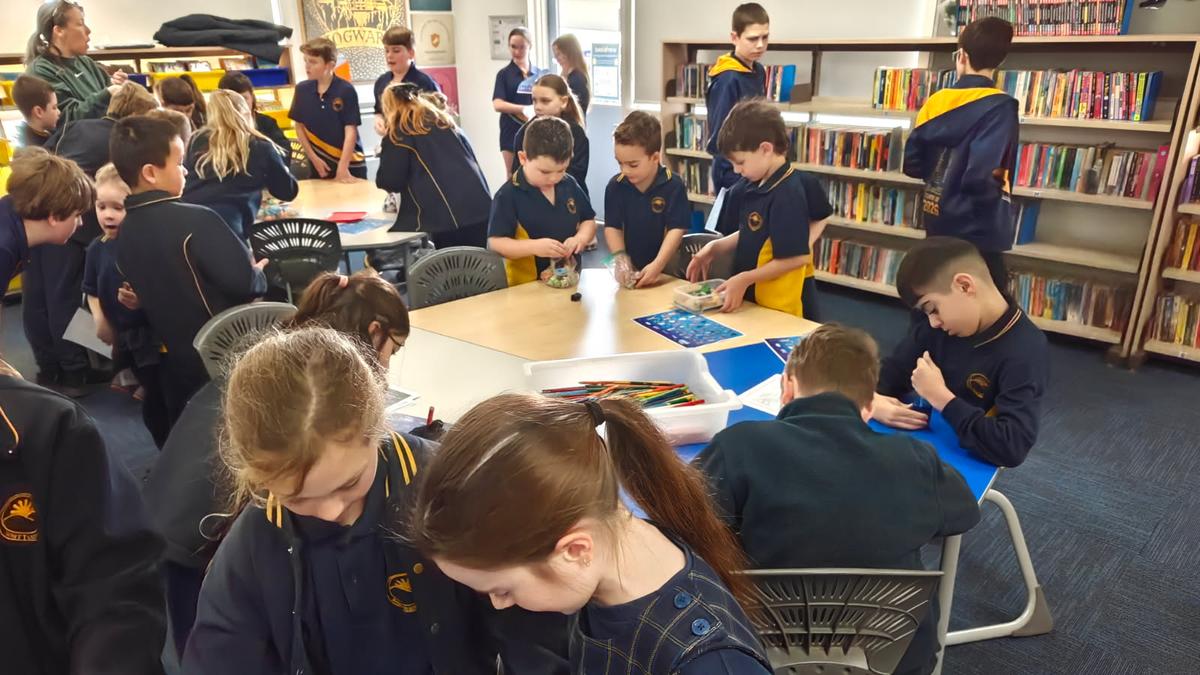
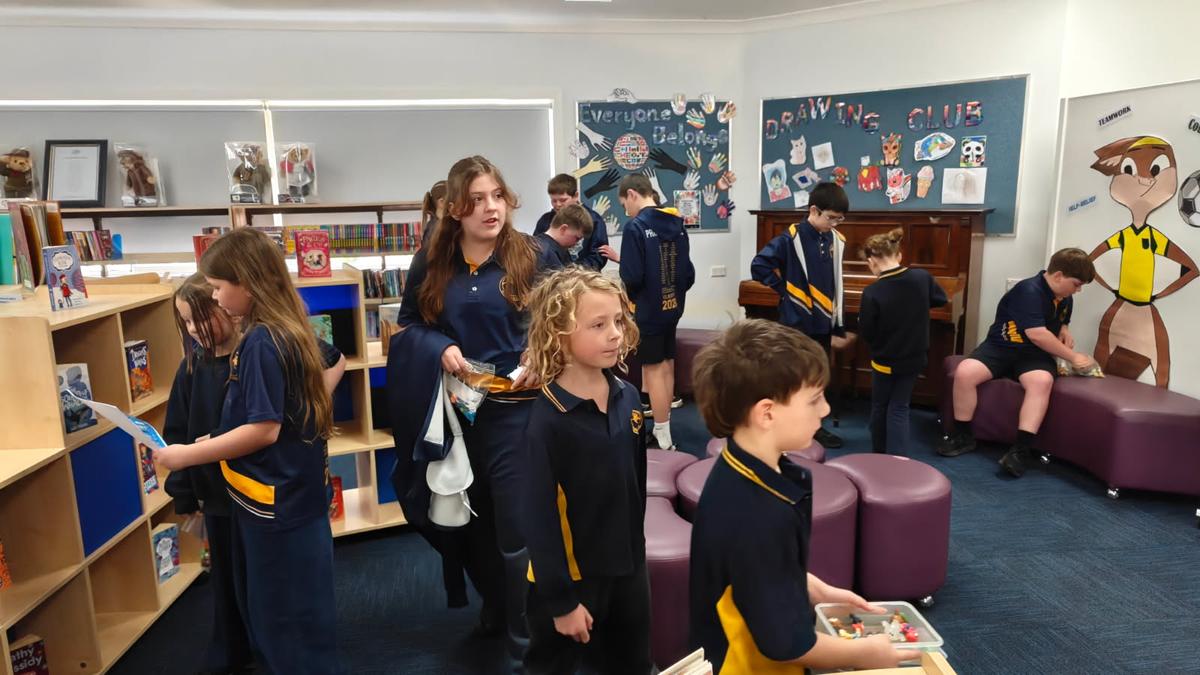
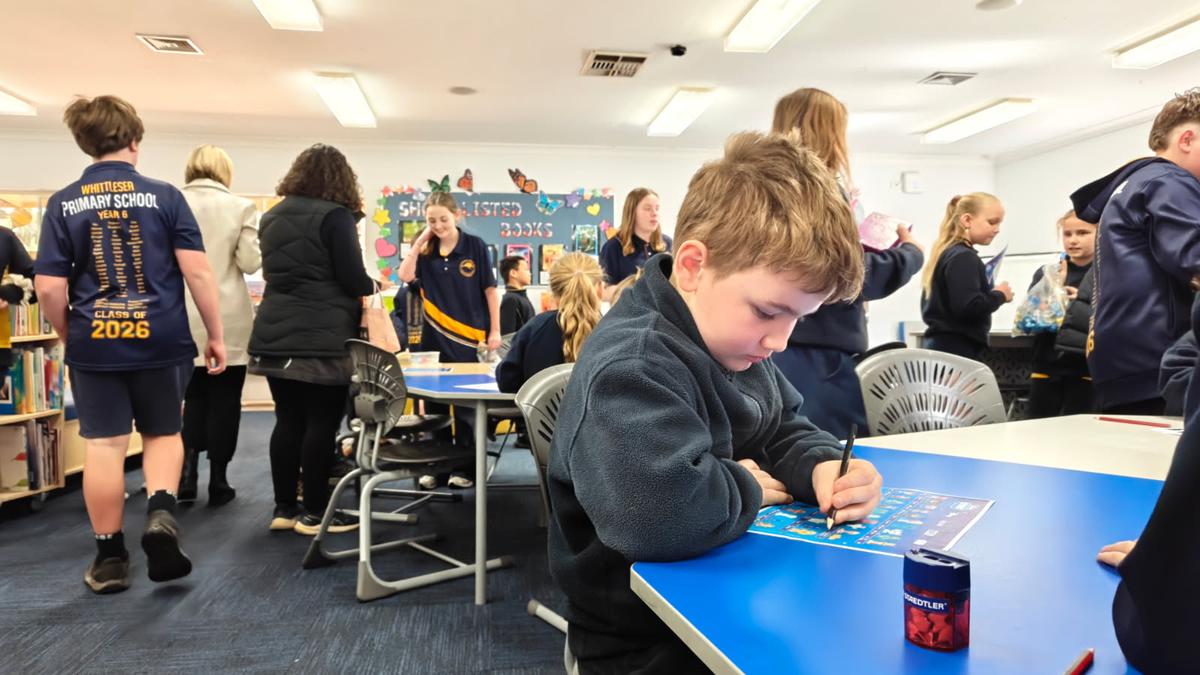
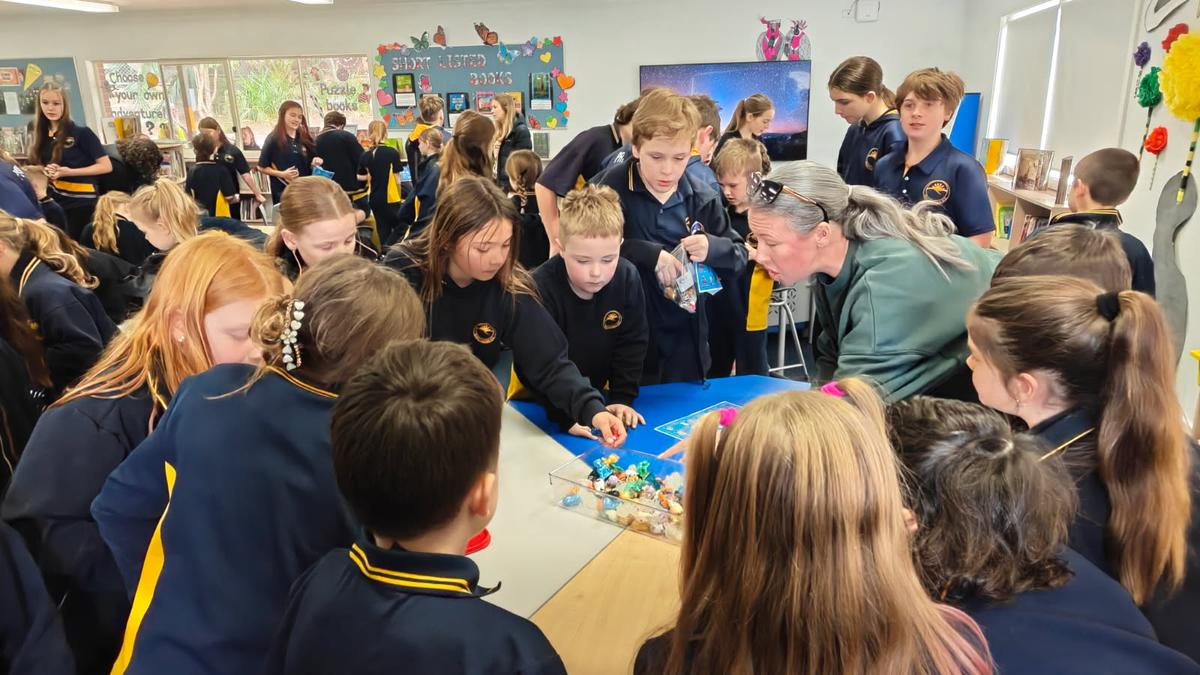
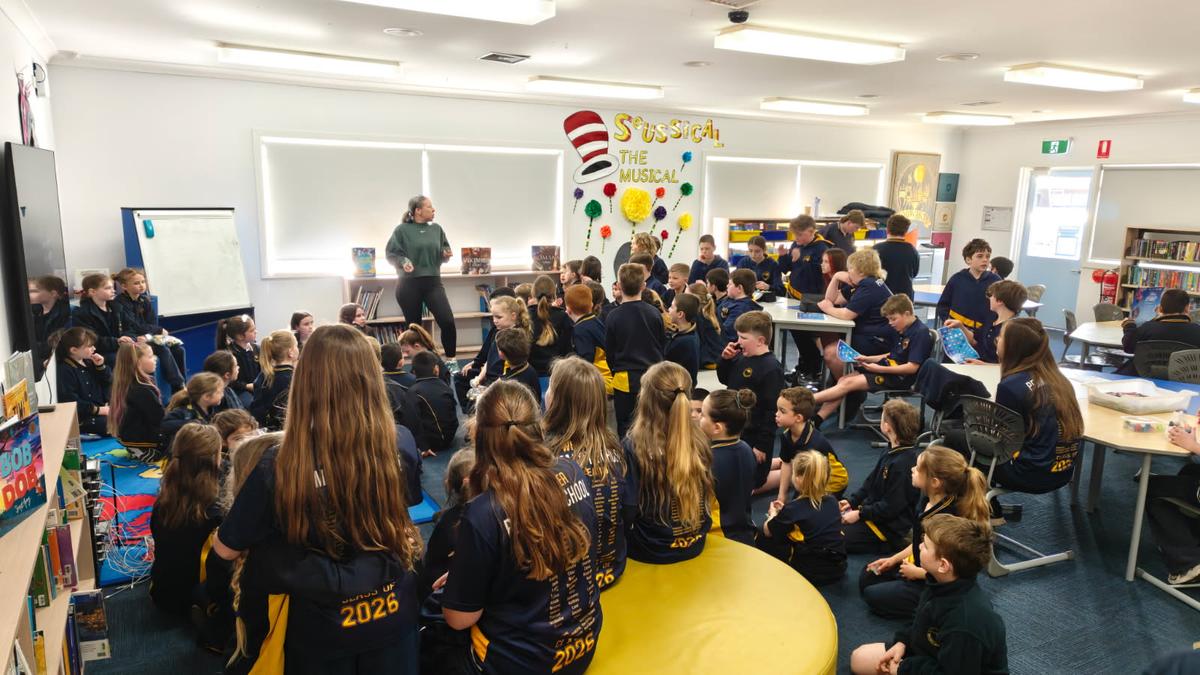
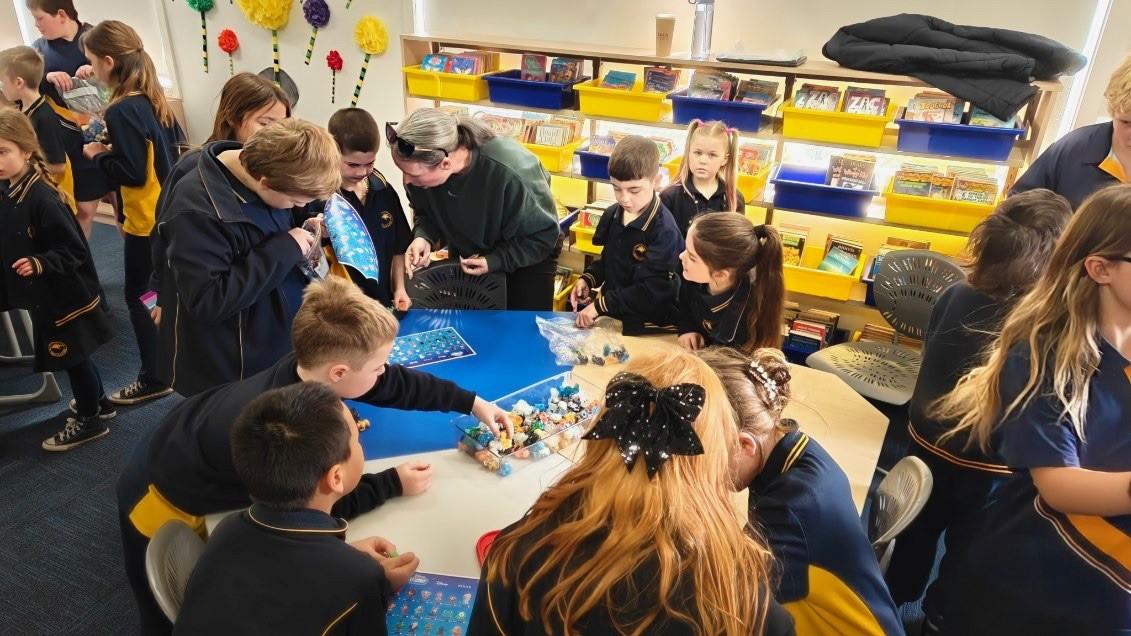
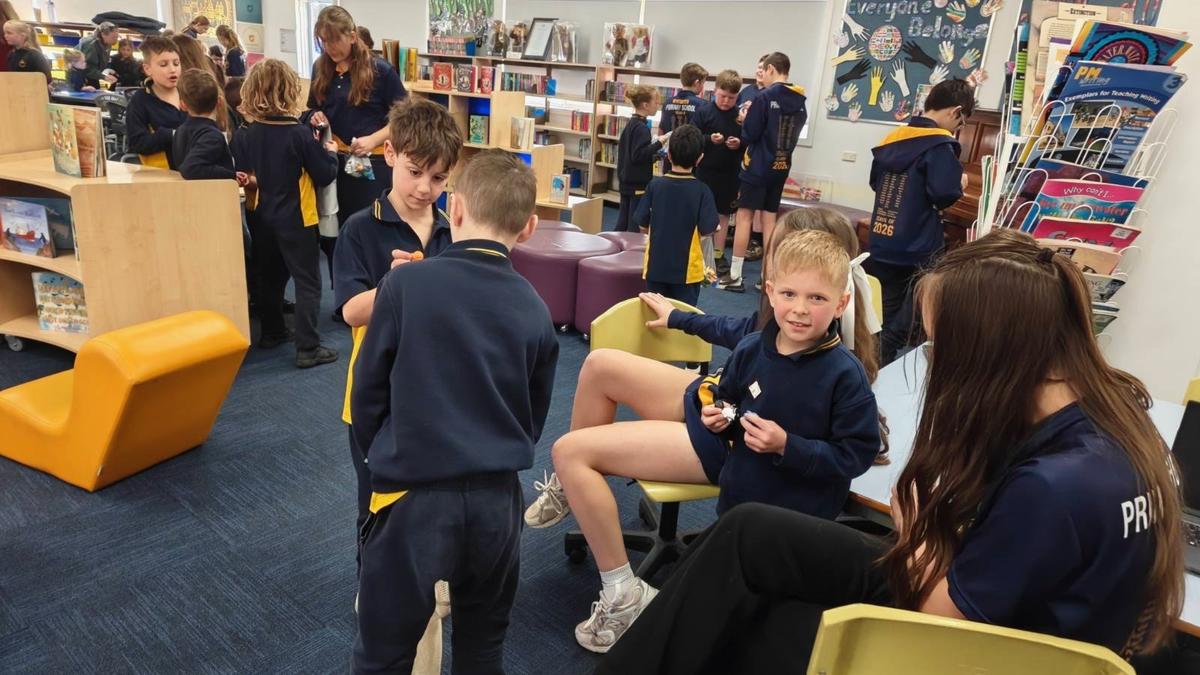
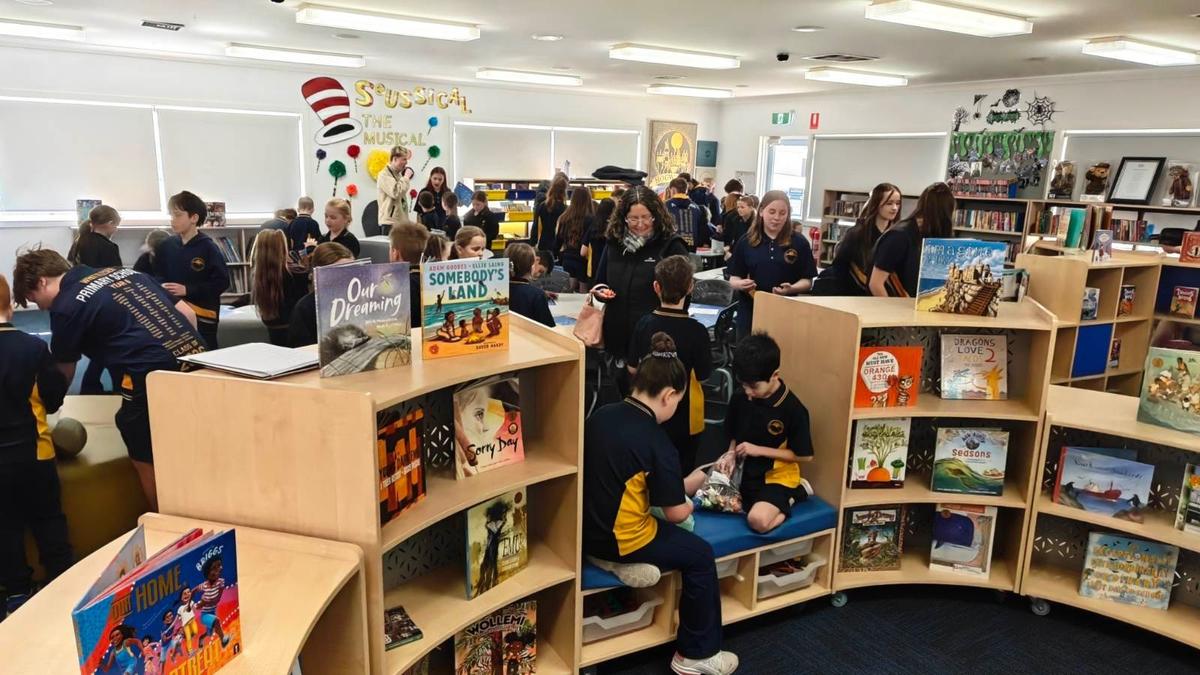
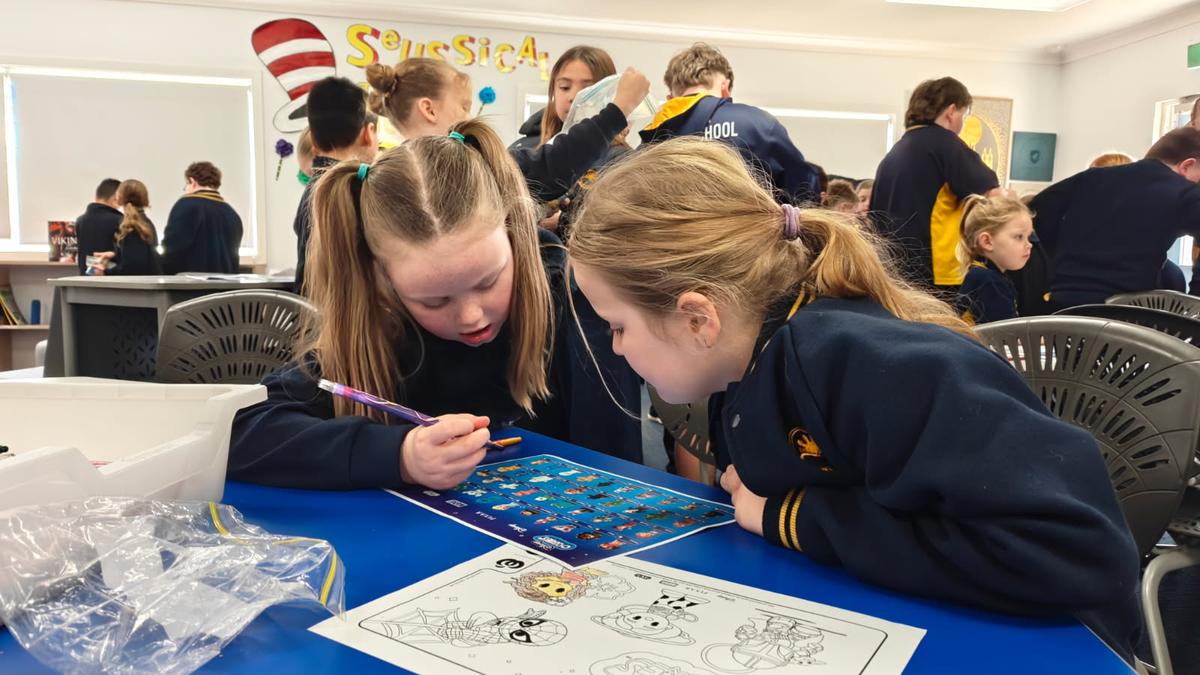
Whittlesea lunchtime clubs are in full swing for Term 3. It has been fantastic to see so many students participating in our clubs during each break. Today we wanted to mention one of our most popular clubs - Ooshie Club. This week we had so many students and even some teachers turn up to Ooshie Club. A big thank you to Ms Gordon for running Ooshie Club each week throughout Term 3. Ooshie Club is run every Thursday at first break.
Have a look at just how popular Ooshie Club has been this week at WPS!
Over the next few weeks we will be looking at some of the more common learning differences. This week we start by looking at Dyslexia.
Dyslexia is a common learning difference that affects the way the brain processes written language. It is not linked to intelligence, effort or vision. Children with dyslexia often have strengths in creativity, problem-solving, critical thinking and verbal reasoning, but they may find learning to read, spell and write more challenging than their peers. Around 1 in 5 Australians are thought to have dyslexia, making it one of the most common learning differences seen in schools.
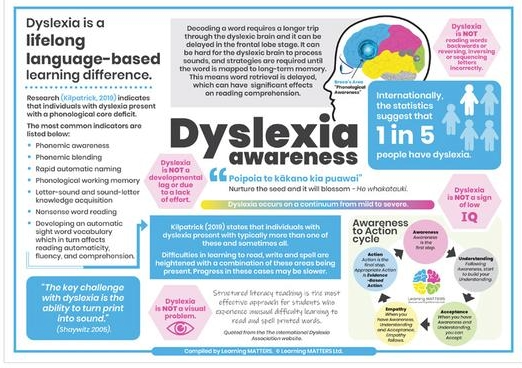
Dyslexia is usually identified through a comprehensive assessment completed by a psychologist, educational psychologist or speech pathologist with expertise in literacy difficulties. The assessment looks at a child's reading, spelling, writing, language skills, memory and thinking abilities. There is no single test for dyslexia. Teachers and parents often notice early signs, but a formal assessment helps determine whether a child's difficulties are consistent with dyslexia and guides recommendations for support. At least 6 months of evidence-based intervention must have been attempted for a diagnosis to be given; this can include participation in the tutoring program at WPS.
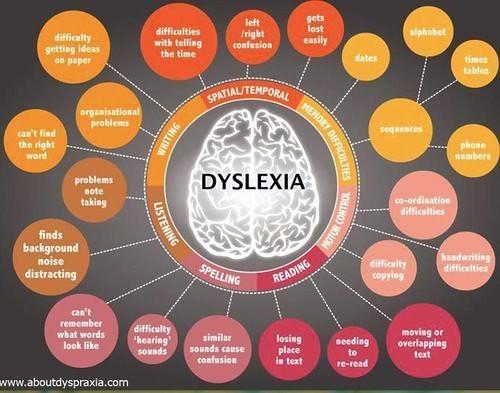
Every child is different, but some common signs of dyslexia include:
Many children with dyslexia are bright, curious learners who excel in areas such as science, technology, art, sport or creative thinking.
With the right support, children with dyslexia can become successful readers and confident learners. Helpful strategies include:
Early identification and intervention make a significant difference, helping children develop the skills and confidence they need to thrive.
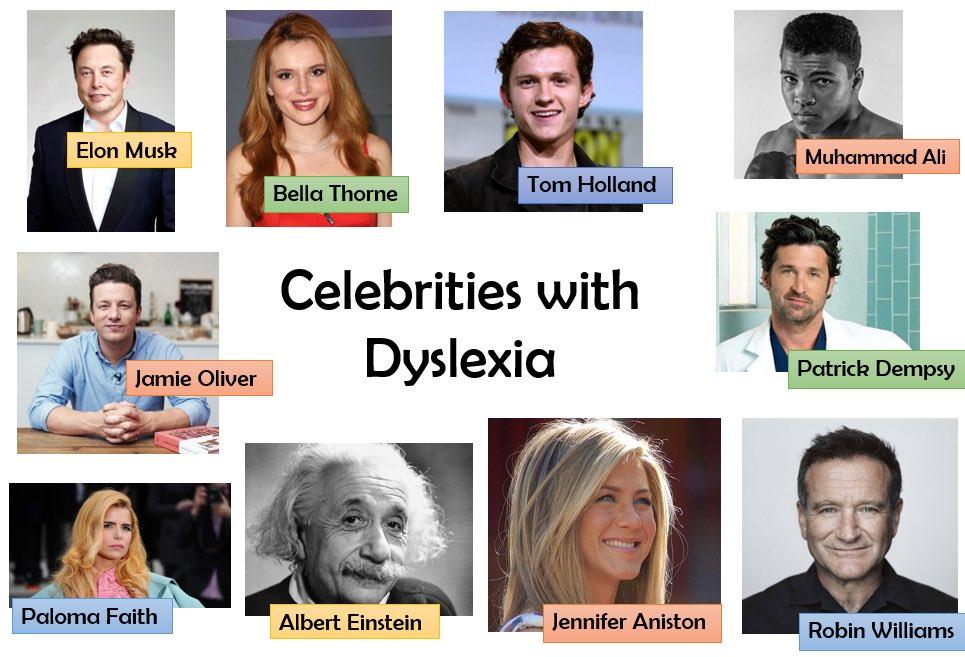
Many highly successful people have dyslexia and credit their different way of thinking as one of their strengths. Business leader Richard Branson, filmmaker Steven Spielberg, chef Jamie Oliver and Australian Olympic champion Sally Pearson have all spoken publicly about their experiences with dyslexia. Their achievements remind us that, with understanding, appropriate support and perseverance, children with dyslexia can achieve remarkable success in any field.