
Wellbeing News
In September, we are learning about Child Safety Standard Nine
“Physical and online environments promote safety and wellbeing while minimising the opportunity for children and young people to be harmed.”
As Catholic educators, we have a moral, mission-driven, and legal responsibility to ensure the safety and wellbeing of every student entrusted to our care.
Our commitment to child safety includes creating and maintaining safe physical spaces and responsible online environments where children can learn, play, and connect with confidence. This means thoughtfully designing school spaces, supervising activities, and using digital technologies in ways that protect children’s dignity, privacy, and wellbeing.
By actively identifying and reducing risks in both physical and online settings, our school fosters environments where children feel safe, supported, and able to thrive. Child safety is not only reflected in policies, but in everyday practices, supervision, and decision-making across our school community.
Why are safe physical and online environments important?
Children spend a significant part of their lives at school and online. When school spaces, and digital platforms, are well designed, appropriately supervised, and used responsibly, risks are reduced and wellbeing is strengthened.
Safe environments help prevent harm before it occurs and ensure children feel secure, respected, and confident to participate fully in learning and relationships. This includes balancing safety with children’s rights to privacy, access to information, social connection, and learning opportunities.
How Parents, Carers and Guardians can get involved:
Child Safe Standard 9 works best when schools, families, and staff work together to ensure children’s safety. Families can help by:
Talking with your child: Encourage conversations about school, friendships, and online experiences.
Supporting safe online behaviour: Discuss digital safety, privacy, and respectful online communication at home.
Raising concerns early: Contact the school if you notice anything that may affect your child’s safety or wellbeing.
Partnering with the school: Work collaboratively with staff to support safe environments for all children.
Congratulations to our Bully No Way Poster competition winners -
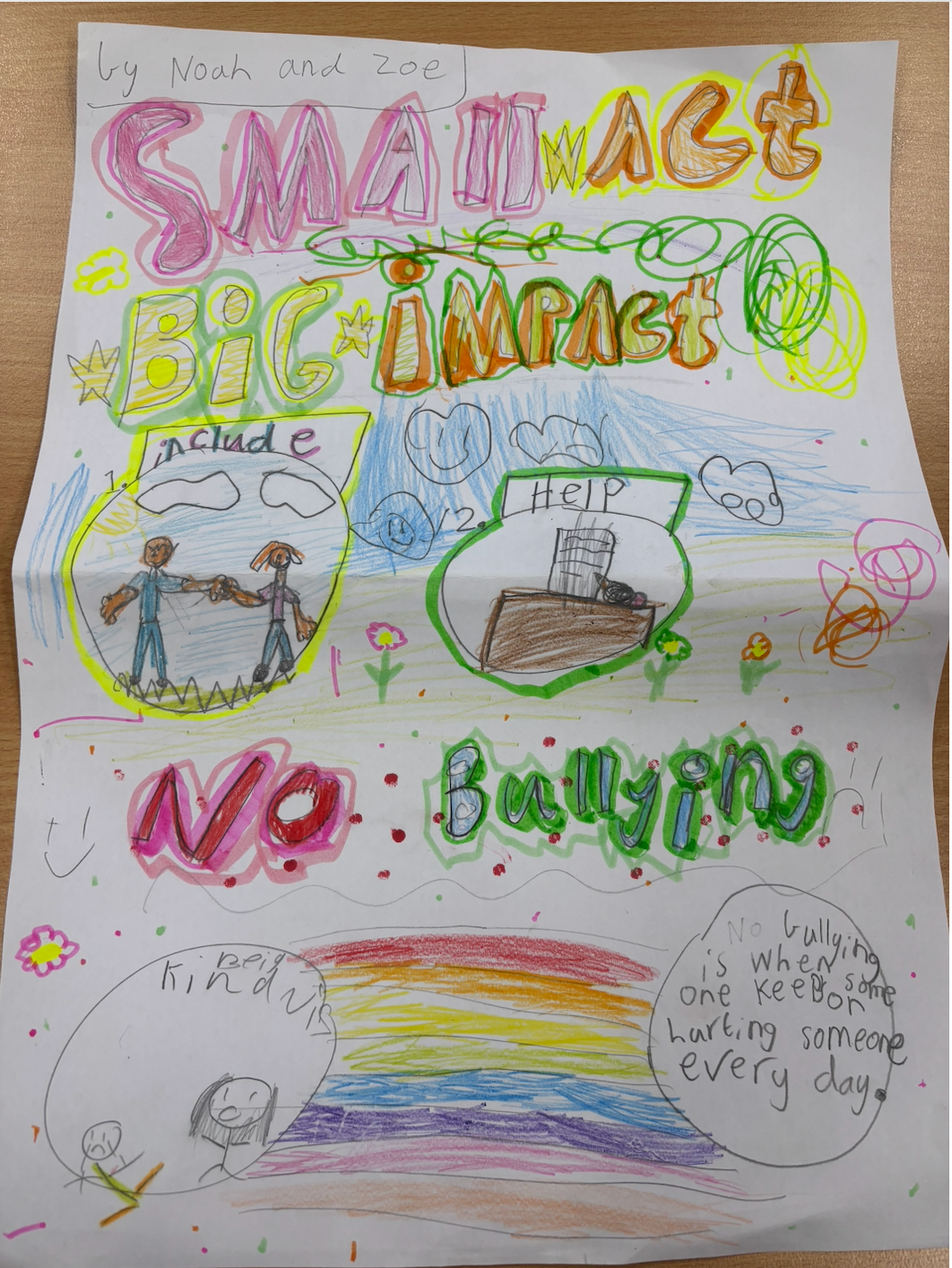
Prep - 2: Zoe and Noah
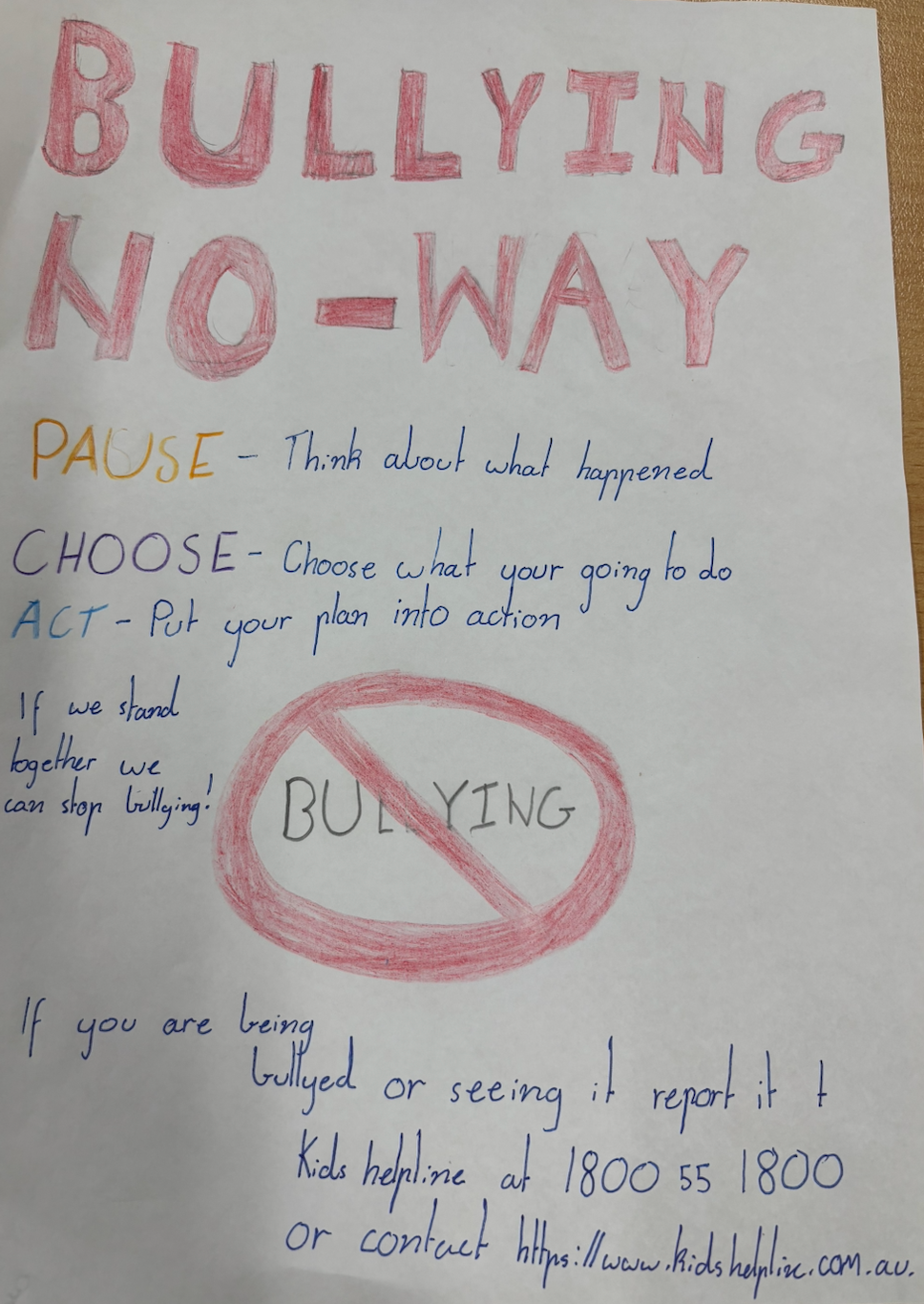
Year 3/4: Eva
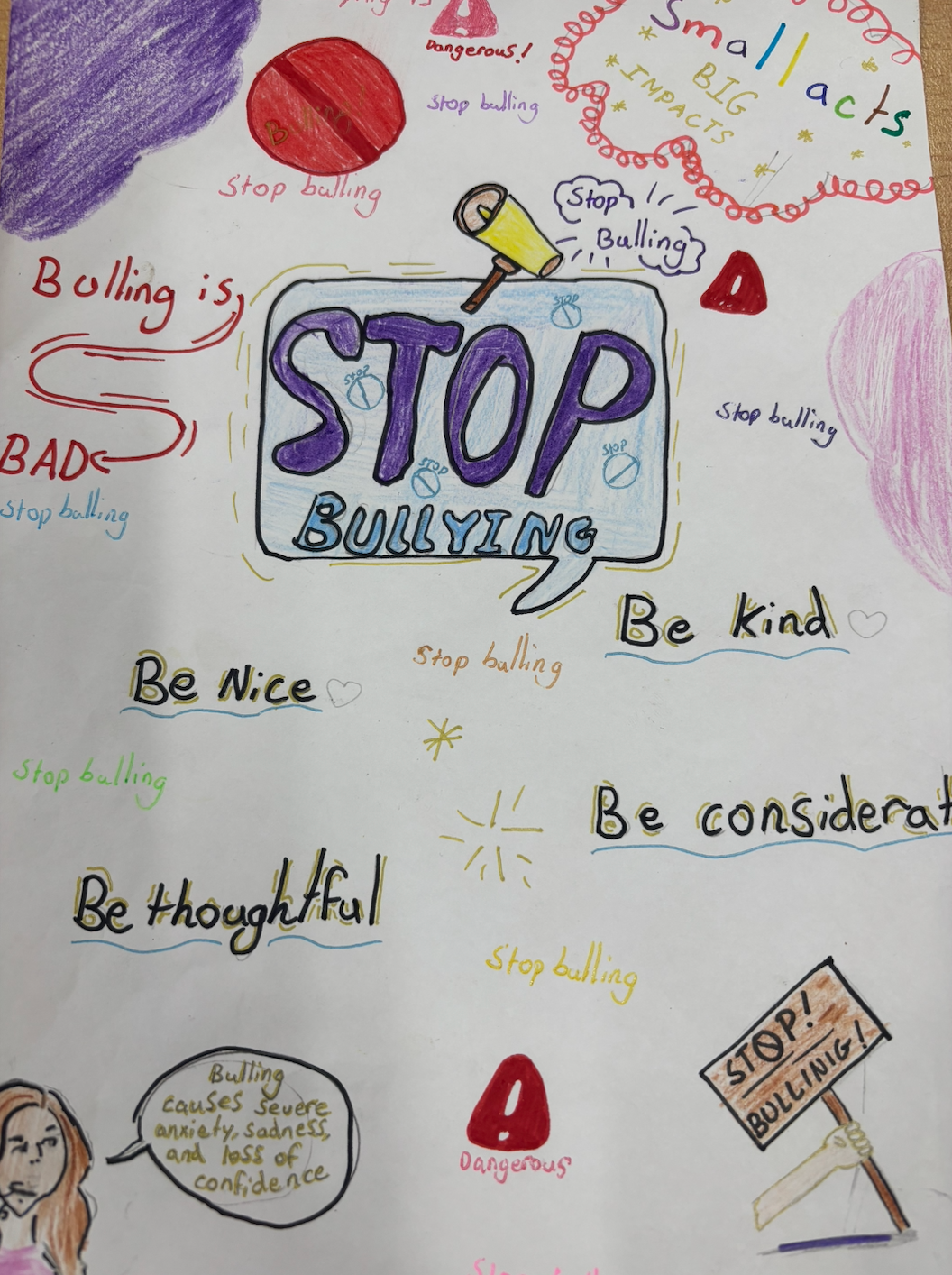
Year 5/6 : Prisha
Thank you for designing some amazing posters for Bully No Way Week. Your posters fitted the theme of “Small Acts, Big Impact" perfectly. We love the effort you put into creating the posters and sharing the message. Thank you to all the other students who created posters too - it wasn't easy for our Year Six student leaders to choose the winners, as the posters were of a very high quality.
Even though the week is over, we need to remember the message - Bullying behaviour is never acceptable and if you see or hear something that you believe is bullying, we are asking you to let us know so we can provide help and support. Be an upstander, not a bystander. Bullying is never ok.
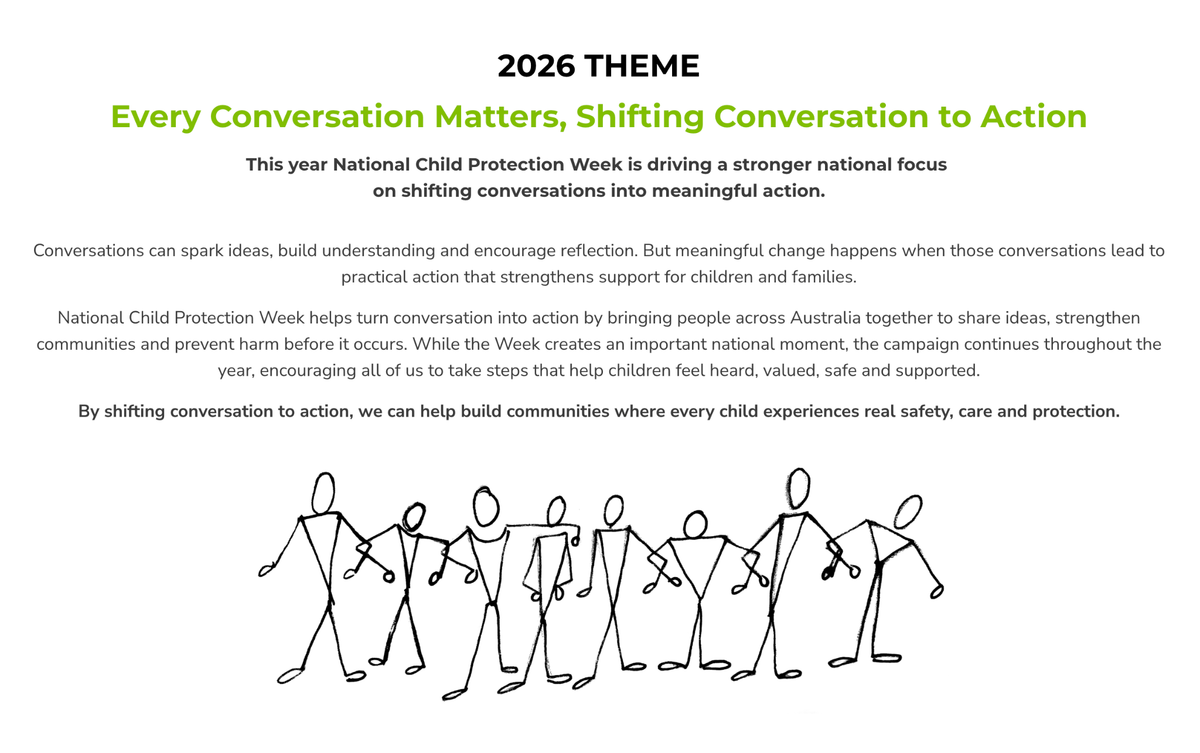
National Child Protection Week 2026 runs from Sunday 6 to Saturday 12 September
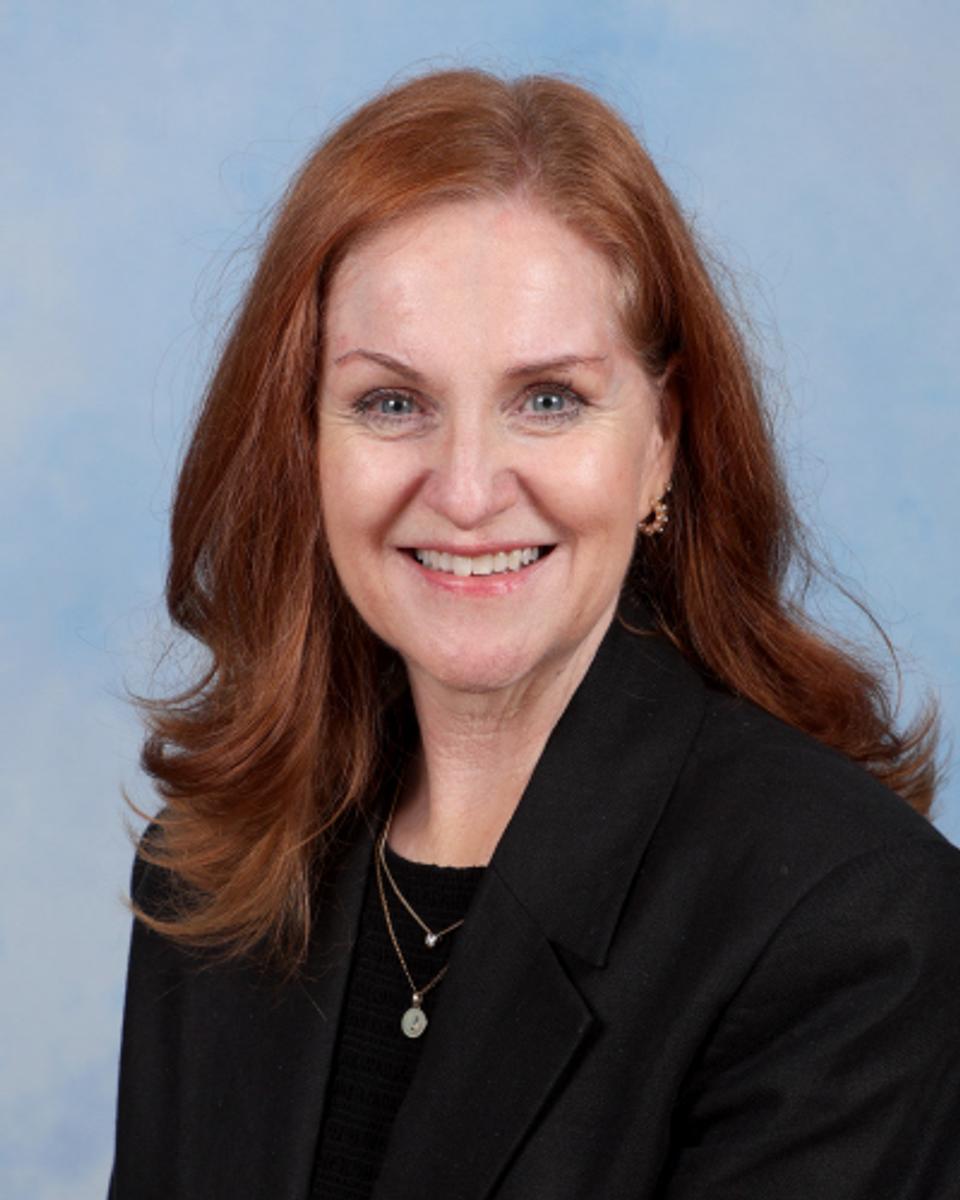
Simone Whitehead
Wellbeing &
Family Engagement Leader
Every year, all schools in Australia participate in the Nationally Consistent Collection of Data on School Students with Disability (NCCD). The NCCD process requires schools to identify information already available in the school about supports provided to students with disability.
The NCCD will have no direct impact on your child and your child will not be involved in any testing process. The school will provide data to the Australian Government in such a way that no individual student will be able to be identified – the privacy and confidentiality of all students is ensured.
Please refer to the link below for more detailed information.
FACT SHEET FOR PARENTS, GUARDIANS AND CARERS
Translations
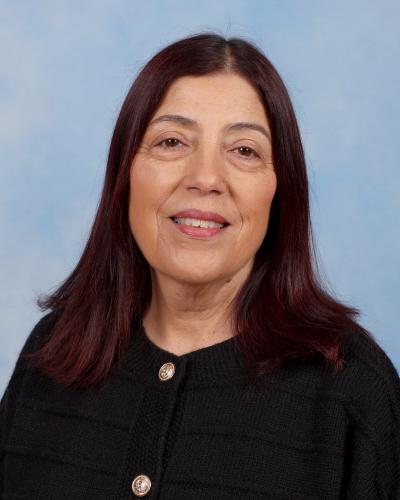
Chiara Genovese
Learning Diversity Leader