MHiPS


















 Jells Park Primary School

The Importance of Rest
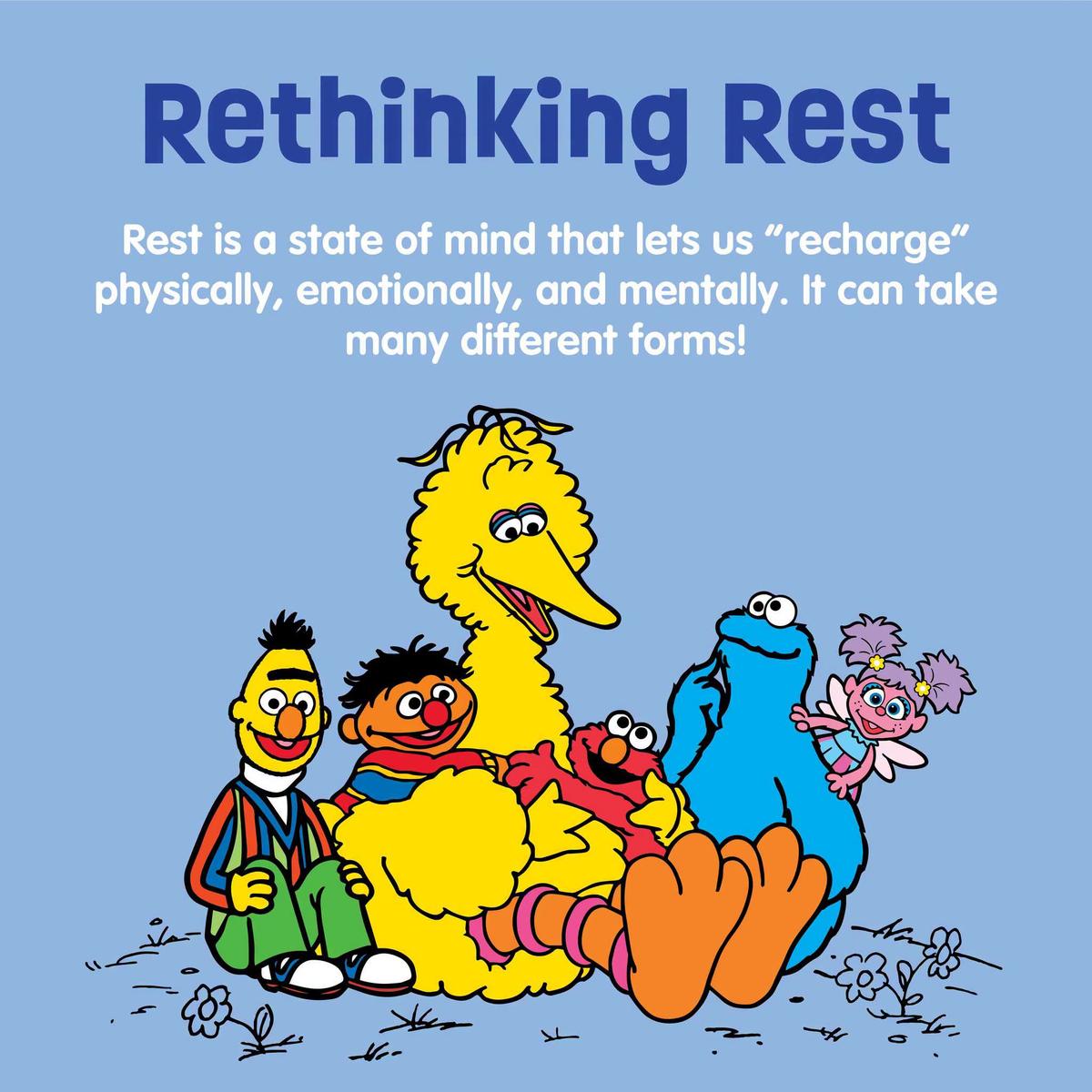
With the busy holiday season fast approaching, many families find themselves juggling celebrations, travel, social events, and shopping lists.
While this time of year can be full of excitement and joy, it can also leave children feeling tired, overwhelmed, and in need of a break. Rest is an important part of children's wellbeing and development, helping them recharge, regulate emotions, and return to school ready to learn.
When we think about rest, we often think of sleep. While a good night's sleep is essential, rest can take many different forms:
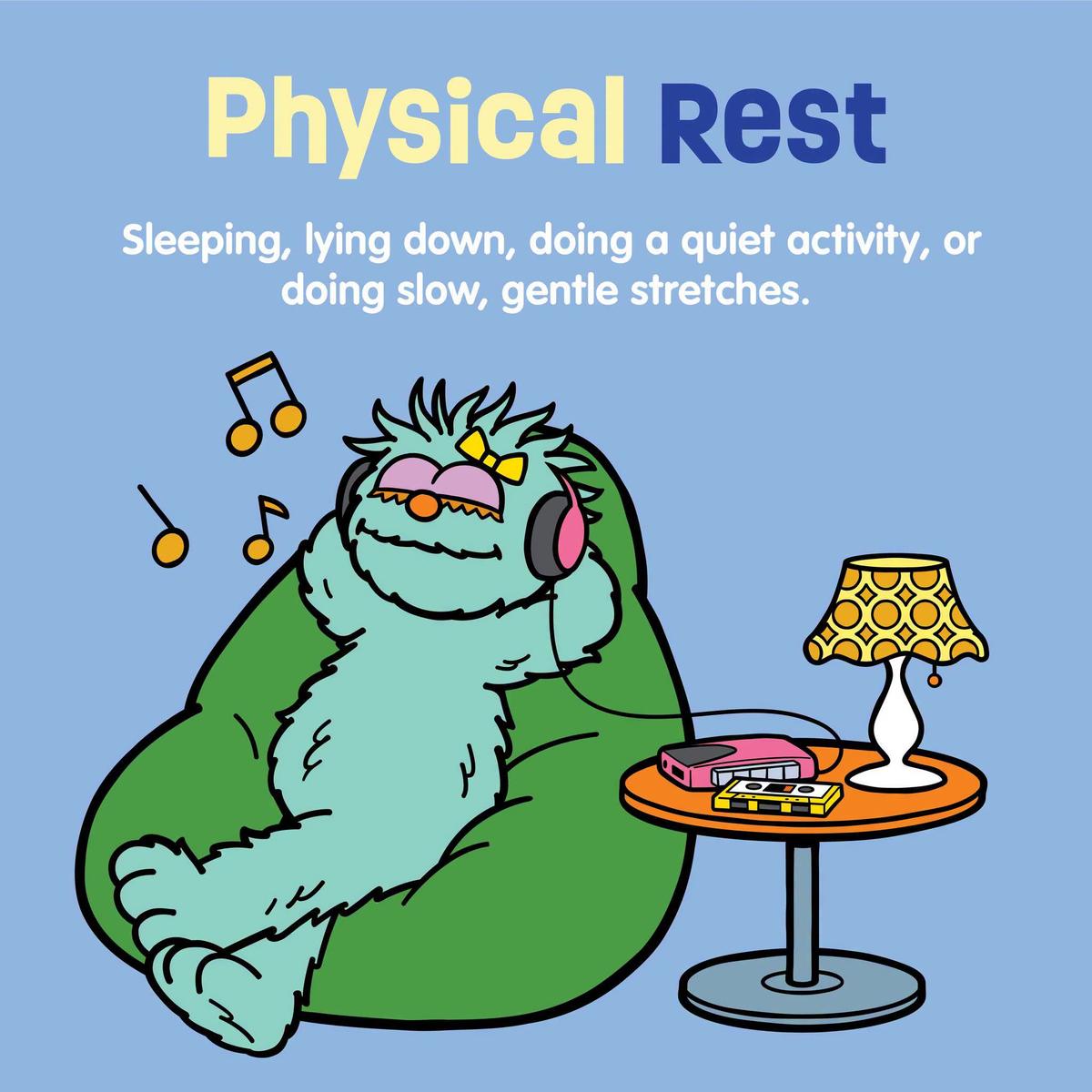
Physical Rest Physical rest helps the body recover and restore energy. This can include:
- Getting enough sleep each night
- Having quiet time after busy activities
- Reading, drawing, or relaxing at home
- Spending time outdoors at a slower pace
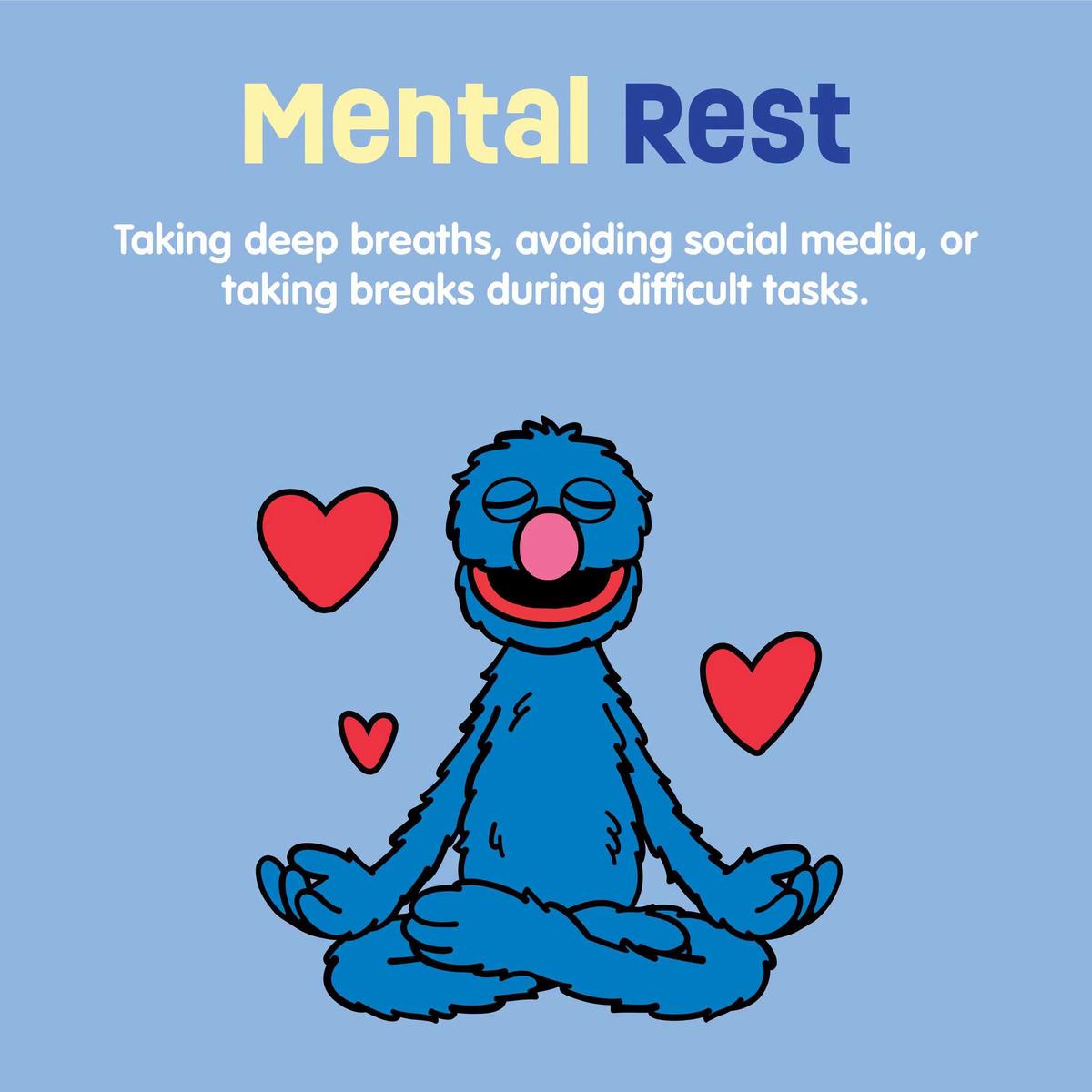
Mental Rest Children's minds are constantly working, especially during busy periods. Mental rest gives the brain a chance to slow down and reset. This might look like:
- Having time without schedules or expectations
- Enjoying free play and imagination
- Taking breaks from screens and digital devices
- Spending time in nature
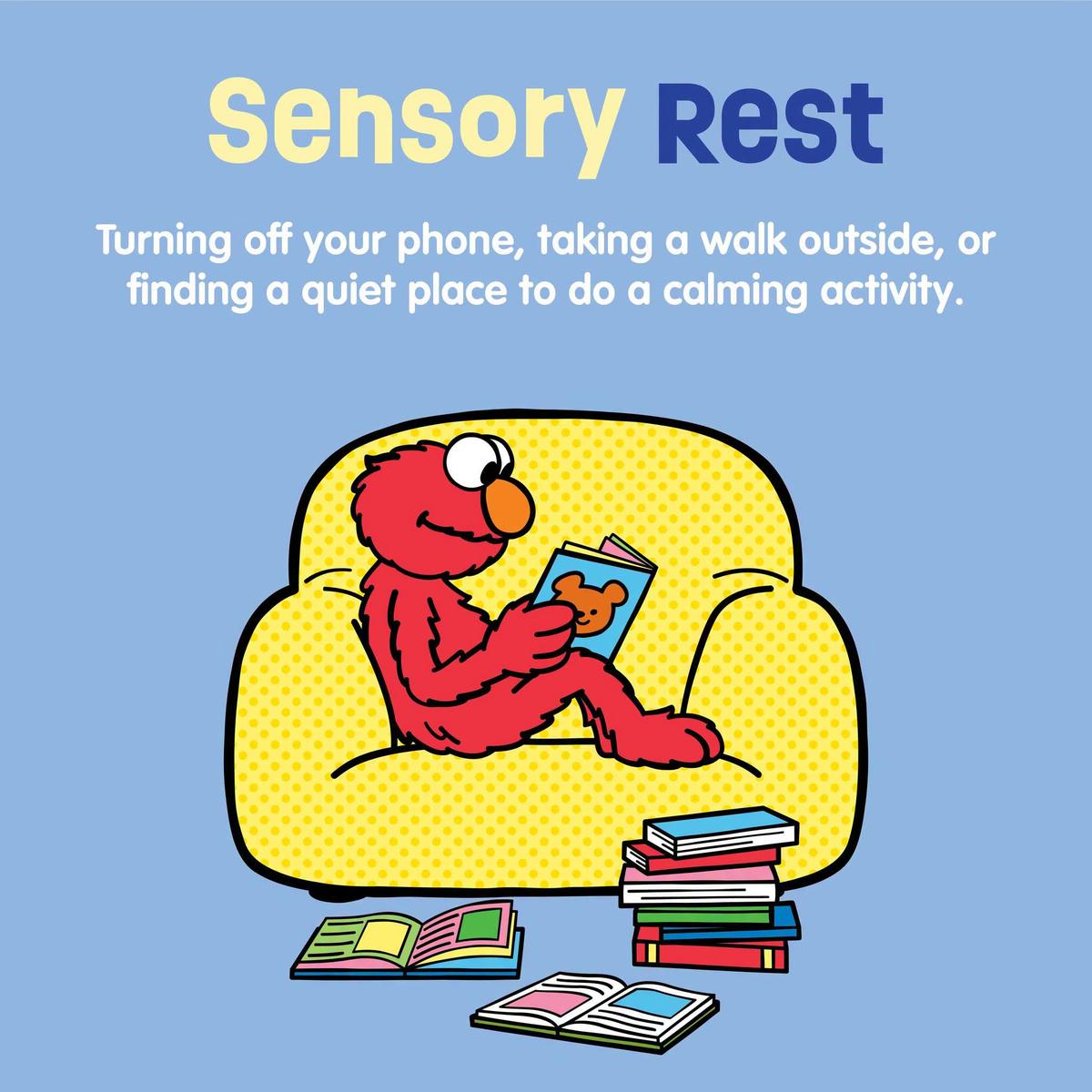
Sensory Rest The holiday season can bring lots of noise, bright lights, crowds, and excitement. Sensory rest helps children recover from this stimulation. Families can support sensory rest by:
- Creating calm, quiet spaces at home
- Allowing time away from busy events
- Listening to soft music or enjoying quiet activities
- Encouraging moments of calm and mindfulness
It can be tempting to fill every day of the holidays with activities, but children don't need constant entertainment to thrive. Some of the most valuable moments come from slowing down, playing freely, and simply being.
Written in conjunction with AI
Melissa McLeod
Mental Health & Wellbeing Leader