We are inquirers...
 Lockleys North Primary School
We are inquirers...
HASS focusses on the study of Humanities and Social Sciences. It includes History and Geography using the Inquiry approach to learning activities.
For Semester 1 we will begin with History, with the focus on enquiring into How has technology changed over time? This unit looks at the ways people have solved a need and how it has improved their lives.
The following questions will guide our inquiry and learning experiences:
Students learn about the sequence of events and how to compare and order objects using a range of terms related to time. They will pose questions and use a range of sources to answer their questions and will learn to identify a point of view. There will also be a focus on HASS vocabulary - look out for the five focus words in our homework grid each Term.


What is inquiry? – The Characteristics.
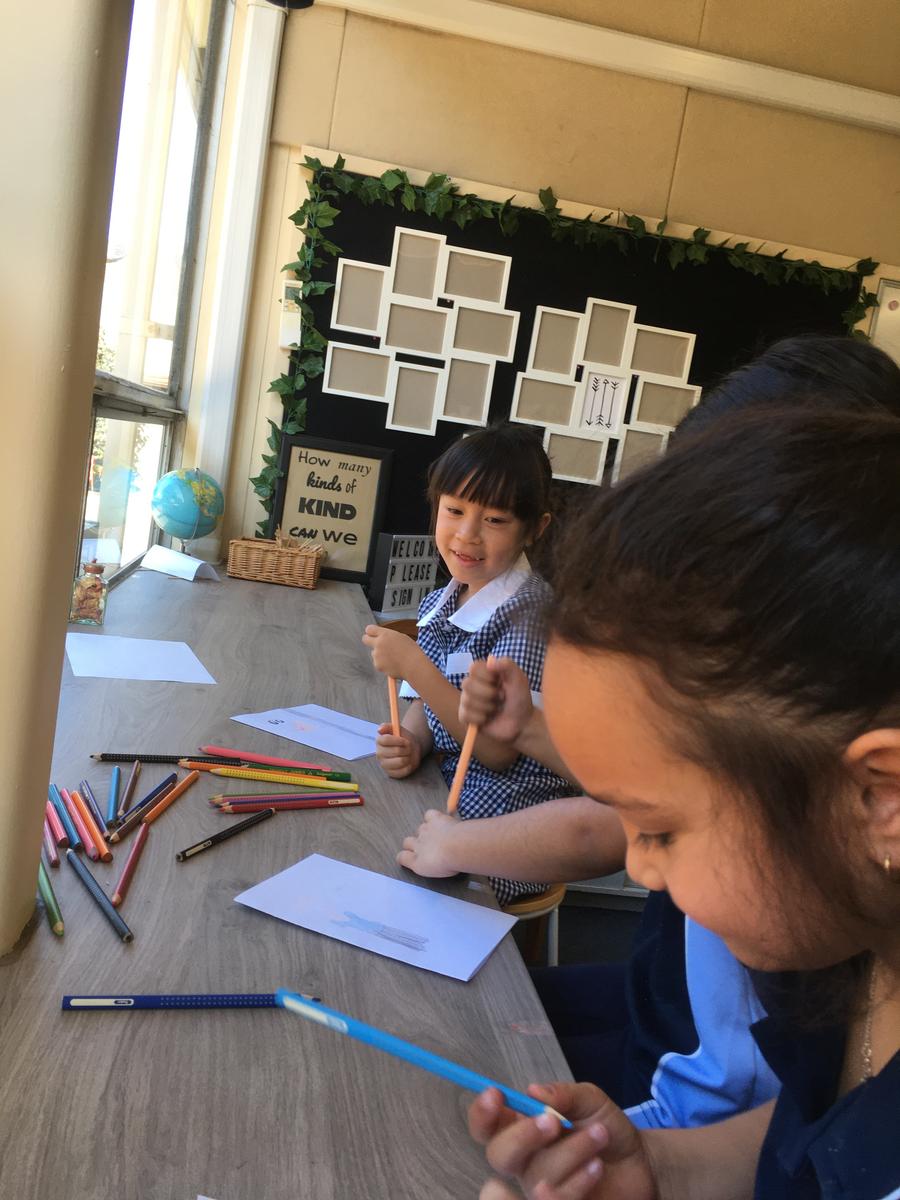
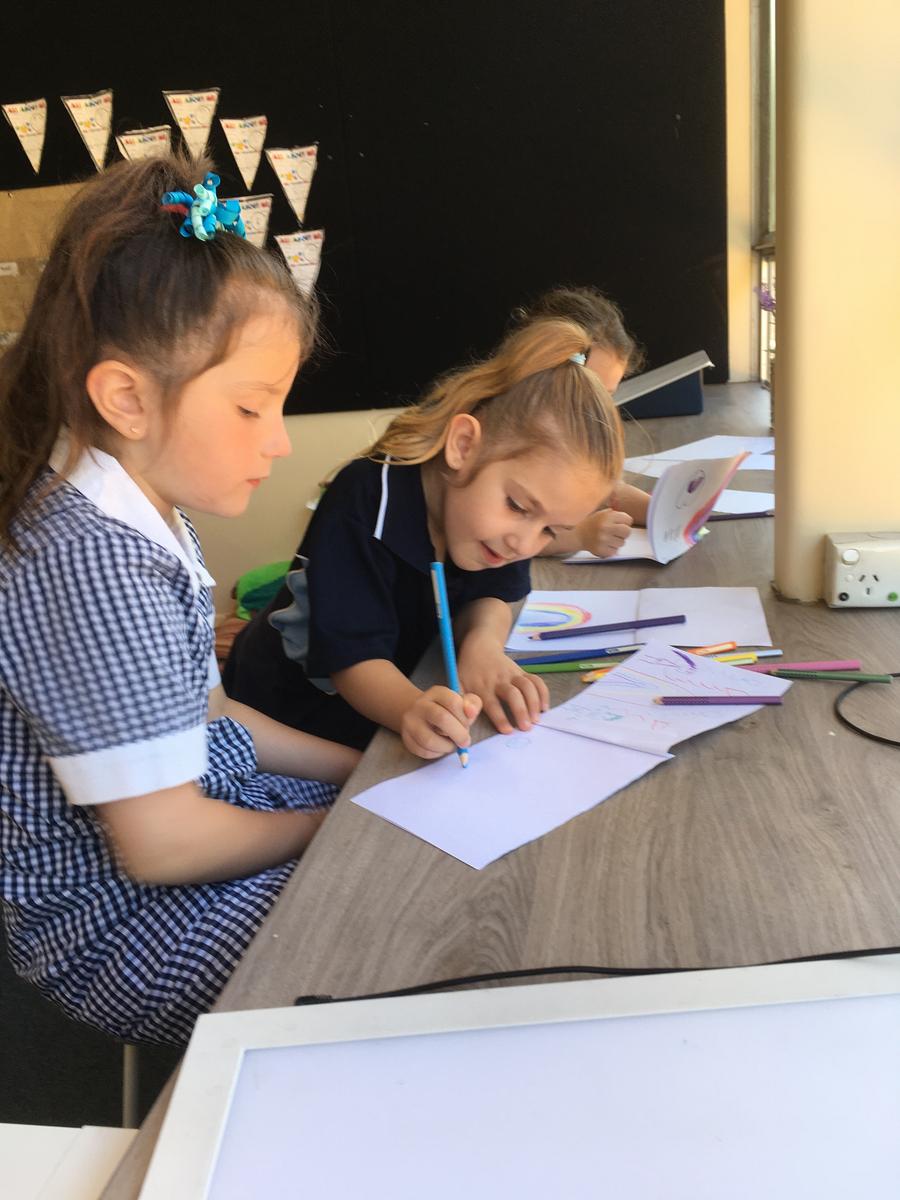
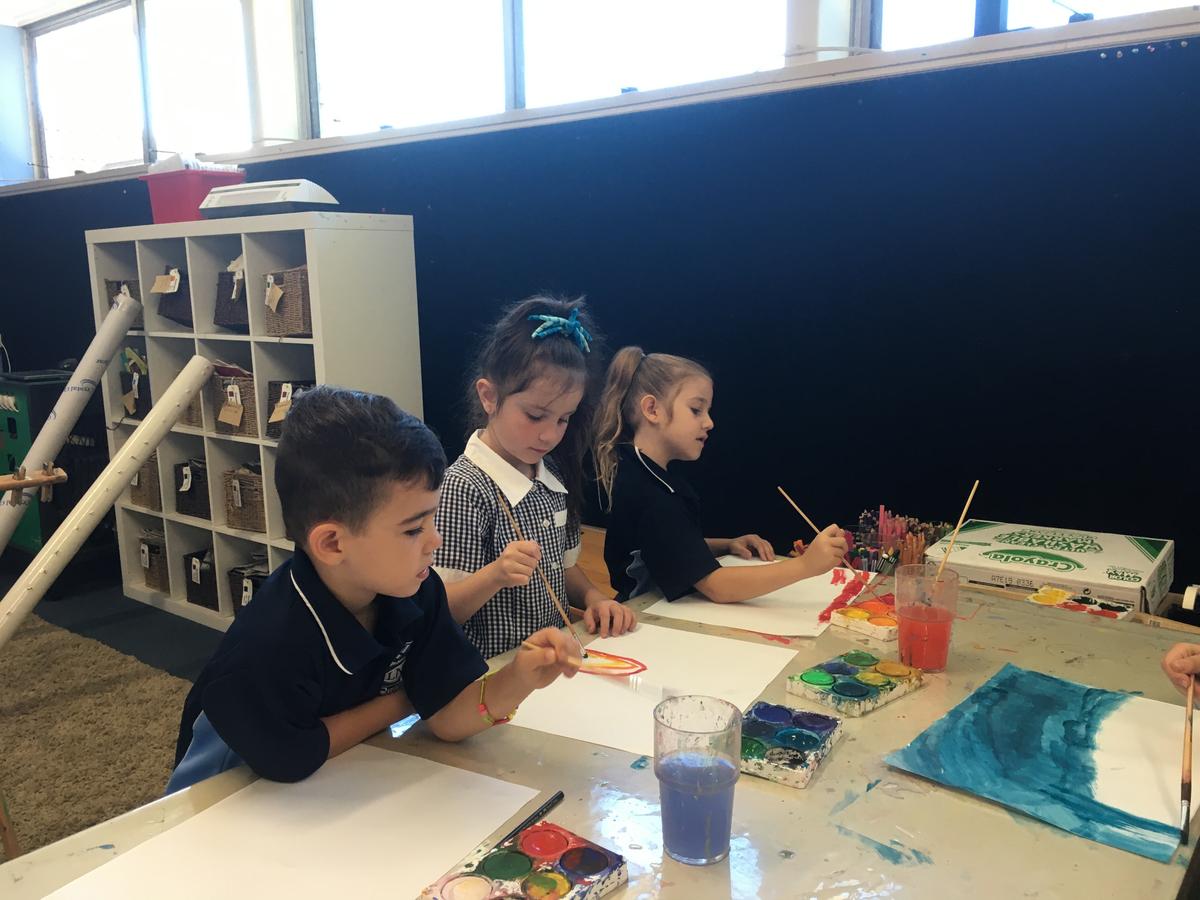
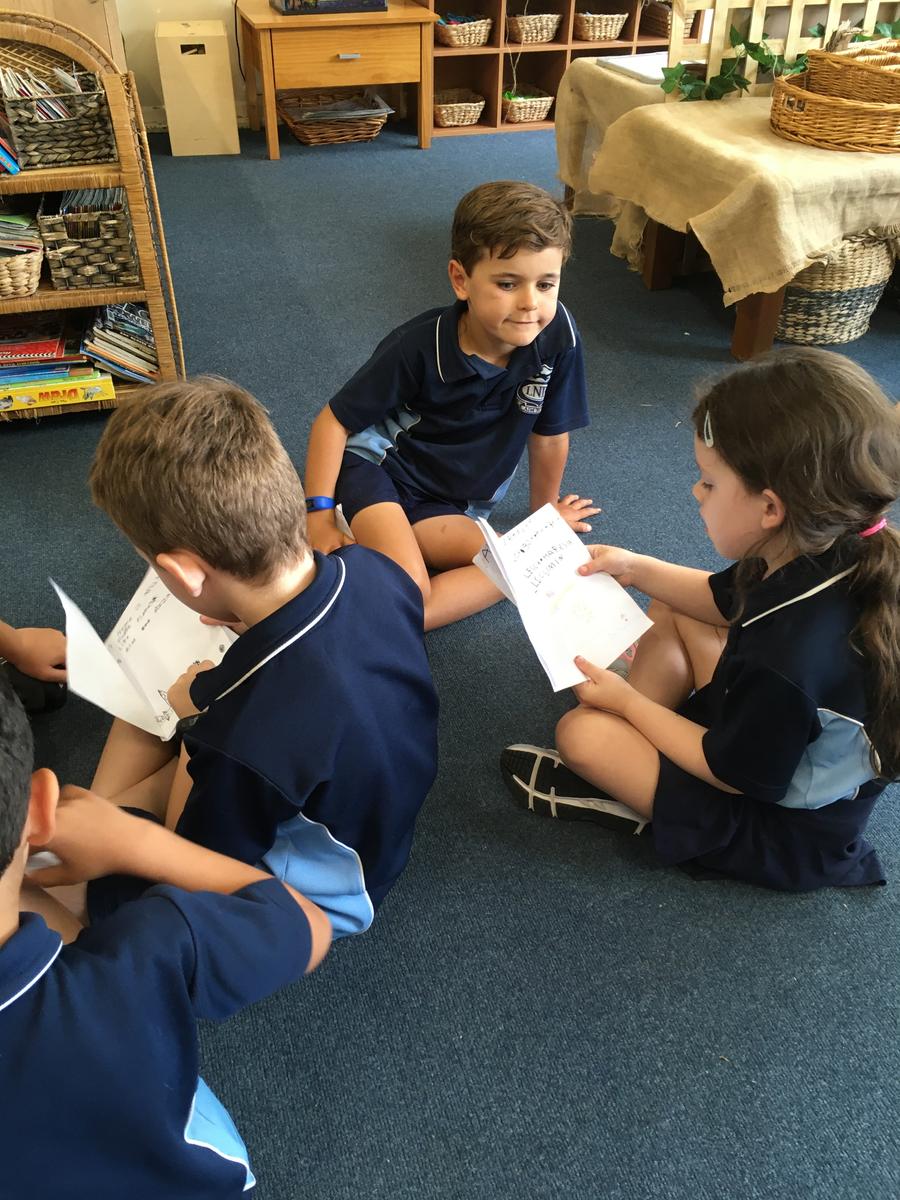
Inquiry based learning is a form of active learning where students pose questions, discuss problems that actively involve the over arching inquiry question. The overall goal is for students to make meaning. The teacher's role is to support students by helping them to refine their thinking and work out what they need to do next. The teacher also provides a wide range of resources that students can independently choose and use in their learning.
Inquiry learning is not restricted to a specific subject area, with students being encouraged to initiate their own topics or areas that they are interested in learning more about by posing wonderings or questions they have about a topic. Because students have chosen an aspect they are interested in, they are highly motivated to find out about it.
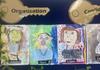
The poster below shows the 6 stage Inquiry cycle that students go through when investigating their own Inquiry.

Inquiry learning:
Recognises the importance of substantial knowledge
Promotes the ability to ask higher order questions
Contributes to the development of creative and effective problem solvers
Increases the motivation and engagement of students
Encourages cooperative group work as well as independent learning
Requires students to become information literate
Cultivates habits of mind such as critical and creative thinking
Develops in students a sense of social responsibility and personal values
Increases an understanding of the student’s own cognitive processes
Shifts from teacher-centred activity to student-centred learning
It has been a great start to Early Years Science with the year 1s and 2s eager to learn from day one. The focus in the first two weeks of school was building strong connections to set the foundation for a positive year. A welcoming environment has been created where students feel a sense of belonging with tasks aimed at student participation and engagement. Activities encouraged students to collaboratively work together to build positive relationships with peers and allowed them to problem solve.
All Mellor classes have a double lesson of Science per week.
The main focus in Term One is physical sciences where the students will explore aspects of sound and light from a range of sources. The aim is for students to recognise that senses are used to learn about the world around us: our eyes to detect light, our ears to detect sound, and touch to feel vibrations.
Ideas / activities include:
Later this term we will be investigating how a push or a pull affects how an object moves or changes shape.
The Term Two area of study is chemical science.
understandings / investigations will include:
Richard Barwa