We are a team...



 Lockleys North Primary School

We are a team...
As we enter the new school year, Mellor staff and students have been engaging in many activities around getting to know our new classmates and around working as a team in our new classroom environments. Getting to know you games, team work activities, making books about ourselves and our families all help to make students feel connected to their learning spaces and class members.
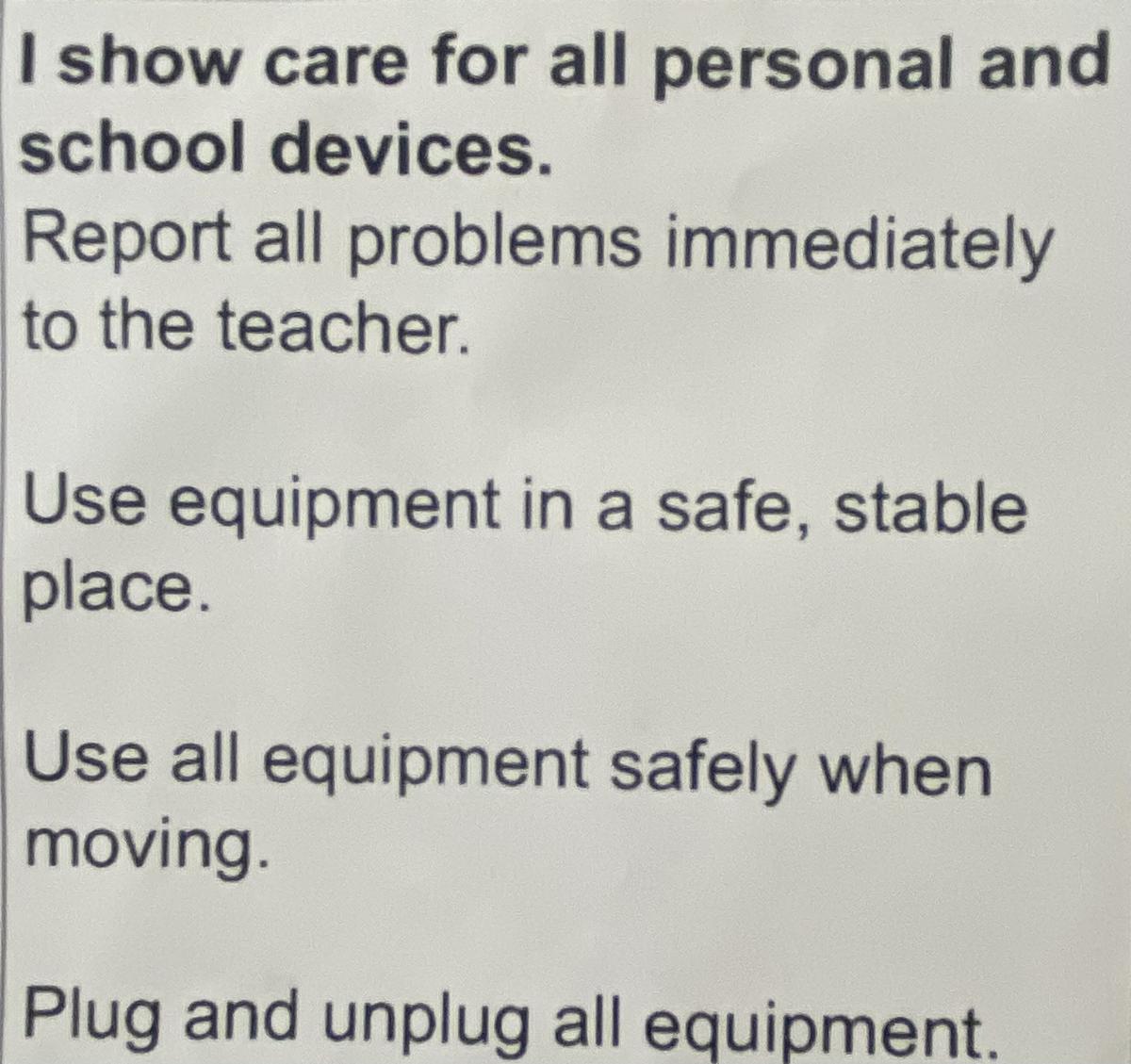
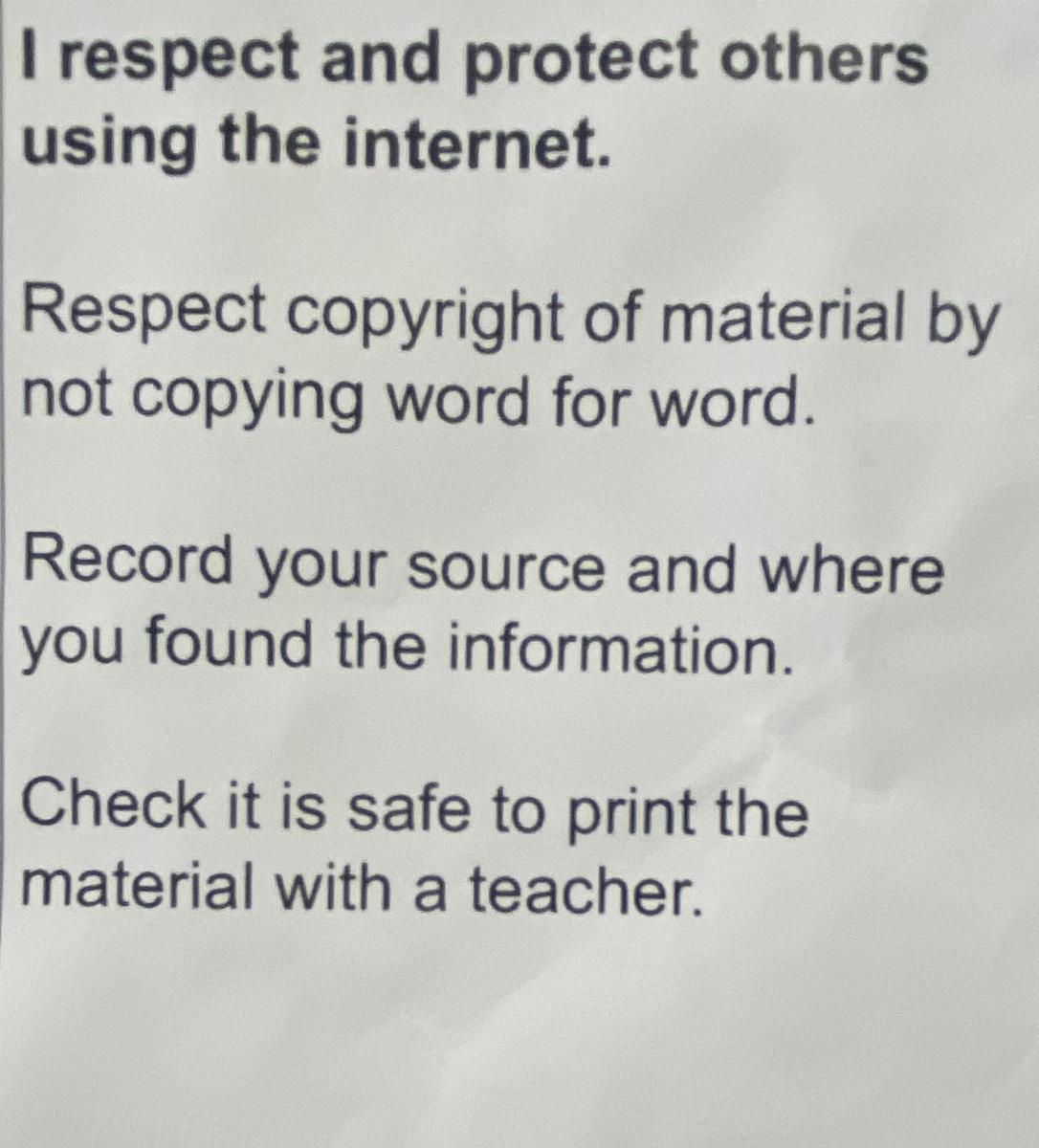
Being a part of a positive team environment involves using common agreements to be successful in achieving shared and individual goals. Each learning space works collaboratively to reflect on what it means to be successful at learning by utilising the 6 Learner Agreements. This includes how to move around the school successfully, how to treat others with respect, care and concern, how to use good problem solving skills, how to communicate well and how to stay safe when learning. After reflecting on these 6 areas in our inquiry, an agreement is made and written in language that is common to all students. Students reflect on these agreements when managing their behaviour. Each Mellor class has had the opportunity to co-construct the learner agreements and have come up with shared Mellor agreements.
Our 6 Learner Agreements Are:
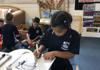
Wellbeing for students is fostered through circle time and class reflection. We use this time to encourage students to be themselves and share their thinking by taking turns to speak and listening to each other. Circle time develops class cohesion and fosters social and emotional wellbeing. This time also allows for reflection on how to sustain a positive attitude towards learning and provides opportunities to build positive relationships with others. Other topics that are discussed in circle time include helping others when they are hurt, dealing with arguments, being strong and truthful, blaming versus fixing and forgiving others.
The ultimate goal is to teach children to regulate their behaviour and support them in learning about the consequences of their behaviour.
When children regulate their own behaviour and become self-directed, their needs and interests become clearer to them and to others.
The purpose of the LNPS school-wide positive behaviour education is to establish an environment in which students can effectively manage their own behaviour and achievement is increased as a result.
Our overarching aims:
Enable the students to own their behaviour and be accountable for their behaviour
To promote and develop a culture of raising self-esteem, respect for others and positive relationships with peers and adults throughout the school
To provide a supportive structure in order to maximise opportunities for effective learning and teaching to take place
To develop students’ understanding of responsibility for their own actions
Restorative Practice is an approach which encourages children to take responsibility for their actions. This approach is a major element of behaviour education at LNPS.
The aspects of fair process, teaching students to accept responsibility, reducing hurt and harm and restoring relationships are used in our behaviour education and conflict resolution processes.
Restorative conversations are based on the following three questions: