We are powerful learners ...

 Lockleys North Primary School
We are powerful learners ...
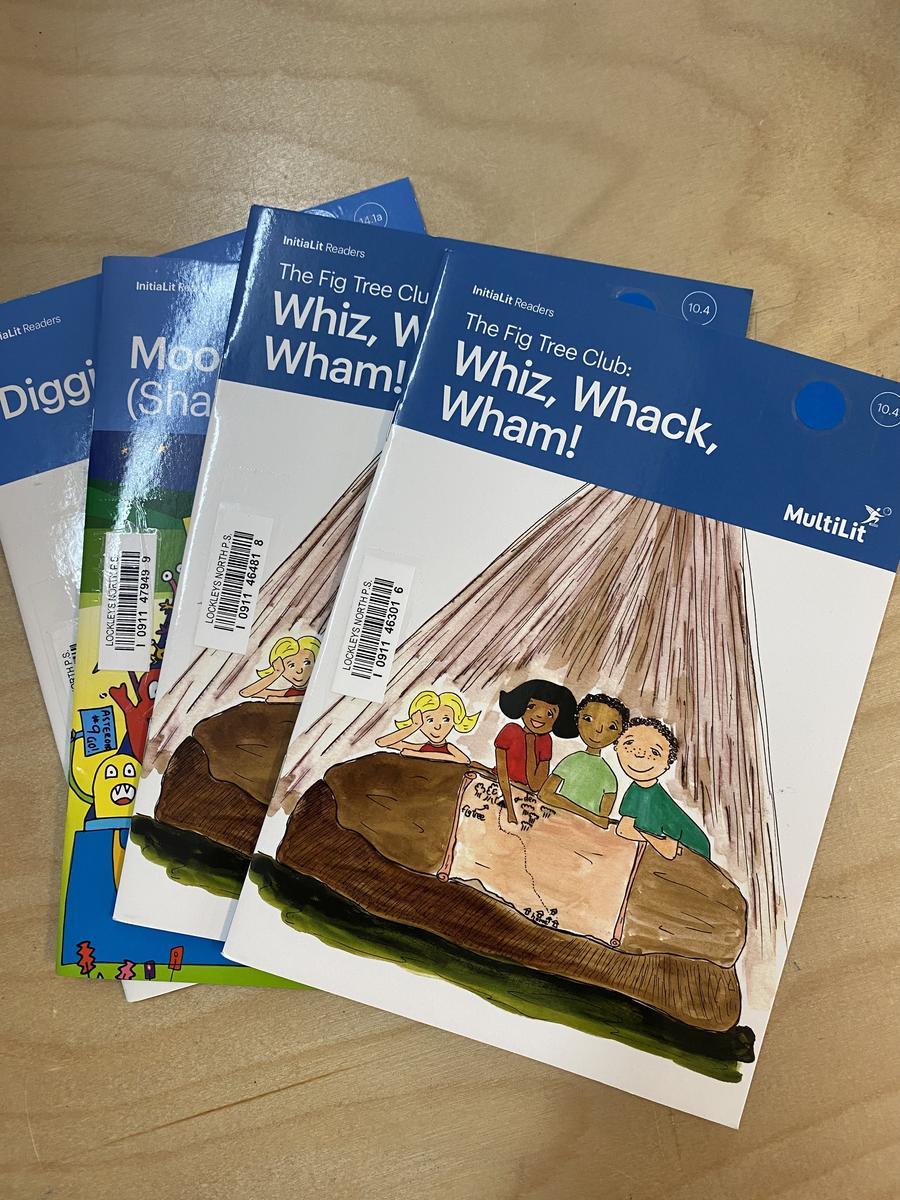
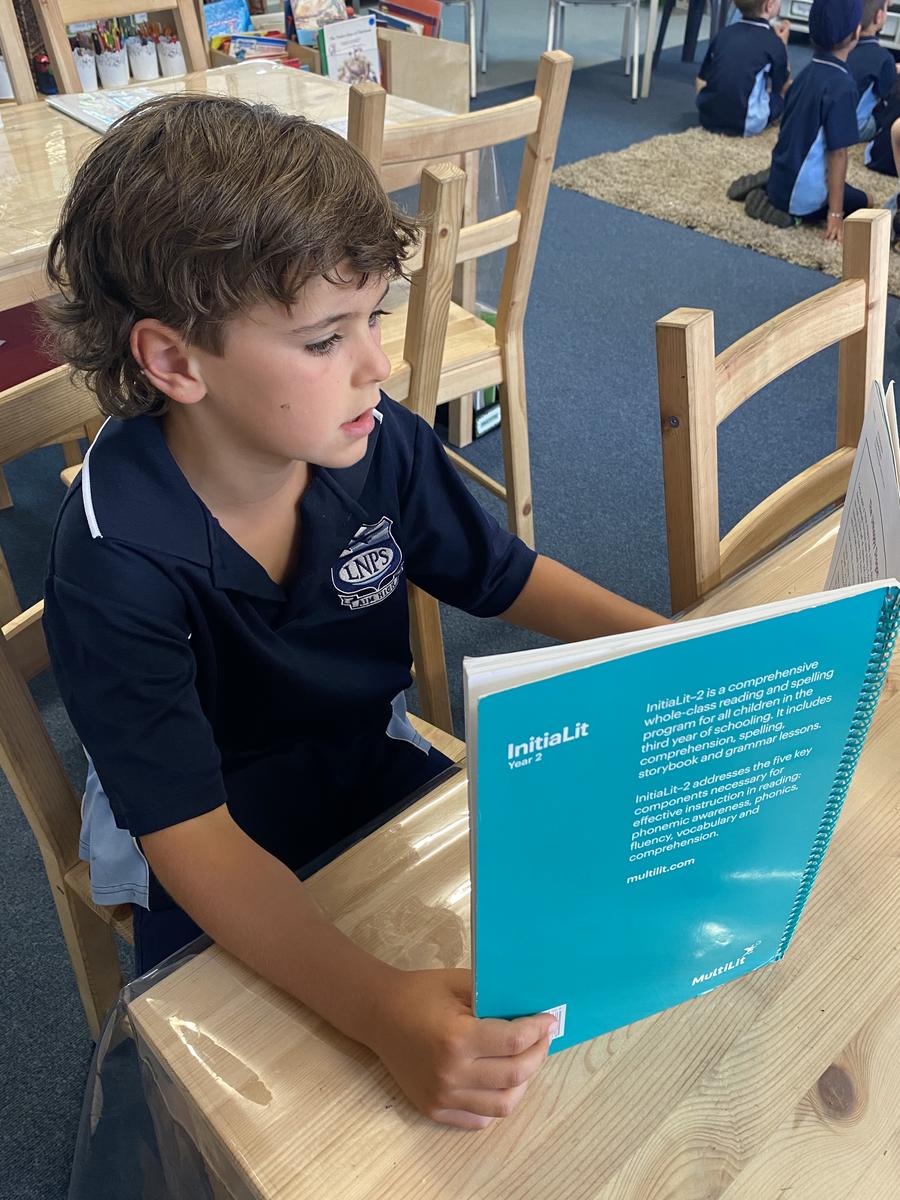
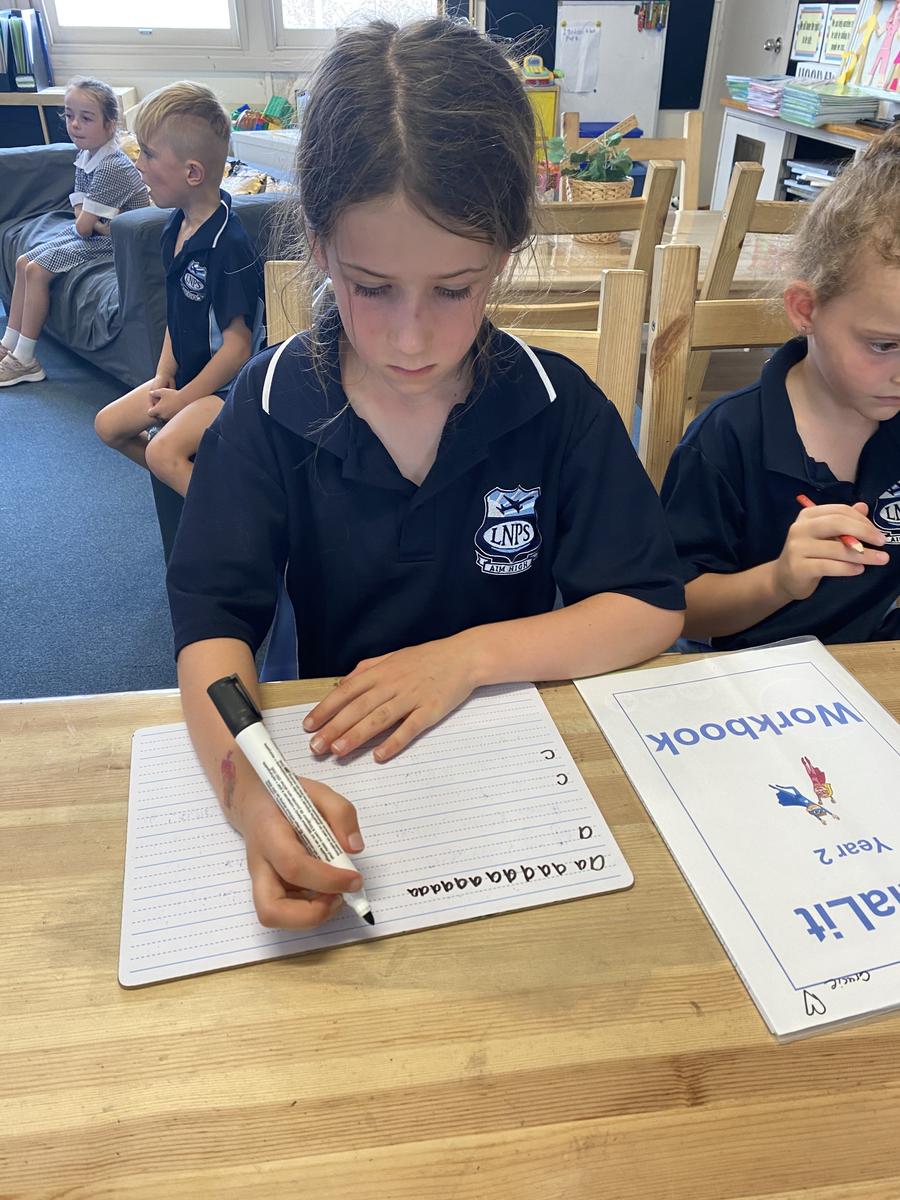
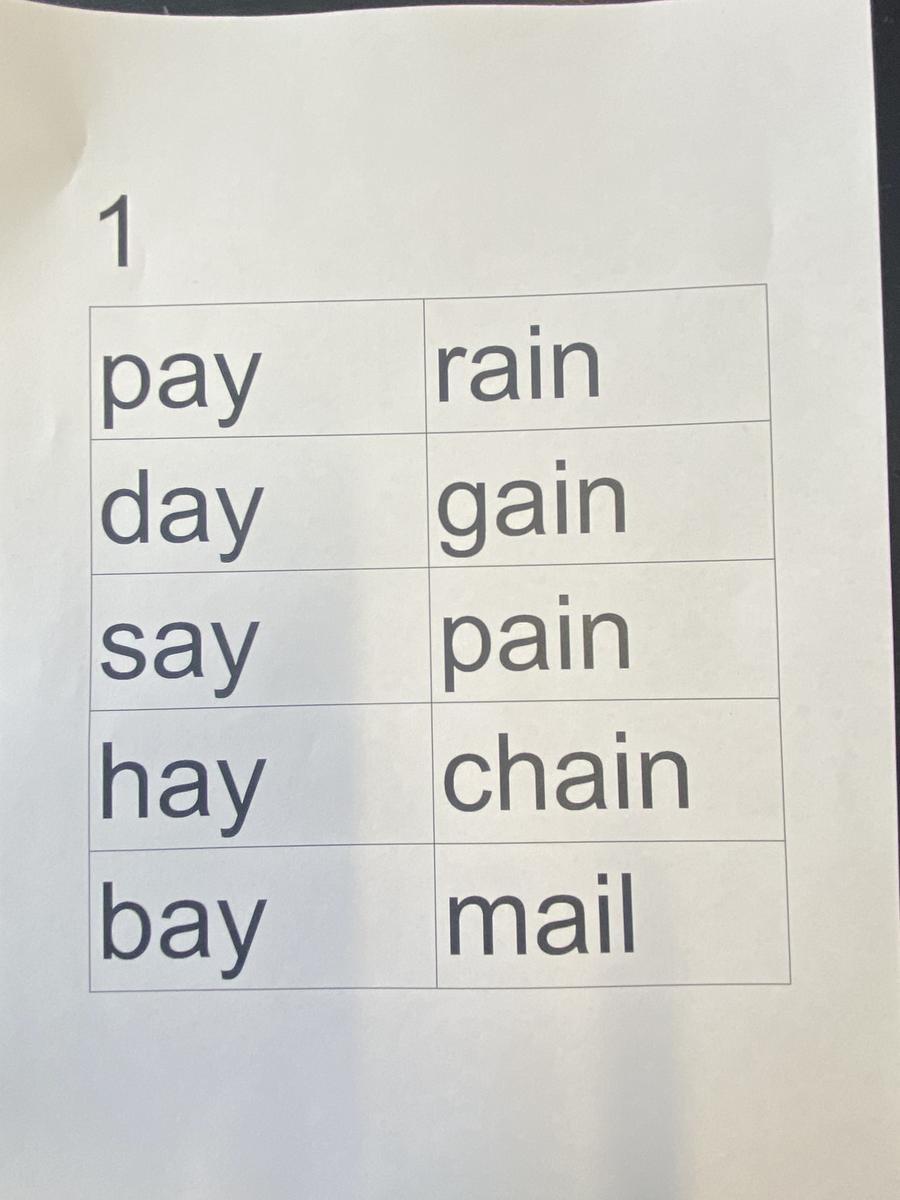
At LNPS, Year 1 / 2 students have begun the InitiaLit literacy program in Week 3. InitiaLit is a synthetic phonics approach through a program for all Early Years students.
InitiaLit is an evidence-based whole-class literacy program providing all children with the essential core knowledge and strong foundations to become successful readers and writers. The three-year program, covering the first three years of school (Reception to Year 2) provides strong foundations in reading and writing, in the hope that fewer children will fall behind and require more intensive intervention.
InitiaLit incorporates a synthetic approach to the teaching of phonics alongside a rich literature and vocabulary component. It ensures that there is consistent instruction across classrooms in a year level and that our students are exposed to the best literacy instruction focussing on vocabulary, oral language and comprehension through quality children’s literature.
Implemented across four terms, InitiaLit focusses on the main components of the reading process:
Oral Language
Phonological Awareness
Phonics
Comprehension
Fluency
Vocabulary
InitiaLit - 1 (Year 1 ) program structure
25 minutes of whole-class teaching
10 minutes of spelling as the lesson directs
30-40 minutes of small group and independent work (using targeted and differentiated activities to consolidate the teaching that has taken place during the whole-class lesson)
15-20 minutes for a Storybook session incorporating vocabulary, world connections and specific genre writing tasks
Ongoing progress monitoring using curriculum-based assessments to identify and respond to the needs of children.
InitiaLit 2 (Year 2)
The program focusses on consolidating children’s reading and spelling skills, working specifically on reading comprehension, fluency, spelling and vocabulary.
InitiaLit–2 has four main components:
Spelling
This component reviews phoneme-grapheme correspondences and spelling concepts taught. Children will also learn new spelling rules and morphological concepts.
Reading comprehension and fluency
In this component, children will be taught comprehension strategies explicitly and how to apply them to different types of text. They will also be given regular opportunities to work on reading fluency through echo, choral and paired reading.
Grammar
Children will be explicitly taught key grammatical features and how to apply them to a writing task.
Vocabulary oral language and comprehension through children’s literature.
InitiaLit–2 program structure includes the following:
Two comprehension and fluency lessons per week (approx. 40 minutes each)
Three spelling lessons per week (approx. 20-30 minutes each)
Two storybook lessons per week (approx. 30 minutes each)
Grammar lessons during writing lessons
Reading groups
Ongoing curriculum-based assessments
We encourage all families to attend our Parent Information Evening - Register via Eventbrite link.
Bookmaking
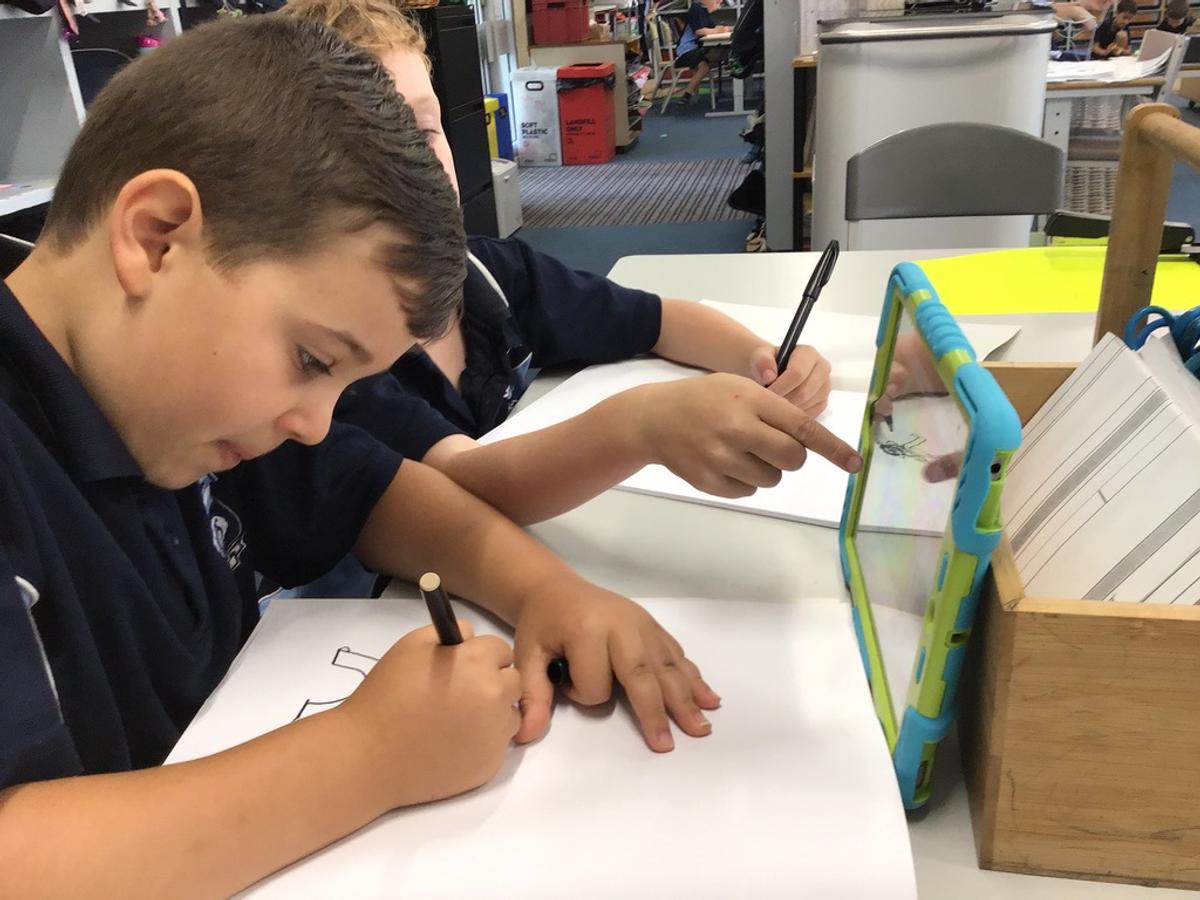
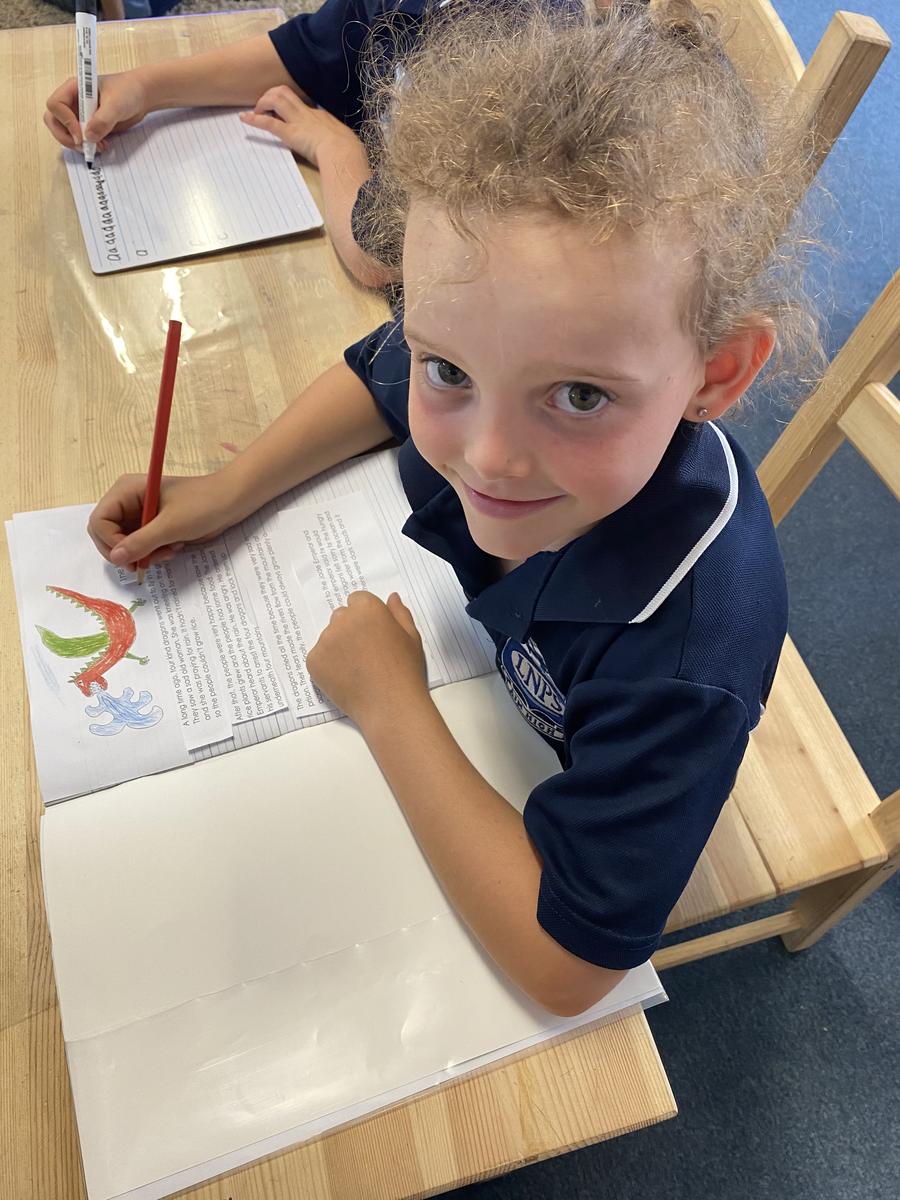
Bookmaking is an important part of English as it encourages students to create their own pieces of writing on topics they are interested in. It gives them an opportunity to use the variety of features and strategies that authors have used in books they have been listening to and learning about during lessons and discussion times throughout the day. By making their own decisions about characters, plot, setting and writing features, students can use their imagination to express ideas and entertain others.
Text types
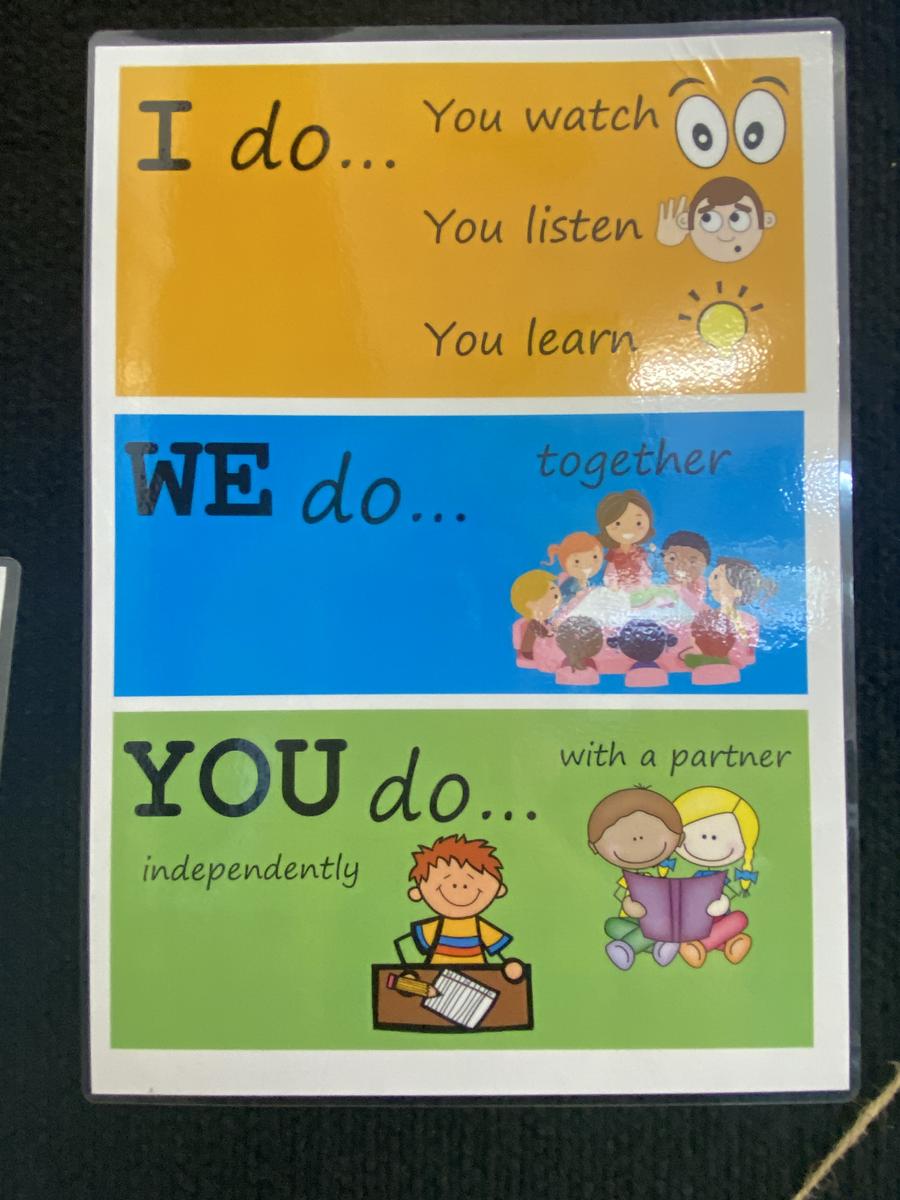
Year 1 and 2 students will have 2 lessons a week on a text type, learning to write for different purposes. They will focus on 1 text type per term. Students learn the purpose and features of the text type and how to write narratives, procedures, recounts, explanations, information reports and argument. Using the I do, we do, you do model, students have the features modelled in writing lessons, work together with the teacher to write some and in the 'YOU do' stage, students work independently to write texts.
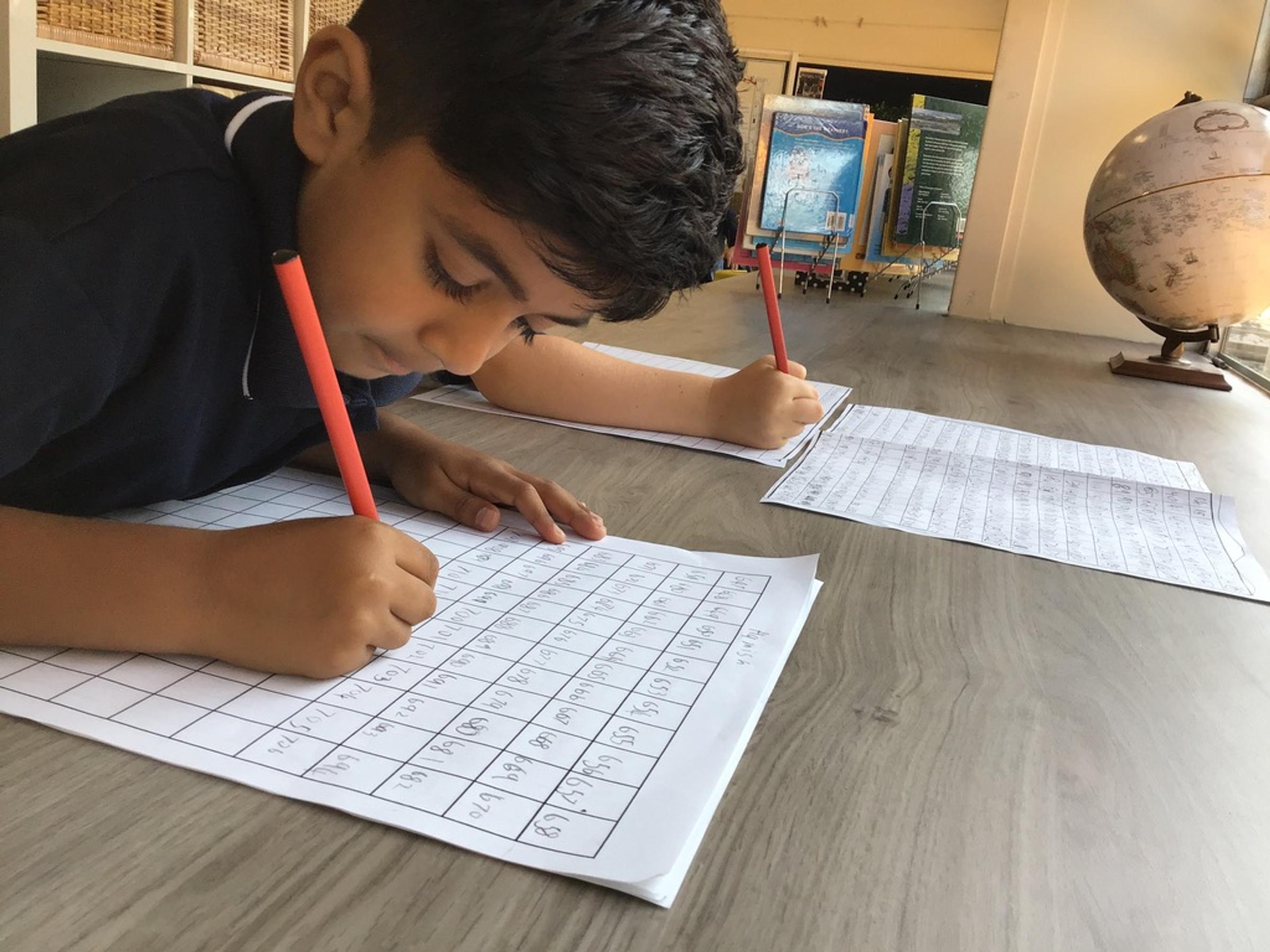
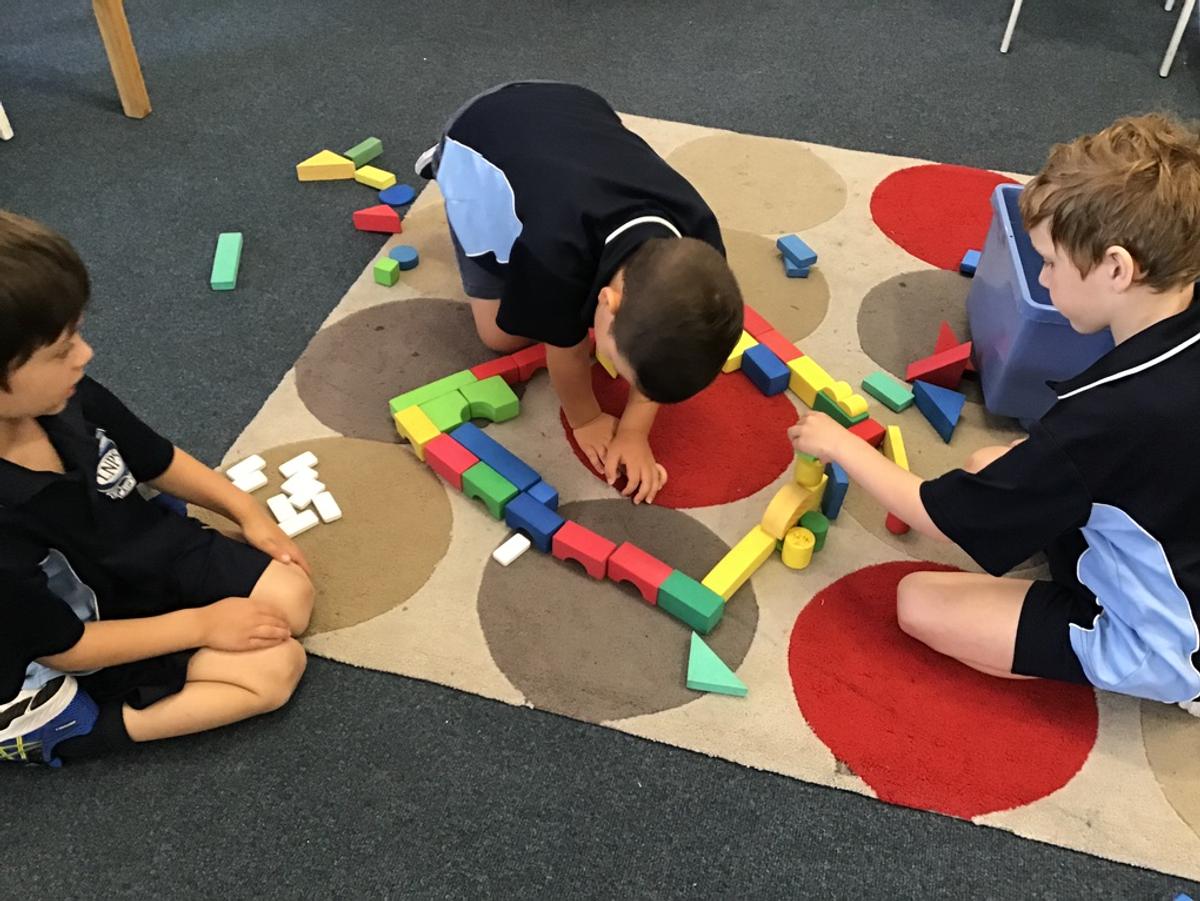
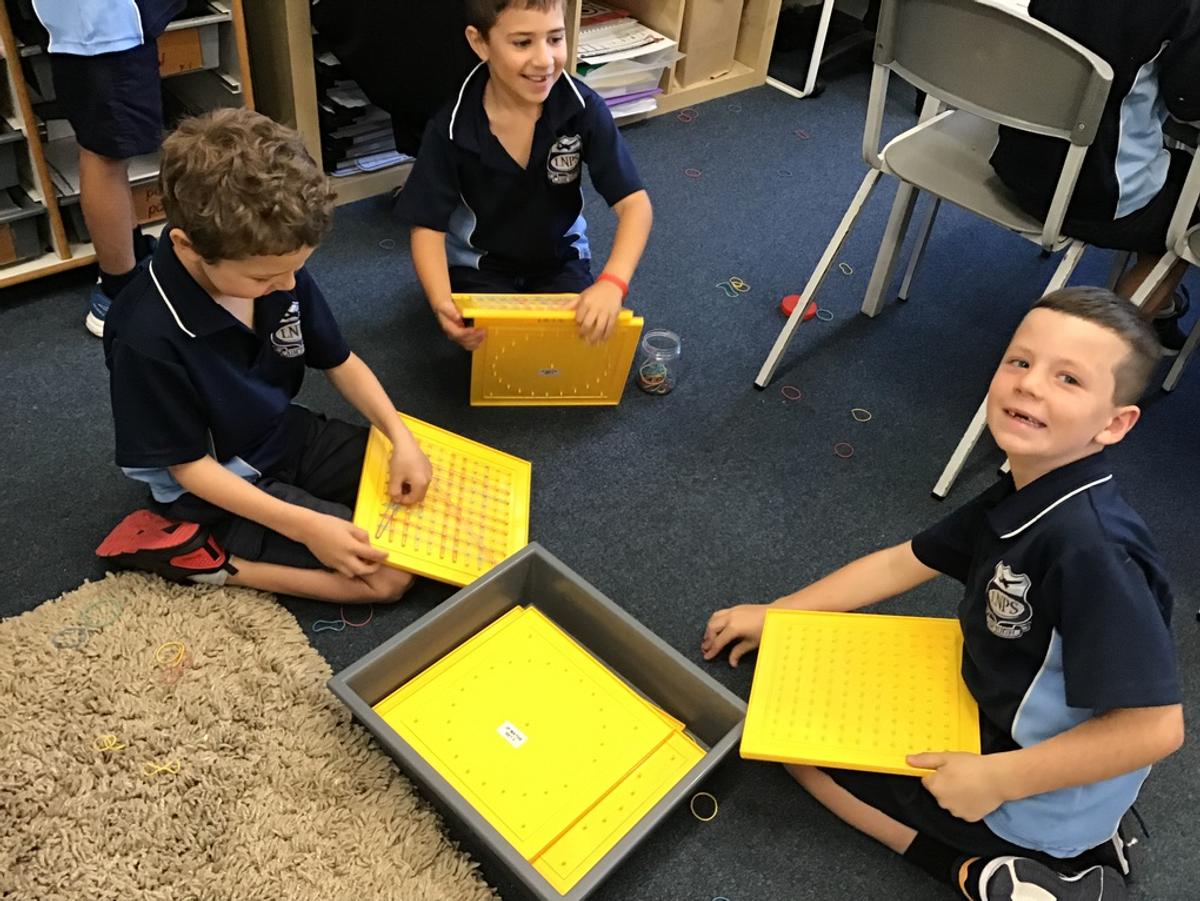
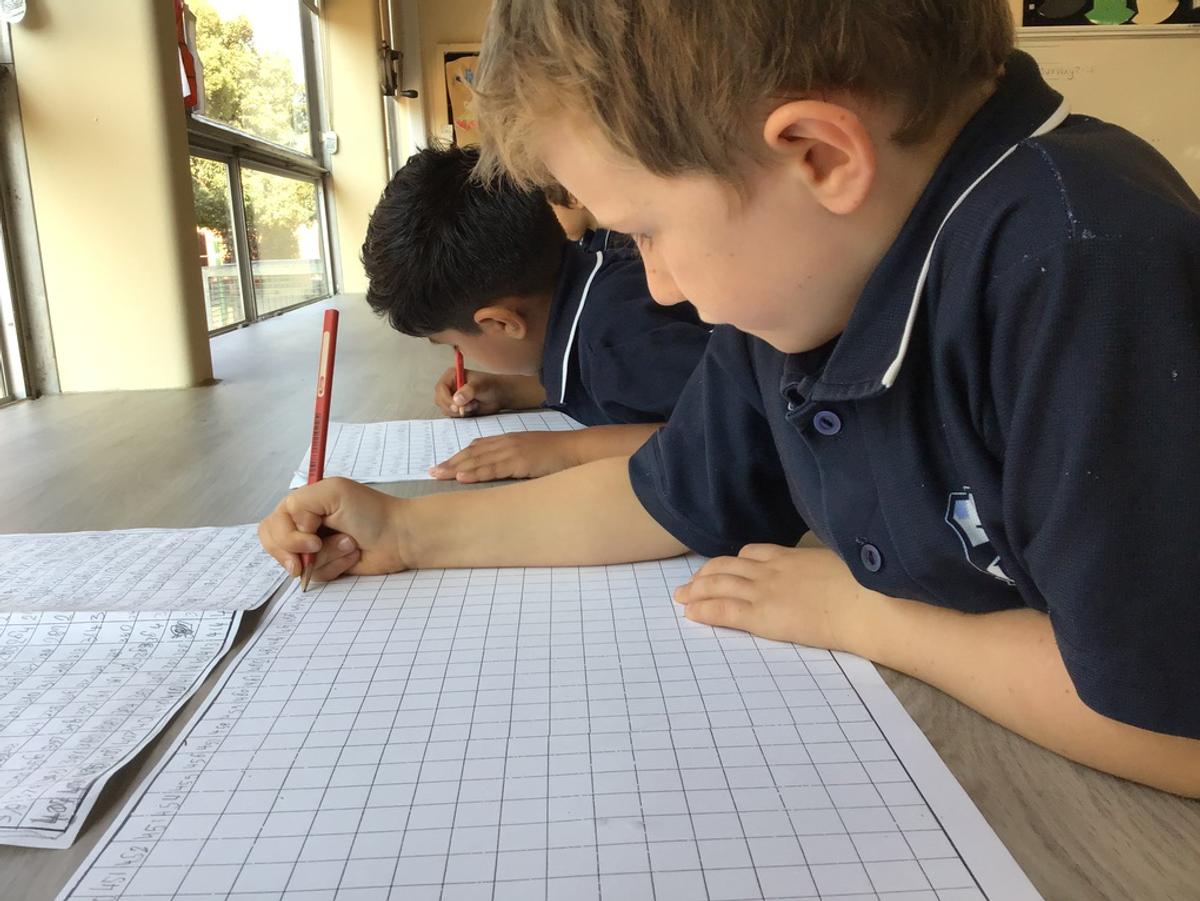
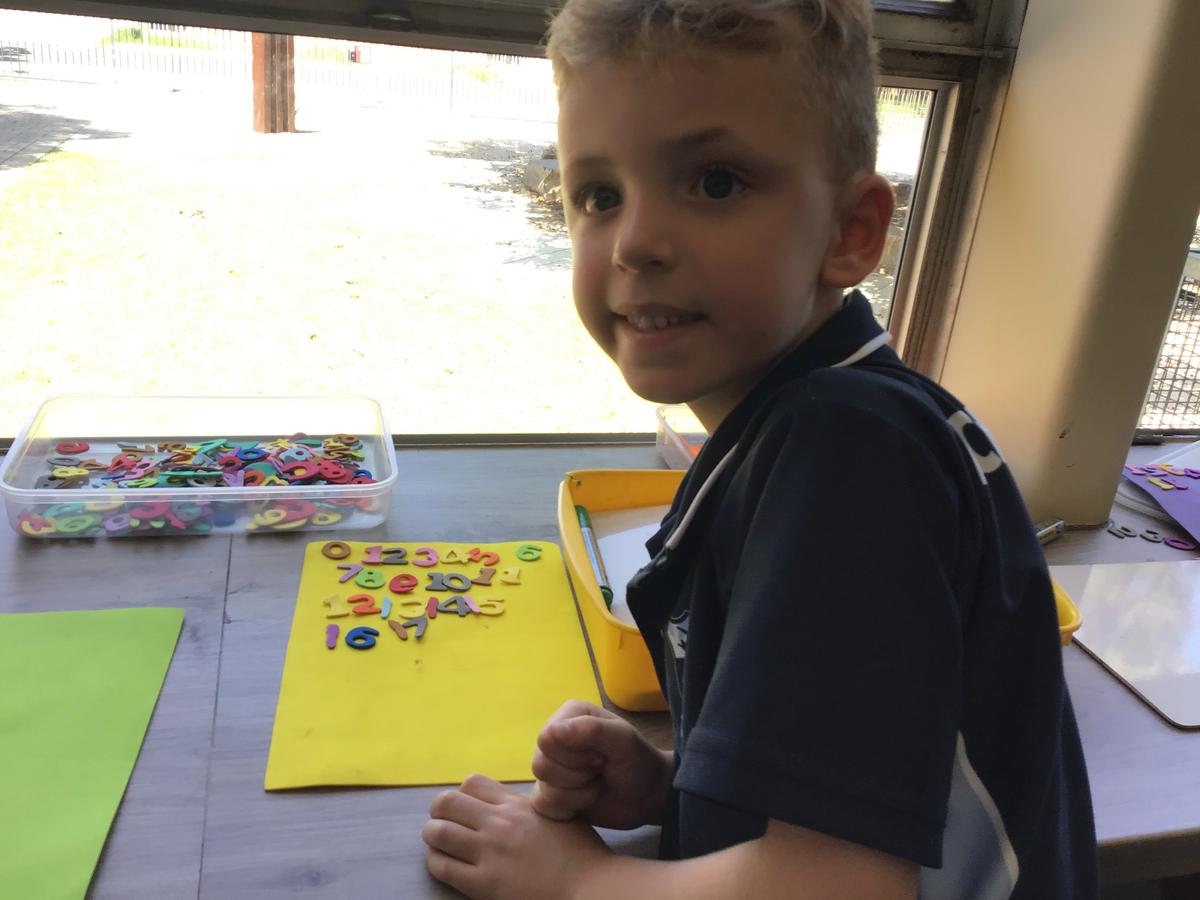
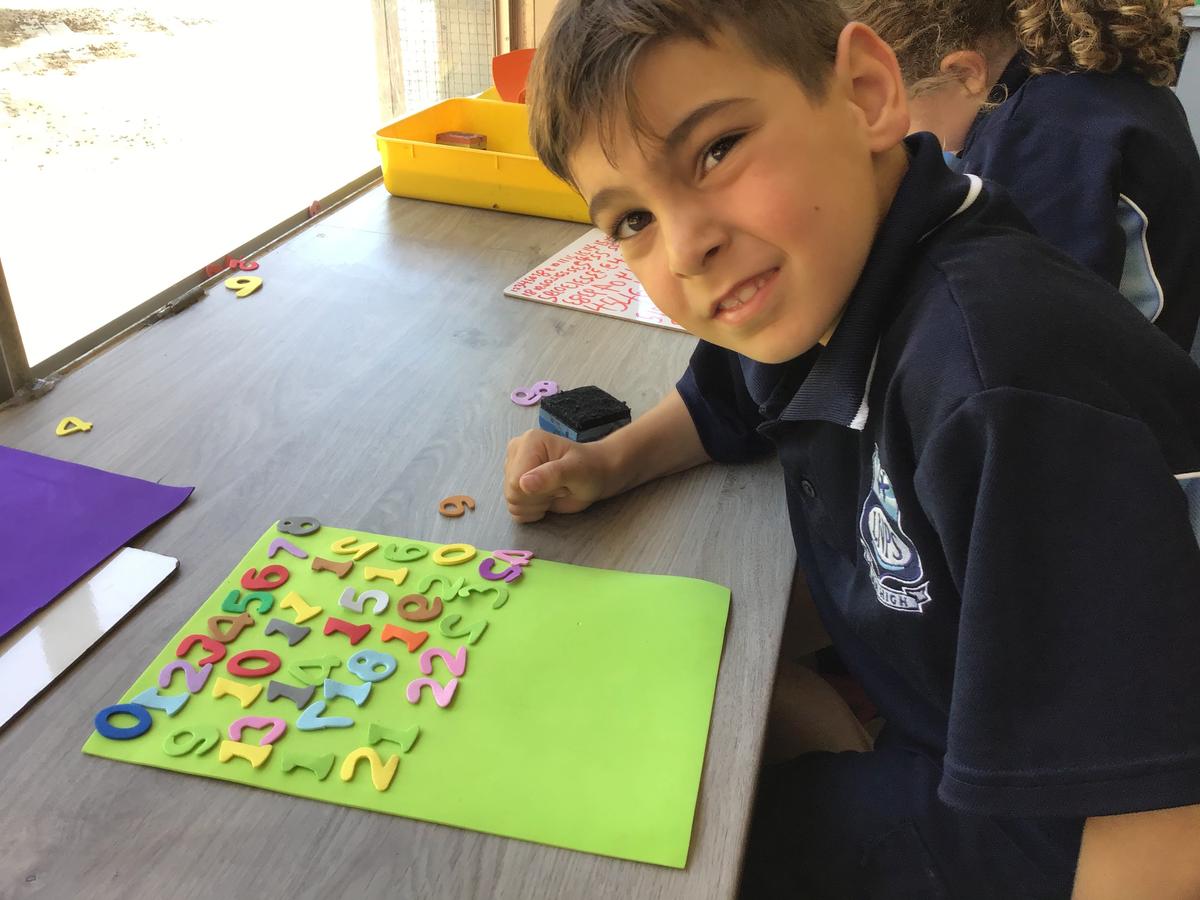
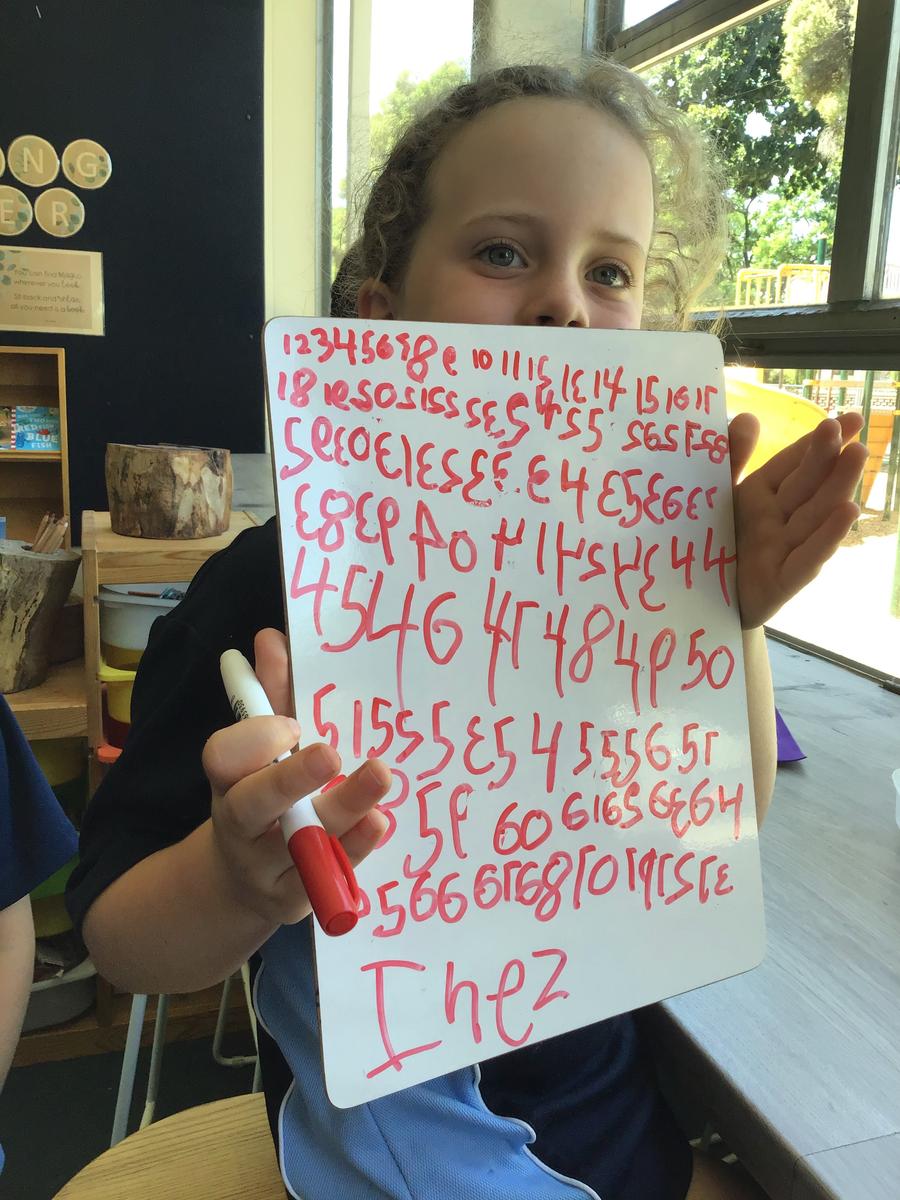
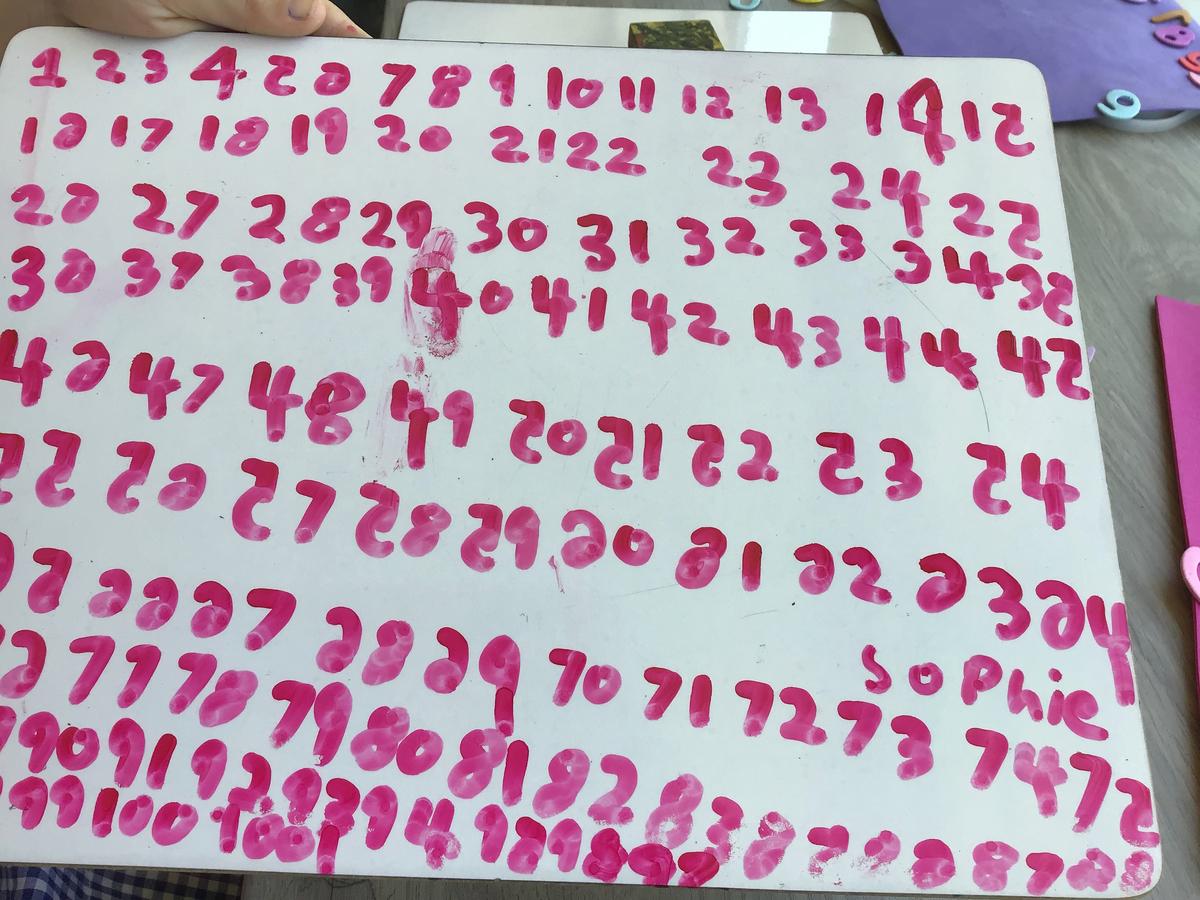
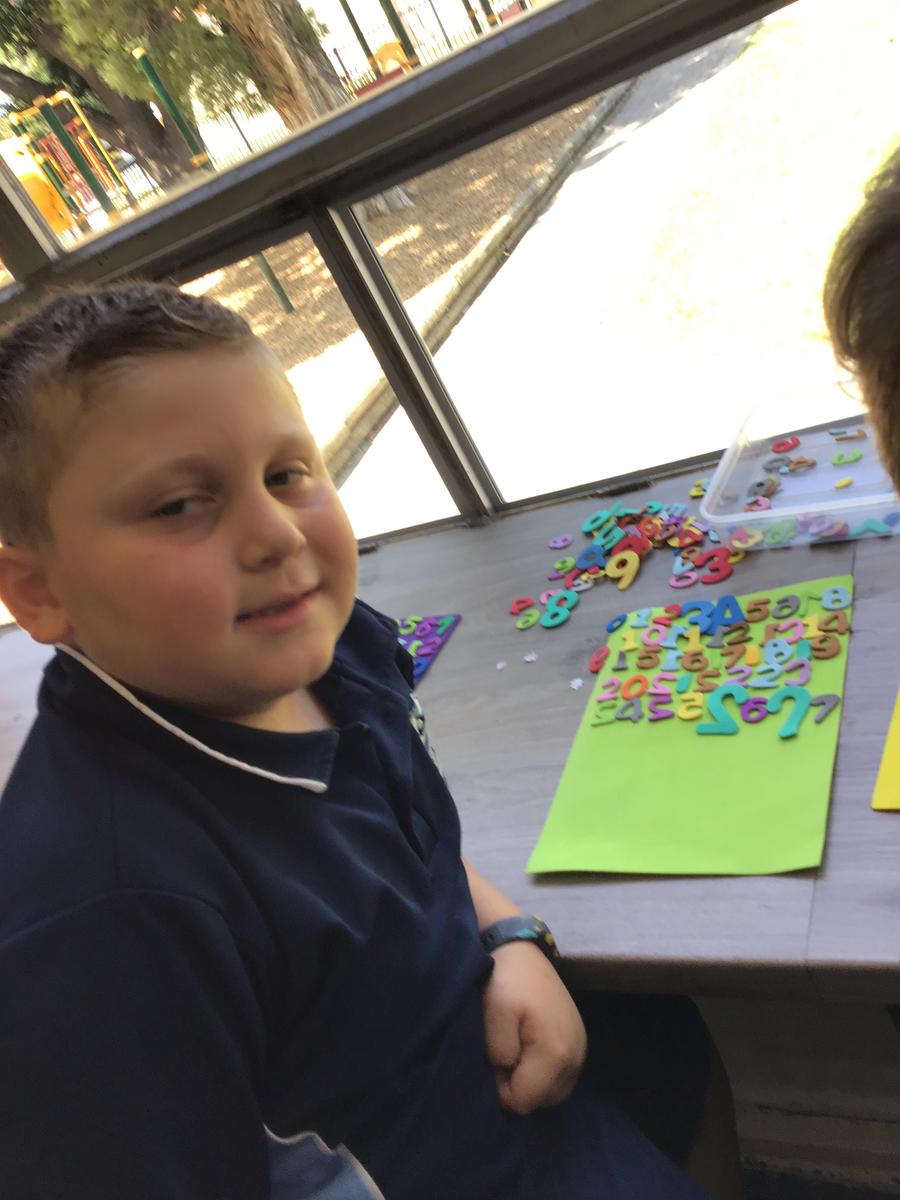
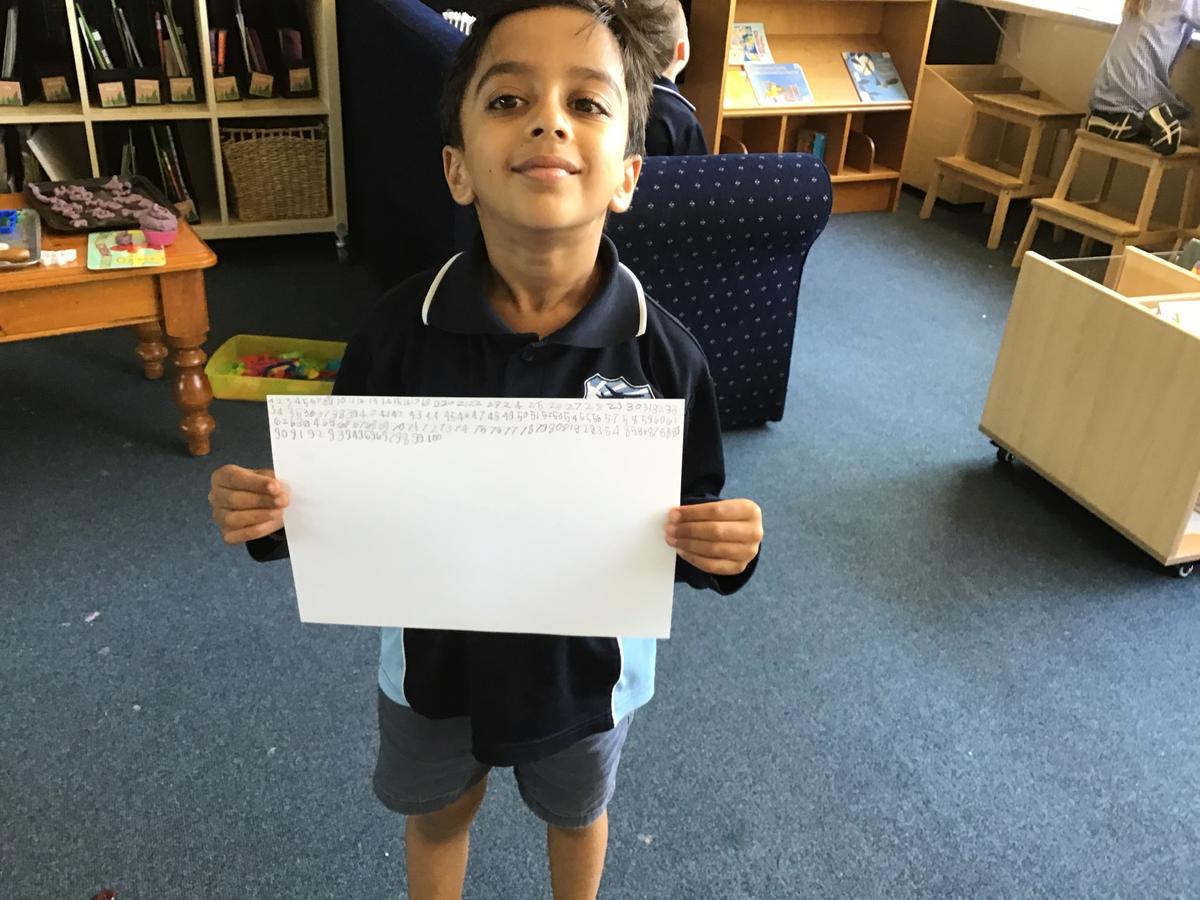
The focus in Maths for Semester 1, is to develop students' number sense so that they are fluent, flexible and can select efficient strategies when working with number.
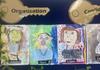
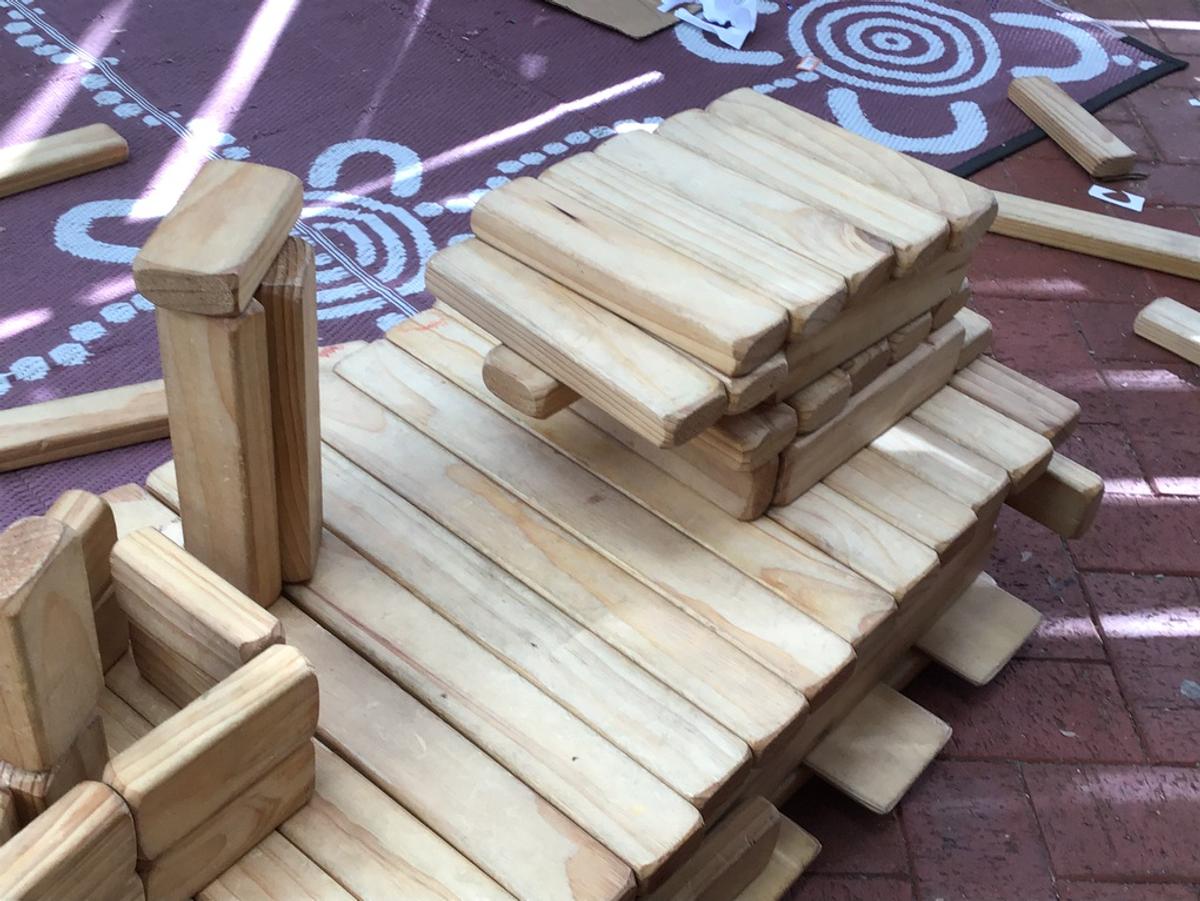
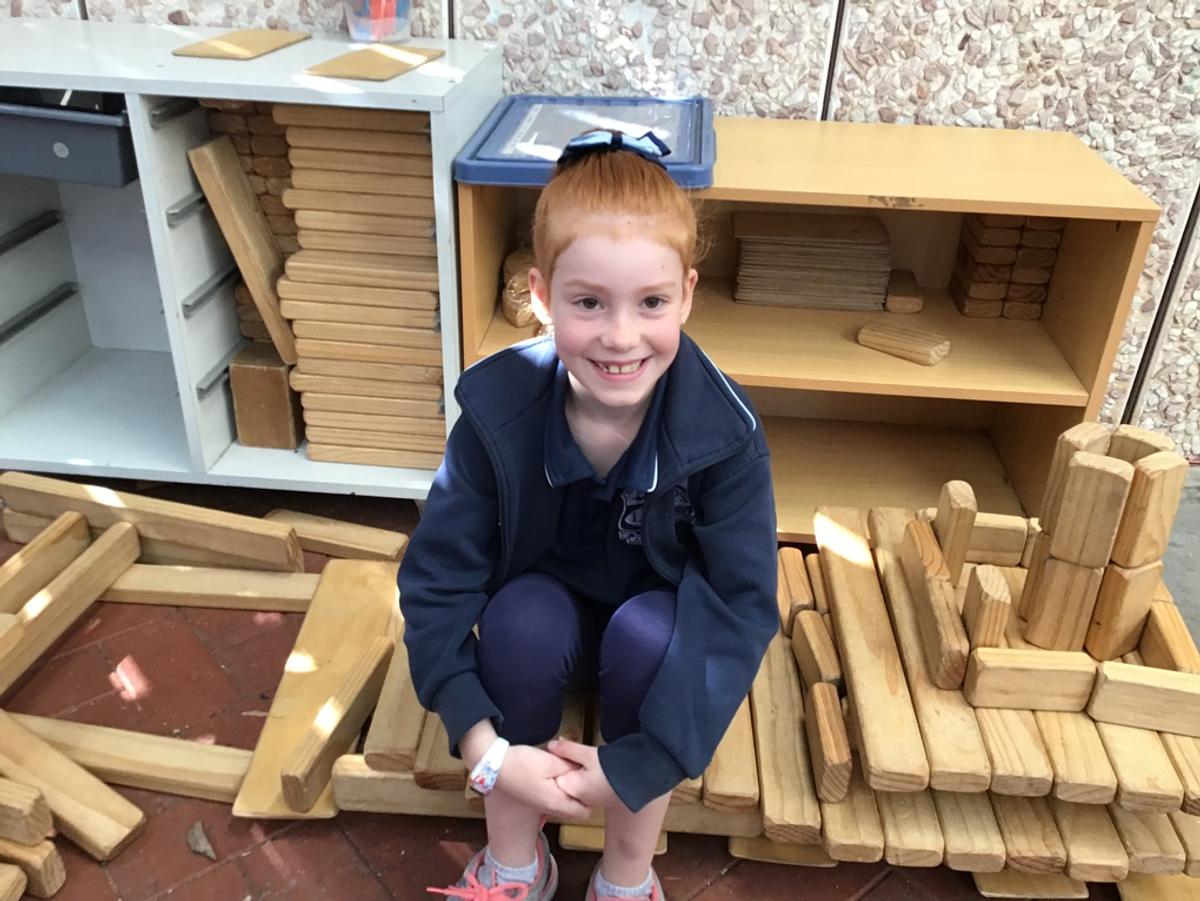
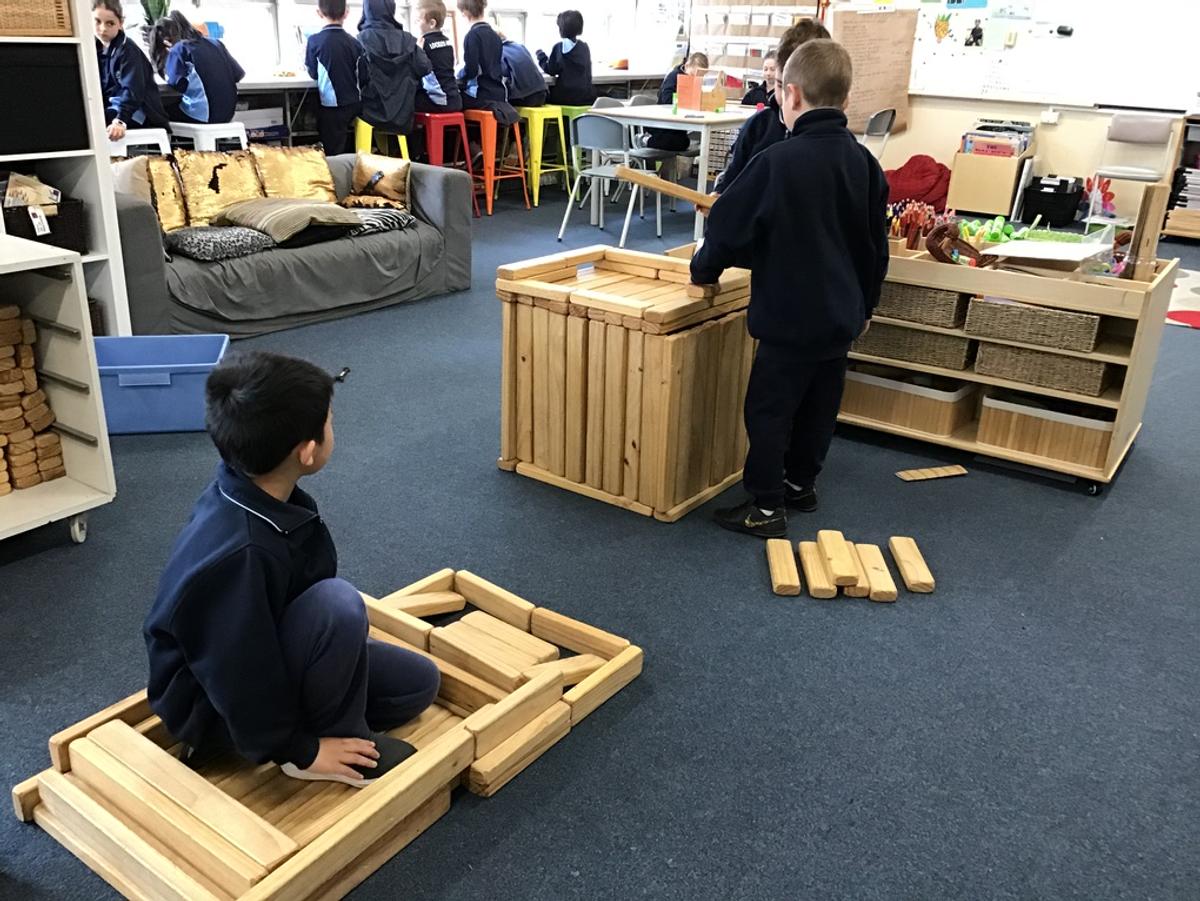
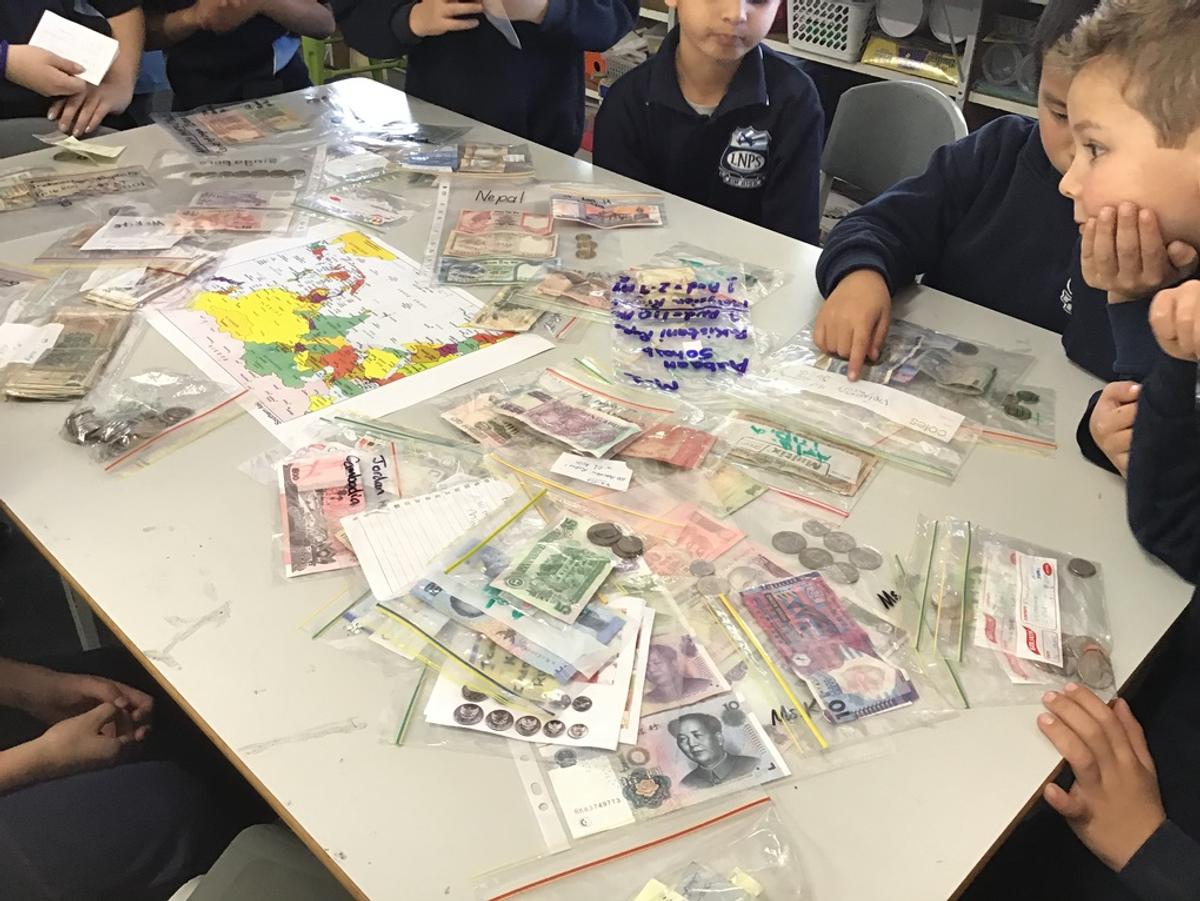
Every aspect of our lives is linked to Maths as we count, compare, sequence, pattern, measure, organise, recognise shape, and learn words to express position and location. Below is a picture showing a small range of ways Maths is involved in our daily lives. There are lots more.

Students are continually adjusting their understanding of Maths as they interact with the world. Crucial to their development is being able to count with understanding. This enables students to use number in multiple ways in a wide range of contexts.
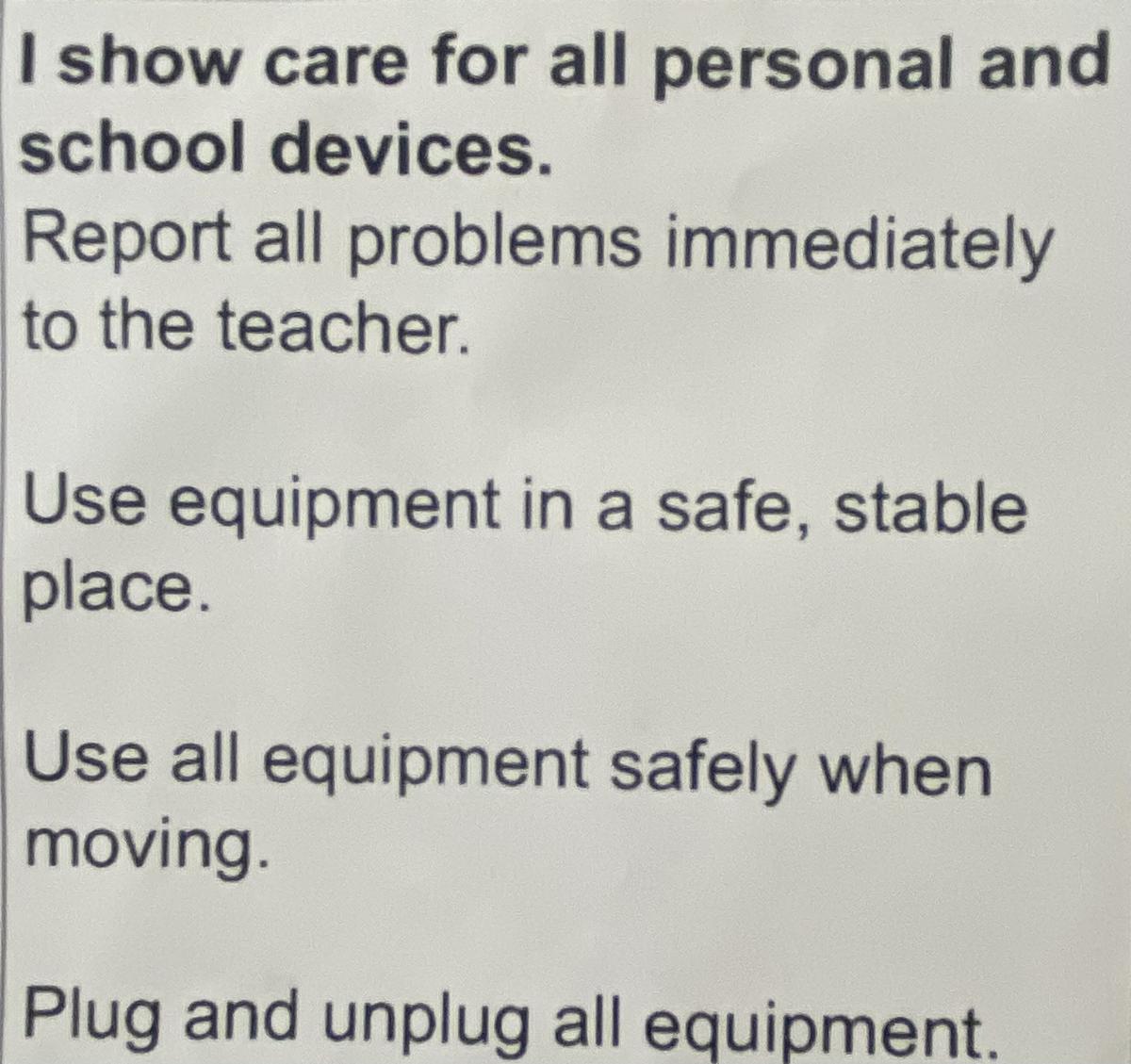
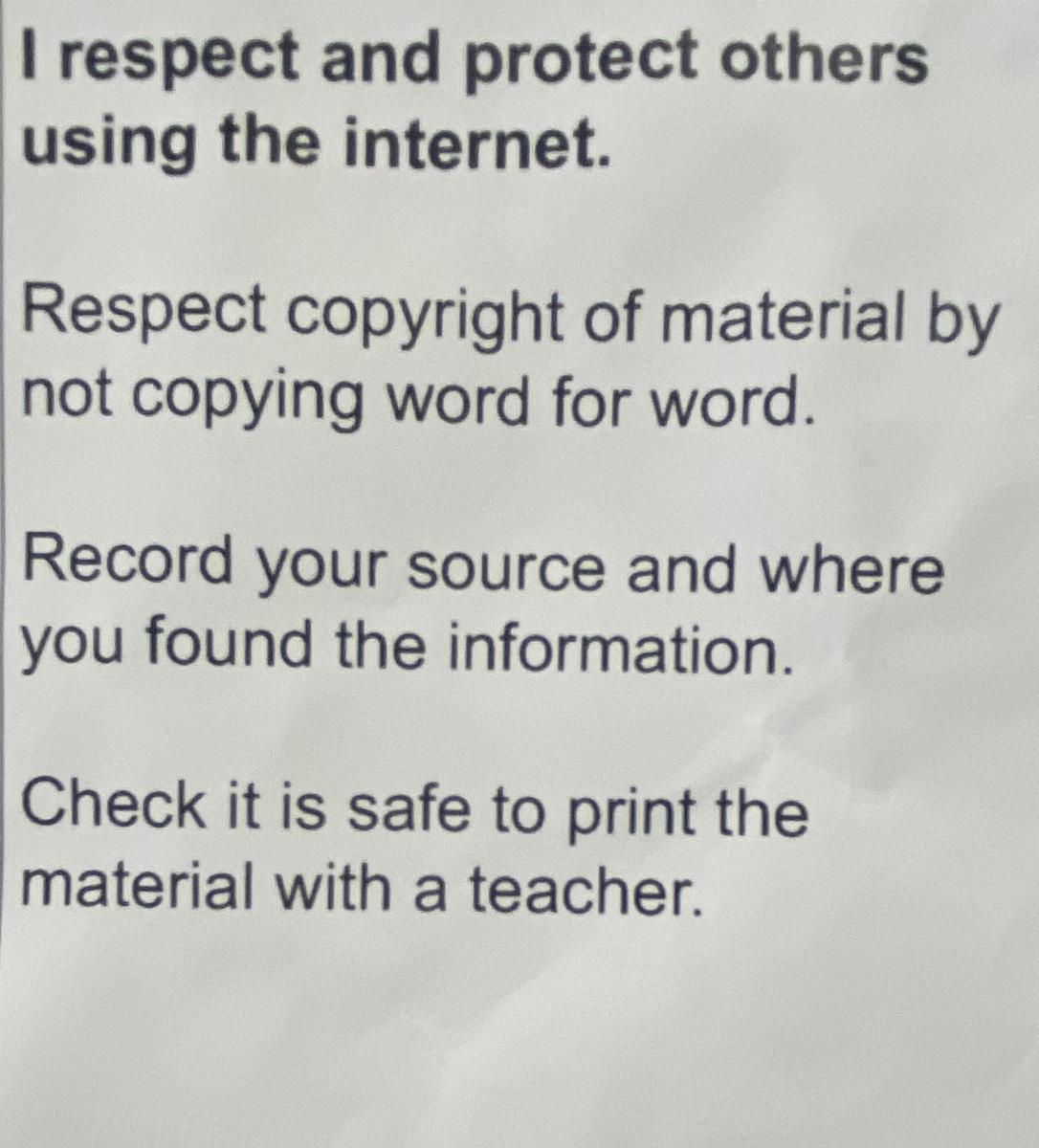
All Year 1 and 2 students have the opportunity to use information and communication technologies (ICTs) in the form of iPads and Chromebooks, provided in each learning area, to support and enhance teaching and learning programs at LNPS. The purpose of ICT’s is to enable students to develop research skills, become fluent with device functions and features of programs, to stimulate creativity and to develop responsible internet citizens with an awareness of the need for cyber safety.
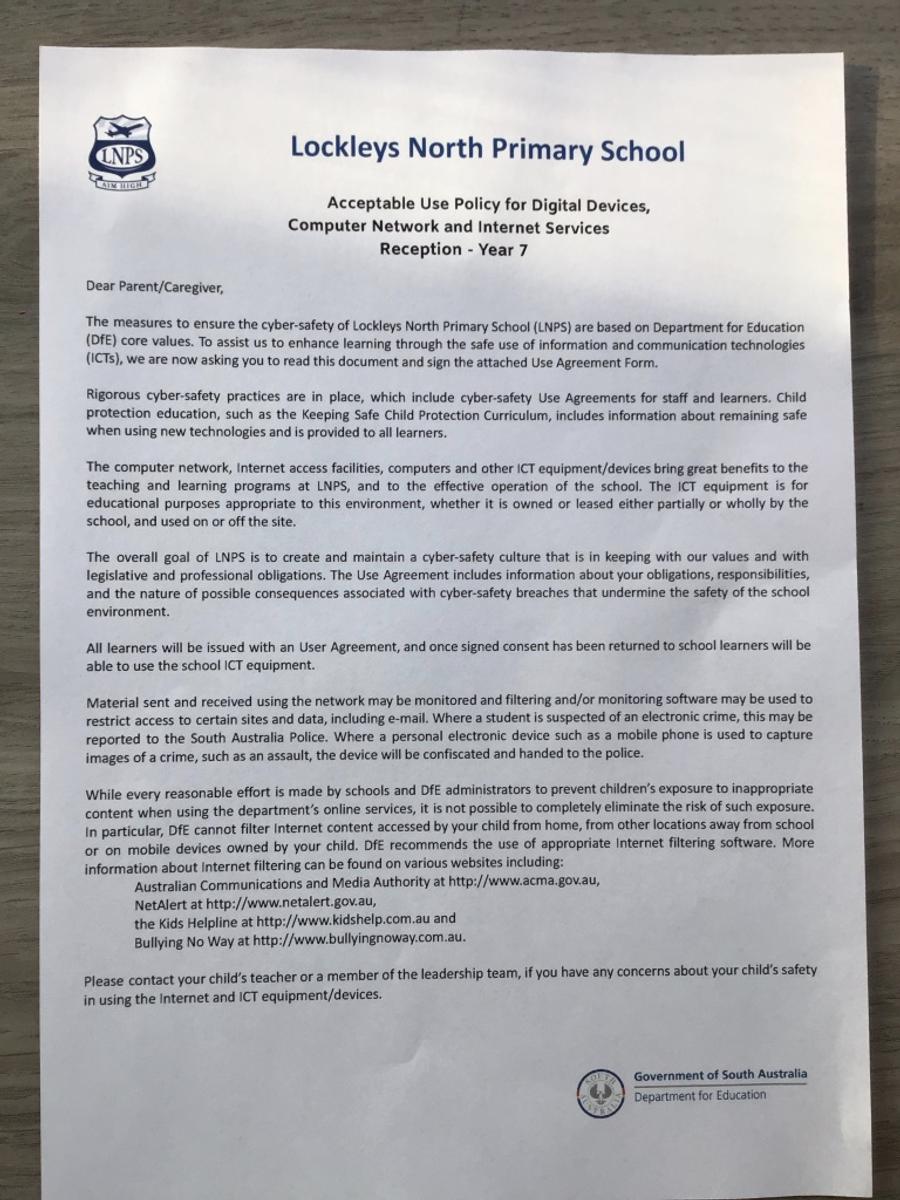
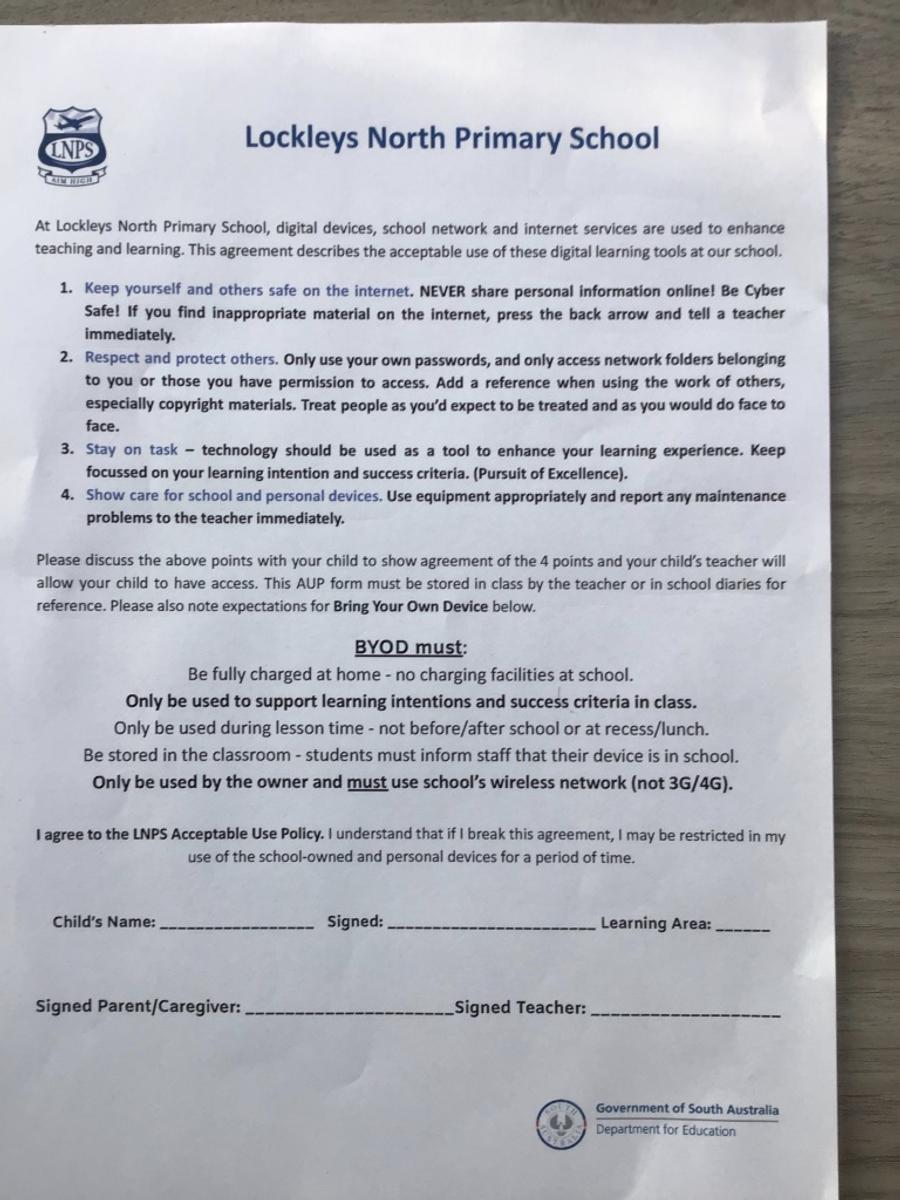
Parents are asked to read and discuss the areas covered in the LNPS Acceptable Use Policy for Digital Devices, Computer Network and Internet Services Reception - Year 7 before signing and returning to the school. A copy of the Policy and Agreement will be coming home today (14/2/20).