Principal's Report
Kylie O'Donnell
Principal's Report
Kylie O'Donnell
Dear Parents and Carers,
Over the past two weeks, our school community has enjoyed a number of wonderful events and opportunities for learning. One of the highlights has undoubtedly been our celebration of Children's Book Council of Australia (CBCA) Book Week. The importance of reading cannot be overstated, and Book Week provides a valuable opportunity to celebrate the joy of books, storytelling and imagination with our students. The Book Parade has become a much-loved tradition at St Margaret Mary's, as has the eagerly anticipated teachers' performance, and this year was certainly no exception. It was wonderful to see the creativity, enthusiasm and love of literature on display from both students and staff.
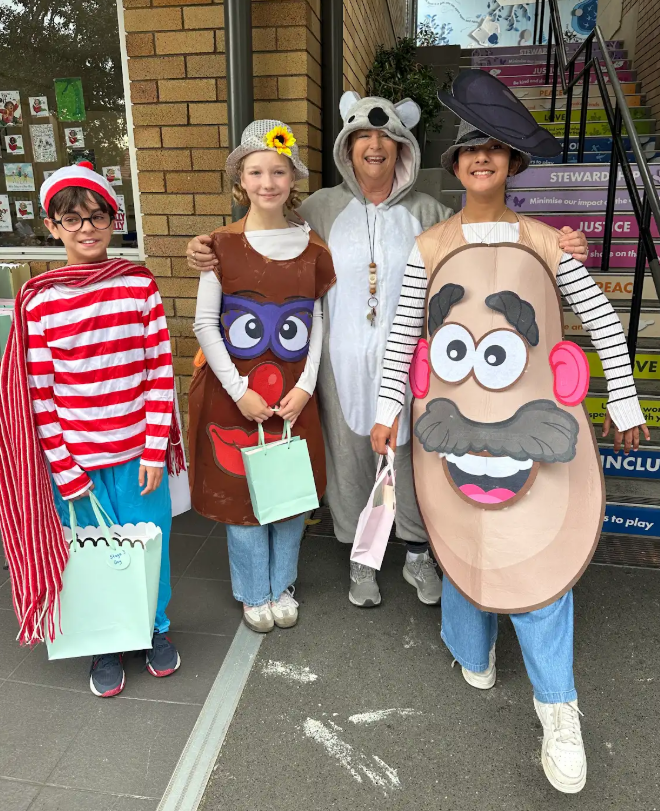
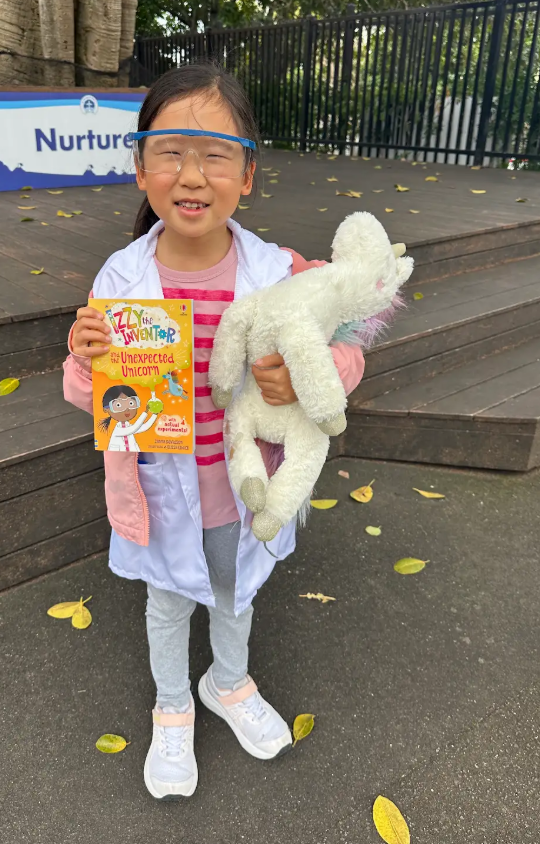

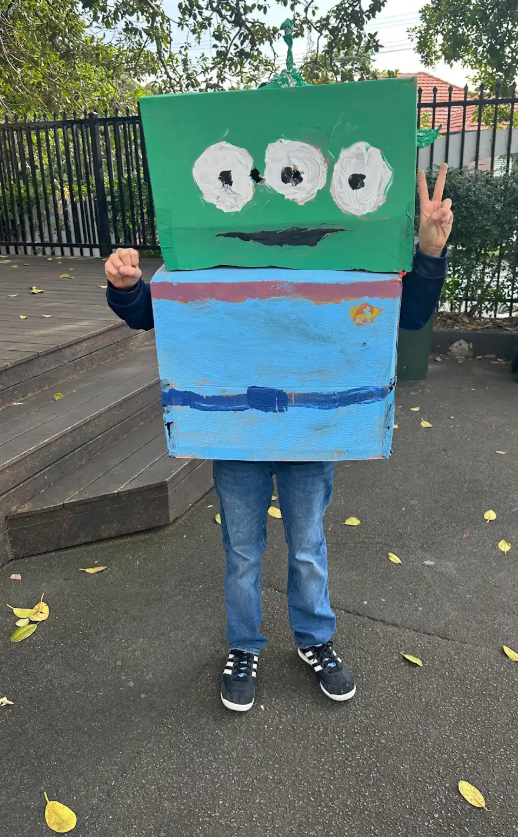
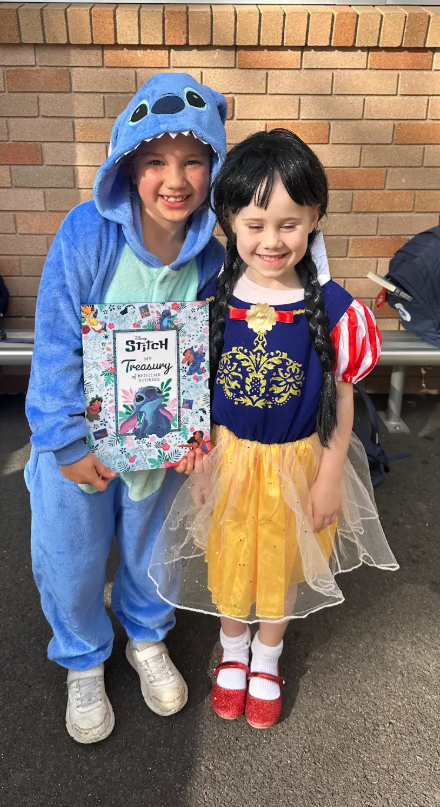
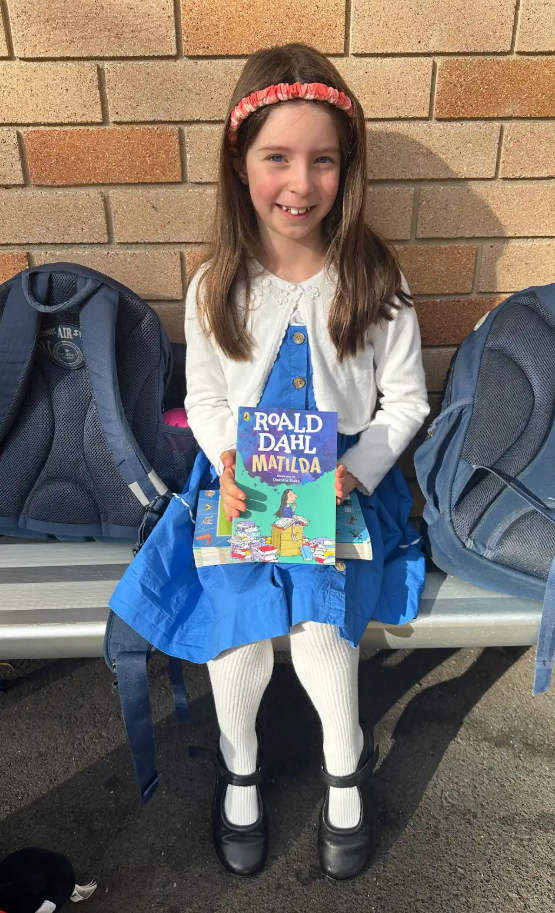
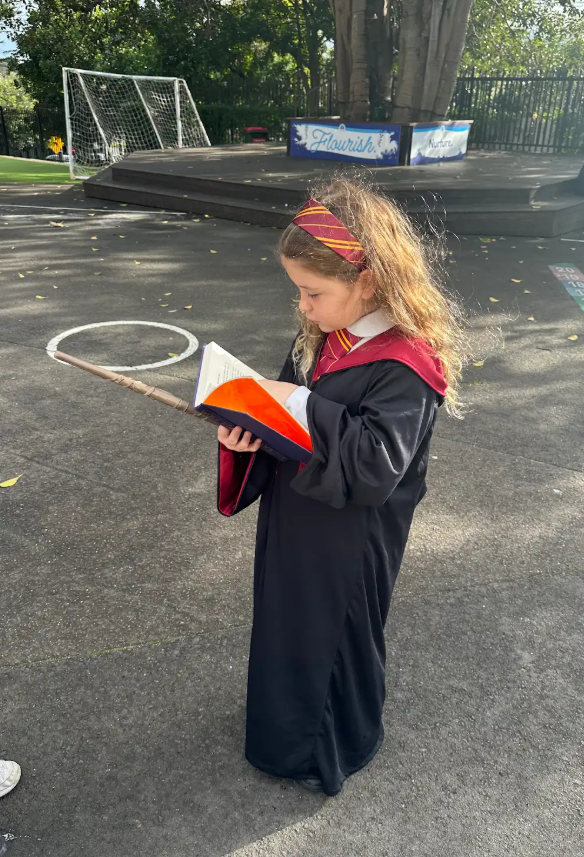
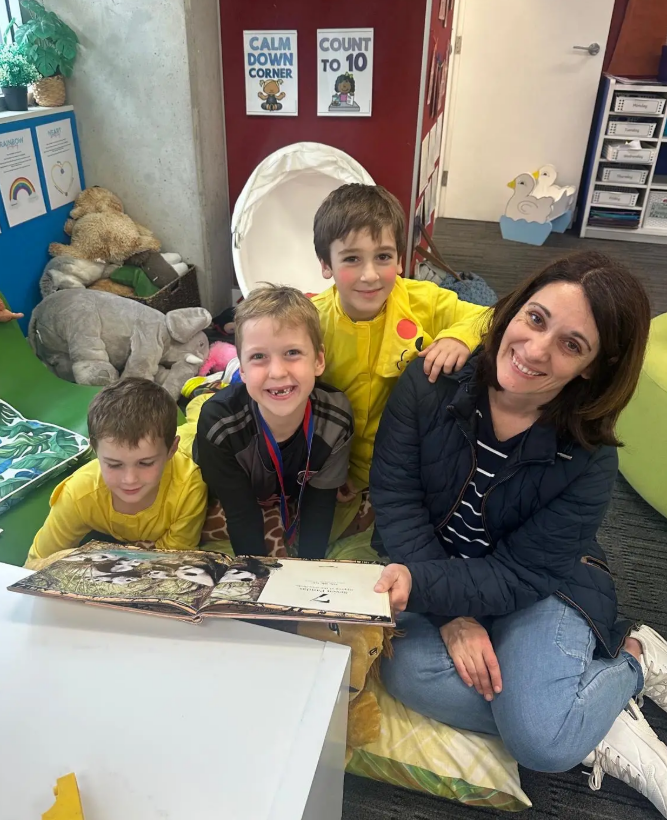
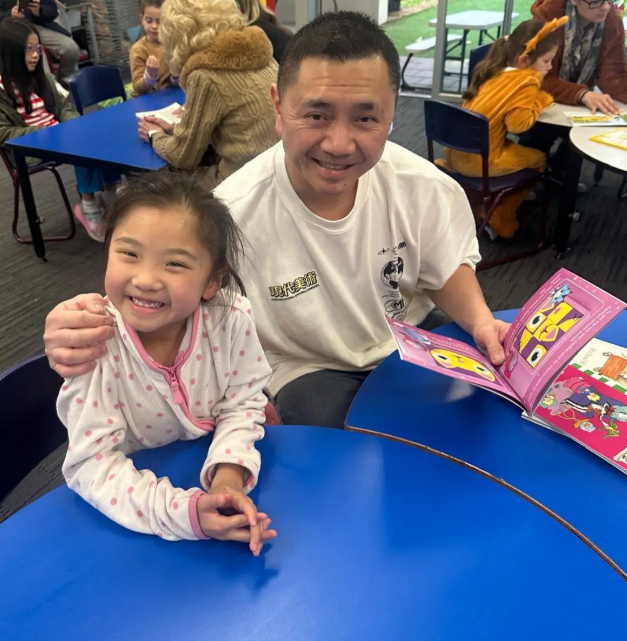
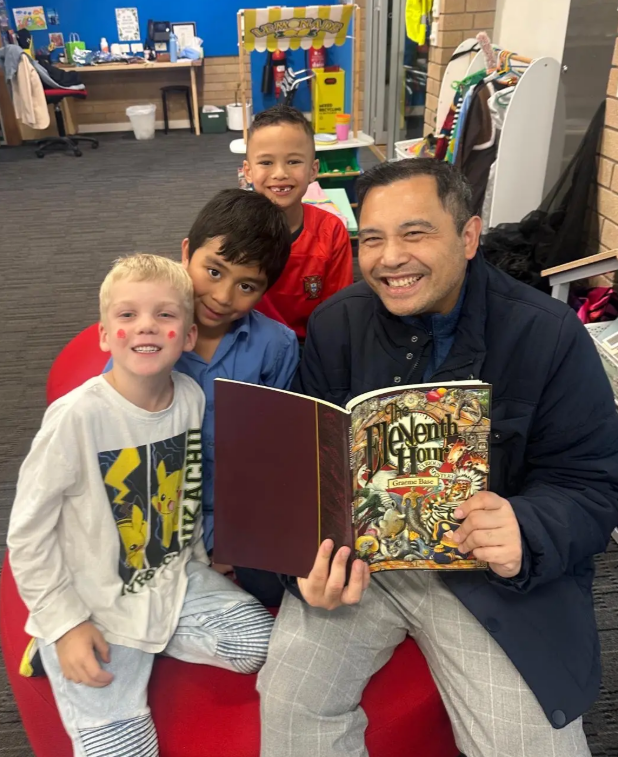
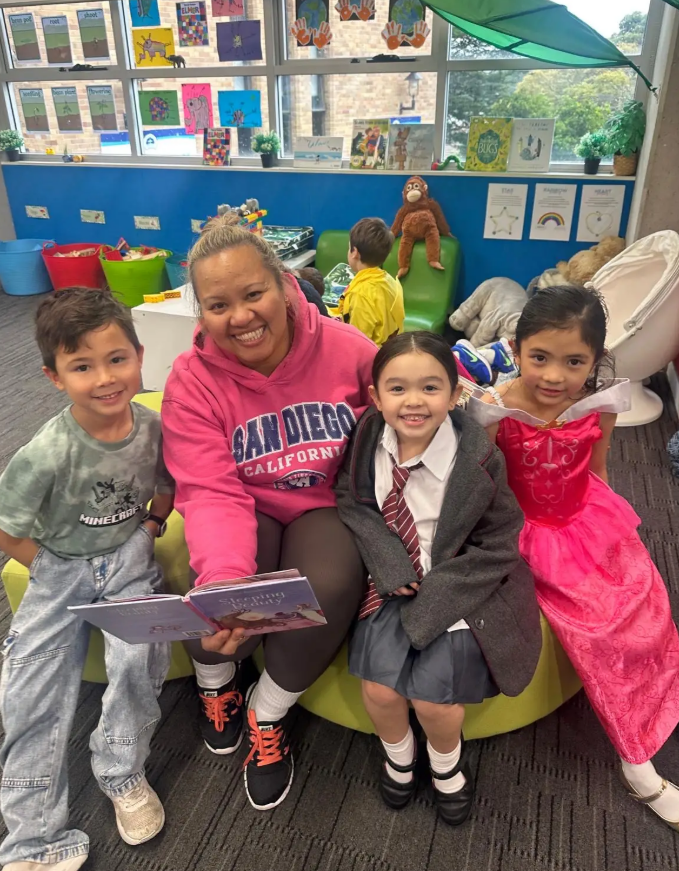
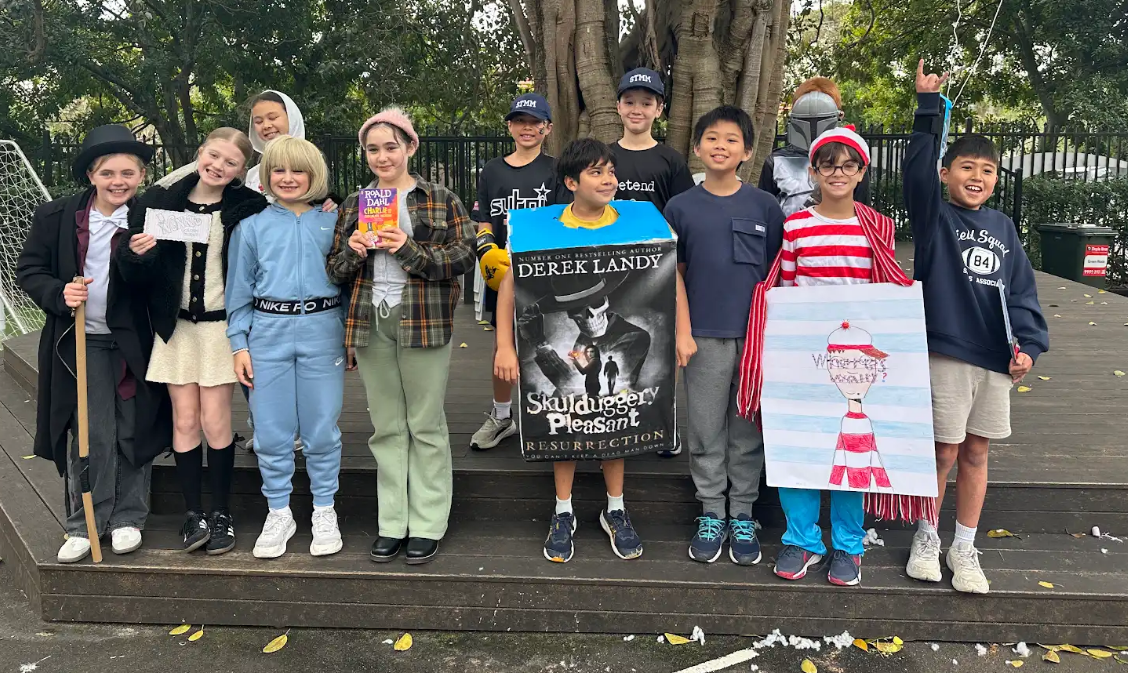
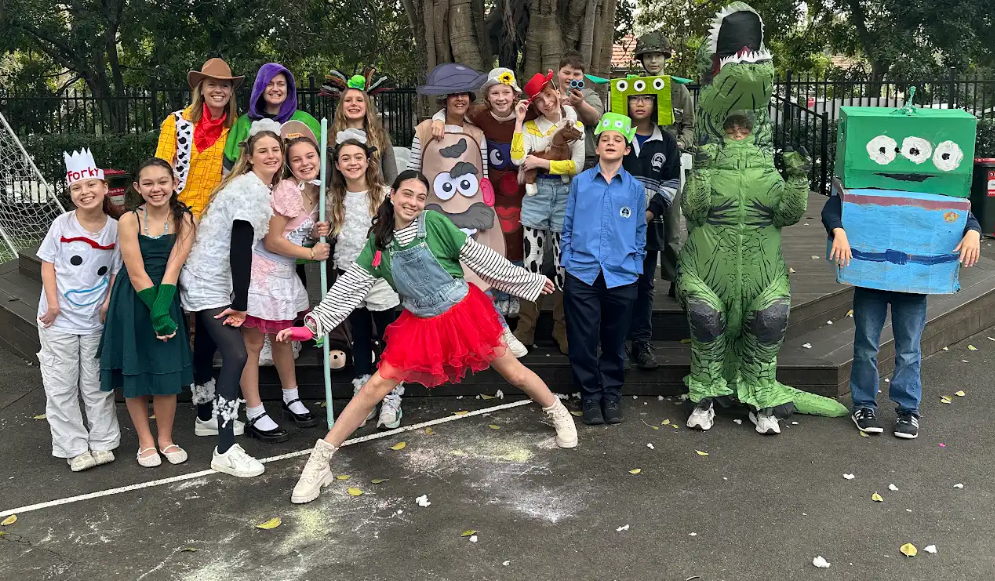
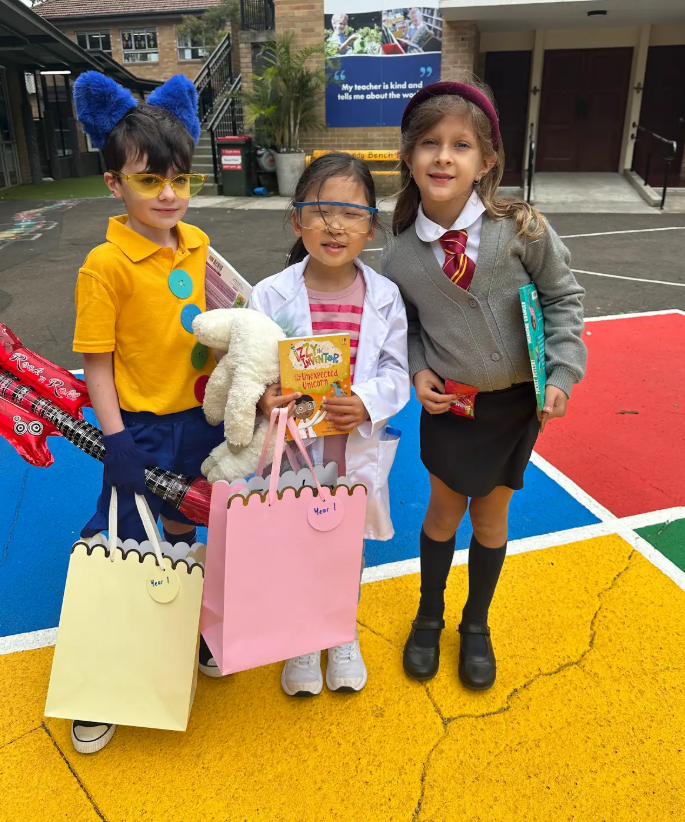
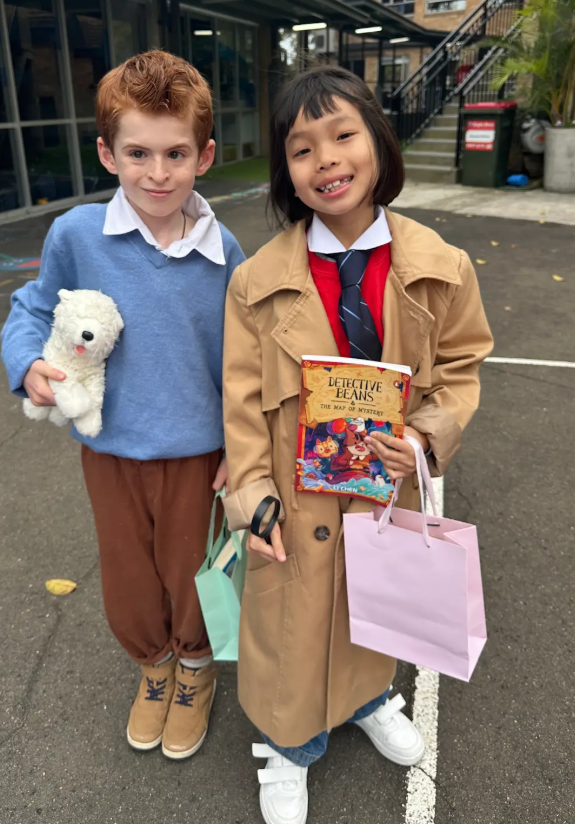
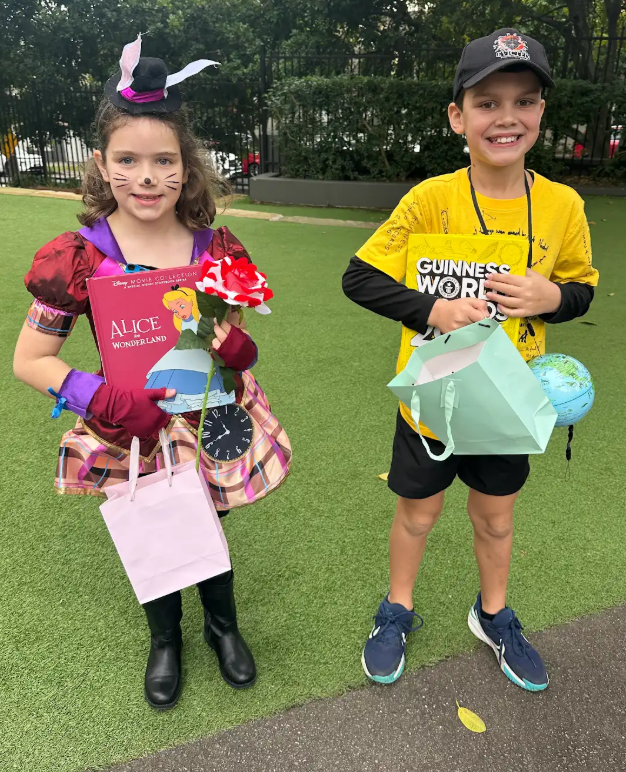
While we have marked this week as Book Week at school, our celebrations actually began last Thursday when students were entertained by Perform Education's production of Something Special. The performance was thoroughly enjoyed by all and provided a fitting start to our Book Week festivities.
Our focus on fostering a love of reading will continue next week as we set up the Scholastic Book Fair. This has become an important event in supporting reading across the school, while also providing an opportunity to add new resources to our library. We will once again have a donation box available for families who wish to purchase a book for the school library. The timing of the Book Fair is intentional, allowing families to visit while our generous dads and father figures are onsite for our Father's Day Breakfast and Liturgy next Thursday morning. We look forward to welcoming them and celebrating the important role they play in the lives of our students.
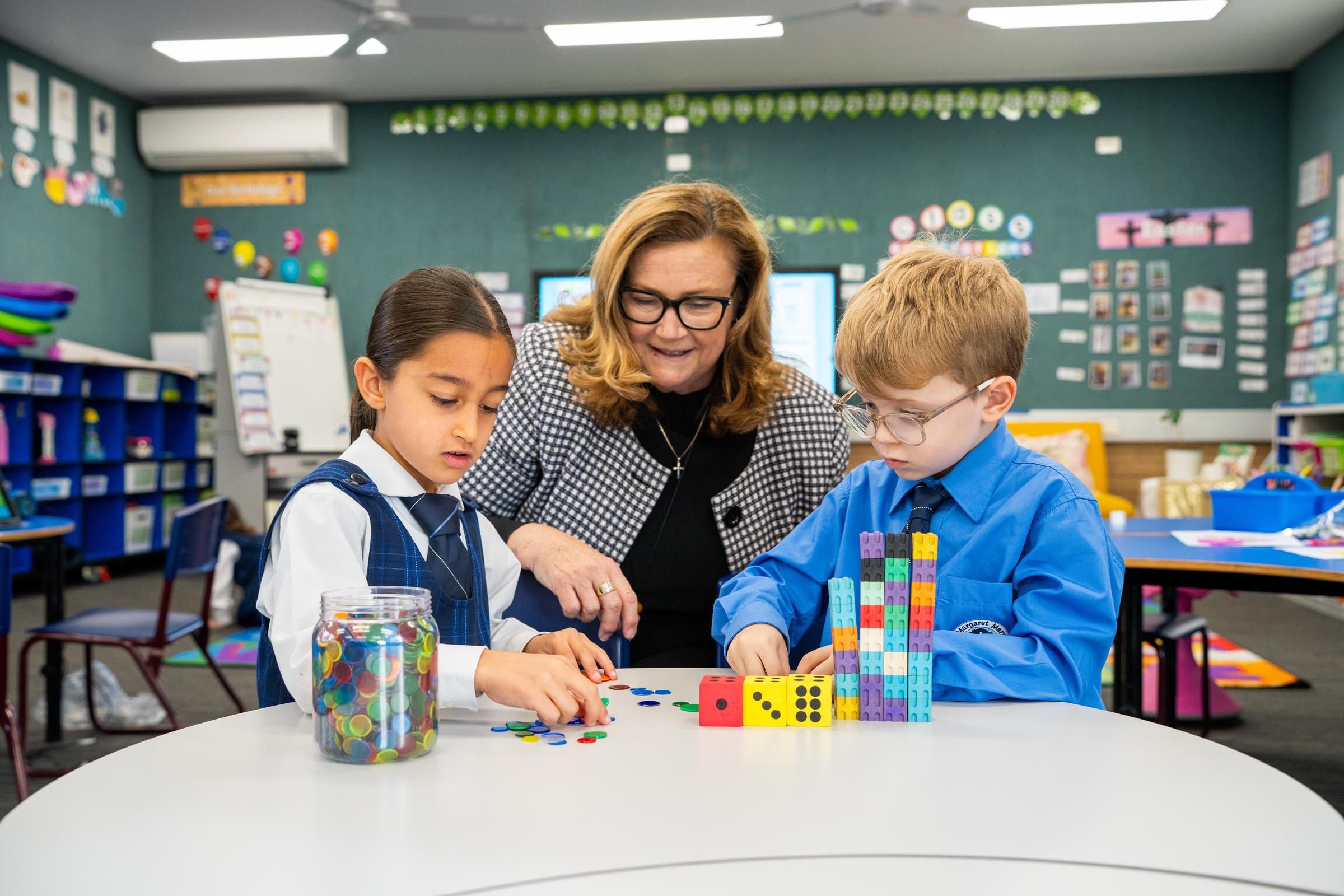
Last Friday, we were pleased to welcome Mrs Danielle Cronin, Executive Director of Sydney Catholic Schools, to St Margaret Mary's. During her visit, we toured the school and she had the opportunity to meet many of our students and staff as they engaged in their usual Friday learning and routines. It was a valuable opportunity to share the many successes our school has experienced over recent years, including the steady improvement in our NAPLAN results. Most importantly, it allowed us to showcase the positive learning culture, strong relationships and sense of community that make St Margaret Mary's such a special place.
As always, thank you for your ongoing support of our school and the many ways you encourage your children's learning, particularly through the simple yet powerful habit of reading together each day.
By Michael Grose
This calm, proactive approach builds your child’s emotional intelligence and breaks the cycle of dysregulation.
You probably know the horrible feeling of watching your child unravel, whether it’s the heat of a sibling squabble, the nervous tension before a school presentation, or the shaky voice when trying to speak with a stranger.
You want to rush in and fix the problem your child is facing.
You can do it in a flash.
But you also know that, in doing so, you rob your child of the chance to develop the problem-solving skills and agency to manage any situation.
It’s better to give your child the tools they need to navigate challenges with confidence rather than solve them yourself.
The tool they need is the Self-Anchor.
Teach Your Child to Self-Anchor
This tool is not designed to help your child avoid conflict, but to regulate their physiology and emotions so they can face up to challenging or new situation.
Here’s how to teach a child this three-step self-anchoring process:
1. Stop and Breathe
When faced with a stressful situation, encourage your child to stop, plant their feet firmly on the ground, and slow their breathing.
This action signals safety to their nervous system, a necessary precursor to rational, confident thought.
It grounds them in the present moment and turns off their lizard brain, which is responsible for the fight-or-flight response.
Practise this step with them in no- or low-stress situations.
Role-play it.
Behaviour rehearsal is a powerful tool that enables kids to learn new skills they can use in all sorts of situations.
Create a prompt - “Take a breath” - to cue them to anchor themselves when they need reminding.
Expert Tip: Model this by taking a visible, slow breath before responding to your child when they are upset, showing them that you are also using your own anchor.
2. Observe What’s Happening
Also known as metacognition, this high-level skill involves the ability to step back and observe their thinking and, if necessary, change the internal script driving their emotions.
Encourage them to think about the story they are telling themselves about the situation they’re faced with.
This helps them move from being in the emotion to observing it, transforming them into a detached, clear-headed problem solver.
For instance, a child may be angry at a sibling for breaking a favourite toy. The story they tell themselves may go something like this: "He always takes my things without asking. He’d done it again. He’s broken it on purpose. I know it.”
This child has told the Selfish Sibling Story to himself many times. By tapping into old grievances, this narrative drives an unhelpful emotional response.
By recognising the familiar story, he can change the narrative into something more reasonable, such as, “What’s happened to my toy? I need to find out.”
Expert Tip: Avoid jumping in with your own interpretation of events; allowing them to narrate the experience builds their internal capacity for perspective.
3. Take a Small Step
This is where composure and calmness win the day.
Guide them to identify a specific low-stakes action.
If it’s sibling conflict, the action may be as simple as saying, “I’m going to the kitchen now. Let’s talk in ten minutes.”
By taking a small, deliberate step, they activate the problem-solving part of their brain, which is vital for their sense of control.
Expert Tip: Keep the action steps extremely small, because success with a micro-step builds the positive momentum needed to tackle larger challenges later.
Finally……..
When you teach a child to self-anchor, you let them know that composure is their greatest asset.
Importantly, they learn that they do not need to be the loudest or most aggressive person in the room to hold authority.
That, in fact, soft power rather than hard power usually wins the day.
They also learn that true leadership and the ability to negotiate the world comes from the quiet, unshakeable confidence of someone who knows how to hold their own ground.
And that’s a template that hopefully they’ll retain for life.