
Wellbeing

PBL
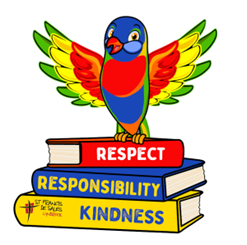
At SFS, our PBL (Positive Behaviours for Learning) school wide expectations are:
Respect, Responsibility and Kindness
We have a whole school social skills lesson where we explicitly teach an expected behaviour from our Behaviour Expectation matrix.
This week we have focused on KINDNESS- Including others.
It is important that we learn to show kindness and include others: So that everyone feels that they belong:
- To demonstrate that we embrace diversity and appreciate differences in others
- To help us connect or build relationships with each other
- To work together to achieve learning
- To encourage kindness
- To teach empathy. The students explored in class this week what including others at school would look like and sound like.
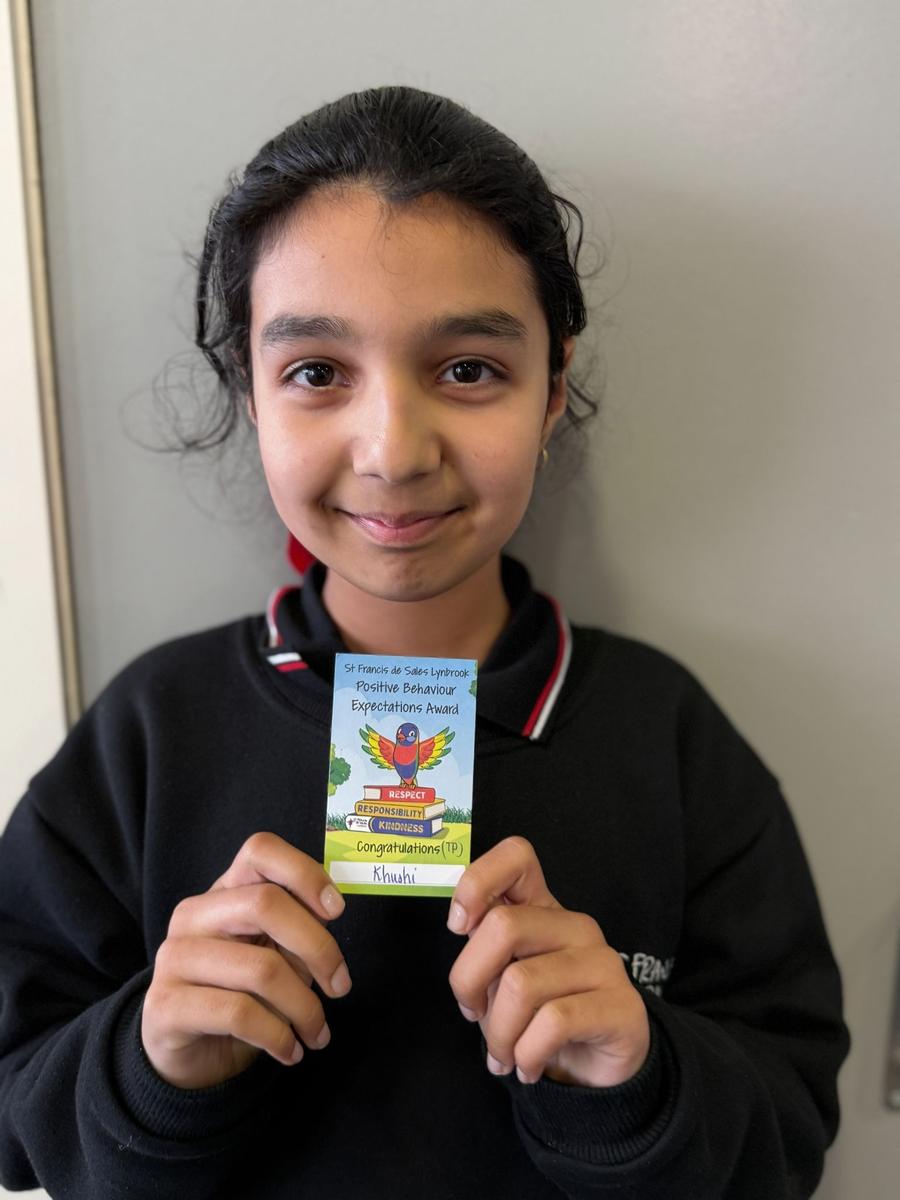
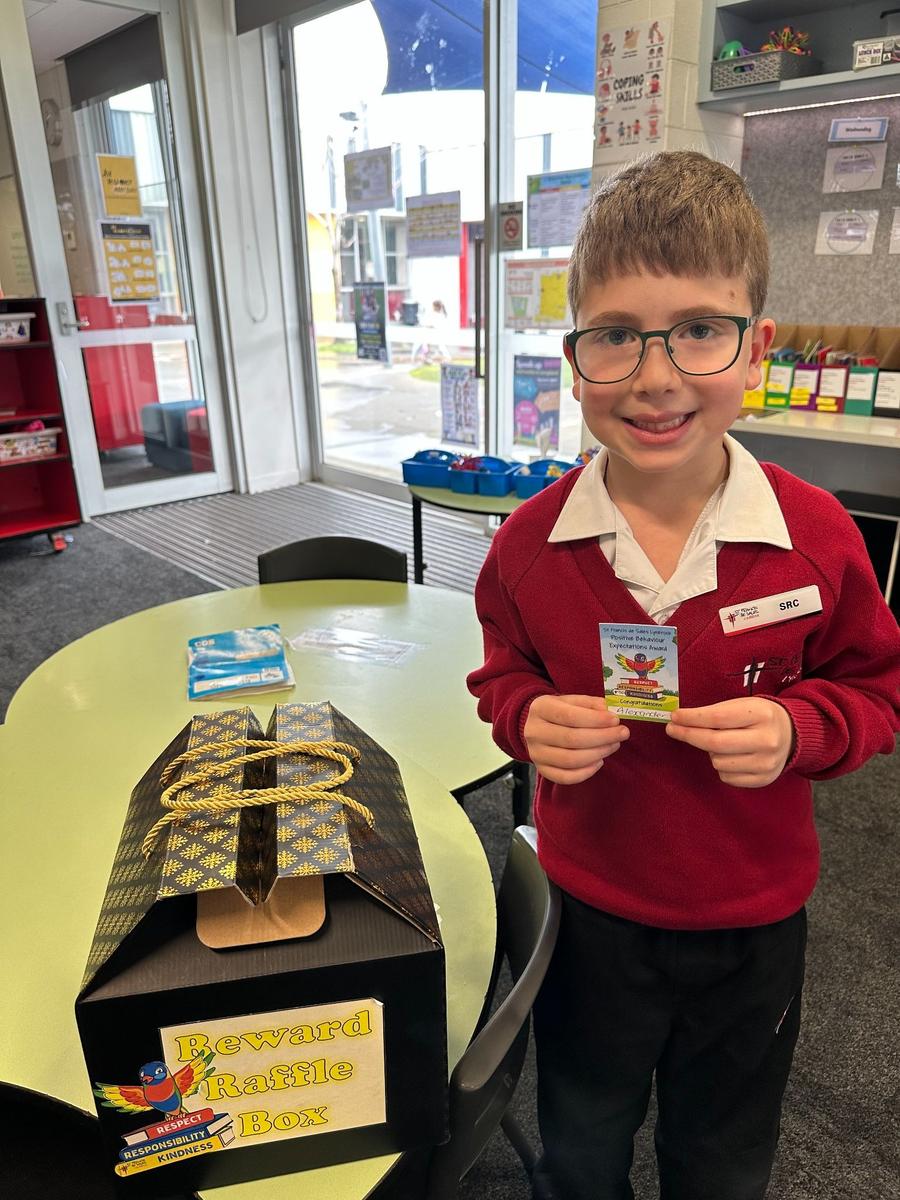
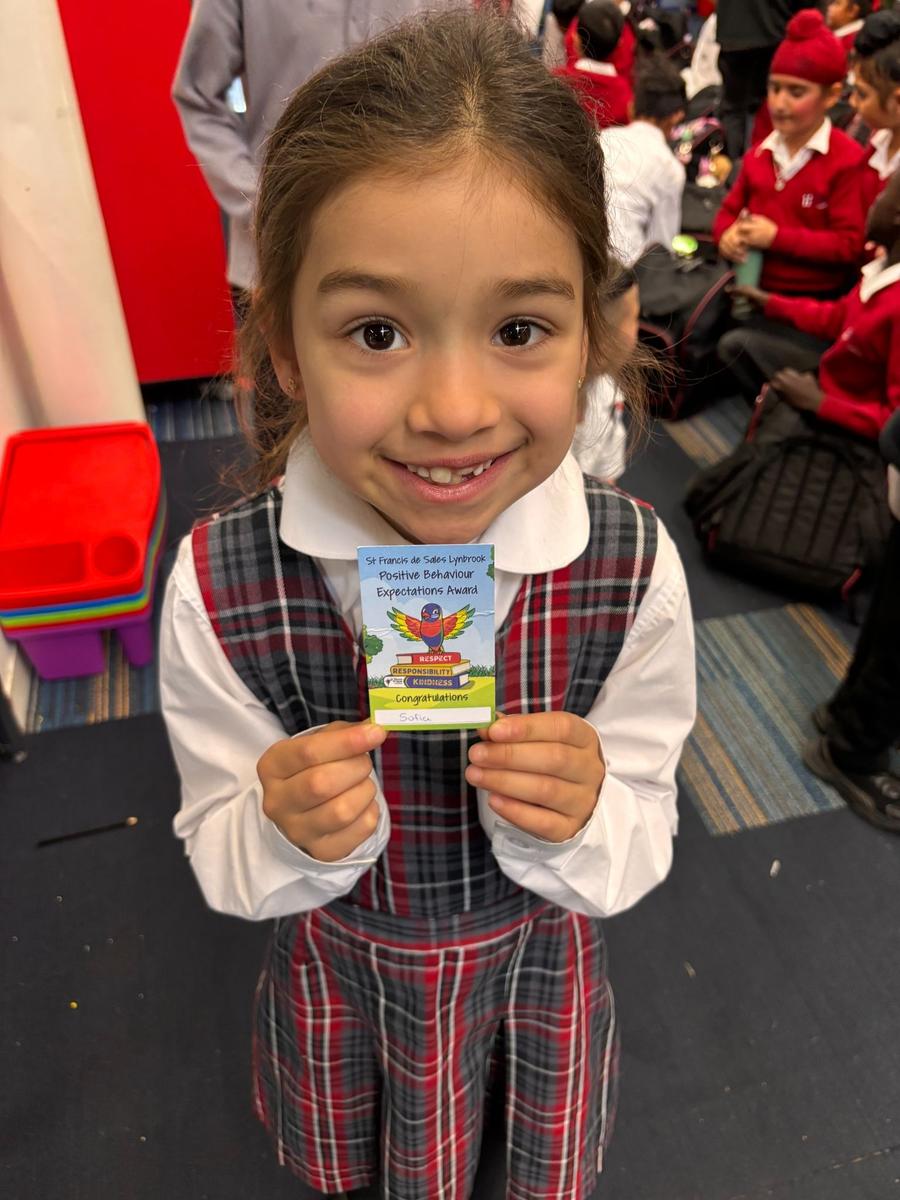
Here are some of our recent lucky raffle winners who have been demonstrating expected behaviours at school.
R U OK day
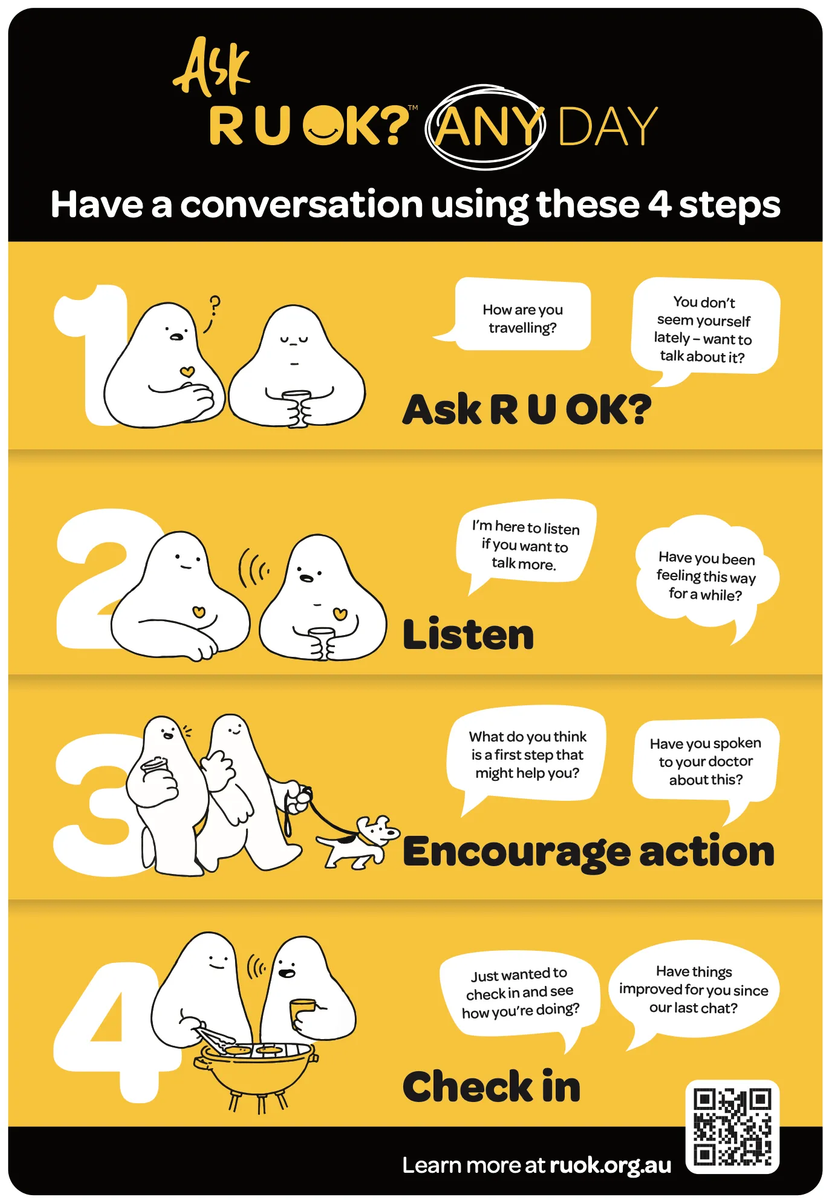
Next Thursday 11th September is R U OK day.
Ask R U OK? Any Day. Life serves up challenges that can sometimes make us feel overwhelmed, unsure, or unsettled. When that happens it’s comforting to know there is someone we can talk to who can share the load and help us through.
The people in your world won’t always tell you if something’s troubling them, so it’s important for you to consider what’s going on in their lives and be on the lookout for any changes in the way they behave. To highlight the importance of checking in on our family and friends and supporting each other’s mental health, we are encouraging the students to wear a touch of yellow to school on this day.
The children will have their weekly PBL lesson with a focus on R U OK day and learning the 4 steps to checking in on someone.
We use the acronym ALEC.
Ask “R U OK”
Listen
Encourage action
Check in
It is so important for our children’s safety to develop protective behaviours and this includes normalising help seeking behavior.

National Child Protection Week
Next week is National Child Protection week. What is National Child Protection Week?
National Child Protection Week (NCPW) brings Australians together to focus on how we can all help keep children and young people safe, supported and heard.
It is an opportunity to raise awareness of child abuse and neglect, share information and practical resources, amplify the voices of children and young people, and promote actions that strengthen families and communities and prevent harm before it occurs.
National Child Protection Week reminds us that protecting children is everyone’s business. We all have a role to play – whether we are parents, carers, community members, educators, service providers, policymakers or neighbours.
By coming together, listening to children and young people, sharing ideas and turning conversation into action, we can strengthen the communities around children and families. We can also celebrate what is already working, while continuing to build environments where every child is valued, respected and able to thrive.
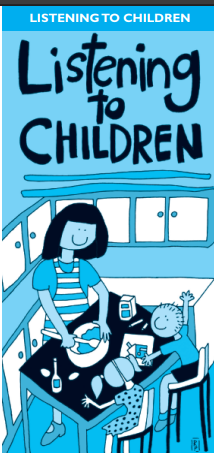
The following information is taken from NAPCAN’s parenting brochure on Listening to Children. NAPCAN is an independent charity and the leading advocacy body for prevention of child abuse and neglect. For more information, visit www.napcan.org.au Or call Parentline VIC 13 22 89
Why listening to children is so important
“Making a point of listening to every child you know is one of the most important things you can do. It shows children you really care and respect that they are worth listening to. This helps them feel they are special and respected. Being listened to also helps children to practice putting ideas into words, explore their feelings, and develop self-confidence. When you listen to your child, you benefit by learning more about how your child thinks and feels, and what they need.
Finding a time and place for talk
Children will chat more freely when they are doing something with you.
This could be: • Going shopping together
• Walking the dog
• Sitting at a table and sharing a meal
• Watching a TV program together
• Doing a puzzle or making something together
Bedtime is a great time to talk. Then your child knows you are a captive audience!
How to be a good audience
Really pay attention to what your child is saying, rather than doing or thinking about something else. Show you are listening by nodding, smiling or mirroring the feelings in your child’s story. Say things like,“Yes, I see” or “He didn’t!” Ask general questions like, “What happened then?” or “What did you think about that?” This helps children to develop their own ideas and shows that you are interested.
Encouraging children to talk
Ask about the best thing that happened in your child’s day. Remember what has been going on for your child so you can ask the best questions. Ask about their friends. Ask their opinions about things. Ask how they would solve problems. But respect their answers! If you are reading a book with your children, discuss it with them. Pause at the end of each page for them to comment. If your child doesn’t respond to a question, don’t push. Change the topic. Remember that children live much more in the minute than adults. If they don’t want to talk about what happened at school, it’s probably because it’s not important anymore!
Children may clam up…
• when they are interrupted.
• when their adult listener is obviously bored or busy doing something else.
• when the adult takes over the discussion.
• when they have their pronunciation or grammar mistakes criticised.
• when they feel they are being questioned.
• when they feel disapproval.
Talking about worries
Sometimes children need to talk about worries, but don’t know how to start. Recognise their feelings and gently prompt them. If you really don’t have the time just then, make it clear that you will listen later on – and do! Find a quiet place where you can give your undivided attention. Help your child talk about their feelings. Find out what they would like to happen before taking over with adult solutions. It might be best to compromise. If the problem is serious and you need to act, try to stay calm. Strong adult emotions can scare children into silence.”
If you have any concerns about the mental health or wellbeing of your child, please do not hesitate to contact me at school or you can email me, rlenko@sfslynbrook.catholic.edu.au
I will be available on the afternoon/evening of parent teacher interviews on Thursday 17th September from 1.30pm until 7pm.
Please let me know if you would like to make a time to speak to me about your child and any wellbeing concerns. Part of my role as the Mental Health and Wellbeing leader is to help parents with referral pathways to what we can do at school to support your child and what external services or supports are available that may benefit your child.
I am happy to talk to parents about this.
Rachel Lenko
Mental Health and Wellbeing Leader
Positive Quote for the day
Positive Quote for the day