Wellbeing


Wellbeing Leader - Mr Nick Flavel
Child Safe Standard 7
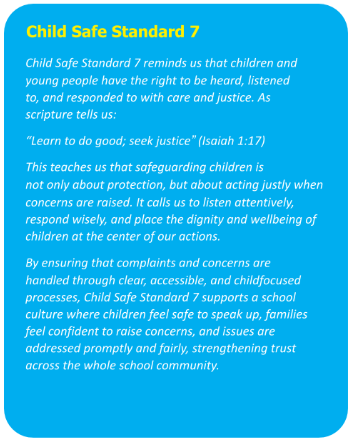
‘’Processes for complaints and concerns are child-focused.’’
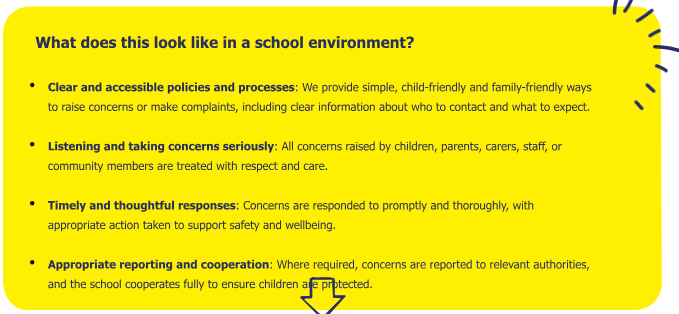
As Catholic educators, we have a moral, mission-driven and legal responsibility to uphold and actively promote the wellbeing and safety of every student entrusted in our care. Our commitment to the protection of students includes ensuring that children, families and community members can raise complaints and concerns safely, are listened to respectfully, and understand how to access child-focused complaint processes that prioritise children’s voices and wellbeing. Our Catholic communities uphold clear, accessible and child-centred policies and procedures for responding to complaints and concerns, supporting staff and volunteers to act promptly, lawfully and with integrity so that child safety and wellbeing are central to every response.
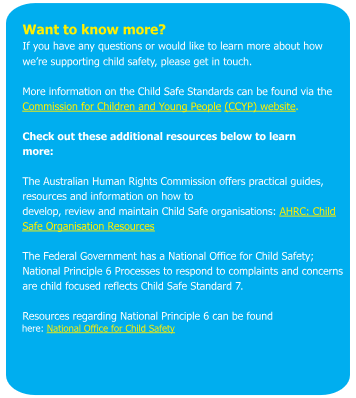
This newsletter series provides an overview of what the Child Safe Standards are, how they are designed to help keep children and young people safe and what schools governed by Melbourne Archdiocese Catholic Schools (MACS) are doing to prioritise and achieve this.
Why is it important that complaints and concerns are child-focused?
Children are safest when they know that adults will listen to them, take their concerns seriously, and act in their best interests.
When schools have clear and child-focused processes for handling complaints and concerns, children and families are more likely to speak up early.
This helps schools respond quickly, provide appropriate
support, and prevent harm.
Child-focused processes also promote fairness, transparency, and trust, ensuring that concerns are addressed respectfully and with care for everyone involved.
How Parents, Carers and Guardians can get involved!
Child Safe Standard 7 works best when schools and families partner together to support children’s safety and wellbeing. Families can help by:
- Encouraging children to speak up: Let your child know they can talk to you or a trusted adult at school if something doesn’t feel right.
- Knowing how to raise concerns: Get familiar with the school’s complaints and concerns policy and processes and who to contact if needed.
- Sharing concerns early: If you notice changes in your child or have a worry, raising it early helps the school respond quickly and appropriately.
- Working in partnership: Engage openly and respectfully with the school, knowing that listening, fairness, and child wellbeing guide how concerns are managed.